








Blender is a powerful and free 3D creation suite that has taken the indie animation and game development world by storm. Yet many big studios seemingly ignore Blender for professional work, sticking instead to costly software like Maya, 3ds Max, or Houdini. This puzzling situation leads 3D artists and freelancers to ask: Why does Blender get ignored by studios, despite its robust feature set and zero price tag? In this in-depth article, we’ll explore the key reasons behind the industry’s hesitance.
We’ll also look at how Blender is used in film and game production, examine its reputation among professionals, and discuss what it might take for Blender to gain wider studio adoption. Whether you’re a freelance artist or part of a studio team, read on for a research-driven analysis of Blender’s place in the industry, complete with real examples, case studies, and insights from credible sources.

In This Article (18 sections)
Is Blender Used in the Film and Game Industry?
Blender is utilized in the film and game industries, particularly by smaller studios and for specific roles, though not as a dominant tool. Notable projects include the end credits of Wonder Woman (2017), visual effects for The Man in the High Castle, and the Academy Award-nominated Song of the Sea (2014). Pixar supports Blender internally among third-party tools.
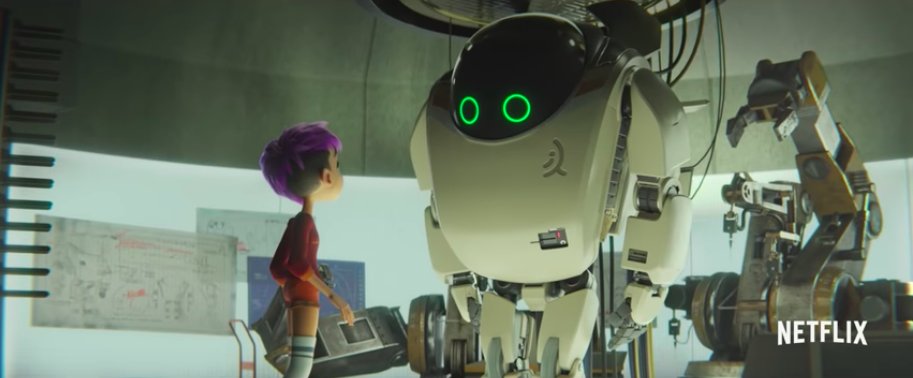
In gaming, indie developers rely on Blender for asset creation, while larger studios use it for modeling or prototyping, exporting to game engines via FBX or OBJ. Next Gen (2018), a Netflix film, was produced entirely in Blender, showcasing its capability for high-end animation. Blender also supports concept art and pre-visualization at major studios like Industrial Light & Magic, though final production often shifts to other software.
Smaller studios and independent filmmakers embrace Blender fully, while larger studios use it selectively. Despite its proven capabilities, widespread adoption as a primary tool remains limited due to entrenched industry practices.
Are There Studios That Successfully Use Blender?
Several studios successfully integrate Blender, with some adopting it as a primary tool:
- Ubisoft Animation Studio: Adopted Blender as the main tool for animated series, joining the Blender Development Fund to support its growth.
- Khara, Inc.: Transitioned to Blender for Evangelion: 3.0+1.0 and future projects, shifting their 3D pipeline.
- Tangent Animation: Produced Next Gen (2018) using Blender for modeling, animation, and rendering, while contributing to Blender’s Alembic and volumetrics development.
- Barnstorm VFX: Used Blender for The Man in the High Castle, earning a VES Award nomination, leveraging Cycles and cloud rendering for VFX shots.
These studios often contribute to Blender’s ecosystem, enhancing features like Alembic and volumetrics. While successful, such cases are exceptions, as larger studios rarely adopt Blender fully due to pipeline constraints.

Why Do Big Studios Ignore Blender for Professional Work?
Despite Blender’s free, versatile toolset, large studios avoid it as a primary tool due to practical and business factors:
- Pipeline Inertia: Studios have years of investment in tools like Maya, with custom scripts and trained staff, making switching costly and risky.
- Cost Considerations: License fees for Maya or Houdini are minor compared to production budgets, reducing the incentive to switch to free software.
- Industry Standards: Maya, Houdini, and 3ds Max dominate due to established workflows, talent pools, and compatibility with pipeline tools.
These factors outweigh Blender’s benefits, as studios prioritize stability and familiarity over cost savings.
What Are the Main Reasons Studios Avoid Blender?
Key reasons studios avoid Blender as their primary tool include:
- Pipeline Inertia and Investment: Existing pipelines built around Maya, 3ds Max, or Houdini involve custom tools and scripts, making a switch to Blender costly and disruptive.
- Workforce and Talent Pool: More artists are trained in Maya/Max than Blender, complicating recruitment and retraining for Blender-based pipelines.
- Interoperability Issues: Blender’s historical struggles with formats like FBX and proprietary SDKs hinder integration into multi-software pipelines.
- Feature Gaps: Blender lacks robust referencing, advanced animation tools, or seamless pipeline management integration compared to Maya or Houdini.
- Support and Accountability: Commercial software offers vendor support, unlike Blender’s community-driven model, which studios see as riskier.
- Stability Concerns: Frequent Blender updates can disrupt pipelines, unlike the stable, long-term releases of commercial tools.
- Licensing Concerns: Blender’s GPL license raises issues for proprietary plugin integration, deterring studios from custom development.
- Perception Issues: Blender’s past reputation as a hobbyist tool lingers, despite recent professional successes.
These factors collectively discourage large studios from adopting Blender as a core tool.

Does Blender Have a Bad Reputation Among Industry Professionals?
Blender’s early reputation suffered due to its quirky interface and amateur-associated output:
- Historical UI Issues: Pre-2010 Blender had an unintuitive interface (e.g., right-click selection), creating a perception of inaccessibility.
- Amateur Work: As a free tool, Blender attracted many beginners, leading to lower-quality output that unfairly tainted its image.
The Blender 2.8 overhaul (2019) modernized the interface, aligning it with industry standards. High-profile projects like Next Gen and The Man in the High Castle have improved perceptions, though outdated biases persist among some professionals, slowing adoption.
Why Do Studios Prefer Maya, Houdini, or 3ds Max Over Blender?
Studios favor Maya, Houdini, and 3ds Max due to their entrenched advantages:
- Established Features: Maya excels in rigging and animation, Houdini in simulations, and 3ds Max in games/architecture, offering specialized depth Blender’s versatility doesn’t always match.
- Large Talent Pool: More artists are trained in Maya/Max, enabling studios to hire skilled candidates without retraining.
- Plugin Ecosystem: Extensive plugins and custom tools for Maya/Max/Houdini integrate seamlessly with game engines and renderers, unlike Blender’s growing but less mature addon ecosystem.
- Proven Reliability: Commercial tools have decades of production success and vendor support, reducing risk compared to Blender’s community-driven model.
These factors make commercial tools the safer, more integrated choice for large-scale productions.

Is Blender Missing Features That Studios Require?
Blender’s feature set is broad but has gaps for high-end studio needs:
- Scene Management: Until Blender 3.0’s Library Overrides, referencing and asset management were limited, complicating multi-artist workflows.
- Animation and Rigging: Maya offers more advanced rigging and animation tools, while Blender’s options, though capable, may require add-ons for complex setups.
- Pipeline Polish: Blender’s asset preparation (e.g., naming conventions, FBX exports) can be less streamlined than Maya’s tailored pipelines.
- Specialized Tools: Houdini surpasses Blender in high-end simulations; Blender lacks native integration with asset management systems like ShotGrid.
- Renderer Integration: While Cycles is robust, integration with renderers like V-Ray or RenderMan is less mature due to licensing constraints.
Recent updates (e.g., UDIM support, Alembic improvements, USD development) are closing gaps, but some studios still find Blender’s implementations less production-ready for specific needs.
Blender’s capabilities are advancing, but entrenched pipelines, talent availability, and specialized feature requirements keep commercial tools dominant in large studios.
Is Blender Considered Unreliable for Large-Scale Productions?
Blender’s reliability for large-scale productions, like big-budget films or AAA games, is questioned due to unproven performance at extreme scales, despite significant improvements:
- Limited Stress-Testing: Blender lacks extensive testing in AAA-scale projects compared to Maya or Houdini, making studios cautious about its unproven track record with thousands of assets.
- Stability Concerns: Blender is stable for many users, but large studios worry about potential crashes or bugs without vendor support, requiring in-house developers to fix issues.
- Support Limitations: Unlike commercial tools with dedicated support, Blender relies on community forums, posing risks for time-sensitive productions where downtime is costly.
- Performance at Scale: Past criticisms noted Blender’s slowdown with high-poly scenes or numerous objects, though improvements like Cycles X and Everything Nodes address this.
Tangent Animation’s Next Gen (2018) succeeded with Blender, but their 2021 closure sparked speculation about Blender’s scalability, though evidence points to funding issues, not software failure. Smaller studios find Blender reliable, but large studios view it as less proven due to limited high-stakes project history.
Blender’s reliability concerns stem from its untested status in blockbuster contexts, not inherent instability. As more large projects use Blender and long-term support (LTS) versions gain traction, these concerns may diminish.

Does the Open-Source Nature of Blender Affect Studio Adoption?
Blender’s open-source model impacts studio adoption with both advantages and challenges:
- No Official Support: Studios lack vendor support or SLAs, relying on community forums, which feels risky compared to Autodesk’s 24/7 professional support.
- Development Misalignment: Blender’s community-driven updates may not prioritize studio-specific needs, unlike commercial vendors catering to paying clients.
- Corporate Perception: Some managers view open-source as less “enterprise-ready,” preferring established vendor contracts over Blender’s unconventional model.
However, open-source allows customization without vendor dependency, and industry acceptance of open standards (e.g., OpenColorIO, USD) boosts Blender’s legitimacy. Studios like Ubisoft and Epic support Blender financially, reducing its hobbyist stigma.
Blender’s open-source nature offers freedom but deters studios needing formal support and traditional procurement, though growing industry endorsements are easing adoption barriers.
What Are the Licensing and Pipeline Concerns Studios Have with Blender?
Blender’s GNU GPL license raises specific concerns for studios:
- Proprietary Plugin Risks: Studios fear GPL may require open-sourcing custom plugins if distributed, deterring third-party vendors like Allegorithmic from supporting Blender.
- Interoperability Issues: GPL restricted Blender’s use of proprietary SDKs (e.g., FBX), leading to less reliable format support compared to Autodesk tools.
- Legal Uncertainty: Corporate legal teams may flag GPL as risky due to its “viral” nature, avoiding potential proprietary code conflicts.
Open standards like Alembic, USD, and OpenVDB improve interoperability, and internal scripts remain private under GPL. While licensing concerns persist, evolving standards and studio workarounds are reducing barriers.

Do Blender’s Frequent Updates Cause Stability Issues for Studios?
Blender’s rapid updates historically posed stability concerns for studios:
- Version Fragmentation: Frequent releases (every 3-4 months) risked breaking plugins or workflows, complicating version syncing across teams.
- New Feature Bugs: Rapid updates introduced potential bugs, disrupting production pipelines that prioritize consistency.
- Pipeline Compatibility: New versions could cause file or add-on compatibility issues, requiring strict version control.
The introduction of Long-Term Support (LTS) releases, starting with Blender 2.83 (2020), provides two years of stable bug fixes, aligning with industry needs. Blender’s alignment with the VFX Reference Platform further enhances stability.
LTS releases and controlled versioning mitigate update concerns, allowing studios to lock into stable versions, making Blender more viable for production.
Does Blender Integrate Well with Studio Production Pipelines?
Blender’s pipeline integration has improved but faces challenges:
- File Format Compatibility: Blender supports FBX, OBJ, Alembic, and USD, but transfers (e.g., rigged characters) may lose fidelity compared to Maya’s seamless exports.
- Asset Management: Studios need custom scripts to integrate Blender with asset management systems, unlike Maya’s established automation.
- Pipeline Segmentation: Blender is often used in isolated roles (e.g., concept art) with exports to Maya, simplifying integration but limiting full pipeline use.
- Scripting Capabilities: Blender’s Python API supports automation, but pipeline teams may need time to adapt from Maya’s MEL/Python workflows.
Open standards like Alembic, USD, and OpenVDB enable smoother data exchange, as seen in Tangent Animation’s use of Houdini caches in Blender. Partial integration (e.g., previs) is common, with studios like Ubisoft testing Blender via pilot projects.
Blender integrates increasingly well via open formats, but adapting complex pipelines requires effort, making it less plug-and-play than Autodesk tools.
Why Do Studios Invest in Paid Software Instead of Blender?
Studios opt for paid software over free Blender due to factors beyond cost:
- Low Software Cost Relative to Budgets: License fees (e.g., $1.5k/year for Maya) are minor compared to artist salaries ($50k–$100k+), making productivity gains from familiar tools more valuable than savings.
- ROI and Reliability: Paid software offers vendor support, updates, and proven reliability, reducing project risks that outweigh license costs.
- Vendor Influence: Paying studios gain input on software development, unlike Blender’s community-driven model where influence is less direct.
- Training and Pipeline Momentum: Existing investments in training and pipelines for paid tools make switching to Blender costly due to retraining and re-engineering.
- Perceived Professionalism: Paid software is seen as “enterprise-grade,” reassuring clients and stakeholders of industry-standard quality.
- Budget Dynamics: Allocated software budgets encourage spending to avoid future cuts, and paid tools often include extras like cloud services.
Studios prioritize efficiency, reliability, and pipeline compatibility over cost savings, viewing paid software as a safer investment despite Blender’s free license.
What Would It Take for Blender to Be Adopted More Widely by Studios?
For broader studio adoption, Blender must address key barriers:
- Robust Pipeline Integration: Enhanced support for USD, Alembic, and VFX Reference Platform compliance ensures seamless integration with existing pipelines.
- Long-Term Stability: LTS releases and potential paid support services (via third parties) provide reliability for multi-year projects.
- Improved High-End Features: Unique tools like Grease Pencil or Geometry Nodes could outperform commercial software, attracting studios for specific tasks.
- Larger Talent Pool: Increased Blender training in schools and universities will grow the pool of proficient artists, easing hiring concerns.
- Success Stories: High-profile projects using Blender (e.g., blockbusters) will build confidence in its capabilities.
- Workflow Enhancements: Better asset management and network collaboration features will support large-scale, multi-artist productions.
- Industry Partnerships: Collaborations with studios and tech firms (e.g., NVIDIA, Adobe) can tailor Blender to specific pipeline needs.
- Changing Mindsets: Growing artist familiarity and younger professionals advocating for Blender will shift conservative attitudes over time.
Blender’s adoption hinges on low-risk integration and high-reward features, with current trends suggesting gradual acceptance as a pipeline tool.

Frequently Asked Questions (FAQ)
1: Is Blender really not used by major VFX and animation studios?
Blender is used by some studios (e.g., Ubisoft’s TV animation, Tangent Animation, Barnstorm VFX), but it’s not a primary tool for most top-tier studios, who prefer established commercial software.
2: What are the main reasons studios don’t use Blender?
Studios cite pipeline inertia, limited Blender-trained talent, missing features, lack of vendor support, and GPL license concerns as reasons to stick with current tools.
3: Can Blender produce the same quality as Maya or 3ds Max for films/games?
Yes, Blender’s Cycles renderer and tools support high-quality output, as seen in Next Gen and The Man in the High Castle, though pipeline workflows may differ.
4: If Blender is free, why wouldn’t a studio use it alongside other tools to save money?
Some studios use Blender for specific tasks, but adding it incurs training and pipeline costs, reducing efficiency unless it fills a clear gap.
5: Do any big-name studios or films use Blender that I might know of?
Blender contributed to Spider-Man 2 (concept art), Wonder Woman (end titles), and Khara’s Evangelion films, with Ubisoft using it for game level art.
6: Is learning Blender useful for getting a job in the industry if studios mostly use Autodesk products?
Yes, Blender skills transfer to other tools, differentiate candidates, and open opportunities with smaller studios and freelancers as adoption grows.
7: Can Blender open and export the files needed to work with other studio software (Maya, Unreal Engine, etc.)?
Blender supports FBX, OBJ, Alembic, and USD, enabling data exchange with Maya and game engines, though complex rigs may require adjustments.
8: Does using Blender’s GPL license pose any issue for a studio’s own assets or artwork?
No, assets created in Blender remain the studio’s property; GPL only applies to distributed code modifications, not artwork or renders.
9: Will Blender replace Maya and become the new industry standard?
Blender is more likely to coexist with Maya, used in hybrid pipelines, with full replacement unlikely soon due to slow studio adoption rates.
10: How is Blender developed and funded if it’s free? Is it sustainable for studios to bet on?
Blender is funded by donations, the Development Fund (supported by Adobe, Epic, NVIDIA), grants, and Blender Cloud, with over 20 full-time developers ensuring sustainable growth for studio reliance.
Conclusion: Can Blender Overcome Industry Resistance and Gain Studio Adoption?
Blender has evolved into a powerful tool, overcoming early limitations to produce professional results. Studio resistance stems from practical concerns—pipelines, support, and familiarity—rather than quality issues. Pioneering adoptions, industry funding, and a growing talent pool are eroding barriers. Blender may not replace commercial tools but is poised to become a standard pipeline option, starting with specific departments. Continued improvements in compatibility, stability, and high-profile successes will drive gradual adoption. Blender’s open-source model, once a hurdle, could foster industry collaboration, positioning it for a mainstream breakthrough as a cost-effective, innovative tool.
Sources:
- Reddit.
- Blender Artists.
- Polycount.
- Blender.
- Software Advice UK.
- 80 Level.
- Blender DevTalk.
Recommendations
- Super Mario Galaxy Movie Composer Brian Tyler Worked on the Movie While in the Hospital: What Happened and How the Score Was Made
- Gears of War Movie Director Shares Major Netflix Update
- The Importance of Virtual Avatars, Influencers, and Mascots for Brands: Lessons from Duolingo
- KPop Demon Hunters Cast Reunites for Special Online Performances: What Fans Can Expect
- Star Wars: Galactic Racer Release Date Seemingly Leaks: Steam Listing Points to October 6, 2026 for the Year’s Most Anticipated Sci-Fi Racer
- Every LEGO Game on PS5 in 2026: Complete List of LEGO PS5 and Backwards-Compatible LEGO Games
- NeXus for Blender: INSYDIUM’s GPU Particle and Fluid Simulation Tool is Coming
- Assassin’s Creed TV Show Now Filming: 64 AD Time Period, Cast, Director, and Netflix Release Details
- Dragon Ball Xenoverse 3 Finally Revealed: Akira Toriyama’s Last New Designs, Age 1000 Story, and 2027 Release
- Kingdom Come: Deliverance 2 AMA on Reddit Turns into a Disaster over AI Allegations (Full Breakdown)



































































































