







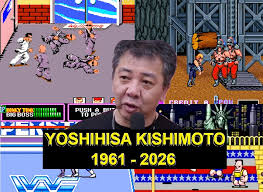
Legendary game designer Yoshihisa Kishimoto passed away on April 2, 2026, at the age of 64. The news was confirmed by Japanese gaming outlet Famitsu and by Kishimoto’s family, including a social media post from his son. Fans and colleagues immediately took to social media in mourning; for example, biographer Florent Gorges tweeted that he was “shattered” by the sudden loss of “one of the most incredible game designers”. As Kotaku notes, Kishimoto’s death marks the passing of a pioneer in classic beat-’em-up gaming.
Who Was Yoshihisa Kishimoto?
Yoshihisa Kishimoto was a Japanese video game developer known for creating the Double Dragon and Kunio-kun (River City) franchises. He began his career in the early 1980s at Data East, working on LaserDisc arcade games like Cobra Command and Road Blaster. In the mid-1980s he joined Technos Japan, where he designed Nekketsu Kōha Kunio-kun (later released internationally as Renegade) and led the development of the original Double Dragon.
These two titles became iconic and established Kishimoto as a foundational voice in the beat ’em up genre. He even referred to himself as the “grandfather” of the beat-’em-up genre, due to the lasting influence of his early work. In later years he worked freelance under his company Plophet, serving as creative consultant on modern revivals of Technos games like Double Dragon Neon (2012).
Yoshihisa Kishimoto Double Dragon Creator Legacy
Kishimoto’s creation of Double Dragon has left a deep legacy. Released in 1987, Double Dragon became one of the most famous arcade games of all time. It introduced features – such as a continuous scrolling cityscape, two-player cooperative play, and cinematic cutscenes – that became genre standards. The game spawned a long-running franchise of sequels, spin-offs, comics, toys, an animated TV series, and even a Hollywood movie. Time Extension reports that Double Dragon’s franchise “remains active to this very day,” and that Kishimoto revisited the series decades later (for example as director of Double Dragon IV in 2017). Overall, his work on Double Dragon cemented the series as a cornerstone of action gaming.
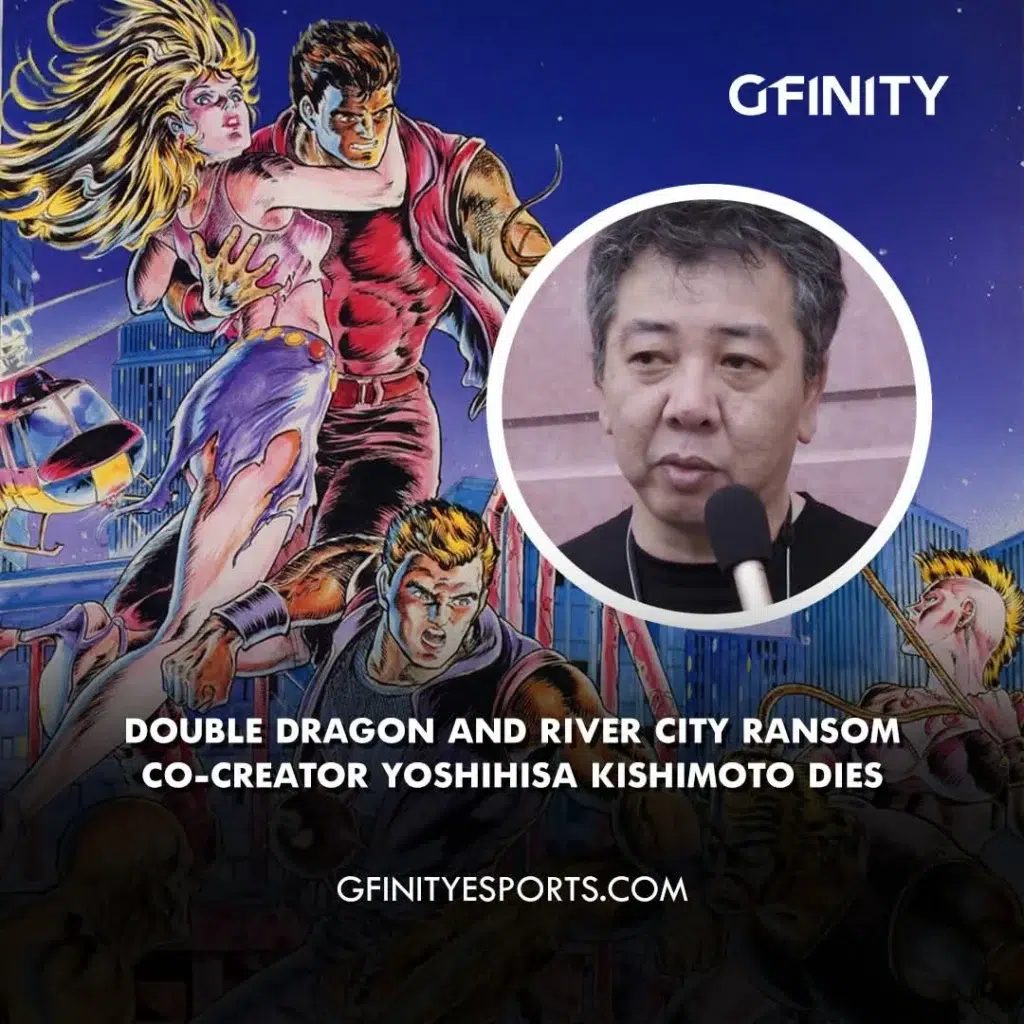
Yoshihisa Kishimoto River City and Kunio-kun History
Kishimoto was also the architect of the Kunio-kun series (known as River City in the West). In 1986 he designed Nekketsu Kōha Kunio-kun – a side-scrolling high-school brawler inspired by his own youth and martial arts films. This game was localized overseas as Renegade (with its setting changed to New York City), making Kunio the mascot of Technos Japan.
The Kunio-kun series became a huge hit: Technos’ next release outside Japan was Downtown Nekketsu Monogatari (1990, NES), known in the West as River City Ransom. Although Kishimoto did not directly develop River City Ransom, he later contributed to its legacy – serving as creative consultant on modern revivals like River City Ransom: Underground (2017) and collaborating on games such as Stay Cool, Kobayashi-san!: A River City Ransom Story (2019). The enduring popularity of Kunio-kun/River City (from beat-’em-ups to sports spinoffs) traces back to Kishimoto’s original designs.
How Yoshihisa Kishimoto Helped Define the Beat ’Em Up Genre
Kishimoto’s games were instrumental in shaping the beat ’em up genre. His titles established many conventions that later developers copied. For example, Double Dragon added true side-scrolling movement and cooperative two-player action to the Kunio-kun style formula. Renegade (Kunio-kun) introduced the idea of fighting street gangs in an urban setting with multiple levels. Over time, countless games like Streets of Rage and the Konami TMNT brawlers drew on the template Kishimoto created.
Critics note that he was a “foundational voice in the beat-em-up genre”. Kotaku writes that Kishimoto’s legacy extends “not just in brawling games like Streets of Rage and Ninja Turtle runs, but through a very clear influence on Street Fighter’s urban brawls and on fighting games at large”. In short, the side-scrolling fighting tropes that dominated late-80s and early-90s arcades were largely defined by Kishimoto’s early work.
Double Dragon History and Yoshihisa Kishimoto’s Influence
Double Dragon (1987) itself has a rich history tied to Kishimoto’s vision. Developed by Technos Japan, it was originally conceived by Kishimoto as a Kunio-kun sequel. However, the project evolved into a standalone game starring new characters Billy and Jimmy Lee. Kishimoto led its development, and the team added innovations like combat weapons, athletic moves, and dramatic boss fights.
The result was a massive success: Double Dragon became one of Japan’s top arcade hits of 1987 and the best-selling dedicated arcade game in America in 1988–89. It also “ushered in a golden age for the beat ’em up genre,” setting a standard that competitors followed. In summary, Kishimoto’s influence on Double Dragon ensured that it would not only be a hit in its time, but a lasting touchstone for action games.

River City Franchise Origins Explained
The River City (Kunio-kun) franchise started with Kishimoto’s original creation. Nekketsu Kōha Kunio-kun (1986) established the setting – a delinquent high school kid fighting gangs in his city – and became the template for future games. When this game was brought to the West, it was retitled Renegade and the Japanese high-school context was replaced by an urban New York gangster theme.
In Japan, the Kunio character continued in sequels that mixed comedy and action – most famously River City Ransom (1989, NES) which added RPG elements. The franchise grew to include fighting games, sports games, and countless spin-offs. All of this originated from Kishimoto’s initial concept of Kunio. The legacy continued into modern times: games like River City Ransom: Underground (2017) and River City Girls (2019) were developed with Kishimoto’s blessing or input, keeping his original vision alive.
Renegade, Kunio-kun, and Double Dragon Connection
An important piece of gaming history is how Renegade, Kunio-kun, and Double Dragon are interconnected. Kishimoto’s 1986 arcade game Nekketsu Kōha Kunio-kun was localized overseas as Renegade by Taito; this Western version changed the setting from Japan to New York. Meanwhile, Kishimoto had started work on what would become Double Dragon as a sequel to Kunio-kun. Eventually, Double Dragon was released as a separate franchise, while the Kunio character continued in Japan’s River City games.
As Kotaku explains, the “cultural split” during localization essentially gave birth to two new series: Double Dragon and River City Ransom. In short, Kishimoto’s single concept spawned three major strands of games, intertwining the legacies of Renegade/Kunio-kun and Double Dragon in the annals of video game history.
Why Yoshihisa Kishimoto Matters to Video Game History
Yoshihisa Kishimoto matters because he pioneered an entire genre and created characters still loved today. His two signature franchises – Double Dragon and Kunio-kun/River City – directly influenced countless other games and designers. Major game journals and developers describe him as a foundational figure: for example, GameDeveloper calls him a “foundational voice in the beat-em-up genre”. His designs established tropes (urban fight clubs, player-vs-player combos, cooperative moves) that became standards. The sustained popularity of the Double Dragon and River City franchises – which continue to see new releases decades later – underscores Kishimoto’s impact. Simply put, any discussion of 1980s action games acknowledges his role in defining what those games would look and feel like.

Yoshihisa Kishimoto Career at Technos Japan
At Technos Japan (mid-to-late 1980s), Kishimoto helmed many of the company’s biggest hits. After joining Technos, he designed Renegade (Nekketsu Kōha Kunio-kun, 1986) and created Double Dragon (1987). These titles became Technos’s flagship series. He also directed other Technos arcade games, such as China Gate (1988) and the wrestling game WWF Superstars (1989). Over time he continued to advance the companies intellectual property. In fact, his later career still revolved around these franchises: after Technos was sold, he eventually left to work independently. (During and after Technos, he founded Plophet Co. Ltd. in 2010 and even consulted on the 2012 remake Double Dragon Neon.) His time at Technos solidified its reputation as the home of classic brawlers.
Games Created by Yoshihisa Kishimoto
Yoshihisa Kishimoto’s credits span dozens of arcade and console games. Key titles he directed or produced include:
- Cobra Command (1984, arcade LaserDisc) – Director
- Road Blaster (1984, LaserDisc) – Director
- Nekketsu Kōha Kunio-kun (1986, arcade; known as Renegade in the West) – Director
- Renegade (1987, NES) – Director
- Double Dragon (1987, arcade) – Director
- Super Dodge Ball (1987, arcade) – Director
- Double Dragon (1988, NES) – Director
- China Gate (1988, arcade) – Director
- U.S. Championship V’Ball (1988, arcade) – Director
- Double Dragon II: The Revenge (1988, arcade) – Director
- WWF Superstars (1989, arcade) – Director
- Double Dragon III: The Sacred Stones (1991, NES) – Director
- WWF WrestleFest (1991, arcade) – Director
- The Combatribes (1992, SNES) – Producer
- Double Dragon IV (2017, PS4/Switch/PC) – Director
…and many others. (This list is drawn from Kishimoto’s official credits.) In addition to directing, he often wrote or designed games, and later served as consultant on modern entries in these series.
Fan Reactions to Yoshihisa Kishimoto’s Death
Fans and game journalists alike reacted with sadness and tribute online. For instance, Kotaku highlighted a heartfelt tweet by biographer Florent Gorges, who wrote in French that he was “shattered” by the news. In comments on news sites, longtime players expressed nostalgia: one wrote “Forever Kunio! RIP, good sir,” while another lamented spending many quarters on Double Dragon in the arcade. A Reddit thread saw comments remembering childhood memories of Kishimoto’s games. Overall the community response has been one of appreciation for his impact – fans thanked Kishimoto for years of “childhood memories” and noted that he helped shape their creativity.
Yoshihisa Kishimoto’s Lasting Impact on Beat ’Em Up Games
Kishimoto’s influence persists in today’s games. The core mechanics and style of beat ’em-ups he popularized continue to appear in new titles. Modern indie games like River City Girls explicitly draw on the Kunio heritage, and others cite Double Dragon as an inspiration. GameDeveloper noted that Kishimoto’s career “spawned long-running franchises” and that he remains an important figure decades later. Many contemporary designers credit early arcade brawlers for influencing their own work, and Kishimoto’s name often comes up. In short, the DNA of Renegade and Double Dragon lives on in any game where street-fighting heroes battle waves of enemies, making Kishimoto’s legacy virtually immortal in the genre.
Double Dragon and River City Legacy After Yoshihisa Kishimoto
The Double Dragon and River City series continue on even after Kishimoto’s passing. Arc System Works (which now holds the Technos licenses) has produced new games in both universes with Kishimoto’s blessing or input. For example, Double Dragon IV and River City Ransom: Underground (both 2017) were released with Kishimoto as director/consultant. Spin-offs like River City Girls (2019) and remakes like Double Dragon Neon (2012) pay homage to his characters and scenarios.
In addition, his characters have appeared in crossovers and fan projects. The franchises he created remain beloved; fans and companies keep the titles alive through re-releases and new installments. All in all, the worlds of Double Dragon and River City – born of Kishimoto’s vision – are stronger than ever.
Frequently Asked Questions (FAQs)
- Who was Yoshihisa Kishimoto?
A Japanese game designer (born 1961) who created the Kunio-kun and Double Dragon series. He worked at Technos Japan, leading the development of Renegade (Kunio-kun) and Double Dragon, and is often called the grandfather of the beat ’em up genre. - Which famous games did Kishimoto create?
He directed Nekketsu Kōha Kunio-kun (1986, arcade), known outside Japan as Renegade; Double Dragon (1987, arcade); Super Dodge Ball (1987); China Gate (1988); Double Dragon II: The Revenge (1988); WWF Superstars (1989); Double Dragon III (1991); and others. He also worked on later revival titles like Double Dragon IV (2017). - When did Yoshihisa Kishimoto die?
He died on April 2, 2026, at the age of 64. His death was confirmed by Japanese gaming press and a public statement from his son. - What was his role in creating Double Dragon?
Kishimoto was the lead developer of Double Dragon at Technos Japan. It was originally meant as a sequel to his Kunio-kun game, but he turned it into a new franchise. The game’s success helped define the action-arcade genre. - kun/River City series?
It’s a series of beat ’em up games originally starring a Japanese high school fighter named Kunio. The first game (Nekketsu Kōha Kunio-kun, 1986) was created by Kishimoto and later released overseas as Renegade. The series expanded with titles like River City Ransom and many spin-offs. It continues to this day (with games like River City Girls in 2019) as a direct legacy of Kishimoto’s original design. - How did Kishimoto influence video games?
He introduced gameplay mechanics and themes that became standard in beat ’em ups. His games pioneered two-player cooperative combat, weapon pickups, and urban street-fighting stories. Industry commentators (and even game credits) note that modern brawlers owe a debt to his work. Without Kishimoto’s innovations, many 1990s arcade and console action titles would look very different. - What did Kishimoto do after leaving Technos?
He worked freelance under the name Plophet and later founded Plophet Co., Ltd. in 2010. He continued in the industry as a designer and producer, contributing to budget titles and acting as creative consultant on Technos revival projects (for example, he consulted on Double Dragon Neon in 2012). - What recent games did Kishimoto work on?
In the 2010s he returned to his franchises. He was director of Double Dragon IV (2017) and served as creative consultant on River City Ransom: Underground (2017). He also received “special thanks” credits on River City Girls (2019) and Double Dragon Neon (2012), and collaborated on Stay Cool, Kobayashi-san!: A River City Ransom Story (2019). - How did fans react to Kishimoto’s passing?
Gamers and creators expressed sadness and gratitude online. Many fans shared memories of playing his games, saying things like “Forever Kunio!” and lamenting the loss of a “gaming legend”. Social media posts thanked Kishimoto for the enjoyment his games brought, reflecting the affection players had for his work. - Why is Kishimoto considered important in game history?
Because he essentially founded an entire genre. His two main franchises were critical in the rise of side-scrolling beat-’em-ups, and they influenced games for decades. As Kotaku and GameDeveloper note, his work “defined video game beatdowns as we know them” and left a “staggering legacy”. Without Kishimoto’s contributions, we likely wouldn’t have many classic fighting games that followed in the late 80s and early 90s.
Conclusion
Yoshihisa Kishimoto was a pioneering game designer whose creations shaped the 1980s arcade era and beyond. As the originator of Double Dragon and Renegade/Kunio-kun, he effectively invented modern brawling games. He continued to guide these franchises even into the 2010s, and his influence is felt in countless action games today. His passing in April 2026 at age 64 has been widely mourned by fans and industry figures alike. By revisiting his classic series and honoring his work in new games, the video game community ensures that Yoshihisa Kishimoto’s legacy will fight on.
Sources and Citations
- Zack Kotzer, Kotaku (April 6, 2026) – “Double Dragon, River City Creator Yoshihisa Kishimoto Passes Away At 64” (Kotaku)
https://kotaku.com/double-dragon-river-city-creator-yoshihisa-kishimoto-passes-away-at-64-kunio-kun-2000685183 - Damien McFerran, Time Extension (April 2026) – “Double Dragon Creator Yoshihisa Kishimoto Has Passed Away” (Time Extension)
https://www.timeextension.com/news/2026/04/double-dragon-creator-yoshihisa-kishimoto-has-passed-away - Danielle Riendeau, GameDeveloper (April 6, 2026) – “Obituary: Double Dragon creator Yoshihisa Kishimoto has passed away at age 64” (Game Developer)
https://www.gamedeveloper.com/business/double-dragon-creator-yoshihisa-kishimoto-has-died-at-age-64 - Brandan Taylor, NewGameNetwork (April 7, 2026) – “Double Dragon Creator Yoshihisa Kishimoto Dies at 64, Son Confirms” (NewGameNetwork)
https://www.newgamenetwork.com/double-dragon-creator-yoshihisa-kishimoto-dies-at-64-son-confirms/ - “Double Dragon (video game),” Wikipedia (Wikipedia)
https://en.wikipedia.org/wiki/Double_Dragon_%28video_game%29 - “Yoshihisa Kishimoto,” Kunio-Kun Wiki (Fandom) (kuniokun.fandom.com)
https://kuniokun.fandom.com/wiki/Yoshihisa_Kishimoto
Recommended
- Discover the Allure of Chrome Heart Braids
- In 2025, Vietnam Residents Spent $825 Million on Mobile Games: Key Market Trends and 2026 Outlook
- WoW Classic Kills Dungeon Boosting in Burning Crusade Expansion Because, Oh No, the Economy Is Breaking
- Crimson Desert Dev Confirms Boss Rematches, Hard Difficulty, Enemy Territory Recapture, and Major New Updates Coming Soon
- inZOI: The Ultimate Life Simulation Game – Features, Gameplay, and Comparisons
- Sega’s Stranger Than Heaven Will Headline Xbox Partner Event This Week – Date, Time, Games, and What to Expect
- Endorphin 3D Animation Tutorial: NaturalMotion Behavioral Physics Workflow (DMS + FBX Export)
- The View Keeper’s Best Features for Blender Animators
- Samsung Brings Glasses-Free 3D Gaming and HDR10+ to GDC 2026: Odyssey 3D Monitor, 120+ Supported Games, and New Studio Partnerships