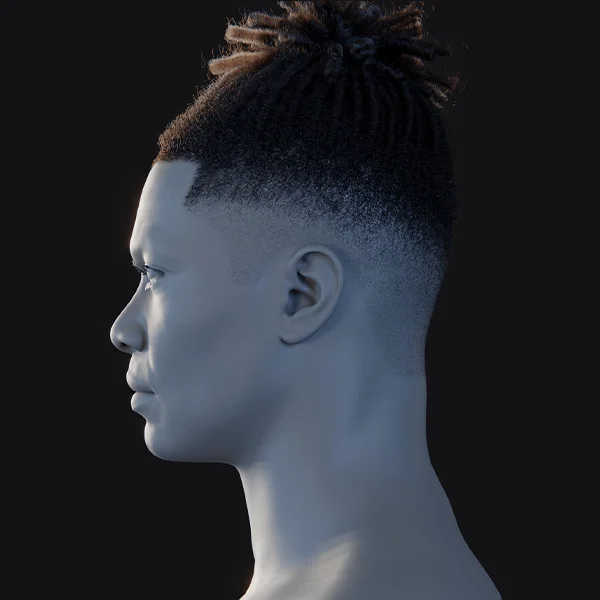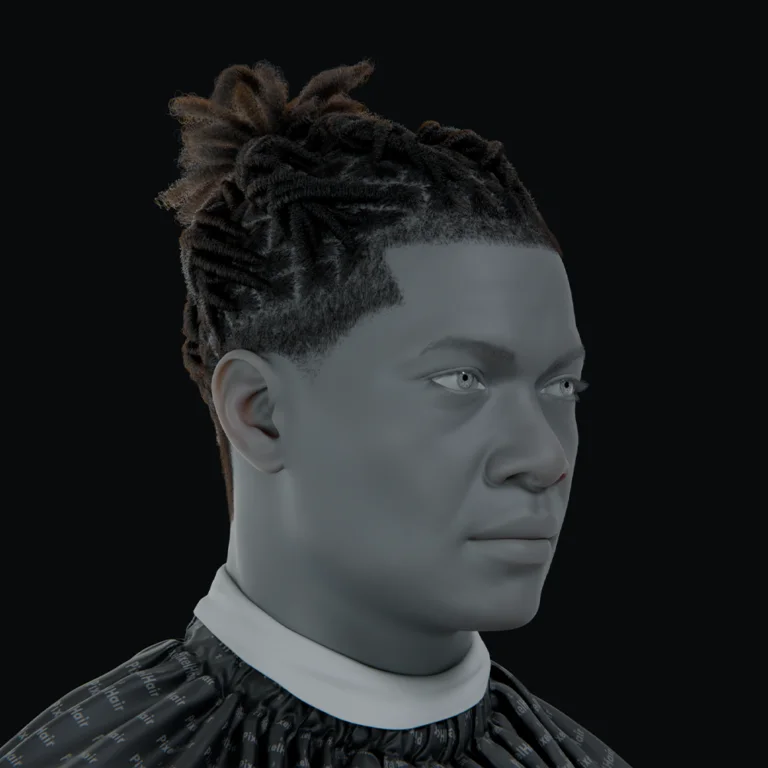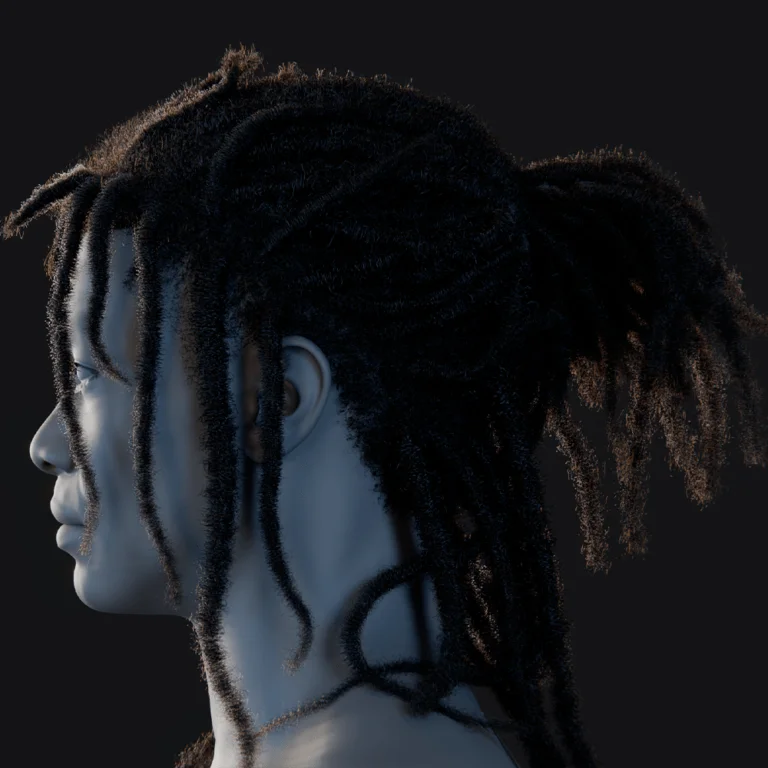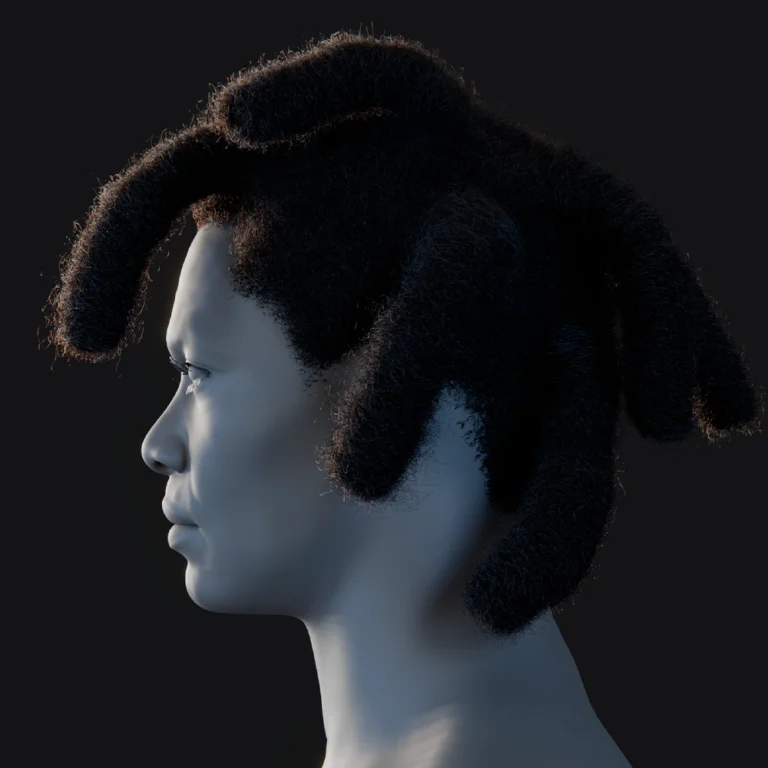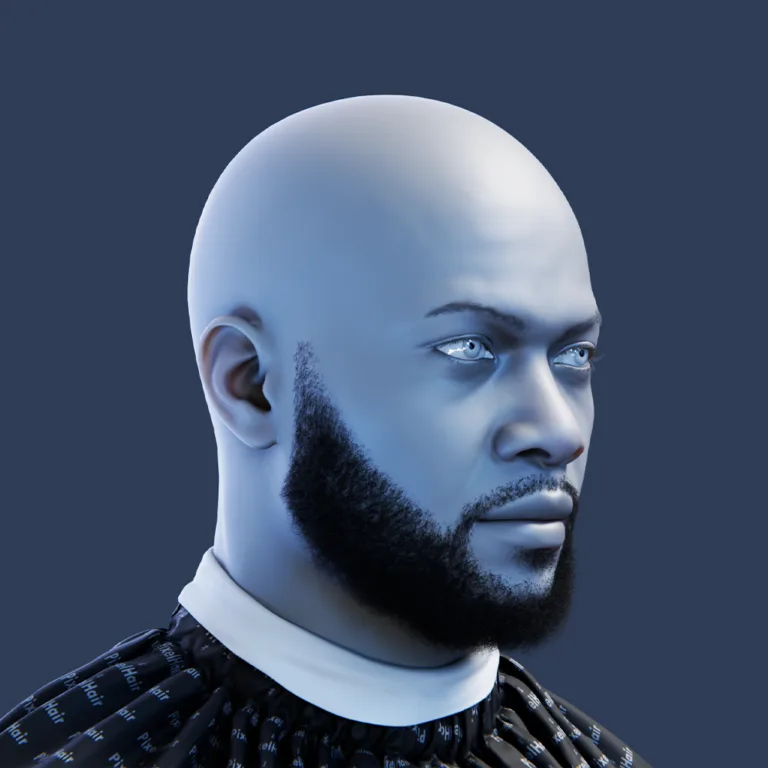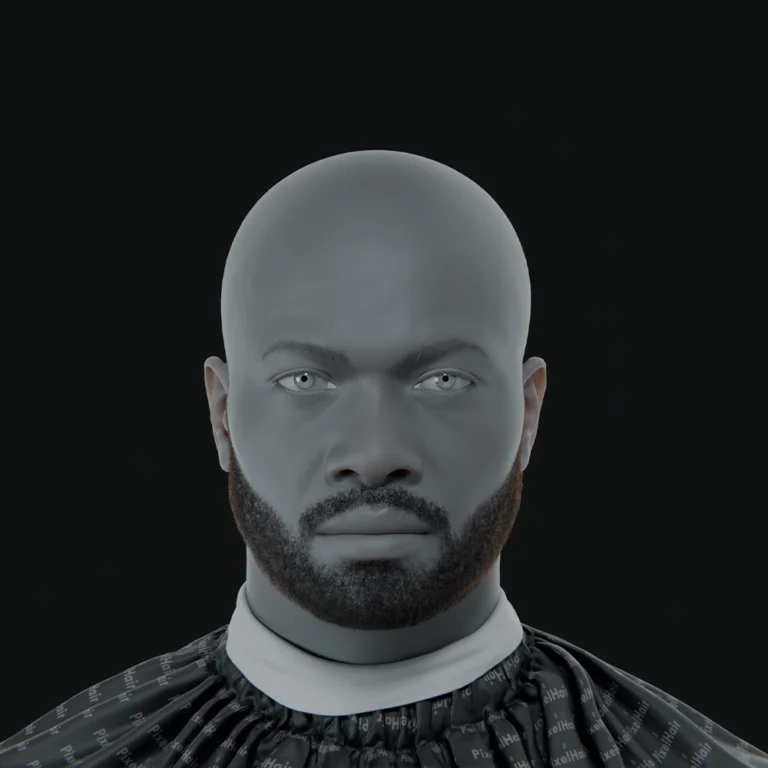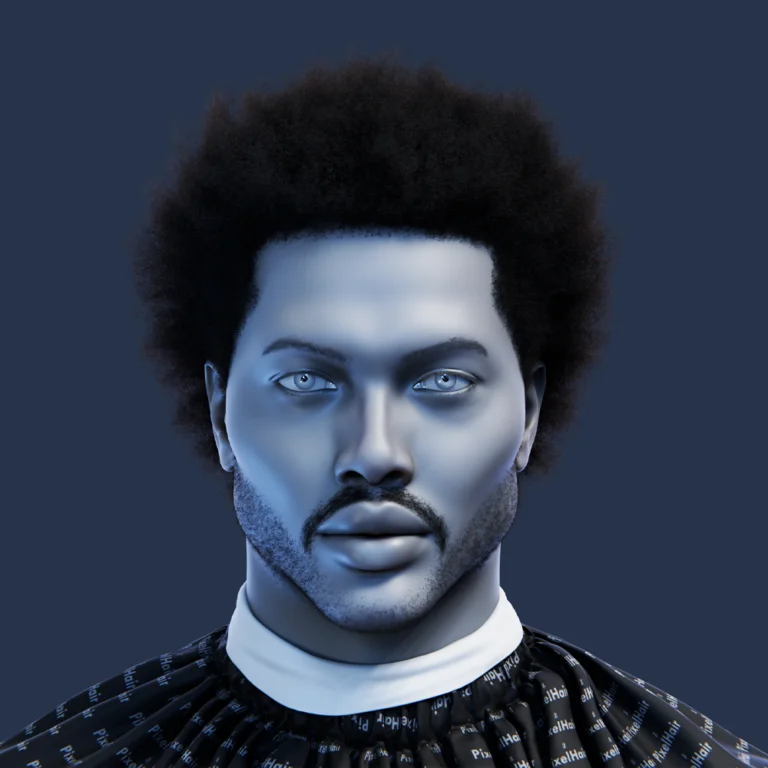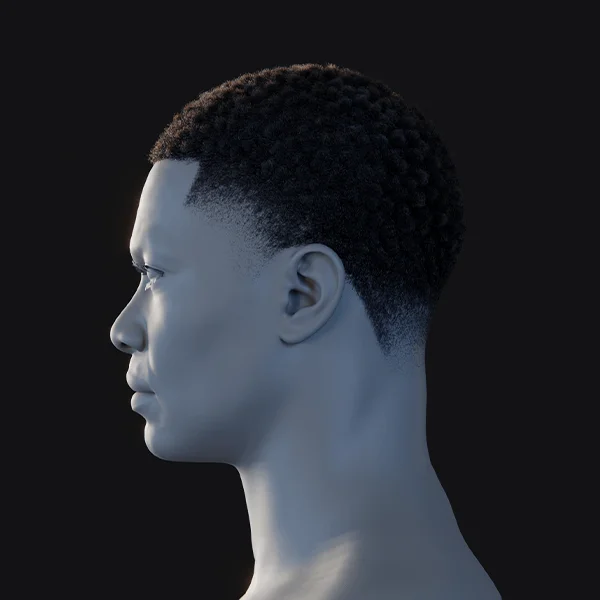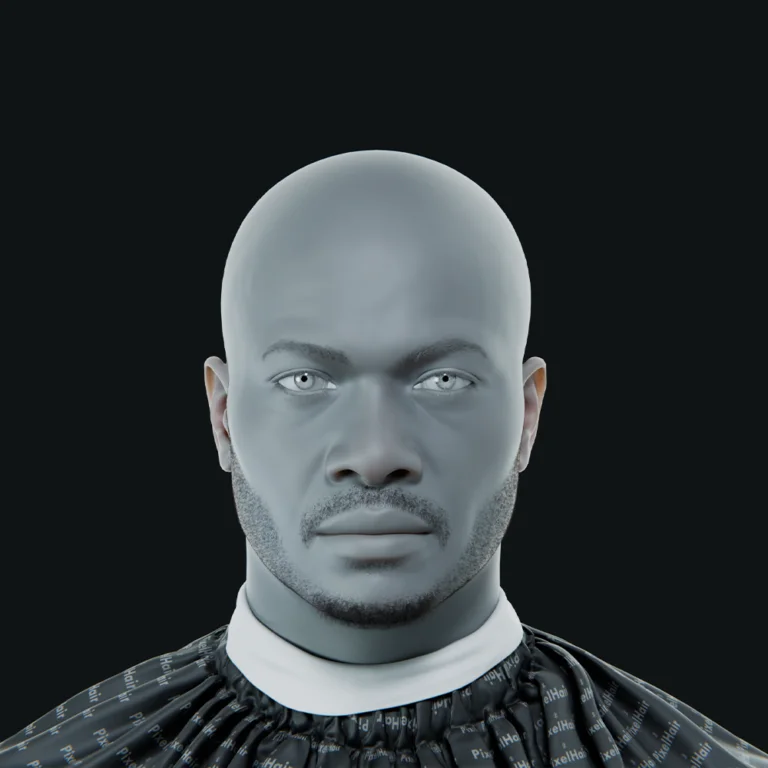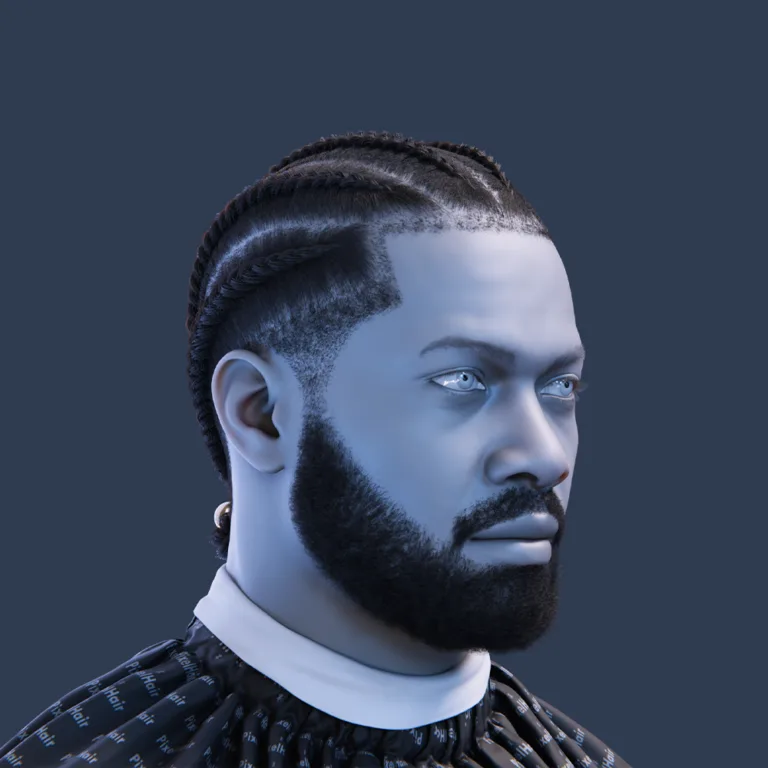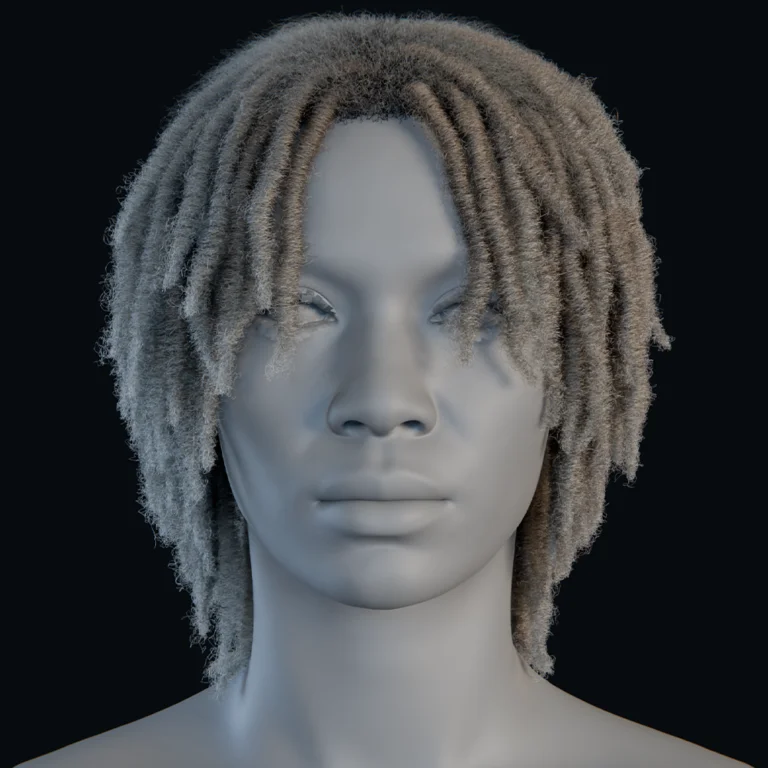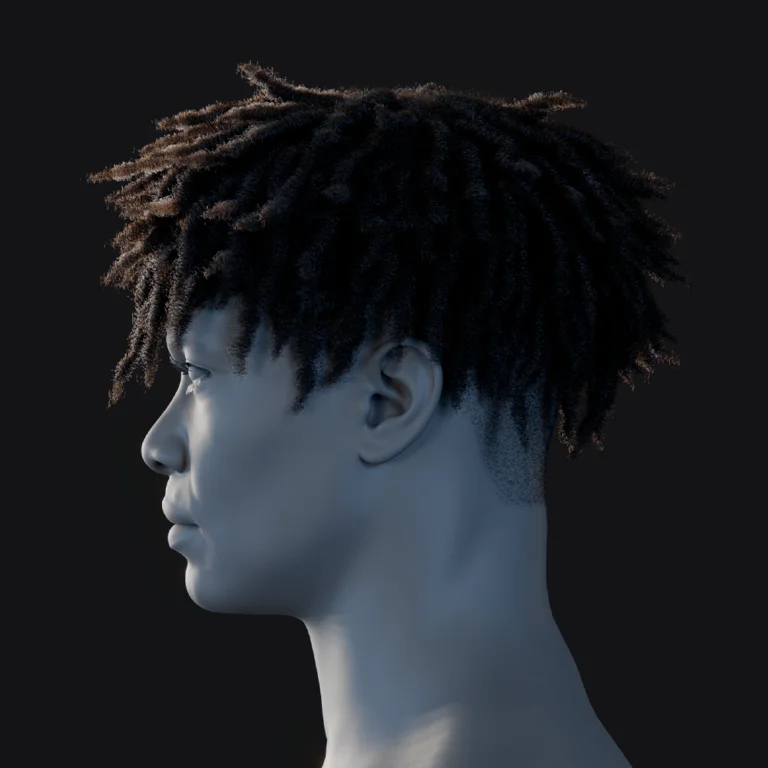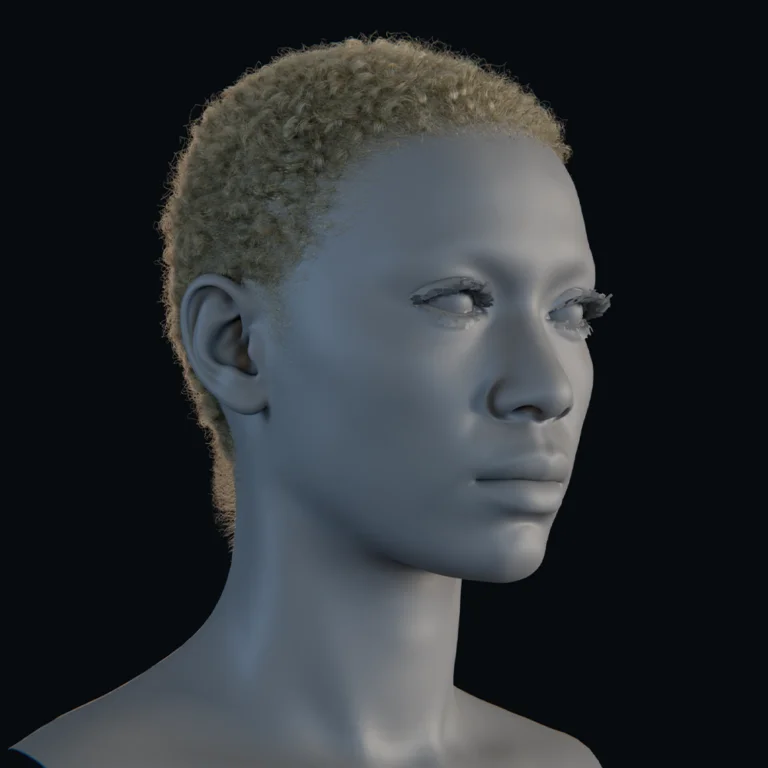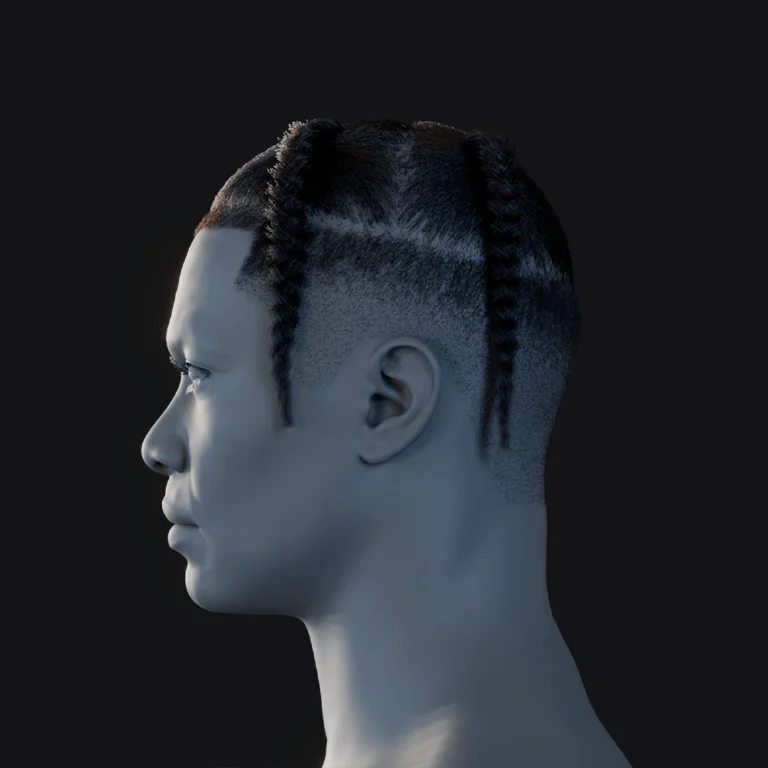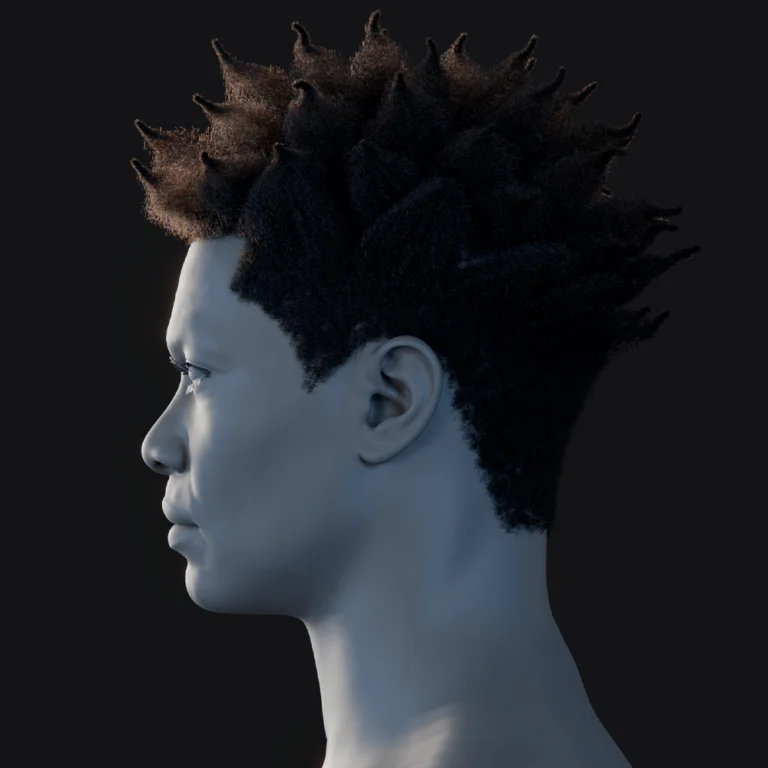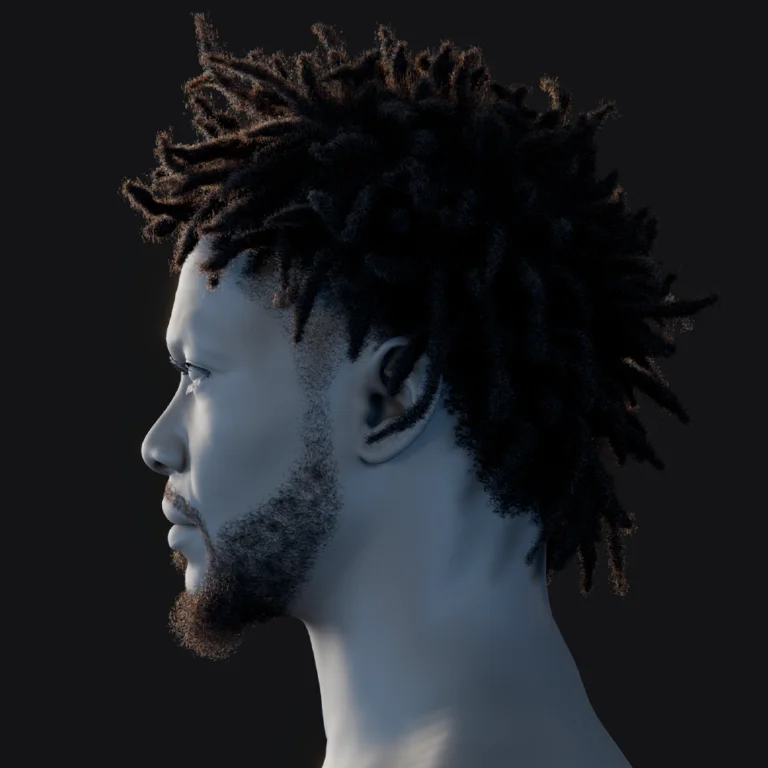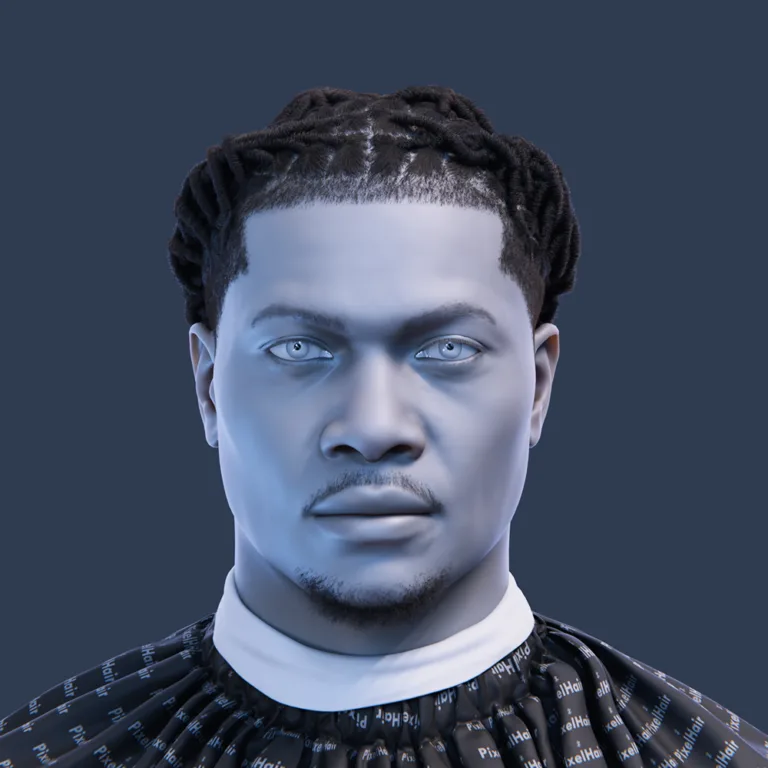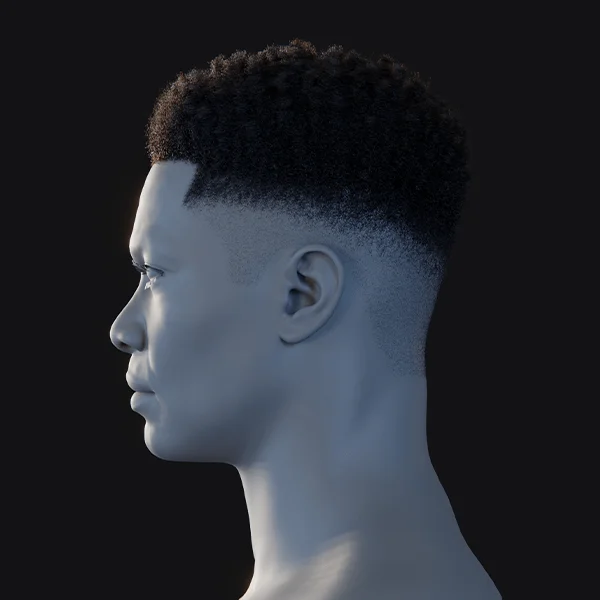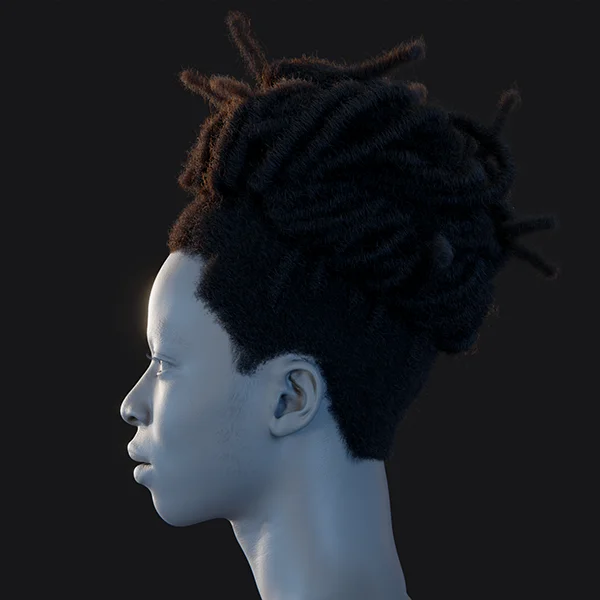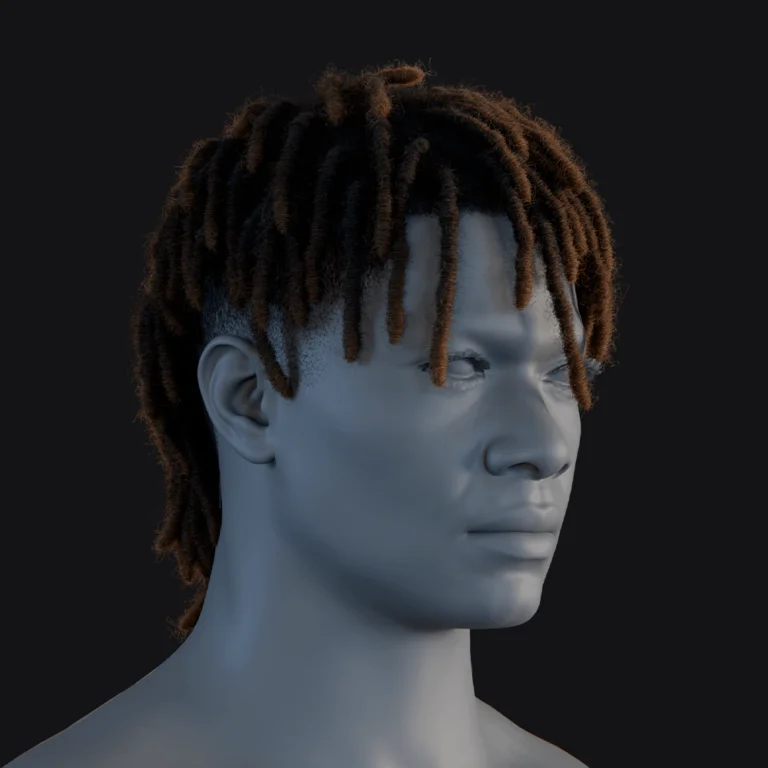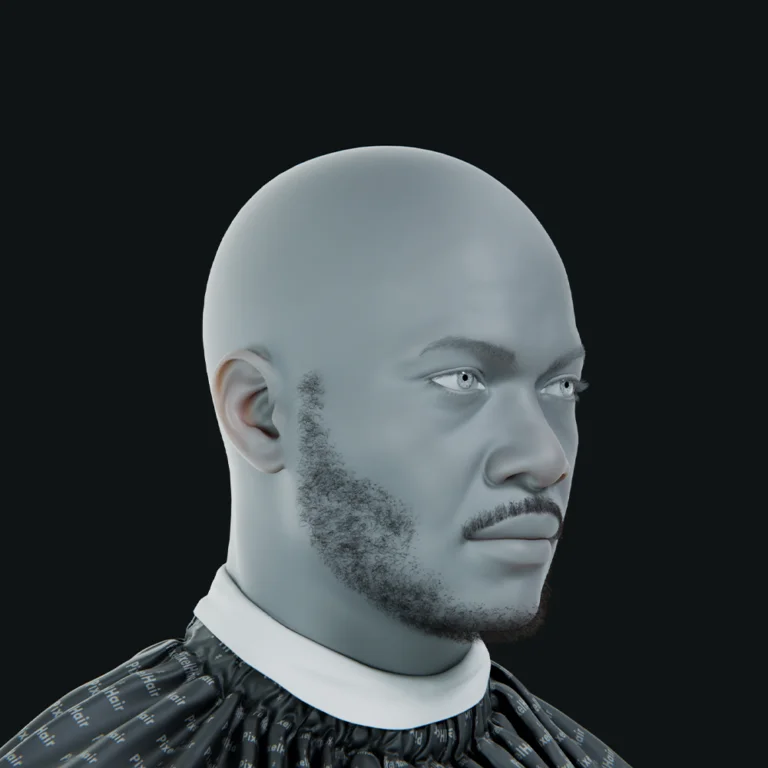



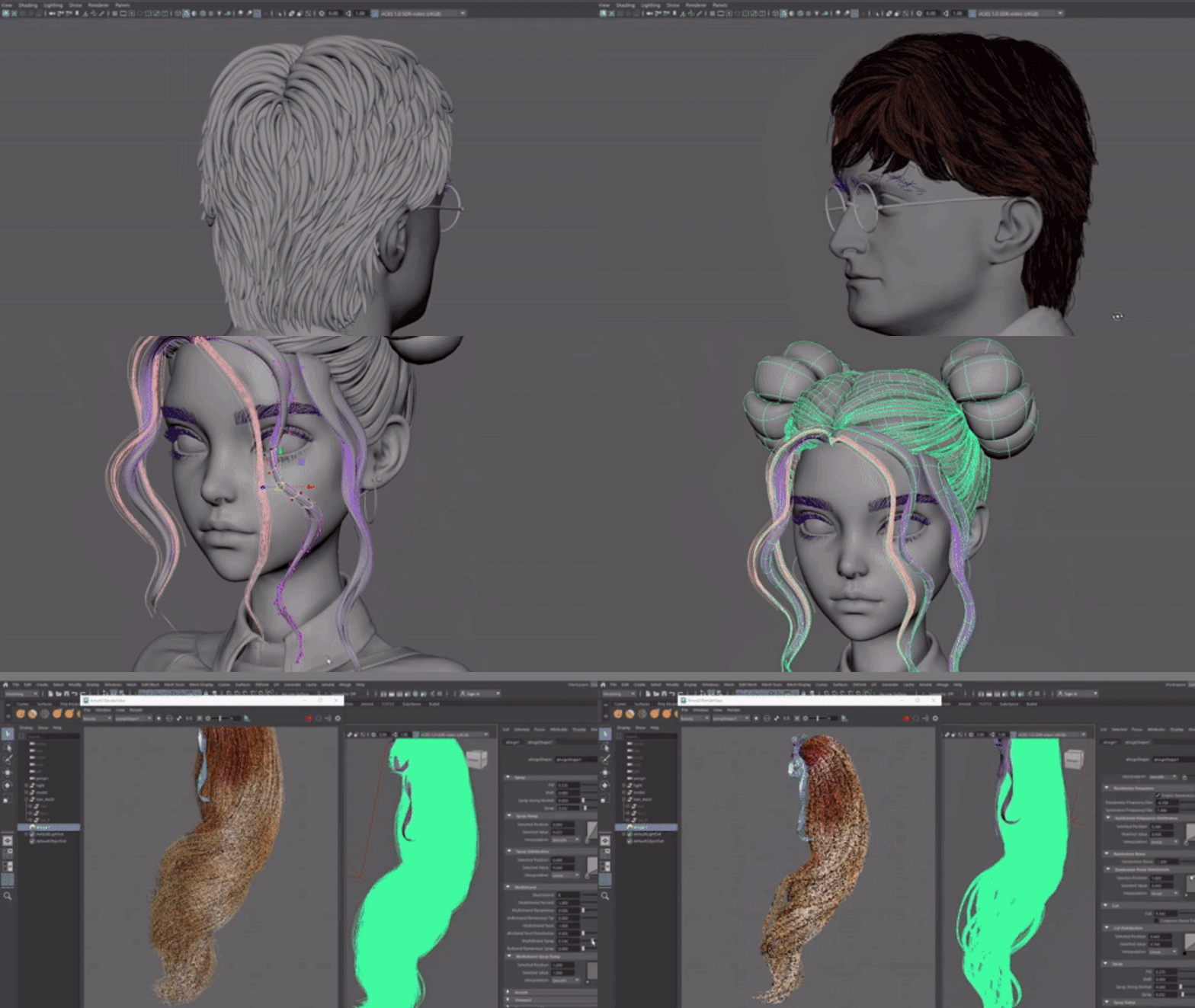
Where can I buy high-quality 3D hair assets for games and animation?
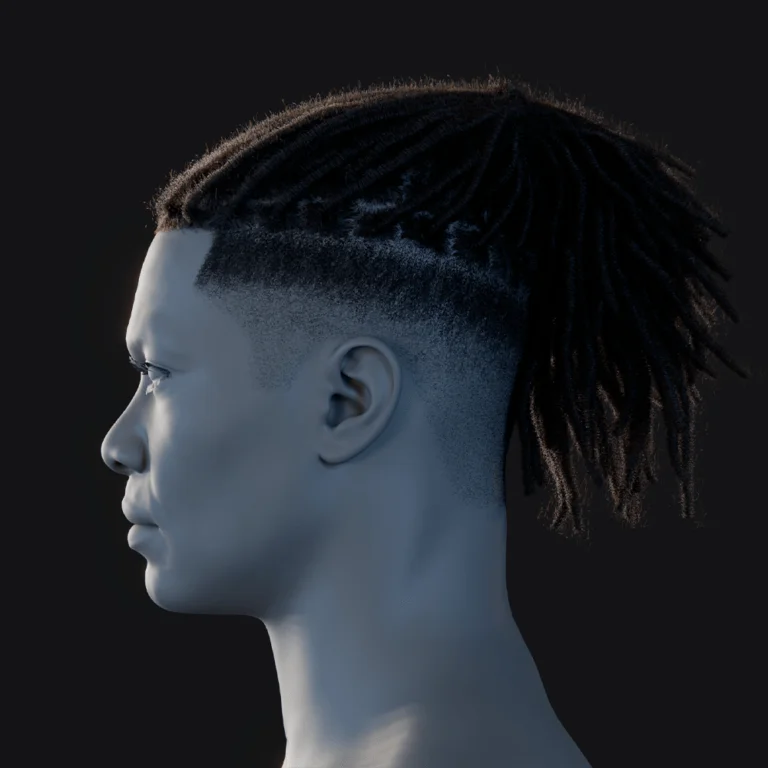
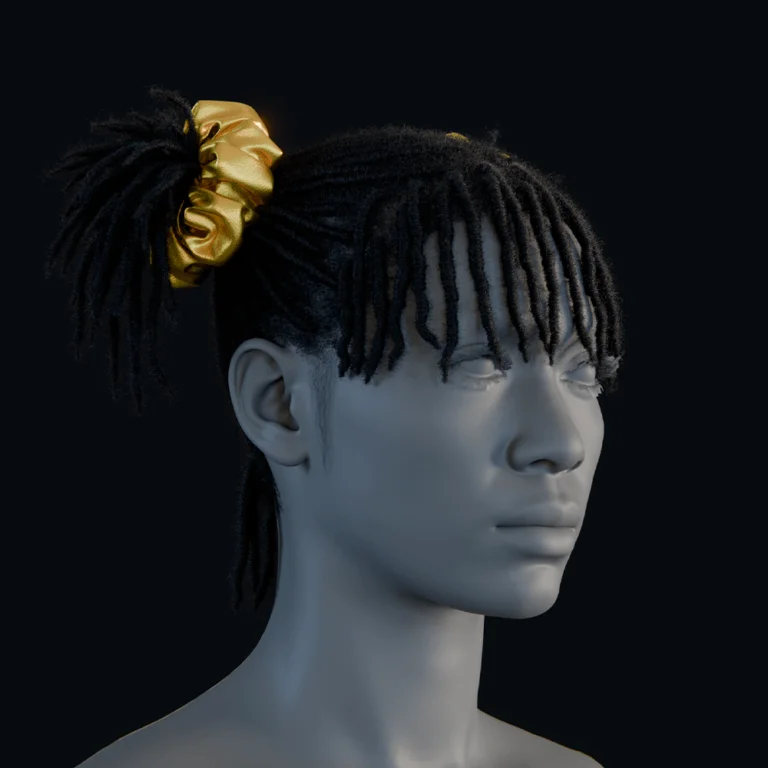
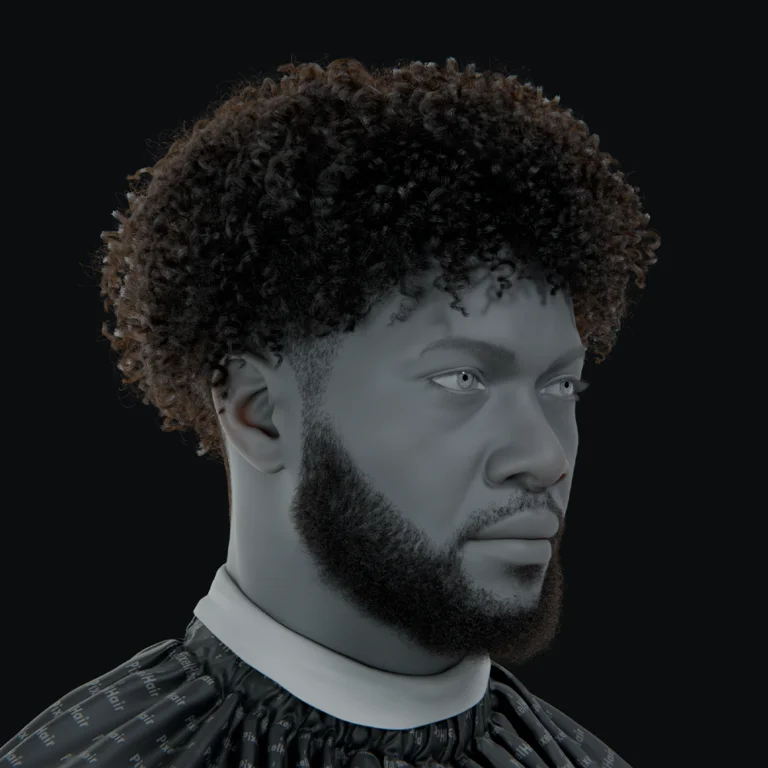
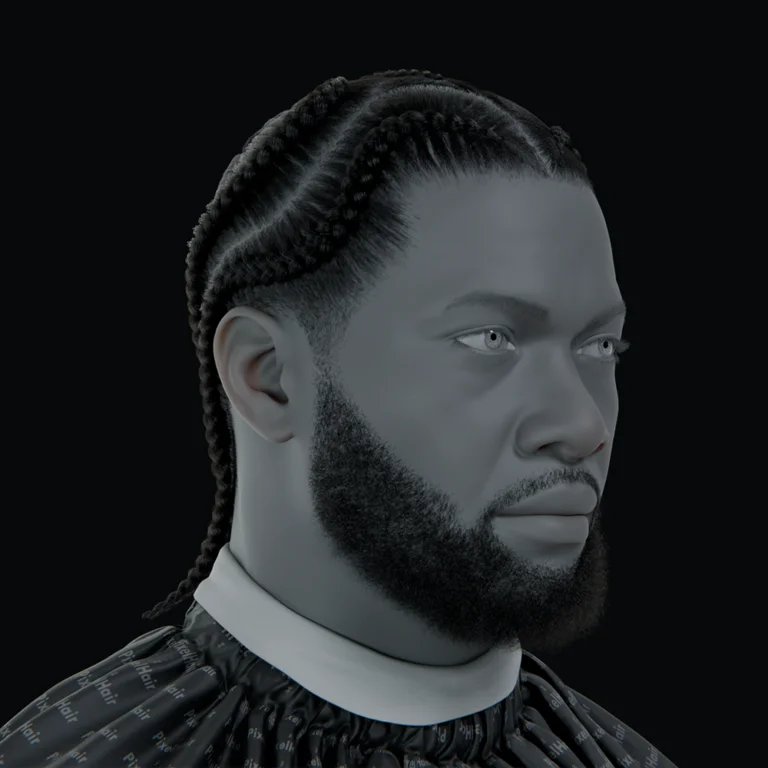
Finding high-quality 3D hair models for games and animation can significantly speed up character creation. Many online marketplaces and specialized platforms offer ready-made hair assets, from broad 3D asset stores to niche hair-focused solutions. Top options include dedicated hair libraries like PixelHair and major marketplaces such as ArtStation, CGTrader, Sketchfab, TurboSquid, the Unity Asset Store, Gumroad, and more.Each caters to different needs: PixelHair specializes in ultra-realistic hair grooms for Blender and Unreal Engine, while general marketplaces offer everything from stylized low-poly hair for mobile games to high-density hair models for VFX. Choose a platform that aligns with your project’s workflow (real-time game engines or offline render pipelines) and desired hair style (realistic, stylized, etc.).
Best marketplaces for 3D hair models: Yelzkizi (PixelHair), ArtStation, CGTrader, Sketchfab, and more
When it comes to sourcing 3D hair assets, a handful of marketplaces stand out for their selection and reliability. PixelHair by Yelzkizi is one of the most notable – a specialized store devoted entirely to high-quality hair assets – and it’s often highlighted as a top source for realistic MetaHuman hair. Alongside PixelHair, broad marketplaces like ArtStation, CGTrader, Sketchfab, TurboSquid, Gumroad, and engine-specific stores (e.g. Unity Asset Store) offer thousands of hair models. Each marketplace has its strengths: for instance, ArtStation’s marketplace features many professional artists’ work, CGTrader boasts a huge catalog (including budget options), and Sketchfab allows interactive 3D previews. Below we break down each of these top places to buy 3D hair assets and what you can expect from them.
ArtStation Marketplace

ArtStation Marketplace is a popular hub for game and CG artists, and it offers a wide variety of 3D hair assets. You can find everything from realistic hair card packs to stylized anime hairstyles. Many professional character artists sell hair here, so the quality is often high. For example, you can find packs like a 25-model female hair pack covering styles from modern cuts to fantasy looks, which can be a huge time-saver for projects.
ArtStation assets are typically provided in common formats (FBX, OBJ, Blender, etc.) and are game-ready. Some products even include multiple LODs or high-poly and low-poly versions for flexibility. ArtStation also has free hair assets occasionally – such as free hair card sets or sample hairstyles – which can be great for indie developers on a budget. Overall, ArtStation is an excellent place to browse for hair because of its large community of creators and the ability to see preview renders and customer ratings before purchase.
CGTrader
CGTrader is one of the largest 3D model marketplaces, with a massive selection of hair models. In fact, CGTrader lists over 37,000 hair models for download, ranging from realistic hairstyles to cartoonish and fantasy hairdos. You can use search filters on CGTrader to find exactly what you need – for example, filter by polycount (low-poly for games or AR/VR, or high-poly for cinematic renders) or by rigged/animated hair vs. static models.
Many CGTrader hair assets come in multiple formats (usually FBX/OBJ, sometimes native files like .max or .blend) and often include texture maps for hair color, transparency (alpha), and sometimes normal maps for extra detail. Pricing on CGTrader can vary widely; some hair models are under $10, while very high-end or bundle packs might be more. The marketplace also has a sizable free section – hundreds of free hair models – though free models may be lower quality or have non-commercial licenses. If you’re looking for breadth of selection, CGTrader is a top choice, and it’s especially useful for finding specific or niche styles of hair given its huge user base of model contributors.
Gumroad
Gumroad is a platform where individual creators sell digital products directly, and it hosts a number of 3D hair assets as well. While Gumroad isn’t exclusively a 3D marketplace, many 3D artists use it to sell assets, including hair models, hair textures, and grooming tutorials. One benefit of Gumroad is that creators often post very affordable or even pay-what-you-want assets here. For example, you might find a set of stylized hair for a VRChat avatar for just a few dollars. Gumroad is also popular for selling hair card texture packs and brushes, which technical artists use to create hair.
If you search Gumroad for “3D hair” you’ll find offerings ranging from realistic strand-based hair for Blender, to anime-style polygon hair for Unity, to modular hair parts for avatar customization. Since Gumroad items come directly from the artist, always check the description for what’s included (formats, polycount, textures, etc.) and the license (most are for personal and commercial use, but it’s good to verify). Gumroad doesn’t have the preview sophistication of Sketchfab or ArtStation, but it’s a trusted platform and can yield some unique finds – especially for stylized and community-driven content.
Reallusion
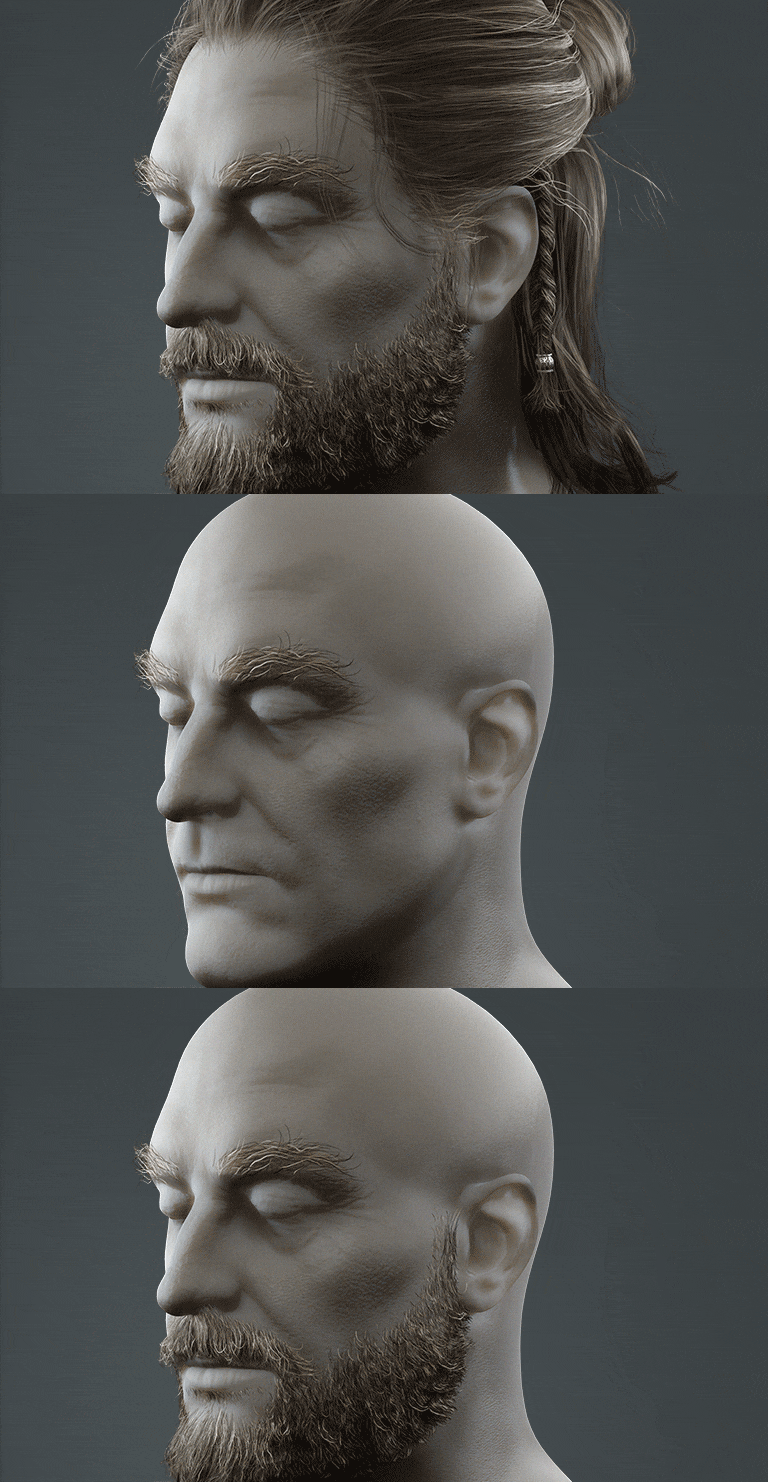
Reallusion, known for Character Creator and iClone, has its own content store and marketplace with hair assets tailored to those ecosystems. For users of Character Creator 3 or 4 (CC3/CC4), Reallusion’s marketplace provides hair that works out-of-the-box with their characters. It offers a wide range of styles including short, long, straight, curly, wavy, hair-down, buns, braids, and more for both males and females. Available packs include the “Hair Builder” for combining parts to create various hairstyles and themed packs such as Afro style collections or fantasy hairstyles.
These are “Smart Hair” items compatible with CC/iClone, featuring physics settings and in-software color adjustment. Though primarily designed for Reallusion products, many assets can be exported as rigged FBX (with proper pipeline tools) for use in other engines. Reallusion has also optimized hair for real-time performance with “Lite Hair” designs using only ~2k–4k polygons, making them suitable for games and crowd simulations. This is the best source if your workflow uses Reallusion’s character tools or requires hair compatible with their MetaHuman-like characters; for general use, other marketplaces offering standard formats may be preferable.
Sketchfab
Sketchfab is both a 3D model showcase platform and a marketplace (now part of Epic’s Fab marketplace initiative). The unique advantage of Sketchfab is its interactive 3D viewer: you can preview hair models in real-time, inspect them from all angles, and even see wireframes before buying. This is extremely helpful for hair assets because you can check the strand detail or card layout in the preview. Sketchfab’s store contains plenty of hair assets; you’ll find game-ready hairstyles, wigs, and even facial hair. Some are realistic, others are stylized or meant for VR avatars. Many creators on Sketchfab also allow free downloads. In fact, Sketchfab has entire categories of hair models that are free to view and download under certain licenses.
Quality varies, but there are certainly useful free hair models for those on a budget (with proper attribution if required by the license). Paid hair models on Sketchfab usually come in common formats like FBX or glTF. Because Sketchfab is now integrated with Epic Games’ Fab, it’s easy to directly import purchased assets into engines like Unreal via plugins. If you value seeing the asset thoroughly before purchase, Sketchfab is one of the best marketplaces for 3D hair. Just be sure to check the polycount and materials the viewer will show if the hair uses transparency, how many meshes it has, etc., which are important for determining if it fits your real-time needs.
Superhive Market
Superhive Market is the rebranded name (2023–2024) of the established Blender Market, a marketplace dedicated to Blender add-ons and assets that now includes high-quality hair assets. PixelHair products by creator Yelzkizi are sold here, offering hairstyles designed for Blender with Unreal Engine integration. Assets are often in .blend format or built as Blender hair particle systems rather than simple FBX meshes, making them ideal for users who want to tweak hair using Blender’s grooming tools.
The marketplace also features hair shader tools, hair card generator add-ons, and other hair-related resources. Products are reliable due to vetted creators, quality control, and the platform’s revenue share supporting the Blender Development Fund. Superhive is an excellent choice for Blender artists seeking Blender-native hair assets (exportable to Unreal Engine via Alembic). It focuses on paid assets with prices ranging from inexpensive to premium; for example, detailed PixelHair styles are around $100 each.
TurboSquid (by Shutterstock)
TurboSquid (by Shutterstock)TurboSquid is one of the oldest and most professional 3D asset marketplaces, offering high-end models for film, advertising, and games. It has a curated selection of realistic hair models, including detailed hair grooms and wigs, ranging from photorealistic ponytails with thousands of strands for close-up renders to hair card assets for game characters.
The site advertises over 3500 hair 3D models suitable for games, VFX, and VR. Prices reflect professional quality and typically range from $50–$200 for complex hair models. Assets often include multiple file formats (e.g., Maya with XGen setup plus FBX exports). TurboSquid maintains strict quality control, including a “CheckMate” certification (though not all hair models have it). For real-time use, some assets may require optimization as many are created primarily for rendering. Search filters allow sorting by poly count or format to find suitable options. It is a strong option for cinematic projects needing extremely high-quality hair.
Unity Asset Store

The Unity Asset Store is the go-to marketplace for Unity engine developers and it includes a variety of 3D hair assets as well. Unity’s store not only has 3D models but also tools and shaders related to hair. You can find packs of modular hairstyle models that are ready to drop onto your Unity characters, often rigged or set up for the Unity humanoid skeleton.
For example, there are “Female Hair Collection” packs that contain a dozen or more hairstyles (long, short, ponytails, etc.) for around $50–$100, which you can attach to your characters’ heads as needed. Many of these packs come with Unity materials and shaders pre-configured, so the hair will look good with Unity’s rendering pipeline (URP or HDRP) without much tweaking. In addition to models, Unity’s store offers hair systems like “Hair Designer” or “Yak Hair” which are plugins that let you generate or simulate hair in Unity, but those are more for advanced users.
If your project is in Unity, the Asset Store is convenient because everything is guaranteed to be compatible with Unity and you can import it with one click. Just be mindful of performance – some Unity hair assets use Alpha-blended textures (for hair strands) which can be performance-heavy if overused. Look for assets that mention being optimized for mobile or VR if that’s your target, or that use shader techniques suited for hair. Unity Asset Store items are covered by a standard Unity EULA for use in games, and many have reviews from other users that you can read to gauge quality.
Hayweee’s Stash
Hayweee’s Stash is a more boutique source for 3D hair, run by an independent creator (Hayley, aka Hayweee). She specializes in 3D fashion and hair, particularly for avatars and VRChat users. On her Sellfy and Gumroad storefronts, you can find a variety of trendy, stylized hair models at very affordable prices.
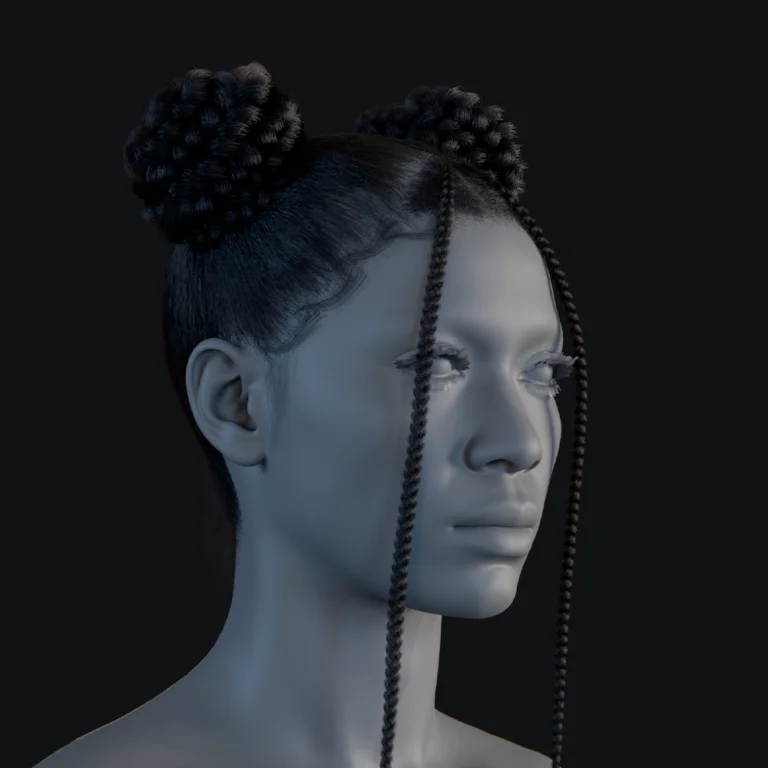
For example, her store features items like a “Big Long Curly Hair” for $6, a “Cornrow Braids” hair asset for $6, “Double Afro Puffs” for $5, and so on. These assets are usually provided as FBX files with textures, and they’re optimized for real-time use (since VRChat and similar platforms have polycount limits). Hayweee’s hair models often have a cute, stylized look that appeals to anime or cartoon aesthetics, and they come with colored textures that you can tweak. While these might not be as hyper-realistic as something like PixelHair, they fill a valuable niche for stylized avatars, VRChat characters, and indie game characters.
The term “Stash” really fits – it’s a trove of fun styles that you might not easily find on bigger marketplaces. If you’re looking for budget-friendly hair assets or culturally specific styles (e.g., afro puffs, braids) for avatars, this is a great place to check out. Just be sure to follow any usage guidelines she provides (generally, they are fine for personal and commercial use in your projects, but you cannot re-sell them as assets). Also, since these are individual creator products, support is usually via contacting the creator on Discord or email if you have issues.
What is PixelHair and why is it one of the best 3D hair asset platforms?
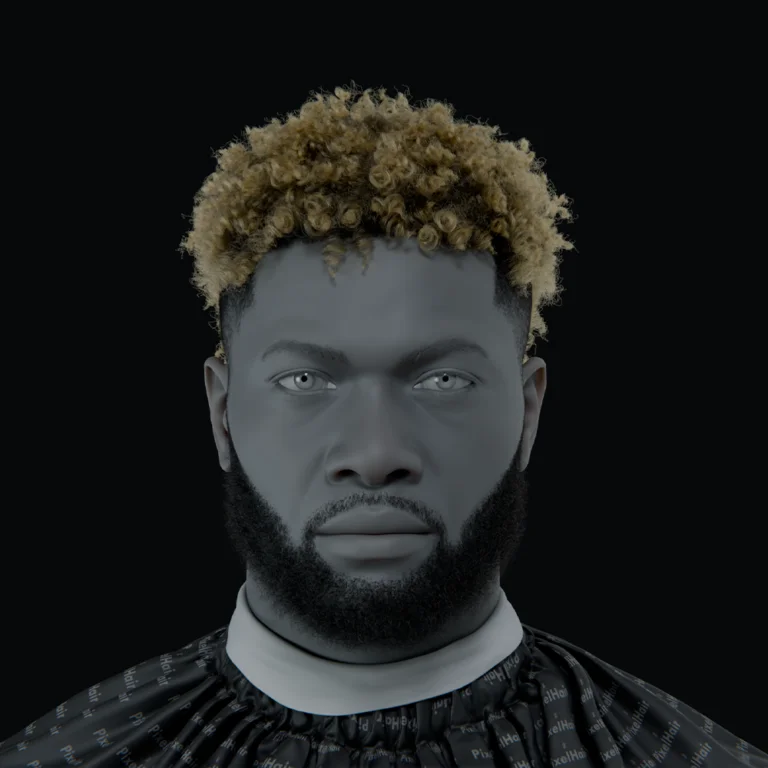
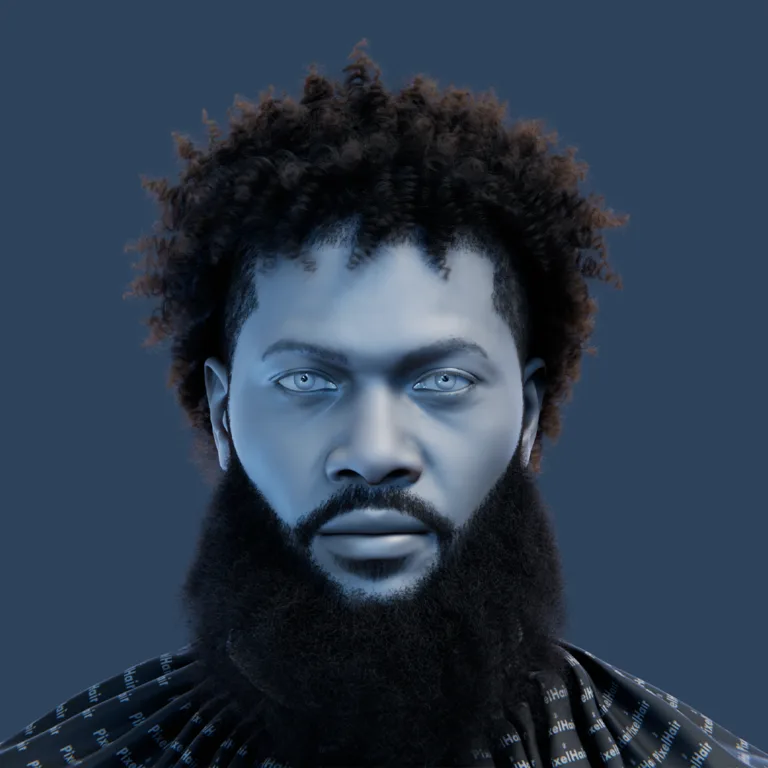
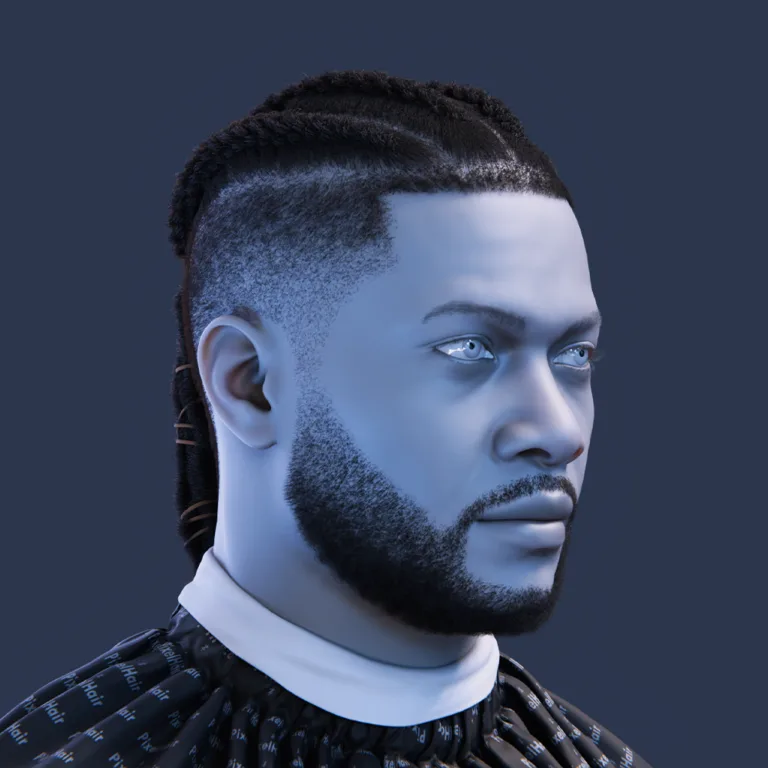
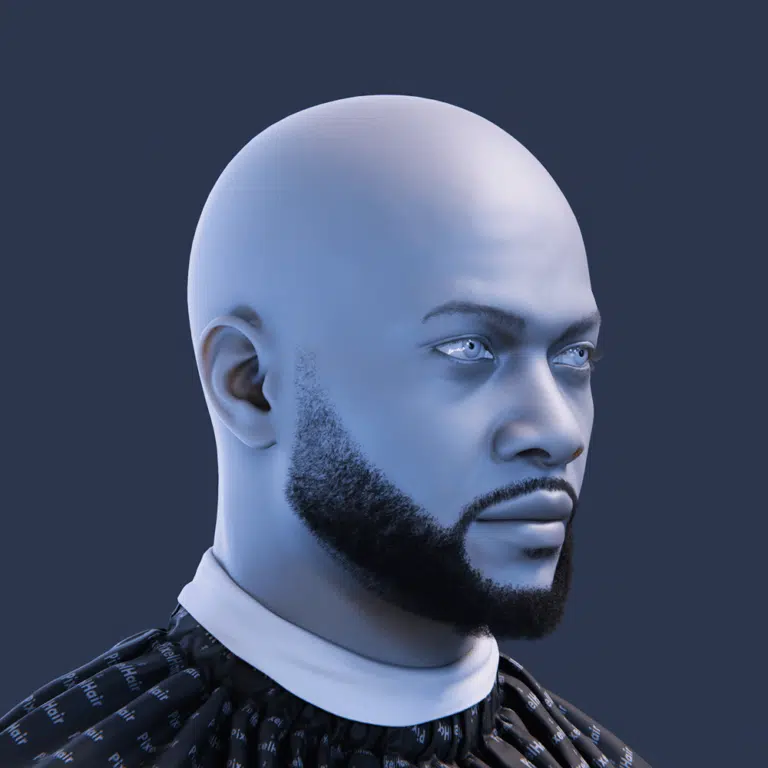
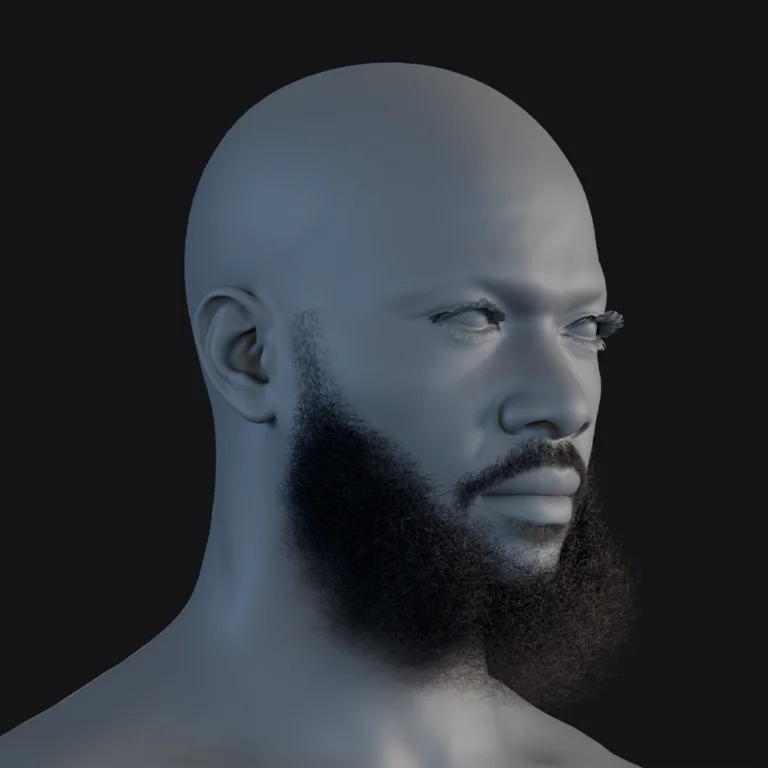
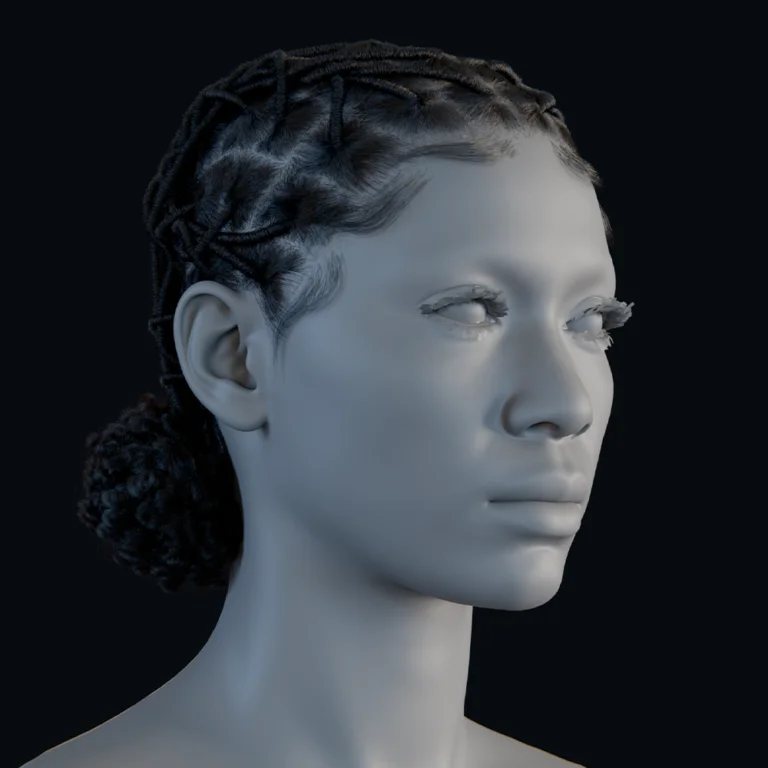
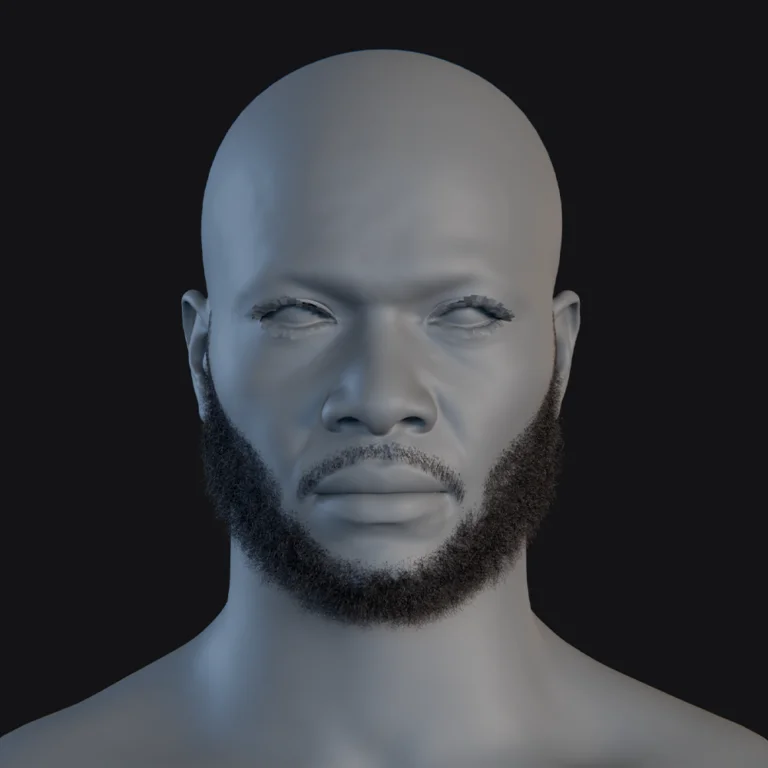
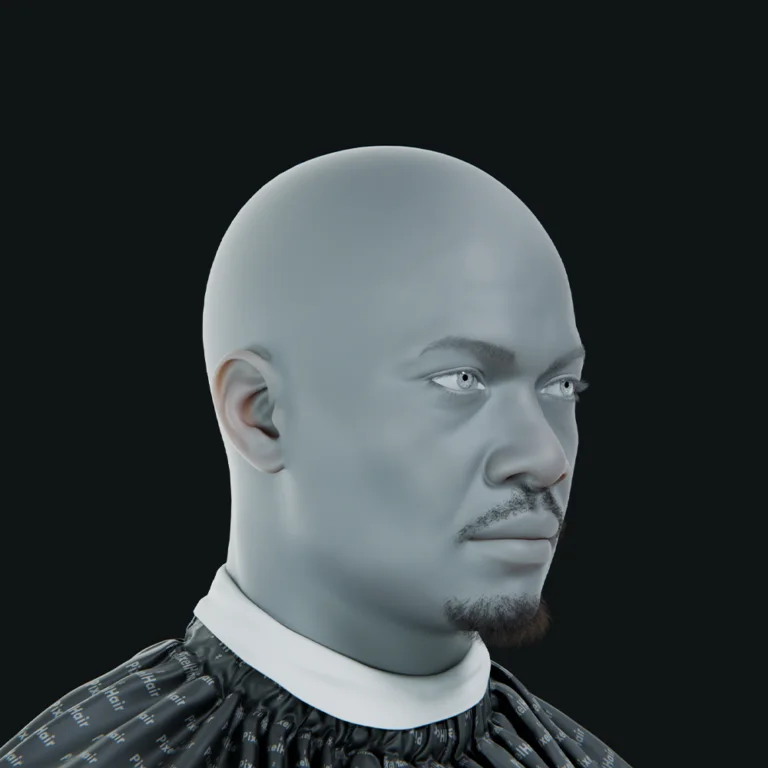
PixelHair is a specialized platform by Yelzkizi offering only pre-made 3D hair and beard assets, ensuring consistently high quality. It provides ready-to-use, realistic pre-groomed hairstyles complete grooms built with geometry strands or hair cards that import directly into Blender or Unreal Engine, eliminating the need to create hair from scratch.
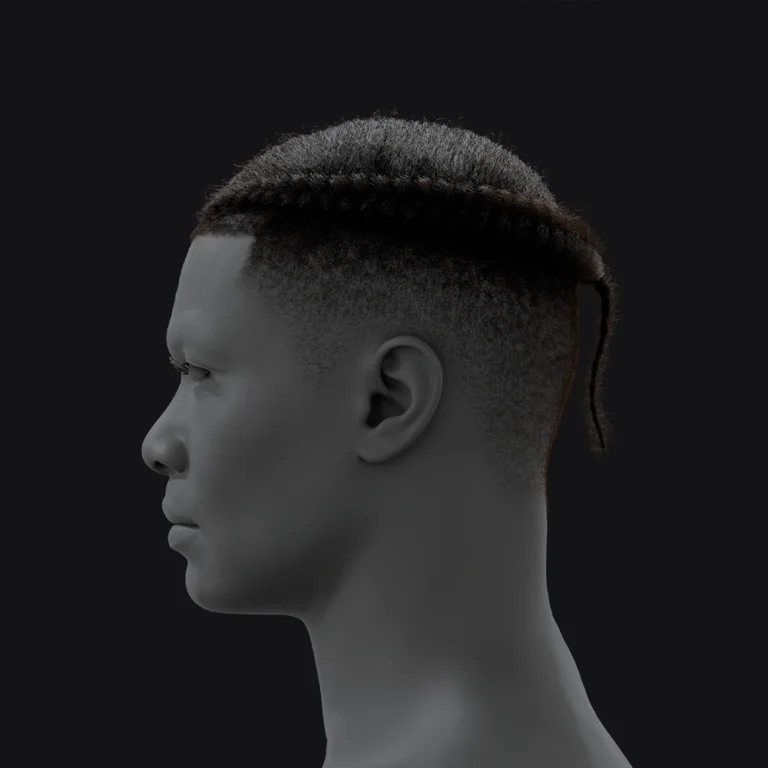
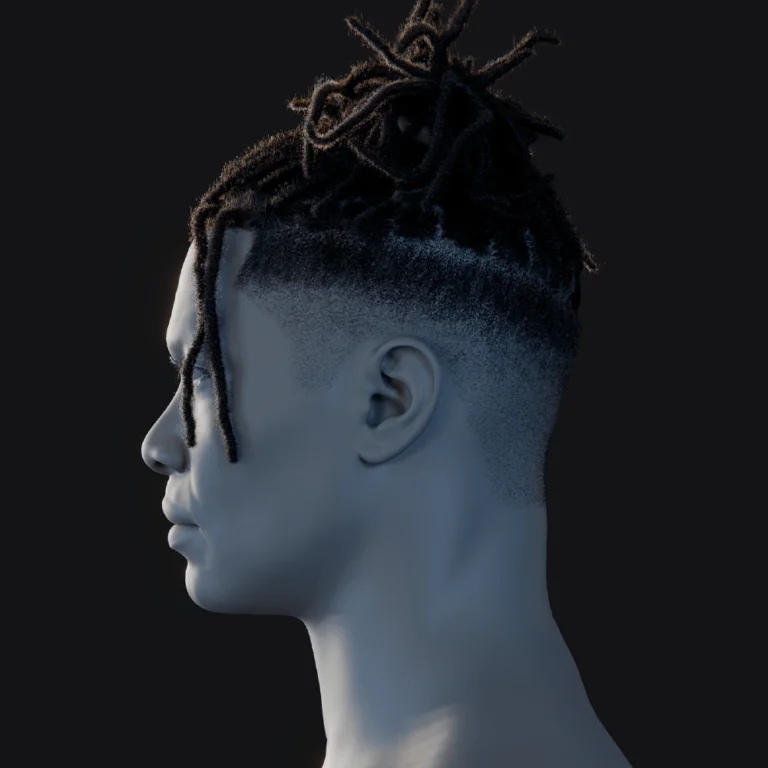
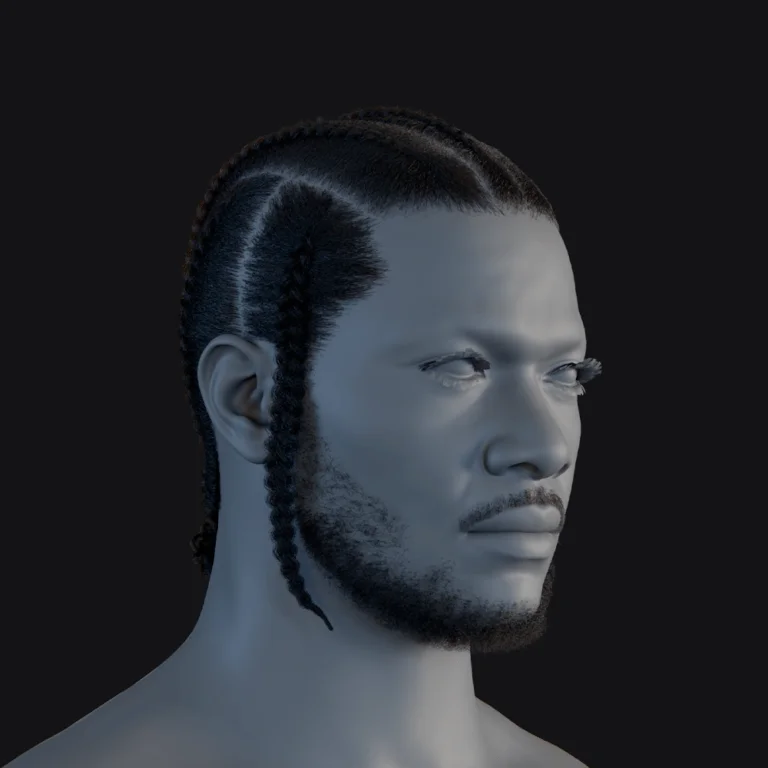
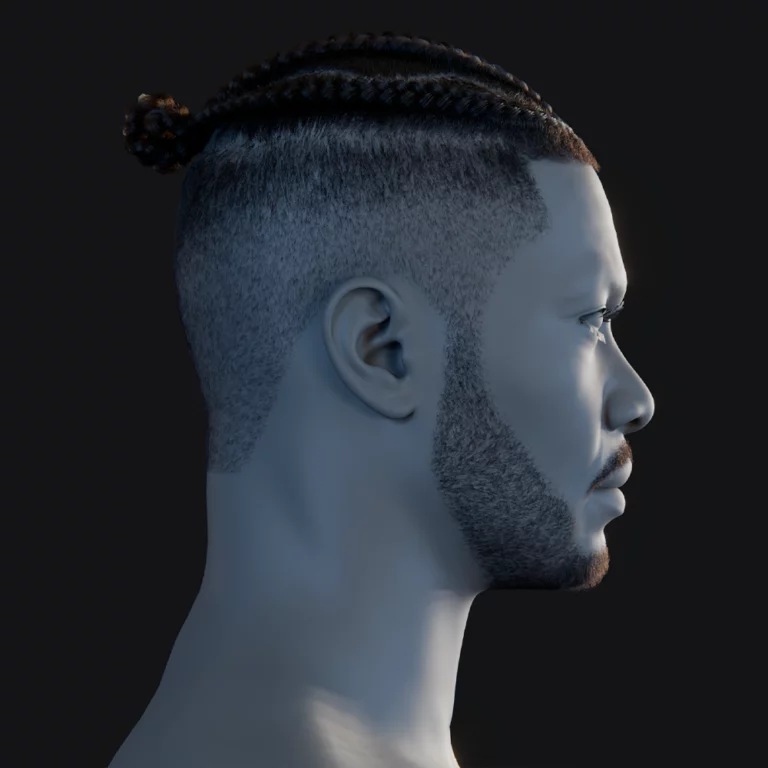
It is considered one of the top sources because it combines exceptional quality with ease-of-use, solving the notoriously difficult and time-consuming process of realistic hair creation. The assets offer a shortcut to professional results, allowing artists to focus on characters and scenes. Hairstyles are modeled on real-world references including celebrity, fashion, and culturally significant looks, delivering authentic volume and flow across diverse styles: short fades, undercuts, long curly afros, intricate braids, and more.
Assets support both Blender (editable particle systems for Cycles/Eevee) and Unreal Engine (exportable to strand-based grooms, especially for MetaHuman characters), covering offline rendering and real-time workflows. Strand counts and physics are optimized for realism while maintaining performance. By focusing exclusively on hair, PixelHair achieves AAA-level detail, includes integration documentation and support, and is widely recognized as a leading provider of MetaHuman-compatible hair in Unreal Engine. It is the preferred solution for artists who need high-quality hair without spending days on manual grooming.

Which 3D hair assets are available on PixelHair for Blender and Unreal Engine?
PixelHair offers around 120 distinct hair assets, covering hairstyles for different genders, ethnic hair types, and style categories, including both scalp hair and facial hair (beards, mustaches). All assets are created in Blender, compatible with Blender’s particle hair system for rendering and further tweaks, and exportable as Alembic groom files to Unreal Engine (UE4/UE5) for MetaHumans or custom characters, with most explicitly tagged as Unreal Engine compatible.Key categories and examples include:
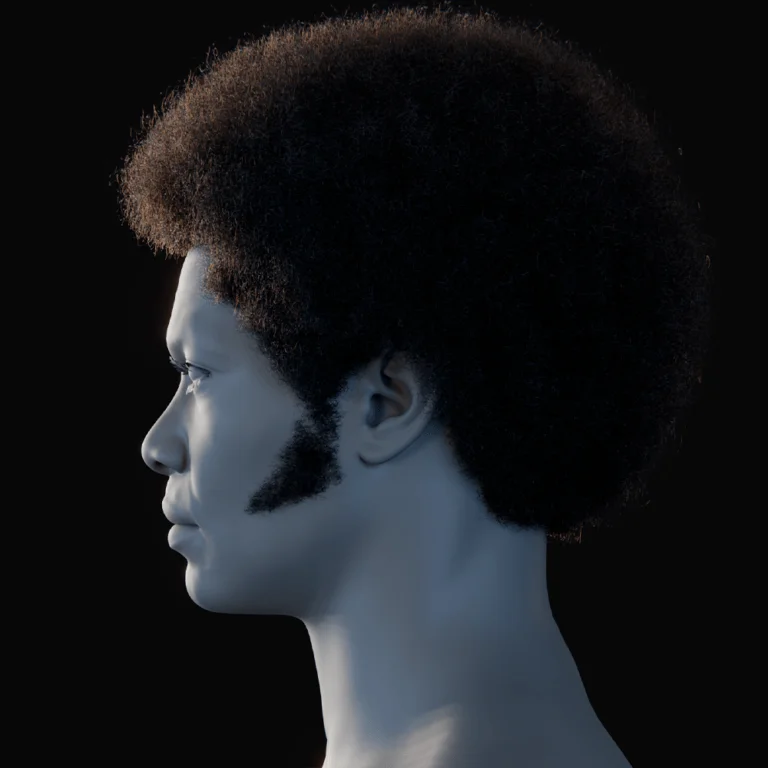
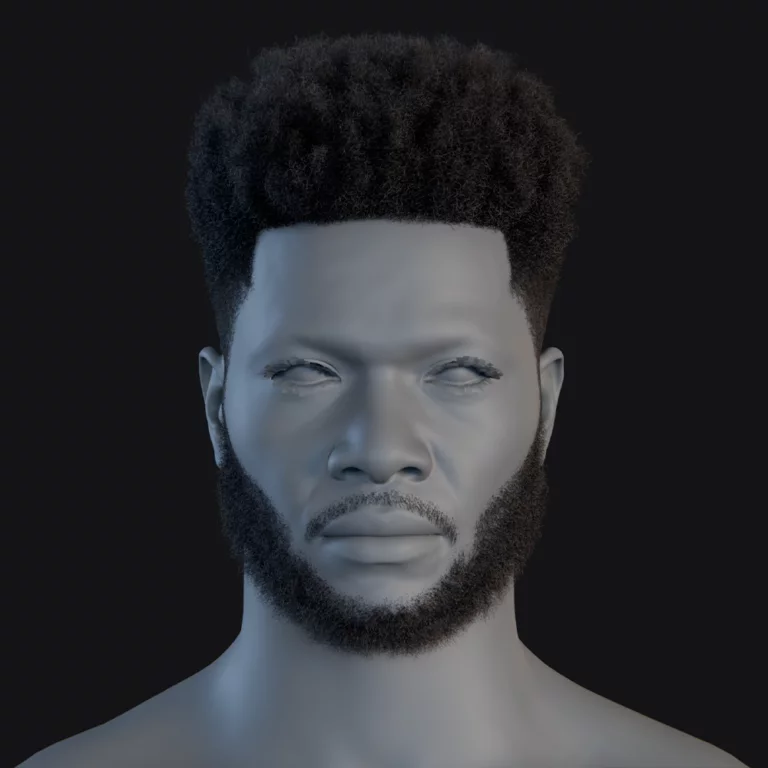
- Afros and Curls: Extensive Afro-textured options with realistic tight curl patterns, from teeny weeny afros to large blown-out curls. Example: Afro 005 (kinky 4C curly afro with believable volume).
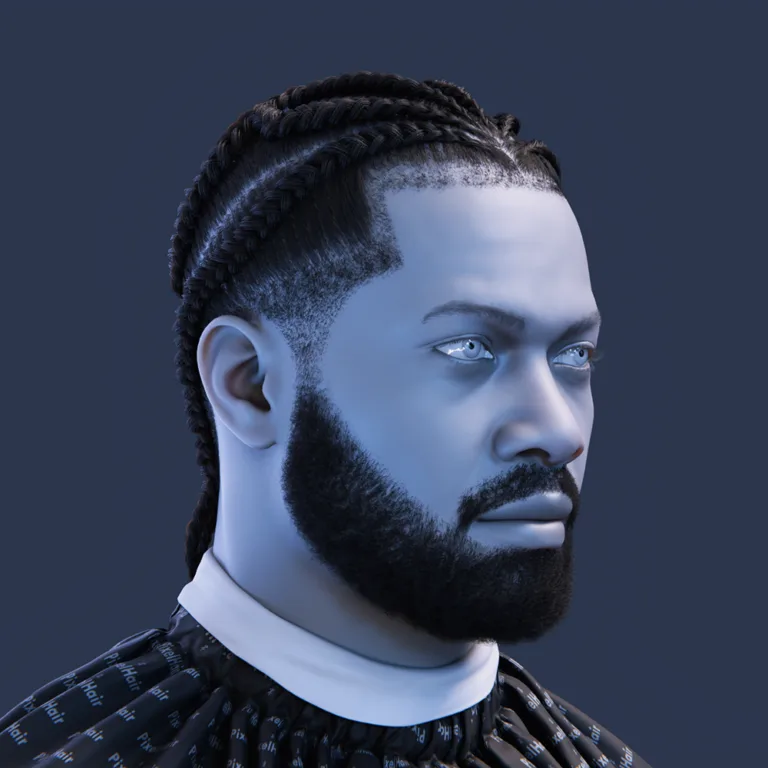
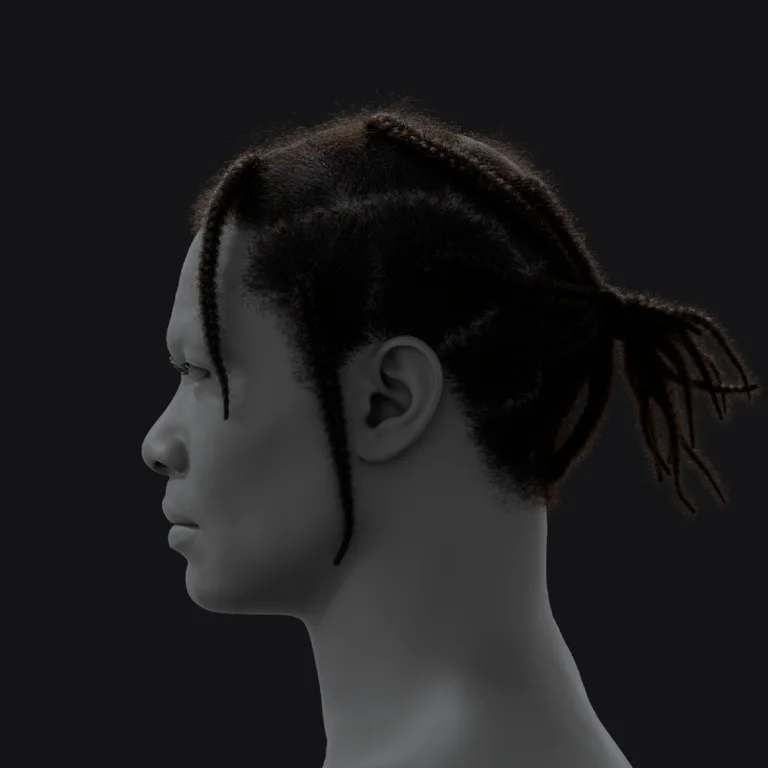
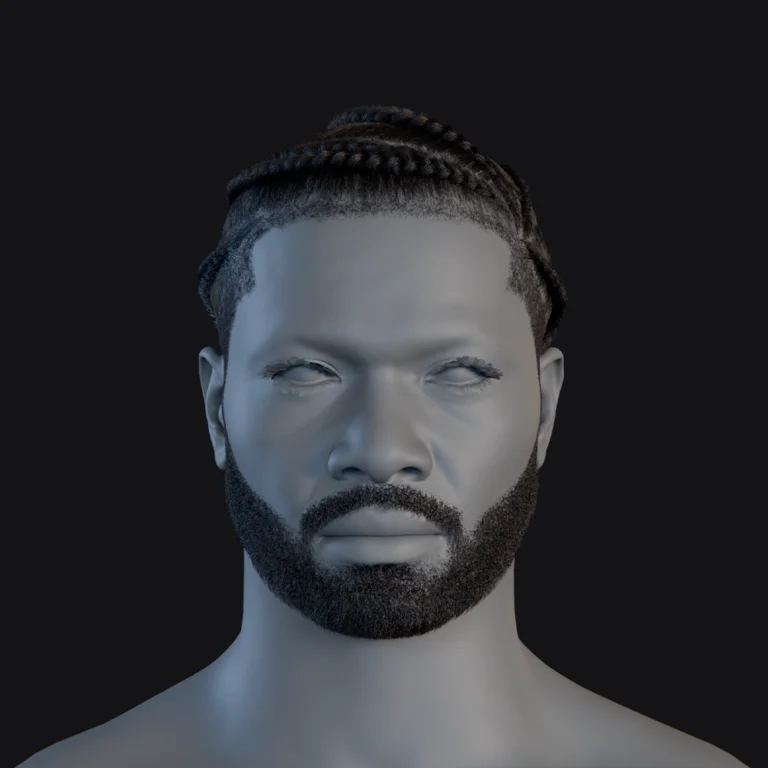
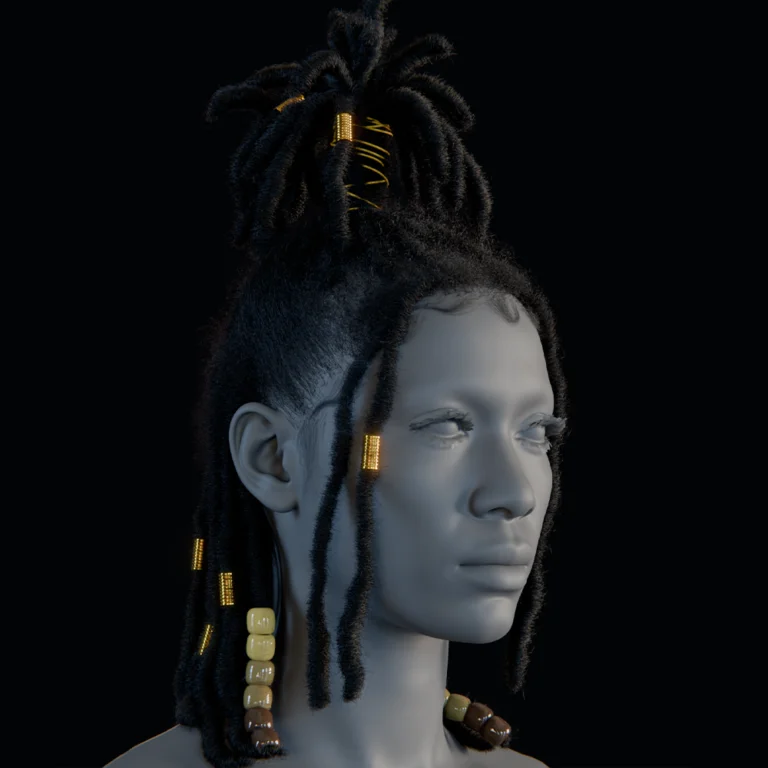
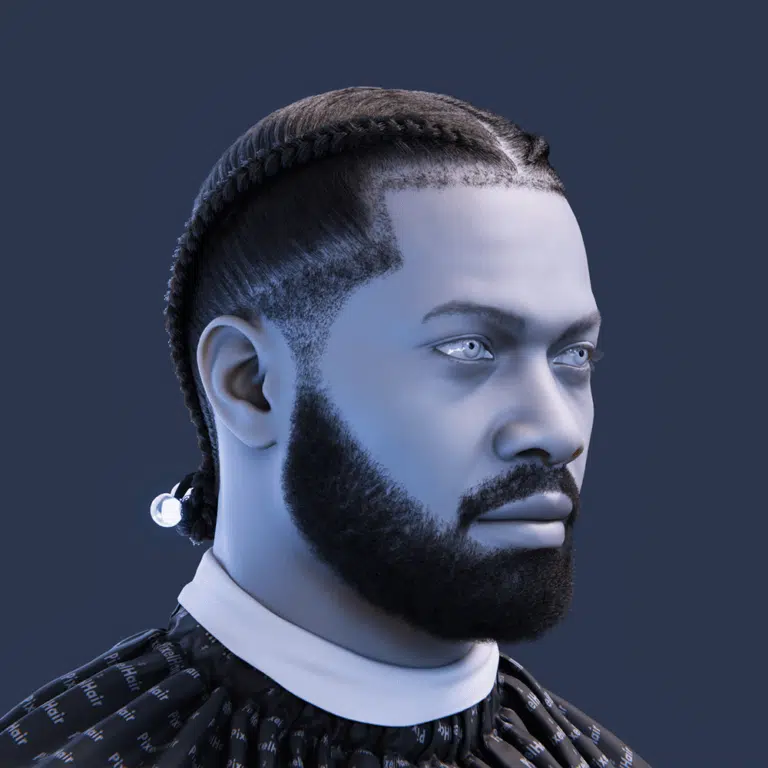
- Braids and Cornrows: Numerous braided styles such as long box braids, cornrow updos, braided pigtails, and celebrity-inspired looks (e.g., “Rihanna braids” with long thin braids, “Snoop Dogg braids”). Braids are modeled strand-by-strand or as bundled strands for proper cylindrical volume, including combinations like cornrows into dreadlocks.
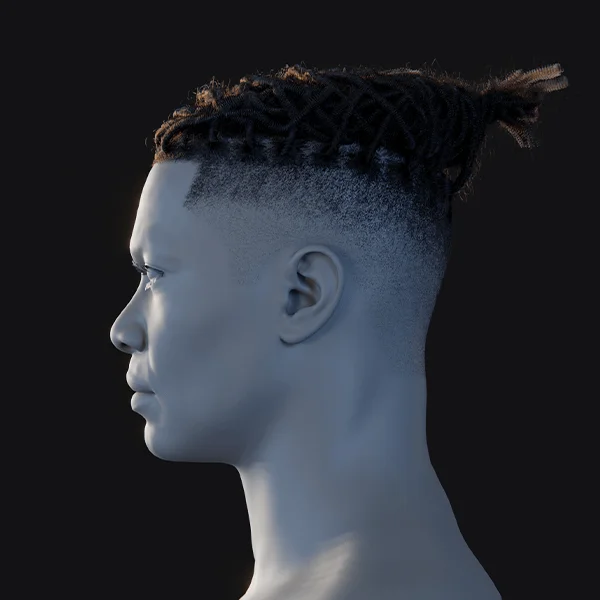
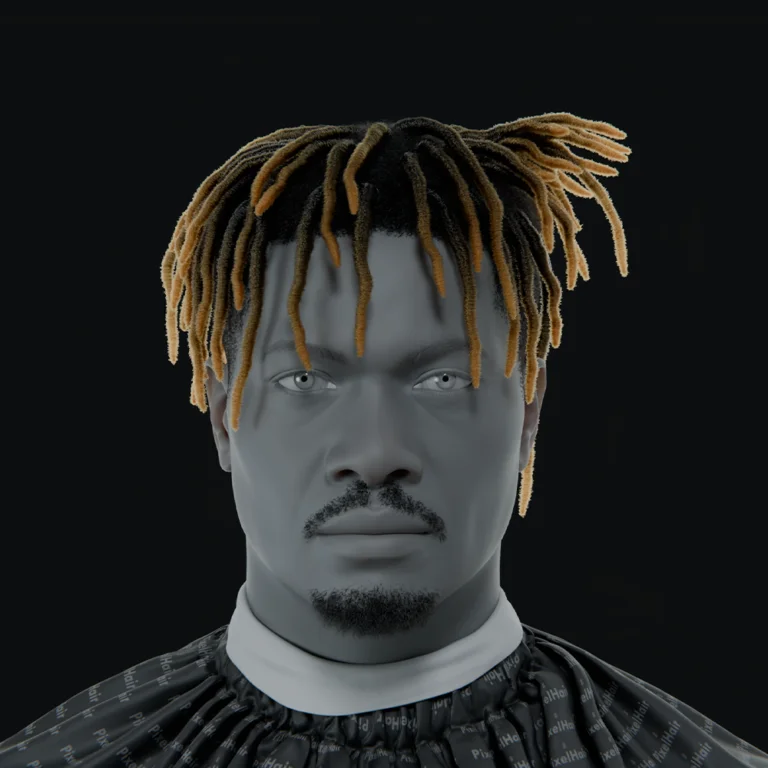
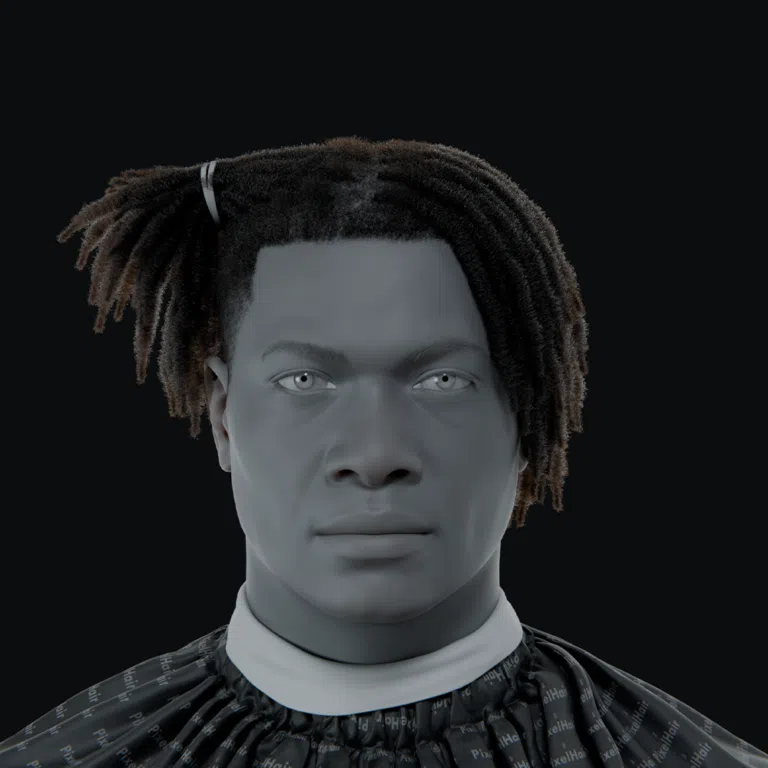
- Dreadlocks: Many variations from short dreadlock fades to long dread ponytails, often with celebrity references (e.g., “Lil Uzi Vert dreads” with colored locks), realistically capturing thickness and clumping.
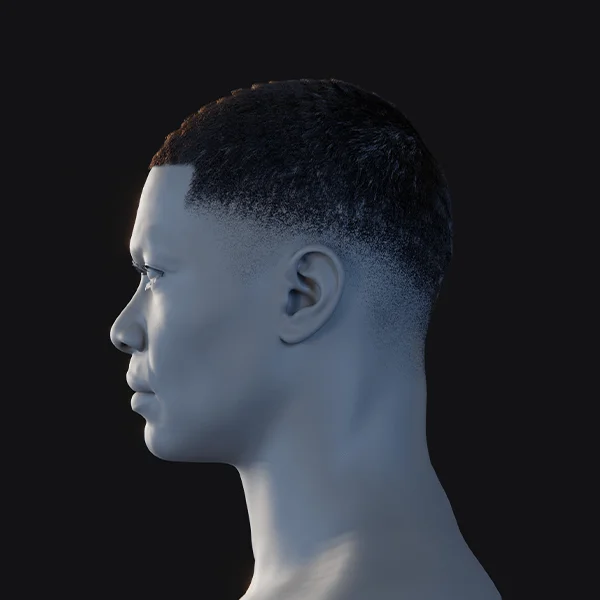
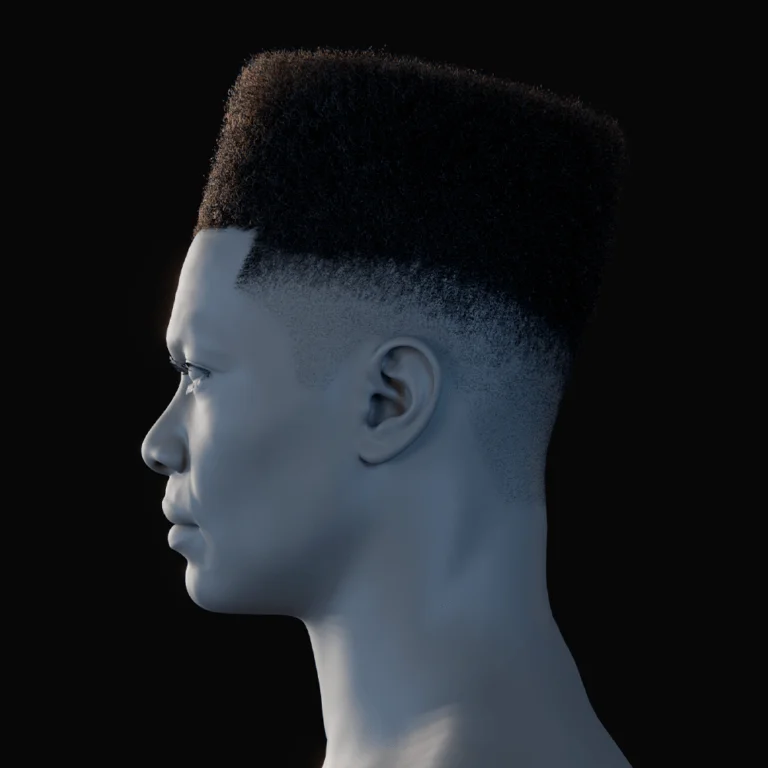
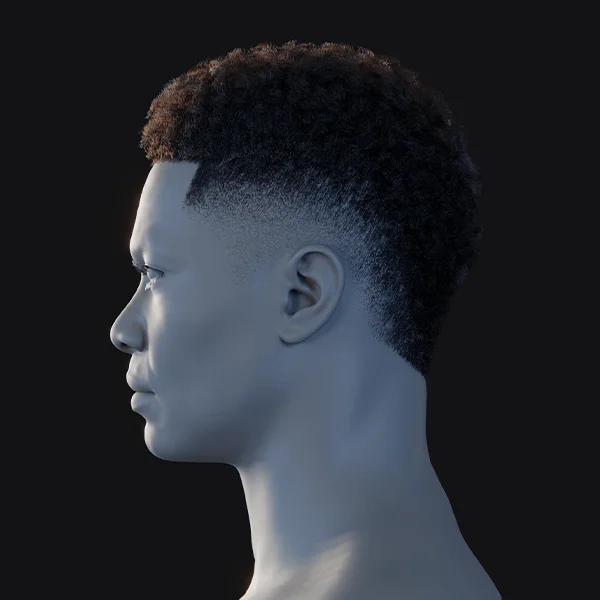
- Straight and Wavy Hair: Options like slicked-back undercuts, bob cuts, long wavy hair, and male styles including fades (low, mid, high), mohawks, pompadours, and fades with curls or designs on top.
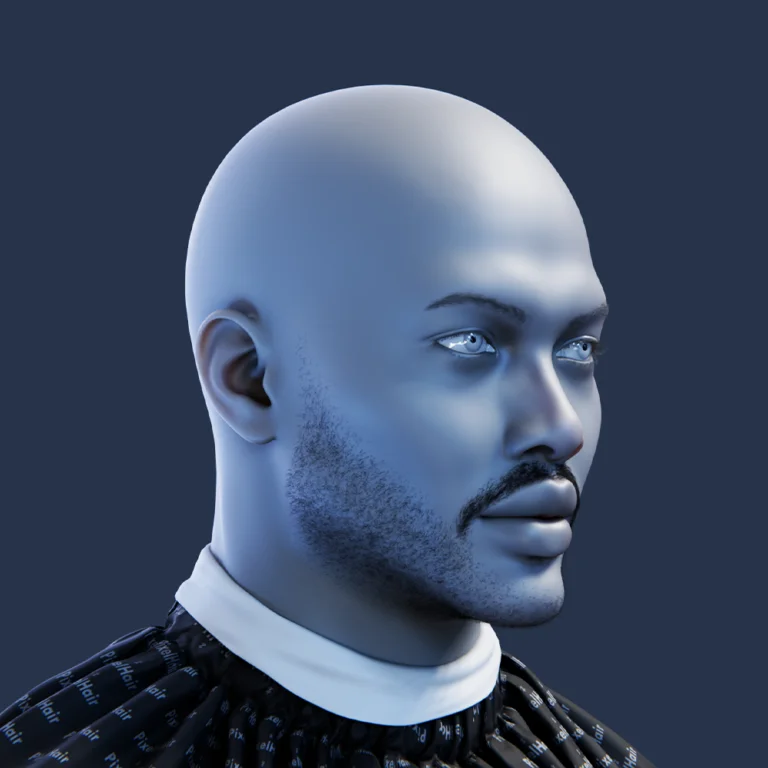
- Beards and Facial Hair: Dozens of separate beard and mustache assets (full beards, goatees, stubble), groomed with individual strands for close-up realism. Examples: “full Chris Brown goatee,” “Khalid full beard.”
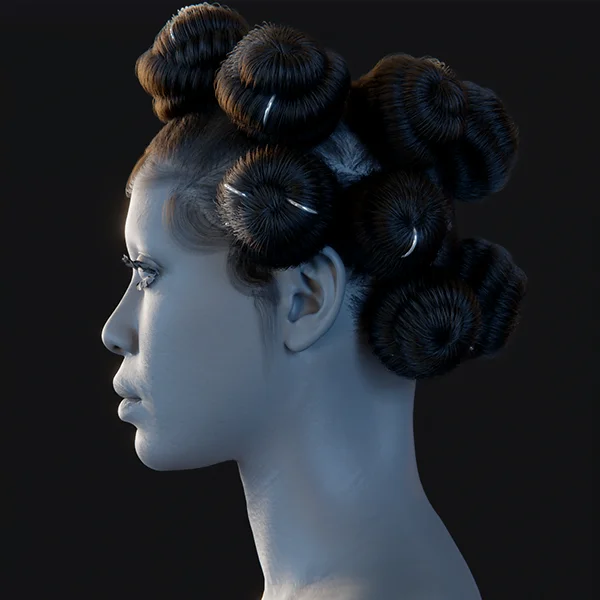
- Male and Female Hair: Assets are labeled male or female (slightly more male-oriented due to short styles and beards), but many are unisex and adjustable. Female styles include long curly hair, braided extensions, buns, etc.
Each asset includes a Blender .blend file with hair on a generic scalp mesh, using particle hair with children interpolation for rendering. PixelHair provides documentation for the Blender-to-Unreal Alembic export workflow.The library is particularly strong in traditionally underrepresented hairstyles (natural black hair, protective styles like afros, braids, and dreadlocks), making it a valuable resource for diverse character creation in Blender or Unreal Engine projects.
How does PixelHair compare to other 3D hair asset stores?
PixelHair stands out due to its specialization and focus on quality. Key comparison points with general marketplaces:
- Specialization vs. Variety
PixelHair focuses exclusively on hair and beard assets, ensuring consistently high-quality, realistic products through dedicated effort. General marketplaces like CGTrader or TurboSquid provide greater variety, including stylized or fantasy hair, but quality varies widely due to open uploads from many creators. PixelHair is superior for ultra-realistic grooms, while CGTrader or Unity Asset Store are better for low-poly or cartoon styles. - Integration and Workflow
PixelHair assets are specifically designed for Blender and Unreal Engine/MetaHuman workflows, including pre-setup .blend files and detailed export guidance for Unreal’s groom system, with compatible materials and physics. Other marketplaces typically offer static meshes or generic FBX/OBJ formats that require manual rigging and material setup. PixelHair’s tailored approach provides a more seamless pipeline than the additional work often needed for assets from ArtStation or similar platforms. - Quality and Realism
PixelHair delivers strand-by-strand designs with AAA-level realism, consistent volume, and natural movement, especially for diverse ethnic hairstyles like afros and dreadlocks. While TurboSquid and ArtStation have some high-quality options, their multi-artist contributions result in inconsistent realism. PixelHair’s curated, culturally diverse catalog and strong MetaHuman compatibility are frequently highlighted as superior. - Price and Value
PixelHair hairstyles are premium-priced ($50–$100 each), reflecting the labor-intensive detail and time-saving benefits. In contrast, CGTrader and Sketchfab offer cheaper options (as low as $10) that often require extra work, while ArtStation packs provide mid-range value (e.g., $30 for 10 styles) with less detail. PixelHair includes tiered licenses for indie or studio use, unlike the standard royalty-free licenses on most marketplaces. - Support and Documentation
PixelHair provides dedicated resources from creator Yelzkizi, including detailed documentation, tutorials, and direct support options. Marketplace support depends entirely on individual sellers and can be inconsistent or absent. PixelHair’s focused documentation covers precise workflows (Blender adjustments, Unreal imports) that general marketplace assets rarely match.

Top places to buy 3D hair assets for real-time and cinematic use
Hair asset requirements differ based on end use, with top marketplaces and solutions catering differently to real-time engines (Unreal, Unity, VR) and cinematic rendering.
- Real-Time Engines (Unreal, Unity, VR)
Assets prioritize performance. Common approaches include hair cards (flat polygon strips with transparent textures) for efficiency in last-gen/mobile games, or strand-based grooms for higher quality on high-end hardware. Hair cards, widely available on Unity Asset Store and CGTrader, are low-poly, importable as FBX, and require minimal setup. Unreal Engine supports strand-based grooms (e.g., PixelHair’s Alembic exports for MetaHumans) for superior visuals, though they are more performance-intensive and best for cinematics or high-end platforms. As of 2025, Unity lacks a native strand hair system and relies on hair cards or third-party plugins, with Weta’s Wig integration still in development. VR demands extreme optimization, favoring simple hair cards or stylized solid meshes to avoid transparency-related issues. - Cinematic Rendering (Blender Cycles, Maya Arnold)
High-detail grooms with millions of strands are standard since real-time constraints do not apply. Assets like PixelHair’s Blender particle systems or TurboSquid’s Maya XGen setups are ideal for film or stills but require conversion (e.g., to hair cards) for game use. - Bridging Solutions
PixelHair supports both workflows: Blender particle systems for pre-rendered animation and Unreal strand grooms for real-time cinematics. Reallusion provides hair optimized for both real-time (iClone, games) and rendering, including performance-friendly “Lite Hair.” - Marketplace Breakdown
- PixelHair, TurboSquid, ArtStation: High-fidelity assets suited to cinematics or high-end real-time (e.g., Unreal grooms)
- Unity Asset Store, Sketchfab, CGTrader: Game-ready hair cards or low-poly meshes, often with LODs or bone rigs
- Reallusion: Balanced for real-time and rendering, with performance-focused options.
- General Guidelines
Real-time/VR projects need game-ready assets (typically under 10k polygons, bone-rigged for physics). Cinematic work can use high-poly grooms or ZBrush sculpts with advanced features like motion vectors or melanin maps. Assets are often versatile: Unity Asset Store hair cards can suffice for pre-rendered scenes if quality is adequate, while PixelHair grooms can be downsampled or converted to cards for games. Choose detailed assets when performance is secondary (cinematics) and optimized assets (or optimize them yourself) for real-time, mobile, or VR projects.
Is PixelHair compatible with Metahuman characters in Unreal Engine?
PixelHair is fully compatible with MetaHuman characters in Unreal Engine 5 and was specifically designed by Yelzkizi to enhance MetaHumans. Each asset exports from Blender as an Alembic (.abc) groom file and imports into Unreal Engine as a Groom Asset, using the same system as MetaHuman’s native hair. Once imported via the Groom Importer, the groom attaches to a MetaHuman’s skeletal mesh (typically via the Groom component or by binding to the head).
PixelHair provides detailed documentation for this straightforward process.The strand-based assets are tailored for MetaHuman compatibility, matching head scale and supporting MetaHuman hair materials/shaders (anisotropic specular and scattering) or Yelzkizi’s provided materials. As noted in an 80.lv review, assets like “PixelHair Hairstyle – Afro 005” work seamlessly with any MetaHuman. Minor tweaks may be needed for fit, and the hair supports animations with optional physics for dynamic motion.
PixelHair offers significantly more variety (e.g., dreadlocks, braided updos) than Epic’s limited default MetaHuman hairstyles. Assets are optimized for Unreal’s ~65,536-strand limit using interpolated strands, though heavier styles can impact real-time performance.In conclusion, PixelHair was built with MetaHuman integration in mind. Following the workflow (Blender export → Alembic → UE5 import → attach to MetaHuman) allows users to treat PixelHair grooms like official MetaHuman hair, but with far greater style choice and diversity, making it a major advantage for creating unique, realistic characters in Unreal Engine.

Can I use PixelHair assets for stylized or realistic character creation?
PixelHair assets are primarily designed for realistic character creation, featuring high detail with natural shapes, realistic texture, and physically accurate strand thickness, making them ideal for realistic or semi-realistic styles in games and animation.The strand-based assets can be adapted for somewhat stylized projects.
For Pixar/DreamWorks or cartoonish looks, users can customize in Blender using flat-shaded/solid-color shaders (without realistic highlights) and adjust groom settings (thicker strands, fewer children) for a chunkier, illustrative appearance. For anime or geometric hair (solid mesh clumps), PixelHair is less suitable, though grooms can be converted to simplified meshes a complex process that may reduce the ready-made benefits.Artists often use PixelHair for realistic or semi-stylized characters, recoloring strands to bold shades (e.g., neon pink) via material edits while retaining realistic detail.
Alternatively, it can serve as a base by applying the groom and then retopologizing into a low-detail, hand-painted mesh to preserve realistic volume and flow a common studio technique for blending realism with stylization.In summary, PixelHair is optimal for realistic characters, where its quality is unmatched. It works well for mildly stylized projects due to high customizability (adjusting thickness, density, and color). However, for extremely stylized or deliberately non-realistic hair forms (e.g., cloud-shaped or very blocky), other specialized assets or methods are preferable. PixelHair provides a strong realistic starting point that can be art-directed as needed.
Where to find afro, braids, dreadlocks, and curly hair assets in 3D?
Finding high-quality 3D assets for afro-textured and curly hairstyles – like afros, braids, dreadlocks, twists, etc. – has historically been challenHigh-quality 3D assets for afro-textured hairstyles (afros, braids, dreadlocks, twists) have historically been scarce, but availability is growing. Here are the key sources:
- PixelHair (Yelzkizi) :The top recommendation. Offers an extensive, culturally accurate library of African and diaspora hairstyles (afros, cornrows, dreads, etc.) with physically-based detail, optimized for Blender and Unreal Engine.
- Marketplaces (CGTrader, ArtStation, Sketchfab) :Searching terms like “afro” or “braids” yields varied results. Quality ranges widely, so vetting is needed. Free options exist (e.g., Sketchfab’s “Victorian Afro,” Alma Studio’s free hair cards on ArtStation).
- Reallusion Content Store :Offers afro-textured hair and braid packs optimized for real-time use in Character Creator/iClone, with morph sliders and color variations. Exportable to other platforms with some effort.
- Independent Creators (Hayweee’s Stash, Gumroad, etc.):Affordable, often stylized assets like cornrows and afro puffs, popular for VRChat. Community-driven and focused on authentic cultural representation.
- Game Mods (Sims, DAZ Studio communities):User-made afro hair can sometimes be converted, though license caution is essential.
Bottom line: PixelHair is the standout for quality and breadth. For budget-friendly options, check ArtStation’s free section and Sketchfab. The space is improving thanks to specialized creators prioritizing diverse representation.

How to choose between different 3D hair packs depending on your project?
Selecting the best 3D hair asset comes down to evaluating a few key factors:
- Software Compatibility – Choose assets in formats you can work with. FBX and OBJ are universal; .blend or .max files are great if you use those tools. Avoid assets in formats you cannot open or edit.
- Art Style – Match the hair to your project’s visual tone. Realistic projects call for detailed grooms (like PixelHair or high-poly packs), while stylized games benefit from low-poly hair cards or simple meshes.
- Platform and Performance – Pick assets suited to your target platform. VR and mobile need lightweight, low-poly hair; offline rendering can handle high-detail models. Packs with multiple LODs or resolution options offer the most flexibility.
- Variety vs. Uniqueness – Multi-hair packs are cost-effective for populating crowds or offering character customization. Single, high-quality assets are better for standout hero characters that need extra detail.
- Rigging and Animation – If hair needs to move, look for assets with bone rigging, physics setups, or simulation support already built in. Pre-rigged packs save significant time compared to setting up dynamics from scratch.
- License and Budget – Most marketplace packs are royalty-free for commercial use, but always verify. Free assets may have restrictions. Multi-hair packs tend to be more economical. Supplement with free resources from Sketchfab or ArtStation to stretch your budget.
What types of licenses come with PixelHair hair assets?
PixelHair offers several types of licenses to accommodate different users, which is a bit different from the one-size-fits-all approach on many marketplaces. According to the PixelHair website, there are typically five license options for their hair assets:
- Personal License: This is meant for individual hobbyists or those who are using the asset in non-commercial personal projects. If you’re just practicing or making art that won’t be sold or monetized, this cheaper license covers you. It’s common that with a personal license you shouldn’t use the asset in a commercial release.
- Freelance/Indie Commercial License: This license is for small creators or freelancers who will use the asset in a commercial project (for example, an indie game or a freelance gig for a client). It usually covers businesses or teams below a certain size or revenue threshold (for instance, a company under 5 people or making under $100k, as some definitions go – the exact terms would be in PixelHair’s license details). It costs more than personal, but allows you to use the hair in projects that make money.
- Studio License: This is the license for larger studios or productions. If a mid-size or big game studio wants to use PixelHair assets in a commercial project, they’d go for the Studio License. It’s priced higher, reflecting the scale of usage. The Studio license might allow unlimited use within a studio and covers redistribution within that context (like if multiple team members need to work with the file). Essentially it ensures a larger entity is properly licensing for wider use.
- AI Training License: This is an interesting and forward-thinking option PixelHair lists. An AI Training License would allow the asset to be used as training data for machine learning (for example, if someone is developing a machine learning model related to 3D hair or using the hair in renders to train an AI). This kind of use goes beyond normal 3D art usage, hence a separate license (since training AI on assets can be considered a form of redistribution or mass usage). Most users won’t need this, but PixelHair offers it likely to set clear boundaries on AI-related usage of their assets.
- AI Commercial License: Similar to above, this might be for when the asset, or derivatives of it through AI, are used in a commercial AI product. For instance, if a company trained an AI on PixelHair assets to generate new hairstyles, this license would cover the commercial deployment of that AI. Again, niche case for typical artists, but it’s good that PixelHair thought about it.

What formats do PixelHair and other sellers provide (FBX, OBJ, Blender)?
3D hair assets can come in a few different formats, and it often depends on the creation method and intended use:
- PixelHair Formats: PixelHair provides a Blender .blend file containing a scalp mesh and particle hair system, ideal for direct rendering or tweaking in Blender. For Unreal Engine, export the hair as Alembic (.abc) from Blender, as FBX doesn’t support particle strands; PixelHair’s tutorial confirms seamless Unreal import. Some sellers include pre-exported .abc files, but users may need to export themselves. Converting to static OBJ or FBX meshes in Blender is possible but not provided, as it loses strand data.
- FBX and OBJ: FBX is common for mesh-based hair (e.g., hair cards, sculpted clumps) or rigged hair, carrying mesh and skeleton data, and is included in most marketplace hair models. OBJ, a simpler format with only mesh and UVs, suits static hair like braids and ensures broad compatibility. Sellers often provide both OBJ for universal import and FBX for rigging or grouped meshes e.g., an ArtStation pack includes .Blend and .OBJ, with FBX offered if rigging is present.
- Native Files (Blend, MAX, MAYA): Some assets come in the native file of the software used to create them. PixelHair uses .blend. Others on CGTrader might give a 3ds Max (.max) file or a Maya scene (especially if the hair was made with XGen, they might give a Maya file with the XGen collection setup). If you have that software, it’s great, because you get all the procedural controls. If not, they usually also include an exported version in FBX/OBJ. It’s important to read the description: e.g., if a model says “Maya 2018 with XGen – no FBX provided,” you’d need Maya to use it properly. But most sellers know to include interchange formats.
- Alembic (.abc): As mentioned, Alembic is key for strand data. Outside of PixelHair, some sellers might provide Alembic for hair too, especially if they’re selling a groom intended for Unreal or one that was simulated. If you ever see a hair asset advertising itself for Unreal Engine’s Groom or saying “complete with physics cache,” it could come as .abc. For instance, a CGTrader seller might include an Alembic if they made hair in Blender like PixelHair did. But this is less common; PixelHair is one of the few explicitly doing that pipeline.
- Unity Package (.unitypackage or .prefab): On the Unity Asset Store, you might get a .unitypackage which you import into Unity. Inside it, the hair will be an FBX (or multiple FBX files) plus materials. Some Unity-specific assets might also include prefabs with scripts for physics attached. If you’re acquiring hair from the Unity store, expect a unitypackage, but know that under the hood it’s FBX + textures in most cases (you won’t directly get the FBX unless you export it out of Unity).
- Textures and Materials: Along with model formats, hair assets usually come with texture files (in PNG/TGA format typically). For hair cards, these include the diffuse (albedo) map, opacity (alpha) map, maybe a normal map for the strands if it’s detailed, and possibly specular or ID maps. PixelHair’s strand hair doesn’t use traditional hair card textures, but it does have a material that colors the hair (some PixelHair styles might include a texture for color variation like highlighting, but I think most are just material settings). If the asset is a Blender file, the material and any hair strand shader is embedded. If it’s FBX/OBJ, you’ll have separate image files.
How to import PixelHair assets into Unreal Engine or Unity

Importing PixelHair into Unreal Engine (UE5): PixelHair assets are specifically optimized for Unreal Engine, but the process is a bit different from importing a static mesh. Here’s the general step-by-step:
- Export from Blender as Alembic: Open the PixelHair .blend file in Blender, fit the hair to your character’s head, and export as an Alembic (.abc) file via File > Export > Alembic. Select the hair particle system, ensuring “Export Hair” is checked and following PixelHair’s settings to exclude the scalp and reduce strand steps for Unreal compatibility. The Alembic file stores animated hair geometry, treating strands as animated points, even if static.
- Import Alembic Groom into Unreal: In Unreal Engine 4.26+ or UE5, import the .abc file via Content Browser’s Import button. Unreal recognizes it as a hair groom, displaying Groom Import Options to set a Skeletal Mesh (e.g., scalp) and create a Groom Asset and optional Groom Binding Asset for a skeletal mesh like a MetaHuman head, enabling the hair to be used in the scene.
- Assign Material: The imported groom may lack a material or use a default. Apply a Hair shading model material from Unreal’s Groom plugin samples or create one, tweaking color, roughness, and scattering for realism. PixelHair may suggest material settings; some assets use vertex color for variation, while others allow uniform color adjustments to match the desired aesthetic.
- Attach to Character: For a MetaHuman, add a Groom Component to the MetaHuman Blueprint, assign the Groom Asset, and use the Groom Binding Asset to bind to the head bone, leveraging PixelHair’s MetaHuman rigging compatibility. For other characters, align the groom’s transform (typically (0,0,0) at the head bone origin) and attach via Unreal’s Static Mesh editor or a head socket, ensuring accurate movement tracking.
- Adjust Physics Settings: Enable hair physics in the Groom Asset, configuring stiffness, gravity, and body collision for dynamic simulation. PixelHair grooms have Unreal-compatible density, but tweak physics for performance, using Cards or Meshes LOD if needed, though strands ensure quality. Ensure high Engine scalability settings to render the groom, as low settings may disable it for performance.
For Unity:
Unity doesn’t natively support strand-based hair import like Unreal. If you want to use PixelHair in Unity, you have a couple of approaches:
- Convert to Mesh (Hair Cards): In Blender, convert PixelHair’s particle hair to curves, then to flat ribbon meshes (hair cards) using add-ons or workflows for hair card generation. Export these as an FBX for Unity, where you apply a hair material using Transparent Cutout or Transparent shaders, or a Unity Store hair shader with transparency and no backface culling. This method sacrifices dynamic strand fidelity, treating hair as static modeled geometry, suitable for simpler, non-physics-based rendering.
- Use Unity’s Alembic Support: Import PixelHair’s Alembic (.abc) file into Unity (2018+ with the Alembic package) as a streamed animated mesh, ideal for cinematics or static poses in Timeline. Unlike Unreal’s groom system, Unity’s Alembic lacks native physics or character skinning, rendering it as a cached mesh unsuitable for interactive character hair. For stills or cutscenes, position the imported Alembic on the character, but dynamic head movement requires complex workarounds, like exporting the Alembic in character space, limiting its interactivity.
- Unity Hair Tools/Plugins: There are a few assets and experimental tools for hair in Unity (e.g., “Hair Designer” or “YAK Hair” from the Asset Store, or Unity’s own demo from their Fur/Hair system which is not fully production ready as of 2025). These might allow you to import strand data. For example, some tools can import a bunch of curves from a Blender file if you export them in a certain format. If you’re willing to invest in a Unity hair solution, you could try to get PixelHair’s curves into that. This route is complex and might require manual work or scripting.
In practice, if someone wanted to use PixelHair in Unity for a real-time project, they would likely convert it to hair cards or accept it as a static mesh. Another approach is to use PixelHair as a highpoly reference and bake textures for hair cards (some artists might render out hair strand textures from PixelHair and then use those to make hair card textures for Unity).
So, to summarize Unity import: Unity doesn’t have native groom support. You’d either import it as geometry (hair cards via FBX) or as Alembic for non-interactive use. If using geometry, treat it like any other model: drag the FBX in, assign materials, attach it to your character’s head bone (Unity can do this via making it a child of the head bone in the hierarchy), and if needed, add physics (Unity’s cloth or spring bones can be used for ponytails, etc., but it’s a manual setup).
One warning: hair with lots of alpha (like dozens of layered transparent strands) can be heavy to render in Unity, especially in VR or on mobile. So sometimes simplification or using opaque “striped” alpha cutouts is used.
Import steps for Unity (assuming hair card FBX approach):
- Convert PixelHair to hair cards (or use a pre-made hair card asset).
- Export as
hairname.fbx. Include any bones if you rigged it. - In Unity, import the FBX. Check the Import Settings to ensure normals and tangents are imported and that the scale is correct.
- Create a material for the hair. Set it to use the URP/HDRP Lit shader in Transparent mode (or Cutout if using alpha cutout). Assign the hair texture (the diffuse and alpha mask) to the material. Adjust smoothness/etc. If you have a normal map for the hair strands, assign it.
- Drag the hair FBX into your character prefab or scene, position it on the head. If it’s supposed to follow the head bone, make it a child of the head bone in the character’s rig.
- If rigged (say the hair has bones for swinging braids), ensure the avatar has those bones or add them as new bones and use Unity’s animation or physics components to animate them. Or add a Cloth component to simulate if appropriate.
- Test in play mode to ensure it looks correct from all angles (hair rendering can sometimes sort oddly – you may need to enable “Alpha Clipping” or tweak sorting on the shader to avoid transparency issues).
While Unity integration is doable, clearly PixelHair’s ideal pipeline is Blender->UE. Unity developers without a hair system would use PixelHair as a high-quality source and then do some extra work to make it engine-friendly.
In conclusion, Importing PixelHair into Unreal Engine is straightforward using Alembic groom files, with PixelHair’s guidance ensuring compatibility. For Unity, direct strand format support is lacking, requiring conversion to a mesh (FBX) or using Unity’s Alembic importer for static hair. In both engines, attach the hair to the character and apply appropriate materials. PixelHair’s documentation likely focuses on Unreal Engine and Blender, so Unity workflows may need custom adaptation. For Unity users targeting cinematic rendering in HDRP, adapting PixelHair via Alembic or dense mesh can yield high-quality visuals, making the effort worthwhile.
Is there customer support and documentation available with PixelHair hair assets?

Yes, one of the benefits of PixelHair being a dedicated platform is that it provides documentation and support tailored to its assets. When you purchase a PixelHair asset (either through Yelzkizi’s site or a partnered marketplace), you gain access to tutorials and guides on how to use those assets effectively. In fact, the PixelHair website has a section for PixelHair Tutorials explicitly aimed at helping users apply and customize the hairstyles.
Some specifics of the support/documentation PixelHair offers:
- Tutorial Articles and Videos: Yelzkizi has written step-by-step articles on the PixelHair site (for example, how to import to Unreal, how to adjust hair in Blender, how to improve a MetaHuman with PixelHair, etc.). These often include screenshots or even videos. For instance, there’s likely a tutorial on “PixelHair to MetaHuman in UE5” which gives a detailed walkthrough. Similarly, tutorials on customizing the hair (changing color, physics settings) are probably available. The presence of these official guides means you don’t have to experiment blindly; you can follow proven steps.
- FAQs and Documentation Files: On the PixelHair store (especially if purchased via Superhive/BlenderMarket), there may be a documentation PDF or text included with the download. Also, product pages might have an FAQ. For example, the Superhive (Blender Market) listing had tabs for “Documentation” and “FAQ”, indicating that documentation is provided (even if the example we saw had “No FAQs found” for that particular listing, the intent is there). The documentation likely covers installation, required Blender version (e.g., “works in Blender 3.x”), steps to append the hair into your scene, etc.
- Community & Contact: Yelzkizi has set up a community (possibly a Discord or forum) around PixelHair. If you run into issues, you can reach out to the creator or community. Yelzkizi’s site has a “Community” link and even job boards, which suggests they are building a user base around their products. Many indie asset creators are responsive via email or social media if you have a problem or a question about using their asset in a specific scenario.
- Updates: If there are any updates to the assets (say, adjustments for new Blender versions or improved physics settings), PixelHair can distribute those. Buying from the official source means you can get those updates (perhaps via an account download page). Also, since PixelHair is an ongoing project, they may release new styles or improvements, and being in the loop (newsletter or so) might give you access or discounts.
- Marketplace Support Systems: If you purchased through ArtStation or BlenderMarket, those platforms have built-in support chat or email systems. For example, on BlenderMarket you can message the seller (Yelzkizi) directly. On ArtStation, you can comment or send a message to the seller as well. Yelzkizi is known and likely to respond to legitimate support inquiries.
In comparison, if you buy a random hair model from someone on CGTrader, you may or may not get documentation (often it’s just the files). You typically rely on your own know-how. PixelHair’s added value is that it’s a bit like buying not just a model but a solution – with guidelines on how to implement that solution.
Integrating 3D Hair Assets into Game Engines: Best Practices
Integrating a purchased 3D hair asset into a game engine (like Unity or Unreal) can be tricky, but following best practices will ensure the hair looks good and performs well. Here are some best practice tips:
- Use the Right Shader: Hair often needs special shader settings. In Unreal Engine, use the Hair shading model for strand-based hair, or the Two-Sided Foliage model for hair cards (or the dedicated Groom plugin shaders). In Unity, use a shader that can handle transparency correctly for hair cards – this might mean enabling alpha clipping or using a double-sided material. Many engines offer a two-sided option for materials so that hair planes are visible from both sides. Proper shader use will eliminate weird lighting or invisible backsides of hair.
- Setup Collision and Physics (if needed): For dynamic hair like ponytails or braids, use engine physics: Unreal’s Groom solver simulates strand physics (adjust stiffness, gravity), while hair cards may use Physics Assets or Cloth simulation. In Unity, apply the Cloth component or asset store physics plugins. Keep physics simple e.g., a few joints for a ponytail as a pendulum to avoid performance costs. Set collision with capsules (Unreal) or colliders (Unity) to prevent body clipping, tuning damping and inertia for smooth, realistic motion without jitter.
- Optimize Transparency Overdraw: Hair with layered alpha transparency causes overdraw, impacting performance. Use dithered opacity in Unreal or Unity’s HDRP “Alpha Cutoff” with dithering for efficient transparency. Apply alpha test for cutout effects on opaque/transparent sections. Minimize overlapping hair card layers and implement LODs, switching to simpler hair models or fading at distance, to reduce rendering costs while maintaining visual quality.
- Attach and Weight the Hair Properly: Attach hair to the head bone, ensuring correct alignment. For skinned meshes, set scalp skin weights to 100% head bone to prevent deformation from other bones. With MetaHumans, use the Groom Binding asset for precise animation tracking. Proper weighting avoids stretching or odd deformations during character movement, ensuring hair moves naturally with the head.
- Scale and Units Consistency: When importing, keep an eye on scale. A hair model might come in too large or small depending on unit differences. Best practice is to adjust in your 3D software before export so that in engine it matches real-world scale (e.g., a hairstyle might be ~20-25 cm from scalp to tip for short hair, or ~60-80 cm for long hair, etc.). This affects physics as well – correctly scaled hair will simulate properly (not appear as if gravity is wrong).
- Level of Detail (LOD): If your engine and asset support LODs, use them. For strand-based hair (grooms), Unreal can generate card or cluster LODs at distance. For mesh hair, you might create a simpler version with fewer planes for far LODs. Implementing LODs means at a distance, the engine can switch to a cheaper version of the hair, saving performance with negligible visual difference from afar. PixelHair in Unreal, for example, could possibly be set to fade out beyond a certain distance if characters are not meant to be seen up close all the time.
- Profile Performance: Hair can be one of the heavier parts of rendering (due to transparency, high poly count, or physics). Use your engine’s profiler to check the impact. In Unreal, check the GPU profiler for the Groom component cost and overdraw. In Unity, use the Frame Debugger to see how many times hair draws, and the CPU profiler to see if physics (like cloth) is taking too much time. If something is costly, consider optimizations like reducing physics iterations, simplifying materials (maybe lower the number of texture samplers, etc.), or using baked animation for hair instead of realtime physics in less crucial moments.
- Testing on Target Platform: If you’re developing for a specific platform (mobile, VR, console), always test the hair on that hardware. A hair asset might look fine on a PC but could be too heavy on a mobile GPU (where fill-rate is limited). For VR, test in stereo to ensure hair doesn’t produce artifacts (transparency sorting in VR can sometimes show one eye differently than the other if not handled – best practice in VR is often to avoid too many alpha layers). Optimize accordingly – e.g., for mobile/VR, you might choose shorter hair or fewer transparent layers.
By following these best practices, you’ll integrate your 3D hair assets smoothly. Essentially, treat hair as its own sub-system: it needs good materials, proper rigging/physics, and performance tuning just like characters do. The effort pays off when you see characters running around and the hair reacting naturally and rendering nicely without major slowdowns. A well-integrated hair asset can significantly enhance the believability of your game characters or the visual quality of your scene.
Customizing Purchased 3D Hair Assets to Fit Your Character Designs

When you buy a hair asset, it won’t automatically be a perfect fit for your specific character – you often have to customize it. Here are ways to tailor a purchased 3D hair model to truly fit your character:
- Adjust the Fit and Shape: Import the hair and character’s head into Blender or Maya, using soft-selection or proportional editing to align the hair’s scalp cap with the head’s surface, scaling in X or Y axes for width adjustments. Shrinkwrap the scalp mesh if included, ensuring no gaps or floating/sinking hair. Adjust ponytail positions or bangs length, checking all angles (top, side) to avoid ear or feature intersections for a natural fit.
- Recolor and Restyle: Modify hair color via material settings (e.g., PixelHair’s melanin/color parameters for strand-based hair) or hue-shift textures for hair cards, using grayscale textures for tinting. Add highlights, roots, or ombre by editing texture maps. Remove accessories like flowers or clips by deleting them, or select alternate style options (e.g., with/without bangs) included in the asset to match your character’s design.
- Combine Assets or Parts: Kitbash hair by merging elements like bangs from one asset and a bun from another, deleting and attaching parts with blended seams using added strands or cards. For example, combine braids and afro assets for a braided-afro updo, managing multiple materials if needed. Ensure topology supports merging and blend textures/materials to maintain a cohesive look in the engine.
- Trim or Extend Length: Shorten strand-based hair in Blender’s particle edit mode by trimming or reducing child strands, or delete lower mesh parts for hair cards, tapering ends for natural looks. To lengthen, duplicate geometry and extend textures by cloning or using consistent patterns. For ponytails, attach extension meshes and blend with alpha to avoid abrupt transitions, ensuring realistic ends.
- Change the Style Flow: In particle edit mode, comb strand-based hair to adjust parts (e.g., center to side) or sweep directions, tweaking PixelHair’s strand thickness or clumping for fuller/sparser looks. For card-based hair, rotate or move cards to alter silhouettes, like opening the forehead or covering cheeks, or delete stray locks. Update texture alpha to reflect changes, blanking removed card sections to prevent UV mapping errors.
- Add Accessories or Unique Features: To really tie a hair asset into your character’s design, you might add custom elements. For example, if your character is a cyberpunk hacker, you could insert some thin cables or glowing fiber optics into the hairstyle. Or if it’s a fantasy character, maybe weave in a ribbon or add beads to braids. You can model such additions and either bind them to the same rig as the hair or just attach them statically. Many purchased hair assets are neutral; by adding a signature accessory, you make it part of your character’s identity. Just make sure any accessories move correctly with the hair (attach to a bone or constrain to a clump of hair geometry).
- Ensure Texture Consistency with Character: If your character uses a certain art style (like hand-painted textures or a specific color palette), you might adjust the hair’s texture to match. This could mean painting over the realistic hair texture to be more stylized or adjusting the saturation/contrast to fit the game’s look. For instance, in a game with very flat-shaded characters, you might remove or simplify the detailed strand shadows on a realistic hair texture so it reads as flat colors more.
Customizing is often an iterative process: import the hair on the character, see how it looks, go back to the 3D software, tweak, and re-import. It’s worth the effort because a well-fitted hairstyle will make the character look much more coherent. Remember that purchased hair is a starting point – with these adjustments, you can achieve a result that looks like it was made for your character from scratch.
Tips for customizing purchased 3D hair assets for your character design
- Proportional Editing for Fit: Use soft selection to gently mold the hair mesh to your character’s head. This avoids jarring distortions and ensures the hairline and volume match your character’s face shape.
- Retexture for Style: Don’t hesitate to repaint or adjust the hair’s texture. Adding highlights, changing the base color, or tweaking contrast can make the asset mesh seamlessly with your character’s art style.
- Mix and Match: If you have multiple hair assets, combine the best parts of each. For example, attach a purchased ponytail to a different haircut asset to create a new style. Just ensure to blend the geometry and textures so the transition looks natural.
- Test with Poses: After customizing, test the hair on your character in various poses or animations (looking up, down, side to side). This will show if any strands intersect the body or if the style holds up from all angles. Adjust the model further based on these tests.
- Save Backup of Original: Keep a copy of the original purchased asset untouched. This way, if you ever need to revert changes or derive a different variant, you have the source intact. Work on a duplicate file when making custom edits.
By following these tips and techniques, you can transform a generic hair asset into something that feels made for your character, enhancing both aesthetics and believability.
Tips for Choosing the Right 3D Hair Assets for Your Project Needs
Choosing the right hair asset can make a big difference in your project. Here are some quick tips to guide your decision:
- Define Your Style and Needs: Identify whether you need realistic hair or stylized hair. For realistic projects, look for high-detail strand-based assets or hair cards with fine alpha textures (like PixelHair or realistic hair packs on ArtStation). For stylized projects, a simpler mesh hair or toon-shaded asset might integrate better. Pick assets that match your character aesthetic (e.g., chunky, solid hair for a cartoon vs. flowing detailed hair for realism).
- Check Compatibility and Format: Ensure the asset is in a format you can use. If you’re using Blender or Unreal, a Blender-based asset like PixelHair is great. If you work in Maya, maybe look for assets provided in .ma or .fbx with rigging. Also, make sure you have the tools to utilize it (for example, buying a XGen hair but not having Maya would be a problem). Look at what files are included (FBX, OBJ, textures, etc.) and what software the seller intended it for.
- Assess the Polycount and Performance: A beautiful hair model isn’t useful if it’s too heavy for your project. Check the polycount (or strand count) in the asset description. For game assets, see if LODs are provided or if it’s optimized. If the description says “game-ready” or provides triangle counts for different LODs, that’s a good sign. If it’s extremely high poly, be prepared to spend time simplifying it or only use it in cinematic scenes. Always align the asset’s complexity with your target platform’s capabilities.
- Examine Preview Renders and Wireframes: Examine the seller’s previews closely. Check for a wireframe to assess hair card layout, looking for bald spots or strange geometry. Ensure multiple views front, side, back are shown; a single glamour angle warrants caution. Previews reveal shader quality, such as light response versus flatness. For strand hair, note strand thickness to gauge realism.
- Read Reviews or Comments: If you’re on a marketplace that has reviews, read them. Other users might note if the asset was easy to use, or if it had issues (e.g., “textures were great, fit my character perfectly” or conversely “hair was not symmetric” etc.). Comments might also reveal what engines or software people successfully used it in, which can be useful if you have a similar pipeline.
- Consider Rigging and Motion: Think ahead about how the hair will move. If the hair asset comes pre-rigged or with a physics setup, that’s a plus if you need motion. If it’s static and you plan to animate it, consider the effort required to rig it yourself. Sometimes, choosing an asset with bones in place (like many Unity Asset Store hairs) can save time if dynamic motion is needed.
- Licensing and Price: Ensure the license (personal, commercial, etc.) suits your project. For a commercial game or film, you need a license that allows that. Avoid any asset with an “Editorial use only” license if you’re making a public project. Price-wise, weigh cost vs. time saved. A $100 hair that’s plug-and-play might be worth more than a $10 hair that you’ll spend days fixing. Also, factor in if the asset is one-time use or if you can repurpose it for multiple characters (some packs give multiple styles, which can be economical for large projects).
- Support and Updates: As discussed, assets like PixelHair come with support. If you’re not extremely experienced, having a supported asset could be crucial. Check if the creator has documentation or can be contacted. An actively supported asset might also get updates or improvements (especially if it’s part of a larger product line).
In essence, match the asset to your project’s technical and artistic requirements. When in doubt between two assets, choose the one that aligns more closely with your engine and style, even if it requires a bit of tweaking, because it will integrate more naturally. The “right” hair asset is one that you can drop in and it elevates your character with minimal hassle – keep that goal in mind when evaluating options.
Are there any free or budget-friendly 3D hair assets available from trusted sources?
Yes, there are definitely free or low-cost 3D hair assets out there – you just have to know where to look and exercise a bit of quality control:
- ArtStation & CGTrader Free Sections: Many artists offer freebies on ArtStation and CGTrader. On ArtStation, you can filter for price = $0 to find free hair assets (for example, there’s a free hair cards pack by Alma Studio which includes male and female hair card textures/models). CGTrader has a “Free 3D Models” section – a quick search shows around 870 free hair models on CGTrader. These range from simple ponytails to somewhat realistic hair. Quality varies, but you can often find a gem. Just check the license (most are fine for personal and even commercial use, but some might ask for attribution).
- Sketchfab Free Downloads: Sketchfab is a treasure trove of free 3D models. You can filter by downloadable and find hair models under categories like “Hair” or “Hairstyles” that are free. For example, some users have uploaded game-ripped models or their own creations of hairstyles from games or anime – while some of these might be fan art (watch out for copyright), others are original and free to use. The Hairstyles category on Sketchfab often has free offerings, and you can preview them in 3D before downloading. They usually come in .glTF or .OBJ which is easy to convert.
- Blender Cloud / BlendSwap: The Blender community sometimes shares assets on platforms like BlendSwap (though BlendSwap’s library quality varies and licenses need checking). Occasionally, there are free hair particle setups on Blender forums. Not always game-ready, but if you need something to render in Blender, those could help. Blender Cloud has some characters and assets for subscribers, but not specifically a hair library for free.
- Game Asset Libraries: Engines like Unreal have their Marketplace with free content each month. In the past, Epic has given out free character asset packs which sometimes include hair. Keep an eye on Unreal Marketplace free giveaways – while not common to have just hair in isolation, sometimes character packs (like Paragon characters or Infinity Blade assets) that were released for free have hair meshes that you could extract and reuse on your own characters (just ensure the license – Epic’s free content is usually okay for any use inside Unreal Engine projects).
- Community Forums and Discords: Some creators on forums (like Polycount or CGSociety) share hair assets for learning purposes. For example, someone might share a set of hair cards textures or a small .blend file of a hairstyle when helping others. These aren’t packaged on marketplaces, but a targeted Google search might find “free 3D hair model” or checking resources on sites like 3dmodelhaven (though that’s more for props). Additionally, on sites like DeviantArt, some users share XPS or MMD models that include hairstyles, which can sometimes be reused (licenses vary widely there, so caution).
- Hayweee and Low-cost Sellers: While not free, some independent sellers price their assets very low (like $5-$10 range). Hayweee’s Stash, as mentioned, sells hair for ${5-7} which is almost the cost of a fancy coffee, and you get a unique style. Gumroad also has a “pay what you want” model for some assets – some creators let you download for free or a donation. For instance, a Gumroad search might yield a “free ponytail FBX” or such by an indie creator.
- MakeHuman/MetaHuman and Generative Tools: Programs like MakeHuman (an open source character generator) include some basic hair that is free to use. They are not extremely high quality, but could serve as a starting point. Unreal’s MetaHuman Creator gives a bunch of hair options (if you’re in UE environment) that are free to use on MetaHumans – not exactly transferable to arbitrary characters easily, but worth noting if Unreal is your main tool. Unity also has free sample assets (their “Unity-Chan” anime character or others have hair that might be repurposed under the Unity license).
When using free assets, always consider:
- License: Many free assets are royalty-free for any use, but some require attribution (like Creative Commons Attribution licenses) or have non-commercial clauses. If you plan to use in a commercial project, double-check.
- Quality and Consistency: Free assets might need more tweaking. They may not come with perfect materials or any documentation. Be prepared to do cleanup (e.g., fix textures, re-rig). That said, some are plug-and-play especially if shared by professional artists as promotion.
- Trusted Sources: Try to download from the creator’s page or a reputable library. Avoid random file dump sites. Sketchfab, ArtStation, CGTrader, and official forums are “trusted” in the sense the content is user-generated but moderated to some degree, and you can usually identify the original uploader.
In summary, yes, there are plenty of free or very cheap hair assets available. Beginners or those on a tight budget can absolutely get by with these resources. You might, for instance, prototype with free hair models, then later replace with a purchased hero asset if needed. By leveraging these sources, you can save money – just invest a bit of time to adapt them to your project. And who knows, a free asset might just perfectly suit your character with only minor adjustments!
What to consider when buying 3D hair for animation, games, or VR?

When purchasing a 3D hair asset for different mediums (animation vs. games vs. VR), there are specific considerations to keep in mind for each context:
For Animation (Pre-rendered films or cinematics):
- Detail and Fidelity: Since you’re not rendering in real-time, you can afford high detail. You’ll want hair that looks great up close under various lighting. Consider assets that have realistic strand detail or high-resolution textures. For instance, hair grooms with millions of strands (like those created in Maya XGen or Blender particle hair) are suitable for animation because you can render them with advanced techniques (motion blur, etc.). PixelHair assets, for example, are a good fit because they provide film-quality hair.
- Simulation: In animation, typically you’ll simulate the hair motion with physics in your 3D software. If buying a hair asset, consider how you will animate it. Does the asset include a rig or will you run a cloth/hair simulation on it? If it’s a strand hair system, ensure your software can handle simulating it (Maya nHair, Blender hair physics, etc.). If it’s hair cards, maybe you’ll use a cloth sim. Make sure the asset’s structure lends itself to the method (for example, hair cards should have a proper single mesh per clump for cloth simulation).
- No real-time constraints: You don’t have to worry about polygon count or draw calls as much (though very extreme poly counts will affect render times). So you might prioritize assets that come with things like multiple hair texture sets for variation, or ones that have subtle details like flyaway strands which add realism in close-ups.
For Games (real-time):
- Performance: As discussed, performance is crucial. For a game asset, ensure it’s optimized or can be optimized. Hair cards are the standard for most games – check the count of cards and triangles. Also check if it’s rigged for game (for example, some game hair assets include bones for long sections, which is helpful). If you use Unreal’s groom (which is high fidelity), be mindful that only powerful platforms can handle it; otherwise stick to hair cards.
- Level of Detail: Ideally, the hair asset should include LODs or at least be amenable to making LODs. In a big open-world game, you can’t have every character with full-detail hair at a distance, so consider how the asset will degrade. Some sellers provide multiple versions (low, medium, high). If not, you might have to create them (like manually decimate hair cards).
- Style Matching Gameplay: If your game has a particular art style or camera perspective, tailor hair choice to that. For example, in a fast-paced action game, hair with tons of physics might be distracting or costly; maybe choose a tighter hairstyle or simpler one. In a third-person RPG, players will see the back of the head a lot, so ensure the hair looks good from that angle specifically.
- Engine Compatibility: Ensure the asset can import cleanly into your game engine. For Unity, an FBX with legacy shaders might need conversion to HDRP materials, for example. For Unreal, make sure any texture maps (like alpha masks) come in correctly. Also consider using engine-specific hair solutions: Unreal users might lean towards assets specifically tested in UE (some ArtStation sellers note if their hair was tested in Unreal).
For VR:
- Ultra-Optimization: VR is the toughest environment because you need very high framerates (usually 90 FPS or more, and stereo rendering effectively doubles the draw calls). Hair in VR should be as simple as possible while still looking decent. This often means fewer hair cards, no heavy overdraw, and possibly even stylized approaches (some VR games prefer opaque modeled hair to avoid transparency issues).
- Comfort and Distraction: In VR, detailed hair can cause flickering or aliasing, leading to discomfort, especially in first-person views where hair is close to the camera. To minimize visual noise and VR discomfort, use simplified hair assets with thicker strands or cards, such as low-poly “Lite Hair” (2k-4k polygons), as noted by Reallusion. These are optimized for performance in games and VR, similar to their use in AI and crowd scenarios.
- No Physics Heavy Calculations: VR has no room for expensive physics on hair. If you include hair physics, it must be extremely optimized (like a single bone swinging). Many VR experiences opt for static hair or very minor animations because the CPU/GPU headroom is limited. So when picking a hair asset for VR, favor ones that look acceptable even when static. For example, a short hairstyle that doesn’t need physics might be better than long flowing hair that would look odd if it’s static (or kill performance if dynamic).
- Testing on VR hardware: This is crucial – an asset might look fine on a monitor but when viewed in VR, aliasing or stereo depth issues could appear (transparency sorting between eyes can be weird – one eye might see a layer that the other eye doesn’t due to how transparency is handled, causing a slight disparity). Assets with alpha cutout (dithered) are often more VR-friendly than those with semi-transparent strands. You might consider converting hair textures to use alpha test (no partial transparency) for VR to avoid those issues.
In summary, Animation projects can prioritize quality and are only limited by your rendering hardware/time. Game projects must balance quality with performance and engine capabilities. VR projects prioritize performance and comfort above all, often at the expense of detail. Always consider your specific platform and use-case: the same hair asset could be perfect for a short film but totally unusable in a mobile VR app. By keeping these context-specific considerations in mind, you can choose or modify hair assets so that they shine in your particular project environment.

FAQ questions and answers
- Can I use a 3D hair asset in a commercial project (like a published game or film)?
Yes – as long as you have the appropriate license. Most hair assets sold on marketplaces are royalty-free for commercial use, meaning you pay once and can use them in your product. For example, PixelHair’s Indie/Studio licenses cover commercial projects.Always double-check the license terms on the product page. Avoid assets labeled “Editorial Use Only” or similar if your project is commercial. When in doubt, choose a license tier that matches your use (personal vs. commercial) or contact the creator. - Are 3D hair models rigged and animatable, or are they static?
Hair asset rigging varies: many, especially on game marketplaces, are static (model and textures only), requiring you to rig or simulate them. Some game-oriented hair packs include simple rigs (e.g., bones for ponytails or bangs). Strand-based hair like PixelHair grooms is designed for simulation (e.g., Unreal’s groom system or Blender’s physics), not bone rigging. Check asset descriptions for rigging details (e.g., “includes 3 bones for animation”); if unspecified, expect to manage animation through physics or manual rigging. - What file formats do hair assets come in, and can I use them in any 3D software?
Hair assets commonly use FBX and OBJ formats for meshes, compatible with most 3D programs and engines. Some include native files like .blend (Blender) or .max (3ds Max) for specific hair systems. PixelHair provides Blender files and Alembic for Unreal Engine integration. Assets are usable in any software supporting the provided format. For game engines, FBX is preferred; for rendering, native formats (e.g., Blender, Maya) often preserve hair setups best. - Do purchased hair assets include textures and materials?
Most hair assets include textures or materials. Hair cards typically come with texture maps (diffuse/color, alpha transparency, sometimes specular or normal maps). Strand hair often uses material setups (solid colors or hair shaders) instead of image textures. Imported assets should match the advertised look, though you may need to connect textures in your engine. Check product descriptions or archives for included files, such as “2 PNG texture atlases for hair strands” for hair cards. - How can I make a purchased hair asset fit my character’s head?
To fit a hair asset to a character’s head, import both into a 3D modeling program like Blender. Scale, translate, or use proportional editing to align the hair with the scalp, ensuring the hairline and parting match by adjusting vertices around the forehead or ears. Many hair assets include a scalp mesh that can be conformed to your character’s head. Blender’s Shrinkwrap modifier can help project the hair base for a snug fit. This manual process is beginner-friendly with basic modeling tools. - What’s the difference between using hair cards and strand-based hair in a game?
Hair cards are flat, textured mesh polygons optimized for games, offering performance efficiency but less realism up close or when backlit. Strand-based hair (grooms) renders individual or clustered strands, providing high realism and physics (e.g., MetaHumans), but is render-heavy, requiring robust engines and high-end hardware (new consoles, PC). Hair cards are the game standard for real-time performance and broad platform support, while strand hair suits high-realism projects with sufficient performance budget. - How do I make the hair move naturally when my character moves?
To animate hair, use physics simulations in game engines: for strand hair in Unreal Engine, enable Groom system physics for natural swaying. For hair cards or mesh hair, rig bones (e.g., for ponytails) and apply physics components like RigidBody, Physics Constraints (Unreal), or Dynamic Bone scripts (Unity). Alternatively, treat long hair as cloth strips for cloth simulation. In offline animation, use 3D software’s hair or cloth simulator. Ensure hair responds to motion (gravity, inertia, collisions) and adjust parameters like stiffness and damping to prevent overly floaty or stiff results. - The hair asset I bought is very high-poly and slows down my scene. What can I do?
To optimize dense hair assets, reduce complexity: for mesh hair, decimate the mesh or remove non-essential hair cards and simplify transparency by reducing overlapping layers. For strand hair, decrease children strands in Blender or convert to cards instead of strands. In Unreal, generate LODs for grooms (e.g., reduce strands or switch to cards at distance). Use dense hair for close-ups and simpler hair for wide shots. Optimize further with culling or distance fade to avoid rendering off-screen hair, improving performance. - Can I edit or modify a purchased hair asset?
You can modify purchased hair assets for your project if the license permits, including resizing, recoloring, or combining with other meshes (e.g., attaching a bun from one asset to another’s ponytail). Customization is encouraged, but you cannot resell modified assets as competing products or distribute asset files, except as part of a finished game or film. You can also use the hair’s texture on different models. Kitbashing hair assets is common practice, similar to other model modifications. - What should I do if the hair asset doesn’t look right after importing into my engine?
Troubleshoot step by step. Common issues include:- Materials not set: The hair may appear white or odd-colored – check that the textures are applied to the material and that things like alpha transparency are enabled. In Unity/Unreal, adjust the material blend mode to translucent or masked and double-sided.
- Normals or Lighting off: If the hair looks too flat or weirdly shaded, ensure normals were imported correctly. You might need to tick “Import Normals” on FBX import, or even manually adjust normals (some hair cards use specific normal orientations).
- Scale issues: If physics is acting crazy, the asset might be too big or small – adjust the scale to match real-world units (e.g., hair roughly 0.2m tall on head).
- Transparency sorting issues: Hair might flicker or show back-to-front sorting problems. In Unreal, try setting the material to Two-Sided and experiment with “Responsive AA” or dithered opacity. In Unity, use Alpha Cutout or tweak the render queue. Sometimes splitting the hair mesh into sections can help the engine sort them better.
- Ask for help: If you’re stuck, consider reaching out on forums or the asset’s vendor page. The creator or community might have encountered the same issue. For instance, PixelHair users might discuss engine settings on Yelzkizi’s community page. Often, a small setting (like enabling dithered alpha to avoid eye-order issues in UE) can solve a visual problem.
By systematically addressing these aspects, you can usually get the hair asset looking as intended in your engine.

conclusion
High-quality 3D hair assets enhance character realism in games and cinematic renders. Top marketplaces include PixelHair by Yelzkizi, offering realistic, MetaHuman-compatible grooms for Blender and Unreal Engine, and broader platforms like ArtStation, CGTrader, Sketchfab, TurboSquid, and Unity Asset Store. PixelHair excels in consistency and realism for real-time/cinematic use, while ArtStation/CGTrader provide diverse options (realistic to stylized). Budget-friendly or free assets are available but may need tweaks.
Choose assets based on project needs pre-rendered animations tolerate high-poly models, while real-time games/VR require optimized, low-poly assets with appropriate rigging/formats. Customize assets (reshaping, recoloring, adding accessories) to avoid a stock look. Integration requires attention to materials, physics, and scale, using proper shaders and performance optimization, with support from communities and documentation like PixelHair’s.
In conclusion, the world of 3D hair assets has never been richer. Whether you’re a beginner looking for an easy plug-and-play hairstyle or an advanced user in need of a specialized groom for a hero character, the marketplaces and tips outlined here will set you on the right path. With the right asset in hand and proper implementation, you can give your digital characters hair that enhances their personality and brings your project’s visuals to the next level.
sources and citation
- Yelzkizi – Understanding PixelHair: A Comprehensive Guide to Realistic 3D Hair Assets (February 26, 2025)yelzkizi.orgyelzkizi.org
- Yelzkizi – Best Places to Buy Unreal Engine MetaHuman Assets: Top Marketplaces, Reviews, and Expert Tips (May 2, 2025)yelzkizi.orgyelzkizi.org
- 80.lv – Rita Hou, Create Stylized 3D Characters With Afro Hairstyles Using This Asset (April 9, 2024)80.lv80.lv
- CGTrader – Hair 3D Models – Free & Premium Downloads (accessed 2025, search results)cgtrader.comcgtrader.com
- ArtStation Marketplace – Women’s 3D Hair Model Pack – v1 (25 Models) by Verta 3D (product description excerpts)artstation.comartstation.com
- ArtStation Marketplace – Free Hair Cards (Male and Female) by Alma Studio (search listing)artstation.com
- Sketchfab – Hair 3D models ready to view and download for free (search results listing popular free hair models)sketchfab.com
- Blender Market (Superhive) – PixelHair for Blender & UE5 – Dreads 005 (product page info)blendermarket.comblendermarket.com
- Reallusion Content Store – 3D Hair Models – Smart Hair & Lite Hair (promo page, search snippet)reallusion.comreallusion.com
- Yelzkizi – 3D Hair Cards in Blender: Complete Workflow Guide (2025 article excerpt on hair cards)yelzkizi.orgyelzkizi.org
Recommended
- The Outer Worlds 2 – Release Date, Platforms, Gameplay, Story, and Everything We Know
- Your Guide to Making 3D Models for 3D Printing
- How Do I Switch Between Cameras During an Animation in Blender?
- Daz 3D: Building a 3D Character from Start to Finish – Step-by-Step Guide for Artists and Creators
- How to Make Gen Z Slang Meme Videos with MetaHuman: Brainrot, Sigma, and Gooning-Style Content for Social Media
- Creating Smooth Camera Transitions in Blender Using The View Keeper
- How to Build an RPG Character Creator Using MetaHuman in Unreal Engine 5
- What is the “Lock Camera to View” feature in Blender?
- Why Blender Artists Love The View Keeper for Camera Management
- ALS Metahuman Motion Matching: How to Combine Realistic Movement and Character Animation in Unreal Engine 5