

What is Outersloth and who runs the indie game fund
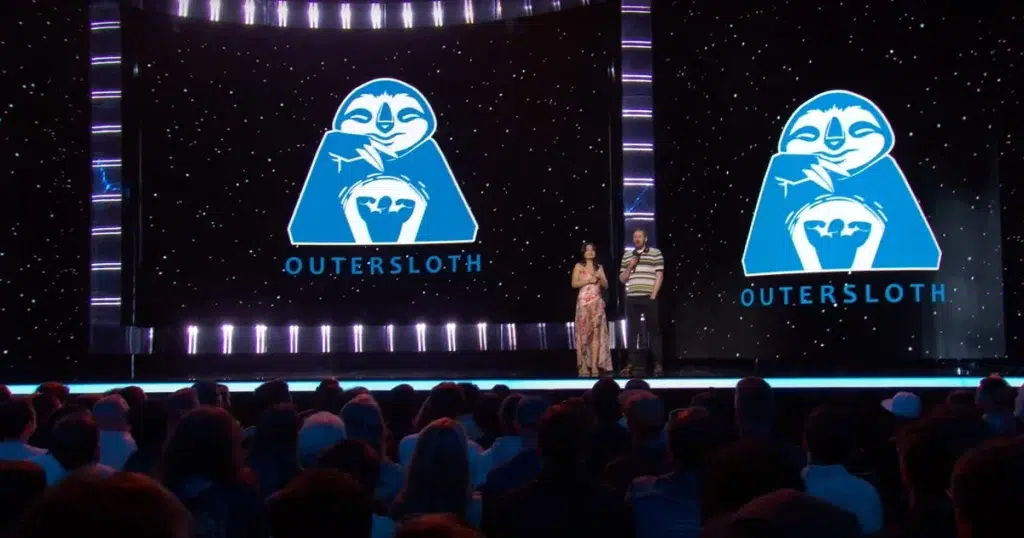
Outersloth is a funding initiative launched in 2022 by Innersloth, the creators of Among Us. Following their viral success, the team decided to reinvest their earnings into the indie community. Unlike a traditional publisher, Outersloth acts strictly as a funding division. Its mission is to provide financial support while allowing developers to remain completely independent. The fund is led by Innersloth CEO Forest Willard and Community Director Victoria Tran, who manage the project alongside their primary roles.
How much money Outersloth has invested and how many games it funded
As of early 2026, Outersloth has invested over $19.16 million USD into 24 indie projects.
- Acceptance Rate: Outersloth has a 1.4% acceptance rate, which is higher than the industry standard for publishers (0.1–0.2%).
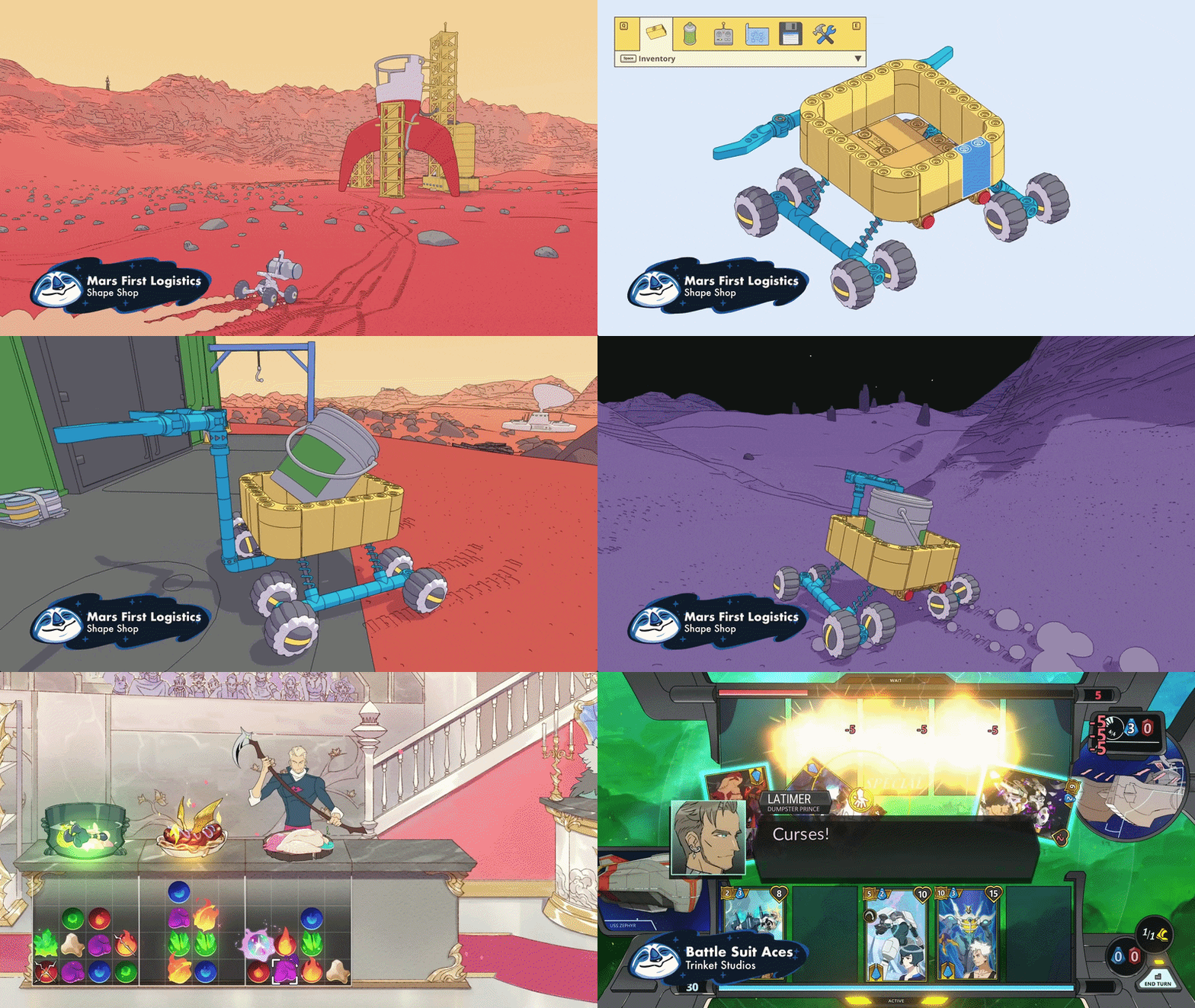
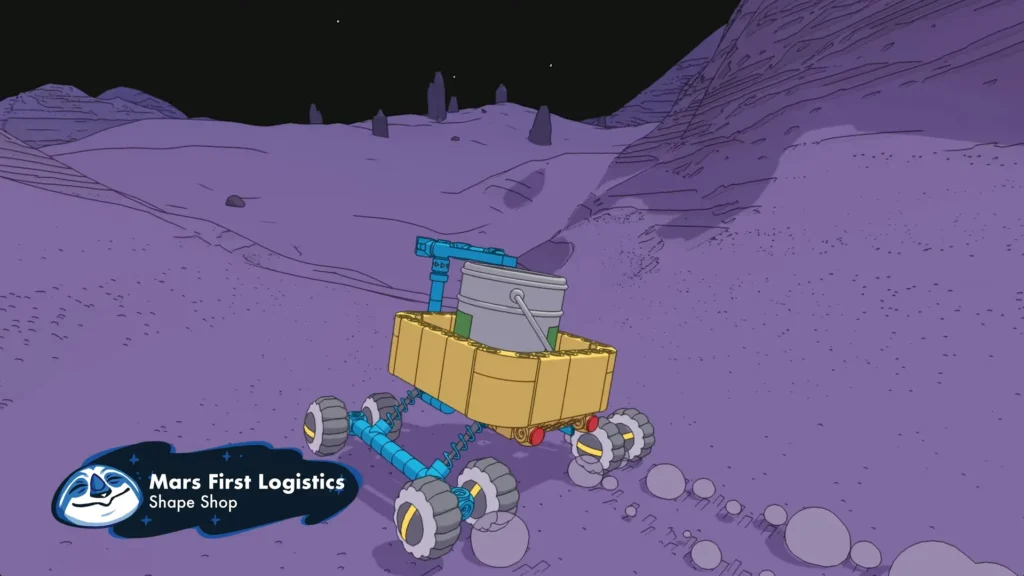
- Diversity of Genres: Backed titles include Mars First Logistics, One Btn Bosses, and Battle Suit Aces. The portfolio spans RPGs, city-builders, roguelites, and narrative adventures.
- Investment Scope: Most projects are small-budget indies under $500,000, though some exceed $1 million.
- Sustainability: The fund aims to break even to continue supporting projects beyond its initial 5-year plan (2027).

Outersloth contract explained for indie game developers
In March 2026, Innersloth publicly released their standard contract to promote transparency and challenge exploitative industry standards. The contract is designed to be “developer-friendly” by ensuring creators retain full control and higher profit margins. Key provisions include:
- No IP Ownership: Developers retain 100% ownership of their Intellectual Property.
- No Creative Control: Outersloth serves as an advisor but does not have final say on game direction.
- Self-Publishing: Developers act as their own publishers on storefronts like Steam, maintaining direct control over their store pages and sales data.
Outersloth revenue split: 50% until recoup, then 15% after recoup
The Outersloth financial model is structured around a two-phase revenue split:
- Pre-Recoup (50/50): Until the initial funding (advance) is paid back, revenue is split equally between Outersloth and the developer. This ensures the developer earns income from the first sale.
- Post-Recoup (15/85): Once the advance is recovered, Outersloth’s share drops to 15%, leaving the developer with 85% of net revenue.
What “recoup” means in game funding deals
“Recoupment” refers to the process of a funder recovering their initial investment through a portion of the game’s sales.
- Non-Recourse Advances: Outersloth’s funding is not a traditional loan. If a game fails to generate enough revenue to pay back the advance, the developer is not required to pay the difference out-of-pocket.
- Industry Comparison: Traditional publishers often take 100% of revenue until recoupment, whereas Outersloth’s 50% split allows for better developer cash flow.
How Outersloth advances work for game development funding
Outersloth provides budget advances ranging from $50,000 to $2 million.
- Disbursement: Funds are typically paid in installments tied to milestones or timelines.
- Reporting: Developers provide monthly progress reports to ensure the project remains on track, though Outersloth remains hands-off regarding daily development decisions.
- Audit Rights: Because developers self-publish and remit shares to Outersloth, the contract includes rights for Outersloth to audit sales figures for accuracy.
Outersloth contract term length and post-release timeline
Outersloth’s claim to revenue is time-limited.
- 7-Year Term: The contract expires seven years after the game’s commercial release across initial platforms.
- Expiration: Once the term ends, the developer keeps 100% of all further earnings. This prevents “perpetual” rights typical in older publishing models.
Does Outersloth take revenue from all platforms and ports
Outersloth’s revenue share applies to all platforms the game is released on during the 7-year term. If a developer ports a PC game to consoles or mobile later, Outersloth is still entitled to its cut because the initial funding made the base game possible.

What rights developers keep under the Outersloth contract
Developers maintain the following rights:
- Full ownership of IP, trademarks, and copyrights.
- Full creative control and final say on design.
- Distribution control (choosing where and how to sell the game).
- Rights to sequels, spin-offs, and merchandise.
Outersloth vs traditional game publishers: how the deal compares
The primary trade-off in an Outersloth deal is Freedom vs. Services:
- Financials: Outersloth offers more generous splits (15% post-recoup vs. industry norms of 30–50%).
- Services: Unlike traditional publishers, Outersloth does not provide marketing, PR, localization, or QA testing. Developers must manage these aspects themselves or use their advance to hire third parties.
- Transparency: Outersloth encourages community building among its developers and shares its legal documents openly, whereas traditional publishers often rely on strict NDAs and isolated developer relationships.
The following summary covers the strategic requirements for pitching to Outersloth, the reasoning behind their public contract release, and their stance on emerging technologies.

Submission Strategy and Professional Expectations
Securing funding from Outersloth is highly competitive, with a rejection rate of approximately 98–99%. To succeed, developers must demonstrate a thorough understanding of the business of game development.
- Comprehensive Budgeting: Pitches must account for all necessary expenses, including QA testing, localization, and marketing. Excluding these is viewed as unrealistic and often leads to rejection.
- Review Process: The small team reviews pitches alongside their duties at Among Us. Only 10% of submissions reach the demo phase, and about 1% are approved.
- The “Vibe Check”: Beyond technical merit, Outersloth conducts video calls to ensure mutual rapport and shared expectations with prospective developers.
- Consistency in Terms: Contract terms are fixed regardless of the advance amount (ranging from $50k to $1M+), ensuring a fair and non-negotiable standard for all partners.
Why Innersloth Published the Outersloth Contract Publicly
Innersloth made the unprecedented move of publishing their full contract to challenge industry norms and empower indie creators.
- Shaping the Conversation: By providing a concrete example of a developer-friendly deal, they aim to educate developers and pressure other publishers to adopt fairer terms.
- Ending Information Asymmetry: Transparency allows indie teams to enter negotiations with other publishers knowing what “fair” looks like, such as the 15% post-recoup royalty.
- Building Trust: The move solidifies Innersloth’s reputation as a developer-first entity and streamlines the application process by allowing teams to self-assess their compatibility with the terms before pitching.
Outersloth and Generative AI: Funding Stance and Rejections
Outersloth maintains a strict policy against funding projects that rely on speculative or automated technologies.
- Zero Tolerance for GenAI: Every pitch involving generative AI has been rejected. Approximately 30% of immediate rejections are for “GenAI submissions.”
- Human-Centric Design: The fund prioritizes games with “soul” and human creativity, avoiding the legal, ethical, and quality concerns associated with AI-generated assets.
- No Blockchain: Consistent with their stance on AI, Outersloth does not fund blockchain or NFT-based titles, focusing instead on traditional artistic integrity and authentic design.
Key Takeaways for Indie Devs Considering Outersloth Funding
- Developer-Friendly Financials: 50/50 split until recoup, followed by a generous 85/15 split in favor of the developer.
- Full Ownership: Creators retain 100% of their IP and creative control.
- Self-Publishing: Developers manage their own store pages and distribution; Outersloth does not provide marketing or PR services.
- Term Limits: Revenue sharing expires 7 years after release, after which the developer keeps 100% of earnings.
- Platform Inclusivity: The revenue share applies to all platforms and versions of the game released during the contract term.
- Mid-Scale Scope: The fund focuses on projects with budgets typically under $500k, though they can go up to $2M.
- Vibe-Driven Partnership: Success depends on a high-quality demo, professional communication, and a project that showcases a unique creative spark.
For indie developers weighing their funding options, Outersloth represents a rare opportunity to get financing without losing autonomy. It’s not a traditional publisher, and that’s exactly its appeal – you get the money to make your game while remaining independent. Just be sure you’re ready to handle the responsibilities that come with that freedom (like marketing your game). If you are, Outersloth’s deal is about as good as it gets.

Frequently Asked Questions (FAQs)
- How is Outersloth different from a traditional publisher?
Outersloth is a funding program rather than a full-service publisher. They do not manage marketing, PR, localization, or distribution. Developers remain the publisher of record, retain their IP, and maintain full creative control without oversight from a publisher-side producer. Outersloth’s 15% post-recoup share is significantly lower than that of traditional publishers, reflecting their hands-off involvement. - Who is eligible to apply for Outersloth funding?
Eligibility is open to any independent developer or small studio with an unreleased, premium title (not free-to-play) for PC, console, or mobile.- Location: Developers can apply from anywhere in the world.
- Exclusions: Games already released or in Early Access, as well as blockchain, NFT, or AI-driven projects, are ineligible.
- Experience: Both first-time and veteran developers are welcome.
- How much funding can a project receive?
Funding typically ranges from $50,000 to $2,000,000. Most agreements are in the low-to-mid six figures, with the majority of signed games having budgets under $500,000. Budgets must realistically cover development, including QA and marketing. - Do I have to pay back the money if my game doesn’t make enough?
No. The advance is recouped solely from game revenue. If the game fails to repay the advance, the developer is not personally liable for the shortfall. Outersloth assumes the financial risk; it is a revenue-sharing agreement, not a debt obligation. - What does the revenue split look like exactly?
The split is as follows:- Pre-Recoup: 50% to the developer and 50% to Outersloth until the advance is repaid.
- Post-Recoup: 85% to the developer and 15% to Outersloth.
- Note: Shares are calculated based on net revenue (after platform fees and taxes).
- How long does Outersloth get a share of my game’s revenue?
The contract term is fixed at seven years after the initial release. Once this term expires, the agreement ends, and the developer retains 100% of all further income, regardless of whether the advance was fully recouped. - Will Outersloth help market or test my game?
Not officially. Developers are responsible for their own marketing, QA, and localization. However, Outersloth provides informal support, such as:- Introductions to PR agencies and platform contacts.
- Promotion via Innersloth’s social media channels and blogs.
- Access to a private Slack channel with other funded developers for guidance.
- How do I submit a pitch to Outersloth?
Submissions must be made through the official form on the Outersloth website. Materials should include a pitch deck and a prototype. Pitches sent via email are deleted; developers should expect a review period of several months due to high volume. - What kinds of games does Outersloth want or not want?
Outersloth is genre-agnostic, having funded RPGs, simulators, action, and narrative titles.- Interests: Games with a “creative spark” and passionate developers.
- Hard Refusals: Cryptocurrency, NFTs, blockchain-focused games, and projects relying on generative AI content.
- If I take Outersloth funding, can I also work with another publisher or investor?
Yes, but it requires transparency. Because Outersloth’s contract covers all platforms, any additional deals (such as platform exclusivity or marketing partnerships) must be discussed with them to ensure their revenue share is protected. Co-funding is possible as long as there are no conflicts with Outersloth’s secured interests.

Conclusion
Outersloth represents a new and encouraging model for indie game funding. By leveraging the success of Among Us, Innersloth created Outersloth to give back to the development community – and in doing so, they’ve set a high bar for fairness in game financing. With its transparent contract and developer-first terms, Outersloth is challenging the industry to do better by creators. For indie developers, an Outersloth deal can be a dream scenario: you receive the money needed to make your game happen and keep control of your project, all while only giving up a relatively small share of revenue for a limited time. It’s a stark contrast to many publishing deals of the past that demanded ownership and long-term profit cuts.
Of course, Outersloth isn’t a fit for every situation. Teams that require extensive marketing support or those making games outside the indie paradigm (like live-service free-to-play games or titles built around blockchain tech) will need to look elsewhere. And given the volume of interest and limited slots, not everyone will secure that coveted contract. But even those who never work with Outersloth benefit from its example – it provides leverage and knowledge that can be used in negotiations with other publishers and investors.
In fact, early results are promising – Outersloth-backed games that have launched so far on Steam all hold positive user reviews, demonstrating that supporting creative indies yields quality titles. Outersloth’s approach is already influencing the conversation, and other successful indie developers are following suit by launching funds of their own (for example, the studio behind Palworld announced a similar indie funding arm after seeing Innersloth’s initiative), leading to a healthier, more creative game industry for all. Outersloth’s success could inspire more initiatives that put developers first, ultimately benefiting everyone involved – the developer, the funder, and ultimately the players who get to enjoy more amazing indie games.
Sources and Citations
- Innersloth (Victoria T.) – “The Outersloth Contract” (March 9, 2026). The post also links out to the public Outersloth Presskit / contract folder.
- Innersloth – Outersloth (official indie fund page with mission statement and submission info). The same page includes the pitch guide and direct Submit link.
- GameDeveloper.com – Chris Kerr, “Outersloth shares contract terms and game funding lessons for sickos” (March 9, 2026).
- GameDeveloper.com – Chris Kerr, “Indie fund Outersloth has rejected every generative AI pitch it has received” (March 10, 2026).
- 80.lv – Gloria Levine, “Indie Game Fund by Among Us Developers Reveals Its Contract” (March 10, 2026).
- Reddit (/r/Games) – “Outersloth (Innersloth’s indie games fund): ‘We just released the FULL contract…’” (March 2026 discussion thread).
- Reddit (/r/gamedev) – “Outersloth Contract for Indie Devs” (2026 discussion thread).
- GeneralistProgrammer.com – “Game Development Contracts: Complete Legal Guide 2025” (October 1, 2025).
- Engadget – Kris Holt, “Innersloth is spending all its Among Us money on indie games” (June 7, 2024).
- GamesRadar+ – the matching live page I found is Austin Wood, “After handing out millions, Among Us dev says its indie fund has a signing rate roughly 8x higher than most publishers, most of its games are under $500k, just 6 are $1 million or more, and RPGs are king” (June 9, 2025).
Recommended
- Top Ways to Make 3D Characters: Blender, FaceGen, Metahuman, and CC3 Compared
- How to Import Metahuman into Unreal Engine 5: Step-by-Step Guide for Beginners and Artists
- How to Convert a Real Human to Metahuman Using Photogrammetry: Complete Workflow Guide for Unreal Engine 5
- How Do I Create a Cinematic Camera Shot in Blender?
- What Is the Purpose of the Camera View in Blender?
- Animating 2D Illustrations in Blender: A Comprehensive Guide for Vocaloid and J-Pop Themed Characters
- How do I adjust the camera’s sensor size in Blender?
- Canva Just Bought Cavalry & MangoAI: What the 2026 Acquisitions Mean for Motion Design and AI Video Ads
- Sony’s Spider-Man Universe Headed For Reboot After Disastrous Morbius, Madame Web, And Kraven Movies: What Tom Rothman Confirmed
- PixelHair on Stylized Characters in Blender: Achieving Studio-Quality Hair with Ease