








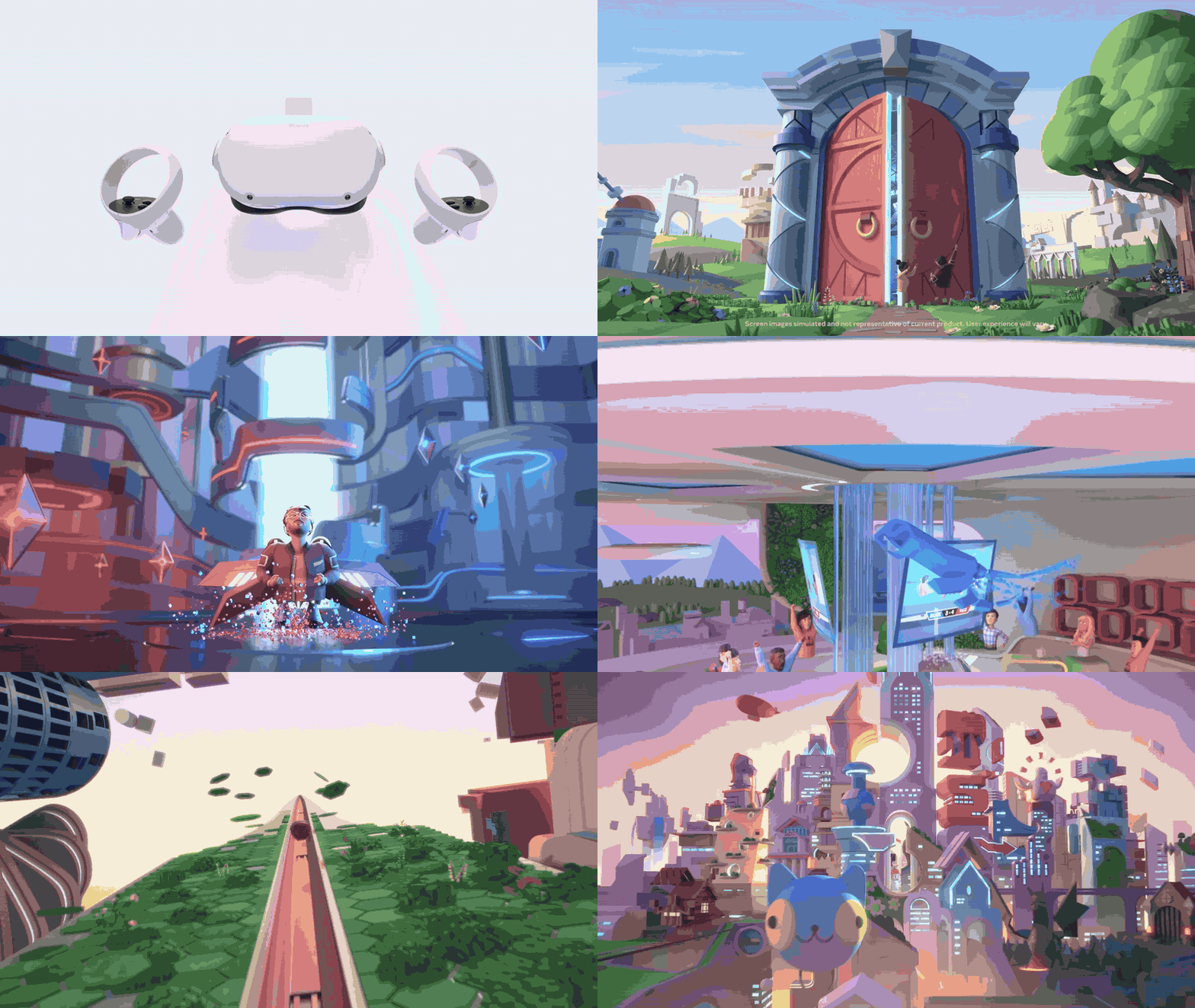
Meta’s latest strategic pivot has sent shockwaves through the virtual reality community. The company Meta (formerly Facebook) is dramatically rethinking its Horizon Worlds platform – shutting down Horizon Worlds on Quest VR headsets and “separating worlds” in the mobile store experience. This move marks a major shift in Meta’s metaverse strategy, with Horizon Worlds becoming a mobile-first experience while the Quest VR ecosystem refocuses on third-party apps and games. In this comprehensive article, we’ll break down exactly what’s happening, why Meta is doing it, and what it means for VR users, creators, and the future of the metaverse vision.
Meta Is Shutting Down Horizon Worlds on Quest
In March 2026, Meta announced it would discontinue the Horizon Worlds app on Quest VR headsets. The app is scheduled for removal from the Quest Store on March 31, 2026, with a final shutdown of VR worlds originally set for June 15, 2026. This decision stems from the platform’s inability to build a substantial user base and its struggle against competitors like VRChat. Following significant cost-cutting in the Reality Labs division, Meta is reallocating resources toward artificial intelligence and smart glasses, effectively ending its major VR metaverse experiment on Quest.
Why Meta Is Separating Worlds in the Mobile Store
Meta is removing individual user-generated “worlds” from the Quest VR storefront and separating them from the Store in its mobile app. This change is intended to improve discoverability for third-party developers, as feedback indicated that mixing Horizon Worlds content with traditional apps made the store cluttered. By segregating this content, Meta aims to provide a cleaner storefront focused on high-performing third-party games and entertainment titles while allowing Horizon Worlds to develop its own discovery channels.
Horizon Worlds Quest Shutdown Date and Timeline
The shutdown follows a specific timeline:
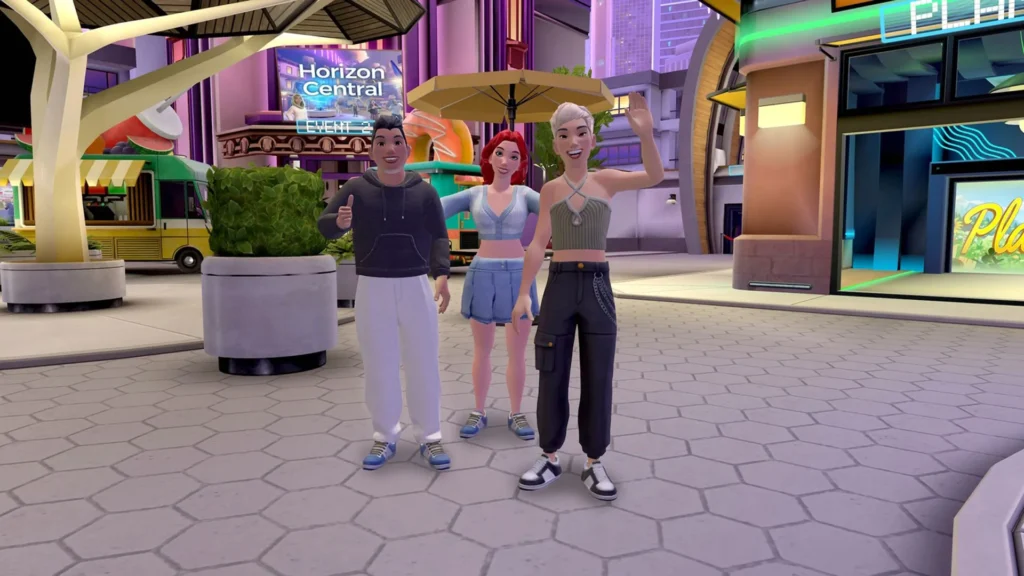
- March 31, 2026: Horizon Worlds and its official Meta-run areas (like Horizon Central and Events Arena) will be removed from the Quest Store and shut down.
- Until June 15, 2026: Users with the app already installed can still access user-created worlds, but they cannot build, publish, or update content in VR.
- June 15, 2026: Originally the final shutdown date for all VR access.
- March 19, 2026 (Adjustment): Meta’s CTO announced a partial reversal, stating that while no new content can be created in VR, existing worlds will remain playable beyond June 15. The platform on Quest is now considered to be in “maintenance mode.”
What Happens to Horizon Worlds Creators on Meta Quest
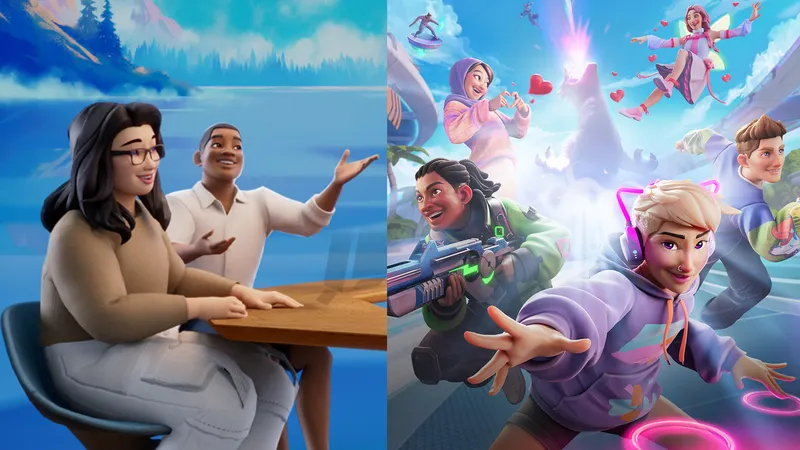
Creators will lose the ability to use in-headset VR creation tools. While existing worlds remain accessible for now, Meta is pushing creators to transition to mobile and web platforms. To support this, Meta has introduced Meta Horizon Studio and Horizon Engine for development outside of VR. Some creators may move to alternative platforms like VRChat or transition to independent development using professional tools. Resources such as the PixelHair asset library for Blender and Unreal Engine, or the View Keeper add-on for Blender, are highlighted as tools that can help former Horizon creators build high-quality content on other platforms.
Will Horizon Worlds Still Work on Mobile After Quest Changes
Horizon Worlds will remain active on mobile and web, which are now Meta’s primary focus. Meta reports that the mobile app has seen much higher engagement and growth than the VR version, reaching approximately 45 million downloads by early 2026. The company plans to continue investing in the mobile ecosystem, leveraging its existing social networks like Facebook and Instagram to drive traffic to Horizon’s mobile-only experiences.
Meta Horizon Worlds VR Support Explained
Support for Horizon Worlds in VR is being significantly reduced. Meta is replacing the Horizon-integrated Quest interface with a new “Navigator” UI that removes the Horizon feed and “Worlds” tab. Official hubs and event venues will close at the end of March 2026. Additionally, the Meta Horizon Plus subscription will no longer include Horizon Worlds-related perks. These changes signal that the Quest headset is being repositioned as a device for standalone apps and games rather than a gateway to Meta’s first-party social metaverse.
Why Meta Is Changing the Quest Store Experience
The overhaul of the Quest Store is meant to prioritize third-party developers, who account for 86% of the time spent on the platform. By removing Horizon Worlds content from the main shelves, Meta is addressing developer concerns about discoverability and competition. The company is focusing its efforts on supporting the developer community through funding and improved store features, such as better recommendation algorithms and a dedicated “Deals” tab, to ensure the Quest marketplace remains focused on high-quality VR content.
What the Horizon Worlds Mobile Store Separation Means for Discovery
Meta is separating Horizon Worlds from the main Quest mobile companion app storefront, meaning individual user-created worlds will no longer appear alongside traditional apps and games. Instead, discovery for Horizon Worlds content will be shifted to dedicated channels within the Horizon Worlds mobile app itself or through social sharing links.
This change is intended to improve discovery for native Quest apps by removing Horizon entries from search results and promotional carousels, ensuring users find more polished, relevant content. While this may reduce accidental exposure for Horizon Worlds, Meta believes it creates a more targeted experience where VR gamers see VR games and Horizon users see metaverse content. For creators, this move reduces competition with big-budget studios in the main store, allowing them to flourish within a dedicated niche.
Horizon Worlds on Quest vs Mobile App Differences
The transition from VR to mobile involves several functional and experiential shifts:
- Immersion and Perspective: Quest VR offers a fully immersive, 3D stereoscopic experience, while the mobile app provides a 2D perspective controlled via touchscreens.
- Controls and Gameplay: VR relies on motion controllers and physical gestures; mobile uses taps and swipes, which may simplify certain gameplay mechanics.
- Graphics and Performance: While both use similar hardware, VR requires higher frame rates for comfort, often resulting in simpler graphics. The mobile app may have more leeway for visual enhancements but maintains a consistent art style for cross-platform compatibility.
- User Interface: VR uses spatial menus integrated into the environment, whereas the mobile app uses standard touch menus and interfaces with phone notifications and social sharing.
- Social Dynamics: VR provides a strong sense of physical presence through spatial audio and body language, while mobile interactions are more similar to standard online multiplayer games.
- Content Creation: The intuitive in-VR creation tools are being replaced by PC-based tools like Horizon Studio, shifting mobile toward a consumption-first model for the time being.
What Happens to Existing Horizon Worlds After the Quest Shutdown
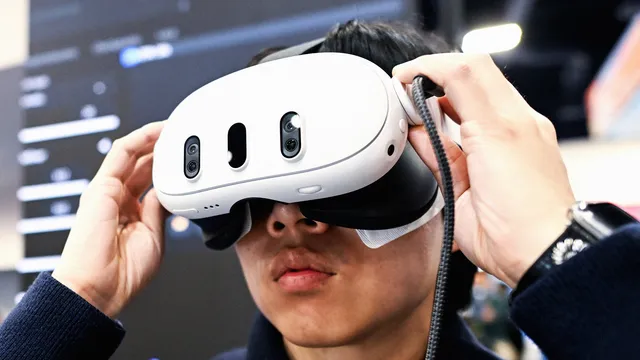
Existing user-created worlds will not be deleted and will remain accessible via the mobile app and web. Although new VR content creation is being halted, Meta clarified that users who already have the Horizon Worlds app on their Quest headsets can still visit existing worlds in VR for the foreseeable future. However, official Meta-hosted experiences like the Plaza and Venues are being shut down. While the worlds persist, they may become stagnant unless creators update them using new mobile-oriented PC tools. Any new content developed after the cutoff will be mobile-only, effectively freezing the VR library to its current state.
Meta’s 2026 Horizon Strategy for Quest and Mobile
Meta’s 2026 strategy involves a distinct separation between the Quest VR platform and the Horizon Worlds platform:
- Quest VR Strategy: Focuses on hardware innovation and supporting third-party software like games and fitness apps. Meta is moving away from forcing a first-party social layer on VR users, instead nurturing the device as a leading platform for immersive entertainment.
- Horizon Worlds Strategy: Shifts to a mobile-first approach to reach a much larger audience. This involves leveraging Meta’s existing social networks—Facebook, Instagram, and WhatsApp—to funnel users into the metaverse via smartphones.
- Decoupling: By separating these tracks, Meta aims to let each product grow in its own ecosystem without the constraints of the other. The long-term metaverse vision remains, but the immediate path forward prioritizes mobile scale and VR gaming utility.
How the Horizon Worlds Changes Affect VR Developers
The shift in Meta’s strategy provides both benefits and challenges for third-party VR developers:
- Reduced Competition: Meta is stepping back from its own first-party social content, leaving more room for indie developers to capture user attention and resources.
- Visibility: A cleaner Quest Store without Horizon Worlds clutter allows for better discoverability of third-party apps.
- Market Gaps: The reduction of Horizon’s VR presence creates opportunities for other social VR platforms like VRChat and Rec Room.
- Creator Transition: Horizon creators may move into professional development using engines like Unity or Unreal. Developers can utilize external assets and tools—such as the PixelHair 3D library or The View Keeper Blender add-on—to fill the content gap.
- Developer Wariness: Meta’s frequent strategy shifts and studio closures make some developers cautious about relying solely on Meta’s support, despite the current focus on third-party growth.

Why Meta Is Refocusing Quest Around Third-Party Apps
Meta’s decision to prioritize third-party apps is driven by several factors:
- User Behavior: Data shows that 86% of time spent in VR is dedicated to third-party applications rather than Meta’s own projects.
- Ecosystem Health: Supporting external developers fosters a more diverse and robust content library, which drives headset sales.
- Cost Efficiency: Reducing internal development costs for risky first-party titles like Horizon Worlds allows Meta to reallocate resources and minimize financial losses.
- Competition: To compete with new entrants in the VR/AR space, Meta needs a broad selection of quality apps that only a wide community of developers can provide.
- Strategic Correction: Meta has acknowledged that users primarily want games and practical utilities rather than a forced first-party social metaverse, leading to a “back-to-basics” approach that empowers external creators.
Meta Horizon Worlds Store Changes and User Reactions
The removal of Horizon Worlds from the Quest VR experience has drawn varied responses. General VR enthusiasts and gamers largely view the move with relief and enthusiasm, often describing the app as “bloatware” or “junk.” They welcome Meta’s decision to “get back to basics” and clean up the Quest interface to focus on games and apps. Conversely, a small but dedicated community of Horizon loyalists and creators expressed heartbreak and shock. While Meta’s partial reversal—keeping existing worlds playable—provided some relief, these users remain concerned about the platform’s shift to mobile and the potential loss of their VR-based social community.
Wider industry reactions from VR creators and indie developers include a sense of validation for those who were skeptical of the metaverse push. While they support the refocus on gaming, many remain wary of Meta’s strategic volatility. Mainstream media has largely characterized the event as a “metaverse stumble” or a retreat from Mark Zuckerberg’s original ambitions. Meanwhile, mobile users of the app have had a neutral to positive reaction, as they stand to benefit from increased content and developer attention.
Is This the End of Meta’s Metaverse Vision on Quest
Meta’s decision to shut down Horizon Worlds on Quest signals the end of its specific, VR-centered metaverse chapter. The ambition to have Quest users spend significant time socializing and working within a proprietary Meta-controlled social universe did not materialize, leading to low uptake and public ridicule. While Meta is no longer pushing its own centralized metaverse on VR hardware, the concept survives on Quest through third-party platforms like VRChat and Rec Room.
Meta has shifted its social connectivity vision to mobile, acknowledging that a VR-only metaverse was premature. While Meta still claims a long-term belief in VR as a “next-generation computing platform,” it has stopped using the word “metaverse” as a primary buzzword, pivoting instead toward AI and specialized VR use cases like gaming and fitness. The original mission that prompted the company’s name change has been scaled back to a more humble, multi-platform approach.
What Meta’s Horizon Worlds Decision Means for the Future of VR
The pivot away from a VR metaverse has several long-term implications for the industry:
- VR Will Stick to Its Strengths: The focus is returning to high-value, specialized experiences like top-tier gaming, fitness, and creativity tools rather than trying to replicate a “second life.”
- Cautionary Tale for Metaverse Hype: This serves as a reality check for the industry, suggesting that the “metaverse” concept may need to be reimagined to be truly compelling.
- Continued Investment with More Discernment: Meta remains a top investor in VR R&D, but future hardware like the Quest 4 will be marketed for specific uses (gaming, education, enterprise) rather than as “metaverse portals.”
- Cross-Platform and Interoperability: The shift suggests a future where VR is part of a larger ecosystem of devices including mobile, PC, and AR, rather than a siloed experience.
- VR’s Long Game: The decision acknowledges that VR adoption is a decades-long process and that trying to force a “Ready Player One” scenario within a few years was unrealistic.
- Emphasis on AI and Other Tech: VR will increasingly be augmented by AI-driven features like smarter NPCs and generative content as Meta aligns its different tech initiatives.

FAQ Questions and Answers
- When is Meta shutting down Horizon Worlds on Quest?
Horizon Worlds was removed from the Quest Store on March 31, 2026. While Meta originally planned a total shutdown for June 15, 2026, it later clarified that existing users who already have the app can still access user-created worlds in a “legacy mode” for the foreseeable future, though no new content can be created in VR. - Why is Meta shutting down Horizon Worlds on Quest VR?
The decision is due to low usage and a strategic refocus. Meta is reallocating resources to mobile Horizon Worlds and AI, choosing to support third-party developers on Quest rather than pushing its underperforming first-party social platform. - Will Horizon Worlds still be available on mobile after it’s removed from Quest?
Yes. Mobile is now the primary focus for Horizon Worlds. The VR shutdown does not affect the mobile app, which continues to see growth in downloads and engagement. - I have a Quest headset – can I still play Horizon Worlds after June 2026?
Yes, if you already had it installed before March 31, 2026. You can visit existing worlds, but you cannot find the app in the store anymore if you haven’t already downloaded it. No new VR content will be added post-shutdown. - What about the worlds I created in Horizon Worlds? Will they be deleted?
No. Published worlds remain on Meta’s servers and are accessible via mobile. However, you can no longer edit or update them in VR; you must use new tools like Horizon Studio on PC for future modifications. - Why is Meta removing Horizon Worlds from the Quest Store?
To improve the store experience. Removing Horizon content reduces clutter, helping users find quality standalone apps and giving third-party developers better visibility. - Is Meta giving up on the metaverse concept with this shutdown?
They are pivoting rather than giving up. Meta is moving the metaverse vision to mobile and web platforms while treating VR as a platform for immersive entertainment and utility. - Are there alternatives to Horizon Worlds on Quest for social VR?
Yes, popular alternatives include VRChat, Rec Room, and the anticipated arrival of Roblox, all of which offer robust social and world-building experiences. - How are users reacting to Horizon Worlds shutting down on Quest?
Reactions are mixed: the general Quest community is largely positive about the “return to basics,” while a niche group of Horizon enthusiasts and creators are disappointed. - What does this mean for the future of the Quest and Meta’s VR platform?
It means a refocused ecosystem centered on gaming and fitness. Meta will continue to invest in hardware and third-party partnerships, resulting in a cleaner interface and a more traditional “console” feel for the headset.

Conclusion
Meta’s removal of Horizon Worlds from the Quest store represents a course correction and an admission that the mass-market VR metaverse was premature. By decoupling Quest from Horizon, Meta is allowing its VR hardware to thrive as a general-purpose device for gaming and entertainment, while pursuing its social ambitions on mobile.
For the VR industry, this move marks the end of an era of lofty, impractical promises and the beginning of a more pragmatic, user-focused strategy. While the original version of Meta’s metaverse vision has closed, the shift allows both the Quest platform and Horizon’s mobile community to grow independently. Ultimately, this change is seen as a positive step for the health of the VR ecosystem, ensuring that future development is driven by real user demand rather than idealistic hype.
sources and citation
- WIRED (Mar 17, 2026) – Boone Ashworth, “Meta Is Shutting Down Horizon Worlds on Meta Quest.”
https://www.wired.com/story/meta-is-shutting-down-horizon-worlds-on-meta-quest/ - UploadVR (Feb 19, 2026) – David Heaney, “Meta ‘Explicitly Separating’ Horizon Worlds From Quest.”
https://www.uploadvr.com/meta-explicitly-separating-horizon-worlds-from-quest/ - Meta Developer Blog – “Our Renewed Focus in 2026” – Samantha Ryan (Meta VP of Content).
https://developers.meta.com/horizon/blog/2026-vr-state-of-the-union-horizon-mobile-focus/ - TechCrunch (Mar 19, 2026) – Amanda Silberling, “Meta decides not to shut down Horizon Worlds on VR after all.”
https://techcrunch.com/2026/03/19/meta-decides-not-to-shut-down-horizon-worlds-on-vr-after-all/ - Android Central (Mar 19, 2026) – Nicholas Sutrich, “Horizon Worlds is officially dead on VR. What happens now for the Meta Quest (and the Metaverse)?”
https://www.androidcentral.com/gaming/virtual-reality/horizon-worlds-is-officially-dead-on-vr-what-happens-now-for-the-meta-quest-and-the-metaverse - PC Gamer (Mar 18, 2026) – James Bentley, “Another nail in the Metaverse coffin: Meta Horizon Worlds is shutting down in three months for VR, but the mobile app will remain.”
https://www.pcgamer.com/games/vr/another-nail-in-the-metaverse-coffin-meta-horizon-worlds-is-shutting-down-in-three-months-for-vr-but-the-mobile-app-will-remain/ - FlippedNormals Product Page – “PixelHair – 3D hair for Blender and Unreal Engine.
https://flippednormals.com/product/pixelhair-bantu-knots-3d-hair-asset-38923 - Yelzkizi – PixelHair (site)
https://yelzkizi.org/product-category/pixel-hair/ - Yelzkizi – Instagram post (PixelHair / View Keeper mention)
https://www.instagram.com/p/DBNimXwIARV/ - Community Forums Announcement (Meta) – Horizon Worlds changes announcement thread (Meta community forums home; the announcement is linked from PC Gamer’s “community forum” reference).
https://communityforums.atmeta.com/ - WIRED / Forrester context (Mike Proulx quote referenced in coverage)
https://www.wired.com/story/meta-horizon-worlds-wont-abandon-vr/
Recommended
- After Killing Off Microtransactions, RuneScape Raises Subscription Prices: What the New Membership Changes Mean
- Live-Action Tinker Bell Series in Development for Disney+ (“Tink”): Latest Updates, Writers, Story Details, and Release Timeline
- Rendering Multiple Camera Angles Simultaneously in Blender with The View Keeper
- TANGLED Framework: Diffusion-Based 3D Hair Strand Generation with MultiHair and PixelHair Integration
- How to Export Metahuman to Maya: A Step-by-Step Guide for Seamless Integration and Customization
- PlayStation 3 Just Got An Update: PS3 System Software 4.93 Patch Notes, Download, and What Changed
- Helldivers 2: Comprehensive Guide to Gameplay, Features, Factions, and Strategies
- How to Install and Set Up The View Keeper in Blender
- How to Create a Trailer in Unreal Engine 5: Step-by-Step Guide for Cinematic Results
- Super Mario Galaxy Tickets Are Going On Sale: Release Date, When Tickets Open, and How to Book Early