








Epic Games Layoffs 2026 Explained: Why 1,000 Employees Lost Their Jobs
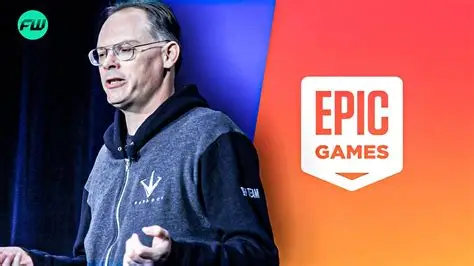
On March 24, 2026, Epic Games announced the layoff of over 1,000 employees, approximately 20% of its workforce. CEO Tim Sweeney cited a “downturn in Fortnite engagement that started in 2025” as the primary driver, leading the company to spend “significantly more than we’re making.” This follows a previous layoff of 830 staff in late 2023.
Financial Recovery and Future Support
The layoffs are part of a broader cost-cutting plan intended to save over $500 million. This includes:
- Reducing contracting and marketing budgets.
- Closing unfilled hiring positions.
- Focusing on core products like Fortnite seasonal content and the transition to Unreal Engine 6.
Sweeney clarified that these cuts were a financial necessity and were not related to AI. Affected employees received a severance package including four months of base pay and six months of health insurance.

Why Epic Games Laid Off Workers Despite Billions in Revenue
Despite massive gross income, Epic’s high-investment strategy squeezed profit margins. Several key factors led to the funding shortfall:
- Fortnite’s Changing Economics: The introduction of the Creator economy (UEFN) in late 2023 shifted Fortnite to a lower-margin business, as Epic shares 40% of net revenue with creators.
- Aggressive Investments: * Epic Games Store (EGS): The store has operated at a loss for years due to a low 12% revenue cut and high costs for free games and exclusives.
- Legal Battles: Epic spent over $700 million on legal fights against Apple and Google and store exclusives, characterizing these as “taking bullets” for an open metaverse.
- Acquisitions and Overextension: Epic acquired firms like Bandcamp and SuperAwesome but later sold or spun them off after realizing the company had overextended.
- Rising Costs: Development for Unreal Engine 5 and 6, along with general industry trends like slower console sales and competition from platforms like TikTok, increased operating expenses.
“Spending More Than We’re Making” — What Tim Sweeney Actually Said
Sweeney’s blunt admission that expenditures overtook revenues became a focal point of the news. This transparency highlighted:
- The Reality of Negative Cash Flow: Even with billions in revenue, Epic’s outlays on projects and marketing exceeded its income.
- The Link to Fortnite: Epic scaled spending based on growth projections that didn’t materialize when Fortnite engagement declined in 2025.
- Persistence of Financial Strain: The reappearance of this theme suggests that the 2023 layoffs did not fully solve Epic’s spending issues.

Tim Sweeney Response to Layoffs Sparks Backlash
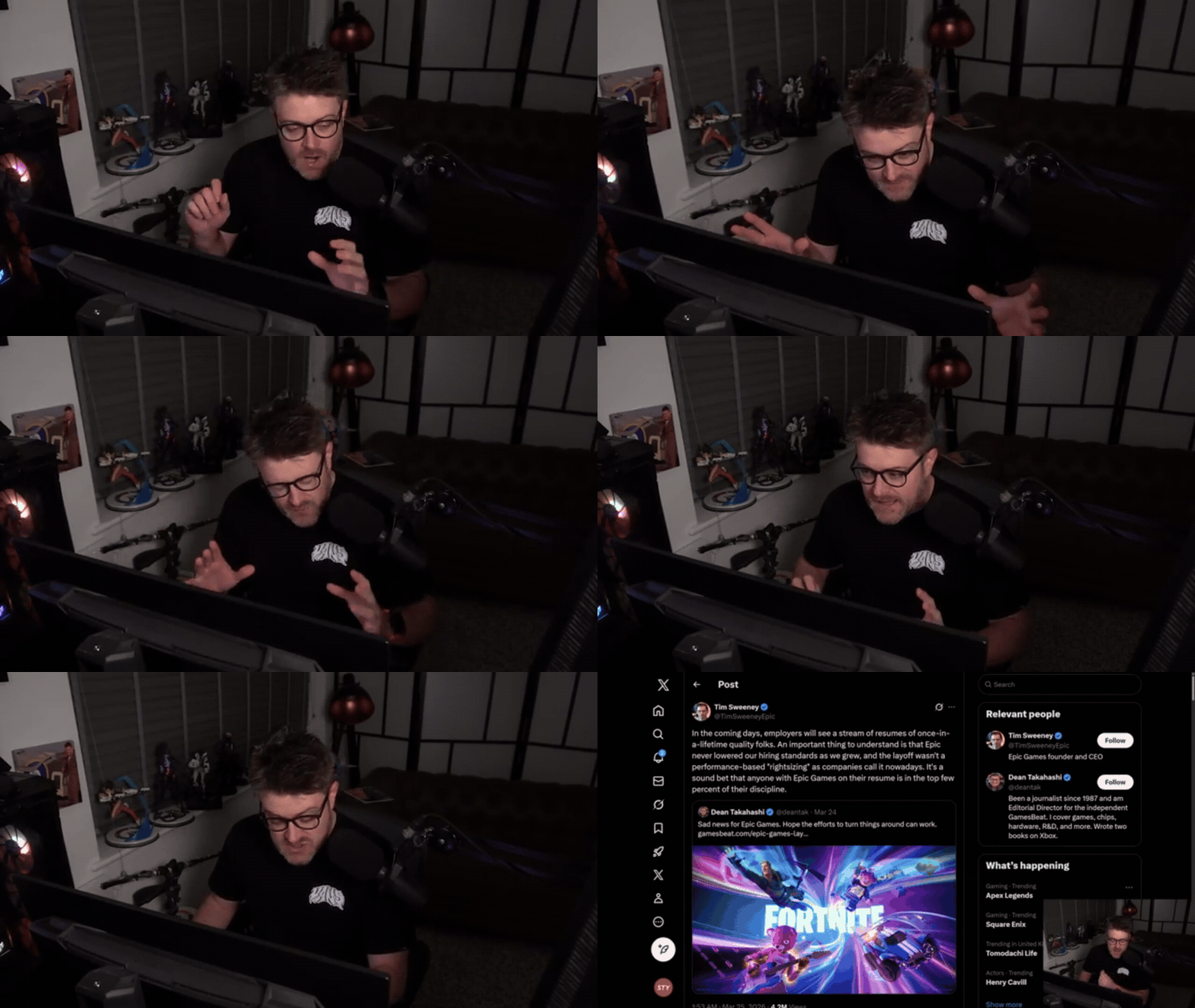
Sweeney’s follow-up on social media ignited a firestorm when he told potential employers to “get ready” for an influx of “once-in-a-lifetime quality folks,” boasting about Epic’s high hiring standards.
Reasons for the Backlash
- Lack of Empathy: The message was seen as clinical and self-congratulatory, lacking regret for the affected individuals.
- “LinkedIn Brainrot”: Industry figures criticized the statement as corporate spin that reframed a mass firing as a benefit to the market.
- Billionaire Disconnect: Critics pointed out the irony of a billionaire CEO firing staff to “save money” while his own financial security remained intact.
- Demoralization: Developers noted that firing “top percent” talent regardless of performance implies that no employee is truly secure.
Why People are Calling Tim Sweeney Out of Touch
The perception of Sweeney being “out of touch” stems from several specific grievances:
Callous Optimism: Discussing “massive opportunity” for winners during a period of extreme workforce upheaval was seen as cold and strategically detached. a human level, it’s a setback for game devs’ sense of security. But the industry is resilient; it often absorbs displaced talent in time. The Epic alumni might strengthen the studios they join or start, spreading the expertise of running huge games. Already some companies (like game engine competitor Unity) cheekily tried to recruit Epic folks (“hey ex-epic devs, come to Unity” posts on LinkedIn). This cross-pollination can actually benefit the industry’s knowledge base.
Tone of Communications: His messages focused on assets and hiring statistics rather than the human reality of job loss.
The “Billionaire” Optics: Public frustration mounted over a billionaire executive cutting middle-class jobs.
The V-Bucks Price Hike: Epic raised Fortnite currency prices just weeks before the layoffs to “help pay the bills,” which players viewed as insensitive.
Lack of Accountability: Sweeney cited external market factors rather than acknowledging potential mismanagement in over-hiring or expensive legal gambles.
Finally, these layoffs add weight to ongoing dialogues in the game dev community about unionization, profit-sharing, and sustainable studio sizes. If changes eventually occur (like more unionized studios or different profit distribution), one could trace part of that momentum to high-profile events like Epic’s cuts.

Why game developers say leadership is disconnected from reality
The phrase “disconnected from reality” has come up among game developers when criticizing leadership, especially in light of Epic’s recent events. Developers often feel that corporate leaders don’t fully understand the day-to-day work, the player community’s pulse, or the consequences of their high-level decisions. With Epic as a prime example, here’s why devs say leadership (like Tim Sweeney and others in similar positions) is out of touch:
Focus on profits over people/games: Developers are passionate about making good games. When they see decisions that prioritize short-term profit at the expense of game quality or team well-being (like raising prices and cutting staff, which could hurt game quality), they see leadership as not sharing their reality or values. Sweeney’s “massive opportunity for winners” comment struck devs as a view of the industry like a wargame – whereas devs view it as a creative field and community. That mismatch fosters the “they just don’t get it” feeling.
Examples beyond Epic: This sentiment isn’t unique to Epic. We saw it at Blizzard during controversies (“Let them eat cake” kind of vibe from execs awarding bonuses while cutting teams), at Unity when the CEO called devs “f***ing idiots” for not monetizing well (that clearly showed a disconnect from dev concerns, and he apologized). Every time an exec publicly gaffes or pursues something widely hated (like invasive monetization schemes) despite dev pushback, it reinforces that disconnect.
Unionization drive feedback: One reason game devs push to unionize is precisely because they feel management is out of touch with their needs – e.g., stable jobs, reasonable hours. When leadership keeps doing layoffs while giving themselves raises or pushes crunch for a ship date at cost of health, devs say “they have no idea what we’re sacrificing” or “they don’t care.” That dissonance is “disconnected from reality” of developer lives.
All combined, developers call leadership disconnected when:
- Execs make decisions that make sense on spreadsheets but not in practice (like expecting remaining staff to maintain Fortnite’s pace with 20% fewer people – devs know that likely means either more crunch or content cuts, something’s got to give, but leadership sometimes acts like output can remain magically the same).
- Leaders speak in corporate jargon or optimism that doesn’t match what devs see (“we’re winners in massive opportunity” vs devs seeing lots of upset players and stressed teams).
- Devs raise issues (like “players hate this new monetization” or “this tech isn’t ready”) and feel unheard because leaders proceed anyway (leading to fiascos that devs foresaw).
Epic’s scenario provided textbook examples: The Act Man’s breakdown of Sweeney’s tweet listing what was missing (sympathy, acknowledging game’s future, etc.) is basically a bullet list of how leadership communication ignored key realities. Michael Douse’s satire of Sweeney’s logic was another dev calling out nonsense.
In essence, devs want leaders who understand game development realities (it’s unpredictable, creative, and player-driven) and human realities (developers need stability and appreciation). When leaders act in ways that suggest games are just numbers on a chart and devs just resources to add or drop, devs feel those leaders are indeed living in a different reality – one governed by quarterly results and ego, not the day-to-day making and enjoying of games.
The Epic layoffs have thus become another exhibit in the case that many game company execs are out of step with the workforce and player base. Devs are increasingly vocal about this, hoping for change – whether that’s by unionizing, or by calling out leaders on social media, or even by leaving to form their own companies with different cultures.
In conclusion, game developers say leadership is disconnected from reality when executives prioritize abstract goals and finances while ignoring or misunderstanding the actual work, talent, and community that drive games. Epic’s recent events provided stark evidence of that disconnect, fueling calls for a shift in how leaders engage with both their teams and the gaming public.

Frequently Asked Questions (FAQs)
- When did Epic Games lay off over 1,000 employees?
Epic Games announced the layoffs on March 24, 2026. CEO Tim Sweeney informed staff via a memo that the company was cutting over 1,000 positions, which represented approximately 20% of its global workforce across various divisions. - Why did Epic Games lay off so many employees despite Fortnite’s success?
The primary reason cited was a decline in Fortnite’s growth and player engagement throughout 2025, leading to a revenue shortfall. Sweeney admitted that Epic had been spending significantly more than it was earning due to high expenses from major projects, the Epic Games Store, and ongoing legal battles. - What exactly did Tim Sweeney say that upset so many people?
Two specific comments triggered backlash. In his memo, he referred to industry upheaval as a “massive opportunity for the companies that come out as winners,” which was viewed as insensitive during a mass firing. Additionally, he posted on X (Twitter) that employers would soon see a “stream of resumes of once-in-a-lifetime quality folks,” a comment critics labeled as self-congratulatory and lacking empathy. - Why are people calling Tim Sweeney “out of touch” or disconnected?
Critics argue that Sweeney’s reactions prioritized corporate image over the human impact on employees and players. Observers noted a lack of direct apology or sympathy in his public communications. Furthermore, hiking the price of Fortnite’s V-Bucks while simultaneously cutting jobs suggested a disconnect from the fan perspective and the reality of the workers’ situations. - Has there been any call for Tim Sweeney to resign, and will he?
While some fans and developers have called for his resignation, it is considered unlikely. Sweeney is the co-founder and majority owner of Epic Games. There are no indications from major investors or the board that he will be replaced, and he continues to lead the company’s future strategy. - How have other game developers and studios reacted to Epic’s layoffs?
The reaction was a mix of support and systemic criticism. Many studios actively sought to hire the affected staff, recognizing their talent. Conversely, the incident sparked industry-wide debates regarding the “grow fast then cut” business cycle, fueling discussions about more sustainable models and the potential for unionization. - Did the Fortnite game itself get affected by these layoffs?
While the game continues to operate, it is now managed by a leaner team. Epic has scaled back some lesser-played modes to focus on core content. While players might see a slower cadence of experimental features, Epic has committed to maintaining seasonal content and “awesome experiences” moving forward. - Why did Epic raise V-Bucks prices and how did players react?
In early March 2026, Epic implemented an approximate 20% price increase for V-Bucks, claiming the cost of running the game had risen. Players reacted negatively, accusing the company of greed and organizing boycotts. The proximity of the price hike to the layoff news exacerbated feelings of mistrust among the community. - Is the era of live-service games like Fortnite coming to an end?
The era isn’t ending, but it is facing a reckoning. The layoffs proved that even the most successful titles have growth limits. The industry is shifting toward a more cautious approach, focusing on quality and sustainability for existing winners rather than attempting to launch numerous new titles in an overcrowded market. - What is PixelHair and why was it mentioned in context with these layoffs?
PixelHair is an independent collection of 3D hair assets created by developer Yelzkizi, unrelated to the layoffs themselves. It was mentioned as a positive alternative in game development, showcasing how high-quality, premade assets can help leaner teams or indie developers save time and resources, contrasting with the high-overhead, big-budget hurdles faced by larger companies.

Conclusion
The Epic Games 2026 layoffs – eliminating 16% of staff or around 1,000 jobs – have sent shockwaves through the gaming world. Despite Fortnite’s billion-dollar success, Epic’s leadership found itself grappling with a financial reality check: the company’s spending had far outpaced its revenue growth, and the meteoric rise of Fortnite was hitting a plateau. CEO Tim Sweeney cited “the downturn in Fortnite engagement” as the primary culprit, admitting Epic had been “spending significantly more than we’re making.”
This drastic cost-cutting, however, didn’t occur in a vacuum – it arrived paired with tone-deaf messaging that poured fuel on an already smoldering fire. Sweeney’s optimistic talk of “massive opportunity” amidst layoffs and his brisk public remarks about Epic’s “once-in-a-lifetime” talent – offered up right after letting that talent go – struck many as deeply out of touch. Developers and fans reacted with a mix of anger, disappointment, and disbelief. To them, it seemed Epic’s leadership was living in a corporate bubble, disconnected from the human impact of its decisions and the community that built Fortnite into a juggernaut.
The backlash was swift and fierce: some developers called for Sweeney’s resignation, and gamers – already upset over a steep V-Bucks price hike – organized boycotts, accusing Epic of greed and mismanagement.
In the end, the Epic Games layoffs of 2026 will be remembered as a pivotal moment – a high-profile reckoning that encapsulated many of the game industry’s growing pains. It highlighted the peril of unchecked ambition and the importance of aligning a company’s vision with reality. It showed that even a company riding the crest of a cultural phenomenon like Fortnite must keep its feet on the ground – balancing innovation with pragmatism, revenue with sustainability, and ambition with empathy.
For Tim Sweeney and Epic, it’s a humbling lesson and an inflection point: the coming months and years will reveal whether they emerge from this turmoil, as Sweeney optimistically put it, “winners on the other side” – not just in business, but in the eyes of the community and industry they serve.
Sources and citation
- https://www.epicgames.com/site/en-US/news/tim-sweeney-internal-memo-march-2026
Epic Games – Tim Sweeney’s memo to employees, March 24, 2026 - https://kotaku.com/epic-ceo-tim-sweeney-response-layoffs-backlash-1851350000
Lewis Parker – “Epic CEO Tim Sweeney Pisses Everyone Off With ‘Out of Touch’ Response…,” Kotaku, March 25, 2026 - https://kotaku.com/epic-games-layoffs-1000-fortnite-engagement-drop-1851345000
Zack Zwiezen – “Epic Games Laying Off Over 1,000 Employees, Blames Drop In Fortnite Engagement,” Kotaku, March 24, 2026 - https://www.pcgamer.com/epic-games-lays-off-more-than-1000-employees/
Andy Chalk – “Epic Games lays off more than 1,000 employees: ‘We’re spending significantly more than we’re making,’” PC Gamer, March 24, 2026 - https://www.pcgamer.com/epic-ceo-tim-sweeney-layoffs-resumes-comment/
Rory Norris – “Epic CEO Tim Sweeney says ‘employers will see a stream of resumes…’ after layoffs,” PC Gamer, March 25, 2026 - https://www.theverge.com/2026/03/25/live-service-games-fortnite-struggles
Andrew Webster – “Live-service games are such a mess even Fortnite is struggling,” The Verge, March 25, 2026 - https://www.theverge.com/2026/03/25/live-service-games-fortnite-struggles
Andrew Webster – ibid. (analysis of Fortnite’s cost to maintain), The Verge, March 25, 2026 - https://www.foxbusiness.com/technology/epic-games-layoffs-fortnite-decline
Eric Mack – “Epic Games cuts 1,000 jobs as Fortnite ‘magic’ fades in ‘extreme’ market conditions,” Fox Business, March 24, 2026 - https://kotaku.com/fortnite-v-bucks-price-hike-boycott-1851320000
Bee Wertheimer – “Let Them Eat Skins: Fortnite Players Are Calling For A Boycott Over V-Buck Price Hikes,” Kotaku, March 13, 2026 - https://www.pcgamer.com/gdc-survey-one-third-us-game-devs-laid-off/
Lincoln Carpenter – “One third of US games industry workers were laid off in the last 2 years, GDC survey says,” PC Gamer, Jan 29, 2026
Recommended
- Scientists Make Breakthrough That Allows Lab-Grown Brain Cells To Play A Sort Of Video Game (UC Santa Cruz Cart-Pole Results Explained)
- Blender Straighten Hair Curves Geometry Nodes Preset – Complete Guide & Best Practices
- Riot Games Downsizing the 2XKO Development Team: February 2026 Layoffs, Official Update, and What’s Next
- Bloodborne Remake Reportedly Shot Down By FromSoftware As Bluepoint Games Scrambled For Ideas (Bloomberg Report, Bluepoint Shutdown, What Happens Next)
- Bloodborne Remake Reportedly Shot Down By FromSoftware As Bluepoint Games Scrambled For Ideas (Bloomberg Report, Bluepoint Shutdown, What Happens Next)
- Toy Story 5 Trailer Teases Woody’s Big Return: Trailer Breakdown, Lilypad Villain, Cast & Release Date
Sources