






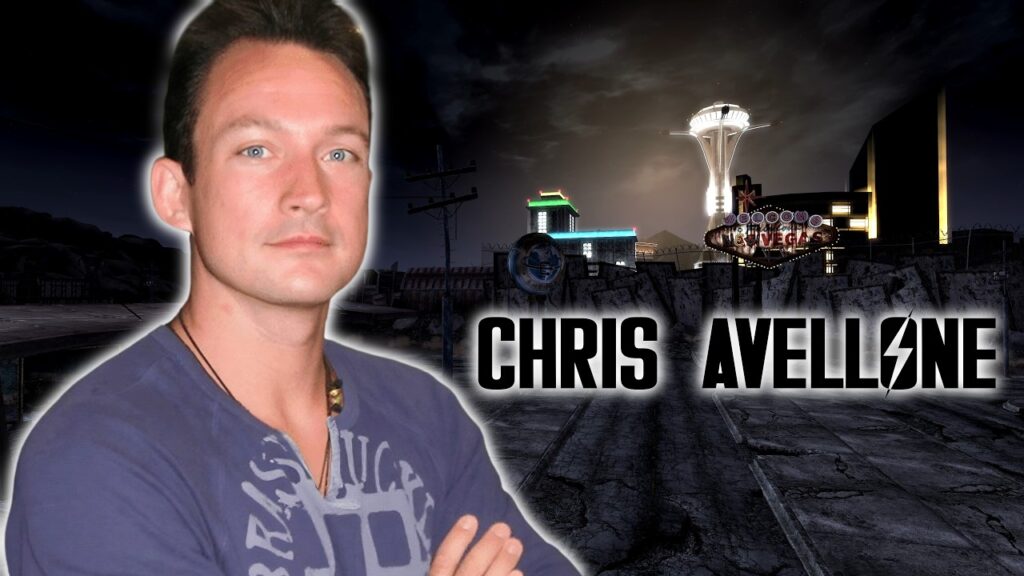
The renewed debate over a Fallout: New Vegas remaster is not being driven by a leak, teaser, or Bethesda announcement. It comes from April 2026 comments by Chris Avellone, a key creative figure tied to New Vegas, who said fans should not expect an Oblivion-style remaster anytime soon. His point was direct: Bethesda does not appear to have the technical position or engineering capability to handle New Vegas that way right now.
That struck a nerve because Fallout: New Vegas remains one of the most beloved RPGs of its era. Released in 2010 by Obsidian and published by Bethesda, it is widely praised for its reactivity and role-playing depth, despite launching with major technical issues and the limits of a rushed development cycle. For years, fans have hoped for either a modest remaster that improves visuals and stability or a larger remake built on newer technology.
Avellone’s comments matter because they highlight the gap between that hope and the reality of the game’s technical foundations. New Vegas was built on Fallout 3-era Bethesda technology, which creates difficult questions around code, tools, assets, scripting, animation, physics, saves, and compatibility. At some point, a “remaster” risks becoming something closer to a full remake.
The comparison to Oblivion Remastered sharpens the issue. Bethesda and Virtuos said that project kept the original game running while using Unreal Engine 5 to upgrade presentation and performance. Todd Howard has also said Bethesda prefers remasters over full remakes so the original game’s age and identity still show through. That approach may sound perfect for New Vegas, but Avellone argues the game is far harder to update this way than many fans think.
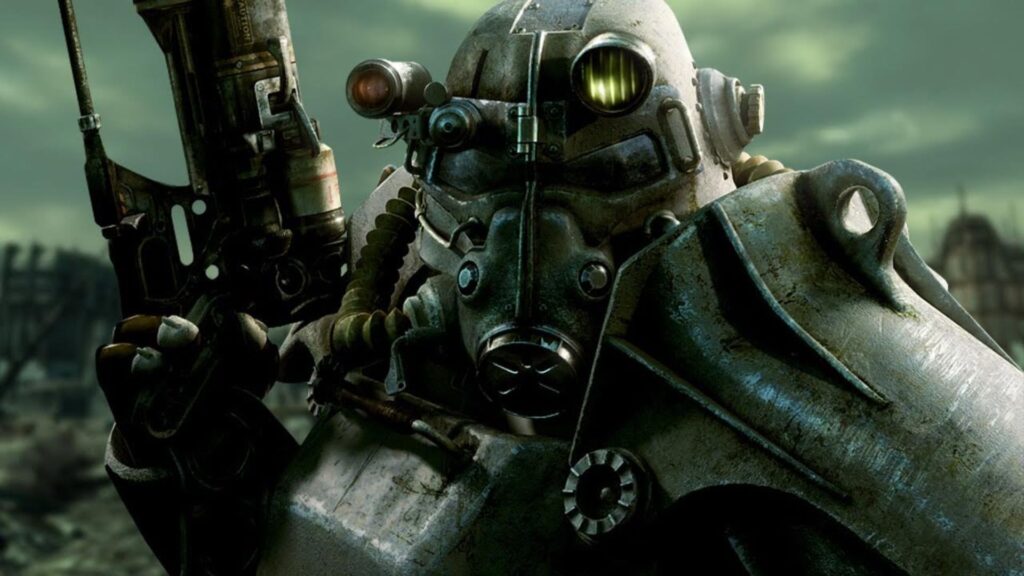
Fallout: New Vegas remaster rumors explained
Fallout: New Vegas remaster rumors have persisted for years for three main reasons: the game remains hugely popular, Microsoft now owns both Bethesda and Obsidian, and Bethesda’s remaster work, especially Oblivion Remastered, has made fans think other classic RPGs could follow.
But the word “rumor” needs caution. As of April 20, 2026, Bethesda has not officially announced a Fallout: New Vegas remaster, remake, or release window. The current discussion is mostly a reaction to Chris Avellone’s comments and to the visibility of Bethesda’s remaster strategy, not to concrete evidence of production.
Fans also often blend several separate ideas into one cycle of speculation: Fallout 3 remaster talk, New Vegas wishlists, broader Fallout franchise plans, and Todd Howard’s comments about multiple Fallout projects. Those are not the same thing, and none of them confirm New Vegas is being revisited.
Right now, what exists is strong fan demand, a notable public argument for skepticism, and no official confirmation. The safest framing is not that a New Vegas remaster leaked or was cancelled, but that a prominent original developer has explained why an Oblivion-style remaster may be much harder than fans assume.
Chris Avellone Fallout: New Vegas interview highlights
The most important interview highlight is Avellone’s plain-language warning that players should not hold their breath for an Oblivion-style remaster of Fallout: New Vegas. He said he does not think Bethesda has the engineering knowhow to make that kind of remaster for New Vegas, and he connected that skepticism to what he described as a source-code and build-delivery issue dating back to the original project.
Another important highlight is that Avellone did not argue that a New Vegas remaster is conceptually impossible. Instead, he suggested that if Bethesda were ever to attempt something like this, one of the only viable methods would be similar to what was done for Oblivion Remastered: preserve the original game logic while wrapping the experience in a more modern rendering and presentation layer. In other words, he was not dismissing remastering as a category. He was saying Bethesda may not be in position to do this specific one cleanly.
He also suggested that Fallout 3 would make more sense as a test case first. That is notable because Fallout 3 is a Bethesda-developed game built directly from Bethesda’s own internal workflows and foundations. If the company wants to refine a repeatable remaster process for old Fallout titles, Fallout 3 is the more obvious starting point. It has fewer external handoff complications and could expose the technical problems that would later matter even more for New Vegas.
The final major highlight is the business-memory piece of the story: Avellone’s claim that Obsidian was offered a final milestone payment tied to delivering the complete source code and the ability to make the build, and that this was not completed in the way Bethesda wanted. Whether that memory is exact in every detail or not, it is the piece that most directly affects current fan expectations, because it turns the New Vegas remaster discussion from a simple “Bethesda owns Fallout” assumption into a more granular question about what technical material actually changed hands.
“Bethesda doesn’t have the engineering knowhow” meaning and context
This quote has been widely repeated, but it can be misread if taken too literally. Avellone was not saying Bethesda cannot make games. He was making a narrower point about the technical difficulty of restoring a specific legacy title like Fallout: New Vegas.
In this context, “engineering knowhow” means the specialized ability to rebuild, stabilize, modernize, and ship New Vegas without breaking its fragile systems or turning the effort into a full remake. That is very different from creating a new RPG with modern tools. Older RPG remasters are difficult because their systems are often tangled with outdated middleware, scripting logic, content pipelines, platform workarounds, and undocumented development habits.
The quote carries more weight because Bethesda has recently described a remaster philosophy focused on preserving the original game instead of replacing it. Todd Howard said Oblivion Remastered kept the original game running while imagining how Bethesda might have continued updating it over time. That approach only works if the old software and assets can still be reliably maintained and rebuilt.
So Avellone’s criticism is best understood as a question of feasibility, not an attack on Bethesda as a studio. His point is that New Vegas may demand a level of archival completeness, engine familiarity, and toolchain continuity that Bethesda may not currently have in a practical form.
Why an Oblivion-style remaster is harder than fans think
From the outside, an RPG remaster can look simple: better textures, improved lighting, higher frame rates, updated UI, and release. In reality, games like Fallout: New Vegas are built from tightly connected systems that do not separate neatly. Combat can depend on animation timing, physics can change at higher frame rates, and quest scripting, audio, camera behavior, and save compatibility can all break when one subsystem is altered.
New Vegas is even more complex because its reputation rests not just on its setting or combat, but on its reactive quests and faction systems. Any remaster would need to preserve the feel of dialogue triggers, reputation changes, AI behavior, perk effects, and branching quests. If those systems lose their original texture, visual upgrades will not matter much to fans.
Players also often underestimate how much reverse engineering and validation a remaster requires. Even with access to assets, the real issue is whether a studio has the exact source, dependencies, scripting environment, and engineering talent needed to rebuild the game faithfully. In some ways, preservation is harder than making something new because it demands precision rather than freedom.
Oblivion is also not a perfect comparison. It is a Bethesda-developed Elder Scrolls game that the company could revisit with a close partner while preserving the original structure. New Vegas, by contrast, was published by Bethesda but developed by Obsidian under a specific contract and timeline, making a direct comparison much more complicated.
Oblivion Remastered approach and how it was built
Bethesda’s own messaging around Oblivion Remastered makes clear why it became the benchmark in this discussion. The company said the remaster uses Unreal Engine 5 tools to significantly enhance visuals and performance while retaining the original game beneath the surface. Todd Howard later reinforced that idea by describing the goal as keeping the original game running and treating the remaster as if Bethesda had simply kept patching and supporting it over many years.
That is an important distinction. Bethesda did not pitch Oblivion Remastered as a total redesign of Oblivion. It positioned the project as the best modernized version of the original game, not a replacement for it. The value of that method is that it preserves core feel, original quirks, and much of the systemic behavior that fans associate with the game. The tradeoff is that the project still depends heavily on the health and accessibility of the original structure.
This matters for New Vegas because fans often use “Oblivion-style remaster” as shorthand for “easy blueprint.” It is not easy. It is a specific production strategy that worked because Bethesda and Virtuos could bridge old and new technology in a way that preserved the classic game while updating its presentation. Even in the best case, that is a specialized exercise in technical archaeology.
The success of Oblivion Remastered does prove one thing, though: Bethesda now has a public example of the kind of legacy-game refresh it wants to pursue. That alone increases interest in similar projects for Fallout. It does not, however, erase the obstacles Avellone pointed to.
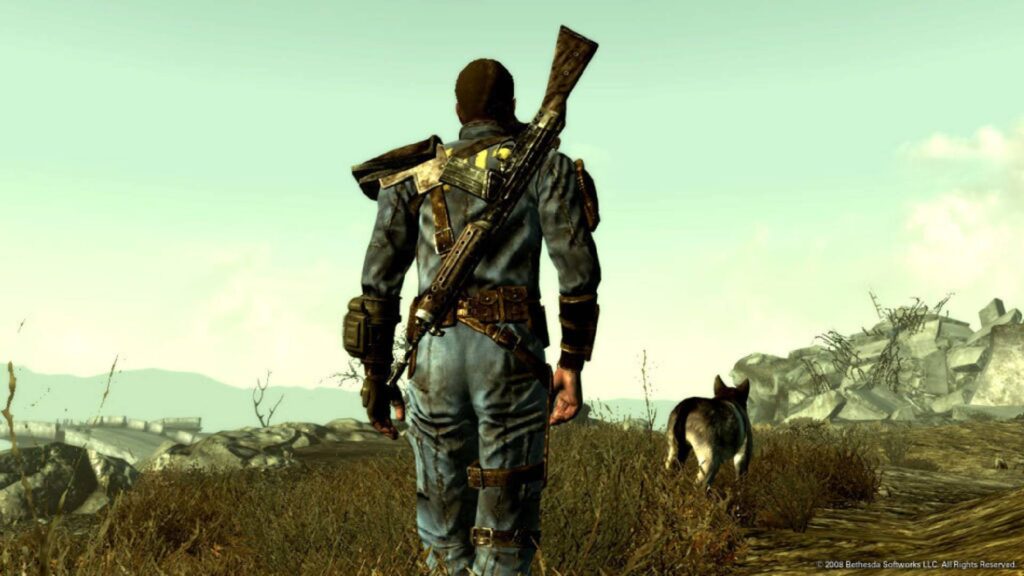
Creation Engine vs Unreal Engine wrapper remaster method
The “wrapper” idea is central to this debate. With Oblivion Remastered, the goal was not to move every gameplay system fully into Unreal Engine 5, but to use UE5 for modern presentation while the original game logic continued running underneath. That is why many describe it as an Unreal wrapper around an older core.
For Bethesda, that approach has clear benefits. It can preserve the original feel, quest logic, and identity of an older game while still improving visuals and performance. It also fits Todd Howard’s preference for remasters that keep the original game recognizable instead of fully redesigning it.
For New Vegas, this sounds ideal because a full remake would be far riskier. But the catch is that the wrapper method only works if the original game’s core is still stable, buildable, and well understood. That is why the real issue is not simply Creation Engine versus Unreal Engine. It is whether Unreal can sit on top of old Fallout tech that is intact enough to support the game reliably.
Fallout 3 remaster first idea and why it matters
Avellone’s suggestion that Bethesda should try the process with Fallout 3 first is one of the most grounded parts of the entire conversation. Fallout 3 matters because it is the cleaner laboratory. It is Bethesda’s own game, built more directly from Bethesda’s internal technical base, and historically closer to the studio’s direct control.
If Bethesda wants to establish a modern Fallout remaster pipeline comparable to what it achieved with Oblivion, Fallout 3 is the logical starting point. It would let the company map out the engineering, rendering, testing, compatibility, and design-preservation challenges specific to post-apocalyptic Bethesda RPGs without immediately taking on all the extra baggage of New Vegas.
A Fallout 3-first strategy also matters because it could answer the market question. If an Oblivion-style Fallout 3 remaster performs well commercially and technically, that would strengthen the case for extending the same process to New Vegas. It could also reveal whether the engine-wrapper approach introduces unacceptable compromises in combat feel, quest stability, performance, or mod compatibility.
In other words, Fallout 3 is not just another title in the rumor cloud. It is the practical bridge between “Bethesda likes remasters now” and “Bethesda can actually modernize New Vegas.” Without that bridge, New Vegas remains a fan fantasy with unusually high technical risk.
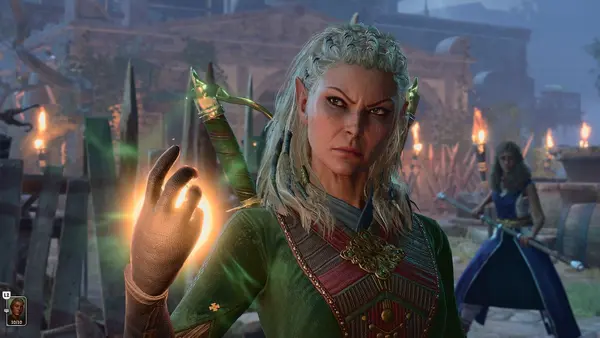
Obsidian source code handoff story and the “$10,000 build” claim
A major part of Avellone’s interview is his claim that Bethesda’s final milestone included a $10,000 payment for delivering all source code and the ability to make the build. In his telling, that milestone was not completed as Bethesda intended, which may have created long-term problems for any future remaster.
This matters because owning a game is not the same as being able to rebuild it. A publisher may control the IP and still lack the exact build environment, source tree, documentation, or validated production materials needed to update the game safely. Legal ownership does not automatically mean technical readiness.
The phrase “ability to make the build” is especially important. It suggests the issue was not just handing over code, but making sure the game could still be compiled and reconstructed reliably. That is the difference between having archived pieces and having true production continuity.
At the same time, this should be treated carefully. It is Avellone’s public recollection, not an official contract disclosure from Bethesda or Obsidian. Even so, it is one of the clearest explanations for why a New Vegas remaster may be far more complicated than fans assume.
Does Bethesda have the Fallout: New Vegas source code today
The honest answer is that the public does not know for sure. There is no official Bethesda statement, as of April 20, 2026, publicly confirming that the company has a complete, current, buildable Fallout: New Vegas source package in the form needed for a modern remaster project.
Avellone’s argument suggests Bethesda may not have everything it would need, or at least not in a condition that makes remastering practical. Some reporting based on his interview goes further and frames the issue as Bethesda having only partial code or lacking the exact build capability. But because this remains secondhand public discussion rather than official documentation, it is best to treat it as informed uncertainty rather than settled fact.
There is also a corporate wrinkle. Since Microsoft now owns both Bethesda and Obsidian, some fans argue that any surviving New Vegas materials inside Obsidian could theoretically be shared if the companies chose to do so. That is plausible at a high level, but it still does not tell the public what materials exist, how complete they are, or whether they are organized well enough for a commercial remaster pipeline.
So the best SEO-friendly and factually cautious answer is this: Bethesda’s present possession of the full, build-ready Fallout: New Vegas source code has not been publicly confirmed, and Avellone’s recent comments are one reason many observers now believe the issue may be a serious obstacle.
Fallout: New Vegas remake vs remaster differences for players
For players, the difference between a remake and a remaster is not just technical language. It changes what kind of New Vegas they would get.
A remaster usually means the same game at its core: same structure, same writing, same quest flow, same systems, same pacing, but with visual upgrades, quality-of-life changes, stability work, and platform modernization. That is the kind of project Todd Howard has sounded most comfortable with. It preserves age and identity while improving accessibility for a modern audience.
A remake, by contrast, rebuilds the game more fundamentally. That could mean new tech from the ground up, redone combat systems, rebuilt AI, overhauled animation, redesigned interfaces, and potentially new interpretations of locations and mechanics. A remake could fix more. It could also lose more. For a game as beloved and idiosyncratic as New Vegas, that is a major risk.
Many players say they want a remake when what they really want is a polished remaster. They want New Vegas to run smoothly on modern hardware, look cleaner, crash less, and integrate some long-requested improvements without losing the feel of the Mojave. Others would welcome a full remake if it meant larger technical leaps. But that second group is really asking for a new adaptation of New Vegas, not just preservation.
This is why Howard’s anti-remake stance matters. If Bethesda ever revisits New Vegas, current public comments suggest it would be more likely to pursue the remaster end of the spectrum than a radical reimagining.
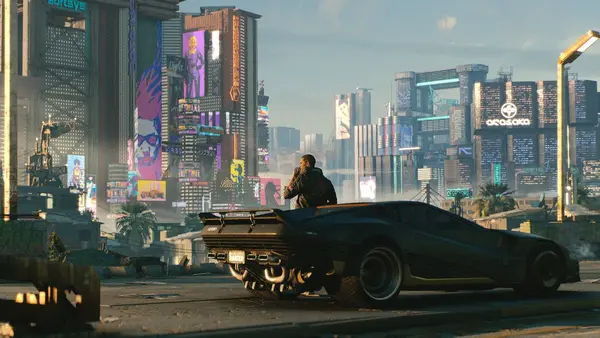
Fallout: New Vegas engine problems and stability history
Any discussion of a New Vegas remaster has to acknowledge the game’s technical history. Fallout: New Vegas is beloved, but it has never been known as the most stable RPG of its era. At launch, it was criticized for crashes, bugs, save issues, scripting oddities, and the familiar weaknesses of Bethesda-adjacent open-world technology from that generation.
Those problems were not only about engine lineage. They were also about time. New Vegas was developed under a famously short schedule, which meant Obsidian had to build a huge reactive RPG on top of an existing technical base at great speed. The result was a game with extraordinary writing and quest design, but also one with obvious rough edges.
That history matters today because remastering does not happen in a vacuum. A studio trying to modernize New Vegas would not just be updating art assets. It would also be deciding which old bugs are part of the game’s texture, which ones must be fixed, and which fixes might accidentally destabilize a system elsewhere. The original game’s reputation for fragility is exactly why fans want a remaster and exactly why a remaster is hard.
This is also why Avellone’s skepticism resonates. New Vegas is not merely old. It is old in a technically messy way. That makes it less like reissuing a neatly archived classic and more like reopening a famously temperamental machine that millions of players still love anyway.
Fallout: New Vegas modding scene as the “unofficial remaster”
For many players, Fallout: New Vegas already has a remaster of sorts. It is just not official. Over the years, the game’s modding community has done what publishers often struggle to do with legacy RPGs: stabilize the experience, expand visual options, improve UI, patch bugs, add compatibility tools, and keep the game playable on modern systems.
This is why the modding scene is often described as the unofficial remaster. Community patching, texture updates, lighting changes, animation improvements, quality-of-life mods, bug-fix packages, and curated modern mod lists have collectively kept New Vegas alive well beyond what its original release profile might have predicted. For many PC players, heavily modded New Vegas is already the definitive way to play.
That does not fully replace an official remaster. Modding is fragmented, quality varies, console players are left out, and the process can be intimidating. Still, the community has proved an important point: demand for a better New Vegas never vanished, and there is enormous value in making the game easier to run, easier to look at, and easier to preserve.
The unofficial-remaster idea also sharpens the business question for Bethesda. An official remaster would need to offer more than “the game runs again.” It would need to deliver meaningful convenience, polish, and accessibility beyond what dedicated fans can already assemble for themselves.
What would a Fallout: New Vegas remaster actually upgrade
If Bethesda ever greenlit a true remaster, the most realistic upgrades would be selective rather than revolutionary. Visual improvements would likely come first: higher-quality textures, improved materials, upgraded lighting, more stable anti-aliasing options, better shadowing, and broader modern display support. Character models, environmental detail, post-processing, and UI readability would likely be candidates too.
Performance and stability would matter just as much as graphics. A serious remaster would need smoother frame pacing, fewer crashes, better memory handling, cleaner controller support, faster loading behavior, and stronger compatibility across current PC and console hardware. For many players, those changes would be more important than photorealistic visuals.
Quality-of-life updates would probably be the next layer: cleaner menus, better inventory flow, more accessible settings, improved subtitle presentation, refined controls, and perhaps modern accessibility options. Those kinds of changes fit Bethesda’s remaster philosophy because they modernize the experience without rewriting the soul of the game.
What a remaster should not do, if it wants fan approval, is flatten New Vegas into something generic. The original’s value lies in faction politics, role-playing freedom, systemic weirdness, and a certain rough-edged atmosphere. Any official project would need to preserve that identity rather than turning New Vegas into a cleaner but less distinctive Fallout.

Todd Howard “anti remake” comments and Bethesda remaster strategy
Todd Howard’s 2026 comments are extremely useful for understanding Bethesda’s likely direction. He said he has softened on remasters but is still “sort of anti-remake.” The reason is philosophical as much as technical: he believes the age of a game is part of its personality and what it represented when it came out.
That is not a throwaway quote. It signals how Bethesda wants its catalog to be handled. The company is more interested in making older games playable and refreshed while preserving original identity than in rebuilding them into something fundamentally different. Howard’s explanation of Oblivion Remastered reinforces that strategy. The goal was the absolute best version of the original game, with the original game still running underneath.
For New Vegas fans, this is a mixed message. On one hand, it is encouraging because Bethesda is no longer treating remasters as an undesirable idea. On the other hand, it means an idealized, all-new New Vegas remake in the style of a modern blockbuster rebuild is probably not what Bethesda wants to make.
The practical implication is that if New Vegas ever returns officially, Bethesda’s leadership rhetoric suggests a remaster-first mindset. That is consistent with Avellone’s focus on source code and buildability, because those are exactly the issues that become decisive when a company wants preservation rather than reinvention.
Is a Fallout: New Vegas remaster happening in 2026 or later
As of April 20, 2026, there is no official announcement that a Fallout: New Vegas remaster is happening in 2026, 2027, or any later year. No release date has been confirmed. No teaser has been published. No platform slate has been revealed. No official studio attachment has been announced.
What can be said is that the conditions for public speculation are stronger than before. Bethesda has now shown that it is willing to support high-profile remasters. Todd Howard has publicly defended that approach. Fallout remains one of the company’s most commercially valuable brands. And New Vegas remains one of the most requested legacy titles in the publisher’s orbit.
At the same time, Avellone’s comments are the strongest recent public argument that New Vegas may be one of the hardest Fallout games to modernize cleanly. If Bethesda does pursue legacy Fallout remasters, Fallout 3 may be the more likely first move for both technical and strategic reasons. That would not kill New Vegas hopes, but it would make them longer-term and more conditional.
So the best conclusion for 2026 is simple: a Fallout: New Vegas remaster is possible in the broad business sense, but not currently announced, not currently verified, and not supported by public evidence strong enough to call it active. Fans should treat it as a high-demand possibility rather than an impending release.
Frequently Asked Questions (FAQs)
1. Did Chris Avellone really say Bethesda lacks the engineering knowhow for a New Vegas remaster?
Yes. In April 2026 reporting based on his interview with TKs-Mantis, Avellone was quoted saying he did not think Bethesda had the engineering knowhow to make a remaster of Fallout: New Vegas.
2. Is Fallout: New Vegas Remastered officially announced?
No. As of April 20, 2026, Bethesda has not officially announced a Fallout: New Vegas remaster or remake.
3. Why do fans compare New Vegas to Oblivion Remastered?
Because Oblivion Remastered became Bethesda’s most visible example of modernizing a classic RPG while keeping the original game running underneath, which many fans see as the ideal model for New Vegas.
4. Is Fallout 3 more likely than New Vegas to get remastered first?
Based on Avellone’s public comments, Fallout 3 appears to be the more practical test case because it is a Bethesda-developed game and may be easier to modernize using Bethesda’s preferred remaster approach.
5. Does Bethesda own Fallout: New Vegas?
Bethesda owns the Fallout IP and published Fallout: New Vegas, but public ownership of the brand does not automatically answer whether Bethesda has every technical material needed for a modern remaster.
6. Does Bethesda have the full Fallout: New Vegas source code?
There is no public official confirmation on that point. Avellone’s comments suggest the complete build-ready handoff may be a problem, but the full current situation has not been officially documented for the public.
7. What is the difference between a New Vegas remaster and a remake?
A remaster would preserve most of the original game while improving visuals, stability, and quality of life. A remake would rebuild the game more fundamentally and could change systems, feel, and presentation much more aggressively.
8. Why was Fallout: New Vegas unstable at launch?
The game combined aging technology, open-world systemic complexity, and a very compressed development schedule, resulting in crashes, bugs, and other technical issues despite its strong design and writing.
9. Is the New Vegas modding scene basically an unofficial remaster?
In many ways, yes. Mods have improved bug fixing, visuals, stability, and usability for years, especially on PC, which is why many players already treat a modded version as the best modern way to experience the game.
10. Could Microsoft ownership make a New Vegas remaster easier?
Potentially, because Microsoft owns both Bethesda and Obsidian. But that alone does not guarantee complete archival access, engineering feasibility, or an active commercial plan.
Conclusion
The Fallout: New Vegas remaster conversation is no longer just a simple fan request. It has become a revealing case study in how difficult game preservation can be when a beloved RPG sits at the intersection of multiple studios, old technology, archival uncertainty, and modern expectations.
Chris Avellone’s warning matters because it pushes the debate away from wishful thinking and toward the real questions: what code exists, what build capability survives, what Bethesda actually wants from remasters, and whether New Vegas can be modernized without losing the exact texture that made it special in the first place. Todd Howard’s remaster philosophy suggests Bethesda wants to preserve the identity of its classics, not overwrite them. Oblivion Remastered proves that approach can work. But Avellone’s argument is that New Vegas may not be positioned to benefit from that same method as easily as fans hope.
That is why the most reasonable view in 2026 is neither hype nor cynicism. Fallout: New Vegas is clearly valuable enough to revisit. It is also technically and historically complicated enough that fans should be careful about assuming an announcement is right around the corner. For now, the game remains what it has been for years: one of the most wanted remasters in RPG history, and one of the hardest to do properly.
Sources and citation
- GamesRadar+ — “Fallout: New Vegas designer says don’t hold your breath for an Oblivion-style remaster: ‘I don’t think Bethesda has the engineering knowhow’” (Kaan Serin, April 19, 2026)
https://www.gamesradar.com/games/fallout/fallout-new-vegas-designer-says-dont-hold-your-breath-for-an-oblivion-style-remaster-i-dont-think-bethesda-has-the-engineering-knowhow/ - GamesRadar+ — “As Fallout 3 and New Vegas remake hopes and rumors persist, Bethesda’s Todd Howard says he’s actually ‘anti-remake’ and prefers remasters like Oblivion’s instead” (Anthony McGlynn, February 19, 2026)
https://www.gamesradar.com/games/fallout/as-fallout-3-and-new-vegas-remake-hopes-and-rumors-persist-bethesdas-todd-howard-says-hes-actually-anti-remake-and-prefers-remasters-like-oblivions-instead/ - GameSpot — “Bethesda’s Todd Howard Says He Is ‘Sort Of Anti-Remake’” (February 19, 2026)
https://www.gamespot.com/articles/bethesdas-todd-howard-says-he-is-sort-of-anti-remake/1100-6538279/ - Bethesda.net — “Extended Look at The Elder Scrolls IV: Oblivion Remastered” (April 22, 2025)
https://bethesda.net/article/5tFF7zRQyRL9XzJK5AidPa/the-elder-scrolls-iv-oblivion-remastered-extended-look - Ars Technica — “You can play the Unreal-powered The Elder Scrolls IV: Oblivion remaster today” (April 22, 2025)
https://arstechnica.com/gaming/2025/04/you-can-play-the-unreal-powered-the-elder-scrolls-iv-oblivion-remaster-today/ - Windows Central — “Bethesda Fallout 3 dev ‘initially felt a little touchy’ about New Vegas’ success because they ‘put in all this effort’ for its foundation — ‘We made 90% of the art, we built the engine’” (March 27, 2026)
https://www.windowscentral.com/gaming/zenimax-bethesda/bethesda-fallout-3-dev-initially-felt-a-little-touchy-about-new-vegas-success-because-they-put-in-all-this-effort-for-its-foundation) - UESP — “The Elder Scrolls IV: Oblivion Remastered”
https://en.uesp.net/wiki/Oblivion:Oblivion_Remastered - TKs-Mantis YouTube channel — “Talking Fallout with Chris Avellone”
https://www.youtube.com/@TKsMantis - Fallout Wiki — “Fallout: New Vegas”
https://fallout.fandom.com/wiki/Fallout:_New_Vegas - PC Gamer — “Todd Howard has ‘softened’ on remasters, but he’s still ‘anti-remake’” (February 2026)
https://www.pcgamer.com/games/todd-howard-has-softened-on-remasters-but-hes-still-anti-remake/
Recommended
- King of Meat Is Shutting Down And Refunding Players: Shutdown Date, Refund Steps, and What Happens Next
- How do I smooth camera motion in Blender animations?
- Unreal Engine vs Unity: Which Game Engine Is Best for Your Project?
- Remedy new CEO former EA VP Jean-Charles Gaudechon: start date, background, and Remedy’s self-publishing plans
- Conquest Character Breakdown: Origin, Age, Comics, Invincible Animated Series and More
- Saving Render Settings for Multiple Cameras in Blender with The View Keeper
- Helldivers 2 Charity Challenge Leads To Death Threats After D10 Dev Challenge Spirals
- 3D Rendering Services: Buyer’s Guide to Pricing, Quality & Turnaround for Animation, VFX & Real-Time Games
- How to Make Metahumans Look Realistic in Unreal Engine 5: Complete Guide for Artists and Developers
- Bloodborne: R-Rated Animated Movie in Development With JackSepticEye Producing — Release Updates, Studio Details, and What We Know So Far