










Books have shaped civilizations, inspired revolutions, created fandoms, influenced religion, and transformed entertainment for centuries. The best selling books of all time ranked list includes religious scriptures, fantasy epics, children’s adventures, literary classics, and modern global phenomena that crossed cultural and language barriers. While exact sales figures are often debated because of historical publishing limitations, certain books consistently appear among the highest selling and most influential works ever published.
The publishing industry has evolved dramatically from handwritten manuscripts to mass printing and digital distribution, yet some books continue selling millions of copies decades or even centuries after release. The titles on this list are not only commercial giants but also cultural milestones that changed literature, entertainment, education, and storytelling forever.

In This Article (12 sections)
Top 20 Most Sold Books in History
The top 20 most sold books in history represent multiple genres and eras. Some are centuries old while others became worldwide sensations during the modern publishing age. These rankings are based on estimated global sales, translations, historical records, and publishing industry analysis.
- The Bible by Various Authors
Estimated Sales: 5 billion+ copies - Quotations from Chairman Mao Tse-tung by Mao Zedong
Estimated Sales: 900 million+ copies - The Quran by Various Authors
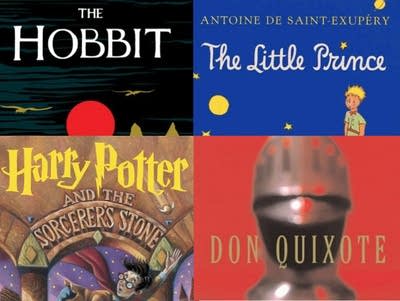
Estimated Sales: 800 million+ copies - Don Quixote by Miguel de Cervantes
Estimated Sales: 500 million+ copies - A Tale of Two Cities by Charles Dickens
Estimated Sales: 200 million+ copies - The Lord of the Rings by J.R.R. Tolkien
Estimated Sales: 150 million+ copies - The Little Prince by Antoine de Saint-Exupéry
Estimated Sales: 140 million+ copies - Harry Potter and the Philosopher’s Stone by J.K. Rowling
Estimated Sales: 120 million+ copies - And Then There Were None by Agatha Christie
Estimated Sales: 100 million+ copies - Dream of the Red Chamber by Cao Xueqin
Estimated Sales: 100 million+ copies - The Hobbit by J.R.R. Tolkien
Estimated Sales: 100 million+ copies - She: A History of Adventure by H. Rider Haggard
Estimated Sales: 100 million+ copies - The Lion, the Witch and the Wardrobe by C.S. Lewis
Estimated Sales: 85 million+ copies - The Da Vinci Code by Dan Brown
Estimated Sales: 80 million+ copies - Think and Grow Rich by Napoleon Hill
Estimated Sales: 70 million+ copies - Catcher in the Rye by J.D. Salinger
Estimated Sales: 65 million+ copies - The Alchemist by Paulo Coelho
Estimated Sales: 65 million+ copies - Steps to Christ by Ellen G. White
Estimated Sales: 60 million+ copies - Heidi by Johanna Spyri
Estimated Sales: 50 million+ copies - Anne of Green Gables by Lucy Maud Montgomery
Estimated Sales: 50 million+ copies
The Best-Selling and Most Popular Books Ever Published
The Bible has sold more copies than any other book in human history. Estimates regularly place total sales and distribution above five billion copies worldwide. Its unmatched reach comes from centuries of translation efforts, missionary distribution, religious institutions, and continuous reprinting across virtually every region of the world. Unlike traditional commercial books, the Bible is often distributed for educational and religious purposes in addition to retail sales. Its influence extends beyond literature into politics, law, philosophy, art, music, and culture, and many historians consider it the most impactful written work ever produced.
The Quran also ranks among the most distributed and widely read books in history, while Quotations from Chairman Mao Tse-tung became one of the largest mass-printed political books ever during China’s Cultural Revolution. Among fictional works, Don Quixote is commonly recognized as the highest-selling novel ever published. Miguel de Cervantes’ masterpiece helped define the modern novel format and remains one of literature’s most studied works centuries after publication.
The best-selling fiction books of all time include stories that transcended generations and languages. J.R.R. Tolkien’s The Lord of the Rings trilogy revolutionized fantasy literature by introducing expansive world-building, fictional languages, deep mythology, and epic storytelling. J.K. Rowling’s Harry Potter series became a worldwide publishing phenomenon that revived young adult reading culture during the late 1990s and early 2000s while becoming one of the biggest multimedia franchises in entertainment history.
Agatha Christie’s And Then There Were None remains one of the most successful mystery novels ever written, and its isolated setting, psychological tension, and innovative structure influenced detective fiction for decades. Dan Brown’s The Da Vinci Code showed how controversial themes, historical mysteries, and fast-paced storytelling could drive extraordinary global sales during the modern publishing era. The Little Prince achieved remarkable international success because of its emotional simplicity, philosophical themes, and universal appeal to both adults and children.

Why Certain Books Become Global Bestsellers
The most popular books ever published usually share several characteristics that contribute to their extraordinary reach. Accessibility, emotional resonance, timeless themes, and adaptability all play major roles in long-term success. Books that explore universal human experiences tend to remain relevant across generations. Themes such as love, loss, hope, morality, adventure, survival, and identity resonate with readers regardless of geography or historical era.
Translation availability also significantly impacts worldwide popularity because books translated into dozens or hundreds of languages naturally reach larger audiences and maintain a stronger international presence. Adaptations into movies, television, theater, and games frequently boost book sales for decades. The Lord of the Rings, Harry Potter, and The Chronicles of Narnia all experienced major sales increases following successful film adaptations. Educational systems contribute heavily to book popularity as well, since novels commonly assigned in schools continue reaching new readers year after year.
Why certain books become global bestsellers often depends on timing, emotional connection, marketing, accessibility, and cultural relevance. Some books arrive during moments when readers are especially receptive to their themes. Harry Potter succeeded partly because it appealed to both children and adults during a period when fantasy literature was expanding into mainstream entertainment. The Da Vinci Code became a sensation because it blended conspiracy theories, religious history, puzzles, and thriller pacing at a time when readers were fascinated by hidden historical mysteries.
Self-help books like Think and Grow Rich became bestsellers because they promised practical guidance during periods of economic hardship and ambition-driven culture. Classic novels often became global successes through serialization. Charles Dickens, for example, released stories chapter by chapter in newspapers and magazines, building enormous anticipation among readers. Books that generate emotional discussion and community engagement often spread rapidly through word-of-mouth recommendations, and in the digital age, social media platforms, online reading communities, and book influencers accelerate this process dramatically.

Classic, Fantasy, and Science Fiction Books That Sold Millions
Classic books that sold millions of copies continue dominating publishing discussions because their stories remain culturally significant long after their original release. A Tale of Two Cities by Charles Dickens remains one of the best-selling novels ever. Set during the French Revolution, the book combines political turmoil, sacrifice, revenge, and redemption into a powerful historical narrative. Don Quixote pioneered modern storytelling techniques and satire while influencing countless authors throughout literary history.
Anne of Green Gables became beloved worldwide because of its optimistic protagonist and emotionally warm storytelling, and the novel continues attracting readers more than a century after publication. Heidi remains one of the most recognizable children’s classics globally because of its themes of innocence, nature, family, and healing. Dream of the Red Chamber occupies legendary status in Chinese literature and remains one of the most analyzed literary works in Asian history. These classics survive because they continue offering emotional and intellectual value to new generations of readers.
Fantasy and science fiction literature achieved massive global success during the twentieth and twenty-first centuries. These genres allow readers to imagine entirely new worlds while exploring human struggles through allegory and adventure. The Lord of the Rings stands as one of fantasy literature’s greatest achievements. Tolkien’s work established foundational fantasy conventions, including elves, dwarves, magical artifacts, epic quests, and dark lords. The Hobbit introduced readers to Middle-earth and became one of the most accessible fantasy novels ever written. Its lighter tone and adventurous spirit made it popular with younger audiences while still appealing to adults.
Harry Potter transformed fantasy into a dominant mainstream publishing genre, and Hogwarts School of Witchcraft and Wizardry became one of fiction’s most iconic settings. Science fiction titles such as Dune, though not among the absolute highest-selling books overall, greatly influenced storytelling across books, films, and gaming culture. Fantasy’s popularity continues growing because readers are drawn to immersive worlds, mythological themes, heroic journeys, and escapism.
Best-Selling Religious Books in History
Religious books dominate historical publishing numbers because of their spiritual importance and continuous global distribution. The Bible remains the highest-selling and most translated book ever produced. Its Old and New Testament writings influenced countless civilizations, religions, artistic traditions, and legal systems. The Quran occupies a central role in Islamic faith and culture. Muslims worldwide study, memorize, and recite it regularly, ensuring ongoing publication and distribution.
Steps to Christ by Ellen G. White became one of the most distributed Christian devotional books ever written because of missionary outreach and church publishing efforts. Religious texts differ from commercial fiction because their readership often spans centuries rather than temporary market cycles. They are integrated into worship, education, cultural identity, and family traditions. Many religious books are also distributed freely by organizations, significantly increasing circulation numbers beyond traditional retail measurements.
Most Influential Books and Best-Selling Authors of All Time
The most influential books ever written changed how humanity thinks about religion, philosophy, politics, morality, storytelling, and society itself. Books become influential when they inspire imitation, create new genres, alter public discussion, or affect cultural values across generations. Some authors achieved extraordinary global reach through multiple bestselling books, consistent publishing success, and cultural influence.
Most influential books include:
- The Bible, which shaped Western civilization’s ethical systems, literature, and historical development for centuries.
- Don Quixote, which transformed narrative fiction and established many conventions of the modern novel.
- The Lord of the Rings, which elevated fantasy from niche entertainment into respected literary art while inspiring generations of writers and creators.
- The Little Prince, which influenced philosophical and emotional storytelling through simplicity and symbolic depth.
- Think and Grow Rich, which helped shape modern self-help and motivational publishing.
Best-selling authors of all time include:
- William Shakespeare, one of the most published and adapted writers in history because of his plays and poetry.
- Agatha Christie, the best-selling novelist of all time through her detective fiction, particularly Hercule Poirot and Miss Marple mysteries.
- J.K. Rowling, who achieved unprecedented success with the Harry Potter franchise.
- J.R.R. Tolkien, who reshaped fantasy literature permanently with Middle-earth.
- Dan Brown, who demonstrated the power of modern thriller storytelling and controversial historical speculation.
- Stephen King, one of horror and suspense fiction’s most commercially successful authors through decades of prolific publishing.
- Paulo Coelho, whose The Alchemist transformed him into one of the world’s most translated living authors.
These writers succeeded because they created memorable characters, emotionally engaging stories, and worlds readers wanted to revisit repeatedly.
Books That Changed Literature Forever
Some books altered literature so dramatically that future writers could never ignore their influence. Books that change literature often introduce innovative storytelling structures, themes, or narrative styles that future authors adopt and expand upon.
Key examples include:
- Don Quixote, which introduced narrative complexity and self-awareness rarely seen before its publication.
- The Lord of the Rings, which proved fantasy literature could achieve critical acclaim and mass-market success simultaneously.
- Harry Potter, which reshaped young adult publishing by showing that children’s fantasy could attract enormous adult readership.
- A Tale of Two Cities, which showcased the power of serialized storytelling during the Victorian publishing era.
- The Catcher in the Rye, which changed literary approaches to teenage voice, alienation, and personal narration.

Best-Selling Books, How They’re Measured, and the Greatest Books to Read
Children’s literature remains one of publishing’s strongest and most enduring categories, and successful children’s books often stay popular across multiple generations. Harry Potter and the Philosopher’s Stone became a gateway into reading for millions of children worldwide. The Little Prince blends philosophical reflection with childlike wonder, making it beloved among readers of all ages. The Lion, the Witch and the Wardrobe introduced generations of children to fantasy adventure and allegorical storytelling, while Heidi and Anne of Green Gables remain educational and emotional favorites because of their wholesome narratives and memorable protagonists. Children’s books succeed globally when they balance imagination, emotional relatability, and timeless themes suitable for both younger readers and adults.
How publishing industry bestsellers are measured remains complicated because historical records, international distribution, and differing publishing systems create inconsistencies. Modern bestseller rankings usually rely on retail sales data, publisher reports, distributor information, and market analysis. Organizations such as Nielsen BookScan track physical book sales in many regions, though not all purchases are captured. Historical books present even greater challenges because reliable records often do not exist, and some older works were printed and distributed long before standardized publishing statistics.
Religious books are especially difficult to measure because many copies are distributed freely through churches, charities, and educational institutions. Translation numbers, reprints, library circulation, and educational adoption also influence discussions about bestseller status. Digital books and audiobooks introduced new metrics into modern publishing, making current sales tracking more detailed than ever before.
The greatest books everyone should read at least once are not always the easiest or shortest, but they offer profound cultural, emotional, or intellectual experiences. Key examples include:
- The Bible, which remains essential for understanding world history, literature, and religion regardless of personal belief.
- Don Quixote, which provides insight into literary history and the evolution of storytelling itself.
- The Lord of the Rings, which offers one of fiction’s greatest examples of world-building and mythological depth.
- To Kill a Mockingbird, which remains a vital exploration of morality and justice.
- The Little Prince, which encourages reflection on childhood, relationships, and human nature.
- A Tale of Two Cities, which explores sacrifice, revolution, and redemption through unforgettable prose.
Books worth reading at least once often continue revealing new meanings each time readers revisit them later in life.
Frequently Asked Questions (FAQs)
- What is the best selling book of all time?
The Bible is widely considered the best selling book of all time, with estimated distribution exceeding five billion copies worldwide. Its total is difficult to measure precisely because it has been printed, translated, gifted, and distributed by many organizations over centuries. - What is the best selling novel ever written?
Don Quixote by Miguel de Cervantes is commonly recognized as the best selling novel in history. Its long-lasting popularity comes from its influence on literature, its continued use in education, and its status as one of the most important works of fiction ever written. - Which fantasy book sold the most copies?
The Lord of the Rings is among the highest selling fantasy books ever published and remains one of the genre’s most influential works. However, when looking at full series sales, Harry Potter has sold more copies overall, with hundreds of millions sold across all seven main books. - Why are religious books the highest selling books?
Religious books often have the highest distribution because they are used for worship, education, missionary work, and personal study. Many are also translated into large numbers of languages and distributed freely or at low cost across generations. - Which author sold the most fiction books?
Agatha Christie is generally regarded as the best selling fiction author of all time. Her mystery novels, especially those featuring Hercule Poirot and Miss Marple, have remained popular worldwide through books, television adaptations, films, and stage productions. - How many copies did Harry Potter sell?
The Harry Potter series has sold more than 600 million copies globally across all main entries. Its success comes from a combination of strong storytelling, global translations, movie adaptations, merchandise, and long-term popularity with both children and adults. - Why do classic books remain popular?
Classic books remain popular because they deal with themes that continue to matter, such as love, power, morality, identity, adventure, and society. They are also regularly taught in schools, adapted into films or plays, and discussed by new generations of readers. - What makes a book become a bestseller?
A book can become a bestseller through strong storytelling, memorable characters, emotional impact, effective marketing, cultural timing, and word-of-mouth recommendations. Sometimes a book also benefits from controversy, adaptations, celebrity attention, or social media popularity. - Are bestseller rankings always accurate?
No, bestseller rankings are not always fully accurate. Older books, religious texts, and works published before modern sales tracking often have incomplete records, so many rankings are based on estimates rather than exact confirmed sales numbers. - Which children’s book sold the most copies?
Harry Potter and the Philosopher’s Stone is among the highest selling children’s books ever published. Its massive global success helped launch the wider Harry Potter franchise and introduced millions of young readers to fantasy fiction.

Conclusion
The best selling books of all time ranked list reflects humanity’s enduring connection to storytelling, spirituality, imagination, and knowledge. From ancient religious scriptures to modern fantasy epics, these books reached audiences across cultures and generations because they addressed universal emotions and ideas.
Some titles changed literature forever while others transformed publishing itself. The Lord of the Rings revolutionized fantasy, Harry Potter reshaped young adult fiction, and Don Quixote helped define the modern novel. Religious texts like the Bible and Quran influenced civilizations far beyond literature alone.
Publishing technology, translation efforts, film adaptations, and educational systems all contributed to the longevity of these works. Yet the most important factor remains the emotional impact these books had on readers worldwide. The greatest books survive because people continue recommending, rereading, studying, and sharing them generation after generation.
Sources and Citations
- Guinness World Records: Best-Selling Book of Non-Fiction Worldwide Bible distribution and publishing estimates.
https://www.guinnessworldrecords.com/world-records/best-selling-book-of-non-fiction - Encyclopaedia Britannica: Don Quixote Historical analysis of Don Quixote and its influence on modern literature.
https://www.britannica.com/topic/Don-Quixote-novel-by-Cervantes - The Tolkien Estate Official information regarding J.R.R. Tolkien and The Lord of the Rings legacy.
https://www.tolkienestate.com/ - Wizarding World Official Website Official Harry Potter franchise information and publishing legacy.
https://www.wizardingworld.com/ - Agatha Christie Official Website Official records and historical information about Agatha Christie’s bestselling novels.
https://www.agathachristie.com/ - UNESCO Index Translationum Translation and international publishing data for globally distributed literary works.
https://www.unesco.org/xtrans/ - Penguin Random House: The Little Prince Publishing information and global popularity details for The Little Prince.
https://www.penguinrandomhouse.com/books/294855/the-little-prince-by-antoine-de-saint-exupery/ - HarperCollins Narnia Archive Official publishing information regarding The Chronicles of Narnia series.
https://www.harpercollins.com/pages/narnia - Encyclopaedia Britannica: Charles Dickens Historical information regarding A Tale of Two Cities and Dickens’ publishing success.
https://www.britannica.com/biography/Charles-Dickens - The New York Public Library History of Best Sellers Publishing industry context and bestseller measurement history.
https://www.nypl.org/blog/2016/09/21/history-bestsellers
Recommended
- Camera Switching in Blender Animations: Mastering The View Keeper
- Did Subnautica 2’s Surprise Delay Help the Game? What the 2026 Early Access Shift Means
- Riot Games’ “A Dark Gambit” Cinematic: Creation, Visuals, Storyline, Characters, Themes & Fan Reaction
- Ghost of Yotei star Erika Ishii says she’d “jump” at the chance to play Atsu again
- Clayface Teaser Breakdown: DC’s Body Horror Take on the Shapeshifting Villain Explained + Fan Reactions
- Windrose Developer Kraken Express Realized That Your PC’s Solid-State Drive Was Overworking Itself to Death on the Pirate Ship
- Blender 3D vs Cinema 4D: The Ultimate 2025 Comparison Guide for 3D Artists
- Astro Bot Creators Are Hiring for Their Next Game: Team Asobi Job Listings, New Project Details & What It Means for PlayStation Fans
- LightWave Digital Unveils LightWave 2026: Advanced Placement, MotoRig, RiPR 2, and New VFX Tools
- Magic Pie Releases a POLYARIS Demo: Open-World Survival in the Far North (Live May 12, 2026)



































































































