




In This Article (7 sections)
Shawn Layden’s Plan to Revive AA Games and Address the Decline of Mid-Budget Titles
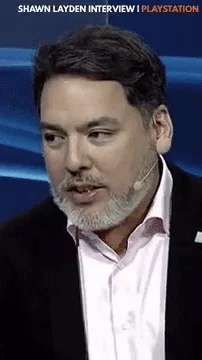
Shawn Layden, former CEO of Sony Interactive Entertainment America, has announced an ambition to revive “AA” games, mid-budget titles that sit between indie games and AAA blockbusters. In a July 2026 interview with Eurogamer, Layden criticised the current development model for pushing studios toward large sequels and established franchises, noting that he is creating a “publishing concern” to fund risk-taking projects in the AA category. He explained that during the PS1 and PS2 eras, there were many quirky and creative AA-style games, but “we don’t see so much” of that today. His goal is to fill this creative gap by supporting developers who want to create unique experiences without requiring the massive budgets associated with modern AAA productions.
Layden and other industry veterans believe that the decline of AA games is largely connected to rising development costs and increased risk aversion across the industry. According to Layden, the “entry costs for making a AAA game is in triple digit millions now,” which encourages companies to invest only in projects with predictable returns. Publishers increasingly rely on sequels, established franchises, and familiar formulas instead of funding original ideas, leaving fewer opportunities for mid-sized projects. This has contributed to what Layden describes as a “collapse of creativity,” with studios becoming more focused on safe blockbuster releases rather than the diverse range of AA games that were once considered the industry’s “bread and butter.”
“AA” or “double-A” games are generally considered mid-budget console and PC titles created by teams larger than typical indie developers but smaller than major AAA studios. These games usually have higher production values and more complex gameplay than indie releases while avoiding the enormous budgets and scope of AAA games. Instead of offering 100-hour open-world experiences, AA titles often focus on smaller but polished experiences, such as 15–20 hour campaigns with strong storytelling or unique gameplay ideas. They are similar to many games from the PS2 era, where developers could create ambitious and experimental projects without needing the financial scale of modern blockbusters.
Layden has repeatedly spoken about how increasing AAA budgets have affected creativity in game development. At Gamescom Asia 2024, he warned that AAA games now require “triple-digit millions” of dollars to produce, making publishers less willing to take risks. In his more recent comments, he explained that the “triple-digit million era” has made executives more likely to approve sequels, licensed projects, and proven formulas because they want to reduce financial uncertainty. As budgets continue to rise, with some reports noting modern AAA projects averaging over $200 million, studios have become trapped in a cycle of producing safer franchises while overlooking smaller, more experimental ideas.
Layden believes that bringing back AA games could help solve some of the industry’s current creative and financial problems. He argues that lower-budget games are often “super creative and super unusual,” and that supporting more of these projects could bring new energy to both developers and players. Instead of relying on a single massive blockbuster, publishers could invest in multiple AA projects and spread their risk across several releases. Industry analysis suggests that a collection of $10–50 million games can potentially generate stronger combined returns than one $200 million gamble. By supporting the underserved AA market, developers could experiment more freely, reach niche audiences, and create successful games without needing to compete with the biggest franchises.
Layden’s current initiative involves creating what he calls a “publishing concern”, essentially a publishing company or funding operation focused on AA games. While details remain limited, the idea is to finance and distribute projects that prioritise creativity rather than forcing developers to create massive sequels or blockbuster franchises. The venture would reportedly focus on games that encourage completion, favouring more focused experiences such as a creative 20-hour adventure rather than a 100-hour open-world title.
Layden’s comments suggest he aims to act as a publisher or financier who selects projects based on their creativity and audience potential rather than existing brands. Although he has not revealed specific games or a launch date, he has confirmed that he is actively working on a way to provide more support and funding opportunities for AA developers.

Why AA Games Declined and How Clair Obscur Renewed Interest in Mid-Budget Development
The decline of AA games was largely driven by financial pressure as mid-budget projects became increasingly difficult for publishers to justify. Rising development costs created what industry analysis has described as a “vicious cycle,” in which runaway budgets encouraged companies to concentrate on projects they considered safe.
Because one poorly performing AAA game costing hundreds of millions of dollars can place an entire studio at risk, decision-makers increasingly demanded predictable returns and directed most of their resources toward a small number of blockbuster releases instead of spreading investment across several smaller games. Subscription services also influenced this shift by allowing publishers to fill their libraries with established franchises and live-service content that appeared capable of producing more dependable long-term returns. These pressures left less room for original intellectual properties, unusual concepts, and mid-level productions that could not guarantee enormous sales.
AAA games are generally defined by large development teams, expansive scope, and budgets that can exceed $100 million to $200 million. They often emphasize cinematic presentation, enormous environments, advanced technology, and global marketing campaigns, with franchises such as Grand Theft Auto and Call of Duty representing the model. AA games occupy the space between independent and AAA development. They are usually created by smaller teams with budgets in the low tens of millions of dollars and pursue professional production quality without attempting to match the size of the industry’s largest releases. Their narrower scope may result in a focused 15-hour to 20-hour experience rather than a massive open world requiring more than 100 hours to complete.
This balance allows AA developers to pursue ideas that larger publishers may consider too risky for a blockbuster budget. While a AAA studio might employ hundreds of developers to create an enormous open-world game, a mid-sized team can concentrate on a distinctive story-driven action title, role-playing game, or niche adventure. AA games can therefore deliver polished visuals, professional development, and ambitious design while retaining the flexibility to experiment with unusual mechanics, settings, and narrative structures. Publishers and critics have described this approach as offering the “best of both worlds,” combining the refinement of a major commercial release with the creativity and manageable production costs more commonly associated with smaller projects.
Several modern games have demonstrated the potential of this model. Baldur’s Gate 3, released in 2023 by Larian outside the traditional large-publisher structure, won Game of the Year and showed that a title created with a fraction of a typical AAA budget could outperform many larger productions. Hellblade: Senua’s Sacrifice from Ninja Theory and GreedFall from Spiders are also frequently cited as successful AA games.
Shawn Layden has highlighted studios such as Asobo Studio, known for A Plague Tale: Requiem, and Questline, the developer behind Tainted Grail, as examples of the type of focused, mid-sized projects he hopes to support. Other successes, including Sea of Stars from Sabotage Studio and Split Fiction from Hazelight Studios, further demonstrate that memorable experiences and strong production values do not require Hollywood-scale spending.
The release of Clair Obscur: Expedition 33 in 2025 became one of the clearest examples of the renewed appeal of AA development. Created by the small French studio Sandfall Interactive, the game delivered polished visuals, ambitious role-playing systems, and a focused adventure without depending on a blockbuster-sized budget. Its critical acclaim and awards attention showed that players remained interested in carefully designed mid-budget games that prioritized quality and identity over enormous scale. The title quickly became a central example in discussions about the return of the industry’s “missing middle,” proving that smaller teams could create experiences comparable in quality to much larger games when given sufficient resources and creative freedom.
Clair Obscur also highlighted the financial and practical advantages of the AA model. Priced at approximately $50 and designed to be completed in roughly 20 hours, it offered a more affordable and manageable alternative to many modern AAA releases. Its success encouraged developers, publishers, and investors to reconsider whether every major game needed an enormous budget, a vast open world, or years of post-launch content. Layden described games of this kind as “refreshing” and even “revolutionary” because they respond to growing demand for shorter, less expensive experiences without sacrificing polish or ambition.
A major strength of AA games is their ability to provide complete and focused experiences that respect the player’s time. Layden has argued that many experienced players miss the period when games could be completed in a limited number of sessions rather than requiring more than 100 hours of exploration, grinding, and ongoing updates. Large open-world releases can provide enormous amounts of content, but they can also become overwhelming for people with limited free time. AA games, which often fall within the 15-hour to 20-hour range, offer an accessible alternative by delivering a complete narrative and satisfying progression without demanding months of commitment.
The success of highly rated AA titles shows that many players value tightly designed games that fit both their schedules and budgets. This approach is particularly relevant to players in the 28-to-32 age range who may have work, family, and other responsibilities that make extremely long games difficult to finish. Layden’s argument centers on asking, “Who are we building it for?” and recognizing that not every audience wants a continuously expanding experience. By offering lower prices, focused design, creative ideas, and achievable completion times, games such as Clair Obscur: Expedition 33 have helped restore confidence in mid-budget development and demonstrated that the AA model can once again occupy an important place between independent experimentation and AAA blockbusters.

PlayStation’s AA Legacy and Shawn Layden’s Vision for Sustainable Mid-Budget Games
PlayStation’s earlier years, particularly the PS1 and PS2 eras, demonstrated many of the strengths now associated with the AA development model. Shawn Layden has described this period as a time when publishers were more willing to take creative risks and smaller teams had greater opportunities to succeed on first-party platforms. The industry’s financial incentives were different, allowing developers to explore unusual concepts instead of relying primarily on established franchises or projects designed to generate blockbuster-level sales. This environment produced many of the “wacky” and experimental games that helped define the identity of early PlayStation consoles.
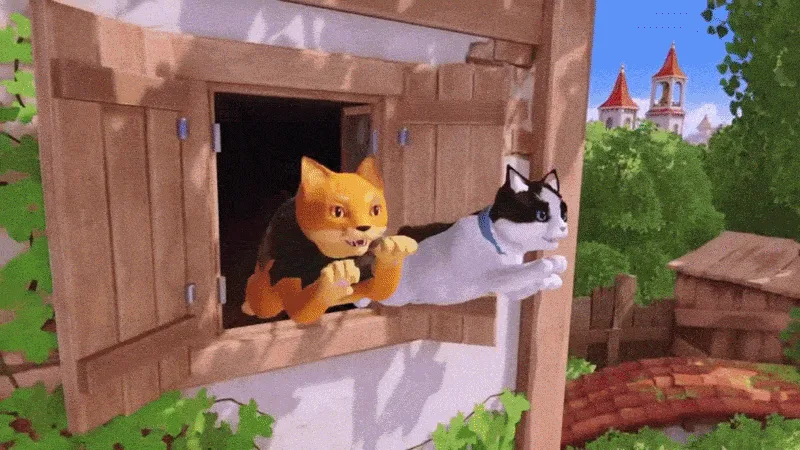
Classic PlayStation titles such as Jak and Daxter, Ratchet & Clank, ICO, Sly Cooper, and Gravity Rush would broadly fit the AA category by modern standards. These games combined strong production values with distinctive artistic styles and creative gameplay ideas, but they did not require the enormous budgets associated with today’s largest AAA releases.
PlayStation’s history also includes successful mid-tier projects on its more indie-friendly platforms, including the LittleBigPlanet series, Tearaway, and Valkyria Chronicles. Layden believes the lessons from that era remain relevant because developers were not limited to repeatedly serving the same audiences or extending the same franchises. His current efforts aim to recreate an environment in which creative mid-budget games can exist alongside major blockbusters and provide players with a wider variety of experiences.
Investing in several AA games could also reduce financial risk compared with placing most available resources into a single AAA project. Industry analyses suggest that a publisher could potentially finance three mid-budget games for the cost of one blockbuster, with the combined sales of those projects potentially exceeding the revenue generated by the larger title. This portfolio approach limits the damage caused by an individual failure. When one AA game underperforms, the loss may remain manageable, while the failure of a project costing hundreds of millions of dollars can severely damage or even bankrupt a studio.
AA development teams also tend to be smaller and leaner, reducing fixed overhead and allowing publishers to diversify their creative output. One project may fail to connect with players, while another could become an unexpected success, as Hellblade: Senua’s Sacrifice did for Ninja Theory. Layden’s strategy follows this principle by supporting multiple creative studios and allowing successful releases to compensate for weaker performers. Rather than expecting every project to become a global blockbuster, publishers can build a healthier portfolio in which risk is distributed across different genres, audiences, ideas, and development teams.
Industry trends in 2025 suggested that mid-budget development may be experiencing a resurgence as both players and publishers reconsider the value of the “missing middle.” The possibility that several modestly budgeted games could outperform one blockbuster has encouraged companies to explore alternative funding structures, while Layden’s high-profile advocacy has added momentum to the discussion. Other industry veterans have also emphasized the need for AA games, particularly as development costs continue to rise and publishers search for more stable production models.
Subscription services such as Xbox Game Pass may provide additional opportunities by helping AA releases reach audiences that might not purchase them individually at launch. These services can introduce players to unfamiliar studios, genres, and intellectual properties while giving mid-budget projects greater visibility. Continued critical and commercial success among the first wave of modern AA games could encourage publishers and investors to support more projects at this scale, creating greater variety for players and reducing the industry’s dependence on a limited number of expensive blockbusters.
Layden’s broader vision is a sustainable gaming ecosystem in which creativity is not restricted by overwhelming development costs. From the player’s perspective, he argues that many people between the ages of 25 and 32 are “time-poor” and need games designed to fit around work, family, and other responsibilities. Shorter, focused experiences can serve these players more effectively than games requiring 100 hours or years of ongoing participation. From the developer’s perspective, Layden wants game creation to expand across more countries and markets instead of remaining concentrated primarily among major Western studios.
Achieving that goal requires lowering barriers such as extreme budget expectations so that passionate creators around the world can participate in professional game development. Layden ultimately envisions an industry in which indie, AA, and AAA games coexist in a healthier balance, allowing studios to choose the appropriate scale for each project instead of being pushed toward either very small independent production or enormous blockbuster development. His philosophy is summarized by the idea, “Make games for your neighbors… build it here, be successful,” emphasizing that sustainable growth can come from supporting a diverse range of developers, communities, ideas, and game experiences.

Frequently Asked Questions (FAQ)
- Will Layden actually bring back AA games soon?
There is no confirmation that Shawn Layden will personally create a new company or immediately revive the AA market. His comments are mainly focused on highlighting the need for a better funding model for mid-budget games. Whether AA games experience a major comeback will depend on publishers, investors, and developers being willing to support projects that are smaller than AAA titles but more ambitious than typical indie games. Layden has signaled strong intent and has begun talks about this venture, but he hasn’t announced specific release schedules. Reviving AA gaming is an ongoing project – it will take time to set up the funding mechanism and sign up developers. However, his public statements and new interviews (as of July 2026) confirm that it is a serious effort, so we may see announcements in the coming year. - What does “AA games” mean?
“AA” games (double-A) are mid-budget video games developed by medium-sized teams. They usually have more resources, better production values, and a larger scope than indie games, but they do not require the enormous budgets of AAA blockbusters. AA games often focus on delivering polished experiences with strong gameplay ideas, unique settings, or creative concepts without needing hundreds of millions of dollars in investment. - Who is Shawn Layden?
Shawn Layden is the former CEO of Sony Interactive Entertainment America (PlayStation). He led PlayStation’s US business from 2013 to 2019, playing a major role in the company’s strategy during that period. Since leaving Sony, Layden has frequently discussed issues affecting the gaming industry, including rising development costs, the challenges of AAA production, and the importance of supporting different types of games. - Why are AA games important?
AA games are important because they fill the space between small-scale indie projects and massive AAA franchises. They often provide developers with the freedom to create original gameplay ideas, unusual worlds, and more focused experiences that may be too risky for major publishers. Layden described the decline of AA games as “a threat to the ecosystem” because fewer mid-budget titles means fewer opportunities for different kinds of games to reach players. - Why did AA games disappear?
AA games became less common as the cost of making large-scale games increased into the hundreds of millions of dollars. Publishers became more cautious and often preferred investing in established franchises, sequels, and well-known brands because they were seen as safer financial choices. As a result, many original mid-budget projects struggled to receive funding or were pushed aside in favour of bigger AAA releases. - How does Layden propose to fund AA games?
Layden suggested creating a new “publishing concern” that would specifically invest in AA games. The goal would be to provide developers with funding that matches the scale of their projects, allowing them to create ambitious games without needing the massive budgets expected from AAA releases. This type of support could give studios more freedom to experiment while reducing the financial pressure placed on them. - What is a “publishing concern”?
In Layden’s context, a “publishing concern” likely refers to a dedicated publisher or investment group focused on supporting AA developers. It would work similarly to a traditional game publisher by providing money, marketing support, and resources, but with a specific focus on mid-budget projects. Although Layden has not provided full details, the idea suggests creating a system where promising AA games can receive support even if they are not expected to become blockbuster hits. - What examples of AA games exist now?
Recent examples of AA games include Hellblade: Senua’s Sacrifice, GreedFall, A Plague Tale, and Clair Obscur: Expedition 33. These titles demonstrate that games with smaller budgets can still deliver strong visuals, memorable stories, and high-quality gameplay. Even Baldur’s Gate 3 (2023 GOTY) was developed with a more controlled budget compared to many modern AAA projects, showing that success does not always require the biggest possible investment. - How do AA games differ from AAA and indie games?
AAA games are created with massive budgets, often reaching $100–200 million, and are designed to attract a global audience through large-scale worlds, advanced technology, and major marketing campaigns. Indie games are usually created by very small teams with limited budgets and fewer resources. AA games sit between these two categories, typically using medium-sized teams and moderate budgets to create polished experiences that are more focused and manageable than many AAA productions. - Can AA games be profitable?
Yes, AA games can be profitable because their smaller budgets mean they do not need to sell as many copies to recover development costs. Several successful AA games have shown that well-designed projects can generate strong revenue without requiring blockbuster sales numbers. Because the financial risk is lower compared to AAA games, multiple successful AA titles could potentially provide similar or greater returns than a single expensive AAA release.

Conclusion
Shawn Layden is drawing attention to a critical balance in the game industry: the need to support medium-scale creativity alongside blockbuster production. By leveraging his reputation and calling for action, Layden is sparking a conversation about sustainable game development. His proposed “publishing concern” and vocal advocacy have already prompted industry observers to rethink AA games.
If his vision takes shape, the industry could see a renaissance of innovative mid-budget titles – games that deliver memorable experiences without the enormous financial risk of AAA. This would diversify gaming options and potentially stabilize the market by spreading risk. In any case, Layden’s push underscores a growing consensus: not every game needs to be a blockbuster, and many gamers yearn for the shorter, more focused adventures that AA games can provide.
Sources and Citations
- Eurogamer, “Former PlayStation Boss Shawn Layden Wants to Save Games by Bringing Back Double-A, and He Has a Plan” (LinkedIn)
https://www.eurogamer.net/former-playstation-boss-shawn-layden-bringing-double-a-back - GameSpot, “Ex-PlayStation Boss Calls for a Return to the Good Old Days of AA Gaming” (GameSpot)
https://www.gamespot.com/articles/ex-playstation-boss-calls-for-a-return-to-the-good-old-days-of-aa-gaming/ - Game Developer, “Former PlayStation Exec Says ‘AA Is Gone,’ Blames Rising Costs and a ‘Collapse of Creativity’ in the Industry” (Game Developer)
https://www.gamedeveloper.com/business/former-playstation-exec-says-aa-is-gone-blaming-rising-costs-and-a-collapse-of-creativity-in-the-industry - Matthias Wehner, “The Comeback of Mid-Budget ‘AA’ Games” (Matthias Wehner)
https://matthiaswehner.medium.com/the-comeback-of-mid-budget-aa-games-19885e251ef4 - Wikipedia, “AAA (Video Game Industry),” Including the AA or Double-A Games and Development-Budget Sections (Wikipedia)
https://en.wikipedia.org/wiki/AAA_%28video_game_industry%29 - VGC, “Ex-PlayStation Boss Says Games Should Be Shorter Because Development Costs Are ‘Not Sustainable’” (VGC)
https://www.videogameschronicle.com/news/ex-playstation-boss-says-games-should-be-shorter-because-development-costs-are-not-sustainable/ - GameSpot, “Former PlayStation Boss Says AAA Game Development Is Unsustainable” (GameSpot)
https://www.gamespot.com/articles/former-playstation-boss-says-aaa-game-development-/1100-6478908/
Recommendations
- Helldivers 2’S Latest Campaign Calls for Super Earth’s Finest to Aid in the Construction of a “Celestial Fence” to Keep Out the Ongoing Terminid Menace
- Why the Live-Action Moana Box Office is Struggling Compared to Disney’s Snow White Remake
- Eclipse Background Render Manager for Houdini & Blender: Features, Setup, Pricing, and Workflow Tips
- PlayStation Ends Physical Game Discs in 2028: Everything You Need to Know
- NBA Streetball, Renewable Energy Crafting, and New Indie Games Worth Checking Out
- How to Turn Off Car Damage in Forza Horizon 6 (step-by-Step Guide to Disable Damage Settings Easily)
- Steel Ball Run Returns to Netflix this September as Leak Suggests JoJo’s Anime Won’t End Until 2028
- The First-Ever Fight Club 4K Blu-Ray Release Explained
- Obsidian Was Originally Planning To Make Fallout: New Vegas 2 – What Happened and Why It Never Released
- A Kratos-less God of War Spin-Off Is In The Works: Latest Rumors, Leaks, and What We Know So Far (March 2026)



































































































