






In This Article (10 sections)
Why Indie Games Are Driving Some of 2026’S Most Creative Ideas
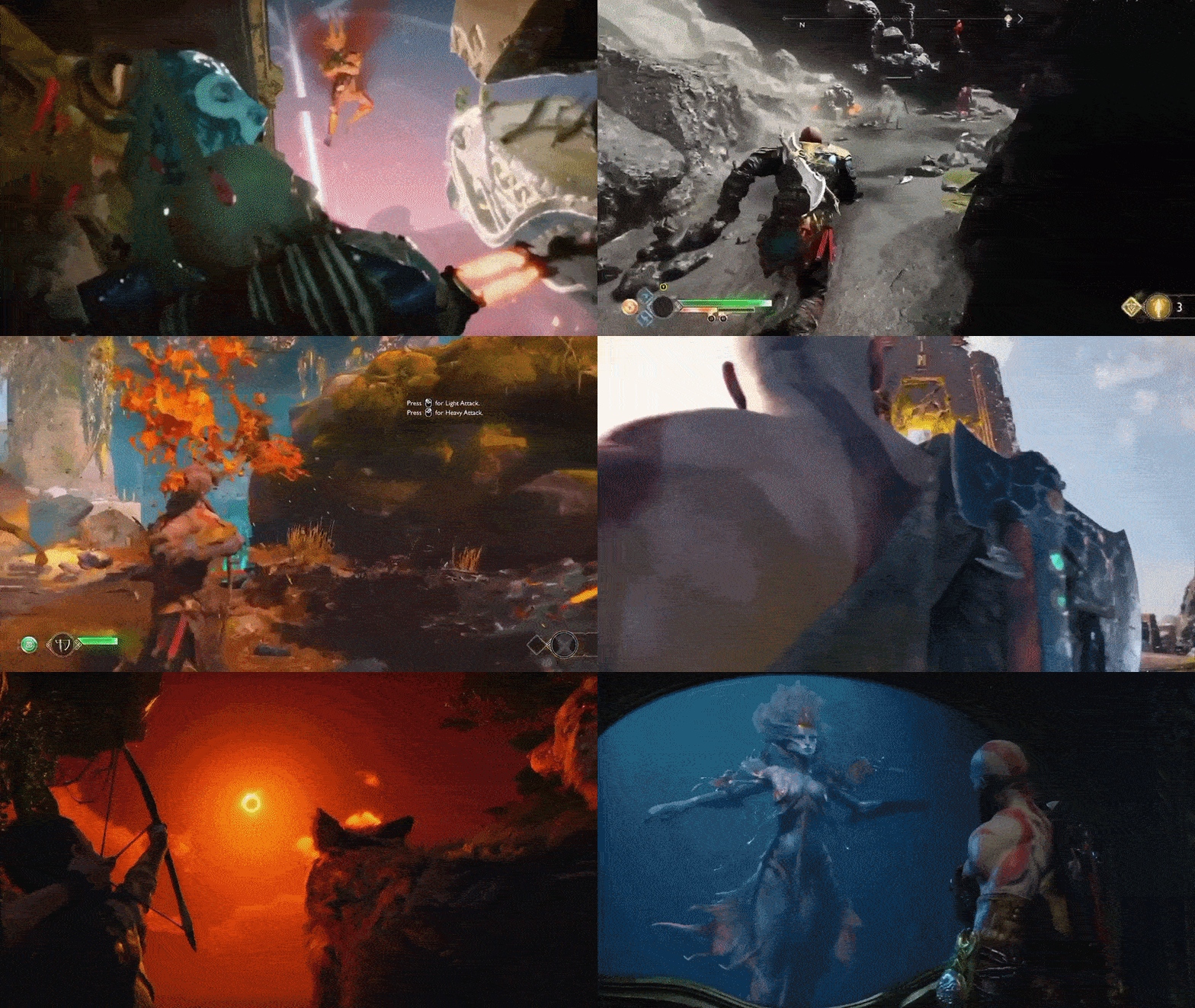
The independent gaming scene continues to thrive in 2026 because smaller studios are willing to explore ideas that larger publishers may consider too experimental, specialized, or difficult to market. Arcade-inspired street basketball, renewable energy crafting, environmental simulations, atmospheric survival adventures, and unconventional narrative games all demonstrate how independent developers can combine familiar genres with mechanics that feel new. These projects may have smaller budgets than major releases, but they often compensate with distinctive art direction, focused design, and a clearer willingness to take creative risks.
That freedom has produced a remarkably broad selection of experiences. Players can find competitive sports games built around exaggerated movement and expressive play, city-building simulations powered by sustainable technology, crafting adventures centered on automation and ecological balance, and story-driven games that challenge conventional approaches to progression. Rather than competing directly with blockbuster releases through visual scale alone, successful indie games usually establish a strong identity through one memorable idea and develop the surrounding mechanics around it.
Digital distribution has made it easier for these projects to reach international audiences. Developers can release games, early access versions, and public demos through online storefronts without depending entirely on physical distribution or large publishing campaigns. Gaming events, digital showcases, and demo festivals have also become important discovery tools, helping smaller teams present their ideas directly to players and build communities before launch.
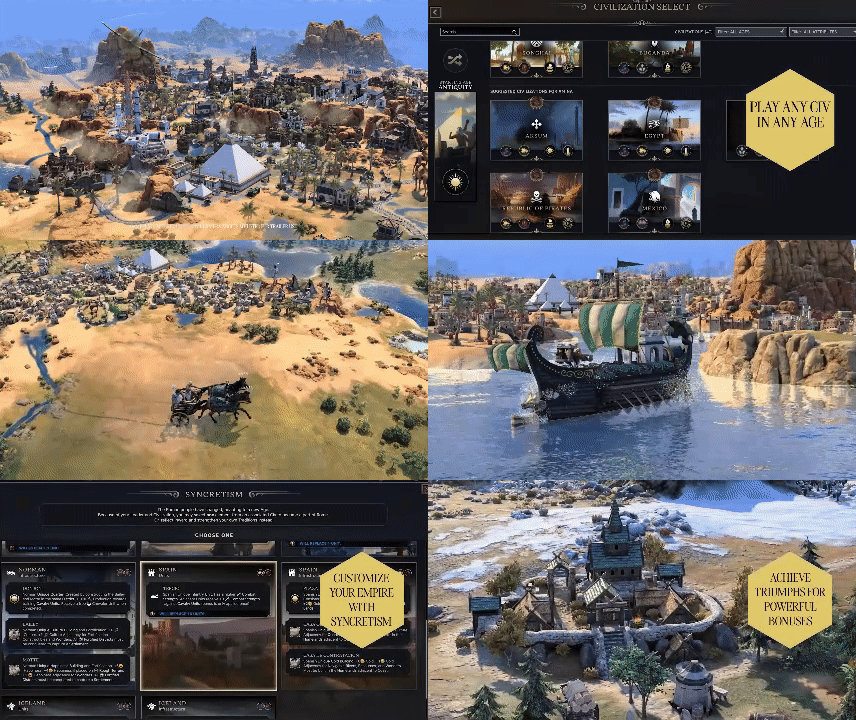
One of the most notable trends in 2026 is the integration of educational and environmentally conscious themes into established genres. Sustainability, renewable power, resource management, and ecological responsibility are increasingly becoming interactive systems rather than background story details. These themes can introduce meaningful strategic decisions while preserving the entertainment value that makes a game engaging. The result is an indie landscape where sports, crafting, simulation, multiplayer competition, and real-world ideas can overlap in unexpected ways.

How Indie Streetball Games Are Reviving NBA Street-Style Arcade Sports
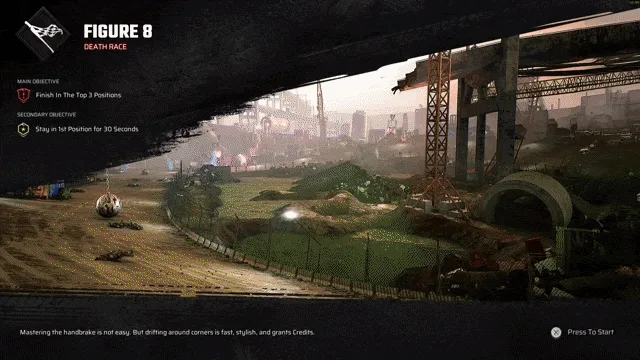
Basketball fans have spent years searching for a modern alternative to the energetic arcade streetball games that prioritized creativity over strict simulation. Independent developers are increasingly responding with projects built around flashy moves, exaggerated dunks, trick shots, responsive controls, and dynamic urban courts. Instead of attempting to reproduce professional basketball broadcasts with complete realism, these games focus on the fantasy of becoming an unforgettable streetball player whose personality is expressed through movement and style.
This approach makes streetball attractive beyond the traditional sports audience. The basic rules remain recognizable, allowing new players to understand the objective quickly, but advanced movement, timing, combinations, and defensive reads can create a meaningful skill curve. A successful arcade basketball game can therefore be easy to begin while remaining difficult to master, giving casual groups and competitive players different reasons to continue playing.
Modern indie streetball projects can also update the older formula through features that were less common during the original arcade sports era. Online multiplayer, cross-platform support, community tournaments, character customization, seasonal content, and long-term progression can turn short matches into a continuing experience. Some developers are also blending basketball with role-playing systems, allowing players to develop distinctive characters, improve particular abilities, and gradually build their own streetball legends.
The wider indie sports genre benefits from the same willingness to experiment. Basketball may be combined with character progression, while other sports can incorporate roguelike structures, exaggerated physics, unusual arenas, or imaginative rules. These games do not need official professional leagues or television-style presentation to succeed. Their strongest advantage is often the ability to deliver quick matches, memorable moments, and a personality that annual sports franchises may struggle to provide.
Independent development has consequently become an ideal home for gameplay styles that larger publishers may view as too specialized. The continuing interest in NBA Street-style action shows that players still value sports games designed primarily around fun, expression, and immediate competition rather than complete realism.

Renewable Energy is Reshaping Indie Crafting and Simulation Games
Renewable energy crafting games are introducing new strategic possibilities by asking players to build settlements, factories, or production networks around sustainable power. Instead of relying entirely on traditional extraction and fuel systems, these games may encourage the use of solar panels, wind turbines, hydroelectric infrastructure, geothermal plants, and energy storage facilities. Power generation becomes part of the central planning challenge rather than a simple resource that remains available once one structure has been built.
These mechanics create decisions involving placement, environmental conditions, storage capacity, maintenance, and production efficiency. Solar systems may depend on available light, wind installations may perform differently according to local conditions, and hydroelectric power may require carefully selected locations. Players must balance immediate expansion against long-term sustainability, ensuring that a growing operation has enough dependable energy without creating an inefficient or unstable network.
Renewable power systems are appearing across several indie genres, including survival games, city builders, factory simulators, crafting adventures, and exploration titles. Their inclusion reflects a broader interest in environmental awareness, but the strongest implementations remain entertaining rather than feeling like lectures. Constructing an efficient grid, overcoming logistical problems, and reorganizing a production chain can create the same satisfaction associated with more traditional crafting systems.
The educational potential comes from interaction. Players can develop a practical understanding of energy generation, storage, efficiency, and resource limitations by seeing how those systems affect a settlement or factory. Complex ideas become easier to understand when the player must respond to them directly, particularly when changing one part of the network produces visible consequences elsewhere.
The best indie crafting games support this depth with meaningful progression. Players may begin by gathering materials and completing tasks manually before developing automated systems capable of supporting larger operations. Experimentation should produce useful discoveries, while new tools, structures, and production methods should create genuine improvements instead of extending repetitive collection. Renewable energy, ecological balance, automation, and sustainable growth can strengthen that progression by making each expansion decision part of a larger connected system.

How Weekly Releases and Upcoming 2026 Projects Reveal New Indie Trends
Weekly indie releases provide one of the clearest ways to observe how quickly independent development is evolving. Some projects arrive as finished games, while others enter early access or attract attention through public demos. Sports games inspired by arcade classics, experimental strategy titles, crafting simulations, and narrative adventures can all appear within the same release period, giving players a much wider range of choices than a schedule dominated only by major publishers.
Digital distribution creates a rapid connection between developers and audiences. A small team can launch a demo or early build, collect feedback, and release updates that respond directly to recurring concerns. Controls, tutorials, balance, performance, progression, and accessibility can all improve through this process. The same feedback loop also gives players an opportunity to influence a project before its systems become fixed.
Following weekly releases is therefore useful even when a player does not purchase every game immediately. Emerging mechanics, art styles, and genre combinations often appear in overlooked projects before becoming wider industry trends. Many successful indie franchises began with limited visibility and gradually built dedicated audiences through recommendations, community discussion, creator coverage, and positive word of mouth.
The remainder of 2026 is expected to continue this variety. Modern game engines, procedural generation tools, accessible online systems, and digital publishing services allow smaller studios to pursue projects that would once have required considerably larger teams. Developers can create more ambitious worlds, multiplayer structures, simulation systems, and visually distinctive experiences while keeping their creative identities intact.
Genre hybridization is likely to remain especially important. Sports games can incorporate role-playing progression, crafting adventures can use environmental storytelling, and simulations can transform scientific concepts into practical mechanics. Cooperative multiplayer is also expanding, with more projects emphasizing teamwork, community building, and shared progression. These combinations make upcoming indie games valuable not only as alternatives to major releases, but also as indicators of where game design may move next.

Where to Discover Indie Games Through Steam Demos, PC, Consoles, and Hidden Gems
Steam demo events have become one of the most effective ways to discover upcoming indie games before release. A useful demo allows players to evaluate controls, performance, pacing, visual presentation, and the central gameplay loop without committing to a purchase. It should provide enough material to communicate the project’s identity while leaving clear reasons to follow the finished version.
For developers, a successful demo is also an important marketing tool. It can generate wishlists, community discussion, feedback, livestreams, and social media coverage. Demo festivals place many projects together in one event, allowing players to sample several games in a relatively short period. This visibility can be especially valuable for studios that cannot compete with the advertising budgets of larger publishers.
PC remains the dominant platform for much indie development because it provides accessible tools, flexible distribution, several storefronts, and a large potential audience. Many projects launch on PC first so their developers can collect feedback, correct technical problems, and refine systems before considering additional versions. The platform’s open nature also supports detailed simulations, highly customizable games, and niche genres that may have difficulty reaching audiences through more restrictive channels.
Console support has nevertheless become increasingly important. Major console storefronts now regularly feature indie releases across narrative adventures, platformers, sports games, crafting simulations, and other genres. Some studios pursue simultaneous PC and console launches, while others port their games after the initial release has been stabilized. Cross-platform multiplayer can help these projects maintain larger communities by allowing players to participate regardless of their preferred hardware.
Hidden gems remain one of the greatest rewards for players willing to explore beyond highly promoted releases. These games may receive limited marketing despite offering excellent mechanics, storytelling, or artistic direction. Smaller studios frequently take risks that larger publishers avoid, producing experiences that feel genuinely original even when they are imperfect. Many respected indie classics began as overlooked projects before community support and critical attention helped them build lasting reputations.

Why Summer Showcases and Wishlists Matter for Upcoming Indie Games
Summer gaming showcases provide independent developers with valuable opportunities to present their work during one of the busiest announcement periods of the year. Recent events have highlighted arcade-inspired sports games, renewable energy crafting adventures, narrative explorations, experimental multiplayer projects, and other genre hybrids. These presentations can give a small studio access to an audience that might never discover the project through a storefront search alone.
A showcase can reveal gameplay footage, introduce a project’s core premise, announce a release window, or direct players toward an available demo. For audiences, these presentations offer a convenient overview of emerging ideas and help identify games that deserve further attention. Many anticipated indie releases first gain wider recognition through a trailer, developer presentation, or public demo shown during the summer event season.
Wishlisting is one of the simplest ways to support a promising project after discovering it. A strong wishlist total can improve storefront visibility, increase the likelihood of algorithmic recommendations, and show developers that an audience exists for their idea. It can also help a studio evaluate interest before making decisions about marketing, localization, features, or additional platforms.
Players do not need to commit to purchasing a game when they add it to a wishlist. The action primarily records interest and ensures that the storefront can provide future notifications. Arcade sports projects, sustainability-focused crafting games, and unusual genre combinations are all reasonable categories to follow when their concepts, gameplay footage, demos, and developer communication show promise. For teams with limited promotional resources, every wishlist can contribute to greater visibility and a stronger chance of reaching the audience their game needs.

Frequently Asked Questions (FAQs)
- What makes indie games different from AAA games?
Indie games are generally developed by smaller teams with lower budgets and fewer layers of corporate oversight. This can give their creators more freedom to test unusual mechanics, specialized themes, unconventional stories, and distinctive art styles that might be considered too risky for a major release. Their smaller scale may create limitations, but it can also produce a more focused and recognizable creative identity. - Why are indie sports games becoming more popular?
Many players are looking for alternatives to annual sports franchises built around strict realism, professional licenses, and familiar release cycles. Indie sports games can focus instead on arcade-style action, imaginative rules, exaggerated physics, character progression, and quick competitive matches. This makes them appealing to sports fans and to players who simply want an accessible multiplayer experience. - What is a renewable energy crafting game?
A renewable energy crafting game incorporates sustainable power systems into its resource management and construction mechanics. Players may use solar, wind, hydroelectric, or geothermal energy to support settlements, factories, and production networks. The challenge comes from balancing expansion with energy storage, environmental conditions, efficiency, maintenance, and long-term sustainability. - Are indie games available on consoles?
Yes. Major console platforms actively support independent releases through their digital storefronts, showcases, and promotional programs. Some indie games launch simultaneously on PC and consoles, while others begin on PC before receiving later ports. Console players can find indie titles across sports, simulation, crafting, platforming, multiplayer, and narrative genres. - Why should players try indie game demos?
Demos let players experience a game’s controls, performance, visual design, pacing, and central mechanics before deciding whether to buy it. They are particularly useful for experimental indie projects whose concepts may be difficult to understand from screenshots or descriptions alone. Trying a demo can also help developers by generating feedback, community discussion, and wishlists. - What are hidden gem indie games?
Hidden gems are high-quality games that receive less mainstream attention than their design or entertainment value deserves. They may have limited marketing, launch during a crowded period, or target a specialized audience. Players who explore demos, smaller storefront categories, community recommendations, and showcase lineups often discover these overlooked projects before they gain wider recognition. - Do indie games support multiplayer features?
Many modern indie games include online multiplayer, local cooperative play, competitive modes, shared progression, and cross-platform functionality. The exact features depend on the project and the size of its development team. Multiplayer can help an indie game build a lasting community, although it also creates additional technical demands involving servers, matchmaking, balance, and continued support. - How do wishlists help indie developers?
Wishlists show storefronts and developers that players are interested in a game before release. Higher wishlist numbers can improve visibility, increase recommendation opportunities, and help a project appear more prominently when it launches. They also give developers a useful indication of audience demand without requiring players to make an immediate purchase commitment. - Are renewable energy mechanics educational?
They can be educational when they accurately connect power generation, storage, environmental conditions, and resource demand. Interactive systems allow players to see how one decision affects the wider network, which can make sustainability and energy management easier to understand. The strongest games integrate these ideas into enjoyable strategic challenges rather than presenting them as separate lessons. - What indie game trends are growing in 2026?
Prominent trends include renewable energy systems, environmentally focused crafting, arcade-inspired sports games, cooperative multiplayer, genre hybridization, deeper progression mechanics, and projects built around distinctive real-world concepts. Demo festivals, summer showcases, cross-platform development, and community-driven early access are also helping smaller studios reach larger audiences and refine their games through player feedback.
Conclusion
The indie gaming landscape in 2026 continues to showcase remarkable creativity and innovation. From NBA Street-inspired basketball experiences to renewable energy crafting adventures, independent developers are exploring ideas that push gaming in exciting new directions. Players looking for fresh experiences should pay close attention to new releases, demos, summer showcase announcements, and hidden gems that may become the next breakout successes. Whether on PC or console, the variety and quality of indie games available today make this one of the most exciting periods in the industry’s history.
Sources and Citations
- Steam – Official Steam Store
https://store.steampowered.com/ - Steam – Steam Next Fest (Official Event & Demo Listings)
https://store.steampowered.com/sale/nextfest - Steamworks Documentation – Steam Next Fest (Official Developer Documentation)
https://partner.steamgames.com/doc/marketing/upcoming_events/nextfest - Summer Game Fest – Official 2026 Showcase and Partner Events
https://www.summergamefest.com/ - Steam – Official Steam News and Developer Announcements
https://store.steampowered.com/news/ - Steam – Official Game Store Pages (Storefronts, Features, and Game Descriptions)
https://store.steampowered.com/ - PC Gamer – New PC Games Coming in 2026 (Industry coverage of upcoming indie titles and trends)
https://www.pcgamer.com/games/new-pc-games-2026/ - The Verge – Your Guide to June’s Biggest Gaming Events (Summer showcase coverage and reveal events)
https://www.theverge.com/games/939238/video-game-gaming-events-summer-game-fest-schedule-2026
Recommendations
- Bungie is Ending Destiny Support: What Happens Next for Destiny 2, Guardians, and the Future of the Franchise
- 3D Grease Pencil Tutorial for Blender: How to Create 2D Art in 3D Space Step by Step
- Spider-Noir Villains Revealed: Exclusive First Look at Sandman, Tombstone, Silvermane and More in Amazon’s Noir Series
- Warframe Official Jade Shadows: Constellations Gameplay Launch Trailer Breakdown
- Teenage Mutant Ninja Turtles Fans Can Score Hundreds Of Comic Issues in This Massive $25 Bundle (What You Get + How to Redeem)
- GDC Festival of Gaming 2026 Launches: Registration Opens, Pass Prices, Dates & What’s New
- Virtual Influencers: Exploring the Rise of Digital Personas in Modern Marketing
- Netflix’s FIFA Replacement Game Launches During the World Cup: Everything to Know
- How Baki-Dou: The Invincible Samurai Will Continue in a “Very Scary” Part 2 – Musashi Miyamoto’s Dark Evolution Explained
- Camera View Preservation in Blender: Why Use The View Keeper?



































































































