







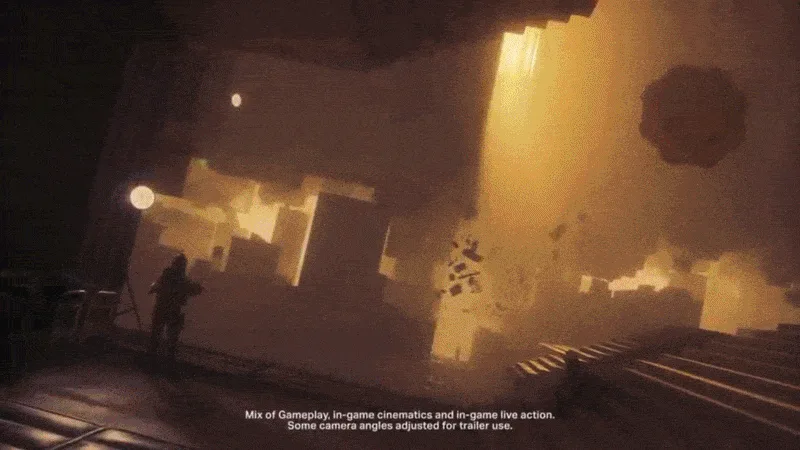
Control Resonant introduces a new approach to supernatural action in Remedy Entertainment’s acclaimed franchise, replacing much of the original game’s gun focused combat with aggressive melee encounters, shapeshifting weapons, supernatural abilities, and reality bending environments. Released on September 24, 2026, the sequel follows Dylan Faden through a distorted Manhattan, where powerful enemies known as Resonants serve as major tests of combat mastery and important milestones in character progression.
The game raises an important question about modern action RPGs: Do traditional boss battles still matter when developers can create enormous worlds filled with optional activities, cinematic encounters, and increasingly complex combat systems? Control Resonant demonstrates that they remain valuable when encounters provide meaningful challenges rather than relying exclusively on large health bars, intimidating character models, or visual spectacle.
Boss fights have occupied an important position in video game design for decades because they provide opportunities to test the skills players develop through exploration and ordinary combat. However, modern action games sometimes struggle to justify these encounters. An enemy with an enormous health bar is not necessarily engaging, particularly when its behavior becomes repetitive or its attacks are poorly communicated. Successful boss battles require recognizable mechanics, thoughtful difficulty, and opportunities for players to apply their understanding of the game’s combat systems.
Remedy approaches these challenges by connecting enemy design, environmental storytelling, and character progression. Rather than treating major supernatural threats as isolated obstacles, Control Resonant makes defeating Resonants an important part of expanding Dylan’s abilities. These encounters encourage players to experiment with weapon configurations, movement, positioning, defensive timing, and supernatural powers while progressing through the game’s larger narrative.
The game’s strongest boss battles demonstrate seven qualities that help explain why these encounters remain important in modern action RPGs:
- Meaningful character progression: Defeating Resonants contributes to Dylan’s supernatural development, giving players practical reasons to pursue major encounters beyond simply advancing the storyline.
- Recognizable attack patterns: Bosses encourage players to study enemy movements, identify openings, and understand when to attack, defend, or retreat.
- Memorable visual identities: Supernatural enemy designs reinforce the game’s distinctive atmosphere and help communicate the unusual forces affecting Manhattan.
- Environmental interaction: Reality bending locations and changing surroundings introduce challenges that extend beyond direct attacks against an enemy.
- Flexible combat strategies: Different weapon forms and supernatural abilities allow players to experiment with builds and develop approaches suited to individual encounters.
- Satisfying difficulty: Well designed battles challenge combat mastery and reward learning, timing, and positioning rather than relying entirely on inflated enemy durability.
- Narrative significance: Major confrontations connect the supernatural crisis to Dylan’s personal journey and his search for his missing sister, Jesse Faden.
Character progression is one of the most important reasons these encounters remain effective. Rather than offering major enemies solely as mandatory obstacles, Control Resonant connects their defeat to the development of Dylan’s supernatural capabilities. This creates an additional motivation for confronting dangerous opponents because victory contributes to the player’s growing combat options. The relationship between challenge and reward makes boss encounters feel more important within the wider progression system.
Combat education provides another benefit. Ordinary enemies allow players to become familiar with weapon forms, movement mechanics, and defensive abilities, but major bosses demand a more complete understanding of those systems. Players must recognize attack patterns, identify opportunities for aggression, manage supernatural abilities, and respond to changing situations. An effective encounter encourages learning through observation and practice, making victory feel like the result of improved skill rather than repeated attempts without meaningful progress.
The sequel’s emphasis on melee combat makes this particularly important. Unlike the original Control, which relied heavily on gunplay, Control Resonant encourages closer engagements where positioning and defensive timing become central to survival. Shapeshifting weapons and supernatural powers provide additional combat options, but players must understand when each approach is appropriate. Bosses create opportunities to test these decisions under pressure, revealing the strengths and limitations of individual strategies.
Environmental storytelling also contributes significantly to the game’s encounter design. Resonants are manifestations of the supernatural forces transforming Manhattan, meaning their appearance, behavior, and surroundings help communicate the nature of the unfolding crisis. Rather than explaining every development through dialogue or collectible documents, Remedy uses combat encounters to reinforce the world’s atmosphere and the dangers associated with its altered reality.
Reality bending environments introduce further possibilities by making the battlefield itself part of the challenge. Changes in terrain, unusual surroundings, and environmental hazards can force players to reconsider their positioning while responding to enemy attacks. This prevents major encounters from becoming simple exchanges of damage and encourages greater awareness of the surrounding space.
The narrative also gives these confrontations emotional significance. Dylan is not merely attempting to defeat increasingly powerful supernatural creatures. His search for Jesse Faden provides a personal motivation that connects individual battles to the larger storyline. By placing major encounters within this context, the game gives players reasons to care about the conflicts beyond their mechanical difficulty.
Remedy’s development team described Resonant encounters as tests of player skill in a September 29, 2026, PlayStation Blog interview, reinforcing the idea that these battles are intended to evaluate combat mastery rather than function exclusively as visual spectacles. Their effectiveness depends on how well they combine recognizable mechanics, appropriate difficulty, environmental interaction, and meaningful rewards.
Player expression is another important quality. Because Dylan can combine different weapon configurations with supernatural abilities, major battles offer opportunities to evaluate the effectiveness of particular builds. Some approaches may emphasize aggressive attacks, while others prioritize mobility, defense, or careful timing. Allowing multiple viable strategies gives players greater control over how they overcome difficult encounters.
Variety also prevents combat from becoming predictable. A successful boss should challenge players differently from the ordinary enemies encountered throughout an area. Distinct movement patterns, defensive requirements, environmental hazards, and attack combinations can force players to adapt rather than repeat the same strategy throughout the game.
However, Control Resonant’s boss design is not without weaknesses. Extended encounters, demanding dodge windows, visual clutter, and occasional pacing problems can create frustration, particularly when several combat systems compete for the player’s attention. Battles that last too long may become repetitive, while poorly communicated attacks can make failure feel less connected to player decisions.
Visual clarity is especially important in a game built around supernatural effects and changing environments. Although elaborate animations and unusual enemy designs strengthen the atmosphere, excessive visual activity can make it difficult to recognize attacks or identify safe movement opportunities. When this happens, the challenge may shift away from understanding enemy behavior toward struggling to interpret what is happening on screen.
Difficulty must also remain connected to meaningful player decisions. Bosses can be demanding without becoming unfair, provided their attacks communicate recognizable patterns and players have opportunities to respond. Encounters become more satisfying when each attempt teaches something useful, allowing players to improve their timing, positioning, and strategic choices.
Control Resonant’s strongest battles succeed because they bring these elements together. Defeating a powerful supernatural enemy can simultaneously reward character progression, develop combat skills, reveal information about the environment, and strengthen the emotional stakes of Dylan’s journey. This combination gives boss encounters a purpose beyond interrupting exploration with a difficult fight.
The comparison with the original Control is particularly relevant because the sequel changes the emphasis of combat while retaining Remedy’s interest in supernatural environments and unconventional enemy design. The move toward melee encounters increases the importance of close range decision making, weapon versatility, and defensive reactions, creating opportunities for boss battles that feel distinct from the gun focused encounters of the earlier game.
Modern action RPGs such as Elden Ring also demonstrate how major encounters can become defining parts of a larger adventure. Players may forget numerous ordinary enemies, but challenging battles involving memorable creatures, distinctive attacks, and unusual environments often remain recognizable long after completion. Control Resonant follows this broader design principle while applying it to Remedy’s supernatural setting and Dylan’s character progression.
Ultimately, the importance of boss battles lies in their ability to bring multiple gameplay systems together in memorable encounters. The best fights do more than test damage output or endurance. They challenge players to understand mechanics, adapt strategies, overcome meaningful obstacles, and experience important developments within the story.
Control Resonant demonstrates why traditional boss battles remain relevant in 2026 by connecting Resonants to supernatural progression, combat experimentation, environmental storytelling, and narrative significance. Although some encounters suffer from pacing issues, demanding defensive timing, and excessive visual effects, the strongest examples show that carefully designed bosses can remain among the most memorable parts of a modern action RPG.
Rather than becoming obsolete as games expand in scale and complexity, boss battles continue to provide focused challenges that reward mastery and create lasting milestones. Remedy’s approach suggests that their value depends not on how large or visually impressive an enemy appears, but on how effectively the encounter combines mechanical depth, meaningful progression, environmental interaction, and player achievement.

In This Article (8 sections)
How Control Resonant Boss Fights Compare to the Original Control and Why Remedy’s Combat Design Feels Different
Control Resonant significantly changes the supernatural combat formula established by Remedy Entertainment in the original Control, replacing much of Jesse Faden’s gun focused gameplay with aggressive melee combat, shapeshifting weapons, and more demanding defensive mechanics. While both games emphasize supernatural powers, environmental interaction, and encounters against unusual enemies, the sequel introduces a different combat rhythm built around Dylan Faden’s abilities and his transforming weapon, the Aberrant.
The original Control, released in 2019, followed Jesse Faden as she entered the Federal Bureau of Control’s headquarters, the Oldest House, while searching for answers about her brother Dylan. Combat combined the transforming Service Weapon with telekinetic abilities, allowing players to attack enemies from different distances, throw environmental objects, levitate, and control space. Although the game featured memorable supernatural encounters, its combat generally emphasized shooting, mobility, and maintaining enough distance to avoid incoming attacks.
Control Resonant changes this approach by encouraging players to move closer to enemies and commit more directly to offensive encounters. Dylan’s Aberrant can assume different melee forms, making positioning, dodging, attack timing, and weapon selection essential to success. Rather than remaining at a safe distance while relying on firearms and telekinesis, players must frequently enter dangerous positions, identify opportunities to attack, and retreat or counter before an enemy responds.
This shift influences how boss battles are designed. In the original Control, Jesse frequently dealt with ranged attacks, supernatural projectiles, and aggressive enemy movement by combining weapon fire with Launch and evasive maneuvers. In the sequel, bosses must also account for close combat exchanges, stagger mechanics, status effects, and the risks associated with remaining near powerful opponents. As a result, encounters place greater emphasis on balancing offensive opportunities with defensive decisions.
The environments have also changed considerably. The Oldest House featured Brutalist architecture, offices, laboratories, and shifting supernatural spaces within a mysterious government facility. Control Resonant moves much of the action into a distorted Manhattan, introducing larger encounter areas, additional vertical movement opportunities, and environments transformed by paranormal forces. Remedy has explained that the sequel was designed around larger environments, more physics objects, and greater opportunities for exploration directed by the player.
These changes make environmental awareness more important during major encounters. Players must consider an enemy’s attack patterns while also evaluating available movement routes, unstable terrain, supernatural hazards, and opportunities to use the surrounding space. A fight may require more than avoiding direct attacks because the environment itself can influence movement and positioning.
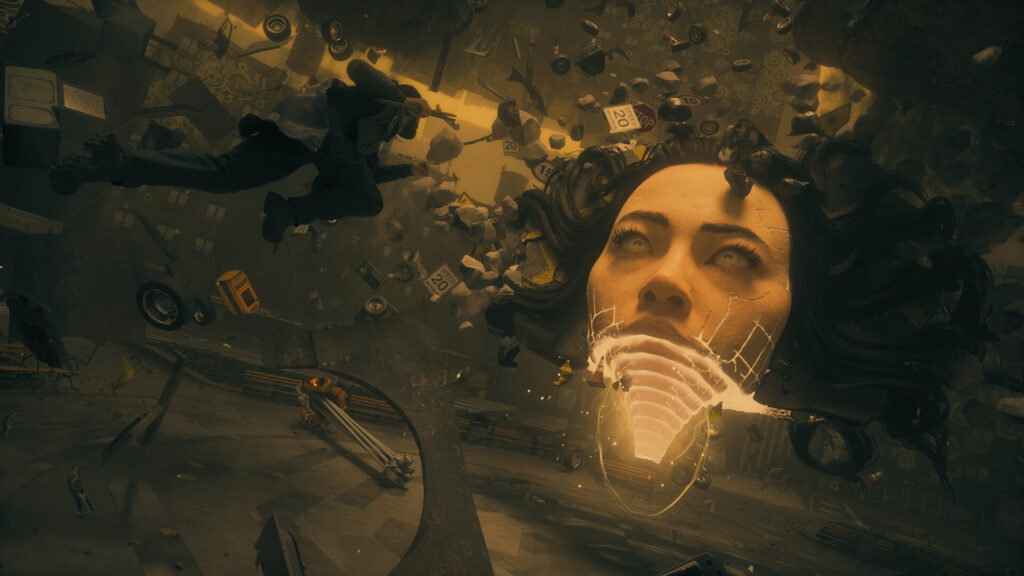
One of the most distinctive aspects of Control Resonant is its relationship between combat and reality distortion. Manhattan is not simply a location where supernatural battles occur. Its architecture and physical properties have been changed by paranormal forces, creating spaces where conventional expectations about gravity, movement, and orientation become unreliable. Gameplay demonstrations have highlighted Gravity Anomalies, areas where gravity and spatial orientation shift in ways that affect traversal.
The Aberrant provides another important difference from conventional action games. Unlike a standard sword, axe, or firearm, Dylan’s weapon changes form to support different attack styles. This allows players to adapt their approach during combat rather than depending on one offensive sequence throughout an encounter. Fast weapon forms can be useful when enemies provide short openings, while heavier attacks may become more effective when a boss is temporarily vulnerable.
Supernatural powers further distinguish the combat system. Dylan’s abilities are not simply additional attacks attached to ordinary melee mechanics. They influence mobility, enemy control, damage opportunities, and combat momentum. Because defeating Resonants unlocks additional powers, the game’s major encounters create a direct relationship between overcoming difficult challenges and expanding future combat possibilities.
The main differences between the original Control and Control Resonant include:
- Primary combat style: The original emphasized firearms and telekinetic attacks, while the sequel focuses more heavily on melee combat through the Aberrant.
- Combat distance: Jesse frequently maintained space between herself and enemies, whereas Dylan must regularly approach dangerous opponents to deal damage.
- Defensive mechanics: Dodging, attack timing, positioning, and recognizing enemy recovery animations become particularly important in close combat.
- Weapon versatility: The Aberrant’s different forms allow players to select attacks according to speed, reach, and offensive opportunities.
- Environmental design: Manhattan provides larger spaces, environmental transformations, and unusual gravity mechanics compared with the Oldest House’s primarily enclosed setting.
- Progression rewards: Defeating Resonants unlocks additional supernatural abilities that expand Dylan’s combat options.
- Player customization: Different weapon forms, supernatural powers, and loadouts allow players to develop preferred combat strategies.
Remedy’s development process demonstrates how these elements were incorporated into the sequel’s boss design. In a September 29, 2026 interview published through PlayStation Blog, Lead Gameplay Designer Sergey Mohov explained that the studio gathered boss concepts from different members of its development team. Designers then evaluated those suggestions according to the experiences they wanted individual encounters to deliver.
Selected ideas moved into prototyping, where the team considered each enemy’s physical dimensions, movement requirements, and the amount of space needed for its mechanics. Developers subsequently documented behavior, established visual concepts, and worked with writers to connect the boss to its surrounding environment and narrative themes. This process reflects the principle that a successful boss should be more than an ordinary enemy with increased health and damage.
Art Director Elmeri Raitanen explained that Resonant designs draw inspiration from themes involving collective control, mycelium, and hive minded behavior. Medieval religious imagery and architectural references also influenced the creatures’ appearances, producing designs intended to communicate supernatural power and unusual forms of identity. Rather than creating conventional monsters, Remedy explored visual concepts involving transformation, distorted humanity, and threatening grandeur.
These artistic decisions contribute to the atmosphere of major encounters. A creature’s appearance can establish expectations about its behavior before the player fully understands its attacks. The use of surreal imagery, environmental destruction, unsettling sound design, and cinematic presentation makes the battles feel connected to Remedy’s distinctive fictional universe.
The Deserter provides an example of how the studio combined encounter mechanics with environmental design. Remedy identified the boss’s transformed factory as an arena constructed specifically around its gameplay requirements. This suggests that movement, hazards, visual composition, and combat mechanics were developed together rather than treated as separate elements.
Environmental destruction adds another layer of feedback. Dylan’s ground slams and shockwaves can disturb surrounding objects, including debris and environmental fixtures, reinforcing the physical impact of supernatural attacks. Although these details do not automatically increase difficulty, they make combat feel more responsive and visually substantial.
However, elaborate presentation introduces challenges involving readability. When supernatural effects, moving objects, distorted geometry, and enemy attacks appear simultaneously, players may struggle to identify the immediate threat. The strongest encounters maintain visual spectacle without preventing players from recognizing attacks or responding appropriately.
The sequel’s combat system also introduces mechanics that reward a deeper understanding of enemy behavior. Remedy uses the term Falter for an important part of enemy posture management. Breaking an opponent’s resistance creates opportunities for additional damage, encouraging players to consider stagger effectiveness rather than focusing exclusively on raw damage statistics.
Movement remains equally important. A well timed dodge can prevent damage while leaving Dylan close enough to punish an enemy’s recovery animation. Poor timing may instead place him in a vulnerable position or interrupt an opportunity to attack. This makes defensive discipline essential even for players who prefer aggressive combat.
Status effects introduce further strategic considerations. Fire related abilities and supernatural projectiles can influence how players approach different enemies, particularly when combined with weapon forms suited to specific offensive opportunities. Understanding these interactions becomes increasingly valuable during longer boss encounters.
The combat system therefore rewards several interconnected skills:
- Attack recognition: Identifying enemy movements and anticipating incoming attacks before committing to long offensive sequences.
- Weapon selection: Choosing Aberrant forms that match available openings and the boss’s behavior.
- Falter management: Understanding how to weaken enemy resistance and create opportunities for additional damage.
- Defensive timing: Dodging at appropriate moments while maintaining favorable positioning.
- Ability management: Using supernatural powers to control space, create openings, and support offensive momentum.
- Status effect combinations: Considering how elemental and supernatural effects interact with different enemies.
- Loadout preparation: Selecting weapon forms and powers suited to the encounter rather than relying on one configuration for every battle.
Remedy designed loadout customization to help players establish their own combat flow. Different abilities and weapon forms can be equipped before encounters, allowing players to emphasize particular strategies. This flexibility supports different approaches without removing the need to understand enemy mechanics.
Continuous attacking is not always effective because certain bosses punish overly aggressive behavior. Players must recognize when to pursue a stagger, conserve resources, reposition, or wait for a safer opening. Conversely, remaining defensive throughout an encounter can unnecessarily extend the battle and increase opportunities for mistakes.
The strongest approach combines controlled aggression with awareness of enemy behavior. Players must understand when to use a powerful ability, when a faster weapon form is preferable, and when movement offers more value than immediate damage.
For players familiar with Jesse’s combat system, this learning curve may initially feel uncomfortable. However, the differences establish Dylan as a distinct protagonist with his own mechanical identity rather than simply reproducing the original game’s combat through another character.
Neither approach is universally superior. The original Control remains appealing to players who enjoy gunplay, telekinetic abilities, and combat built around managing distance. Control Resonant offers a different experience for those who prefer aggressive melee action, demanding timing, and more involved enemy mechanics.
Ultimately, Remedy’s design philosophy combines supernatural presentation with mechanical challenges that test player understanding. The sequel’s strongest encounters demonstrate how enemy behavior, weapon versatility, environmental hazards, and character progression can reinforce one another. By restructuring combat around Dylan’s capabilities, Control Resonant establishes its own identity while preserving the environmental storytelling and supernatural atmosphere associated with the franchise.
Best Boss Fights in Control Resonant and How Dylan Faden’s Powers Change Battle Strategies
Control Resonant features six named Resonants: The Artist, The Dancer, The Deserter, The Collective, The Physicist, and The Co-Director. Hedron serves as another major confrontation outside the central Resonant classification. These encounters present different challenges involving movement, timing, environmental hazards, supernatural abilities, and combat strategies, helping distinguish major battles from ordinary enemy encounters.
The most memorable bosses are not necessarily those with the largest health bars or most complicated visual designs. Instead, they are encounters that require players to make distinctive decisions and apply their understanding of the combat system in different ways. Remedy connects many of these challenges to the enemies’ supernatural identities, allowing visual presentation and gameplay mechanics to reinforce one another.
The Artist, associated with Downtown, serves as an introduction to the game’s approach to supernatural boss design. Its encounter emphasizes unusual positioning and threats involving environmental debris, encouraging players to pay attention to their surroundings rather than concentrating exclusively on the enemy. As an early major confrontation, The Artist helps establish expectations for movement, defensive timing, and the relationship between paranormal effects and combat opportunities.
An effective introductory boss should teach players useful mechanics without requiring complete mastery of every available system. The Artist demonstrates how environmental awareness and attack recognition can become central to survival, preparing players for later encounters that introduce more complicated hazards.
The Dancer, encountered in the West Incursion Zone, provides a contrasting challenge through rhythmic melee sequences. Its attacks emphasize timing and defensive awareness, making it important to recognize patterns rather than react randomly. The creature’s theatrical identity gives its behavior a clear thematic foundation, allowing its movements to communicate the rhythm of the encounter.
This relationship between presentation and mechanics makes The Dancer particularly memorable. An enemy that initially appears unpredictable can become more manageable once players recognize the sequence connecting animations to attacks. Learning those patterns and responding successfully creates a sense of improvement that is central to satisfying boss combat.
The Deserter, located in Central’s transformed factory environment, is one of the clearest examples of environmental mechanics strengthening a battle. The encounter involves heat, fire attacks, and dangerous floor conditions, requiring players to monitor both the boss and the surrounding arena. Remaining outside the enemy’s immediate attack range is not always sufficient because sections of the battlefield can become hazardous.
The boss can create dangerous areas that force repositioning while players search for opportunities to deal damage. This introduces an additional challenge involving the relationship between movement and offensive pressure. Players must consider where they can safely stand, how environmental conditions may change, and when it is appropriate to approach the enemy.
IGN’s August 2026 exclusive gameplay footage showcased the Central Resonant encounter, highlighting its use of magma and burning terrain. The Deserter is particularly effective because the arena contributes directly to the challenge rather than functioning only as a location where attacks occur.
The Collective, associated with the Park, explores another form of supernatural danger through Mold and collective biological imagery. Its design reflects Remedy’s interest in mycelium and hive minded behavior, giving the creature an identity connected to the game’s broader environmental themes.
The encounter’s optional nature also provides an incentive for exploration. Players who investigate additional areas can confront powerful enemies and expand their combat options, making optional bosses meaningful parts of progression rather than unrelated distractions.
The Physicist, associated with the Underpass and Astral Plane, continues the game’s exploration of unusual spaces and distorted physical rules. The encounter is particularly relevant to players who enjoy challenges where understanding the environment matters as much as recognizing enemy attacks. Its connection to physics and reality distortion reinforces the sequel’s interest in impossible architecture and spatial experimentation.
The Co-Director has greater significance as a later encounter associated with the game’s larger supernatural mystery. By this stage, players are expected to understand the combat system more thoroughly and have access to additional abilities. A successful late game boss should challenge established strategies rather than simply repeat earlier mechanics with increased damage or durability.
Hedron occupies a separate position as a major story confrontation rather than one of the six named Resonants. Its importance is connected to the larger narrative and the established Control universe. A major concluding encounter must provide more than a difficult fight, ideally bringing together the game’s mechanical development and supernatural themes.
The major encounters can be distinguished by their defining qualities:
- The Artist, Downtown: Introduces supernatural boss mechanics through environmental debris, unusual positioning, and movement awareness.
- The Dancer, West Incursion Zone: Emphasizes rhythmic melee sequences, precise defensive timing, and recognizable attack patterns.
- The Deserter, Central: Uses a transformed factory, fire attacks, magma, and dangerous floor conditions to make environmental awareness essential.
- The Collective, Park: Explores Mold and collective biological imagery while providing an additional incentive for optional exploration.
- The Physicist, Underpass and Astral Plane: Connects combat challenges to distorted physical rules and unusual environments.
- The Co-Director: Serves as a later encounter with greater narrative significance, testing the player’s growing familiarity with combat systems.
- Hedron: Functions as a major story confrontation outside the main Resonant classification, connecting combat progression with the wider narrative.
Across these battles, The Deserter stands out for its environmental hazards, while The Dancer demonstrates the appeal of learning and responding to structured attack sequences. The Artist provides an introduction to the game’s boss philosophy, and later encounters build upon the mechanics established earlier.
Dylan Faden’s supernatural powers are central to how players approach these battles. The original Control demonstrated how extraordinary abilities could change combat through environmental manipulation, unconventional attacks, and movement. Control Resonant expands this concept by integrating supernatural powers into a system focused more heavily on aggressive melee encounters.
The first major advantage of Dylan’s powers is providing alternatives to ordinary weapon attacks. Certain bosses have difficult close range patterns that make remaining within striking distance dangerous. Supernatural abilities can help maintain offensive pressure when committing to a longer melee combination would create unnecessary risk.
Different powers also support different approaches to controlling enemies and the battlefield. Some strategies emphasize direct damage, while others prioritize positioning, status effects, or creating additional offensive opportunities. This makes loadout preparation important because the most effective configuration may depend on the threat presented by an individual boss.
Defeating Resonants also expands Dylan’s available powers, establishing a direct connection between major encounters and character progression. Guides identify Ignite and Inferno as abilities associated with defeating The Deserter. These fire oriented powers can influence later battles, particularly when elemental effects provide useful alternatives to conventional attacks.
Rather than treating every newly unlocked ability as a simple increase in power, players are encouraged to consider how it changes their existing combat strategies. A new supernatural effect may create combinations with particular Aberrant forms or provide a different response to enemies that previously caused problems.
Dylan’s movement abilities are equally important because even a powerful attack is ineffective when the player cannot reach a suitable position. Understanding how to move around an arena, escape dangerous terrain, and approach an enemy safely can be as important as increasing damage output.
Resource management introduces another layer of decision making. Spending available supernatural power immediately may produce short term benefits, but conserving resources can be valuable when a boss is preparing a more dangerous attack sequence. Players must balance immediate offensive momentum against the possibility of needing an ability later in the encounter.
Effective use of Dylan’s powers involves several considerations:
- Alternative damage opportunities: Supernatural abilities can maintain pressure when remaining within melee range is too dangerous.
- Enemy control: Certain powers may help manage positioning, apply effects, or create openings for weapon attacks.
- Ability combinations: Newly unlocked powers can encourage players to reconsider how different weapon forms and effects work together.
- Movement and positioning: Mobility determines whether Dylan can avoid attacks and reach favorable offensive positions.
- Resource conservation: Managing available power helps players respond to dangerous sequences without exhausting important abilities too early.
- Progression rewards: Defeating Resonants expands the range of supernatural powers available for future encounters.
- Build customization: Different configurations allow players to emphasize preferred combinations of aggression, defense, mobility, and special abilities.
The relationship between progression and boss design creates a meaningful sense of development. Players begin with a more limited collection of abilities and gradually acquire additional options through major victories. This expanded toolkit allows them to approach later encounters with greater flexibility and develop strategies suited to their preferred combat style.
However, having more abilities does not eliminate the importance of understanding enemy behavior. A poorly timed supernatural attack can still leave Dylan vulnerable, while an ineffective combination may waste resources without creating a useful opening. Successful encounters require players to recognize which tools are appropriate and when to use them.
The strongest boss strategies therefore combine weapon selection, supernatural powers, defensive timing, and environmental awareness. Players must determine when to attack aggressively, when to pursue Falter, when to conserve resources, and when retreating offers a better opportunity to survive.
Dylan’s growing powers also reinforce his role within the story. He is not simply collecting increasingly powerful weapons. His developing supernatural abilities reflect his changing relationship with the forces affecting Manhattan and the larger mystery surrounding the Control universe.
This connection gives major encounters greater narrative significance because overcoming a Resonant changes what Dylan can accomplish afterward. The reward is not limited to completing a difficult fight. It expands the possibilities available during exploration and future combat.
Ultimately, Control Resonant’s most memorable bosses succeed when their mechanics, environments, visual identities, and progression rewards work together. The Artist introduces the game’s encounter philosophy, The Dancer emphasizes precise timing, The Deserter transforms the battlefield into a major threat, and later encounters explore increasingly unusual supernatural concepts.
By connecting these battles to Dylan Faden’s evolving abilities, Remedy makes boss encounters an important part of both combat mastery and character development. Players are not merely overcoming dangerous enemies. They are learning how to use a growing collection of supernatural powers, adapt to unfamiliar challenges, and expand their capabilities as the story progresses.

Control Resonant Boss Difficulty, Attack Patterns, Rewards, and Environmental Design Explained
Control Resonant demonstrates how challenging boss encounters can remain engaging when difficulty is built around recognizable attack patterns, meaningful progression, environmental awareness, and player skill. However, difficulty is one of the most complicated aspects of evaluating boss design. A demanding encounter can feel rewarding when defeat results from understandable mistakes, while the same battle can become frustrating when attacks are difficult to recognize, pacing becomes inconsistent, or mechanics create situations players cannot reasonably anticipate.
Remedy Entertainment attempts to balance these competing experiences through demanding combat systems and extensive difficulty customization. The standard combat experience requires players to recognize incoming attacks, manage Falter mechanics, understand status effects, and time defensive movements carefully. These requirements create a considerable learning curve, particularly for players familiar with the original Control, where combat focused more heavily on firearms, telekinesis, and maintaining distance from enemies.
Control Resonant places greater emphasis on close combat, requiring Dylan Faden to approach dangerous opponents and recognize when to attack or retreat. This creates a more deliberate relationship between offensive opportunities and defensive decisions. Players who attack continuously without considering enemy behavior may struggle, while those who study patterns and respond appropriately can gradually improve their performance.
The distinction between fair and frustrating difficulty depends heavily on combat readability. A powerful attack can feel reasonable when its animation, sound effects, or environmental warning provides enough information for players to respond. Conversely, even an attack dealing relatively little damage can become irritating when supernatural effects obscure its origin or make the appropriate defensive response difficult to identify.
This challenge is particularly relevant to Control Resonant because its environments feature distorted architecture, supernatural explosions, environmental destruction, and multiple simultaneous visual effects. These elements create the distinctive atmosphere associated with Remedy’s games, but they can also make it difficult to separate important combat information from visual spectacle. The strongest encounters preserve their unusual presentation while ensuring that players can recognize threats and respond through deliberate actions.
Enemy attack patterns are therefore fundamental to successful boss design. Without recognizable behavior, combat risks becoming a confusing exchange of damage rather than a meaningful test of observation and execution. Effective encounters communicate danger through movement, animation, sound, and environmental changes, allowing players to develop expectations and adjust their strategies.
The Dancer provides a useful example through its rhythm focused melee attacks. Rather than approaching the encounter with uninterrupted aggression, players benefit from identifying the timing of its combinations and recognizing the relationship between warning animations and incoming attacks. The objective is not necessarily to memorize every movement immediately, but to understand the sequence well enough to respond consistently.
As players become familiar with those patterns, an encounter that initially feels unpredictable can become manageable. This progression from uncertainty to understanding is one of the most satisfying aspects of boss combat because victory reflects improved knowledge and execution rather than simply acquiring stronger equipment.
The Deserter demonstrates another form of pattern recognition through environmental hazards. Its fire attacks and dangerous floor conditions require players to monitor the surrounding arena while observing the creature’s movements. Recognizing where hazards will appear becomes part of understanding the boss, and positioning on safe ground may be more important than attempting another attack during a dangerous phase.
Different enemy mechanics also encourage different combat approaches:
- Rhythmic attack combinations: Require players to recognize timing patterns and use defensive movements at appropriate moments.
- Short offensive openings: Reward faster weapon combinations that can deal damage before the enemy resumes attacking.
- Long recovery periods: Create opportunities for heavier attacks or more elaborate supernatural ability combinations.
- Environmental hazards: Require players to prioritize positioning and recognize which sections of the arena remain safe.
- Aggressive movement patterns: Encourage careful dodging and repositioning rather than remaining stationary.
- Falter opportunities: Reward players who understand how to weaken enemy resistance and create openings for additional damage.
These differences give individual bosses recognizable identities. If every major opponent used identical attack combinations with different visual effects, the encounters would lose much of their character. Distinct mechanics encourage players to experiment with weapon forms, abilities, movement, and defensive timing instead of relying on one strategy throughout the game.
However, complexity does not automatically produce better encounters. A smaller collection of carefully designed attacks can provide a more satisfying challenge than an enormous moveset with inconsistent warning signals. The strongest battles create a progression in which players initially react cautiously, gradually develop a strategy, and eventually execute it with confidence.
Remedy also addresses differences in player ability through Control Resonant’s expanded Assist Mode. Rather than relying exclusively on traditional difficulty settings, the game allows players to adjust individual combat characteristics, providing greater control over specific sources of frustration.
The available adjustments include:
- Enemy aggression: Changes how aggressively opponents behave during encounters.
- Incoming damage: Allows players to increase or reduce the damage Dylan receives.
- Outgoing damage: Adjusts the amount of damage Dylan deals to enemies.
- Projectile speed: Changes how quickly enemy projectiles travel.
- Perfect dodge timing: Allows players to widen or narrow the timing window required for successful defensive movements.
- Falter mechanics: Adjusts how quickly enemies enter a vulnerable state.
- Supernatural power recovery: Changes how quickly Dylan regains resources used for abilities.
- Melee targeting assistance: Helps players manage close combat targeting.
- Immortality and one hit kills: Provide more substantial adjustments for players seeking different combat experiences.
Importantly, these settings can also increase difficulty. Players looking for a more demanding experience can make enemies more aggressive, increase incoming damage, or narrow defensive timing windows. Remedy confirmed through PlayStation Blog that using Assist Mode does not prevent players from earning trophies or achievements.
This system recognizes that difficulty involves several independent mechanics. A player may enjoy aggressive enemy behavior while finding strict dodge timing frustrating. Another may appreciate precise defensive requirements but dislike extended battles caused by large enemy health pools. Allowing these elements to be adjusted separately creates a more flexible experience without requiring every player to accept the same combination of challenges.
Nevertheless, accessibility settings do not automatically resolve weaknesses in encounter design. Bosses should still communicate their attacks effectively under standard settings, and the ability to increase damage does not necessarily make excessive encounter length satisfying. Strong boss design combines fair default mechanics with customization options for players who need or prefer a different level of difficulty.
Rewards provide another important connection between Control Resonant’s boss encounters and its wider action RPG progression. In many games, defeating a powerful enemy grants experience points, currency, or equipment that improves existing statistics. Control Resonant establishes a more direct relationship between major encounters and Dylan’s supernatural abilities, making Resonants important progression targets rather than isolated obstacles.
Defeating these enemies expands Dylan’s available powers, allowing players to develop different combat strategies as the campaign progresses. A newly unlocked ability might support aggressive attacks, improve control over enemies, or introduce additional status effect combinations. These rewards encourage experimentation because their value depends on the player’s existing build and preferred combat rhythm.
According to postlaunch boss guides, the major Resonant encounters provide the following ability options:
- The Artist: Barrage, Volatile Anomaly, or Shield.
- The Dancer: Abilities including Push or Ground Slam.
- The Deserter: Ignite or Inferno.
- The Collective: Abilities associated with Mold effects.
- The Physicist: Spike or Astral Rebuke.
- The Co-Director: Command.
These rewards create meaningful choices because different abilities can support different strategies. A power that performs well during ordinary encounters may be less useful against a boss that frequently moves out of range, while a seemingly situational ability may become particularly effective when combined with an appropriate Aberrant weapon form.
Rather than automatically selecting the ability with the highest immediate damage, players can consider how each reward interacts with their existing equipment, supernatural powers, and preferred combat approach. This encourages specialization while allowing players to revise their strategies as new challenges appear.
The progression system also strengthens exploration incentives. Players who investigate optional Resonant encounters can expand their selection of abilities, making additional battles worthwhile because their rewards influence future gameplay. The result is a progression cycle in which players defeat a boss, acquire a new power, experiment with different combinations, and discover additional ways to approach later enemies.
However, ability focused progression creates balancing challenges. If one reward is considerably stronger than its alternatives, players may feel that their choice is predetermined. Similarly, an ability that performs poorly in later encounters can make the associated victory feel less rewarding. Meaningful progression requires options that provide different practical advantages rather than simply presenting several abilities with unequal effectiveness.
Arena design plays an equally important role in determining whether these encounters succeed. A boss arena must provide more than enough space for a large enemy. Its shape, size, visibility, hazards, and movement opportunities influence how the entire battle functions.
Control Resonant places unusual emphasis on environmental design because Manhattan has been transformed by supernatural forces. Remedy can therefore create encounter spaces involving impossible architecture, altered terrain, and environmental hazards that would be unusual in conventional action games.
The Deserter’s transformed factory provides one of the clearest examples of an arena functioning as an active combat mechanic. Fire attacks and hazardous floor conditions force players to reconsider their position throughout the fight. Instead of treating the battlefield as neutral ground, they must repeatedly evaluate which areas remain safe while searching for opportunities to attack.
An otherwise manageable projectile becomes more threatening when surrounding hazards limit movement. Likewise, a large area attack becomes more dangerous when the player cannot retreat indefinitely. These interactions allow environmental design to increase difficulty without relying exclusively on larger enemy health pools or faster attacks.
Arena dimensions are especially important in a melee focused game. Dylan requires sufficient room to approach enemies, avoid attacks, and reposition. An excessively confined arena may make movement frustrating, while a space that is too large can force players to spend more time chasing enemies than engaging with their mechanics.
The ideal layout depends on the intended encounter. A boss built around quick melee exchanges benefits from space that supports controlled repositioning, while a creature using environmental manipulation may require a larger arena with clearly distinguishable hazard zones.
Remedy’s development commentary confirms that encounter spaces were considered during boss prototyping. The team evaluated the size and shape needed for each creature before coordinating its behavior, visual identity, and surrounding environment. This integrated approach helps explain why the strongest encounters feel designed around their locations rather than simply being placed inside them.
Environmental destruction and physics interactions also contribute to the game’s presentation, but they must remain compatible with readable combat. Players need to identify dangerous surfaces, obstacles, incoming attacks, and safe movement routes even when supernatural effects alter the environment. Destruction can make encounters more impressive, but it should not conceal information necessary for successful defensive decisions.
Ultimately, Control Resonant’s strongest boss battles combine recognizable attack patterns, meaningful ability rewards, environmental challenges, and flexible difficulty customization. Their effectiveness comes from encouraging players to understand both enemy behavior and the space surrounding each encounter. By connecting combat mastery with progression and environmental awareness, Remedy demonstrates how demanding battles can remain satisfying without depending entirely on enemy durability or visual spectacle.

Control Resonant Boss Fight Problems and How They Compare to Elden Ring, Sekiro, and Other Action RPGs
Despite its distinctive supernatural presentation and extensive combat customization, Control Resonant encounters can still suffer from familiar problems associated with modern action RPG boss design. Excessive enemy durability, repetitive strategies, visual clutter, camera limitations, and inconsistent combat balance can reduce the effectiveness of otherwise memorable battles. These challenges become especially important when developers combine demanding melee mechanics with elaborate environmental effects and cinematic presentation.
One of the most common concerns involves encounter length. A boss can feature interesting attacks and a memorable visual identity while still becoming tedious if the battle continues long after the player has demonstrated an understanding of its mechanics. Large health pools are not automatically a problem because some encounters require sufficient duration for their systems to develop. However, extended fights should continue introducing meaningful decisions or variations rather than requiring players to repeat the same successful sequence unnecessarily.
This is the central issue associated with enemies commonly described as damage sponges. When a player recognizes an attack pattern, responds correctly, and creates offensive openings but must repeat the process excessively, the encounter risks becoming an endurance test rather than an engaging challenge.
Control Resonant’s Falter mechanics and supernatural ability system can help reduce this problem by rewarding players who understand how to create effective offensive opportunities. A player using appropriate combinations may defeat an enemy more efficiently than someone relying entirely on basic attacks. Nevertheless, perceptions of excessive durability can vary depending on character progression, loadout effectiveness, and individual skill.
Repetition represents another concern. As players become familiar with preferred Aberrant forms and supernatural powers, they may begin using the same combinations throughout every encounter. This can weaken the importance of the broader customization system because access to numerous abilities has limited value if the game rarely encourages experimentation.
Varied boss mechanics help address this problem by rewarding different approaches. An enemy with frequent short openings may encourage quick attacks, while another requiring careful positioning may reward mobility and defensive abilities. The challenge is providing convincing reasons to experiment without making particular builds unnecessarily ineffective.
Visual readability can also become a significant issue because Remedy’s supernatural effects are central to the franchise’s presentation. Distorted architecture, explosions, environmental destruction, and paranormal attacks create an unusual atmosphere, but they can also obscure important combat information. When players cannot identify the origin of an attack or distinguish hazards from decorative effects, failure may feel disconnected from their decisions.
The larger scale of Manhattan offers opportunities for more ambitious encounters, but it also increases the importance of visual communication. Even the most elaborate boss design becomes frustrating when players struggle to understand what is happening during combat.
Camera behavior presents another challenge, particularly in a game emphasizing close combat. Large enemies, confined spaces, and rapid movements can create difficult viewing angles. Players need to track enemy positions and recognize attacks while moving around the arena. When the camera becomes an obstacle, difficulty may feel imposed by presentation rather than the opponent’s mechanics.
Combat balance is similarly complicated because Control Resonant supports different supernatural abilities, weapon forms, and upgrades. A boss designed around one combination may become considerably easier or more difficult when approached with another. Maintaining meaningful challenge across multiple builds requires careful testing and consideration of how different systems interact.
Cinematic presentation can also affect player control. Elaborate animations and scripted sequences may strengthen an encounter’s atmosphere, but they can become frustrating when they repeatedly interrupt the rhythm of combat. The most effective cinematic battles allow players to remain responsible for meaningful actions rather than reducing important moments to predetermined sequences.
The principal concerns surrounding boss design include:
- Excessive enemy durability: Large health pools can extend encounters without adding meaningful mechanical variety.
- Repetitive combat strategies: Players may rely on the same weapon forms and supernatural abilities when encounters fail to encourage experimentation.
- Visual clutter: Supernatural effects and environmental destruction can obscure attacks or safe movement routes.
- Camera limitations: Large creatures, confined spaces, and rapid movement may interfere with visibility during close combat.
- Build balancing: Different ability combinations can create substantial differences in encounter difficulty.
- Cinematic interruptions: Excessively scripted moments can disrupt combat flow and reduce player control.
- Limited replay incentives: Concentrating major rewards around a relatively small collection of encounters may reduce reasons to replay completed content.
Replayability is particularly relevant because the game’s most meaningful rewards are associated with major missions and boss battles. A review published by Folha de S.Paulo in October 2026 praised Control Resonant’s inventiveness while identifying limitations in replay value, partly connected to the distribution of progression rewards.
When players have already defeated major enemies and acquired their preferred abilities, repeating completed encounters may offer fewer meaningful incentives. This does not necessarily diminish the value of the first playthrough, but it can affect how much additional engagement the game provides after its primary challenges have been completed.
These weaknesses demonstrate why boss design remains difficult even for experienced developers. Strong encounters must balance challenge, pacing, visual presentation, progression, and player freedom. Improving one area can sometimes introduce complications elsewhere, particularly when games support extensive customization.
Remedy’s Assist Mode addresses some sources of frustration by allowing players to modify defensive timing, damage, enemy aggression, and other combat characteristics. However, the availability of these settings does not eliminate the need for careful encounter design. Bosses still benefit from readable mechanics, appropriate pacing, and distinct challenges under their default settings.
Comparisons with other modern action RPGs help demonstrate how different developers approach these issues. Elden Ring provides one of the clearest examples because its combat emphasizes enemy attack patterns, defensive timing, character progression, and demanding boss encounters.
However, Elden Ring and Control Resonant use different systems to achieve those objectives. Elden Ring places considerable emphasis on stamina management, weapon selection, equipment, attributes, and carefully timed attacks. Its open world also allows players to leave difficult encounters, explore other locations, improve their character, and return later.
Control Resonant incorporates some similar principles but places them within Remedy’s supernatural action framework. Dylan uses a shapeshifting weapon and aggressive paranormal abilities, producing a more acrobatic and cinematic fighting style. The sequel also establishes a more directed relationship between major boss victories and the acquisition of new powers.
The difference in progression is particularly important. Elden Ring provides extensive build freedom through character attributes, equipment, weapon selection, and specialized abilities. Control Resonant instead emphasizes supernatural powers acquired through Resonant encounters and combined with different Aberrant configurations.
Both approaches encourage experimentation, but they establish different relationships between player choice and progression. Elden Ring offers greater emphasis on developing a character through a broad collection of interconnected systems, while Control Resonant connects major supernatural victories directly to an expanding combat toolkit.
Environmental design provides another distinction. Elden Ring frequently uses outdoor battlefields, large architectural spaces, and carefully structured arenas. Control Resonant introduces impossible environments, reality distortion, supernatural growths, and destructive effects as defining elements of its world.
These differences affect how players interpret encounters. In Elden Ring, understanding the terrain and enemy movement is important, but Control Resonant can make environmental transformations an especially prominent part of the battle’s identity.
Difficulty customization also separates the games. Elden Ring provides several ways to influence challenge through character progression, equipment, summons, and different combat strategies. Control Resonant additionally allows players to adjust specific combat mechanics through Assist Mode, including enemy aggression, defensive timing, and damage values.
This makes Control Resonant flexible for players who enjoy challenging boss mechanics but struggle with particular requirements. Someone who appreciates recognizing attack patterns may choose to increase the perfect dodge window without reducing enemy aggression, while another player may adjust damage values to shorten encounters.
Sekiro: Shadows Die Twice provides a different comparison because its combat focuses heavily on defensive timing, posture management, and learning the rhythm of enemy attacks. Control Resonant shares an interest in recognizing patterns and managing enemy resistance through Falter, but its supernatural abilities create additional opportunities for varying offensive strategies.
Sekiro often rewards precise execution of tightly structured combat sequences, while Remedy’s sequel gives players more options involving weapon forms, special powers, status effects, and movement. The comparison demonstrates how different systems can create satisfying challenges through either focused mechanical mastery or broader tactical flexibility.
Nioh offers another useful comparison because it emphasizes stance management, equipment complexity, and demanding combat mechanics. Its approach rewards players who understand intricate relationships between weapons, abilities, and defensive systems. Control Resonant provides a different balance, placing greater emphasis on cinematic presentation, supernatural environments, and a more concentrated collection of character abilities.
God of War also shares several design priorities with Remedy’s sequel. Its modern entries combine close combat, powerful abilities, narrative storytelling, and substantial boss encounters. However, Control Resonant distinguishes itself through supernatural horror, distorted reality, and the unique nature of Dylan’s powers.
The differences between these games can be summarized through their primary combat priorities:
- Elden Ring: Emphasizes stamina management, extensive character customization, equipment choices, exploration, and recognizable enemy attack patterns.
- Sekiro: Shadows Die Twice: Focuses on precise defensive timing, posture management, and mastering tightly structured combat sequences.
- Nioh: Combines demanding encounters with stance systems, equipment complexity, and detailed combat customization.
- God of War: Integrates close combat, powerful abilities, cinematic storytelling, and major encounters connected to character development.
- Control Resonant: Combines shapeshifting melee weapons, supernatural powers, Falter mechanics, reality distortion, and extensive difficulty customization.
These comparisons demonstrate that modern boss design does not have one universally successful formula. Some games emphasize precise defensive execution, while others prioritize character builds, equipment optimization, environmental interaction, or cinematic spectacle. Their effectiveness depends on whether these systems work together to create meaningful challenges.
Control Resonant is most successful when it combines established action RPG principles with the supernatural qualities that distinguish Remedy Entertainment’s games. Its bosses encourage players to recognize attack patterns, manage abilities, evaluate environmental hazards, and develop strategies suited to individual encounters.
However, the sequel’s effectiveness should not be judged solely by whether its bosses are more difficult than those in Elden Ring or Sekiro. Greater difficulty does not automatically indicate better design, just as extensive customization does not guarantee satisfying combat.
The more important consideration is whether each encounter makes effective use of the systems surrounding it. A boss that challenges players to understand their abilities, adapt to the environment, and respond to recognizable mechanics can remain memorable regardless of its relative difficulty.
Ultimately, Control Resonant demonstrates both the opportunities and challenges of modern boss design. Its supernatural presentation, flexible combat system, and progression rewards create distinctive encounters, while excessive durability, repetition, visual clutter, and balancing concerns can undermine individual battles.
Remedy’s expanded difficulty customization provides useful flexibility, but the strongest encounters remain those that communicate their mechanics clearly and reward meaningful player decisions. By combining challenging combat with environmental identity, supernatural abilities, and character progression, Control Resonant shows how boss battles can remain relevant without simply reproducing the formulas established by other action RPGs.

Frequently Asked Questions (FAQs)
1. Is Control Resonant a sequel to the original Control?
Yes. Control Resonant is the sequel to Remedy Entertainment’s 2019 supernatural action game Control. While the original follows Jesse Faden as she investigates the mysterious Federal Bureau of Control and searches for answers about her brother, the sequel shifts attention to Dylan Faden as he explores a reality distorted Manhattan in search of Jesse. The games share supernatural mythology, characters, and narrative connections, but Control Resonant introduces a different playable protagonist and a greater emphasis on melee combat. New players can approach the sequel independently, although experiencing the original provides valuable context for the characters and overarching mystery.
2. How many Resonant bosses are in Control Resonant?
Control Resonant features six named Resonant bosses: The Artist, The Dancer, The Deserter, The Collective, The Physicist, and The Co-Director. Hedron is another significant encounter but falls outside the six main Resonants. Each boss introduces distinct mechanics, environments, and combat challenges that test different aspects of Dylan’s abilities. Defeating Resonants can unlock additional supernatural powers, making these encounters important for character progression. Some fights, including The Collective, are optional, rewarding players who explore beyond the main storyline.
3. Are Control Resonant boss fights harder than those in the original game?
Control Resonant boss fights can feel more demanding because the sequel emphasizes aggressive melee combat, precise dodging, enemy attack recognition, and Falter mechanics. Unlike the original Control, where players could frequently attack from a distance using firearms and telekinetic powers, Dylan must often approach dangerous enemies directly. This increases the importance of positioning and understanding attack patterns. However, difficulty depends on individual experience, character builds, and preferred combat styles. Players can also customize several difficulty settings through Assist Mode, making challenging encounters more manageable without eliminating their core mechanics.
4. What is the best weapon for boss fights in Control Resonant?
The Aberrant is Dylan’s primary weapon, and its ability to transform into different melee forms makes it useful across various boss encounters. There is no single best configuration because different enemies require different strategies. Faster weapon forms are effective when a boss provides brief attack openings, while heavier attacks can deliver greater damage during longer recovery periods. Players should also consider how their chosen weapon interacts with supernatural powers and Falter mechanics. Understanding enemy movements, selecting appropriate attacks, and maintaining safe positioning are generally more important than relying on one weapon form throughout every fight.
5. Do Control Resonant bosses unlock new supernatural abilities?
Yes. Defeating Resonants is one of the main ways Dylan acquires new supernatural abilities and expands his combat options. Different bosses provide powers associated with offensive attacks, defensive techniques, status effects, and enemy control. For example, The Deserter is associated with abilities such as Ignite and Inferno, while The Dancer offers options including Push and Ground Slam. These rewards encourage players to experiment with different combinations of powers and Aberrant forms. As Dylan gains additional abilities, players can develop more specialized strategies for later bosses and difficult encounters.
6. Can players make Control Resonant boss battles easier?
Yes. Control Resonant features an expanded Assist Mode that allows players to modify individual combat mechanics according to their preferences. Options include reducing incoming damage, increasing outgoing damage, adjusting enemy aggression, modifying projectile speed, improving supernatural power recovery, and widening the timing window for perfect dodges. Players can also adjust how quickly enemies enter a Falter state, while more substantial assistance includes immortality and one hit kills. These settings allow players to address specific difficulties without necessarily removing every challenge. Remedy has confirmed that enabling Assist Mode does not prevent players from earning trophies or achievements.
7. Which Control Resonant boss fight is the most memorable?
The Deserter is one of the most memorable encounters because its transformed factory environment introduces fire attacks, hazardous terrain, and changing areas of safe ground. Players must monitor the battlefield while identifying opportunities to attack, making positioning particularly important. The Dancer is another standout because its rhythmic melee combinations reward observation, defensive timing, and learning recognizable attack patterns. The Artist also provides an introduction to Remedy’s supernatural encounter design. Ultimately, the most memorable fight depends on whether players prefer environmental challenges, technical melee combat, unusual visual presentation, or encounters with greater narrative significance.
8. Is Control Resonant similar to Elden Ring?
Control Resonant shares several gameplay principles with Elden Ring, including challenging boss encounters, recognizable enemy attack patterns, defensive timing, character progression, and build customization. However, the two games approach these mechanics differently. Elden Ring emphasizes stamina management, weapon variety, equipment choices, and extensive exploration, while Control Resonant focuses on Dylan’s shapeshifting Aberrant weapon and supernatural abilities. Remedy’s sequel also features distorted environments, environmental destruction, and cinematic combat presentation. Players familiar with Elden Ring may recognize certain combat principles, but Control Resonant offers a distinct supernatural action RPG experience.
9. Does Control Resonant have optional boss encounters?
Yes. Control Resonant includes optional encounters that reward players for exploring beyond the main campaign. The Collective is identified in postlaunch guides as an optional Resonant associated with the Park, offering an additional challenge and opportunities to expand Dylan’s supernatural abilities. Optional encounters encourage players to investigate different parts of Manhattan rather than concentrating exclusively on mandatory objectives. They also provide opportunities to test weapon configurations, practice combat mechanics, and experiment with newly acquired powers. Completing these fights can strengthen a player’s available combat options before tackling more demanding story encounters.
10. Is Control Resonant worth playing for its combat and boss fights alone?
Control Resonant offers a compelling combat experience for players who enjoy aggressive melee encounters, supernatural abilities, unusual enemy designs, and challenging boss mechanics. Its major fights combine recognizable attack patterns, environmental hazards, and meaningful ability rewards, giving players reasons to experiment with different strategies. The expanded Assist Mode also makes combat more accessible to those who prefer adjustable difficulty. However, some encounters may feel repetitive or lengthy, while visual clutter and precise defensive timing can create frustration. Players who enjoy learning enemy behavior and mastering interconnected combat systems are likely to appreciate its boss battles, especially when combined with the game’s exploration and supernatural atmosphere.

Conclusion
Control Resonant demonstrates that boss fights remain an essential part of modern action game design when developers give them meaningful mechanical, narrative, and progression-related responsibilities.
Remedy Entertainment has taken a substantial risk by moving away from the original Control’s gun-centered combat system and embracing aggressive melee encounters built around Dylan Faden’s supernatural abilities.
The decision gives the sequel a distinctive identity.
Its strongest battles reward careful observation, effective positioning, tactical use of powers, and an understanding of enemy behavior.
The Deserter demonstrates how environmental hazards can create meaningful tactical decisions. The Dancer highlights the importance of attack patterns and defensive timing. Other major encounters expand the game’s supernatural mythology while providing opportunities for character progression.
These strengths explain why carefully designed boss battles remain relevant.
The encounters do not succeed merely because they are difficult or visually spectacular. They succeed when players understand the challenge, develop an effective response, and experience a satisfying sense of mastery.
The game also deserves recognition for its extensive difficulty customization.
Remedy’s expanded Assist Mode allows players to adjust individual combat mechanics, making the experience more adaptable without requiring a single approach to challenge.
Nevertheless, there is room for improvement.
Long encounters, visual clutter, repetitive mechanics, and the difficulty of balancing multiple character builds remain important design concerns.
These problems demonstrate that even ambitious action RPGs must carefully balance cinematic spectacle with mechanical clarity.
Ultimately, the seven qualities that make Control Resonant’s boss fights effective are meaningful progression, readable attack patterns, distinctive enemy identities, creative arenas, flexible strategies, manageable difficulty, and strong connections to the narrative.
When these elements work together, a boss encounter becomes more than another obstacle between story missions.
It becomes a memorable test of everything the player has learned.
Control Resonant succeeds in showing that boss fights still work in 2026 because the best encounters are not simply about defeating powerful enemies. They are about turning player knowledge, skill, and experimentation into meaningful victories.
Sources and Citations
- Remedy Entertainment, June 2, 2026 : Announces the September 24, 2026 release date for CONTROL Resonant on PlayStation 5, Xbox Series X|S, and PC. Also introduces the story trailer, Dylan Faden’s role, and the supernatural crisis reshaping Manhattan. Remedy Games
Citation: CONTROL Resonant Launches Worldwide on September 24. (Remedy Entertainment). - Remedy Entertainment, February 13, 2026 : Presents the first extended gameplay reveal, featuring Dylan pursuing a Resonant through Manhattan’s West Incursion Zone. Describes the game’s expansive zones, optional discoveries, supernatural traversal, and areas where gravity behaves unpredictably. Remedy Games
Citation: Remedy Entertainment Unveils New Gameplay Details for CONTROL Resonant. (Remedy Entertainment). - PlayStation Blog, September 29, 2026 : Interviews Remedy developers about the visual and technical decisions behind Dylan’s movements, Manhattan’s distorted environments, and the Resonant bosses. Explains how gameplay prototypes, artistic influences, environmental destruction, and PlayStation 5 features contributed to the finished experience. PlayStation.Blog
Citation: How Control Resonant’s art design and tech shaped its bosses, paranaturally-twisted Manhattan and more. (PlayStation Blog). - PlayStation Blog, February 12, 2026 : Provides a gameplay breakdown from lead gameplay designer Sergey Mohov, covering exploration, supernatural movement, the shapeshifting Aberrant weapon, and combat customization. Explains the role of Resonant bosses in progression and how defeating them expands Dylan’s available abilities. PlayStation.Blog
Citation: New gameplay details on Control Resonant’s supernatural action. (PlayStation Blog). - PlayStation Blog, September 10, 2026 : Details the expanded Assist Mode, including adjustments to enemy aggression, dodge timing, damage, and supernatural resource recovery. Explains how players can make combat easier or harder, change settings during gameplay, and retain access to trophies and achievements. PlayStation.Blog
Citation: Play your way with Control Resonant’s expanded Assist Mode. (PlayStation Blog). - IGN, exclusive boss fight gameplay : Provides a dedicated boss encounter video as part of IGN First’s coverage of CONTROL Resonant. Offers a visual reference for the game’s major enemies and the combat encounters associated with the Resonants. YouTube
Citation: Control Resonant: Exclusive Boss Fight Gameplay, IGN First. (IGN). - G2A News, September 25, 2026 : Provides a boss guide covering Resonant locations, access requirements, combat strategies, and ability rewards. Recommends an encounter order while distinguishing flexible progression choices, optional fights, and the final story confrontation. G2A
Citation: CONTROL Resonant Boss Guide: All Resonants, Locations, Rewards, and Best Order. (G2A News). - Steam, official store page and player reviews : Lists the game’s release date, developer, publisher, editions, supported languages, and platform features. Includes the official gameplay overview and customer reviews, providing a reference for both product information and player reception. Steam Store
Citation: CONTROL Resonant on Steam. (Steam). - Folha de S.Paulo, October 8, 2026 : Reviews the sequel’s shift toward melee combat, expanded exploration, and surreal visual design. Discusses Dylan Faden’s story, the distorted Manhattan setting, and how the game develops the original’s creative identity through different combat and progression systems. Folha de S.Paulo
Citation: Memorável, ‘Control Resonant’ reforça caráter inventivo da Remedy. (Folha de S.Paulo). - TechRadar, October 9, 2026 : Shares composer Petri Alanko’s explanation of Dylan Faden’s musical identity and its relationship to Jesse’s theme. Discusses how reversing the shared melody and changing its harmonies reflects Dylan’s personal growth and reluctant journey toward becoming a hero. TechRadar
Citation: Control Resonant composer explains the design process for Dylan’s theme song. (TechRadar).
Recommendations
- How Baki-Dou: The Invincible Samurai Will Continue in a “Very Scary” Part 2 – Musashi Miyamoto’s Dark Evolution Explained
- Who Is Lorrayne Mavromatis? Former MrBeast Employee Behind the Lawsuit
- Dog Man: Bark in Action Brings Comic-Book Action to PC and Consoles
- The Jackbox Party Pack 12 Release Date Window and Launch Platforms
- Create Stunning VFX in Houdini, EmberGen, and LiquiGen
- Phantom Blade Zero Pre-Orders Open With 11 Minute Trailer and State of Play Deep Dive
- Dreamlight Valley Mythic Muses Vase Guide: How to Get the Secret Vase, All Muse Locations, and Crafting Steps Explained
- No Rest for the Wicked Xbox Port Delayed Due to Series S Limitations Explained
- Prelude Dark Pain: Official Steam Early Launch Trailer Breakdown
- Echoes of Aincrad: Complete Guide to Growth Points (Best Stat Builds & Leveling Tips)



































































































