

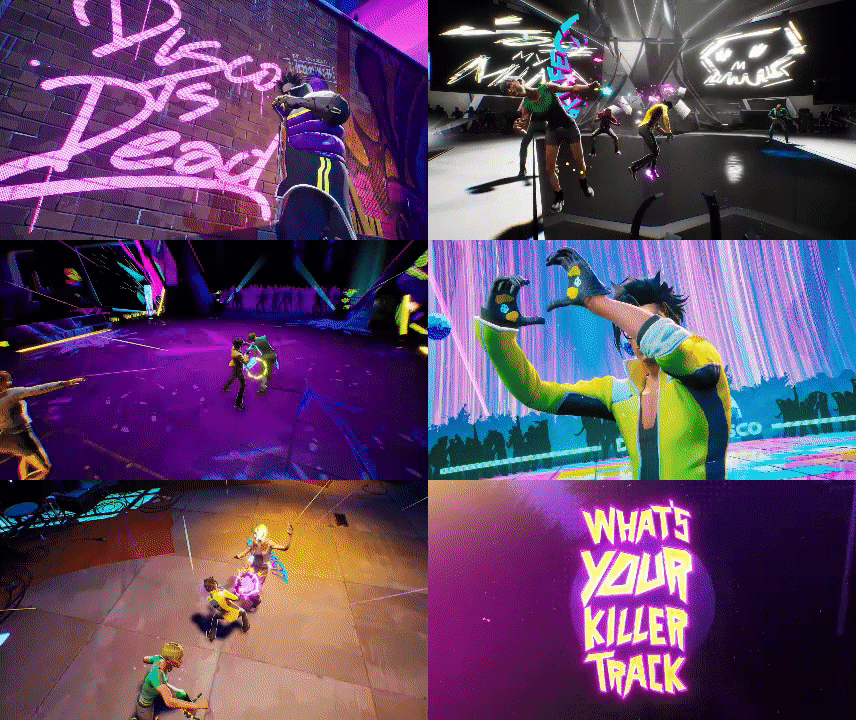
Dead as Disco is a rhythmic action game fueled by the Rule of Cool, This Beat-‘Em-Up Wants You To Fight Like Batman And Move Like A Rock Star
Dead as Disco Gameplay Explained: How Beat Kune Do Combat Works
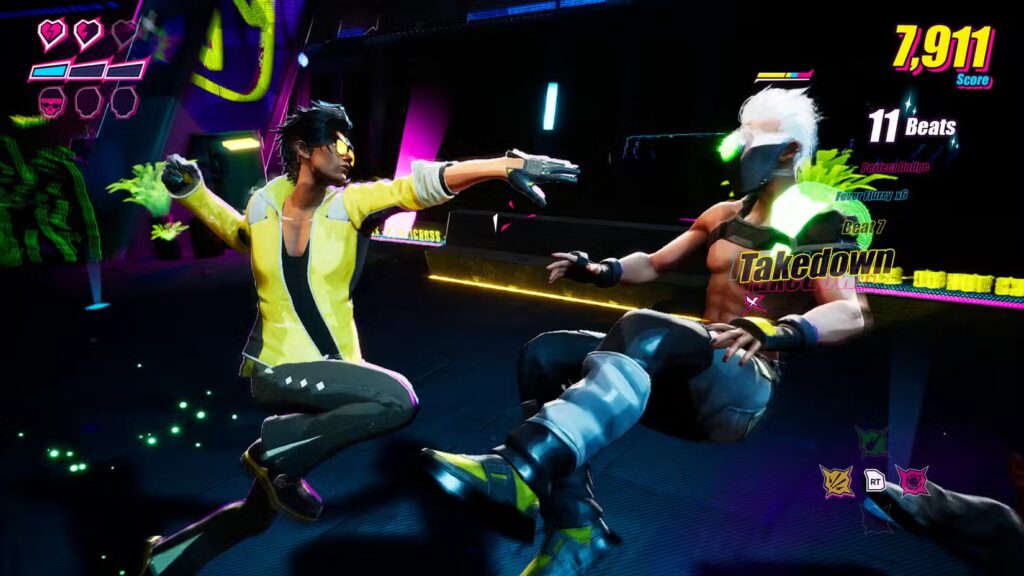
Dead as Disco introduces a combat philosophy known as Beat Kune Do, a system designed around rhythm, timing, and expressive movement rather than traditional button-mashing. At its core, gameplay blends martial arts-inspired combos with music-synced inputs, forcing players to stay in sync with the beat to maximize damage output and style scores.
Every attack, dodge, and counter is tied to an underlying rhythmic grid. Players are rewarded for chaining actions precisely on beat intervals, which unlocks enhanced animations and bonus multipliers. The system borrows the structural readability of fighting games but injects it with musical timing constraints, creating a hybrid that feels both technical and performative.
Enemies also respond dynamically to rhythm shifts, meaning combat encounters evolve based on how well the player maintains tempo. Missing beats reduces combo potential, while perfect timing escalates encounters into high-speed, cinematic sequences.
Why Dead as Disco Feels Like Batman Arkham Meets Hi-Fi Rush
Dead as Disco draws clear inspiration from two major design philosophies: the counter-based fluidity of the Batman Arkham series and the rhythmic spectacle of modern music action games like Hi-Fi Rush.
From Arkham-style combat, it inherits readable enemy attacks, fluid counters, and multi-target engagement systems. From rhythm action design, it adopts beat-synced interactions, music-driven feedback loops, and synchronized visual effects.
The result is a hybrid system where combat is both reactive and performative. Players are not just surviving fights, they are performing them like choreographed routines, where timing defines both effectiveness and style ranking.
Dead as Disco Release Date, Platforms, and Early Access Details
Dead as Disco is currently positioned as an upcoming indie title expected to enter early access before a full release cycle. While a fixed launch date has not been universally confirmed, development roadmaps suggest a phased rollout strategy.
The game is planned for PC first, with potential expansion to major consoles depending on early access reception. Developers have emphasized iterative updates, meaning gameplay systems, music libraries, and combat mechanics will evolve significantly during the early access period.
Early adopters are expected to gain access to core combat systems, a limited set of levels, and a foundational soundtrack that will expand over time.
Everything We Know About Charlie Disco and the Idols
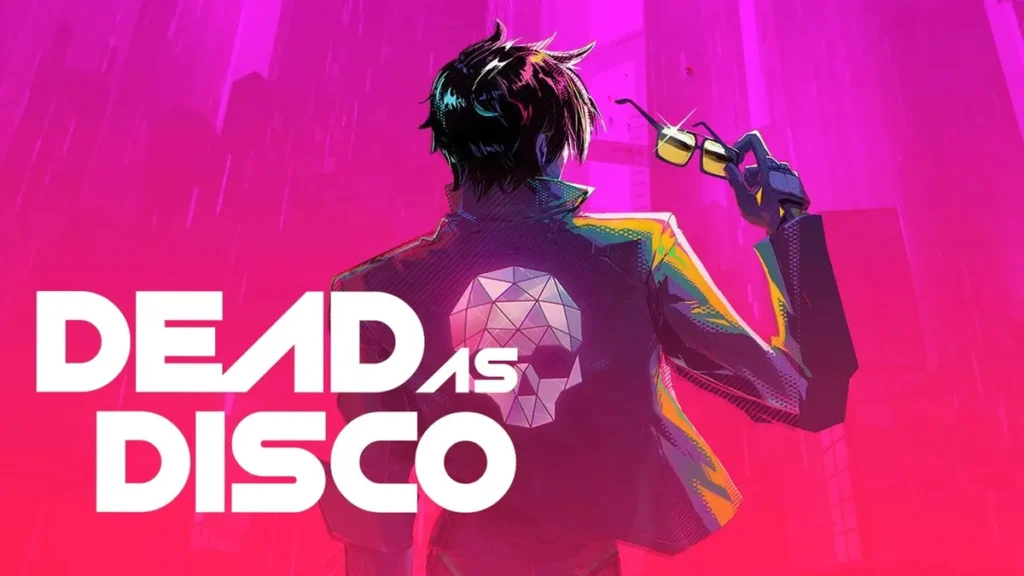
Charlie Disco serves as the central character and narrative anchor of Dead as Disco. Positioned as a rising performer in a stylized underground music-fighting scene, Charlie embodies the fusion of performer and combatant.
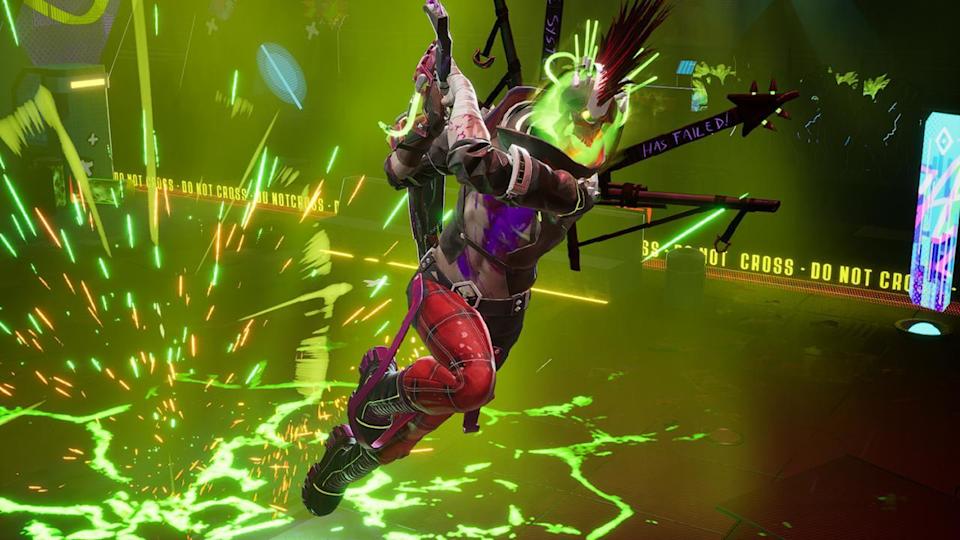
The “Idols” represent rival performers who double as elite combatants. Each Idol features a distinct fighting style tied to musical genres and personality archetypes. These characters function as both narrative antagonists and mechanical skill checks, forcing players to adapt rhythm strategies across different combat philosophies.
The narrative revolves around performance culture, identity, and the idea that combat itself is a form of expression.
Dead as Disco Soundtrack Features Original Music and Custom Songs
Music is not a background element in Dead as Disco, it is the structural foundation of gameplay. The soundtrack features original compositions designed specifically to align with combat pacing and encounter design.
Tracks are layered dynamically, shifting intensity based on player performance. Successful combos may introduce additional instrumentation, while mistakes can strip the music down to minimal percussion cues.
The game also explores support for custom song integration, allowing players to potentially import music tracks that adapt to combat scenarios, though this feature depends on technical implementation and licensing constraints.

How Rhythm-Based Combat Changes Every Fight in Dead as Disco
Rhythm-based combat fundamentally transforms how encounters are designed and experienced. Instead of static attack patterns, enemies operate on musical timing cycles.
This means every fight has a “beat identity,” where attack windows, defensive opportunities, and combo chains are synchronized to tempo structures. Players must learn not just enemy behavior, but enemy rhythm.
This system creates layered difficulty: mechanical execution is only one part of success, musical awareness becomes equally important.
Dead as Disco Boss Fights Ranked by Style and Difficulty
Boss encounters in Dead as Disco are structured as performance duels rather than traditional health-based battles. Each boss introduces unique rhythm mechanics, visual themes, and combat rules.
Bosses are typically ranked by two factors:
- Style complexity (visual and mechanical variety)
- Rhythm difficulty (tempo changes, syncopation, and unpredictability)
Higher-tier bosses often break standard rhythm patterns, forcing players to adapt in real time rather than rely on memorized combos. This elevates fights into dynamic performance showcases.
Can You Use Your Own Music in Dead as Disco?
One of the most frequently discussed features is the possibility of custom music support. While the core experience is tightly designed around curated tracks, developers have explored systems that could analyze external audio and map it into gameplay rhythms.
If implemented, this feature would allow players to fight within their own music libraries, transforming personal playlists into interactive combat arenas. However, integration complexity and licensing considerations may affect full availability.

Dead as Disco Combat Tips for Better Combos and Higher Scores
Mastering Dead as Disco requires more than reflexes, it demands rhythmic discipline. Key strategies include:
- Maintaining consistent timing rather than rushing inputs
- Learning enemy beat patterns before prioritizing damage
- Using dodge windows as rhythm resets rather than panic responses
- Building combos around musical phrasing instead of raw speed
- Prioritizing style multipliers over raw attack output
High scores are awarded for sustained rhythm accuracy, not just damage efficiency, meaning control is more valuable than aggression.
Why Dead as Disco is One of the Most Anticipated Indie Games of 2026
Dead as Disco has generated significant anticipation due to its unique fusion of gameplay systems rarely seen in mainstream titles. By combining rhythm mechanics, stylish combat, and expressive visual storytelling, it positions itself within a growing niche of “performance action games.”
Its emphasis on identity, music, and kinetic gameplay resonates with audiences seeking alternatives to traditional combat systems. The game’s evolving early access structure also contributes to ongoing community interest.
Dead as Disco Visual Style Explained: Neon, Comic Books, and Music Videos
The visual identity of Dead as Disco is built on three core influences: neon cyber aesthetics, comic book framing, and music video choreography.
Environments are saturated with dynamic lighting, reactive color shifts, and stylized motion effects that respond to beat intensity. Characters are designed with exaggerated silhouettes and expressive animations that emphasize movement clarity.
The result is a world that feels constantly in motion, as if every frame is part of a live performance.
Dead as Disco vs Hi-Fi Rush: Which Rhythm Action Game Does it Better?
Comparisons to Hi-Fi Rush are inevitable due to shared rhythm-action foundations, but Dead as Disco differentiates itself through its combat philosophy.
While Hi-Fi Rush emphasizes accessibility and structured rhythm execution, Dead as Disco leans into expressive combat improvisation and style-driven systems.
Dead as Disco prioritizes:
- Deeper combo customization
- More aggressive melee combat focus
- Greater emphasis on performance scoring variability
Both games excel in different design philosophies, making direct comparison more about preference than superiority.
How Dead as Disco Turns Every Battle into a Choreographed Music Video
Each encounter in Dead as Disco is designed to feel like a staged performance. Enemy movements, player actions, and environmental effects are synchronized to musical progression.
As players build combos, the camera dynamically shifts, lighting intensifies, and animations become more elaborate. This transforms combat into a cinematic sequence where gameplay and presentation merge seamlessly.
The goal is to make every fight feel like a choreographed music video rather than a conventional battle.
Dead as Disco Early Access Content, Features, and Roadmap
Early access builds of Dead as Disco are expected to include:
- Core combat systems (Beat Kune Do framework)
- A selection of playable levels
- Multiple Idol boss encounters
- A foundational soundtrack set
- Progression and scoring systems
Future roadmap plans likely include expanded story content, additional musical genres, refined combat mechanics, and potential multiplayer or challenge modes depending on development direction.
Best Features in Dead as Disco that Make the Game Stand Out
Dead as Disco stands out due to several key features:
- Fully rhythm-integrated melee combat system
- Performance-based scoring tied to musical accuracy
- Stylized visual presentation inspired by live performance media
- Adaptive soundtrack that responds to gameplay execution
- Boss fights designed as musical duels rather than standard encounters
These systems combine to create a gameplay loop centered on expression, timing, and style.
Frequently Asked Questions (FAQs)
- What type of game is Dead as Disco?
It is a rhythm-based action beat-em-up that combines combat mechanics with musical timing systems. - Is Dead as Disco single-player or multiplayer?
It is primarily designed as a single-player experience focused on performance combat. - Do you need rhythm game experience to play?
No, but rhythm awareness significantly improves performance and scoring. - What platforms will Dead as Disco release on?
It is expected to launch on PC first, with possible console releases later. - Is combat always tied to music?
Yes, all combat actions are synchronized with underlying rhythmic structures. - Can you play without following the beat?
You can, but performance, damage output, and scoring will be heavily reduced. - Does Dead as Disco have difficulty settings?
Expected to include adjustable difficulty and rhythm tolerance settings. - Are boss fights different from normal combat?
Yes, boss fights function as structured rhythm duels with unique mechanics. - Will there be updates after release?
Yes, especially during early access, with expanded content and features. - What makes Dead as Disco different from other rhythm games?
Its deep melee combat system and performance-driven style mechanics set it apart.
Conclusion
Dead as Disco represents a fusion of rhythm action, cinematic combat, and expressive performance design. By merging Arkham-style combat responsiveness with music-driven gameplay systems, it creates a distinctive experience where every fight becomes a choreographed act of timing and style. Its emphasis on identity, rhythm mastery, and visual spectacle positions it as a standout entry in the evolving landscape of indie action games.
Sources and Citations
- Official developer announcements and early access previews for launch timing, release-window context, early build access, platform availability, developer notes, and official update framing: Steam Early Access, Xbox Wire, PlayStation Blog, Nintendo News, and Epic Games Store News.
- Community gameplay showcases and rhythm-action genre analysis for player impressions, hands-on footage, livestream reactions, genre comparisons, performance feedback, and community discussion: YouTube Gameplay Showcases, Twitch Rhythm Games, r/rhythmgames, and r/Games.
- Comparative design studies of rhythm-based action games for genre structure, timing-window design, combat-rhythm integration, player feedback systems, music-driven mechanics, and academic or developer-facing analysis: Game Developer, GDC Vault, DiGRA Digital Library, and Google Scholar.
- Early gameplay demonstrations and trailer breakdowns for preview footage, mechanic explanations, visual analysis, combat pacing, music synchronization examples, and official or media-published gameplay coverage: IGN, GameSpot Videos, YouTube Trailer Breakdowns, PlayStation, Xbox, and Nintendo.
- Industry discussions on combat design and musical synchronization systems for developer talks, combat timing analysis, adaptive music systems, interactive audio middleware, beat-matching mechanics, and music-driven gameplay implementation: GDC, GDC Vault, Game Developer Combat Design, Game Developer Game Audio, FMOD, and Audiokinetic Wwise.
Recommendations
- Classic Arcade Shoot ’Em Up Series Truxton Gets First New Entry in 34 Years With Truxton Extreme
- Oscars 2026: Everything You Should Know (98th Academy Awards Date, Host, Nominees, and How to Watch)
- The Future of 3D Modeling: Insights on AI AdvancementsThe Future of 3D Modeling: Insights on AI Advancements
- The Eternal Life of Goldman Official Game Pass Trailer: Everything Revealed at Xbox Partner Preview Showcase 2026
- Devil May Cry Vergil: Complete Guide to Dante’s Iconic Rival, Powers, and Storyline
- Assassin’s Creed Hexe will be a “darker” installment “set during a pivotal moment in history” — what Ubisoft has revealed so far
- Street Fighter Movie New Trailer Breakdown: Every Major Game Reference Spotted
- How to Make a 3D VTuber Avatar: The Complete Guide for Beginners and Content Creators
- Best New FREE Blender Addons in 2026: Must-Have Blender Extensions for Blender 4.2 LTS+
- Hell Let Loose: Vietnam Preview — No Hand-Holding in This Hardcore 50v50 Milsim (Helicopters, Tunnels, Boats, Beta Details)