










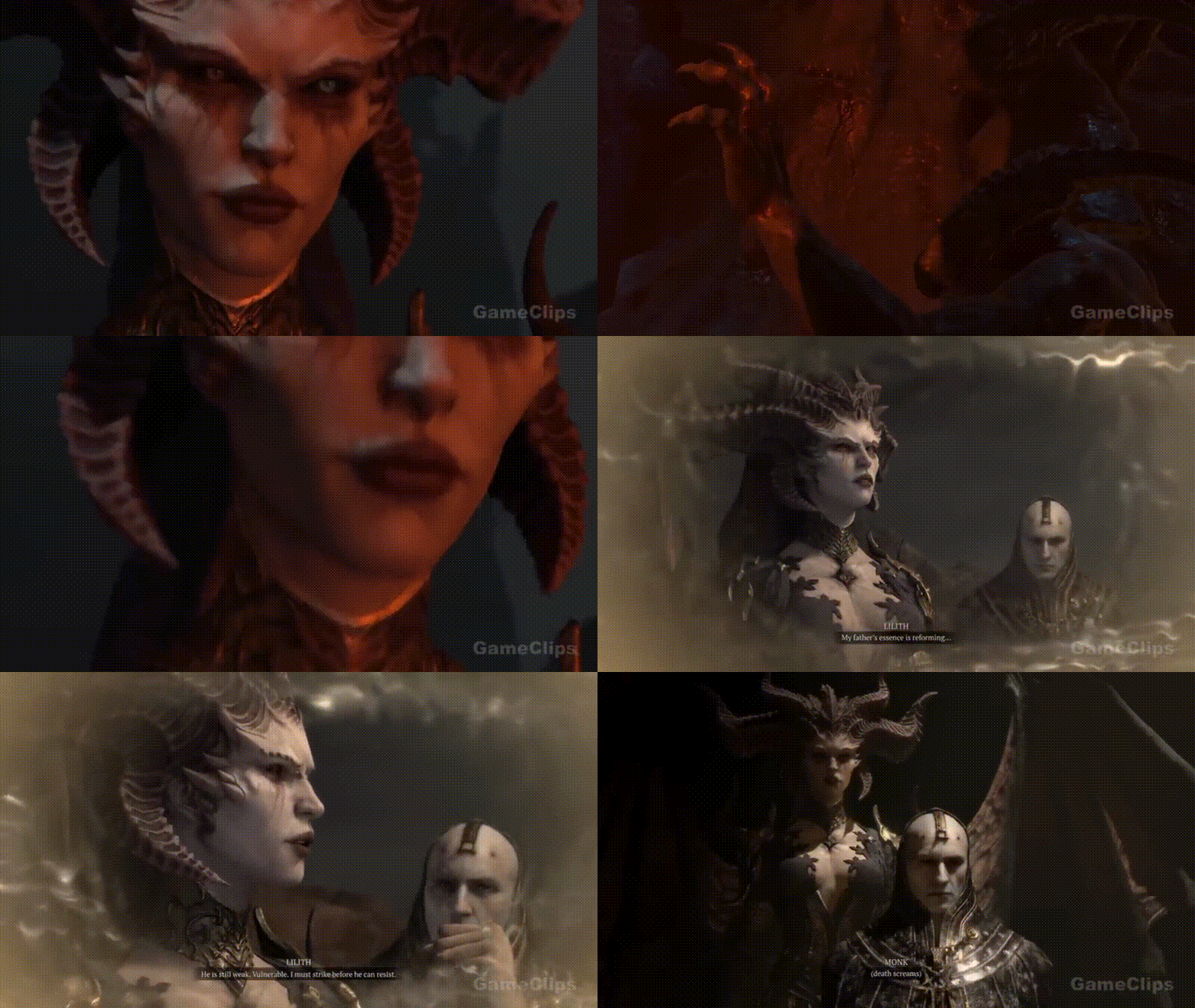
Diablo 4’s Evil Mommy Lilith Sure Seems A Lot Less, Well, Evil Now in Lord of Hatred, and that shift is not accidental. Blizzard has positioned Lord of Hatred as the climactic chapter of the Mephisto-Lilith “Age of Hatred” storyline, with the expansion scheduled to launch on April 28, 2026. As of April 17, 2026, the expansion has not released yet, so the clearest reading of its story comes from Blizzard’s official campaign summary, class reveals, spotlight materials, and developer interviews ahead of launch.
What those sources show is a major reversal in Diablo 4’s emotional framing. Lilith is no longer being sold as the central force players must stop. Instead, Mephisto is now the fully emergent Prime Evil, spreading corruption toward Skovos, while Blizzard’s own expansion page says that in Sanctuary’s darkest hour, Lilith is “the only way” to reach the new beacon of hope. That does not make her good, but it does make her newly necessary.
Diablo 4 Lord of Hatred Lilith cinematic explained
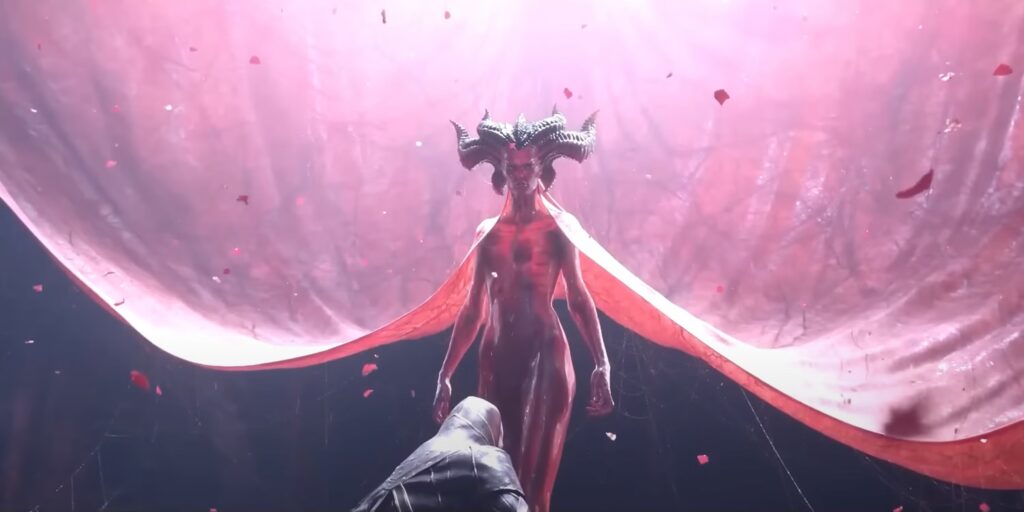
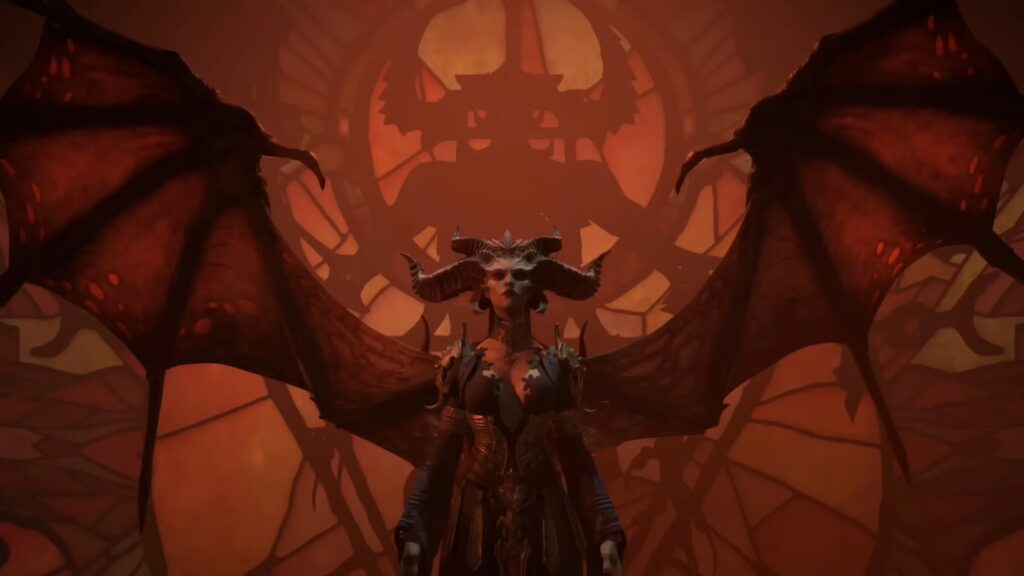
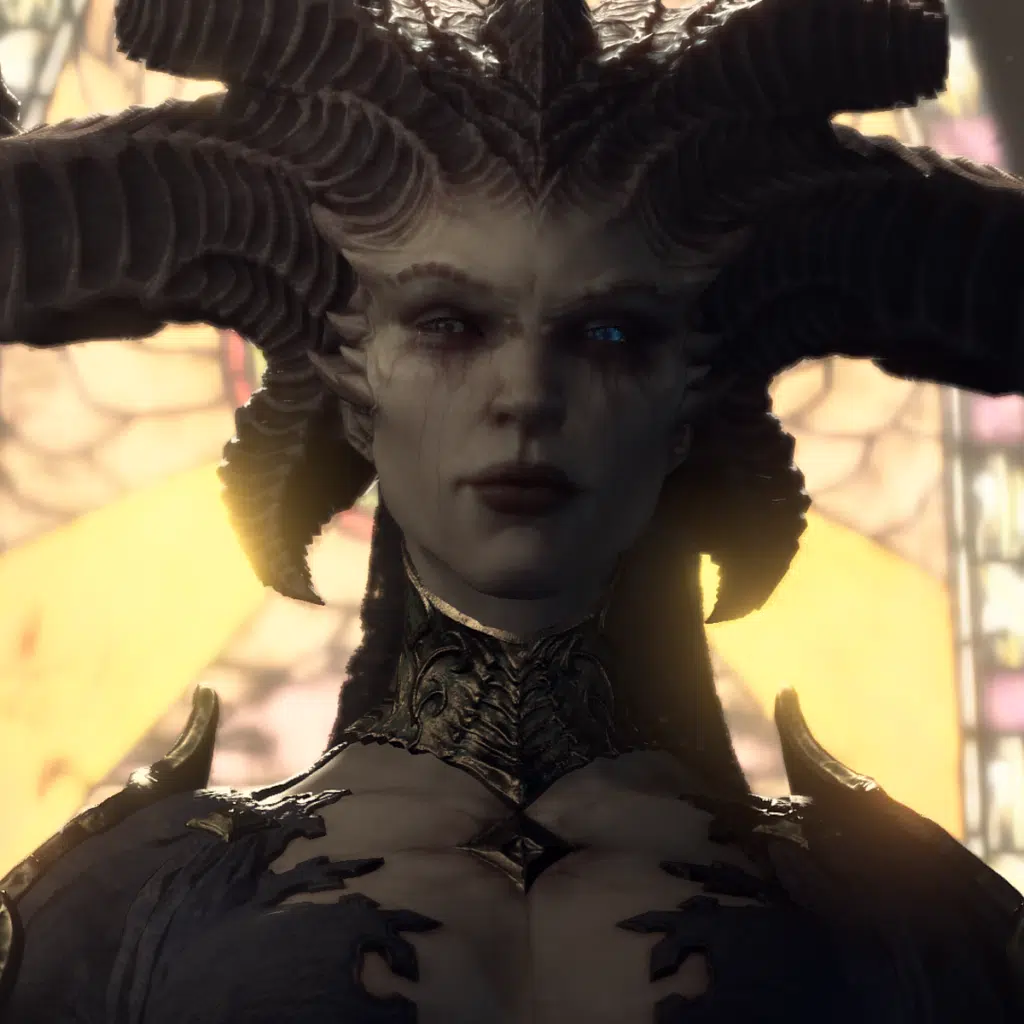
The newly revealed Lilith cutscene is short, but it does a lot of narrative work. In the scene described by GameSpot from IGN First’s footage, the player character, shown as a Paladin, falls into a dark, apparently endless chasm while Mephisto flashes in and out of view. Lilith’s voice speaks over the fall, then she descends, wraps the character in her wings, takes their hand, and says one word: “Fight.”
That sequence matters because it changes the visual language around Lilith. In the base game, she was associated with seduction, manipulation, blood rites, and a plan to force Sanctuary into her vision of survival. In this Lord of Hatred scene, Blizzard and its preview partners frame her as a rescuer, a guide, or at minimum a stabilizing force pulling the Wanderer away from Mephisto’s abyss. Even if that image is only temporary or tactical, it is a deliberate inversion of how Diablo 4 first taught players to read her.
Is Lilith returning in Diablo 4 Lord of Hatred
Yes, Lilith is returning in Lord of Hatred, and Blizzard has been explicit about that in both official campaign material and developer interviews. The official expansion page says that although Lilith was defeated, her legacy endures, and that she is now central to the coming fight against Mephisto. Narrative designers Matt Burns and Eleni Rivera also confirmed that bringing her back was always part of the larger plan for this saga, with Burns saying Blizzard had wanted to return to her and find the right moment for that payoff.
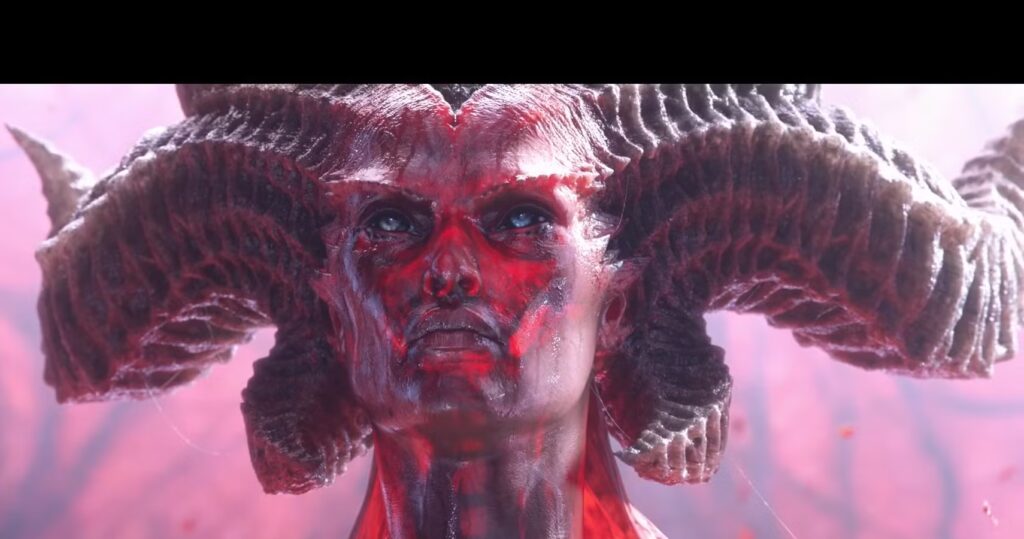
Why Lilith seems less evil in Diablo 4 now
Lilith seems less evil now because the story’s perspective has shifted, not because Blizzard has rewritten her into a saint. In the base game, the player hunted Lilith while Mephisto occupied the more ambiguous role of dangerous helper. In Lord of Hatred, Mephisto is finally the open, full-force antagonist, while Lilith occupies the morally gray “enemy of my enemy” space. That change alone makes her look calmer, more useful, and less overtly monstrous.
Blizzard’s writers have also been careful to keep her complexity intact. Rivera said players get to see Lilith “in a new way,” but also stressed that Lilith is still a demon with her own motivations and her own idea of what she wants the world to be. In other words, Lord of Hatred is not softening Lilith into a conventional hero. It is reframing her as a character whose goals overlap with the player’s only because Mephisto has become the bigger immediate catastrophe.
Lilith vs Mephisto in Diablo 4 Lord of Hatred story
The core conflict in Lord of Hatred is no longer Lilith versus Sanctuary. It is Lilith, the Wanderer, and their uneasy allies against Mephisto, the Lord of Hatred, who is now moving across Sanctuary under the guise of Akarat and gathering followers to carry out his plan. Blizzard’s official summaries repeatedly describe the expansion as the final reckoning against Mephisto, with Skovos becoming the stage for that showdown.
That makes the father-daughter dynamic central. Lilith’s relationship to Mephisto has always defined part of her character, but Lord of Hatred appears to turn that bloodline into direct story fuel. Burns said the saga has always been about Mephisto’s plans for Sanctuary culminating in a final confrontation, while Rivera emphasized the family theme running through Mephisto, Lilith, Inarius, and humanity itself. So Lilith versus Mephisto is not just spectacle; it is the emotional center of the trilogy Blizzard has been building since Diablo 4 launched.
What Lilith’s “Fight” line means in Diablo 4
Lilith’s single-word command, “Fight,” works on two levels. On the surface, it is a literal instruction to resist Mephisto and keep moving toward the reckoning in Skovos. In that reading, Lilith is acting like a battlefield catalyst, snapping the Wanderer back into action at the moment of maximum collapse.
On a deeper level, the line reads like the simplest possible mission statement for Lord of Hatred’s new Lilith dynamic. She is not offering comfort, repentance, or an apology. She is offering purpose. That is consistent with Burns’ explanation that her presence within the Wanderer becomes key to figuring out how to stop Mephisto. So “Fight” is best understood not as redemption, but as alignment: Lilith and the player are now pointed at the same target, even if their reasons are not identical. That second sentence is an inference from Blizzard’s stated setup rather than a directly confirmed plot twist.

Diablo 4 Lilith blood petals explained and why she’s “inside” the player
The reason Lilith can return to the Wanderer in Lord of Hatred goes back to the base game’s blood petals. Burns explained that players were fed Lilith’s blood petals in Diablo 4, meaning some part of her has been with the player character the entire time. Even after her defeat in Hell, he said, “something of her” remained inside the Wanderer as a slumbering presence.
That is why fans keep saying Lilith is “inside” the player. It is not just metaphorical fandom language; it is how Blizzard’s own narrative team is describing the setup. The Wanderer is effectively carrying a residual Lilith connection, and Lord of Hatred turns that lingering bond into a central plot device. The official expansion page reinforces that logic by saying Lilith is the only way to reach the hope Sanctuary still has against Mephisto.
Can you choose dialogue options with Lilith in Lord of Hatred
Yes, Blizzard has confirmed that Lord of Hatred includes dialogue options when speaking with Lilith. Burns said the team wanted to reflect the fact that players have very different feelings about her, including whether they thought she was right, wrong, or even worth joining.
The important limitation is that these choices are not being presented as full branching story paths. Burns clarified that Lord of Hatred remains structurally in line with the base game and Vessel of Hatred: dialogue choices are there to give flavor, expression, and different responses, not to split the campaign into radically different routes. So yes, you can answer Lilith differently, but no, Blizzard has not promised alternate campaigns or endings built around those responses.
Diablo 4 Paladin class details in Lord of Hatred
The Paladin is Lord of Hatred’s holy counterpart to the darkness overtaking Sanctuary, and unlike the Warlock, it is already playable via pre-purchase. Blizzard describes Diablo 4’s Paladin as a member of the Wardens of Light, a new order formed to avoid the corruption of older institutions such as the Zakarum hierarchy. The class is built around sword-and-shield combat, Holy Light abilities, a new flail weapon type, Auras, and a class identity shaped by Oaths.
Mechanically, Blizzard has pitched the Paladin as broad rather than narrow. Official previews highlight fast melee pressure through Zeal, ricocheting control with Blessed Shield, iconic Blessed Hammer gameplay, heavenly movement tools like Divine Lance and Advance, and major transformations such as Arbiter of Justice. On top of that, the Oath system breaks Paladin play into styles like Zealot, Juggernaut, Judicator, and Disciple, which helps explain why Blizzard is marketing the class as a flexible frontline and support-capable holy warrior instead of a nostalgia-only callback.
Diablo 4 Warlock class details in Lord of Hatred
The Warlock is the second new class in Lord of Hatred and launches with the expansion on April 28, 2026. Blizzard frames the class as a demonologist who does not serve Hell but weaponizes it, tearing open the veil between worlds and forcing demonic powers into service against Sanctuary’s enemies. In lore terms, the Warlock traces back to forbidden Vizjerei demon-summoning traditions, which makes the class feel like a deliberate anti-Paladin mirror.
In gameplay terms, the Warlock is built around dual resources, Wrath and Dominance, plus a Soul Shard class mechanic that shapes your playstyle. Blizzard’s official deep dive describes archetypes such as Legions, Vanguards, Masterminds, and Ritualists, meaning the Warlock is not just “the summoner class” in a narrow sense. It can flood the field with demons, become a frontline terror, control space through shadowcraft, or lean into ritual and doom effects. That breadth is one reason the class looks like a major systemic addition, not just a lore-themed reskin of Necromancer.
Diablo 4 skill tree rework in Lord of Hatred (passives removed)
Lord of Hatred is set to overhaul hero progression across the whole game. Blizzard’s official preview materials say all players will receive a massively expanded skill tree system with deeper customization, reworked choices, new skill variants for every class, level-cap increases, and a loot filter. The official example uses the Sorcerer’s Hydra, which can now be tuned for attack speed, explosions, area burning, or even transformed into a Frost Hydra, showing that Blizzard wants the trees to change how skills function instead of merely pushing raw percentages upward.
The “passives removed” part comes from reporting on Blizzard’s February 2026 Sanctuary Sitdown, where GameSpot said passive skill nodes were being removed so skill trees could focus more on customization than flat power spikes. That same report said overall power would lean more heavily on gear, Legendary aspects, Paragon progression, and the new skill options. Because Blizzard’s own official articles emphasize the expanded variants and reworked choices more than the exact final node layout, the safest summary is this: Lord of Hatred is moving Diablo 4’s skill trees away from passive checkbox power and toward more transformational buildcraft.
Horadric Cube return in Diablo 4 Lord of Hatred
The Horadric Cube returns in Lord of Hatred as a campaign-unlocked system tied to endgame item shaping. Blizzard says that once you unlock it, you can use it to combine rare materials and add or remove item properties. Their official example is that the Cube can transmute a random affix onto Common, Magic, Rare, or Legendary items, upgrade item rarity as it goes, or reverse the process and strip unwanted affixes. Blizzard even says it can upgrade a common item into a Unique of the same type, which signals a much more aggressive crafting philosophy than Diablo 4 has typically used.

War Plans endgame system in Diablo 4 Lord of Hatred
War Plans is Blizzard’s answer to the question of what players should do after the campaign, and it looks like one of Lord of Hatred’s biggest endgame systems. Officially, War Plans lets players build a playlist of up to five activities pulled from modes such as The Pit, Infernal Hordes, Helltides, Nightmare Dungeons, Lair Bosses, and Kurast Undercity. Blizzard also says players can customize each activity tree, inject modifiers, and push toward stronger rewards, making the system less like a single mode and more like an endgame routing layer across the whole game.
12 Torment difficulty tiers in Diablo 4 Lord of Hatred
Lord of Hatred is also set to raise Diablo 4’s Torment ladder from four tiers to 12. That information has come through developer interviews reported by GameSpot and PC Gamer, which describe Blizzard’s goal as making progression more granular so the rest of the game world stays relevant as characters get stronger. In Blizzard’s framing to PC Gamer, Torment is supposed to feel more like a progression floor that you steadily raise, rather than a handful of giant jumps.
The practical takeaway is that Torment 12 is being presented as aspirational, not mandatory. PC Gamer reported Blizzard saying the highest tier is meant to be extremely hard and not necessary for enjoying the game, while GameSpot noted that the change is tied to stronger reward scaling and the need for tools like the new loot filter. So if Lord of Hatred sticks the landing, the 12-tier system should extend meaningful gearing and world difficulty rather than simply inflate numbers for the sake of spectacle.
Did Diablo 4 ever let you side with Lilith in the campaign
No, Diablo 4 did not let you truly side with Lilith in the base campaign. Blizzard’s current official summary of the saga is straightforward: Lilith was defeated, and Lord of Hatred begins from the aftermath of that defeat while Mephisto’s influence spreads.
What did happen is that the base game encouraged players to question whether Lilith’s analysis of Sanctuary had some truth in it. That ambiguity is exactly why Blizzard is now adding dialogue options in Lord of Hatred. But Burns also said Lord of Hatred’s dialogue choices are still not full branching paths, which reflects the broader Diablo 4 storytelling model: players can express a stance on Lilith, yet the campaign itself remains authored and linear rather than a route where you formally join her faction.
Diablo 4 The Lost Horadrim prequel novel and what it sets up
The Lost Horadrim is the official prequel novel to Lord of Hatred, written by Matthew J. Kirby and listed by Penguin Random House as releasing on April 21, 2026. Its official description says the story sends the Horadrim to the Skovos Isles to uncover the fate of a lost expedition and a hidden vault, while an undead creature and local unrest threaten the Amazons. The novel centers on Lorath and Captain Adreona, who are forced into an uneasy alliance.
What that sets up is important. Lord of Hatred is not just dropping players into Skovos as a fresh map biome; Blizzard is clearly trying to anchor the region in Horadrim history, Amazon politics, and Lorath’s personal past before the expansion launches. GameSpot’s reporting on Blizzard’s Skovos discussions also points to Lorath’s deep connection to the region, which makes the novel feel less like optional merchandise and more like narrative scaffolding for the expansion’s setting and character drama.
Frequently Asked Questions (FAQs)
- Is Lilith the main villain of Lord of Hatred?
No. Everything Blizzard has shown points to Mephisto as the primary antagonist, with Lilith returning as a necessary but deeply uneasy ally or presence connected to the Wanderer. - Is Lilith really back, or is she just a memory?
Blizzard’s writers describe her as a real presence that has lived on within the player since the blood petals, and the new cinematic shows her actively intervening. - What does Lilith saying “Fight” suggest?
It suggests resistance, urgency, and temporary alignment against Mephisto rather than a full moral redemption arc for Lilith. - Can Lord of Hatred players romance Lilith?
Blizzard has confirmed dialogue options with Lilith, but not romance paths or branching relationship systems. - Is the Paladin available before the expansion launches?
Yes. Blizzard says pre-purchasing Lord of Hatred grants immediate access to the Paladin before the April 28, 2026 expansion launch. - When does the Warlock become playable in Diablo 4?
The Warlock becomes playable when Lord of Hatred launches on April 28, 2026. - Are the skill tree changes only for expansion owners?
No. Blizzard says the broad skill tree reworks, level-cap increases, and loot filter are major updates for all Diablo 4 players, though expansion owners get additional bonus skill variants and extra systems. - What does the Horadric Cube do in Lord of Hatred?
It is a new crafting system that can alter affixes, change item rarity, and help players reshape gear more aggressively than before. - Will every player need to reach Torment 12?
No. Blizzard’s messaging through developer interviews says Torment 12 is aspirational and intentionally extreme, not required for ordinary enjoyment of the game. - What is The Lost Horadrim actually about?
It is an official prequel novel about Lorath, Captain Adreona, a lost Horadrim expedition in Skovos, a hidden vault, political unrest, and a dangerous undead threat.
Conclusion
Lord of Hatred appears to be built around one big inversion: Lilith is no longer the face of the threat, but the face of the answer. That does not mean she has stopped being manipulative, dangerous, or demonic. It means Blizzard is using the player’s lingering bond with her to reframe the final act of Diablo 4’s first saga around Mephisto, Skovos, and a fight that is now bigger than the original war against the Blessed Mother.
So yes, Diablo 4’s Evil Mommy Lilith sure seems a lot less evil now. But the real story is not that Lilith has become good. It is that Lord of Hatred needs her to be indispensable. That is a far more interesting twist for Diablo than simple redemption, and based on Blizzard’s pre-launch material, it is the foundation the expansion is betting on.
Sources and Citations
- Official Blizzard recap of the Diablo 30th Anniversary Spotlight detailing the Warlock class, Skovos region, system updates, and Lord of Hatred expansion features.
https://news.blizzard.com/en-gb/article/24243862/catch-up-on-the-diablo-30th-anniversary-spotlight - Official Diablo 30th Anniversary Spotlight livestream showcasing future updates for Diablo IV including the Lord of Hatred expansion.
https://www.youtube.com/watch?v=KnAsWN-6hvw - Recap of the Diablo 30th Anniversary Spotlight covering Skovos, endgame systems like War Plans and Echoing Hatred, and expansion features.
https://templeofgeek.com/diablo-30th-anniversary-spotlight-recap/ - GameSpot report discussing Diablo IV: Lord of Hatred narrative direction, characters like Lilith and Lorath, and expansion story context.
https://www.gamespot.com/articles/diablo-4-lord-of-hatred-brings-back-everyones-favorite-hot-mom-amazons-and-lorath/1100-6536976/ - Overview of Diablo IV: Lord of Hatred expansion including release date, new classes like Paladin and Warlock, and gameplay additions.
https://en.wikipedia.org/wiki/Diablo_IV%3A_Lord_of_Hatred - Breakdown of expansion systems including skill tree updates, new mechanics, Skovos region, and Horadric Cube crafting features.
https://mobalytics.gg/diablo-4/guides/30th-anniversary-summary - Narrative recap explaining Lilith, Mephisto, and story setup leading into the Lord of Hatred expansion.
https://www.windowscentral.com/gaming/lost-on-diablo-4s-story-this-recap-gets-you-ready-for-lord-of-hatred - Video coverage highlighting the new Lilith cinematic and its implications for Diablo IV’s expansion storyline.
https://www.youtube.com/watch?v=Og-tmJvpjVI
Recommended
- Goro Abe, the Director Behind WarioWare, Has Parted Ways with Nintendo After 25+ Years
- Fans Who Paid Up To $450 For Barbie Dream Fest Are Calling It a ‘Barbie Nightmare Fest’: Refunds, Reviews, and What Happened
- Cyberpunk 2077 Hair Mods: Top Custom Hairstyles, Installation Guides, and Community Favorites
- Toy Story 5 Trailer Teases Woody’s Big Return: Trailer Breakdown, Lilypad Villain, Cast & Release Date
- Sparseal Launched New 3D Texturing App For iPad: Wafer Brings Stylized PBR Texture Painting to iPad
- Sony Banned The Jesus Game Right Before Easter: Why “Jesus Simulator” Was Delisted From the PlayStation Store
- Dark Outlaw Games Founder Jason Blundell Appeared on Stream With JCbackfire to Decompress About the Unexpected Shift
- How do I create a POV shot with the Blender camera?
- Devil May Cry: Complete Guide to the Iconic Action Franchise, Characters, and Latest Updates
- Nipsey Hussle’s Braids: A Symbol of His Legacy