










In This Article (13 sections)
How Game Discovery Works in 2026 and Why It Has Become Harder
Game discovery is the full process through which a player becomes aware of a game, understands what it offers, decides whether it fits their interests, and eventually installs or purchases it. It is much broader than advertising and does not end when someone sees a trailer or visits a store page. Discovery usually develops through several encounters that gradually turn an unfamiliar title into a credible choice.
In 2026, that journey often begins away from the store where the purchase eventually happens. A player might first see a game in a TikTok clip, watch a longer YouTube video, notice friends discussing it in Discord, read Steam reviews, add it to a wishlist, and finally buy it during a discount. Research from Big Games Machine found that the average surveyed gamer used four to five different discovery channels, with YouTube, TikTok, Instagram, Facebook, and word of mouth all contributing to the process. That makes the final store visit only one part of a much longer sequence of exposure and validation.
Effective discovery serves several purposes at once. It creates awareness, explains gameplay, reduces uncertainty, establishes social proof, confirms platform compatibility, and eventually gives the player a reason to act. A short video may make someone curious, a creator review may explain whether the game is worth trying, a friend recommendation may build trust, and a wishlist notification may create the final purchasing opportunity. Measuring only the last click therefore gives an incomplete picture because the final conversion may depend on several earlier encounters.
Why Game Discovery Has Become Harder
Discovery has become more difficult because the number of available games has increased much faster than the amount of time players can spend evaluating them. SteamDB recorded more than 21,000 releases on Steam during 2025, compared with roughly 14,000 in 2023, and more than 16,500 games had already launched during 2026 by August 24. Every new title competes not only with other recent releases but also with discounted classics, subscription catalogs, live service games, major franchises, mobile titles, user generated experiences, and enormous back catalogs.
Players are also spread across multiple ecosystems. Someone may own strategy games on Steam, action games on PlayStation, platformers on Nintendo, and puzzle games on mobile. Each platform sees only part of that history, so recommendation systems can misinterpret incomplete data as a complete picture of a person’s interests. At the same time, store pages and social feeds expose players to thousands of capsules, clips, ratings, discounts, and recommendations, forcing them to decide which signals deserve attention.
The result is a paradox. Publishing has become easier and global distribution is more accessible, yet meaningful visibility remains scarce. A game can technically be available worldwide while still being almost invisible to the players most likely to enjoy it.
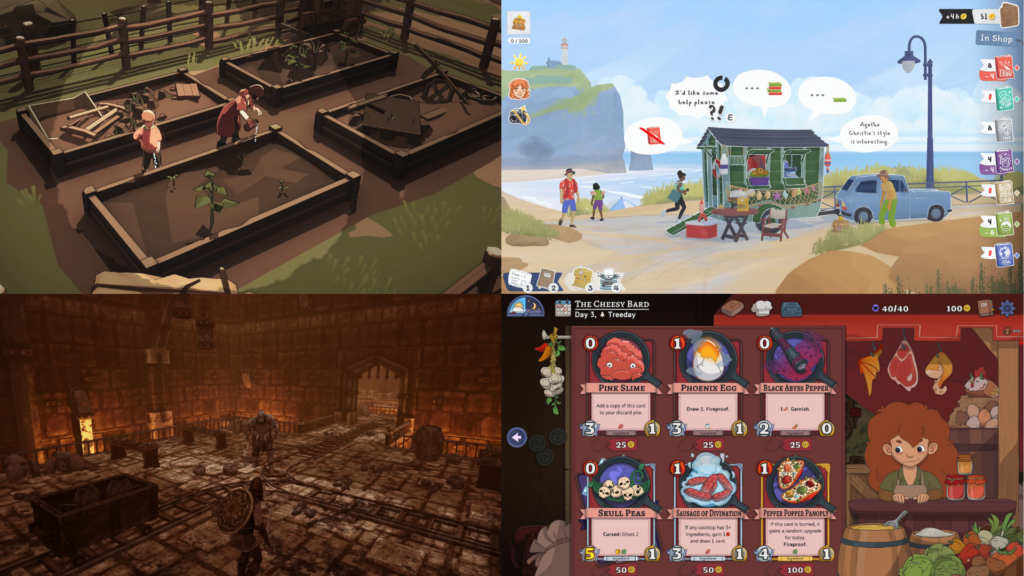
How Recommendation Algorithms, Steam Visibility, Wishlists, Reviews, and Player Activity Shape Game Discovery
Recommendation systems generally perform three related tasks: they identify possible games, estimate how relevant each one may be to a particular player, and rank those options according to the goals and restrictions of the platform. Candidate selection can draw from genres, themes, prices, languages, platforms, release dates, user generated tags, ownership history, playtime, reviews, purchases, follows, and other behavior.
Collaborative systems can also compare a player’s activity with users who have similar histories. Steam shows how strongly metadata can affect this process because developers are required to assign at least five tags and are encouraged to provide up to 20. Those tags influence browsing categories, similarity relationships, and where a title can appear, with specific tags often providing clearer information than broad labels.
Ranking systems then try to predict which candidates are most likely to interest each user. Steam says its personalized main capsule can consider owned games, played games, friends’ activity, top sellers, and other behavior, while purchases and actual play are especially valuable because they demonstrate genuine interest rather than passive exposure.
Social platforms use similar logic for videos. YouTube recommendations can be influenced by watch history, search history, subscriptions, likes, dislikes, and feedback such as Not interested, while TikTok’s For You feed also considers user interactions and gives strong weight to signals such as watching a video to completion. These systems are not neutral catalogs of the objectively best games. They are predictive tools built around incomplete data and platform goals such as purchases, engagement, retention, playtime, viewer satisfaction, or a mixture of several measurements.
Popularity Bias and Familiarity in Recommendations
This helps explain why recommendation systems frequently surface familiar or already popular games. Familiarity lowers predictive uncertainty, so if someone repeatedly plays tactical role playing games, recommending another established tactical RPG is safer than suggesting an unusual title outside their usual categories. Popular games also generate more reviews, purchases, searches, playtime, videos, and community discussion, giving algorithms more evidence to work with.
Academic research describes this tendency as popularity bias, where recommender systems disproportionately favor established items and reduce novelty, diversity, catalog coverage, and exposure for less visible games. Player behavior can strengthen the same effect, with Big Games Machine finding that 40 percent of surveyed gamers were most motivated to try a game when it belonged to a familiar franchise. Similarity itself is useful, but discovery becomes restrictive when past behavior is treated as the limit of future interests. A player who enjoys competitive shooters could still be interested in a building game, narrative mystery, or cooperative puzzle title in a different context, so effective recommendation needs to balance predictable relevance with opportunities for exploration.
Steam combines this personalized recommendation logic with launch exposure, purchases, player activity, tags, discounts, events, community features, and developer controlled visibility tools. When a game reaches full release, it enters the New Releases system and becomes eligible for the New Releases Queue. Valve says that queue gives priority to games that have received fewer views since launch while still filtering results according to user preferences, tags, and product type. Games can also appear through New and Trending, Top Sellers, genre and tag pages, Steam Curators, the Discovery Queue, discounts, friends’ activity, and other placements. Major updates can receive additional exposure through Update Visibility Rounds aimed at users who already own or have wishlisted the game.
Steam Visibility Signals and Launch Sequence
Several signals are often misunderstood. Purchases and actual play are important indicators of customer interest, while supported languages and accurate tags can affect which users are shown a game. Raw store page traffic is not itself used as a direct visibility factor, and conversion rate is not directly used as one either. Wishlists are also mostly excluded from general visibility calculations outside specific areas such as Popular Upcoming, but they remain important because they preserve a reachable audience. Players may receive notifications when a game launches, leaves Early Access, or receives a discount of at least 20 percent, allowing a large wishlist count to generate launch traffic and purchases that can then affect visibility indirectly through demonstrated demand.
Reviews help in a different way by reducing uncertainty for potential buyers. Players use them to understand technical problems, strengths, limitations, long term satisfaction, and whether a game matches expectations. Positive user reviews were among the factors identified by Big Games Machine as encouraging people to try a new title. Valve says review score is generally not a direct visibility factor while a game remains at Mixed or above, defined as at least 40 percent positive, but games that fall below that level into Mostly Negative are less likely to be featured. Purchases and play carry stronger direct weight because they show that people are actively choosing and using the game rather than merely viewing its store page.
A useful way to understand Steam visibility is as a sequence. Wishlists preserve early interest, reviews help reduce uncertainty, purchases and play demonstrate demand, and continued engagement, updates, creator coverage, and community activity can help maintain attention after launch. Even with these systems, games can still become buried if they launch beside major releases, receive weak early sales, use inaccurate tags, lack language support in important regions, or fail to communicate their appeal through store art and trailers. Steam can provide baseline exposure, but front page rows and recommendation slots remain limited, so no system can give prominent placement to every game released at the same time.
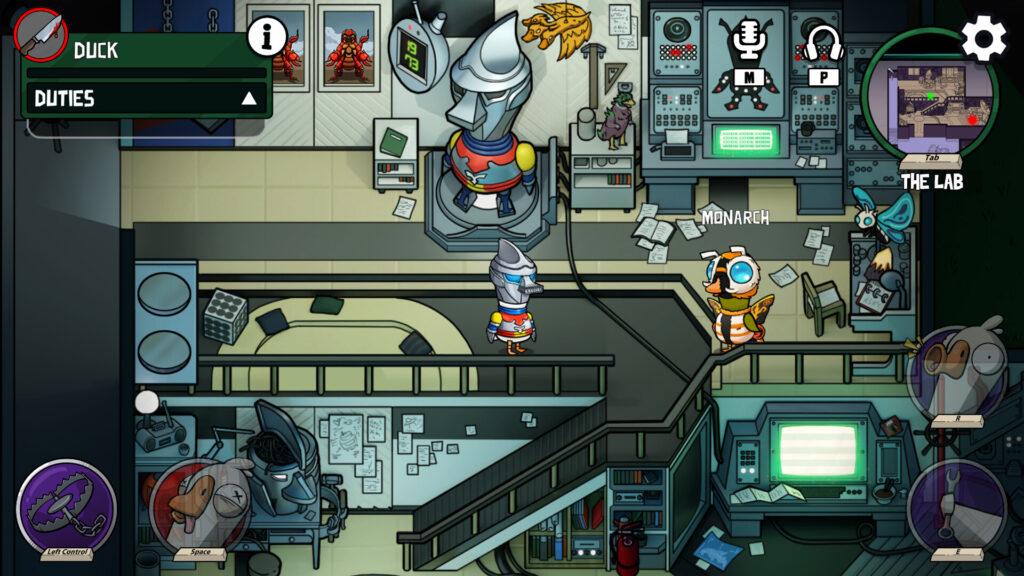
How Indie Games, Communities, Portable Gaming Identity, and Better Recommendations Improve Discovery
Indie games face a difficult discovery problem because they often launch without strong sales history, large player datasets, franchise recognition, creator coverage, or an established community. Algorithms therefore have less evidence about who might enjoy them, while players have fewer external signals showing whether an unfamiliar game is worth trying.
Large publishers can rely on recognizable intellectual property, advertising budgets, platform relationships, press access, creator partnerships, and existing audiences, while independent developers frequently have to build those advantages while also finishing the game. Steam’s enormous catalog makes this even harder because a new indie title competes not only with games releasing at the same time, but also with discounted classics, major releases, free to play ecosystems, live service games, and years of older content.
Originality can make this problem worse because familiar genres are easier for recommendation systems to classify through tags and historical player behavior. An unusual hybrid may have fewer obvious comparison points, giving algorithms less confidence about who should see it even when originality is one of its strongest qualities. One practical response is to create evidence before launch through demos, festivals, playtests, mailing lists, creator videos, social clips, clear store positioning, and repeated communication. Steam encourages developers to build an audience before release because many players need several encounters with a game before paying serious attention.
Short Video Platforms Expand Indie Discovery
Short video platforms such as TikTok, YouTube Shorts, and Instagram Reels have become especially useful because they can introduce unfamiliar games to people who do not already follow the developer. Big Games Machine found that 64 percent of surveyed PC and console players used YouTube for game discovery, while 36 percent used TikTok. TikTok was particularly important among players aged 18 to 24, with 58 percent using it for gaming information. Short video can communicate a distinctive mechanic, art style, unusual physics interaction, funny cooperative moment, dramatic failure, or satisfying combat animation within seconds, giving smaller creators and unknown games a chance to reach audiences beyond their existing followers.
That initial reach does not automatically translate into purchases. Someone may enjoy a short clip without remembering the game’s name, understanding what the full experience offers, or visiting its store page. Effective discovery therefore requires additional touchpoints such as longer creator videos, demos, wishlist prompts, community pages, or more detailed gameplay footage. Creators and communities become particularly important at this stage because they provide context and trust. Big Games Machine found YouTube to be the most trusted discovery source among respondents at 52 percent, while online advertising was the least trusted at 17 percent. Word of mouth also remained important, with roughly one third of respondents using it.
Creators can show how a game behaves during real play, including pacing, difficulty, complexity, technical problems, surprises, and unscripted moments that traditional advertising may not communicate. Communities can then answer specific questions about session length, cooperative support, controls, solo play, progression, or whether a player base remains active.
Twitch may be more useful for deepening awareness than introducing completely unknown games because many viewers arrive around familiar personalities, categories, or esports scenes, while Discord, Reddit, Steam communities, private groups, and friendship networks can provide more detailed context. Human recommendations are not automatically fair, however, because communities can reproduce hype, narrow preferences, sponsorship bias, fandom conflicts, and the same popularity concentration seen in algorithms. A stronger discovery model therefore combines algorithmic scale with the context supplied by creators, reviews, communities, and friends.
Portable Gaming Identity Across Platforms
Another limitation is that player identity is fragmented across different services. Steam may know someone’s PC strategy history, PlayStation may know their action adventure preferences, Nintendo may hold years of platforming activity, and a mobile store may contain an entirely different set of habits. No single platform automatically sees the full picture, which can weaken personalization. A service might classify someone mainly as a shooter player because shooters dominate the activity visible there even if that same person spends more total time playing simulation or role playing games elsewhere.
GAM3S.GG argues that gaming identity should be more portable so players can bring selected parts of their history into a wider recommendation system. Its GAMES.GG platform describes a cross platform model that combines linked gaming profiles, searchable game information, editorial content, community activity, and AI powered recommendations. Connected libraries, playtime, achievements, and stated preferences can provide a more complete picture of a player than any single storefront can offer.
This approach also recognizes that player preferences change depending on context. Someone may want a demanding horror game on one night and a relaxing building game on another, so permanent labels such as RPG fan or shooter fan cannot fully account for mood, available time, hardware, social setting, or current interests. A richer portable profile could include owned and completed games, achievements, playtime ranges, favorite mechanics, accessibility needs, disliked features, multiplayer habits, preferred session lengths, and direct feedback. Such portability should remain under the player’s control through clear permissions, revocable account connections, limited data collection, understandable settings, and the ability to exclude selected activity.
Better Recommendations Beyond Popularity Bias
GAM3S.GG’s broader approach combines recommendations with reviews, guides, news, deals, platform information, community activity, and curation, reflecting the idea that a recommendation score alone cannot answer every question needed before choosing a game. Discovery often develops through repeated encounters, and loyalty may form around creators and communities rather than fixed genres. The goal is therefore to predict what someone may enjoy next rather than simply reproducing their previous behavior.
Cross platform discovery still has limitations. It depends on account compatibility, data access, accurate metadata, catalog coverage, user consent, and responsible handling of personal activity. AI recommendations can also repeat popularity bias if their objectives and training data favor already successful titles. Popularity itself remains useful because it shows that many people have chosen or played something, but problems arise when it becomes a substitute for personal relevance. Systems optimized too heavily around immediate purchases or engagement naturally favor games with proven audiences because those titles generate more predictable results, while new, niche, or unconventional games create greater uncertainty.
This can create a reinforcing cycle where visibility produces interactions, interactions increase algorithmic confidence, and that confidence produces even more visibility. Games excluded early may then struggle to generate enough evidence to enter later recommendation stages. A better system could measure more than clicks and immediate revenue by considering whether players discovered genuinely new titles, completed meaningful first sessions, returned later, expressed satisfaction, explored outside their usual categories, or found games they would otherwise have missed. Platforms could also reserve part of their recommendation space for controlled exploration, combining highly probable matches with unfamiliar but plausible choices.
The goal is not to remove popular games from recommendations, but to prevent popularity from becoming the only reliable path to greater visibility. Better discovery would combine personalization, portable gaming identity, community knowledge, contextual recommendations, and deliberate exploration so that players can find games that genuinely fit them without being trapped inside endless variations of what they already know.

Frequently Asked Questions (FAQs)
- What does game discovery mean in 2026?
Game discovery is the full process through which players first hear about a game, learn what it offers, decide whether it suits their interests, and eventually choose to install or buy it. That process can include storefront recommendations, search results, short social videos, YouTube coverage, reviews, friends, communities, demos, subscription services, and wishlist notifications. Research suggests that most players use several of these channels together rather than relying on a single source. - Why is it difficult to find good games when so many are available?
The main problem is that the number of available games has grown much faster than the amount of time players have to evaluate them. More than 21,000 games were recorded as Steam releases in 2025, so every title competes for limited store placement, creator attention, community discussion, and player time. Large catalogs also force platforms to filter aggressively, which can make familiar or already popular games easier to surface than unknown titles. - Does Steam deliberately bury indie games?
Not in the sense of intentionally hiding them. Steam provides baseline launch visibility and uses personalized systems to match games with players who may be interested. However, limited front page space, heavy release competition, weak early purchasing activity, inaccurate tags, poor store presentation, or low external awareness can cause a game to lose visibility quickly. Unknown indie titles are especially vulnerable because they often begin without an established audience or strong sales history. - Do Steam wishlists directly improve algorithmic visibility?
Mostly no. Valve says wishlists are generally not used as a direct factor in Steam’s wider recommendation and visibility systems, although they do matter in specific areas such as Popular Upcoming. Their real value comes from notifications. Players who wishlist a game can be alerted when it launches or receives a qualifying discount, and the purchases generated from those notifications can then contribute to stronger visibility indirectly. - Do Steam review scores affect game discovery?
Steam says review scores generally do not change algorithmic visibility as long as a game remains rated Mixed or better. Once a title falls below 40 percent positive reviews and reaches Mostly Negative, it becomes less likely to receive certain forms of featuring. Even when reviews have limited direct algorithmic influence, they still matter greatly to players because they can reveal technical problems, strengths, content limits, and whether a game is worth buying. - Which platforms are most important for discovering games?
YouTube, TikTok, other social platforms, storefront recommendations, word of mouth, subscription libraries, creators, and gaming communities all play important roles. Big Games Machine’s survey placed YouTube first among its respondents, with TikTok, Instagram, Facebook, and word of mouth also contributing significantly. Different channels tend to serve different purposes, with short videos creating awareness and longer reviews, friends, or communities helping players decide whether to buy. - Why do algorithms keep showing the same games and franchises?
Popular and familiar games generate far more data through purchases, playtime, searches, views, reviews, and community activity. That gives recommendation systems greater confidence that similar users will respond positively to them. Recommender system research describes this tendency as popularity bias, where already successful titles can receive even more exposure while newer or less familiar games struggle to collect enough data to be recommended widely. - How is GAM3S.GG attempting to improve game discovery?
GAM3S.GG is pursuing a cross platform model that combines linked gaming profiles, recommendations, editorial content, game information, and community features. The idea is to understand a player using a broader view of their gaming history rather than relying only on activity from one storefront. This could help recommendations account for games played across several ecosystems instead of treating each platform as an isolated record. - Is a portable gaming identity safe?
It can be, but only if players keep meaningful control over what is collected and connected. Account links should be voluntary, easy to revoke, clearly explained, and limited to information needed for the service. Users should also be able to see what data has been imported, correct inaccurate preferences, disconnect platforms, and remove stored history rather than being permanently locked into a profile created by an algorithm. - How can players find hidden indie games in 2026?
Players can explore Steam’s Discovery Queue, tag pages, demos, Next Fest events, curator pages, itch.io, specialist YouTube channels, recommendation sites, creator collections, and genre focused Discord or Reddit communities. Following trusted niche creators and communities can expose games that large algorithms may overlook. Giving platforms direct feedback by ignoring irrelevant suggestions and engaging with genuinely interesting recommendations can also gradually improve future discovery results.

Conclusion
Game discovery in 2026 fails not because the industry lacks interesting games, but because attention, data, and trust are distributed unevenly. Thousands of titles enter digital stores while recommendation placements remain scarce. Players encounter games across storefronts, social feeds, creator channels, communities, reviews, and personal conversations, yet most measurement systems still attempt to identify one decisive source.
Steam demonstrates both the power and limitations of modern discovery. Tags, personalized queues, purchasing activity, play behavior, friends, events, discounts, and update rounds can connect games with suitable audiences. At the same time, release volume and early response signals make it difficult for unknown titles to generate momentum.
Social platforms expand the number of possible discovery moments, but a viral clip does not automatically create durable interest. Creators and communities remain essential because they provide interpretation, evidence, and trust. They show how a game actually feels instead of merely repeating promotional claims.
GAM3S.GG’s contribution to the debate is the argument that discovery should be cumulative, cross platform, identity aware, portable, and observational. A player is more complex than a genre label, and a storefront history represents only one part of that person’s gaming life.
The future will require systems that balance prediction with exploration, popularity with novelty, automation with human judgment, and personalization with privacy. The best discovery platform will not merely show players more games. It will reduce the distance between a game that deserves an audience and the person who would genuinely love playing it.
Sources and Citations
- 80 Level: Presents Eliza Crichton-Stuart’s GAM3S.GG perspective on cumulative discovery, player identity, creator influence and recommendation systems. Discusses repeated touchpoints, portable gaming profiles and social proof as ways to connect players with suitable games.
Citation: How Game Discovery Actually Works, And Fails, in 2026 - Valve Steamworks, Steam Visibility: Explains launch exposure, personalized recommendations and the importance of purchases and actual play. Clarifies how wishlists, store-page traffic, conversion rates and review scores do or do not influence algorithmic visibility.
Citation: Visibility on Steam - Valve Steamworks, Wishlists: Documents notifications for releases, Early Access transitions and qualifying discounts, alongside wishlist reminders and upcoming-game placements. Explains how wishlists indicate interest without providing a reliable formula for predicting sales.
Citation: Wishlists - Valve Steamworks, Steam Tags: Explains how tags support browsing, searches, recommendations and similar-game matching. Covers tag selection, weighting and the importance of a game’s top 20 tags in determining relevant storefront placements.
Citation: Steam Tags - Valve Steamworks, Update Visibility Rounds: Describes how developers can promote substantial updates, new features and downloadable content to owners and players who have wishlisted their games. Covers eligibility, the initial five-round allowance and homepage exposure lasting up to 30 days per round.
Citation: Update Visibility Rounds - SteamDB: Tracks annual Steam game releases and cumulative release totals, providing context for competition on the storefront. SteamDB is independent of Valve, and figures from its changing live database should include an access date.
Citation: Steam Game Release Summary by Year - Big Games Machine Survey Overview: Summarizes research into how US PC and console players discover games through video, social media, word of mouth, reviews and other channels. Highlights the use of multiple information sources and the importance of trust and franchise familiarity.
Citation: Consumer Survey: How Gamers Discover What to Play - Big Games Machine Full Survey Report: Provides the methodology and detailed findings from 1,009 US respondents surveyed in May 2024. Includes demographic comparisons, channel preferences and purchase motivations, with separate figures for subscription inclusion and user reviews.
Citation: How Gamers Discover What to Play in 2024 (PDF) - Newzoo 2026 PC and Console Report: Examines how player attention and spending are distributed across platforms, genres and franchises. Covers market concentration, the playtime available to new releases and opportunities for sustainable performance outside the top 20 games.
Citation: The PC & Console Gaming Report 2026 - Newzoo 2025 Market Analysis: Reviews full-year performance and explains how revenue concentrated around selected releases while engagement remained anchored in established live-service games. Discusses sustained play, post-launch support and differences between PC and console audiences.
Citation: The PC and Console Games Market in 2025: What Full-Year Performance Reveals - Newzoo Long-Tail Analysis: Explores the growing share of playtime captured by games outside the top 20 across PC, PlayStation and Xbox. Distinguishes broader engagement from revenue growth, showing that the commercial opportunities differ by platform.
Citation: The Biggest Games Still Dominate, but More Playtime and Revenue Are Moving Below the Top 20 - Newzoo June Rankings Analysis: Examines why established games remain difficult to displace from players’ routines. Separates persistent engagement leadership from the different routes through which new releases, subscriptions and ongoing updates can generate commercial success.
Citation: June Game Rankings: New Paths to Commercial Success - Academic Survey on Popularity Bias: Reviews why recommendation systems can give disproportionate exposure to popular items and limit discovery of lesser-known content. Covers causes, measurement and mitigation, but concerns recommender systems generally rather than providing direct evidence about Steam or GAMES.GG.
Citation: A Survey on Popularity Bias in Recommender Systems - GAMES.GG Official Website: The former GAM3S.GG address redirects to this current public site. It presents game-discovery content, reviews, guides and news, alongside the platform’s advertised unified profiles and personalized recommendations.
Citation: GAMES.GG Official Website - GAMES.GG About Page: Describes the platform’s mission, cross-platform identity features and AI-powered recommendations. These are the company’s own product descriptions and ambitions, not independent verification of recommendation accuracy or technical performance.
Citation: About GAMES.GG - GAMES.GG Game Catalogue: Provides a searchable collection of games with filters covering genres, platforms, development status and other characteristics. Supports discussion of the platform’s public discovery tools without relying on its inconsistent advertised catalogue totals.
Citation: Discover Games on GAMES.GG
Recommendations
- SAND: Raiders of Sophie Surpasses 200,000 Copies Sold in Just One Week
- Moonlight Peaks Inventory Upgrade Guide: How to Carry More Items
- Star Wars: Galactic Racer Shows Landspeeders in Action
- Riot Games Animation Techniques: A Comprehensive Guide to Workflow, Tools, and Stylistic Choices
- PlayStation Remains Silent on Social Media After Physical Games Announcement Sparks Backlash
- Dead By Daylight Jason The Slasher: Best Builds And Play Guide: Perks, Powers, Tips & Strategies
- What is the New Yakuza Prequel Stranger than Heaven About? Full Story Breakdown
- All 13 Christopher Nolan Movies Ranked from Worst to Best, Including the Odyssey
- GTA Online After GTA 6: What Strauss Zelnick Confirmed About Its Future
- New Spider-Man Filming Spotted in London



































































































