










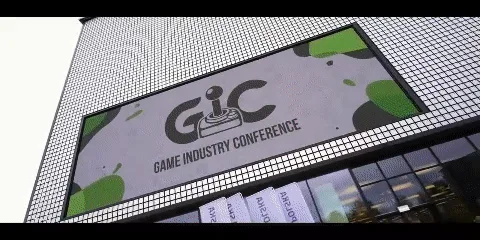
Recently, the business conference for game developers and publishers called “Game Industry” successfully unfolded in Minsk. Now it is gearing up for an event in Moscow, with just a month and a half remaining.
In This Article (19 sections)
Game Industry Conference Minsk 2026: Full Event Overview and Highlights
The Game Industry Conference in Minsk 2026 positioned itself as one of the most significant regional gatherings for game developers, publishers, investors, and technology providers within the CIS game development ecosystem. The event brought together a wide range of participants across the gaming value chain, including indie developers, mid-size studios, AAA publishers, outsourcing companies, and platform holders.
A major focus of the Minsk edition was the acceleration of collaboration between Eastern European and global game markets. The conference featured structured programming that emphasized business development, publishing partnerships, monetization strategies, and technological innovation in game production.
Key highlights included panel discussions on evolving monetization models, workshops on cross-platform publishing pipelines, and presentations on emerging development tools such as procedural content generation and AI-assisted game design workflows. The event also placed strong emphasis on funding opportunities for indie studios and early-stage startups.
Networking sessions were a cornerstone of the Minsk conference, enabling structured matchmaking between publishers and developers. This helped create actionable business outcomes rather than purely informational exchanges.
What Happened at the Game Industry Business Conference in Minsk
The Game Industry Business Conference in Minsk was designed as a hybrid between a trade show and a professional development forum. Over several days, participants engaged in structured business meetings, keynote speeches, and thematic discussions centered on the current state of the global gaming market.
One of the most discussed topics was the shifting landscape of game distribution. Developers and publishers analyzed the growing dominance of digital storefronts and subscription-based platforms, and how these changes are reshaping revenue expectations for studios of all sizes.
Another major focus was the increasing role of outsourcing and co-development partnerships. Many studios in attendance showcased their ability to support large-scale projects, including art production, QA testing, live operations, and backend development.
The Minsk conference also emphasized regional talent development. Educational institutions and training programs participated in discussions about how to prepare the next generation of game developers for a rapidly evolving industry.

Game Developers Conference in Minsk: Key Speakers and Industry Trends
The Game Developers Conference segment of the Minsk event featured a broad selection of speakers from across the gaming ecosystem, including executives from publishing companies, technical directors from development studios, and independent consultants specializing in game economy design.
Key industry trends highlighted during these sessions included:
- The rise of live service game models and long-term engagement strategies
- Increasing reliance on AI tools in asset creation and level design
- Expansion of cloud gaming infrastructure and its implications for development pipelines
- Growing importance of cross-platform compatibility across PC, console, and mobile ecosystems
Speakers also discussed the challenges of market saturation in certain genres, particularly competitive multiplayer games and mobile free-to-play titles. As a result, studios are increasingly focusing on niche innovation and hybrid gameplay experiences.
Another important topic was user acquisition cost inflation, which is pushing developers to rethink marketing strategies and invest more heavily in organic growth channels, community building, and influencer partnerships.
Indie Game Showcase at Game Industry Minsk Event Explained
The Indie Game Showcase at the Game Industry Minsk event served as a central attraction for independent developers seeking visibility and publishing deals. This segment allowed indie studios to present playable builds, trailers, and vertical slices of their projects to publishers, investors, and media representatives.
The showcase was structured to maximize exposure and feedback. Developers were given scheduled demo slots, allowing them to present their games in a controlled environment. This format ensured that publishers could evaluate multiple projects efficiently.
Common genres featured in the showcase included narrative-driven experiences, roguelike mechanics, strategy simulations, and experimental indie titles that explored unconventional gameplay systems.
Feedback sessions were particularly valuable, as publishers and experienced developers provided actionable insights on gameplay balance, monetization potential, and market positioning. Many indie teams used this opportunity to refine their pitch strategies for future funding rounds.

Game Industry Conference Moscow 2026: Dates, Location, and Expectations
The upcoming Game Industry Conference in Moscow 2026 is expected to build upon the momentum generated in Minsk. Scheduled to take place in the capital city, the event is positioned as a larger-scale edition with expanded international participation.
While final program details continue to be refined, expectations for the Moscow conference include a broader exhibition floor, increased publisher presence, and more extensive investor engagement sessions.
The Moscow edition is also expected to place stronger emphasis on global market integration, with sessions dedicated to publishing in North America, Europe, and Asia. Developers attending the event will likely gain access to more diverse partnership opportunities compared to the Minsk edition.
Additionally, the Moscow conference is anticipated to introduce more advanced matchmaking systems, enabling AI-assisted pairing between developers and publishers based on project profiles, genre specialization, and funding requirements.
Upcoming Game Industry Event in Moscow: What Developers Need to Know
Developers planning to attend the upcoming Moscow Game Industry event should prepare for a highly structured business environment focused on deal-making and strategic partnerships.
Key expectations include:
- Pre-scheduled business meetings with publishers and investors
- Live pitch sessions for indie and mid-sized studios
- Dedicated zones for technology demonstrations and engine showcases
- Workshops focused on scaling games globally and optimizing monetization
Participants are encouraged to prepare polished pitch decks, playable demos, and clear business models. Publishers attending the event are typically looking for projects that demonstrate both creative originality and commercial viability.
Networking remains a core component of the event, with evening sessions and informal gatherings designed to strengthen professional relationships established during formal meetings.
How the Game Industry Conference Connects Publishers and Developers
One of the core functions of the Game Industry Conference series is bridging the gap between developers and publishers. The conference is structured to facilitate meaningful connections that can lead to publishing agreements, funding opportunities, and co-development partnerships.
This is achieved through curated matchmaking systems that align developer projects with publisher interests. Factors such as genre focus, budget range, target platforms, and production stage are used to optimize pairing accuracy.
Publishers benefit by gaining early access to promising projects, while developers receive direct feedback and potential funding opportunities. This ecosystem-driven approach reduces inefficiencies commonly found in traditional outreach methods.
The conference also provides legal and business consulting sessions, helping both parties understand contract structures, revenue sharing models, and intellectual property considerations.

Game Industry Conference Expansion: from Minsk Success to Moscow Plans
The expansion from Minsk to Moscow represents a strategic growth phase for the Game Industry Conference brand. The success of the Minsk edition demonstrated strong demand for structured gaming business events in the region, encouraging organizers to scale the initiative.
This expansion reflects broader trends in the global gaming industry, where regional hubs are becoming increasingly important for talent discovery and partnership development. The Moscow event is expected to serve as a central hub connecting CIS developers with global markets.
Organizers are also focusing on improving event infrastructure, including digital scheduling tools, enhanced exhibitor systems, and improved attendee tracking for business outcomes.
The long-term vision appears to be the establishment of a recurring conference circuit that rotates across major regional cities, fostering continuous engagement within the game development ecosystem.
Indie Pitch Sessions at Game Industry Conference: How They Work
Indie pitch sessions at the Game Industry Conference are structured presentations where developers showcase their projects directly to panels of publishers, investors, and industry experts.
Each session typically includes a short presentation followed by a Q&A segment. Developers are expected to clearly communicate their game concept, target audience, monetization strategy, development timeline, and team capabilities.
Publishers evaluate pitches based on several criteria:
- Market potential and genre demand
- Production quality and technical feasibility
- Innovation in gameplay or narrative design
- Team experience and execution capability
Successful pitches may result in follow-up meetings, publishing offers, or investment discussions. Even unsuccessful pitches often provide valuable feedback that helps developers refine their projects.
These sessions are considered one of the most important components of the conference due to their direct impact on funding and publishing outcomes.
Networking Opportunities at Game Industry Game Developers Conference
Networking is one of the most valuable aspects of the Game Industry Game Developers Conference. The event is designed to encourage interaction across different sectors of the gaming industry, from creative development to business strategy.
Structured networking includes scheduled meetings, roundtable discussions, and themed breakout sessions. These formats ensure that participants can connect with relevant industry peers efficiently.
Informal networking also plays a significant role, particularly during evening events and social gatherings. Many partnerships and collaborations originate from these less formal interactions.
The conference environment encourages long-term relationship building rather than short-term transactional exchanges, making it a key driver of sustained industry collaboration.

Key Game Publishing Trends Discussed at Minsk Game Industry Event
Several key publishing trends emerged during discussions at the Minsk Game Industry event. One of the most significant was the shift toward data-driven publishing strategies. Publishers are increasingly relying on analytics to evaluate game performance potential before committing resources.
Another trend is the rise of hybrid publishing models, where developers retain greater control over IP while publishers provide marketing and distribution support.
Cross-platform publishing has also become a dominant theme, with publishers prioritizing games that can launch simultaneously across PC, console, and mobile ecosystems.
Additionally, the importance of community-driven development was highlighted, with many publishers emphasizing early access programs and player feedback integration.
Why Developers Are Attending the Game Industry Conference in 2026
Developers are increasingly attending the Game Industry Conference in 2026 due to its strong focus on business outcomes and industry connectivity.
Key motivations include:
- Access to publishers and funding opportunities
- Exposure to international markets
- Opportunities for co-development partnerships
- Insights into industry trends and best practices
- Visibility for indie projects through showcases and pitch sessions
The conference serves as both a learning platform and a business development hub, making it particularly valuable for studios seeking growth and expansion.
Game Industry Conference Speakers List and Industry Insights Preview
While the final speakers list for upcoming editions continues to evolve, the conference traditionally features a mix of industry executives, creative directors, technical experts, and investment professionals.
Expected insight areas include:
- Future of game engines and real-time rendering technologies
- Monetization strategies in free-to-play and premium markets
- Evolution of esports and competitive gaming ecosystems
- Role of artificial intelligence in game production pipelines
Speakers typically share case studies from successful game launches, offering practical insights into development challenges and market positioning strategies.

How to Apply for Game Industry Conference Exhibitions and Indie Pitch
Application for exhibitions and indie pitch participation at the Game Industry Conference generally involves submitting a project overview, including gameplay footage, concept documentation, and business details.
Selection criteria typically include:
- Originality of the game concept
- Development progress and readiness
- Market viability and target audience clarity
- Team experience and capability
Accepted participants are given exhibition space or pitch slots, depending on the nature of their application. Early application is usually encouraged due to limited availability.
Game Industry Conference Growth in CIS Game Development Market
The Game Industry Conference reflects the broader growth of the CIS game development market, which has seen increasing international attention in recent years.
Factors driving this growth include:
- Expanding talent pool of skilled developers and artists
- Competitive outsourcing capabilities
- Increasing investment in regional studios
- Growing participation in global publishing ecosystems
The conference acts as a catalyst for this growth by connecting regional talent with global opportunities and facilitating knowledge exchange across markets.
Frequently Asked Questions (FAQs)
- What is the Game Industry Conference 2026 about?
It is a business-focused event connecting game developers, publishers, and investors to facilitate partnerships and industry growth. - Where was the Game Industry Conference Minsk 2026 held?
It was held in Minsk as part of a regional gaming industry initiative. - What is the purpose of the Moscow edition of the conference?
The Moscow edition aims to expand participation, increase international reach, and provide more publishing opportunities. - Who attends the Game Industry Conference?
Developers, publishers, investors, indie studios, outsourcing companies, and industry professionals. - What is an indie pitch session?
It is a structured presentation where developers pitch their game ideas to publishers and investors. - Why is networking important at the conference?
It enables partnerships, publishing deals, and long-term industry collaborations. - What trends were discussed in Minsk?
AI in game development, live service models, cross-platform publishing, and monetization strategies. - How can indie developers benefit from the conference?
They gain exposure, feedback, funding opportunities, and potential publishing deals. - What makes the Moscow event different from Minsk?
It is expected to be larger, more international, and more business-focused with expanded matchmaking systems. - How do developers apply to participate?
By submitting project details, demos, and business information for selection into exhibition or pitch programs.

Conclusion
The Game Industry Conference series represents a growing hub for global and regional gaming industry collaboration. From its successful execution in Minsk to the anticipated expansion in Moscow, the event continues to strengthen connections between developers, publishers, and investors. Its structured approach to networking, pitching, and industry education positions it as a key driver of innovation and business development within the game development ecosystem.
Sources and Citations
- Game Industry Conference Official schedules and event materials.
https://gic.gd/ - CIS Market Reports Regional gaming industry growth analysis.
https://newzoo.com/ - Industry Panel Summaries Developer and publisher event discussions.
https://www.gamesindustry.biz/ - Gaming Industry Analysis Market trends and business reports.
https://gameworldobserver.com/ - Global Games Research Gaming statistics and forecasts.
https://www.statista.com/topics/868/video-games/ - Investment and Business Coverage Studio funding and publishing trends.
https://venturebeat.com/games/
Recommended
- Nintendo Blocks Tomodachi Life Phone Sharing, But These Workarounds Still Exist
- Live Link Face with Metahuman: How to Capture Real-Time Facial Animation in Unreal Engine 5
- How do I create a handheld camera effect in Blender?
- No Man’s Sky Xeno Arena Update Explained: How Creature Training, Battles, Breeding, and Multiplayer Work
- Pokémon Scalpers Are Reselling Limited Edition Pop-Tarts: Target Exclusive Boxes, EBay Listings, and What’s Going On
- EA Sets a New $8 Billion Sales Record Just Months After Laying Off Battlefield 6 Developers: FY26 Net Bookings Explained and What It Means Next
- inZOI: The Ultimate Life Simulation Game – Features, Gameplay, and Comparisons
- The Sinking City 2 Preview: Frogwares’ Lovecraft Horror Sequel Looks Bigger, Darker, and More Brutal
- What is the camera’s field of view in Blender?
- One Piece: Elbaph Arc Premiere Review (Episode 1156) Release Date, Where to Watch, and Full Breakdown



































































































