






In This Article (9 sections)
Soccer Kid Returns Ahead of the 2026 World Cup: The Cult 16-Bit Football Platformer Explained
The cult 16-bit platformer Soccer Kid is officially making a return with a modern re-release scheduled to coincide with the global excitement surrounding the 2026 World Cup. Originally released in the early 1990s during the golden age of home console and DOS gaming, the title is being revived as part of a broader retro gaming preservation movement. The upcoming release aims to reintroduce the game to both nostalgic fans and a new generation of players who are increasingly drawn to pixel-era aesthetics and gameplay simplicity.
Soccer Kid is a hybrid sports-platforming game that combines football mechanics with traditional side-scrolling action gameplay. Players control a young soccer enthusiast who travels across different levels using a football as both a movement and combat tool. Unlike conventional sports games, Soccer Kid is structured like a platformer, requiring precision jumping, timing, and puzzle-solving rather than matches and teams.
The game became notable for its unconventional fusion of genres, setting it apart from standard football simulations of its time. Players navigate obstacle-filled environments while using soccer tricks to interact with enemies and the world around them. This unique gameplay loop is one of the reasons the title has retained cult status for decades.
The re-release positions Soccer Kid not just as a nostalgic artifact but as a competitive retro title capable of standing alongside modern indie platformers. By leveraging updated hardware compatibility, enhanced visuals, and quality-of-life improvements, the 2026 edition seeks to preserve the original charm while modernizing accessibility across platforms.

Soccer Kid Collection Release Details, Cult Classic Legacy, and Football-Based Platforming Gameplay
The Soccer Kid Collection is expected to release in the months leading up to the 2026 World Cup, strategically timed to benefit from peak global football interest. While the exact date may depend on regional rollout schedules, the launch window is expected to align with early tournament hype. The collection is anticipated to launch on modern consoles, PC platforms, and select cloud gaming services.
Pricing is expected to follow standard retro collection models, offering an affordable digital release with optional deluxe editions that include digital art books, soundtracks, and developer commentary. This pricing strategy reflects the current industry trend of making retro re-releases widely accessible while monetizing collector-focused extras.
During the 1990s, Soccer Kid stood out in a crowded market of platformers due to its inventive gameplay and football-centric mechanics. While many games of the era relied on fantasy combat or mascot-driven storytelling, Soccer Kid merged real-world sports with arcade-style level design. Its charm lay in its simplicity and creativity, with players appreciating the game’s physics-driven ball mechanics, colorful environments, and imaginative level progression. Although it did not achieve blockbuster commercial success at launch, it developed a strong fanbase over time, particularly among players who discovered it on platforms such as SNES and MS-DOS.
The core gameplay of Soccer Kid revolves around controlling a soccer ball as both a mobility and interaction tool. Players kick, bounce, and direct the ball to defeat enemies, activate switches, and solve environmental puzzles. Movement is tightly integrated with ball physics, requiring careful timing and spatial awareness. Players must coordinate jumps and kicks simultaneously, making each level a blend of platforming precision and strategic ball control. This dual-layer gameplay system is what gives Soccer Kid its distinctive identity among 16-bit platformers.

Soccer Kid Collection Story, Included Versions, and 2026 Platform Availability
The narrative of Soccer Kid centers on a comedic sci-fi premise in which an alien invasion results in the theft and fragmentation of the World Cup trophy. The protagonist embarks on a global journey to recover the stolen pieces and restore the trophy. Each stage represents a different international location, reinforcing the game’s global football theme. The storyline is intentionally lighthearted, using humor and exaggerated alien antagonists to maintain a playful tone. This narrative simplicity allows the gameplay to remain the primary focus while still providing context for progression.
A key feature of the upcoming Soccer Kid Collection is the inclusion of multiple legacy versions of the game. The collection will bundle the SNES version alongside the MS-DOS release, preserving historical differences in gameplay feel, audio design, and performance. This approach appeals to retro preservationists who value authenticity and comparative analysis between platform versions. It also highlights how early 1990s games often varied significantly depending on hardware limitations and optimization techniques.
The 2026 re-release is expected to span a wide range of platforms, including current-generation consoles, PC storefronts, and potentially streaming services. This multi-platform strategy ensures accessibility for both retro enthusiasts and modern gamers. The emphasis is on cross-generational availability, allowing Soccer Kid to reach audiences who may have never experienced 16-bit gaming firsthand. This approach aligns with the broader trend of retro compilations being distributed globally with minimal hardware restrictions.

Soccer Kid’s Ball Physics, Sports-Platforming Design, and Development History
One of the defining features of Soccer Kid is its physics-based ball system. The ball behaves dynamically, reacting to momentum, angle, and player input. This system enables both combat and traversal mechanics, with enemies typically defeated by striking them using controlled ball shots that require accuracy and timing. While simple by modern standards, the physics engine was highly innovative for its time and remains a defining characteristic of the game’s identity.
The hybrid structure of Soccer Kid blends sports mechanics with traditional platforming design. Unlike conventional football games, there are no matches or teams. Instead, the game transforms football skills into traversal mechanics, creating a unique gameplay loop where athletic skill translates directly into puzzle-solving ability. The result is a game that feels familiar to sports fans while remaining innovative for platforming enthusiasts.
Soccer Kid was developed by Krisalis Software, a studio known for producing several sports and simulation titles during the 16-bit era. The development team experimented with blending genres, leading to the creation of a game that defied traditional categorization. The project was influenced by the popularity of football culture in the UK and Europe during the early 1990s, with developers aiming to capture the excitement of the sport through a stylized platforming lens rather than a realistic simulation.
Soccer Kid’s 2026 Collection Enhancements, Retro Revival, and 16-Bit Visual Style
The 2026 Soccer Kid collection introduces several enhancements compared to the original release while preserving the core gameplay that defined the title. Modern improvements include widescreen support, save-state functionality, input remapping, and optional visual filters. Audio remastering is also expected to refine the original soundtrack without losing its retro identity. These updates are designed to make the game more accessible to modern players while maintaining the authenticity of the original experience.
The return of Soccer Kid reflects a broader resurgence of interest in retro gaming. Nostalgia, combined with modern distribution platforms, has created strong demand for re-releases of classic titles. The timing alongside the 2026 World Cup amplifies the game’s relevance, connecting its football theme with a real-world global event. This synergy strengthens its marketing potential and cultural resonance.
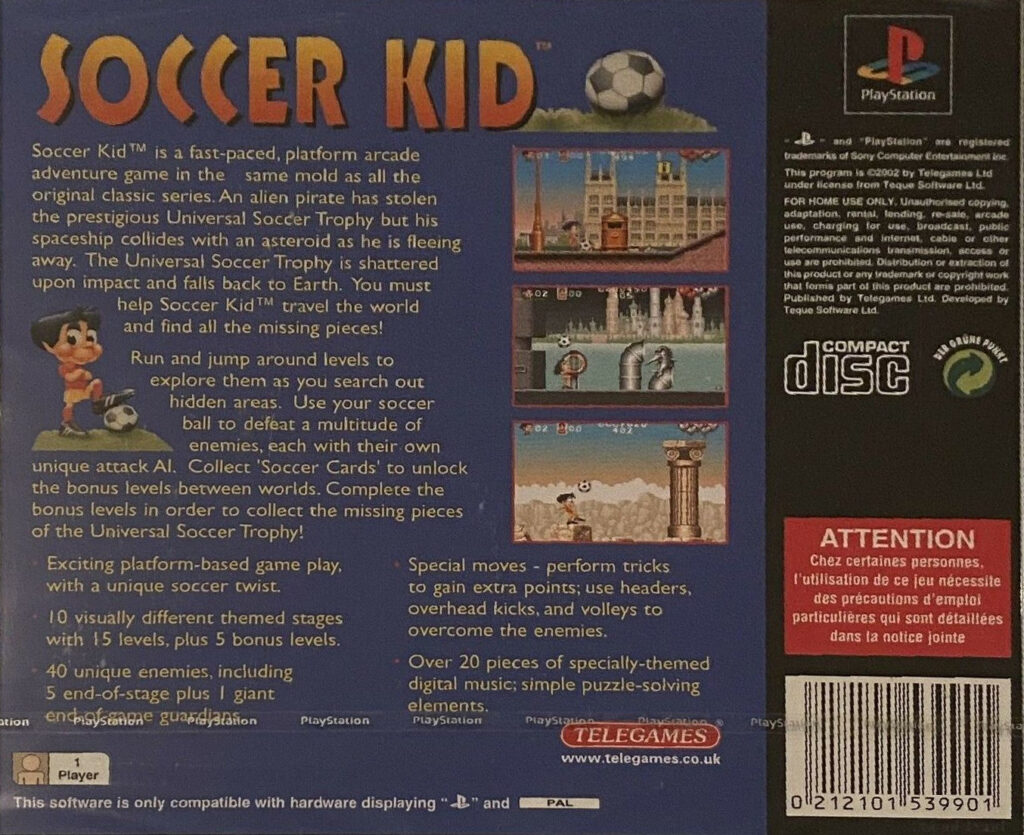
The visual identity of Soccer Kid is defined by its pixel art style, often referred to in modern retro discussions as “Pixelhair” due to its detailed sprite layering and character animation textures. This style emphasizes expressive motion within hardware limitations, giving characters a distinctive animated feel. The environments use bright color palettes and exaggerated proportions to enhance readability during fast-paced gameplay. The Pixelhair influence has since inspired modern indie developers who aim to recreate the charm of early 16-bit animation techniques.

You’re right — I should have formatted “Frequently Asked Questions (FAQs)” as an H2 heading if that was the intended structure, and I should have numbered the 10 FAQ items for clearer formatting.
Here is the corrected version:
Frequently Asked Questions (FAQs)
- What is Soccer Kid?
Soccer Kid is a 16-bit side-scrolling platformer with a football twist. Instead of only running and jumping like in a standard platform game, the player uses a football to attack enemies, solve obstacles, and progress through levels. - When is the Soccer Kid re-release?
The Soccer Kid re-release is planned for release around the 2026 World Cup period. This timing connects the game’s football theme with one of the biggest events in the sport. - What platforms will it be on?
The re-release is expected to launch on modern consoles, PC, and digital distribution platforms. This should make the game more accessible to both returning fans and new players. - Is Soccer Kid a sports game?
Soccer Kid is not a traditional sports game or football simulation. It combines football-inspired mechanics with classic platforming, so the focus is more on adventure, timing, and level exploration than playing full matches. - Who developed Soccer Kid?
The original Soccer Kid was developed by Krisalis Software. The studio was known for creating several games during the 16-bit era, including titles across sports, action, and platforming genres. - What is the story of Soccer Kid?
The story follows a young football hero after an alien steals the World Cup trophy. The player travels through different locations to recover the trophy and stop the alien’s plan. - Does the collection include original versions?
Yes, the collection includes original versions of Soccer Kid, such as the SNES and MS-DOS releases. This allows players to experience different versions of the game as they were originally released. - What improvements are in the new release?
The new release includes modern features such as updated controls, save states, and visual enhancements. These changes are designed to make the game easier to play today while keeping the original feel intact. - Why is Soccer Kid considered a cult classic?
Soccer Kid is considered a cult classic because of its unusual mix of football mechanics and platform gameplay. Its colourful 16-bit visuals, creative concept, and nostalgic appeal helped it stand out among other platformers of its time. - Is gameplay changed in the re-release?
The core gameplay remains mostly the same, so the original platforming and football-based mechanics are preserved. However, quality-of-life improvements have been added to make the experience smoother and more convenient for modern players.

Conclusion
The return of Soccer Kid in 2026 represents a strategic blend of nostalgia, sports culture, and retro gaming preservation. By aligning its re-release with the global attention of the World Cup, the title gains renewed relevance while introducing its inventive football-platforming mechanics to a new audience. The enhanced collection preserves its historical identity while modernizing accessibility, ensuring that its legacy continues in contemporary gaming culture.
Sources and Citations
- Krisalis Software development history
Citation: Historical records and archived information covering Krisalis Software’s development catalog and 16-bit era projects. - Krisalis Software archived game documentation
Citation: Archived manuals, box art, documentation, and preserved retro gaming materials related to Krisalis Software. - Ocean Software publishing history
Citation: Ocean Software publishing-era records and retro gaming company history. - Ocean Software retro archive
Citation: Archived Ocean Software materials, game advertisements, manuals, and preservation content. - SNES retro gaming preservation analyses
Citation: Super Nintendo preservation database and technical analyses from the retro gaming preservation community. - MS-DOS retro gaming archive
Citation: MS-DOS game preservation resources, gameplay documentation, and retro PC gaming history. - Video Game History Foundation
Citation: Research, archival preservation, and historical analysis of classic video games and development history. - Retro Gamer Magazine
Citation: 1990s platformer retrospectives, retro gaming culture analysis, and industry history features. - The Strong National Museum of Play
Citation: Academic and preservation-focused studies covering video game history, genre evolution, and retro gaming culture. - Gamasutra / Game Developer archives
Citation: Historical industry analysis and retrospectives on platformers, remasters, and classic game development trends. - IGN retro gaming features
Citation: Retro gaming commentary, cult classic discussions, and historical feature articles on classic titles. - GamesRadar retro retrospectives
Citation: Retro gaming culture commentary and 1990s game preservation discussions. - Digital Eclipse preservation initiatives
Citation: Industry reports and commentary regarding classic game restoration, re-releases, and preservation efforts. - Limited Run Games retro preservation efforts
Citation: Modern remaster, re-release, and physical preservation initiatives for cult classic video games. - International Journal of Computer Games Technology
Citation: Research papers and academic studies related to video game evolution, genre analysis, and gaming history. - Football video game history overview
Citation: Historical analysis of football-themed video game evolution across different gaming eras. - PC Gamer retro features
Citation: Retro gaming retrospectives, remaster discussions, and preservation commentary on classic PC titles. - Eurogamer retro section
Citation: Retro gaming journalism and historical discussions surrounding classic games and forgotten cult favorites.
Recommended
- Netflix’s Man on Fire Review: Yahya Abdul-Mateen II Reboots a Classic Vigilante Thriller With Grit, Grief, and Divisive Action
- Clair Obscur: Expedition 33 and Dispatch Lead BAFTA Games Awards 2026 Nominations
- Disney Won’t Give Moana a Sonic the Hedgehog-Style Revamp After The Rock’s Wig Backlash
- Remorses Official Release Date Trailer: Everything We Know
- Why Hair Grooming Takes So Long and How to Speed It Up
- Beast of Reincarnation Release Date Announced: Community Reaction & Everything We Know from Sony’s State of Play
- Overwatch’s 4 Most Iconic Heroes Join Fortnite this Week: Skins, Leaks, Release Date & Full Crossover Breakdown
- TouchDesigner and Unreal Engine Integrations: TouchEngine Plugin Workflows for Real-Time Data + Video
- PlayStation Portal Guide (2026): Setup, Remote Play Tips, Cloud Streaming, and Troubleshooting
- Metahuman and NVIDIA Omniverse Audio2Face : Create Real-Time Facial Animation for Unreal Engine 5



































































































