











In This Article (19 sections)
January 2026 US video game hardware sales report (Circana)
Total spending on U.S. video game hardware rose 16% year-over-year in January 2026 to approximately $248 million. This growth occurred despite significant spending declines for older platforms, including the PlayStation 5 (down 17%), Xbox Series X|S (down 27%), and the original Nintendo Switch (down 79%). The overall increase was driven entirely by the late 2025 launch of the Nintendo Switch 2. Total consumer spending across hardware, software, and accessories reached $4.698 billion, a 3% increase from the previous year.
PS5 sales decline in January 2026 in the US
PlayStation 5 hardware dollar sales fell 17% compared to January 2025. Now in its fifth year, the console is facing natural market saturation. While the late 2025 launch of the PS5 Pro provided a revenue boost, factors such as 2025 price increases and the higher MSRP of the PS5 Slim model dampened demand among price-sensitive consumers. Despite these factors, the PS5 remained the best-selling console of the month in both unit and dollar sales.

Xbox Series X|S sales decline in January 2026 in the US
Xbox Series X|S hardware dollar sales dropped 27% year-over-year. Factors contributing to this decline include:
- Mid-generation fatigue and the lack of a major 2025 hardware refresh.
- Strong competition from the PS5 and a quiet January software release schedule.
- Increased entry prices, such as the $349 1TB Series S model, and higher subscription fees for Game Pass Ultimate.
Microsoft’s platform finished the month as the third best-selling hardware family.
Original Nintendo Switch sales drop in January 2026 in the US
Sales for the original Nintendo Switch models plummeted 79% year-over-year as the platform entered its ninth year. The decline is attributed to:
- The launch of the Nintendo Switch 2, which shifted consumer demand to the newer generation.
- Aging technical specifications and a reduction in production for the older units.
- The lack of significant price cuts for the original models, making the $449 Switch 2 a more attractive investment for many buyers.
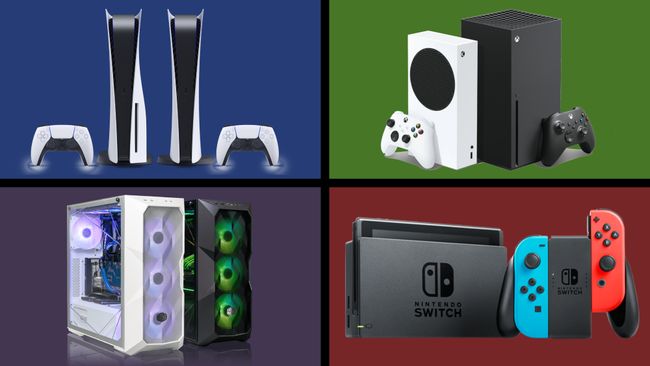
Why US hardware spending rose in January 2026 despite PS5, Xbox, and Switch declines
The 16% increase in hardware revenue was a result of shifting market dynamics and premium pricing:
- Nintendo Switch 2 Launch: High demand for the new console compensated for the combined losses of all legacy systems.
- Higher Average Selling Prices: The average price of hardware units rose to approximately $446 by late 2025 due to price hikes and the introduction of premium models like the Switch 2 and PS5 Pro.
- Post-Holiday Spending: Consumers used holiday gift cards and cash to purchase new systems in January, particularly the PS5 and Switch 2.
Nintendo Switch 2 sales impact on January 2026 US hardware spending
The Nintendo Switch 2 acted as the “savior” for the hardware category. It was the second best-selling platform for the month, nearly matching the PS5 in unit volume. With a $449 retail price, the Switch 2 expanded the market’s total revenue by replacing lower-priced Switch 1 sales with premium-priced successor sales. Strong software titles released in late 2025 further fueled the hardware’s momentum.
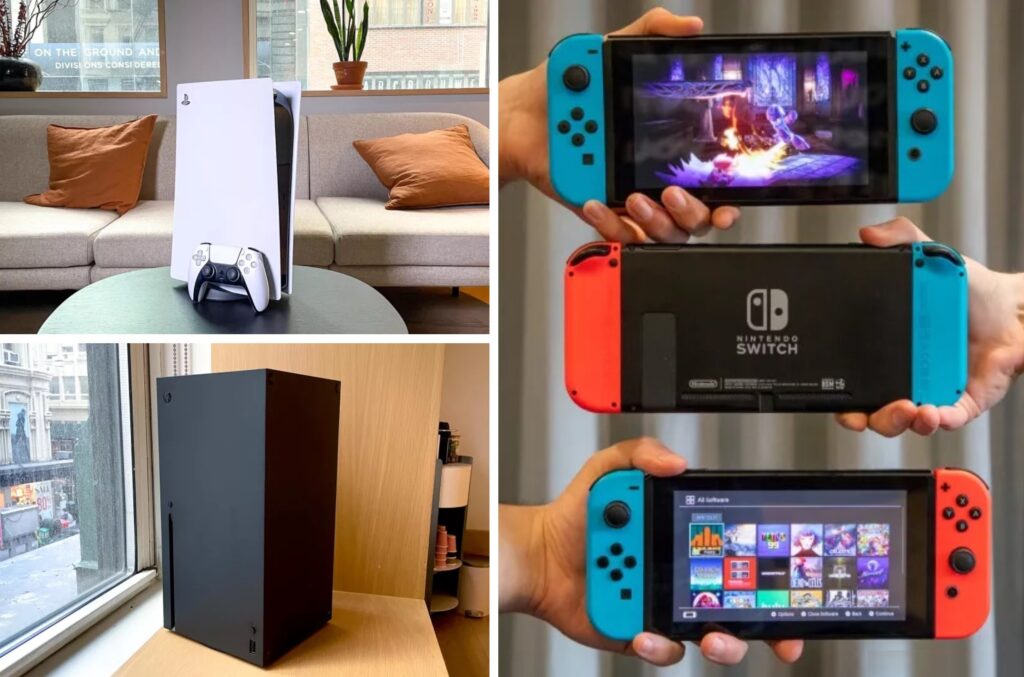
Best-selling console in the US in January 2026 by units and dollars
The PlayStation 5 maintained its position as the top-selling console in both units and dollar revenue for January 2026. The Nintendo Switch 2 followed closely in the #2 spot for both metrics, while the Xbox Series X|S ranked third.
- #1 – PlayStation 5: Maintained leadership through high availability and a large existing install base.
- #2 – Nintendo Switch 2: Delivered strong launch-window performance, driving the majority of the industry’s hardware growth.
- #3 – Xbox Series X|S: Saw a significant reduction in market share, trailing behind Sony and Nintendo. by any metric – an impressive feat at this stage of the console generation.
January 2026 US video game spending totals: hardware, content, and accessories
Total U.S. video game industry spending reached $4.698 billion in January 2026, a 3% increase from the $4.559 billion spent in January 2025.
- Video Game Hardware: Spending rose 16% year-over-year to $248 million, primarily driven by the launch of the Nintendo Switch 2.
- Video Game Content: This category reached $4.266 billion, a 3% increase. Growth was heavily supported by a 23% surge in subscription spending. Console content sales rose 2%, PC sales rose 1%, and mobile spending declined by 1%.
- Video Game Accessories: Spending fell 5% to $185 million, the lowest January total for this category since 2020. This is attributed to a post-holiday demand dip and a lack of new accessory launches.

Subscription spending increase in January 2026 and how it affected game sales
Subscription spending grew by 23% year-over-year, acting as the primary driver for content revenue growth. Without this surge, total content spending would have likely stagnated. This trend indicates a shift in consumer behavior toward “all-you-can-play” libraries over individual purchases. While major titles like Call of Duty: Black Ops 7 still performed well, the reliance on subscription catalogs meant that traditional game sales growth remained modest.
Why PS5, Xbox Series X|S, and Switch hardware sales are falling year-over-year
Despite the rise in total hardware revenue, the PlayStation 5, Xbox Series X|S, and original Nintendo Switch all saw declines in unit sales.
- Maturity of the console cycle: PS5 and Xbox Series X|S are in their fifth year, naturally entering a phase of slower growth as early adopters have already purchased the hardware.
- Market saturation: Most core consumers already own these devices, and the original Switch has reached a saturation point after selling over 100 million units.
- Lack of price cuts: Inflation and production costs led to price increases in 2025 rather than traditional mid-cycle cuts.
- Competition: The Switch 2 launch redirected consumer spending away from older systems.
- Economic shifts: Rising living costs and high console prices ($400–$500+) have led lower-income households to pull back on hardware purchases.

Console price increases, tariffs, and their impact on PS5 and Xbox Series sales
The year 2025 saw unusual mid-cycle price hikes for all major consoles. Sony effectively raised the U.S. price floor for the PS5 with the Slim model, Microsoft introduced a more expensive 1TB Series S, and Nintendo launched the Switch 2 at a premium $449 price point. These increases were driven by:
- Import tariffs: Continued costs associated with manufacturing electronics in China.
- Component costs: Rising prices for memory chips and semiconductors.
- Consumer Impact: Higher MSRPs have shifted the buyer base toward wealthier consumers, with 53% of Q4 2025 hardware buyers coming from households earning over $100k.
Gaming hardware buyers by income in the US: $100k households and console demand
The demographic profile of console buyers has skewed significantly more affluent.
- High-income growth: In Q4 2025, 53% of hardware buyers were from households earning $100k+ per year, up from 40% in Q1 2022.
- Lower-income decline: Households earning under $50k made up only 19% of buyers in Q4 2025, down from 31% in 2022.
- Market Status: These trends suggest consoles are increasingly treated as a luxury or premium market, leading to higher revenue per unit but lower overall sales volume across broader demographics.

What the January 2026 console sales drop means for the rest of 2026
The January data signals a year of transition for the industry.
- Hardware Transition: The Switch 2 is expected to be the primary engine for hardware revenue growth throughout 2026, while PS5 and Xbox Series X|S sales are likely to continue their year-over-year declines.
- Promotional Strategy: If unit declines persist, manufacturers may introduce price promotions or bundles by holiday 2026 to target price-sensitive households.
- Engagement Focus: Industry focus may pivot toward maximizing revenue from the existing installed base through software releases and subscription renewals.
- Macroeconomic Factors: Performance will remain tied to inflation and consumer confidence.
PS5 vs Switch 2 vs Xbox Series X|S: sales momentum and market share in early 2026
The competitive landscape in early 2026 shows three distinct trajectories:
- PlayStation 5: Maintains the top spot in total units and dollar sales, accounting for over 40% of units sold in January. However, its momentum is decelerating as the platform matures.
- Nintendo Switch 2: Possesses the highest growth momentum, nearly matching the PS5 in unit sales in January. It is rapidly gaining market share and could challenge the PS5 for the monthly top spot later in the year.
- Xbox Series X|S: Currently in a distant third place with roughly 15-20% of the unit market share. It faces the most significant year-over-year declines and lacks the hardware momentum of its competitors.

JJanuary 2026 US best-selling games chart (Circana) and what it says about the market
The January 2026 Top 20 best-selling premium games chart reflects a market dominated by established franchises and the influence of new hardware launches.
- Call of Duty: Black Ops 7: Held the #1 position for the second consecutive month, demonstrating the franchise’s enduring market dominance.
- NBA 2K26: Maintained the #2 spot, supported by the ongoing basketball season and post-holiday demand.
- Madden NFL 26: Rose to #3, benefiting from increased interest during the NFL playoffs and Super Bowl season.
- Minecraft: Climbed to #4, proving its status as a timeless evergreen title across all platforms.
- Battlefield 6: Dropped to #5. Despite being the best-selling game of 2025, a lack of new content in January led to a slip in momentum.
- Final Fantasy VII Remake (Intergrade): Made a massive jump from #225 to #9 following its January release on Nintendo Switch 2 and Xbox Series X|S.
- Forza Horizon 5: Ranked #10, likely due to a new expansion or renewed interest following Microsoft announcements.
- Code Vein II: Debuted at #11 overall but was the #1 game on the PC-specific revenue chart.
- Fallout 4: Re-entered the top 20 at #20, driven by the “Netflix effect” from a hypothetical Fallout TV show adaptation.
Market trends identified from these charts include:
- Franchise Power: Known IPs continue to dominate, making it difficult for new titles to break into the top ranks.
- Live Service and Updates: Consistent content updates are vital for sustaining sales, as seen in the contrast between Call of Duty and Battlefield 6.
- Hardware Influence: The arrival of the Switch 2 has provided a significant sales boost for older games receiving new ports.
- Transmedia Synergy: Successful TV and film adaptations can significantly revitalize sales for decade-old titles.

Frequently Asked Questions (FAQs)
- By what percentage did US hardware spending increase in January 2026, and what drove the growth?
Hardware spending grew 16% year-over-year to $248 million. This was driven entirely by the Nintendo Switch 2, which offset declines in all other major platforms. - If PS5, Xbox Series X|S, and Switch 1 sales all dropped, how did hardware sales increase overall?
The combination of high demand for the new Switch 2 and higher average selling prices for all consoles (averaging $446) resulted in a revenue increase despite lower unit volumes for legacy systems. - How much did PS5 and Xbox Series X|S sales decline in January 2026, and why?
PS5 spending fell 17% and Xbox Series X|S fell 27%. This is due to the maturity of the console cycle, market saturation, and the lack of price cuts, which have been replaced by mid-cycle price increases. - What happened to the original Nintendo Switch (“Switch 1”) sales in early 2026?
Sales plummeted 79% as consumer interest shifted almost entirely to the newly released Switch 2. - Despite these declines, which console was the top seller in January 2026 in the US?
The PlayStation 5 remained the #1 best-selling console in both units and dollars, followed closely by the Switch 2 at #2, with Xbox Series X|S in a distant third. - How did overall video game spending (including games and accessories) trend in January 2026?
Total spending hit $4.698 billion, a 3% increase. Hardware rose 16%, content rose 3%, and accessories fell 5%. - Subscription spending jumped a lot – what was the increase and what does it mean?
Subscription spending rose 23%. This suggests a major behavioral shift toward “all-you-can-play” models, which now prop up the entire content segment. - Why are console makers raising prices, and how has that affected who buys consoles?
Prices rose due to inflation, component costs (especially memory), and tariffs. Consequently, 53% of buyers now come from households earning over $100k, while the share of buyers from households earning under $50k has dropped to 19%. - What might the drop in PS5/XSX and old Switch sales mean for 2026’s gaming market overall?
It suggests 2026 will be a transitional year focusing on the Switch 2 for growth and the extraction of more revenue from the existing PS5 and Xbox user bases through software and subscriptions. - What were the top-selling games in January 2026, and what does the chart tell us?
Call of Duty: Black Ops 7 was #1. The charts show that established franchises and re-releases on new hardware (like Final Fantasy VII Remake) are the primary revenue drivers in months without major new AAA launches.

Conclusion
The U.S. video game industry began 2026 with a 3% increase in total spending, reaching $4.7 billion. While legacy consoles like the PS5, Xbox Series X|S, and original Switch are seeing significant year-over-year declines due to cycle maturity and higher costs, the Nintendo Switch 2 has revitalized the hardware sector with 16% growth.
Sony’s PlayStation 5 continues to lead the market in total sales, but it faces decelerating momentum. Microsoft’s Xbox is struggling in third place, seeing the sharpest declines. The industry is increasingly relying on high-income consumers, with the majority of hardware buyers now coming from households earning over $100,000.
A 23% surge in subscription spending highlights a shift in how consumers access content, providing a stable revenue stream that offsets flat individual game sales. The software charts remain dominated by annual franchises and evergreen titles, though new hardware ports and transmedia adaptations are successfully breathing new life into older games. Overall, 2026 is positioned as a year of transition where new hardware and subscription models are expected to sustain the market through the twilight of the current console generation.
Sources
- Circana (NPD) January 2026 U.S. Games Market Highlights – GameSpot News
- Circana Senior Analyst Commentary – GameDev Reports (Mat Piscatella / industry commentary)
- Console Buyer Demographics Q4 2025 – GameSpot (T. Franzese)
- January 2026 Spending and Subscription Growth – Wccftech (D. Carcasole)
- January 2026 Best-Selling Games (Top 20) – Wccftech / Mat Piscatella (Circana)
- Console Price Increases & Tariff Impact – GameSpot News (industry analysis + interviews context)
- Switch 2 Launch and Sales Context – GameSpot News and GameDev Reports
Recommendations
- High-Level Metahuman Mocap Workflow: Professional Techniques for Unreal Engine 5 Animation
- Mina the Hollower: 10 Beginner’s Tips and Essential Starter Guide for New Players
- Nintendo Will Launch a Switch 2 With Replaceable Batteries in the EU: What EU Rules Require
- The Witcher Comics Comes to WEBTOON: Release Date, Where to Read, and What to Expect
- Metahuman Animation Tutorial: Step-by-Step Guide to Animating Digital Humans in Unreal Engine 5
- Jorge R. Gutiérrez Exits Amazon GenAI Creators’ Fund Just Days After Announcement
- 15 Huge Horizon Steel Frontiers Details Ahead of the 2027 Launch
- The Jackbox Party Pack 12 Release Date Window and Launch Platforms
- The Witcher 3 New DLC Timeline Explained (Songs of the Past)



































































































