










In This Article (9 sections)
Roblox Grow a Garden 2 Auctioneer Overview, Dutch Auction System, and NPC Functions
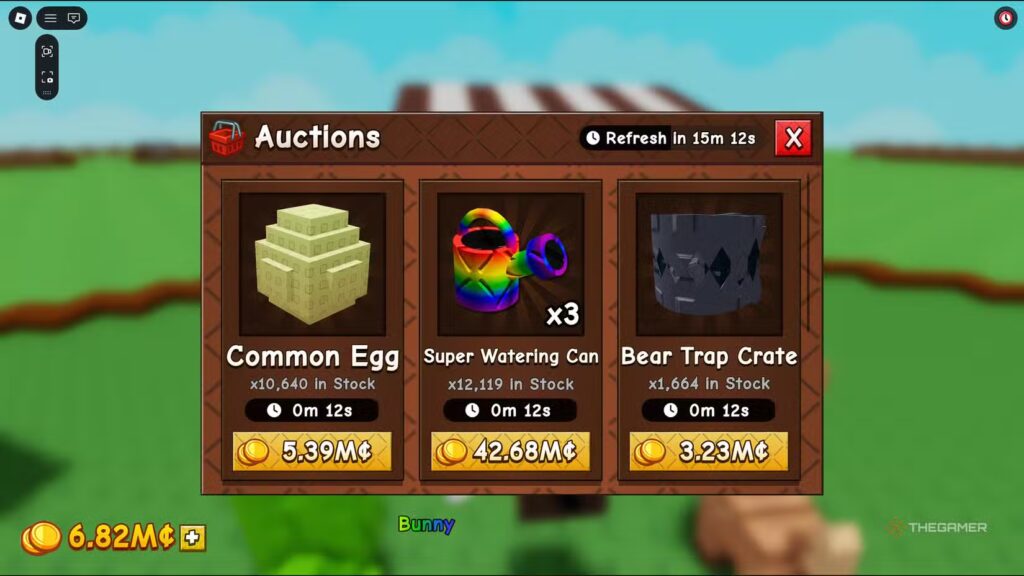
The Auctioneer in Roblox Grow A Garden 2 is a core in-game NPC system built around a dynamic marketplace where players compete for limited gardening resources, including seeds, pets, and specialized farming gear. In Roblox Grow A Garden 2, the Auctioneer functions as both a vendor and a time-based price regulator, offering items whose value changes depending on demand, rarity, stock availability, and auction timing. This makes the Auctioneer more complex than a standard shop because every purchase involves evaluating price, timing, and competition from other players.
The Auction Stand uses a Dutch Auction system, where item prices begin high and gradually decrease over time until a player purchases the item or the listing reaches a minimum threshold. This creates tension between patience and urgency. Waiting may result in a cheaper purchase, but it also increases the risk that another player will buy the item first. Each listing includes a visible countdown timer, while the price decay operates through a hidden curve influenced by rarity tiers, server activity, and item category.
The Auctioneer NPC acts as the central hub for all auction-based transactions. When players interact with the NPC, they see a rotating catalog of items available for bidding or direct purchase. The NPC manages item distribution, price control, and stock rotation, functioning as an adaptive economic engine rather than a simple shopkeeper. Item availability is influenced by internal game logic tied to progression and server population, which helps the Auction Stand feel dynamic and responsive.
This system transforms Grow A Garden 2 from a straightforward farming simulator into a real-time economic strategy experience. Players must constantly decide whether an item is worth buying immediately or whether waiting for a lower price is the better move. Those who understand how the Auctioneer works gain a meaningful advantage when trying to secure rare seeds, high-tier pets, and valuable farming gear before other players in the server.
Auction Price Drops, Refresh Timers, Stock Limits, and Limited Item Mechanics
Price reduction over time is one of the defining mechanics of the Auction Stand in Roblox Grow A Garden 2. The system uses a built-in value decay algorithm to reduce prices gradually and simulate market urgency. Items that remain unsold become more attractive through lower prices, but high-demand items decay more slowly to preserve economic balance. This encourages players to stay engaged with the Auction Stand instead of simply buying every item immediately.
The refresh timer determines when new items appear and old listings disappear. When the timer resets, the Auctioneer replaces part of the existing stock with new seeds, pets, and gear. Some items may remain available for multiple cycles if they are categorized as semi-rare or event-linked. This rotation system prevents the market from becoming stale and keeps players from fully exploiting predictable item patterns.
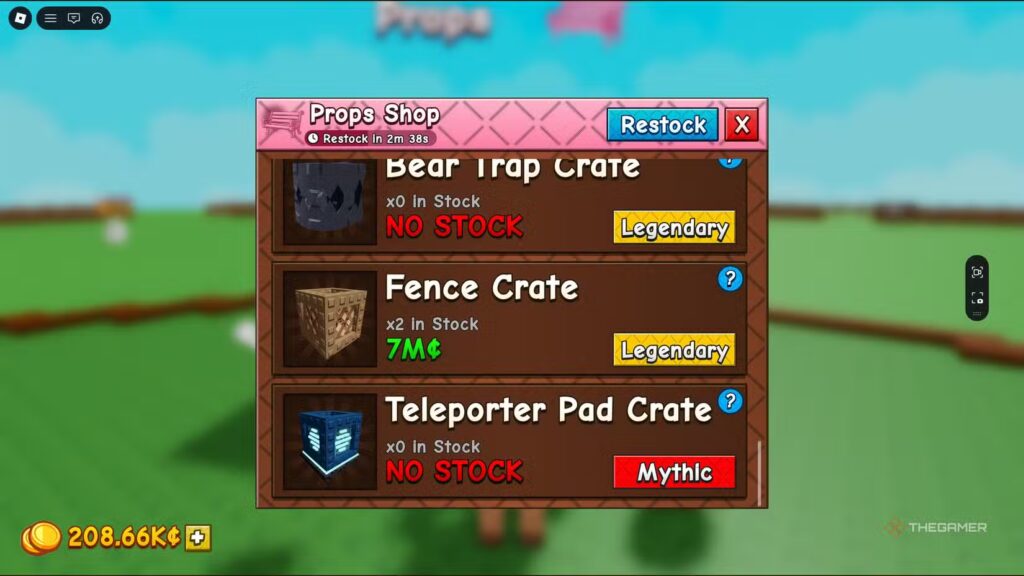
Stock limitation is another major factor that shapes Auction Stand strategy. Each item has a predefined stock value that determines how many players can purchase it before it disappears. Once the stock is depleted, the item is removed from the Auction Stand until it returns in a future cycle. Limited items add even more scarcity because they may only appear during specific time windows or under certain in-game conditions.
Together, price decay, timed refreshes, and stock limits create the core pressure of the Auctioneer system. Players are rewarded for monitoring listings consistently, but they must also make decisions quickly when valuable items appear. Understanding the refresh cycle and stock system is essential for optimizing purchases and securing rare items before they disappear.
Seeds, Pets, Gear, Best Purchases, and Buy Versus Wait Strategy
The Auction Stand offers a wide selection of items divided into seeds, pets, and farming gear, with each category serving a different purpose in progression. Seeds are the most commonly traded items and directly affect farming growth, especially when higher-tier seeds produce rarer crops with greater in-game value. Pets provide passive bonuses such as faster growth rates, increased yield, or enhanced mutation chances, making them important for long-term optimization. Gear includes tools and upgrades that improve farming efficiency, reduce cooldowns, or increase harvesting speed.
The best items to buy from the Auctioneer depend on a player’s progression stage and the current economy conditions. Early-game players benefit most from fast-growth seeds and basic efficiency gear because these help build farming momentum quickly. Mid-game players gain more value from pets that increase yield and mutation chances, since these directly improve profit potential. Late-game players should focus on rare seeds and high-tier gear that support automation and passive income.
Knowing when to buy and when to wait is one of the most important Auctioneer skills. Buying early guarantees access to an item but usually costs more, while waiting can lower the price but increases the chance of losing the item to another player. Common items are usually safer to wait on because they appear more frequently, but rare items should often be purchased immediately if they match current progression needs.
Strategic buyers constantly compare item utility against price decay speed. An item that seems average at one moment may become more valuable later due to scarcity or shifting demand. Advanced players also observe server activity and player behavior to estimate when competition for specific items may rise, helping them decide whether patience or immediate purchase is the stronger move.
Hidden Waiting Risks, Auction Pricing Formula, and Competitive Timing Tactics
Waiting too long at the Auction Stand carries risks that many players underestimate. The clearest risk is losing the item when another player purchases it first, especially when stock is limited. Once an item is gone, it may not return for a long time. This is especially important in competitive servers where experienced players monitor listings closely and act quickly when prices become favorable.
Another risk comes from price rebound mechanics, where certain items may reset their price decay if they remain unsold for too long. This prevents players from exploiting endless price drops and keeps the Auction Stand economy balanced. There is also a psychological risk tied to hesitation, where players miss valuable opportunities because they wait too long for a perfect price instead of acting when the item still offers strong value.
The pricing formula is based on a dynamic decay algorithm influenced by rarity, demand, and time. High-rarity items begin at elevated base prices and decay more slowly, while common items drop faster to encourage turnover. Demand is simulated through server-wide purchase frequency, so frequently purchased items may see future pricing curves adjust upward to maintain balance.
Competitive players use these mechanics to their advantage through precise timing. Some camp the Auction Stand during refresh cycles to buy undervalued rare items before others react, while others track decay patterns to predict when prices reach ideal thresholds. In highly competitive servers, coordinated groups may time purchases to maximize profit or deny access to other players. These tactics are not direct manipulation of the system, but they show how deeply auction timing can be optimized.
Beginner, Meta, and Advanced Auction Stand Strategies for Rare Items
New players often struggle with the Auction Stand because its pricing, stock, and rotation systems are constantly changing. The best beginner approach is to focus on learning item categories and recognizing basic price patterns before trying to optimize every purchase. Early progression matters more than perfect savings, so beginners should avoid waiting too long for rare drops if the item would provide immediate value.
Observing other players can help beginners understand demand trends. If certain items are purchased quickly after appearing, that behavior signals higher demand or stronger utility. Over time, players naturally build intuition for when to buy and when to wait. This learning process is especially important because the Auctioneer system rewards both patience and decisive action.
PixelHair and the View Keeper systems introduce meta-level advantages in auction timing strategies. PixelHair is often associated with cosmetic or progression-linked status indicators that signal player experience level, and experienced PixelHair users tend to have stronger awareness of auction timing because they are more familiar with game cycles. The View Keeper system relates to visibility control and monitoring efficiency, helping players track Auction Stand changes more consistently.
Advanced strategy focuses on precision timing, market awareness, and risk control. Experienced players track multiple auction cycles to predict when rare seeds are likely to appear, while also balancing resources between immediate upgrades and long-term investments. High-tier items require especially careful decisions because their value changes less often but can affect progression much more significantly. The strongest players combine patience with decisive action so they can avoid overspending without missing critical opportunities.
Frequently Asked Questions (FAQs)
- What is the Auctioneer in Roblox Grow A Garden 2 used for?
The Auctioneer is used to buy seeds, pets, and gear through a dynamic marketplace system. Unlike a normal shop with fixed prices, the Auctioneer changes item prices over time based on demand, rarity, stock, and auction timing, which makes each purchase a strategic decision. - Why do prices keep changing at the Auction Stand?
Prices change because the Auction Stand uses a decay-based pricing system. Items usually start at a higher price and gradually become cheaper over time, while rarity and demand influence how quickly or slowly those prices drop. - Can I lose items if I wait too long at the Auction Stand?
Yes, waiting too long can cause you to lose access to an item. Another player may purchase it first, the item may run out of stock, or it may be removed when the Auction Stand refreshes and rotates its listings. - What is the best strategy for beginners using the Auctioneer?
Beginners should focus on essential items that support early progression, such as useful seeds, basic gear, and practical upgrades. They should avoid waiting too long for rare items until they understand price patterns, stock behavior, and how quickly other players buy valuable listings. - How often does the Auction Stand refresh?
The Auction Stand refreshes on a timed cycle that periodically replaces part of the available stock with new items. Some listings may remain through multiple cycles if they are semi-rare or event-linked, while others may disappear when the timer resets. - Are rare seeds worth buying immediately?
Yes, rare seeds are usually worth buying immediately if they match your progression needs. They appear less often than common seeds and can provide long-term farming benefits, so waiting too long may result in another player buying them first. - What is the Dutch Auction system in Grow A Garden 2?
The Dutch Auction system is a pricing method where items begin at a high price and gradually decrease over time. Players can wait for a better price, but they risk losing the item if someone else buys it first or if it leaves rotation. - Do pets from the Auctioneer give permanent advantages?
Yes, pets typically provide permanent passive benefits that improve farming efficiency. These bonuses can include faster growth rates, increased yields, or enhanced mutation chances, making pets especially valuable for mid-game and late-game optimization. - Can competitive players manipulate Auction Stand timing?
Competitive players cannot directly control the Auction Stand, but they can optimize their timing around refresh cycles, price decay, and server behavior. By watching patterns closely, they can buy valuable items at better moments than less experienced players. - What happens if an item reaches its lowest price?
If an item reaches its minimum price, it remains available until a player buys it or until the Auction Stand rotation removes it. Reaching the lowest price does not guarantee that the item will stay forever, so players still need to watch stock and refresh timing carefully.
Conclusion
The Auctioneer system in Roblox Grow A Garden 2 represents a complex and dynamic economic mechanic that blends timing, strategy, and resource management. Through its Dutch Auction structure, rotating stock system, and competitive timing environment, it creates a deeply engaging gameplay loop where every decision matters. Mastery of the Auction Stand requires understanding price decay, refresh cycles, item rarity, and player behavior patterns. Players who learn to balance patience with decisive action gain a significant advantage in progression, especially when dealing with rare seeds, pets, and high-tier gear. The integration of meta elements such as PixelHair and View Keeper further enhances the strategic depth, turning the Auctioneer into one of the most important systems in the entire game economy.
Sources and Citations
- Roblox Grow a Garden 2 Official Experience Page
https://www.roblox.com/ - Roblox Creator Hub Economy and Monetization Documentation
https://create.roblox.com/docs/production/monetization - Roblox Creator Hub Data Stores and Persistent Player Data
https://create.roblox.com/docs/cloud-services/data-stores - Roblox Creator Hub Marketplace and Virtual Economy Documentation
https://create.roblox.com/docs/production/monetization/virtual-economies - Roblox Creator Hub Game Design Documentation
https://create.roblox.com/docs/education/lesson-plans/game-design - Roblox Developer Forum Economy and Marketplace Discussions
https://devforum.roblox.com/ - Roblox Grow a Garden Community
https://www.reddit.com/r/growagarden/ - Roblox Grow a Garden Wiki
https://growagarden.fandom.com/ - Investopedia Dutch Auction Explanation
https://www.investopedia.com/terms/d/dutchauction.asp - Corporate Finance Institute Dutch Auction System and Pricing Principles
https://corporatefinanceinstitute.com/resources/economics/dutch-auction/ - Wikipedia Dutch Auction Reference
https://en.wikipedia.org/wiki/Dutch_auction
Recommendations
- Silver Palace House of Greed: Multiplayer Reveal, Story Trailer and PS5, PC, Mobile Details
- How to Open the Mikatagahara Locked Gate in Nioh 3 (Story Unlock Steps, Quest Requirements, and Key Confusion)
- Should I Get Blender Alpha or Beta? How to Choose the Right Build (Daily Builds, Beta, RC, and Add-on Compatibility)
- Meccha Chameleon Rockets Past 7 Million Sales as Players Hide by Recreating High Art
- The Biggest Nintendo Switch 2 Games Coming in 2026: Summer Release Update
- Hair Cards vs Strands: Performance, Quality, and Workflow for 3D Hair in Unreal Engine 5, Unity HDRP, and Blender
- New Theory Claims PS4 and PS5 30-Day Digital Game Timers Are Anti-Piracy DRM: Temporary at First, Permanent After 14 Days
- Apple TV’s Widow’s Bay is the First Breakout TV Hit of 2026: Why Everyone is Talking About the Horror Comedy
- D5 Render Dev New 3D Asset Marketplace: D5 Works Launch, Features, Pricing, and Creator Guide
- Avowed Guide 2026: Best Builds, Companions, Weapons, Choices, and Secrets



































































































