





In This Article (8 sections)
Kenshi 2026: Kenshi’s Rise to Cult Classic Status and 3 Million Copies Sold
Kenshi’s rise from a niche indie survival RPG to a game that surpassed 3 million copies sold is one of the more notable long-term success stories in independent development. Created by Lo-Fi Games, the project spent more than a decade evolving from a passion-driven experiment into a widely recognized cult hit. Rather than relying on cinematic storytelling, live-service systems, or aggressive monetization, Kenshi built its reputation around player freedom, emergent gameplay, and a hostile sandbox world that encourages experimentation. Its success shows that a distinctive design philosophy can maintain an audience for years even in a market dominated by larger publishers.
The game first developed through Early Access before receiving its full PC release on Steam, and its growth was gradual rather than explosive. Word of mouth, YouTube videos, Twitch streams, Steam visibility, and continued community engagement helped introduce new players long after launch. The 3 million sales milestone therefore reflects years of sustained discovery rather than a short-lived viral spike. Seasonal sales also helped expose the game to new audiences over time, while strong community recommendations improved its visibility and credibility on the storefront.
A major reason Kenshi became a cult classic is that it gives players unusually broad control over their own goals. Instead of guiding players through a fixed sequence of quests and cutscenes, the game places them in a dangerous wasteland and allows them to decide what kind of life to pursue. Players can become merchants, thieves, bounty hunters, warlords, slave traders, farmers, revolutionaries, explorers, or wandering survivors without being forced into a single morality system or narrative outcome. The world reacts to what the player does, allowing personal stories to emerge from systems rather than from a predetermined plot.
That freedom produced the kinds of memorable experiences that players were eager to share. Stories about losing settlements to raids, escaping slavery, surviving overwhelming battles, or building successful communities became part of Kenshi’s identity. Because each playthrough can develop differently, the game offers strong replay value and naturally creates content suited to streaming and video platforms. Viewers could watch different players encounter disasters, build settlements, or accidentally provoke major factions, giving the game continued visibility long after its initial release.
Kenshi’s difficulty also became part of its appeal. New players can be defeated, robbed, enslaved, or killed early, and the world rarely protects them from the consequences of poor decisions. Instead of weakening its reputation among dedicated fans, this harshness helped make survival and progress feel meaningful. Overcoming adversity becomes part of the player’s personal story, which reinforces the game’s systems-driven identity. The challenge also separates Kenshi from RPGs that provide more predictable progression and protection from failure.
Its atmosphere further strengthened its cult status. Kenshi combines barren deserts, ruined civilizations, enormous mechanical structures, post-apocalyptic lore, feudal societies, survival elements, and science-fiction influences into a setting that does not fit neatly within traditional fantasy or science-fiction categories. This unusual visual and thematic identity helps the game remain recognizable even among other open-world RPGs. The environment itself supports the game’s sense of danger and isolation, making exploration feel closely tied to survival.
The modding community has also played an important role in extending Kenshi’s lifespan. Community-made modifications introduced new factions, systems, animations, equipment, and large-scale overhauls that gave existing players reasons to return. Mods allowed the game to evolve far beyond its original content without requiring a constant official update cycle. This helped preserve long-term engagement and supported the gradual sales growth that eventually pushed Kenshi beyond 3 million copies.
The milestone ultimately reflects the strength of a game built around freedom, difficulty, community storytelling, and long-term replayability. Kenshi did not reach its audience by following conventional blockbuster design, but by offering a sandbox where players could create their own goals and consequences. Its continued popularity demonstrates how systems-driven experiences can generate durable interest when players feel that their stories belong to them. The combination of distinctive design, creator visibility, positive word of mouth, and modding support turned a niche project into one of the most recognizable cult RPGs in independent gaming.

Kenshi’s Loyal Fanbase, Gameplay Systems, Long-Term Popularity, and Sales Growth
Kenshi built a loyal fanbase by trusting players to learn through experimentation rather than simplifying its systems to follow mainstream trends. The game rarely hands players easy victories, which gives successful moments a stronger sense of achievement and ownership. Fans often feel like survivors discovering the world for themselves instead of players being guided through predetermined objectives. That design philosophy helped create a community deeply invested in the game’s identity. The developers also maintained communication throughout Kenshi’s long development period, allowing players to watch the project evolve and become emotionally invested in its eventual success.
Community participation became another major part of that loyalty. Mod support allowed players to create custom content, rebalance mechanics, add new equipment, expand factions, improve visuals, and reshape parts of the experience. Forums, Reddit communities, Steam discussions, and Discord servers became places where players shared survival stories, explained difficult systems, and helped newcomers understand the game’s punishing mechanics. This collaborative culture helped Kenshi remain active long after release. The community did not simply consume the game but continued building around it.
Kenshi’s gameplay systems are a major reason that engagement lasted. Its world simulation allows factions to operate independently, settlements to change hands, economies to fluctuate, and NPCs to follow their own routines. Character progression is tied directly to activity rather than traditional quest-based experience points, so characters improve by fighting, running, carrying weight, crafting, or practicing stealth. This makes progression feel connected to what the player actually does. Improvement becomes part of the survival experience rather than a separate reward system.
Base building adds another layer of long-term engagement. Players can establish settlements across the world, build defensive walls, farm resources, manufacture weapons, and recruit workers or soldiers. Small camps can gradually become large player-controlled settlements through repeated investment and survival. Squad-based control further distinguishes Kenshi from RPGs centered on a single protagonist because players can manage groups with different specialties. Battles, raids, exploration, and settlement defense become more complex as the number of characters and responsibilities grows.
The faction system strengthens those systems by giving the world persistent political relationships and consequences. Different groups have distinct ideologies, territories, military power, and relationships with one another. Player decisions can permanently alter those relationships, which affects future travel, trade, conflict, and survival. This makes the world feel reactive rather than static. The combination of faction politics, settlement building, character development, and open-ended goals gives each playthrough the potential to unfold differently.
That replayability is one reason Kenshi continues attracting players in 2026. Few games combine freedom, survival, squad management, open-world simulation, and emergent storytelling in the same way. Every new playthrough can develop differently because of starting conditions, player goals, faction relationships, and unpredictable events. The absence of battle passes, microtransactions, and aggressive monetization also makes the game feel distinct from many modern live-service experiences. Players can spend hundreds of hours exploring the systems without being pushed toward recurring purchases.
Atmosphere remains another major part of Kenshi’s appeal. Its empty deserts, dangerous ruins, mysterious lore, and unusual post-apocalyptic setting create a strong sense of isolation. The game rarely interrupts exploration with heavy tutorials, cinematic sequences, or scripted narrative events. Instead, players discover mechanics and world history through their own movement and interaction. This approach reinforces the sense that the player is surviving inside a hostile world rather than following a conventional story structure. For many fans, that freedom is central to why the game continues to feel distinctive years after release.
Kenshi’s development history also contributes to its reputation as a major independent success story. The project reportedly began as a one-person effort before growing into a larger studio production under Lo-Fi Games. Without the budgets available to major publishers, the project relied on persistence, gradual development, and community support. Its lengthy production cycle allowed systems to be expanded and refined over many years. Rather than prioritizing cinematic presentation, the developers concentrated on simulation depth and systemic interaction.
That approach also explains why Kenshi is frequently cited as evidence that unconventional ideas can succeed commercially. The game did not become successful by closely following dominant RPG trends. Its mechanics, presentation, difficulty, and structure could easily have been considered too unusual for a mainstream release. Instead, those differences became part of its identity and helped attract a dedicated audience. The sales milestone demonstrates that a niche design can achieve substantial commercial reach when supported by strong long-term engagement.
Kenshi’s sales growth happened gradually rather than through one massive launch. Early Access helped establish an initial audience, while later Steam visibility and seasonal discounts brought the game to new players. Its large amount of replayable content made it easy for existing fans to recommend during sales. Positive community sentiment helped overcome the steep learning curve by convincing new players that the difficulty was part of the experience rather than simply a flaw. Over time, that steady recommendation cycle contributed significantly to continued sales.
Streaming and video content also played an important role. Kenshi naturally produces unpredictable situations that work well on YouTube and Twitch, including disastrous raids, unexpected faction wars, escapes from slavery, settlement collapses, and unlikely survival stories. Each playthrough can generate different situations, giving creators a steady supply of unique content. As more people watched those stories, curiosity about the game increased. That visibility helped Kenshi remain relevant long after its original release period.
The continued anticipation surrounding Kenshi 2 has also renewed attention on the original. Discussions about the sequel have introduced the franchise to players who may not have encountered the first game during its earlier years. Some of those players have purchased Kenshi to understand its systems and world before the sequel arrives. This creates another source of long-term sales momentum. Interest in the future of the series therefore supports continued discovery of the original game.
Taken together, Kenshi’s fan loyalty, distinctive gameplay systems, modding culture, streaming visibility, and gradual sales growth explain why it has remained relevant for so long. Its success did not come from one marketing event or a single release window. Instead, it grew through years of player stories, recommendations, community contributions, and continued discovery. The result is a rare independent RPG success story built on originality, persistence, and a design philosophy that gives players unusual control over the stories they create.
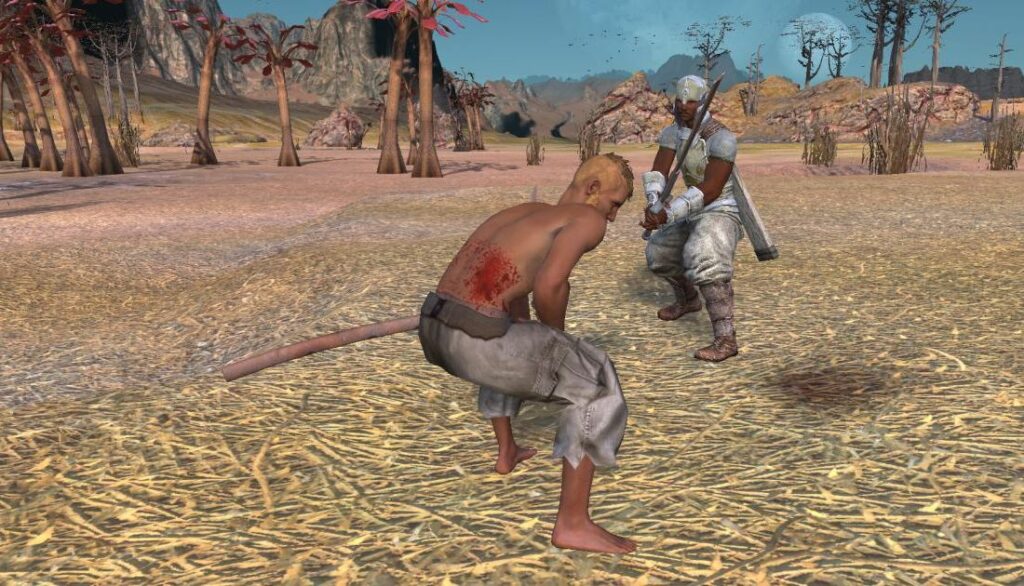
Kenshi’s Indie Success, Steam Reception, Sandbox Design, and Long Development Journey
Kenshi succeeded as an independent game because Lo-Fi Games prioritized systemic depth over production spectacle. While many large-budget RPGs emphasize cinematic presentation, polished accessibility, and tightly controlled progression, Kenshi focused on player-driven interactions, open-ended survival, and a simulated world that continues functioning without placing the player at its center. This design gave the game a distinctive identity in a crowded market and attracted players looking for mechanics they could not easily find elsewhere. Its combination of RPG systems, strategy elements, survival mechanics, squad management, and simulation allowed it to appeal to several different audiences at once.
The independent development structure also gave Lo-Fi Games substantial creative freedom. Without a large publisher directing the project toward safer commercial choices, the developers could pursue mechanics that might have been considered too unconventional or risky for a mainstream release. That freedom helped preserve Kenshi’s unusual difficulty, sparse narrative structure, emergent progression, and harsh consequences. Community trust grew because the developers continued supporting the project over many years without abandoning the game’s core vision. This long-term consistency became part of Kenshi’s reputation.
Kenshi also benefited from the growing popularity of sandbox and survival games during the 2010s and early 2020s, but it approached those genres differently from many multiplayer-focused titles. Crafting and survival were only parts of a much broader simulation that included faction politics, city building, exploration, squad management, combat, and open-ended progression. The world continues operating regardless of the player’s involvement, with factions fighting, economies functioning, settlements changing, and NPCs following their own routines. This makes the player feel like one participant in a living ecosystem rather than the central figure around whom everything revolves.
That emphasis on player agency is one reason Kenshi is often regarded as one of the strongest sandbox RPGs. The game avoids restrictive quest structures and lets players decide what their objectives should be. Decisions can create lasting consequences, including permanently damaged faction relationships, destroyed settlements, lost characters, and other outcomes that cannot always be reversed. The unpredictability of those systems helps the game remain engaging even after hundreds of hours because each playthrough can develop differently. The player’s story emerges from interaction with the world rather than from a predefined narrative path.
Kenshi’s Steam reception played a major role in strengthening that reputation. The game maintained highly positive player feedback despite its steep learning curve, technical roughness, and sometimes awkward interface. Many reviews praised the freedom of the sandbox and the way memorable stories emerge naturally from gameplay. Players often became emotionally attached to squads they had developed over many hours, which made both victories and unexpected losses more meaningful. Even criticism of performance limitations or usability issues often appeared alongside acknowledgement that the overall experience was unusually distinctive.
The Steam Workshop and wider modding community further improved player reception. Mods addressed some frustrations, added new content, expanded systems, and gave players additional reasons to continue playing after the base game had become familiar. This helped extend the title’s lifespan and reinforced its reputation as a game that could be reshaped around different player preferences. The community effectively became part of Kenshi’s long-term ecosystem, supporting both retention and continued discovery.
Kenshi’s path to 3 million sales reflects this gradual accumulation of attention. Development reportedly began in the mid-2000s, followed by a lengthy period of alpha development and Early Access before the full release arrived in 2018. The game did not rely on one explosive launch window. Instead, it built momentum through positive Steam reviews, recommendations from friends, YouTube coverage, online communities, and players sharing stories about difficult and unpredictable experiences.
This long-tail pattern distinguishes Kenshi from blockbuster releases that depend heavily on pre-launch marketing. Steam’s ecosystem gave the game repeated opportunities to reach new audiences through seasonal sales, reviews, community activity, and ongoing engagement. Players who discovered Kenshi years after launch could still find an active modding scene and a large body of guides, discussions, and creator content. That helped keep the game commercially relevant long after its original release period.
The development history itself became part of Kenshi’s identity. Early versions were technically rough, but dedicated players saw potential in the underlying systems and continued supporting the project as it evolved. Over time, updates improved animations, AI, combat, world design, optimization, and faction behavior. The many years spent in Early Access gave Lo-Fi Games room to gather feedback and refine systems gradually rather than forcing the project into a rushed final form.
Post-launch support continued that process, while modders expanded the game far beyond its original content. Fans came to view the lengthy development cycle as evidence of persistence rather than simply delay. The developers’ willingness to spend years refining systems reinforced the trust of players who valued depth over polish. That history also explains why Kenshi’s success feels closely tied to the community that followed it through multiple stages of development.
Kenshi’s eventual commercial success demonstrates how originality, patience, and strong community engagement can compensate for the lack of blockbuster production values. Its systems-driven design, difficult progression, positive player reception, modding support, and extended development all contributed to a slow but durable growth pattern. The 3 million sales milestone is therefore best understood as the result of years of accumulated trust and discovery rather than one moment of sudden popularity. Kenshi became successful by remaining distinctive, giving players unusual freedom, and allowing its audience to grow around that identity over time.

What Makes Kenshi Different and What Kenshi 2 Could Build On
Kenshi stands apart from most RPGs because it removes many of the traditional structures that usually define the genre. There is no chosen hero narrative, no mandatory main quest, and no scripted destiny pushing the player toward a fixed ending. Instead, the game relies on systemic storytelling, where personal narratives emerge from the player’s interaction with the world. A failed caravan, an escape from slavery, a settlement destroyed by raiders, or a desperate attempt to survive after losing a battle can become the defining story of a playthrough. These moments feel personal because they arise from player decisions and world systems rather than from predetermined story sequences.
Failure is also treated differently from many conventional RPGs. Losing a battle does not always mean the player should immediately reload a save. Characters can lose limbs, become enslaved, suffer permanent injuries, or experience setbacks that reshape the direction of the campaign. These consequences can create new objectives and force players to adapt rather than simply repeat the same encounter until they win. This design makes failure part of progression and reinforces the idea that survival itself is a meaningful achievement.
The game’s tone contributes heavily to that identity. Kenshi’s world feels indifferent to the player, with no guarantee that the environment, factions, or events will accommodate the player’s plans. The setting feels ancient, hostile, and uncaring, which strengthens the sense that the player is only one small part of a much larger world. That atmosphere works alongside the game’s systems to create a form of immersion that does not depend on cinematic presentation or heavily scripted story moments.
Kenshi also distinguishes itself through the way it combines multiple genres. RPG progression exists alongside real-time strategy elements, squad management, city building, survival mechanics, economic simulation, and faction politics. These systems interact with one another instead of operating as isolated features. A decision to establish a settlement can create economic opportunities, military risks, faction consequences, and new survival problems at the same time. This interconnected structure is a major reason the game remains difficult to compare directly with more traditional RPGs.
The original game’s commercial success has also increased anticipation for Kenshi 2. Lo-Fi Games has confirmed that a sequel is in development, and interest grew further after Kenshi surpassed 3 million copies sold. The sequel is expected to use newer technology that could support improved visuals, animations, AI behavior, and broader world simulation. Fans are especially interested in whether those technical improvements can address some of the limitations of the first game without sacrificing the freedom and emergent storytelling that define the series.
Kenshi 2 is also expected to take place earlier in the universe’s timeline, potentially exploring historical events that are referenced throughout the original game. That setting gives the developers room to expand the world while preserving continuity with the lore already established. A prequel structure can also show familiar factions, regions, or ideas in different stages of development. The opportunity is significant because the original game leaves much of its history deliberately mysterious.
Expectations are high because Kenshi’s audience values the specific qualities that made the first game unusual. Players want better technology and smoother systems, but they also expect the sequel to preserve the same open-ended freedom, harsh consequences, and systemic depth. A more polished presentation alone would not satisfy the audience if it came at the cost of player agency. The challenge for Kenshi 2 is therefore to improve the technical foundation while retaining the unpredictability and independence that made the original distinctive.
The 3 million sales milestone provides strong evidence that there is a substantial audience for another entry in the franchise. It also shows that an unconventional sandbox RPG can reach a large commercial audience without abandoning the design principles that made it unusual in the first place. Kenshi succeeded by being different from mainstream RPGs rather than by imitating them. Kenshi 2 now has the opportunity to build on that foundation while preserving the systems-driven identity that created such a dedicated fanbase.
Frequently Asked Questions (FAQs)
- What is Kenshi about?
Kenshi is an open-world sandbox survival RPG built around player freedom rather than a fixed story. Players can explore a harsh post-apocalyptic world, fight or avoid factions, trade, steal, recruit companions, build settlements, and create their own long-term goals. The game does not force the player into a traditional hero narrative or main quest. Instead, stories emerge naturally from survival, failure, exploration, faction relationships, and the consequences of player decisions. - Who developed Kenshi?
Kenshi was developed by Lo-Fi Games, an independent studio known for its long-term commitment to the project and its systems-driven RPG design. The game spent many years in development and Early Access before reaching full release. Lo-Fi Games focused on player freedom, simulation, and emergent gameplay rather than cinematic storytelling or tightly scripted progression. That development philosophy became a major part of Kenshi’s identity. - How many copies has Kenshi sold?
Kenshi has surpassed 3 million copies sold worldwide across PC platforms. That milestone reflects years of steady growth rather than a single explosive launch period. Much of the game’s success came from long-term Steam visibility, word-of-mouth recommendations, creator coverage, and an active modding community. The sales figure shows that a highly unconventional indie RPG can build a large audience over time. - Why is Kenshi considered difficult?
Kenshi is difficult because the world does not protect the player from failure. New characters can be defeated, robbed, enslaved, injured, or killed, and many setbacks have lasting consequences. The game also provides limited hand-holding, so players often need to learn systems through experimentation and mistakes. This harsh design can make the opening hours challenging, but it also makes survival and progress feel more meaningful. - Is Kenshi still popular in 2026?
Yes. Kenshi remains popular because its open-ended systems create strong replay value and make each playthrough feel different. The active modding community continues to add new content, visual improvements, balance changes, and gameplay expansions. Interest in sandbox survival RPGs also helps the game continue reaching new players. Ongoing anticipation for Kenshi 2 has further renewed attention on the original. - Does Kenshi have multiplayer?
No. Kenshi is primarily a single-player game focused on sandbox exploration, survival, squad management, and world simulation. Players can control multiple characters and build large groups, but those squads are managed by one player rather than through online multiplayer. The experience is designed around interacting with NPC factions and the simulated world. Its complexity comes from managing systems and characters rather than competing or cooperating with other human players. - Why do players compare Kenshi to cult classic RPGs?
Players often describe Kenshi as a cult classic because it combines unusual mechanics with a highly dedicated community. Its world simulation, harsh difficulty, emergent storytelling, and freedom make it very different from more conventional RPGs. The game also developed a strong following gradually instead of becoming a mainstream blockbuster immediately. That long-term community support, combined with its distinctive design, helped give Kenshi a reputation as a unique and influential sandbox RPG. - Will Kenshi 2 improve graphics and gameplay systems?
Kenshi 2 is expected to use newer technology that can support improved visuals, animation, AI behavior, and broader world simulation. Fans also expect the sequel to address some of the technical limitations present in the first game. At the same time, the main expectation is that it will preserve the original’s sandbox freedom, harsh consequences, and emergent storytelling. The challenge is improving the technical foundation without losing the qualities that made Kenshi distinctive. - Can players build settlements in Kenshi?
Yes. Settlement building is one of Kenshi’s major gameplay systems. Players can establish bases, construct walls and buildings, farm resources, manufacture equipment, recruit workers and soldiers, and defend against raids or hostile factions. A small survival camp can gradually develop into a large self-sustaining settlement. Building a base also introduces new risks because expansion can attract attention from surrounding factions. - Why did Kenshi become successful years after launch?
Kenshi grew through a long-term combination of word of mouth, Steam visibility, positive reviews, creator coverage, and community support. YouTube and Twitch were especially effective because the game naturally creates unpredictable and entertaining stories. Seasonal sales also introduced the game to new audiences, while mods gave existing players reasons to return. Instead of relying on one major marketing campaign, Kenshi built momentum gradually as more players recommended it and shared their experiences.
Conclusion
Kenshi surpassing 3 million copies sold represents a major achievement not only for Lo-Fi Games but for independent game development as a whole. The game proved that originality, depth, and player freedom still matter enormously within the gaming industry. Instead of following mainstream design trends, Kenshi embraced harsh survival systems, emergent storytelling, and unrestricted sandbox gameplay that allowed players to create their own unforgettable experiences.
Its long-term growth demonstrates the power of passionate communities, modding support, and word-of-mouth recommendations. Years after launch, Kenshi continues attracting new audiences who seek meaningful RPG experiences outside traditional AAA formulas. The game’s unique world, unforgiving mechanics, and limitless replayability transformed it from a niche indie project into one of the most respected sandbox RPGs ever created.
With Kenshi 2 currently in development, the franchise’s future looks stronger than ever. The original game’s 3 million sales milestone shows there is still massive demand for ambitious sandbox RPGs that prioritize player creativity over scripted experiences.
Sources and Citations
- Kenshi Official Steam Page
Citation: Official product page for Kenshi, confirming Lo-Fi Games as developer and publisher, the December 6, 2018 release date, single-player support, Steam Workshop integration, and the game’s open-ended squad-based sandbox RPG design. Steam currently shows overwhelmingly positive English-language reviews. Steam Store
Kenshi on Steam - Lo-Fi Games Official Website
Citation: Official developer source for Lo-Fi Games’ history, Kenshi development, the studio’s origins as a one-person project, and the confirmation that Kenshi has sold more than 3 million copies worldwide while Kenshi 2 remains in development. Kenshi | An Open Ended, Squad Based RPG
Lo-Fi Games Official Website - Kenshi Official Community Hub on Steam
Citation: Official Steam community hub containing discussions, screenshots, artwork, broadcasts, videos, Workshop content, guides, reviews, and official announcements. The hub also carries Lo-Fi Games’ May 2026 announcement celebrating more than 3 million players. Steam Community
Kenshi Steam Community Hub - Kenshi Steam Reviews Page
Citation: Steam’s store page provides the main player-review aggregation for Kenshi. At the time checked, English reviews were rated “Overwhelmingly Positive,” with 95% of more than 49,000 English reviews positive, while recent reviews were “Very Positive.” Steam Store
Kenshi Steam Reviews - Lo-Fi Games Kenshi 2 Development Updates
Citation: Lo-Fi Games’ official news and update archives contain Kenshi 2 development material, studio updates, community posts, and the May 26, 2026 announcement confirming that the original Kenshi had reached more than 3 million players. Kenshi | An Open Ended, Squad Based RPG
Lo-Fi Games Kenshi Updates - PC Gamer Kenshi Coverage
Citation: PC Gamer’s Kenshi coverage includes reporting on the game passing 3 million copies sold in May 2026, its earlier 2.3 million and 1 million milestones, its unusually difficult survival design, and ongoing development of Kenshi 2. PC Gamer
PC Gamer Kenshi Coverage - Rock Paper Shotgun Kenshi Articles
Citation: Rock Paper Shotgun has covered Kenshi as an open-ended sandbox RPG and has been quoted on the official Steam page praising the depth of its systems. Direct access to the site’s current Kenshi index was blocked during verification, so the Steam listing provides corroboration for its published coverage. Steam Store
Rock Paper Shotgun Kenshi Coverage - Reddit Kenshi Community
Citation: The r/Kenshi community contains player discussions about gameplay, mods, technical improvements, survival experiences, replayability, and expectations for Kenshi 2. Recent discussions also show continuing community engagement in 2026. Reddit
Reddit r/Kenshi Community - Nexus Mods Kenshi Modding Community
Citation: Nexus Mods documents an extensive Kenshi modding ecosystem. Its indexed category page currently lists more than 1,700 mods spanning gameplay, total overhauls, factions, buildings, animations, visuals, weapons, bug fixes, UI modifications, and other categories. Nexus Mods
Kenshi on Nexus Mods - SteamDB Kenshi Statistics
Citation: SteamDB tracks Kenshi’s Steam metadata, concurrent players, review trends, followers, price history, release information, and engagement statistics. It records a December 6, 2018 Steam release and, as of early November 2026, more than 117,000 tracked reviews with a roughly 94% SteamDB rating. SteamDB’s owner figures are third-party estimates and should not be used as a substitute for Lo-Fi Games’ official 3 million sales announcement. SteamDB
Kenshi on SteamDB
Recommendations
- Paramount Closes $111B to Warner Bros. Deal: WB Games Uncertain
- Final Fantasy X/X-2 HD Remaster Switch 2 Release Guide and New Features
- Blender DLSS (2026 Guide): Enable DLSS Ray Reconstruction for Faster Cycles Viewport Denoising
- Steam Controller Hidden Easter Egg Explained: Why It Screams When Dropped and What It Means
- ANBERNIC RG DDS: 3DS-Inspired Handheld Starts at $299.99
- Anthropic’s $660M Charity Match Bill Could Reach Billions After IPO
- Ghostly Whiskers Faces Haunted Paws Copycat Allegations on Nintendo eShop
- Chaos releases V-Ray 7.4 for Houdini
- Marvel Rivals “Daredevil’s Shadowed Start” Costume Trailer Explained: Release Date, Event Details, Skin Rewards, and Everything We Know
- Horror Romance Visual Novel This Game Is Not Real Gets Rejected By Steam For “Not Meeting Platform Criteria”



































































































