










In This Article (8 sections)
Warhorse Studios’ Ambition to Redefine the RPG Genre With Kingdom Come: Deliverance 2
The modern RPG landscape is undergoing a major transformation as Warhorse Studios positions itself as a serious contender in the global AAA gaming space. With Kingdom Come: Deliverance 2 building on the foundation of its predecessor, the studio’s ambitions extend far beyond a single sequel. The developers have become increasingly vocal about their desire to redefine realism-driven role-playing games, challenge established giants, and ultimately become the “new kings” of the RPG genre.
Warhorse Studios began as a relatively small European development team with a strong vision: to create historically grounded, immersive RPGs that prioritize realism over fantasy tropes. Its breakout success came with Kingdom Come: Deliverance, which demonstrated that a non-fantasy medieval RPG could still attract a global audience. Unlike traditional RPG studios that leaned heavily into magic systems or exaggerated worlds, Warhorse focused on realism, historical accuracy, and grounded combat systems. This approach helped differentiate the studio in a crowded market dominated by franchises such as The Elder Scrolls and Dragon Age.
The release of Kingdom Come: Deliverance 2 marked a significant evolution in Warhorse Studios’ production capabilities. Improved animation systems, expanded open-world design, and more complex AI behaviors showcased a studio that had matured significantly. As a result, Warhorse Studios is now recognized as a rising force capable of competing with major AAA developers. Its rise also reflects a broader industry shift toward immersive simulation-based RPGs that emphasize player agency and consequence-driven storytelling.

Warhorse Studios’ RPG Ambitions After Kingdom Come: Deliverance 2
Following the success of Kingdom Come: Deliverance 2, Warhorse Studios has made its ambitions increasingly clear: the studio aims to dominate the realism-driven RPG niche while expanding into broader AAA development. Its leadership has expressed interest in scaling production values, improving narrative complexity, and building interconnected game worlds that feel persistent and reactive. This ambition is not limited to medieval Europe, as it could potentially extend to multiple historical and fantasy settings.
The success of Kingdom Come: Deliverance 2 has given Warhorse Studios both financial stability and creative leverage. With this momentum, the studio is now able to experiment with larger development pipelines, more advanced motion capture technology, and deeper systemic gameplay mechanics. These ambitions suggest that Warhorse is no longer just a niche developer, but an emerging competitor in the global RPG hierarchy.
The idea that Kingdom Come: Deliverance 2 developers hope to become the “new kings” of the RPG genre reflects a broader confidence within Warhorse Studios. This ambition is rooted in the belief that the RPG genre is evolving beyond traditional fantasy frameworks. Warhorse’s approach centers on realism, immersion, and consequence-driven gameplay systems. Rather than relying on magical abilities or exaggerated character progression systems, the studio emphasizes survival mechanics, historical authenticity, and grounded narrative progression.
This philosophy positions Warhorse in contrast with dominant RPG franchises that rely heavily on fantasy elements. By carving out a unique identity, the studio aims to establish itself as a leading force for immersive realism in RPG design. The ambition to become the “new kings” does not necessarily mean replacing existing giants outright, but rather redefining what leadership in the RPG genre looks like in a modern context.
Kingdom Come: Deliverance 2 is frequently compared to industry giants such as Skyrim and Baldur’s Gate 3 because of its expansive world design and complex RPG systems. However, its approach differs significantly in both execution and philosophy. While Skyrim emphasizes fantasy exploration and Baldur’s Gate 3 focuses on tactical, choice-driven storytelling rooted in Dungeons & Dragons mechanics, Kingdom Come: Deliverance 2 prioritizes realism and historical immersion.
This creates a unique competitive space where Warhorse Studios does not directly imitate these franchises, but instead offers an alternative RPG experience. Players are drawn to its grounded combat system, realistic survival mechanics, and historically inspired world-building. The competition is therefore not about direct imitation, but about genre diversification. Kingdom Come: Deliverance 2 expands the definition of what a modern RPG can be.

Kingdom Come: Deliverance 2’s Open-World Realism, Gameplay Systems, and RPG Design Influence
One of the defining features of Kingdom Come: Deliverance 2 is its commitment to open-world realism. Every system within the game is designed to simulate a believable medieval environment, from realistic weapon handling to survival mechanics such as hunger, fatigue, and reputation systems. These elements push players to engage with the world as if they were truly living in it, and this design philosophy has influenced wider discussions across the RPG industry about immersion standards.
The impact of this realism extends beyond gameplay. It also affects narrative pacing, quest design, and player progression. Instead of relying on linear power scaling, progression feels organic and grounded in the character’s lived experience. This approach has inspired other developers to reconsider how realism can be integrated into RPG mechanics without sacrificing enjoyment.
Kingdom Come: Deliverance 2 also introduces several gameplay systems that distinguish it from traditional RPG frameworks. These include advanced melee combat mechanics based on directional input, realistic armor physics, and skill progression tied directly to in-game actions. Unlike class-based RPGs, the game allows players to develop skills organically through repeated use, creating a more immersive and personalized progression system.
Dialogue systems also play a major role in setting the game apart. In Kingdom Come: Deliverance 2, conversations are heavily influenced by player reputation, social status, and prior decisions. NPCs react dynamically to the protagonist based on these variables, enhancing immersion and making social interaction feel more reactive. Together, these systems create a gameplay loop that prioritizes realism over abstraction and sets a new benchmark for immersive RPG design.
The story of Kingdom Come: Deliverance 2 builds on grounded historical storytelling, focusing on political conflict, social hierarchy, and personal struggle within a medieval context. Rather than relying on mythological or supernatural elements, the narrative emphasizes human-driven conflict and moral complexity. This storytelling approach has influenced Warhorse Studios’ broader narrative philosophy and reinforces its identity as a studio focused on immersive realism.
The success of this narrative structure suggests that players are increasingly interested in grounded storytelling experiences within RPG frameworks. As a result, Kingdom Come: Deliverance 2 may help shape future RPG development trends toward more realistic, historically inspired narratives, while also serving as a blueprint for future titles in Warhorse Studios’ portfolio.
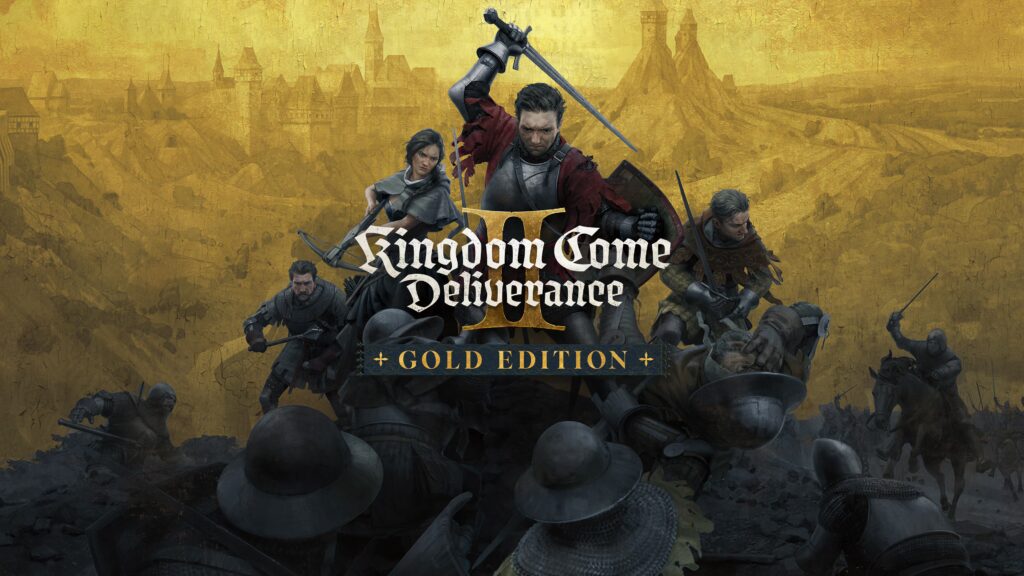
Warhorse Studios’ Role in Redefining Immersive Open-World RPGs
Warhorse Studios aims to redefine immersive open-world RPGs by focusing on systemic depth rather than scale alone. Instead of simply expanding map size, the studio prioritizes meaningful interactions, dynamic ecosystems, and reactive NPC behavior. Its design philosophy emphasizes player consequence, where every action has tangible effects on the world. This creates a living ecosystem rather than a static environment.
Future projects are expected to expand on this philosophy by integrating more advanced AI systems and procedural world simulation elements. The goal is to create RPGs that feel less scripted and more organic. This approach positions Warhorse as a pioneer in next-generation immersive RPG design.
In 2026, Kingdom Come: Deliverance 2 stands alongside major RPG franchises such as The Elder Scrolls, Baldur’s Gate, and Cyberpunk 2077 in discussions of genre leadership. However, its unique selling point remains realism. While other franchises explore fantasy or futuristic settings, Warhorse remains committed to historical authenticity. This distinction allows Kingdom Come: Deliverance 2 to occupy a unique niche within the RPG market, appealing to players seeking grounded, immersive experiences rather than fantastical escapism. As a result, it competes not by imitation but by differentiation, strengthening its long-term relevance in the RPG ecosystem.
Many fans believe Warhorse Studios could follow a trajectory similar to CD Projekt Red because of its growing reputation for narrative quality and immersive world-building. Like CD Projekt Red during the rise of The Witcher series, Warhorse has demonstrated an ability to take a niche concept and elevate it into a globally recognized franchise. The success of Kingdom Come: Deliverance 2 has reinforced this perception, showing that the studio can handle larger budgets, more complex systems, and broader audience expectations. If Warhorse continues on this trajectory, it could become one of Europe’s leading AAA RPG developers.

Warhorse Studios’ Future AAA RPG Projects, Kingdom Come Rumors, and Possible New Fantasy Worlds
Warhorse Studios has reportedly confirmed that multiple AAA RPG projects are in development following Kingdom Come: Deliverance 2. This signals a shift from being a single-franchise studio to a multi-project developer capable of sustaining long-term output. These projects are expected to explore both historical and potentially new fantasy settings, expanding the studio’s creative range. The confirmation of multiple projects suggests strong internal growth and long-term strategic planning, positioning Warhorse as a major player in the RPG industry for years to come.
Speculation surrounding Kingdom Come: Deliverance 3 continues to grow as fans anticipate the continuation of the franchise. While no official confirmation has been made, industry patterns suggest that a third installment is highly likely given the success of the second game. If developed, Kingdom Come: Deliverance 3 would likely expand on systemic realism, larger world interactivity, and deeper narrative branching. However, Warhorse may also prioritize new intellectual properties before returning to the franchise, depending on its strategic development goals.
Rumors of a new open-world Lord of the Rings RPG involving Warhorse Studios have also generated significant interest. If such a project were to materialize, it would likely combine Warhorse’s realism-driven design philosophy with Tolkien’s rich fantasy universe. This would represent a major departure from the studio’s historically grounded work, allowing it to explore high fantasy while maintaining immersive simulation mechanics. Although unconfirmed, such a project would significantly elevate Warhorse’s global profile.
The future of Warhorse Studios appears to be defined by expansion, diversification, and increased AAA ambition. Whether continuing the Kingdom Come franchise, exploring new medieval settings, or potentially entering licensed fantasy worlds, the studio is positioning itself as a major RPG innovator. Its design philosophy remains centered on immersion, realism, and systemic depth, regardless of setting. This consistency suggests that Warhorse’s identity will remain strong even as its portfolio expands into new genres and intellectual properties.
Frequently Asked Questions (FAQs)
- What is Kingdom Come: Deliverance 2 about?
It is a realistic medieval role-playing game set in a historically grounded version of 15th-century Bohemia. The game continues Henry’s journey while focusing on political conflict, personal growth, and life in a believable medieval world. Instead of fantasy elements, it emphasizes immersion, historical detail, and grounded storytelling. - Why do developers call themselves the “new kings” of RPGs?
The phrase reflects Warhorse Studios’ ambition to stand out in the RPG genre. They are not trying to copy fantasy RPGs directly, but instead aim to redefine what a realistic, historically focused RPG can be. Their confidence comes from building games around deep systems, player choice, and authentic medieval immersion. - How does Kingdom Come: Deliverance 2 differ from Skyrim?
Kingdom Come: Deliverance 2 focuses on realism and historical accuracy, while Skyrim is a fantasy RPG filled with magic, dragons, and mythical creatures. In Kingdom Come, combat is more grounded, progression feels more realistic, and the world is designed to reflect medieval life. It offers a slower, more immersive experience rather than a fantasy power adventure. - Will there be Kingdom Come: Deliverance 3?
Kingdom Come: Deliverance 3 has not been officially confirmed. However, fans often speculate about a third game because the series has a strong following and plenty of room for future stories. Whether it happens will likely depend on the success of Kingdom Come: Deliverance 2 and Warhorse Studios’ long-term plans. - What makes Warhorse Studios unique?
Warhorse Studios is known for its strong commitment to realism, historical detail, and complex RPG mechanics. The studio pays close attention to things like medieval weapons, clothing, architecture, social systems, and daily life. This gives its games a distinct identity compared to RPGs that rely heavily on fantasy or simplified gameplay. - Is Warhorse working on new RPG projects?
Yes, reports suggest that Warhorse Studios has multiple AAA RPG projects in development. While details are limited, this shows that the studio is planning beyond just one release. These projects could include expansions, sequels, or possibly new RPG ideas with the same focus on immersion and depth. - Could Warhorse become like CD Projekt Red?
Many fans think Warhorse Studios could follow a similar path because both studios built their reputations through ambitious, story-driven RPGs. CD Projekt Red became widely known through The Witcher series, while Warhorse is growing through Kingdom Come: Deliverance. Whether it reaches that level will depend on how successful and consistent its future games are. - What is the gameplay style of Kingdom Come: Deliverance 2?
The gameplay focuses on realism, skill, and immersion. Combat requires timing, positioning, and practice, while survival systems make food, health, equipment, and reputation important. Quests often allow different solutions, giving players freedom to role-play and shape Henry’s journey through their choices. - Are there fantasy elements in Kingdom Come: Deliverance 2?
No, Kingdom Come: Deliverance 2 does not include magic, monsters, or supernatural powers. It is built around historical realism and believable medieval conflict. This grounded approach is one of the main reasons the series feels different from many other RPGs. - What is next for Warhorse Studios?
Warhorse Studios is expected to keep expanding within the RPG genre. This may include more Kingdom Come content, future sequels, or even new intellectual properties. Whatever comes next, the studio will likely continue focusing on realistic worlds, detailed systems, and immersive role-playing experiences.

Conclusion
Warhorse Studios has evolved from a niche historical RPG developer into a rising AAA contender with global ambitions. Kingdom Come: Deliverance 2 represents a turning point in its trajectory, demonstrating that realism-focused RPGs can compete in a market dominated by fantasy and science fiction giants. With multiple projects in development and growing industry recognition, Warhorse Studios is positioning itself as a defining force in the next era of RPG design.
Sources and Citations
- Warhorse Studios official communications and developer interviews
https://www.kingdomcomerpg.com/ - RPG genre analysis and comparisons
https://www.gamespot.com/ - Community and industry discussions on modern RPG evolution
https://www.pcgamer.com/
Recommended
- Crimson Desert Reveals Console Specs, Some Compromises on PS5 Explained
- Clair Obscur: Expedition 33 – Sales Milestones, Developer Insights, and Community Reactions
- How do I create a handheld camera effect in Blender?
- Studio Mir Animation Success Explained
- Facial Rigging in Blender: Comprehensive Guide for Beginners to Pros
- 28 Days Later Is Getting a 4K Blu ray Even Though It Wasn’t Built For It: Release Date, Dolby Vision, and What to Expect
- Call of Duty is Finally Ditching PS4 and Xbox One as Console Prices Keep Rising: What We Know About the Next COD Release and Platform Support
- How to Activate the Alien Door and Alien Turbine in Subnautica 2: Complete Alien Observatory Guide (Axum Vision, Turbine Repair & Door Unlock Walkthrough)
- How to Kill a Comet and Get the Comet Igniter in Arc Raiders | Collision Course Quest Guide (Step-by-Step Strategy)
- Noir-Style Mixed-Media Animation Created Using Blender: How Il Baracchino Blends 3D, 2D & Stop-Motion



































































































