







In This Article (8 sections)
Netflix Playground and the Growth of Children’s Game Engagement
Netflix Playground has become one of the clearest signs yet that Netflix’s gaming strategy is gaining traction with a specific, high-intent audience: families with young children. In its Q2 2026 shareholder letter, Netflix reported that Playground had tripled its daily players since launching in April, while engagement across its children’s mobile games increased by 600% year over year. The company also stressed that this dramatic increase came from a relatively small starting base, making it an indicator of strong early momentum rather than widespread market dominance. Even so, the results are strategically significant because Playground combines children’s entertainment, subscription retention, and franchise expansion within a single platform.
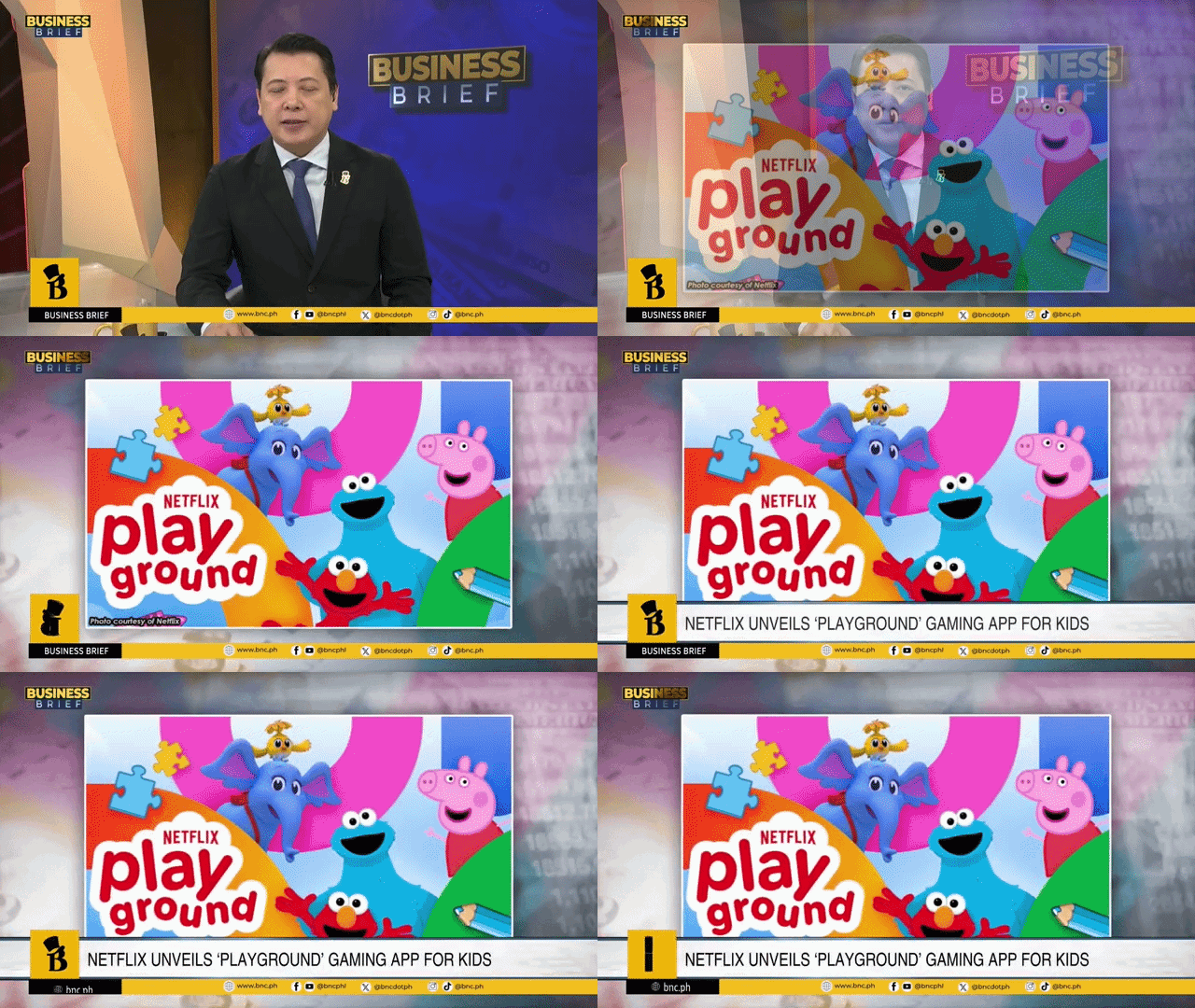
Netflix Playground is a dedicated mobile app for children aged 8 and under, designed around familiar family brands and characters. Available exclusively to Netflix members, the app offers an ad-free experience with no in-app purchases, no additional charges, and offline access on supported mobile devices. Launched in April 2026, Playground was created as a curated and child-friendly gaming hub rather than a general gaming storefront, giving parents a safer and more convenient environment for their children.
The strong growth in engagement appears to be driven by a combination of trusted intellectual property and a low-friction user experience. Playground brings together well-known brands such as Peppa Pig, Sesame Street, Dr. Seuss, PJ Masks, StoryBots, Gabby’s Dollhouse, and KPop Demon Hunters in one place, making it easier for families to discover and access age-appropriate content. Netflix highlights that the games are instantly playable, free from advertising, and available offline, addressing two of the biggest concerns for parents: trust and convenience. The company also suggests that the dedicated app helps users discover and return to its wider catalogue of children’s games more frequently.
At launch and during its early expansion, Netflix Playground included activities and mini-games based on Dr. Seuss’s Red Fish, Blue Fish, Horton!, and The Sneetches, along with titles and brands including Bad Dinosaurs, Sesame Street, Peppa Pig, StoryBots, Gabby’s Dollhouse, KPop Demon Hunters, and PJ Masks. Netflix has confirmed that additional content is planned for My Little Pony, PAW Patrol, Trash Truck, and Sesame Street, while six KPop Demon Hunters mini-games are already available. The lineup reflects Netflix’s strategy of combining its own intellectual property with popular licensed children’s franchises to broaden the app’s appeal.
Although Netflix has shared headline performance figures, it has not disclosed a detailed methodology for measuring children’s game engagement comparable to the “views” metric used for films and TV shows. Instead, the company has publicly reported indicators such as daily active players for Netflix Playground and year-over-year growth in children’s mobile game engagement. Netflix has also clarified that gameplay hours are not included in its What We Watched reports, meaning gaming metrics remain separate from its standard content transparency reports. Based on the information available, Netflix appears to rely on internal product metrics such as player activity and usage frequency, while selectively releasing only the most significant engagement figures to the public.

Why Netflix Is Investing in Children’s Games and How Playground Fits Into Its Strategy
Netflix’s investment in children’s interactive entertainment is driven by the importance of families as one of its most loyal audience groups. Analysts told Reuters that strengthening its children’s offering can make the service “stickier” for households with kids while helping Netflix compete with rivals that have a stronger presence in children’s programming. The company has already established a significant footprint in this area, reporting that kids’ programming accounted for nearly 22% of all Netflix views in 2025, while a family-friendly title has appeared in the Global Top 10 every week for almost four years. Expanding into children’s games is therefore a natural extension of one of Netflix’s most stable and valuable audience segments rather than a side project.
Netflix Playground supports this strategy by transforming passive viewing into interactive experiences. The app is designed to let children “step inside” their favourite stories and characters, with games based on branded worlds that already exist on Netflix or within its broader kids’ content strategy. This creates a cycle where popular shows encourage children to discover related games, while the games reinforce their connection to the characters and franchises between episodes, helping to build longer-lasting engagement.
Playground is included with every Netflix membership at no additional cost. According to Netflix, the app contains no advertising, no in-app purchases, and no extra subscription fees, setting it apart from many children’s mobile games that rely on ads, microtransactions, or separate app subscriptions for revenue.
Parents can access Netflix Playground by downloading the app from the Apple App Store or Google Play, signing in with an active Netflix membership, and selecting a profile. Games can also be found through the Netflix app’s mobile games row or directly from supported device app stores. By linking Playground to an existing Netflix account instead of requiring a separate gaming account, Netflix has made the setup process as simple and friction-free as possible..

Netflix Playground’s Target Audience, Safety Features, and Role in Netflix’s Gaming Strategy
Netflix describes Playground as a destination for children aged 8 and under. At the same time, the app store descriptions and available games show that much of the content is designed for preschool and early elementary-aged children. Many of the activities focus on foundational skills such as counting, shape recognition, music, memory, and creative play, making the platform particularly well suited for toddlers, preschoolers, kindergartners, and younger primary-school children, even though its overall target audience includes all children up to age eight.
A key part of Playground’s appeal is its emphasis on child safety. Rather than relying on advertising or microtransactions, Netflix has built the service with no ads, no in-app purchases, and no additional fees beyond the existing subscription. Parents also have access to Kids profiles, maturity ratings, title restrictions, and profile locks. Games only appear if they fall within the maturity level allowed for a child’s profile, giving parents greater control over what their children can access while also preventing unexpected spending that is common in many mobile gaming ecosystems.
Playground also reflects Netflix’s broader business strategy. The company increasingly positions itself as a complete entertainment platform instead of a video-only streaming service. Its investor materials highlight a portfolio that includes series, films, games, and live programming, while its Q2 2026 shareholder letter states that Netflix is evolving its product to deliver more personalized, immersive, and interactive experiences. Within that strategy, Playground extends the company’s family-focused intellectual properties into interactive experiences, encouraging subscribers to engage with Netflix beyond simply watching shows and movies.
Although Netflix is entering the children’s gaming market, it is not currently competing with platforms like Roblox on overall scale. Roblox reported 132 million average daily active users and 31 billion hours of engagement during Q1 2026, placing it in an entirely different category from Netflix’s newly launched curated gaming hub. However, Netflix does not need to match Roblox’s open-ended, user-generated ecosystem to succeed. Instead, its strongest competitive advantage lies in offering trusted, subscription-included, IP-driven children’s entertainment that provides parents with a safer, more curated, and predictable alternative to the wider mobile app marketplace. On overall scale, Netflix cannot currently rival Roblox, but it has a more realistic opportunity to establish itself in the premium family gaming space.
What the Engagement Increase Means for Netflix Games and What Comes Next for Netflix Playground
The 600% increase signals that Netflix’s games business may work best when it is closely aligned with audience needs and the company’s content identity. After several years of experimenting across different genres and age groups, Playground provides evidence that a focused strategy centred on children’s games can generate measurable momentum more quickly than a broader, less targeted gaming portfolio. Since Netflix has stated that the growth comes from a relatively small user base, the figure should not be overstated. Even so, it suggests that children’s games could become one of the company’s most practical and scalable gaming categories.
Looking ahead, Netflix’s immediate priority is expanding Playground’s content library. The company has already confirmed that the platform will add PJ Masks: Save the Night, My Very Hungry Caterpillar, and additional titles based on My Little Pony, PAW Patrol, Trash Truck, and Sesame Street. Beyond new games, Netflix’s Q2 commentary indicates that it views gaming as part of a broader investment in interactive entertainment, while Reuters reported that Playground was designed for a wider rollout following its initial launch in selected countries. The most likely next phase is a larger catalogue, stronger integration with popular children’s franchises, and further evidence that children’s gaming can strengthen the wider Netflix ecosystem.

Frequently Asked Questions
- Is Netflix Playground a separate paid service?
No. Netflix says Playground is included with all Netflix memberships and does not require extra payment, in-app purchases, or ad upgrades. This means subscribers can access the app without paying an additional subscription fee or buying individual games. Like the rest of Netflix’s gaming library, everything is available as part of an existing Netflix membership. - Did Netflix really report a 600% increase in kids game engagement?
Yes. The company said kids mobile game engagement was up 600% year over year and also said Playground daily players had grown 3x since launch. These figures were shared by Netflix to highlight how quickly children’s gaming activity has increased and suggest that more families are actively using its games than before. - Is the 600% figure proof that Netflix games are now mainstream?
Not by itself. Netflix explicitly said the increase came off a small base, so the figure shows strong momentum more than massive absolute scale. In other words, the percentage increase is impressive, but it does not necessarily mean Netflix games have reached the same level of popularity as the biggest gaming platforms. - What devices support Netflix Playground?
Netflix lists Android phones and tablets, plus iPhone and iPad, for Playground access. As long as the device is compatible with the Netflix app and meets the required software version, users can download and play Playground on supported mobile devices. - Can children play Netflix Playground offline?
Yes. Netflix says Playground supports offline play, which is part of its appeal for travel and on-the-go use. After the required content is downloaded, children can continue playing without an internet connection, making it useful during flights, road trips, or in places with limited connectivity. - What brands are in Netflix Playground?
The lineup includes brands such as Peppa Pig, Sesame Street, Dr. Seuss, Gabby’s Dollhouse, StoryBots, PJ Masks, and KPop Demon Hunters, with more brands planned. Netflix intends to keep expanding the catalogue, giving children access to familiar characters and educational or entertainment-focused experiences from well-known franchises. - How does Netflix keep the app safer for children?
Netflix combines ad-free, purchase-free design with Kids profiles, maturity filters, title restrictions, and profile lock features. These tools help parents control what children can access while reducing distractions and eliminating the risk of accidental purchases or exposure to advertising. - Is Playground only for preschoolers?
Not only. Netflix says it is for kids aged 8 and younger, though many activities are clearly designed for preschool and early elementary learning and play. While younger children are the primary audience, older kids within the target age range can also find games and activities suited to their interests and abilities. - Why is Netflix focusing on children’s games now?
Because kids and family content already represents a large share of Netflix viewing, and stronger family features can improve household retention and franchise loyalty. By expanding its children’s gaming offering, Netflix aims to give families more reasons to stay subscribed while encouraging engagement with its popular family-focused brands. - Can Playground realistically challenge Roblox?
Not on open-platform scale right now. Its stronger position is as a curated, subscription-based, family-safe alternative for young children. Unlike Roblox, which relies heavily on user-generated content and appeals to a much broader audience, Playground focuses on providing a controlled environment with trusted brands and age-appropriate experiences for younger children.

Conclusion
Netflix Playground is not just another side app in the Netflix ecosystem. It is an early proof point that children’s interactive entertainment can meaningfully increase engagement when the experience is curated, recognizable, low-friction, and safe for parents. The reported 600% year-over-year increase in kids mobile game engagement does not mean Netflix has suddenly become a dominant game platform, especially because the company says the growth comes from a small base.
But it does show that Netflix has found a clearer product-market fit in children’s gaming than in many of its broader gaming experiments. If the company keeps expanding the catalog and linking play more closely with its family franchises, Playground could become one of the most strategically valuable parts of Netflix Games.
Sources and citation
- Netflix Q2 2026 Shareholder Letter — official Netflix investor materials. The Q2 update states that Netflix Playground experienced 3x growth in daily players since its April launch and that kids mobile-game engagement was up 600% year over year.
- Netflix Tudum — “Netflix Playground: Everything Parents Need to Know” — covers the app’s purpose, children ages 8 and under, featured characters, offline play, subscription inclusion, ads, fees, and in-app purchases.
- Reuters — “Netflix debuts new ‘Playground’ gaming app for kids” — April 6, 2026. Covers the initial launch markets, global rollout, family-retention strategy, analyst commentary, and Netflix’s competitive position in gaming.
- Netflix Tudum — “New Preschool and Kids Shows and Games Coming to Netflix” — June 22, 2026. Covers upcoming Playground games and states that Kids programming accounted for nearly 22% of Netflix views in 2025.
- Netflix Help Center — Parental Controls — explains Kids profiles, maturity ratings, title restrictions, profile locks, PINs, and other parental-control options.
- Netflix Help Center — Game Maturity Ratings — explains how game ratings work across Android, iOS, TV, and Netflix.com and how profile maturity settings affect available games.
- Netflix Help Center — Netflix Playground — confirms Android/iOS availability, single-player support, offline play, and that Playground is included with Netflix with no ads, in-app purchases, or additional fees.
- Netflix Help Center — Mobile Games — confirms Netflix’s broader mobile-game model, including no ads, no extra fees, no in-app purchases, and inclusion with Netflix membership.
- Roblox Q1 2026 Shareholder Materials — official Roblox investor-relations page containing the Q1 2026 shareholder letter, supplemental materials, earnings webcast, and transcript.
Recommendations
- Marvel’s Wolverine Gameplay Mechanics Explained: How Insomniac Designed Logan’s Combat System
- Professor Layton and the New World of Steam Adds PC & PS5 for 2026 Global Launch: Why There’s Still No Xbox Version
- Subnautica 2 Publisher Followed ChatGPT’s Advice On How To Break The Law: Krafton vs Unknown Worlds Lawsuit Explained
- Stranger than Heaven Combat Explained: Why it Plays Nothing Like Yakuza (Full Breakdown of RGG’s New Fighting System)
- Anbernic Replacement Parts Store: How to Buy Official Parts for Handheld Consoles
- Christopher Nolan’s “AI Slop” Comments Explained: Why He Says Gen Z Is Rejecting AI
- What a Jak and Daxter Remake Might’ve Looked Like Back in 2019: The Lost Pitch, Footage, and What It Means for Fans
- MW4 Multiplayer in Action Reveals Crazy Kill Block Map with 500+ Combinations
- Introduction to Substrate Materials | Unreal Engine 5.7: Setup, Conversion, and Optimization Guide
- The Blood of Dawnwalker PC Requirements Revealed Full Minimum, Recommended & Ultra Specs Explained



































































































