










In This Article (9 sections)
Combat Assists and Team-Up Finishers in Marvel’s Wolverine
The Sabretooth team-up sequences introduce one of the most unexpected gameplay dynamics in Marvel’s Wolverine. Rather than traditional co-op multiplayer, the system appears to function as narrative-driven assist combat, with Sabretooth temporarily joining Logan during high-intensity encounters. These segments are designed to highlight contrast: Wolverine represents controlled aggression and tactical brutality, while Sabretooth embodies chaotic ferocity. When both characters operate together, the battlefield becomes layered with overlapping attack patterns, creating opportunities for synchronized takedowns and environmental destruction chains.
The co-op system does not appear to be persistent. Instead, it seems context-sensitive and triggered during key story missions, allowing Insomniac to script cinematic team attacks without breaking gameplay immersion. Players may experience coordinated enemy grabs, dual finishing sequences, and synchronized area clears that visually emphasize the rivalry and chemistry between Logan and Victor Creed.
Jean Grey’s involvement in Marvel’s Wolverine introduces a telekinetic support system that changes how finishing moves are executed. Rather than being a fully playable character, Jean functions as a psychic combat enhancer, intervening during specific scenarios to manipulate enemies and create openings for Wolverine. Her telekinesis is used to suspend enemies mid-air, restrict movement, or group targets for multi-kill finishers, allowing Logan to execute high-impact claw attacks with minimal resistance and increasing the cinematic intensity of combat sequences.
These assist mechanics also serve a strategic purpose. Players are encouraged to time their aggression around Jean’s interventions, maximizing damage output while enemies are controlled. This creates a rhythm between chaos and precision, reinforcing Insomniac’s hybrid approach to storytelling and gameplay integration.
Wolverine’s Combat Feel, Claw Mechanics, and Rage System
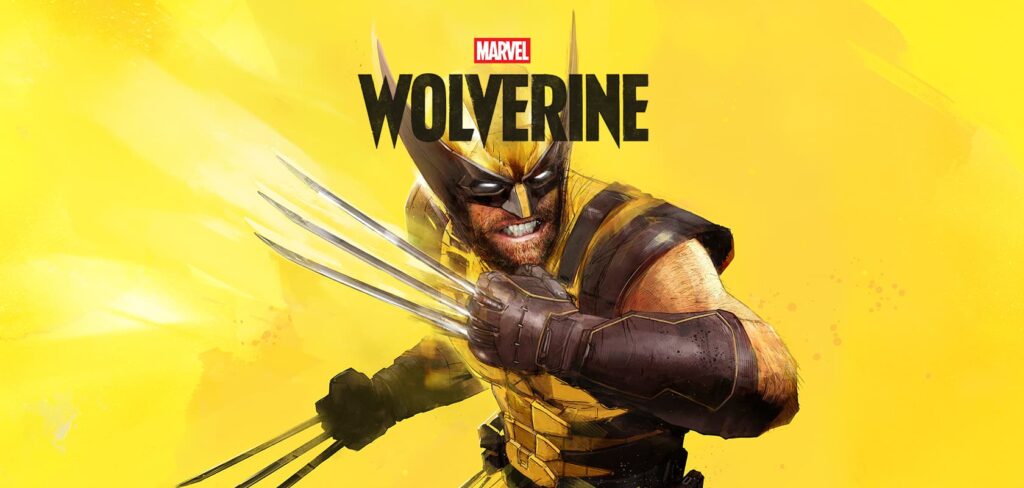
The DualSense adaptive trigger system plays a critical role in making Marvel’s Wolverine feel physically immersive. Each activation of Logan’s claws is designed to deliver resistance feedback, simulating the sensation of metal extending through flesh and bone. When the player engages claw attacks, the triggers provide varying levels of tension depending on the combat context. Light attacks feel sharp and responsive, while heavy strikes require more forceful input to simulate weight and resistance. This creates a tactile distinction between basic attacks and execution moves, making each combat action feel more physical.
The system also enhances environmental interactions. Ripping through armored enemies or metallic objects produces different haptic responses, reinforcing the physicality of Logan’s mutations. The result is a layered sensory experience where combat is not just visual but deeply tactile. This directly supports the broader combat system, which is built around three core pillars: brutal melee engagement, rage accumulation, and claw-based execution mechanics. Each pillar feeds into the others, creating a loop of escalation during combat encounters.
The rage meter functions as both a narrative and mechanical device. As Logan takes damage and deals attacks, his rage increases, unlocking more aggressive abilities while enhancing attack speed and damage output. This reflects Wolverine’s emotional instability and regenerative combat psychology. Claw attacks form the backbone of offensive gameplay, offering fast, versatile strikes capable of slicing through multiple enemies in sequence. Combined with melee strikes and counters, they allow for fluid combat chaining that rewards aggressive positioning and constant pressure.

State of Play Gameplay Reveal, Co-Op Finishers, and Character Roles
The State of Play demo provides the most comprehensive look at Marvel’s Wolverine gameplay systems to date. It reveals a darker tonal direction, emphasizing survival, aggression, and grounded violence over superhero spectacle. Key insights include a focus on linear cinematic mission design, enhanced environmental destruction, and enemy AI that adapts to player aggression. The trailer also highlights Wolverine’s healing factor, which visually regenerates damage in real time during combat transitions.
The demo also confirms a narrative-driven structure that integrates mutant conflicts, covert operations, and faction-based storytelling. The presence of organizations like the Reavers suggests a high-stakes world where Wolverine is constantly hunted and weaponized. Within this structure, co-op finishers appear to play a major role in connecting gameplay mechanics with character relationships. These finishers, showcased in the State of Play gameplay reveal, demonstrate a synchronized execution system between Wolverine and allied characters like Sabretooth and Jean Grey. They are context-sensitive and triggered when enemy conditions align with specific thresholds.
During execution sequences, both characters contribute to a single cinematic kill animation. This may include simultaneous strikes, psychic immobilization combined with physical dismemberment, or environmental kills involving coordinated force application. These finishers are designed to emphasize narrative relationships while also rewarding gameplay timing. Players must position themselves correctly and manage enemy health states to trigger these sequences, adding a layer of tactical planning to otherwise chaotic combat.
Jean Grey is not presented as a fully playable character in Marvel’s Wolverine. Instead, she functions as a narrative-driven support entity who intervenes during specific combat and story moments. Her role is primarily built around telepathic assistance, influencing battlefield conditions without direct player control. This includes disabling enemies, enhancing Wolverine’s attack windows, and enabling co-op finishers. This design choice maintains focus on Wolverine as the central playable character while still incorporating iconic X-Men relationships into the gameplay systems.
The relationship between Sabretooth and Wolverine is one of the most complex dynamics in the game. While early gameplay suggests cooperative sequences, the narrative context strongly implies that this alliance is temporary and unstable. Sabretooth’s presence may alternate between ally and antagonist depending on mission structure, setting up the possibility of major boss encounters later in the game, where betrayal or ideological conflict leads to direct confrontation. Their shared history ensures that every interaction carries emotional and mechanical weight, making their encounters some of the most intense moments in the game.

Combat Feel, Haptics, Rage Mode, and Finishing Moves in Marvel’s Wolverine
Insomniac places heavy emphasis on animation blending and haptic synchronization to create a visceral combat feel in Marvel’s Wolverine. Every strike is designed with motion weight in mind, ensuring that attacks feel impactful rather than floaty. Enemy reactions are highly reactive, with stagger states, dismemberment animations, and environmental impacts dynamically responding to player input. This creates a sense of realism within a stylized combat system, while haptic feedback reinforces the design by translating visual impact into physical sensation through the controller during high-intensity fights.
Beyond adaptive triggers, the DualSense controller enhances immersion through detailed haptic feedback patterns. Each combat scenario generates distinct vibration signatures depending on enemy type, attack strength, and environmental context. Slicing through armored enemies produces heavier vibration pulses, while rapid multi-target attacks generate rhythmic feedback patterns. This allows players to feel the flow of combat in real time. Combined with trigger resistance, the controller becomes an extension of Wolverine’s physical presence in the game world.
Rage Mode is a core gameplay mechanic that reflects Wolverine’s emotional and physical escalation during combat. As the rage meter fills, Logan gains enhanced strength, faster attack speed, and increased resistance to damage. This system encourages aggressive playstyles, rewarding players who remain in constant engagement with enemies. However, it also introduces risk, as higher aggression can lead to reduced control over enemy positioning. Rage Mode effectively turns Wolverine into a controlled force of destruction, aligning gameplay with character identity.
Finishing moves in Marvel’s Wolverine are divided into solo executions and cooperative cinematic takedowns. Solo finishers focus on precision brutality, allowing Logan to eliminate weakened enemies through highly stylized animations. Co-op executions, on the other hand, integrate allied characters into the kill sequence, emphasizing narrative relationships while increasing visual spectacle. Both systems are tied to enemy health thresholds and combat conditions, ensuring that finishers feel earned rather than arbitrary.
The Pixelhair View Keeper Analysis highlights how Marvel’s Wolverine shifts away from traversal-based spectacle and moves toward grounded cinematic intensity. Unlike Spider-Man’s aerial freedom and speed-based camera movement, Wolverine’s gameplay focuses on close-range framing and tight spatial control. Camera work is deliberately constrained during combat to emphasize brutality and impact, creating a more intimate viewing experience where every strike feels immediate and personal. The result is a cinematic style that prioritizes emotional weight over mobility spectacle, making Wolverine’s encounters feel more visceral and grounded than previous Insomniac superhero titles.

Story Setup, Reavers, Mutant Rescues, and Team X in Marvel’s Wolverine
The narrative framework of Marvel’s Wolverine revolves around covert operations, mutant persecution, and underground resistance movements. The Reavers serve as a primary antagonistic force, representing technologically enhanced hunters who target mutants. Their presence suggests a hostile world where Wolverine is not only fighting for survival but also being pulled into larger conflicts involving mutant exploitation and organized violence.
Wolverine’s involvement with black ops groups and experimental programs such as Team X points to a layered backstory filled with moral ambiguity and fragmented memory. This setup gives the story room to explore Logan’s history, his connection to covert operations, and the psychological weight of being shaped by forces beyond his control. Mutant rescue missions are also expected to play a key role in progression, blending combat scenarios with narrative decision-making that shapes Logan’s journey.

Frequently Asked Questions (FAQs)
- Is the game connected to the X-Men universe?
Yes, Marvel’s Wolverine exists within a broader X-Men-inspired narrative framework. Characters like Jean Grey and Sabretooth, along with themes involving mutants, covert programs, and organizations like Team X, connect the game to Wolverine’s larger comic-book mythology. However, the story still appears centered on Logan as the main character and emotional focus. - Is Marvel’s Wolverine open world?
No, Marvel’s Wolverine is expected to use a more structured, cinematic mission design rather than a fully open-world format. Based on what has been shown, the game appears to focus on tightly directed story missions, intense combat encounters, and controlled environments instead of large-scale free roaming. This approach allows Insomniac to emphasize pacing, narrative tension, and brutal close-range action. - Can you play as Sabretooth?
No, Sabretooth does not appear to be a fully playable character. Instead, he seems to function as a temporary ally during certain scripted sequences, where he can assist Wolverine in combat and take part in synchronized takedowns. His role appears to be tied to specific story moments rather than a separate playable campaign or character-switching system. - Is Jean Grey fully playable?
No, Jean Grey is not presented as a fully playable character. Her role appears to be focused on telekinetic and telepathic support during specific combat or story moments. She can influence the battlefield by disabling enemies, creating openings for Wolverine, and helping trigger co-op-style finishers, but the main playable focus remains on Logan. - Does Wolverine have ranged attacks?
Combat appears to be primarily melee-focused, with Wolverine’s claws serving as the main weapon system. His fighting style is built around close-range aggression, counters, executions, and brutal claw-based combos rather than firearms or traditional ranged powers. Any distance-closing moves would likely support his melee combat rather than replace it. - What is Rage Mode?
Rage Mode is a gameplay mechanic that increases Wolverine’s power and aggression as he takes and deals damage. As the rage meter builds, Logan can become faster, stronger, and more resistant during combat. The system reflects his emotional volatility and turns sustained fighting into a cycle of escalation, rewarding players who stay aggressive. - Does the game include co-op multiplayer?
No, the game does not appear to include traditional co-op multiplayer. In this context, “co-op” refers to scripted assists, cinematic team attacks, and special finishers involving characters like Sabretooth or Jean Grey. These moments are designed to support the story and enhance combat spectacle, not allow another player to control a second character. - How does healing work in gameplay?
Wolverine’s healing factor visually regenerates damage over time during and after combat. This means players may see wounds, cuts, or battle damage repair in real time as Logan recovers. The mechanic supports both gameplay and character identity, showing his mutant regeneration as part of the combat experience rather than just a background story detail. - Are finishers interactive?
Yes, finishers are context-based and triggered under specific combat conditions. They appear to depend on factors such as enemy health, positioning, combat timing, and whether an allied character is involved. This makes finishers feel earned during battle rather than random, while also allowing Insomniac to deliver cinematic execution animations. - What enemies appear in the game?
The Reavers and other mutant-hunting factions are central antagonists in Marvel’s Wolverine. The Reavers are typically associated with technologically enhanced soldiers or hunters, making them a strong fit for the game’s darker, more violent tone. Their presence suggests a story focused on mutant persecution, experimentation, and Logan being hunted or weaponized.

Conclusion
Marvel’s Wolverine gameplay represents a significant shift toward grounded, brutal, and cinematic combat design. Through systems like Rage Mode, DualSense integration, co-op finishers, and narrative-driven support characters such as Jean Grey and Sabretooth, Insomniac creates a tightly woven experience centered on Wolverine’s identity as a feral, unstoppable force. The result is a gameplay structure that prioritizes emotional intensity, physical impact, and narrative cohesion over traditional superhero sandbox design.
Sources and Citations
- Insomniac Games official Marvel’s Wolverine page
- https://insomniac.games/game/marvels-wolverine/
- PlayStation Blog announcement: Marvel’s Wolverine by Insomniac Games
- https://blog.playstation.com/2021/09/09/announcing-marvels-wolverine/
- PlayStation official Marvel’s Wolverine game page
- https://www.playstation.com/en-us/games/marvels-wolverine/
- Marvel official Marvel’s Wolverine game page
- https://www.marvel.com/games/marvels-wolverine
- Marvel’s Wolverine announcement trailer, PlayStation Showcase 2021
- https://www.youtube.com/watch?v=Zcj9AzHv_l8
- PlayStation State of Play official hub
- https://www.playstation.com/en-us/state-of-play/
- PlayStation Showcase and State of Play official PlayStation YouTube channel
- https://www.youtube.com/@PlayStation
- Marvel official Wolverine character profile
- https://www.marvel.com/characters/wolverine-james-howlett
- Marvel official Jean Grey character profile
- https://www.marvel.com/characters/jean-grey
- Marvel official Sabretooth character profile
- https://www.marvel.com/characters/sabretooth
Recommendations
- Valor Mortis Preview: A First-Person Soulslike Where You Die Again and Again in Napoleon’s Army
- Top Video Games with Really Good Foley Work: The Best Sound Design in Gaming
- ARC Raiders: How to Find and Defeat the ARC Turbine (Locations, Weak Spots, and Turbine Compressor Drops)
- Borderlands 4 Nintendo Switch 2 Release Update and Latest Developer Comments
- Aliens: Fireteam Elite 2 Revealed: Everything We Know About the New 4-Player Xenomorph Shooter
- Epic Games Store Debuts on IPhone Devices in Japan: How to Download, Install, and Play Fortnite on IOS
- 007 First Light Official Release Date (May 27, 2026), State of Play 2026 Trailer Breakdown, and Community Reaction
- How to Create Large Scale Water FX in Houdini: a Complete Guide for Realistic Simulations
- Mortal Kombat Actor on Street Fighter Rivalry: Lewis Tan Reacts to Andrew Schulz’s Game Awards Jab
- Camera Mapping in Blender: A Complete Guide to 3D Projection Techniques



































































































