








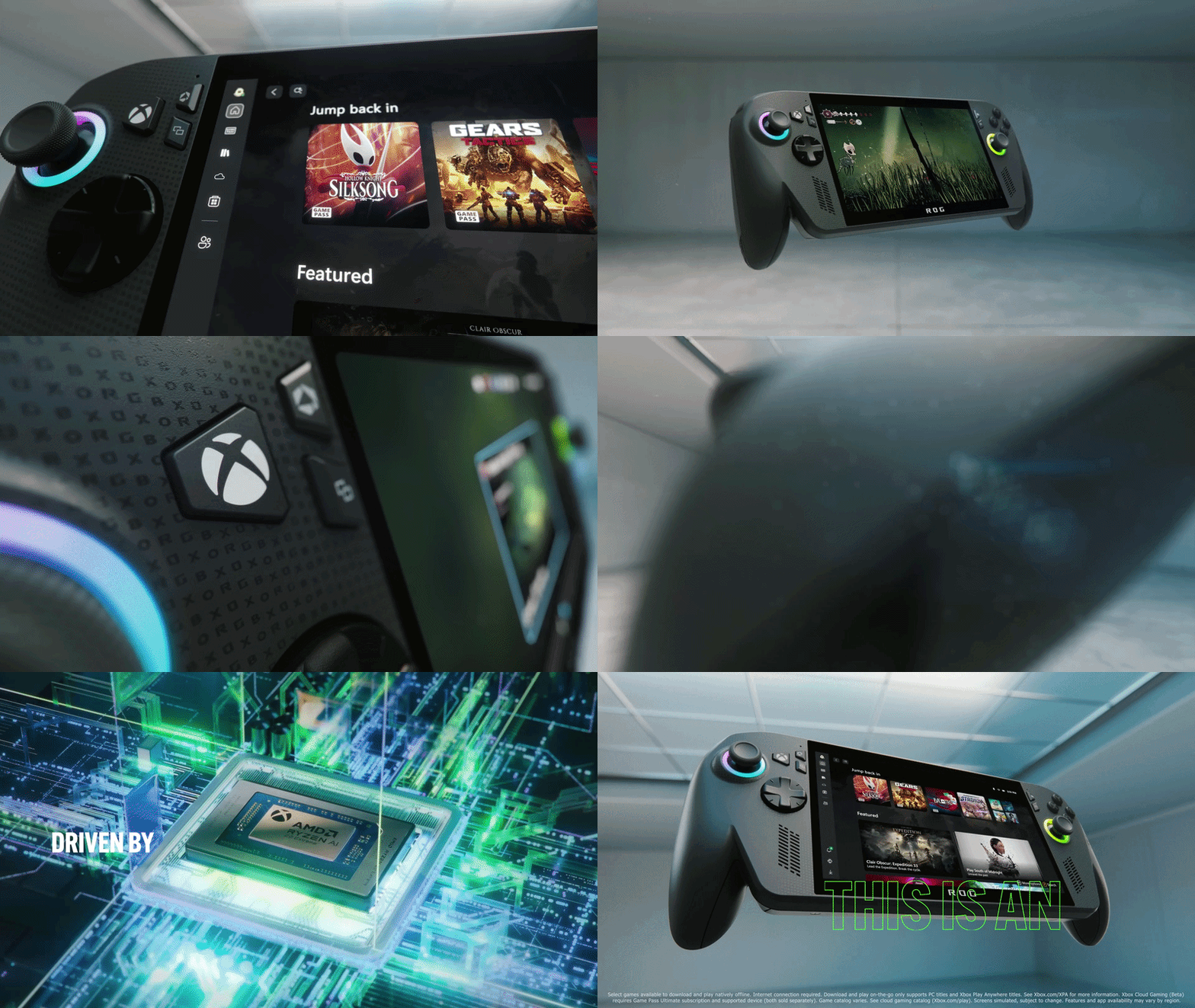
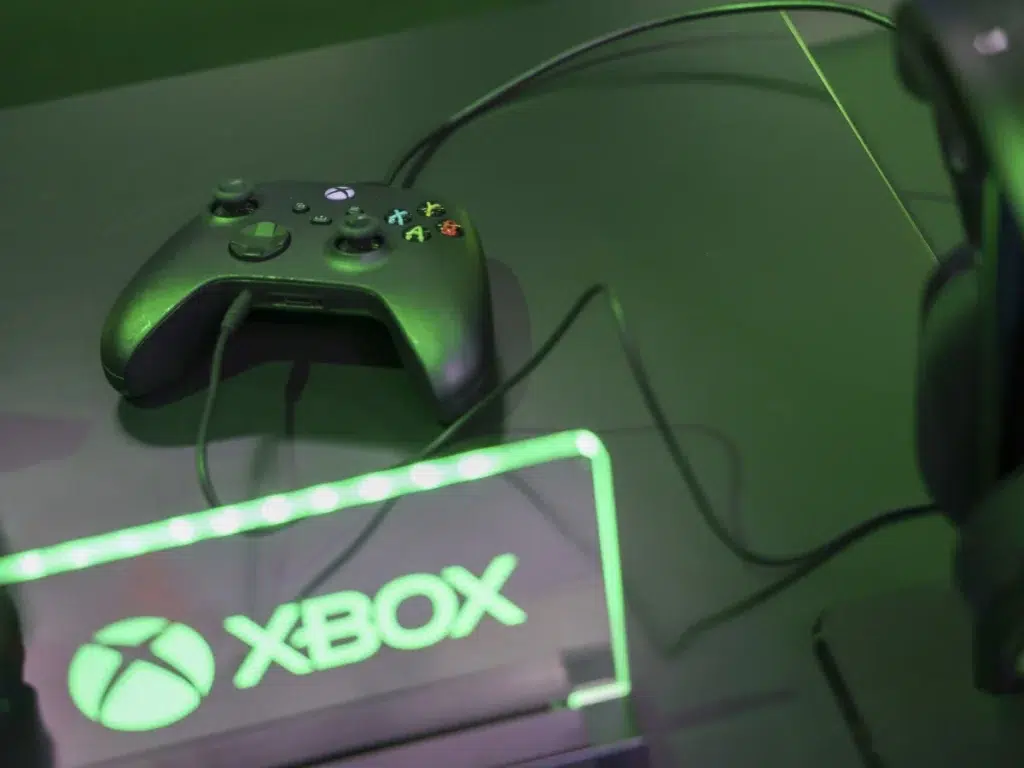
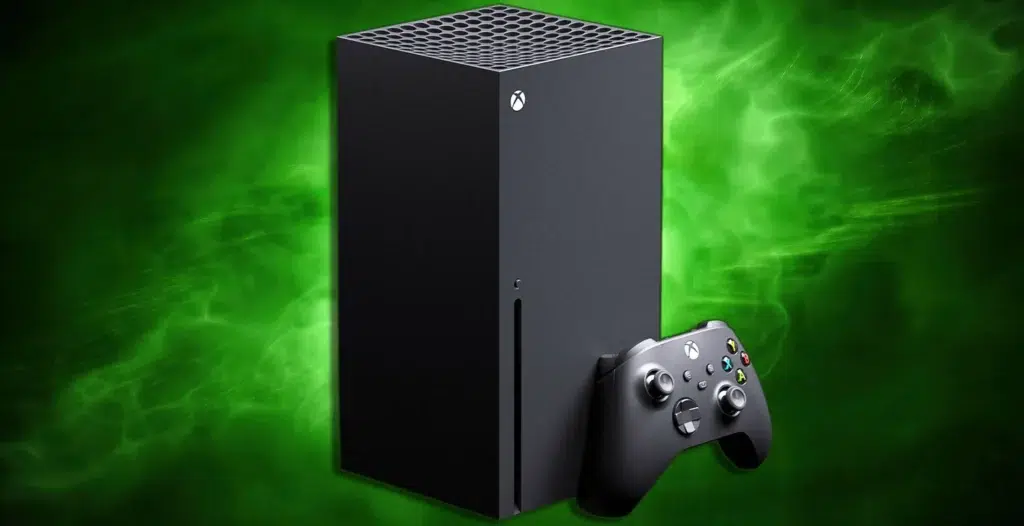
Microsoft is reportedly targeting a 2027 launch for its “Gen-10” Xbox console. While internal documents from the 2023 FTC v. Microsoft trial originally suggested a 2028 release for a hybrid cloud platform, recent comments from AMD CEO Lisa Su indicate the timeline has accelerated to 2027. Su noted that development of a semi-custom SoC is progressing to support this earlier window. Though 2028 remains a possible fallback, current industry alignment points toward a late 2027 holiday debut.
Microsoft new Xbox hardware 2027: what’s expected next year
The years 2025 and 2026 are expected to serve as a bridge to the next generation through several key developments:
- The distribution of development kits to studios is anticipated by late 2026.
- Microsoft is collaborating with partners like ASUS on Xbox-branded devices, with potential for more OEM-produced hardware in 2026.
- Rumors suggest the release of an “Xbox PC” or small form factor console from an third-party manufacturer in 2026.
- New peripherals, including an Elite Controller Series 3 and other controller revisions, are expected to launch in 2026 to ensure ecosystem compatibility.
AMD CEO Lisa Su quote about next-gen Xbox launching in 2027
AMD CEO Lisa Su provided a strong indication of the console’s timing during a Q4 2025 investor call, stating that the development of the next-gen Xbox’s AMD semi-custom SoC is on track for 2027. This follows an earlier confirmation by Xbox President Sarah Bond regarding a multi-year strategic partnership with AMD. Su’s remarks suggest that the hardware milestones necessary for a 2027 launch are currently being met, despite Microsoft’s internal flexibility on the exact date.

Xbox Magnus SoC codename: what we know about the AMD chip
The next Xbox will be powered by a semi-custom SoC codenamed “Magnus.” Built on a TSMC 3nm process with a die size of approximately 408mm², the chip is expected to include:
- A CPU featuring Zen 6 architecture, likely with 3 high-performance cores and 8 efficiency cores (11 cores/22 threads total).
- An RDNA 5 GPU with roughly 68 Compute Units, offering a significant increase over the Xbox Series X.
- Advanced memory support, potentially utilizing GDDR7 technology with rumors suggesting capacities as high as 48 GB, though 24 GB or 32 GB are considered more likely for the final product.
- A dedicated Neural Processing Unit (NPU) rated at 110 TOPS to handle AI upscaling, frame interpolation, and advanced NPC AI.
Xbox and AMD partnership for next-gen consoles, handhelds, and cloud servers
Microsoft and AMD have entered a multi-year partnership to co-engineer silicon across a variety of form factors:
- Home Consoles: Flagship and potential mid-cycle hardware based on the Magnus architecture.
- Handhelds: Efficient APUs designed for portable Xbox experiences, building on the foundation of the ROG Ally.
- Cloud and Servers: Custom blades for Xbox Cloud Gaming optimized for next-gen streaming.
- PC Integration: Ensuring Windows 11 and AMD hardware work seamlessly to support the Xbox app and unified gaming features.
What “Xbox Everywhere” means for Microsoft’s new hardware strategy
The “Xbox Everywhere” strategy shifts the focus from a single console to a broad ecosystem of devices. Key pillars include:
- Expanding the brand to include smart TVs, streaming sticks, and handhelds.
- Maintaining “Play Anywhere” support and cross-platform service continuity.
- Opening the hardware to third-party storefronts like Steam and the Epic Games Store.
- Licensing the “Xbox” name and OS to other manufacturers for “Xbox-certified” PCs and devices.
- Utilizing a hybrid cloud model where local hardware and cloud computing combine to power advanced gaming experiences.

Will the next Xbox run Windows 11
The Gen-10 Xbox is expected to use Windows 11 as its foundational operating system rather than a proprietary fork.
- It will utilize a “Full Screen Experience” (FSE) mode to provide a controller-friendly console interface while hiding the traditional desktop.
- The move facilitates easier support for PC storefronts, native Windows games, and PC-centric features like mods.
- Development synergy is improved as consoles and PCs will share the same OS environment and features like DirectStorage and Auto HDR.
- The system may be based on the “CorePC” modular initiative to strip away background bloat while ensuring stability through dedicated update channels.
Xbox console-first interface on top of Windows: how it could work
Microsoft is developing a “console-first” user interface for the next Xbox that sits atop Windows 11. This Full Screen Experience (FSE) shell is designed to hide the Windows desktop, providing a TV-friendly environment navigable via controller. Microsoft is currently testing this prototype on PC to ensure it can seamlessly launch games from various storefronts.
- Controller-First Input: System menus and stores are optimized for gamepads, hiding cursor and keyboard support unless needed.
- Unified Libraries: The dashboard allows players to browse and launch games from Xbox Game Pass, the Microsoft Store, Steam, and Epic Games in one place.
- Quick Resume / Task Switching: Leveraging Windows’ processing capabilities, the UI enables fluid switching between multiple games and applications.
- Console Settings & Overlays: Standard Xbox features like the guide, network settings, and achievement trackers are accessible via an overlay.
- Exit to Desktop Option: Power users may have the option to switch to a full Windows 11 desktop for productivity or advanced tweaking using a mouse and keyboard.
To achieve console-like stability, Microsoft is utilizing Windows CorePC to modularize the OS, disabling unnecessary background processes and optimizing resource scheduling specifically for gaming.
Steam on next-gen Xbox: will Microsoft allow the Steam store on console
Microsoft’s shift toward an open ecosystem suggests that Valve’s Steam store may be accessible on the next Xbox. Since the hardware runs Windows 11, the Steam PC client is technically compatible. This openness serves several strategic purposes:
- Regulatory Approval: Demonstrates a lack of monopolization to global regulators.
- Market Appeal: Attracts PC gamers by allowing them to access their existing Steam libraries in the living room.
- Service Synergy: Microsoft continues to benefit from Game Pass subscriptions even if users buy specific titles on Steam.
Potential implementation methods include:
- Native Steam Client: Allowing users to install the standard Steam app and use “Big Picture” mode.
- Integrated Library: Incorporating Steam titles directly into the Xbox dashboard through background processes.
- Account Linking: Syncing Steam and Xbox accounts to display a unified library on the home screen.
Epic Games Store on next Xbox: “day one” comments and what they imply
Epic Games Store head Steve Allison has confirmed that Epic plans to be available on the next Xbox on “day one.” This suggests that Microsoft has shared early development information with Epic to facilitate a dedicated, controller-friendly app. This move reinforces the vision of the next Xbox as a hybrid system capable of playing both console and PC games.
The inclusion of the Epic Games Store offers specific advantages:
- Exclusive Games: Access to PC exclusives that may not have traditional console releases.
- Free Games and Discounts: Enabling Xbox users to claim and play Epic’s weekly free game offerings.
- Unreal Engine synergy: Potential optimizations for games built on Epic’s engine.
This “day one” commitment highlights Microsoft’s departure from the traditional closed console model, positioning the platform as an open marketplace.
“Not locked to a single store” Xbox: what Microsoft has said officially
Microsoft officially declared in June 2025 that its next platform is “not locked to a single store or tied to one device.” This philosophy aims to move beyond the “walled garden” approach of previous generations. This strategy is influenced by a desire for transparency with regulators and to differentiate Xbox from competitors like PlayStation.
Official goals for this open strategy include:
- Store Choice: Allowing multiple storefronts to coexist on the hardware.
- Device Ubiquity: Ensuring profiles and libraries span across consoles, handhelds, PCs, and the cloud.
- Consumer Benefits: Offering competitive pricing through store competition and allowing players to carry over existing PC purchases.
Microsoft intends to maintain a “curated, premium experience” while enabling this openness, ensuring that third-party integrations meet specific quality and security standards.e form. If they deliver on this promise, it will set a new precedent and could pressure the entire industry toward more open platforms.

XXbox Full Screen Experience on Windows 11: what it is and why it matters
The Xbox Full Screen Experience (FSE) is a Windows 11 mode that provides a console-like user interface navigable entirely by controller. It serves as a testing ground for the next-gen Xbox interface.
- Dashboard Interface: Mimics the Xbox home screen while hiding the Windows desktop and Start menu.
- Controller Optimization: Large tiles and menus designed for couch or handheld use.
- Multi-Store Launcher: Allows access to games from the Xbox app, Steam, and Epic Games Store in one place.
- Task Switcher: Facilitates quick swapping between different games and apps.
- Direct Boot: Capability to start the device directly into the Xbox interface.
This feature unifies the PC and console experience, provides ecosystem convenience by aggregating different libraries, and offers performance optimizations by reducing resource overhead.
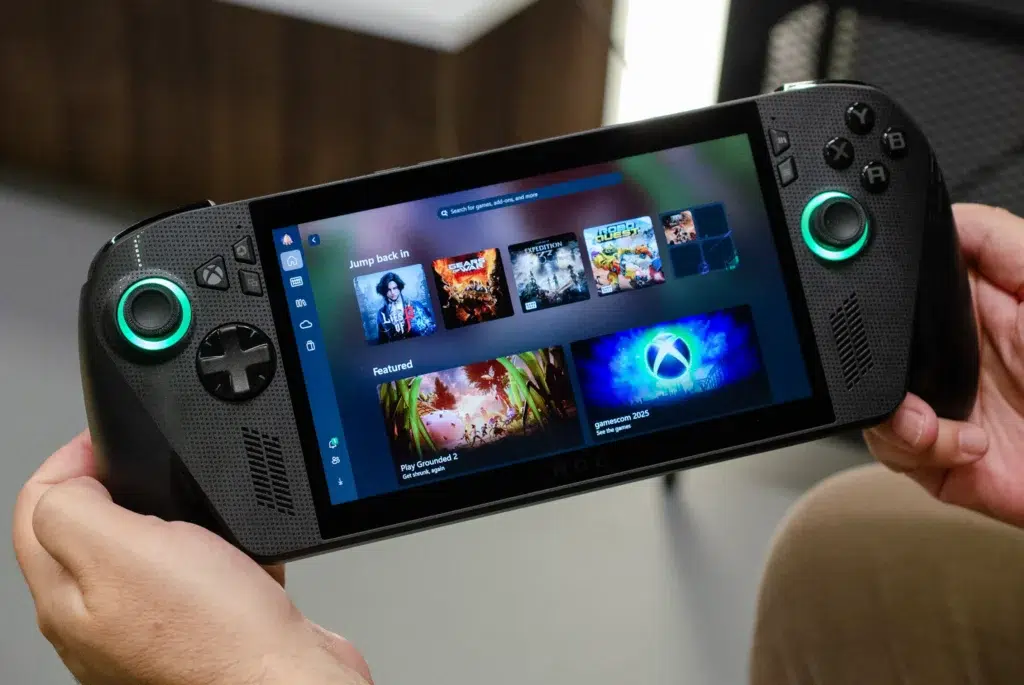
ROG Xbox Ally and Ally X handhelds: why they matter for the next-gen Xbox
The ASUS ROG Ally and Ally X serve as proof-of-concept portables for the Xbox ecosystem, created through collaboration between Microsoft, AMD, and ASUS.
- Testbed for Handhelds: These devices help Microsoft identify and solve Windows scaling and interface issues on small screens.
- Hardware Collaboration: The use of custom AMD APUs showcases the partnership’s ability to create Xbox-branded hardware via third-party manufacturers.
- Stepping Stone: Feedback from these devices informs the development of any potential first-party handheld.
- Feature Testing: Technologies like advanced shader caching and power-saving modes developed for these handhelds may benefit future consoles.
- Ecosystem Expansion: They demonstrate that the Xbox platform can span from high-end consoles to portable PC gaming.
First-party Xbox handheld rumors: is Microsoft building its own portable
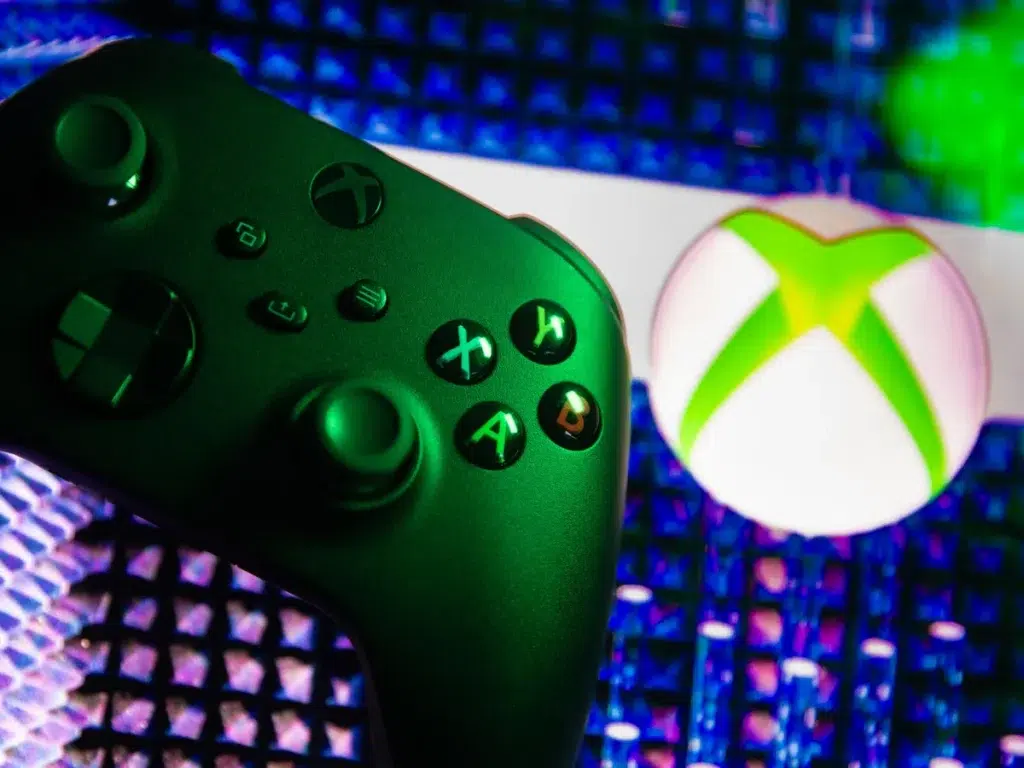
Rumors suggest Microsoft intends to develop a first-party handheld eventually, although the 2027 home console remains the immediate focus.
- Operating System: It would likely run a Windows 11-based OS featuring the Xbox Full Screen Experience.
- Optimized Hardware: A first-party device would allow for tighter integration of Xbox Live, Quick Resume, and custom AMD silicon.
- Strategic Goals: A handheld would serve as a primary showcase for Game Pass Ultimate and compete with other portable hits in global markets.
- Development Signals: Microsoft has already introduced “Optimized for Handhelds” labels and gathered data through third-party partners.
While Microsoft may continue to support third-party handhelds, a first-party “Surface Gaming” style device would allow the company to ensure quality and provide a flagship portable experience.
OEM Xbox consoles from ASUS and other partners: multiple models and price tiers
Microsoft is shifting toward an ecosystem where third-party manufacturers like ASUS, Acer, and Lenovo can produce official Xbox-branded consoles and gaming PCs.
- Product Variety: The lineup could include “super-premium” hardware for enthusiasts and more affordable, slimmed-down models or streaming devices.
- Market Strategy: Leveraging OEMs allows for faster market penetration, price diversity, and hardware tailored to specific regional tastes.
- Brand Integration: These devices would be “Xbox-certified,” ensuring a cohesive experience where the user’s library and progress are consistent across all hardware.
- Reference Model: Microsoft plans to maintain its own flagship hardware while licensing the platform to partners, similar to how it manages the Windows PC market.
This approach would make the Xbox platform more analogous to the PC market, offering multiple hardware options under a single software ecosystem.
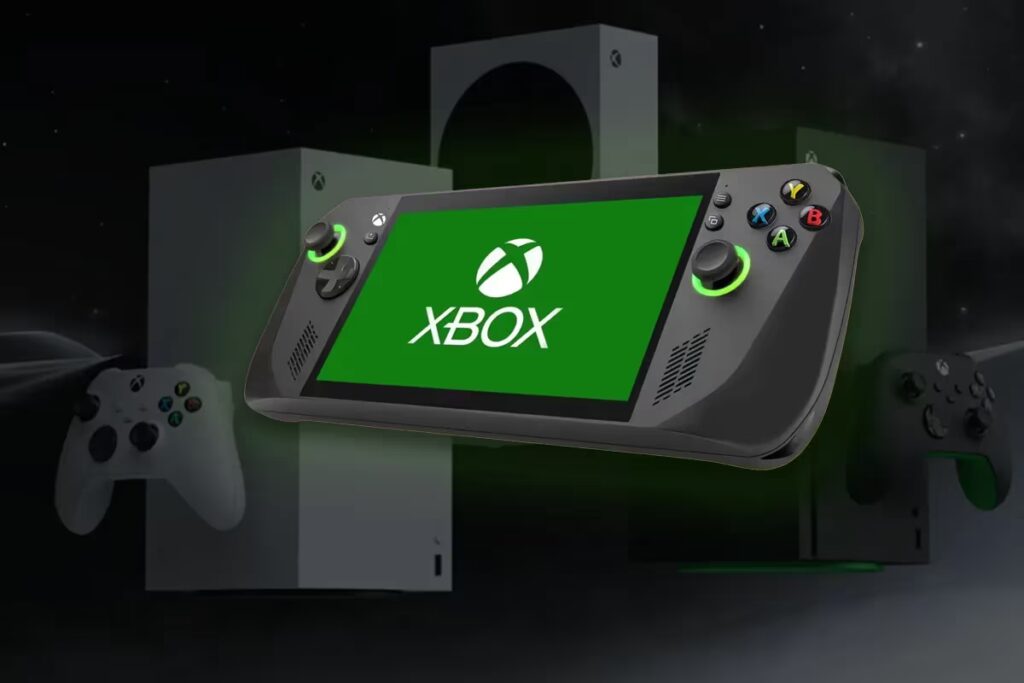
Xbox-branded PC rumored for 2026: what it means for a 2027 Xbox launch
Microsoft or an OEM partner may release an Xbox-branded PC in 2026, serving as a bridge between current consoles and the 2027 next-gen launch. This device would utilize the Xbox Full Screen mode on Windows 11.
- Design: A small form factor, living room-friendly PC that boots directly into an Xbox dashboard while maintaining full PC capabilities.
- Hardware: Likely uses off-the-shelf PC or laptop components rather than fully custom console silicon.
- Market Positioning: Targets enthusiasts and early adopters of the hybrid console/PC concept at a potentially higher price point.
- Strategy: Acts as a testbed for the Windows/Xbox hybrid software and validates a multi-model hardware strategy.
- Compatibility: Emphasizes Xbox Play Anywhere and cross-save, potentially allowing PC-only titles to run within the Xbox UI.
New Xbox controller 2026 rumors: direct-to-WiFi connectivity explained
A new generation of Xbox controllers is rumored for 2026, featuring a transition from Bluetooth to direct-to-WiFi connectivity.
- Direct-to-WiFi: Allows the controller to connect directly to the internet or xCloud servers, significantly reducing input latency for cloud gaming by bypassing the console/phone relay.
- Advanced Haptics: Codenamed “Sebile,” the new design may feature precision haptic feedback that can also function as speakers.
- Motion Controls: Inclusion of a built-in accelerometer and gyroscope to support motion-based input.
- Power and Longevity: Potential shift to standard internal rechargeable batteries and the possible use of Hall Effect analog sticks to eliminate stick drift.
- User Experience: Features like “lift to wake” to activate the controller when it is picked up.
Xbox Elite Controller Series 3: rumored release window and upgrades
The Xbox Elite Controller Series 3 is expected to be revealed in 2026, aligning with the broader rollout of next-gen peripherals.
- Connectivity: Expected to include the new direct-to-WiFi technology and Bluetooth Low Energy (LE).
- Input Improvements: Potential use of Hall Effect sensors or replaceable stick modules to address durability and drift concerns.
- Haptics and Gyro: Refined force feedback and the addition of gyro aiming to compete with modern pro-controller standards.
- Durability: Improvements to bumper reliability and grip materials to address wear-and-tear issues seen in previous models.
- Compatibility: Full backward and forward compatibility with Xbox Series X|S, PC, and the 2027 console.
Next-gen Xbox backward compatibility: will Xbox Series X|S games carry over
Microsoft has officially confirmed that the next-gen Xbox will maintain backward compatibility with all current Xbox console games.
- Library Support: Users will be able to play digital and physical titles from the Xbox One and Xbox Series X|S eras, as well as supported Xbox 360 and original Xbox classics.
- Hardware Enhancements: The 2027 console’s Zen 6 CPU and advanced GPU could potentially brute-force higher frame rates and resolutions for older games without requiring specific patches.
- Accessory Support: Current-gen controllers and peripherals are expected to remain compatible with the new system for legacy titles.
- Software Delivery: Systems like Smart Delivery will continue to ensure players access the optimal version of a game for their specific hardware.
- Implementation: Compatibility may be achieved through virtualization or native OS support within the Windows 11 environment.e headroom.
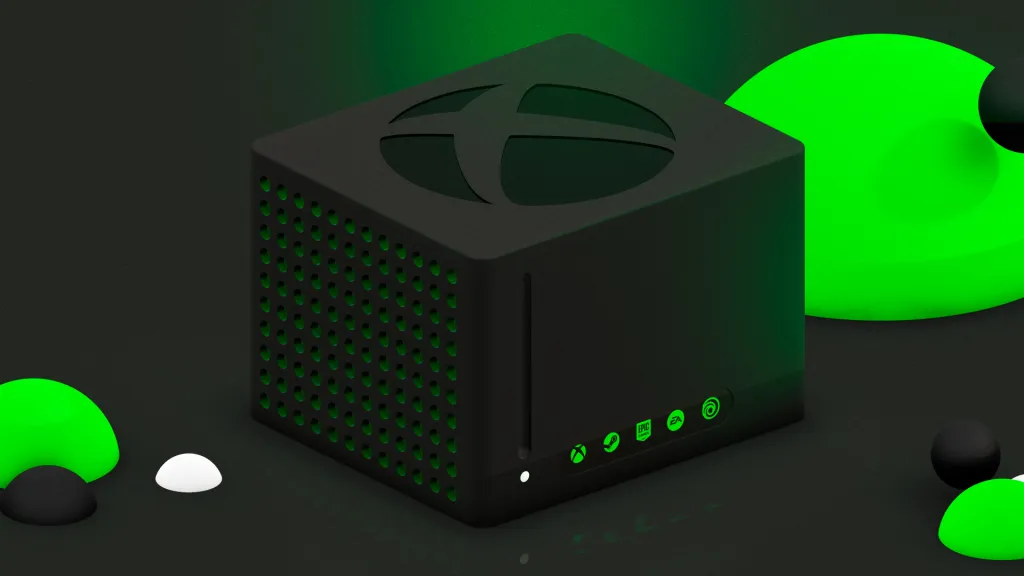
XboXbox Play Anywhere on next-gen hardware: cross-buy and cross-save explained
The Xbox Play Anywhere initiative, which allows cross-buy and cross-save between consoles and Windows PCs, will remain a central component of the next-generation strategy.
- Cross-Buy: Digital purchases will grant ownership across the Xbox console family and Windows 10/11. This may eventually extend to cloud gaming, allowing a single purchase to be played across all supported endpoints.
- Cross-Save (Cloud Saves): Progress and saves will automatically sync via Xbox Live. Because the new console uses a Windows-based environment, this transition should be seamless for first-party and partnered third-party titles.
- Ecosystem Continuity: The strategy reinforces Xbox as a continuous experience where DLC, purchases, and game progress carry over without requiring the user to “start over” when upgrading hardware.
- Ownership Flexibility: Play Anywhere ensures that games purchased on the current Microsoft Store will install and run on future OEM devices, such as handhelds or Xbox-branded PCs.
Next-gen Xbox specs rumors: CPU, GPU, RAM, storage, and SSD performance
The rumored “Magnus” SoC is expected to deliver a significant performance leap over the current Series X:
- CPU: A custom AMD Zen 6 design featuring 11 cores (3 high-performance cores and 8 efficiency “Zen 6c” cores). This hybrid architecture could offer 2 to 4 times the performance of the Series X CPU.
- GPU: Based on RDNA 5 architecture with approximately 68 enabled Compute Units. It targets 2 to 2.5 times the power of the Series X, with a focus on hardware-accelerated ray tracing and path tracing.
- Memory (RAM): Rumors suggest up to 48 GB of GDDR7 memory on a 192-bit bus, providing higher bandwidth than current consoles. Some analysts expect a final retail spec closer to 24 GB or 32 GB due to cost.
- Storage (SSD): Utilization of PCIe Gen5 or Gen6 NVMe SSDs with raw speeds of 7–9 GB/s. Base storage may increase to 2 TB to accommodate growing game sizes.
- NPU (AI Co-processor): A dedicated chip providing up to 110 TOPS of AI performance for tasks like hardware-assisted upscaling, predictive input, and NPC AI.
- Additional Features: Support for HDMI 2.1+, 4K60 standard performance, and potentially a UHD Blu-ray drive on high-end models.

Next-gen Xbox graphics upgrades: ray tracing, AI upscaling, and ML features
Graphical improvements will focus on “smarter” rendering through machine learning and advanced lighting techniques:
- Ray Tracing & Path Tracing: The RDNA 5 architecture aims to make path tracing possible, offering CGI-level realism for global illumination, shadows, and reflections.
- AI Upscaling: The NPU will enable an Xbox-specific super-resolution technology (similar to DLSS) to upscale images from lower internal resolutions to 4K without losing detail.
- ML Frame Generation: Machine learning may be used to interpolate intermediate frames, potentially turning 60fps rendering into 120fps output.
- Animation and Physics: ML algorithms could drive more lifelike procedural animations and complex NPC behaviors that respond dynamically to the environment.
- Enhanced Image Quality: Advanced AI anti-aliasing and refined Auto-HDR will improve the visual clarity and color range of both new and legacy titles.
Next-gen Xbox price predictions: tariffs, RAM costs, and premium positioning
Industry factors and component costs suggest a higher price point for the Gen-10 flagship console.
- Manufacturing Costs: The use of expensive 3nm chips and GDDR7 RAM, combined with high demand for AI-related components, is expected to drive up the Bill of Materials (BOM).
- Tariffs: Potential trade tariffs on electronics could further increase the retail price for consumers in certain regions.
- Predicted Range: The console is expected to launch around $599 USD, though a “super-premium” configuration could push higher.
- Market Tiers: Microsoft may offer multiple hardware options, including lower-cost digital editions or OEM-partner devices, while using the “Xbox All Access” subscription model to offset initial purchase costs.
FTC leak about a “cloud hybrid” Xbox: why older roadmaps pointed to 2028
Leaked internal documents from 2022 detailed a vision for a 2028 “hybrid game platform” that would merge local hardware with cloud computing.
- Convergence Vision: The original plan aimed for games to run partially on the console and partially in the cloud to enable deeper immersion and more complex game worlds.
- Timeline Acceleration: While those documents targeted 2028, newer indicators suggest Microsoft moved the launch to 2027 to remain competitive and utilize AMD’s latest silicon progress.
- Strategic Shift: The “cloud hybrid” concept may now be an optional feature rather than a baseline requirement, avoiding potential backlash regarding “always-online” functionality.
- Infrastructure: The next-gen hardware, including the NPU and Windows-based core, is designed to support future cloud-enhanced experiences as Azure and xCloud services continue to evolve.
Next-gen Xbox vs PlayStation 6: release date, specs, and ecosystem differences
Microsoft is targeting a late 2027 launch for its next-gen Xbox, potentially giving it a head start over the PlayStation 6, which reports suggest may not arrive until 2028 or 2029. While Sony might use a PS5 Pro in 2024 to bridge the gap, Microsoft appears to be moving directly to the next generation. Both consoles will likely utilize custom AMD APUs. Rumors suggest the Xbox “Magnus” chip may feature 68 Compute Units (CUs) and up to 48GB of RAM, potentially offering a 30% GPU edge over early PS6 speculations.
The two companies are pursuing diverging ecosystem philosophies:
- Microsoft is emphasizing openness by allowing third-party stores like Steam and Epic, blurring the line between console and PC.
- Sony is expected to maintain a curated “walled garden” approach, focusing on high-quality first-party exclusives and hardware-specific features like PSVR2.
- Microsoft will leverage an NPU for machine learning and AI enhancements, while Sony will likely continue to push bespoke I/O and SSD architectures.
- Both platforms will support extensive backward compatibility for current-generation libraries.
Xbox Game Pass in 2027: pricing, tiers, bundling, and cloud gaming changes
By 2027, Xbox Game Pass is expected to see several structural and price adjustments. Following the integration of the Activision Blizzard catalog, monthly prices for Game Pass Ultimate could rise to approximately $19.99. Microsoft may merge the Console and PC tiers into a single unified subscription and introduce premium bundles including services like Ubisoft+ or World of Warcraft.
Cloud gaming (xCloud) will be more deeply integrated, potentially supporting 4K streaming and instant-play features that allow users to test games without waiting for downloads. Microsoft might also consider an ad-supported tier for cloud gaming, though it will likely remain a perk of the Ultimate subscription. The core strategy remains providing all first-party titles on day one to a target audience of over 50 million subscribers.
When will Microsoft reveal the next-gen Xbox: 2026–2027 announcement timeline
Microsoft is expected to follow a multi-stage reveal process:
- 2026: An initial tease or codename reveal, possibly during a summer showcase or at The Game Awards, to set expectations and address leaks.
- Early to Mid-2027: A full hardware reveal event detailing the design, specs, and the “Windows on Xbox” interface.
- Summer 2027: A major game showcase highlighting launch titles such as the next Halo, Gears, or Elder Scrolls VI.
- Late 2027: A holiday launch accompanied by final pricing and pre-order details.
Development kits are anticipated to reach major partners by late 2025 or early 2026 to ensure a robust launch lineup.
Frequently Asked Questions (FAQs)
- When is the next-gen Xbox expected to launch?
Microsoft is targeting late 2027, as supported by comments from AMD regarding chip development timelines. - Will my current Xbox Series X|S games work on the new Xbox?
Yes, Microsoft has committed to full backward compatibility for Xbox One and Series X|S games, including supported legacy titles. - What kind of performance can we expect from the next Xbox?
It is expected to be 2-3 times more powerful than the Series X, featuring a Zen 6 CPU, RDNA 5 GPU, and hardware-accelerated AI upscaling. - Is the next Xbox going to run Windows 11?
It is rumored to run a Windows 11 core with a dedicated, controller-optimized Xbox interface on top, potentially allowing for a desktop mode. - Will the new Xbox allow Steam and Epic Games Store on it?
Indications suggest Microsoft will allow third-party storefronts, with Epic Games already expressing intent to be on the platform on day one. - What is “Xbox Everywhere” and how does it affect the new hardware?
It is a strategy to make the Xbox experience device-agnostic, allowing play across consoles, PCs, handhelds, and cloud-enabled devices. - How will Game Pass work on the next-gen Xbox?
It will remain the central service, offering day-one first-party titles and cross-platform access, likely with merged tiers and updated pricing. - What new controller features will the next Xbox have?
Expected features include direct-to-WiFi connectivity for lower cloud latency, advanced haptics, and built-in gyroscopes for motion control. - Will there be an Xbox handheld or portable device?
While not yet announced, Microsoft is heavily interested in the form factor and currently supports the category through partnerships like the ROG Ally. - How does the next-gen Xbox compare to a future PlayStation 6?
The next Xbox may launch earlier and focus on an open, PC-like ecosystem with cloud-hybrid features, while the PS6 will likely focus on curated exclusives and VR.
Conclusion
The 2027 next-gen Xbox represents Microsoft’s most ambitious hardware effort, serving as a hybrid between a traditional console and a gaming PC. Powered by the “Magnus” SoC featuring Zen 6 and RDNA 5 technology, it aims to double the performance of the Series X while introducing dedicated AI processing through an NPU. This hardware will support path tracing, machine-learning super-resolution, and highly advanced NPC behaviors.
The platform’s defining characteristic is its openness, breaking the traditional “walled garden” by welcoming stores like Steam and Epic. Running on a Windows 11-based OS, the next Xbox will be part of the “Xbox Everywhere” ecosystem, ensuring saves, purchases, and subscriptions like Game Pass follow the player across multiple devices. While it may carry a premium price tag of $599 or higher, it is positioned to be a transformative, flexible gaming hub that bridges the gap between local high-end hardware and the future of cloud computing.
Sources
- Roach, Jake. (Feb 3, 2026). AMD reveals next-gen Xbox could launch in 2027 — CEO says semi-custom SoC ready to “support launch in 2027”. Tom’s Hardware.
https://www.tomshardware.com/pc-components/cpus/amd-reveals-next-gen-xbox-could-launch-in-2027-ceo-says-semi-custom-soc-ready-to-support-launch-in-2027 - Corden, Jez. (Feb 8, 2026). The next Xbox is coming in 2027, and the strategy behind it is a bigger deal than people realize. Windows Central.
https://www.windowscentral.com/gaming/xbox/exclusive-the-next-gen-xbox-2027-locked-in-most-ambitious - Skrebels, Joe. (Jun 19, 2025). Xbox and AMD: Advancing the Next Generation of Gaming Together. Xbox Wire.
https://news.xbox.com/en-us/2025/06/19/xbox-amd-next-generation-xbox/ - Scullion, Chris. (Feb 6, 2026). Epic Games Store boss says it plans to be on the next Xbox console “on day one”. Video Games Chronicle (VGC).
https://www.videogameschronicle.com/news/epic-games-store-boss-says-it-plans-to-be-on-the-next-xbox-console-on-day-one/ - Williams, Demi. (Jan 8, 2026). Microsoft could reportedly reveal new Xbox hardware in 2026, including next-gen controllers and the Xbox Elite Controller Series 3. TechRadar.
https://www.techradar.com/gaming/xbox/microsoft-could-reportedly-reveal-new-xbox-hardware-in-2026-including-next-gen-controllers-and-the-xbox-elite-controller-series-3 - Corsetti, Adam. (Feb 6, 2026). New Xbox controllers including Elite Series 3 could release in 2026 with cloud gaming support. NotebookCheck.
https://www.notebookcheck.net/New-Xbox-controllers-including-Elite-Series-3-could-release-in-2026-with-cloud-gaming-support.1220785.0.html - Hollister, Sean. (Sep 19, 2023). Microsoft’s next Xbox, coming 2028, envisions hybrid computing. The Verge.
https://www.theverge.com/2023/9/19/23880138/microsoft-xbox-2028-hybrid-cloud-games-platform - Harper, Chris. (Oct 10, 2025). Next-Gen Xbox Rumored For AMD Magnus Chiplet Packing 48GB GDDR7 For Gaming. HotHardware.
https://hothardware.com/news/next-gen-xbox-rumored-for-amd-magnus-chiplet-packing-48gb-gddr7-for-gaming - Makuch, Eddie. (Feb 11, 2026). Microsoft Is Considering A Big Game Pass Change – Report. GameSpot.
https://www.gamespot.com/articles/microsoft-is-considering-a-big-game-pass-change-report/1100-6538116/ - Corden, Jez. (Jan 7, 2026). Xbox in 2026 — What to expect from Team Green this year, and beyond. Windows Central.
(Note: this one is published Jan 7, 2026 on Windows Central, not Jan 2.)
https://www.windowscentral.com/gaming/xbox/xbox-in-2026-what-to-expect-from-team-green-this-year-and-beyond
Recommended
- The Best Nioh 3 Skills for Samurai and Ninja: Must-Have Unlocks, Combos, and Builds (2026 Guide)
- Why PixelHair is the Best Asset Pack for Blender Hair Grooming
- How do I focus the camera on an object in Blender?
- Why The View Keeper Is the Best Blender Add-on for Scene Management
- Wonder Dynamics: VFX with AI-Powered Wonder Studio
- Animating 2D Illustrations in Blender: A Comprehensive Guide for Vocaloid and J-Pop Themed Characters
- Blender Restore Curve Segment Length Geometry Nodes Preset: Complete Guide
- Daz 3D: Building a 3D Character from Start to Finish – Step-by-Step Guide for Artists and Creators
- The View Keeper Add-on: Tips for Seamless Camera Switching in Blender
- The View Keeper Add-on: Tips for Seamless Camera Switching in Blender