





In This Article (9 sections)
Hello Kitty Island Adventure Paper Parade Event 2026 Overview, Schedule, and Seasonal Progression
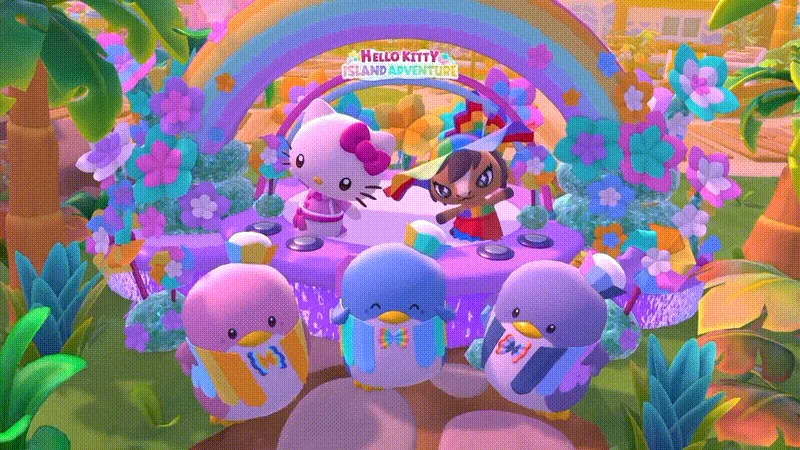
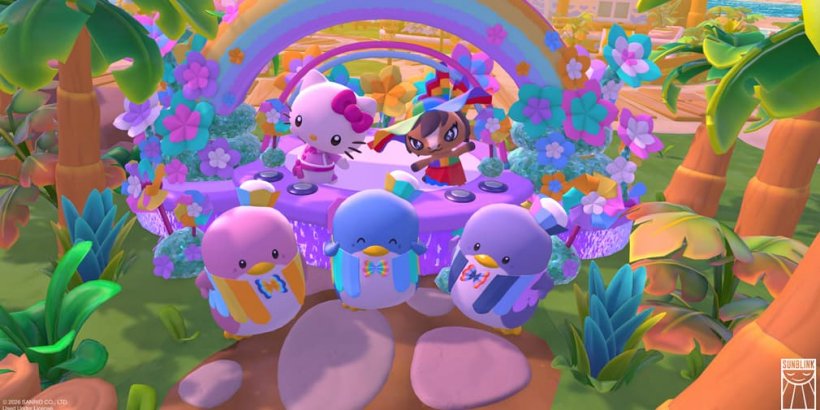
The Paper Parade Event in Hello Kitty Island Adventure is a seasonal limited-time celebration built around crafting, exploration, collectible progression, and paper-themed festival activities. In the 2026 edition, the event expands on previous versions by adding deeper crafting loops, more character interactions, and a broader reward structure that includes cosmetics, furniture sets, and story-driven unlocks. Rather than functioning as a simple collection event, Paper Parade is designed as a full island celebration where players help residents prepare decorative paper crafts for parade floats, stage displays, and festive installations across the island.
The event is structured around consistent participation over its full duration. Players gather paper-based materials, turn them into crafted items, submit those items for event currency or progression points, and gradually unlock themed rewards through a dedicated event track. The 2026 update also places more emphasis on cooperative elements, making NPC requests, friend interactions, and community-style progression more impactful than in earlier versions. This gives the event a stronger festival identity because the island’s residents and players both contribute to the broader celebration.
The Paper Parade Event 2026 is expected to begin in mid-June 2026 and conclude at the start of July 2026, aligning with the game’s summer content cycle. Its limited window encourages daily engagement because many progression systems are tied to time-gated rewards. The event lasts approximately two weeks, with incremental unlocks introduced every few days. These staged unlocks include new crafting recipes, additional NPC dialogue scenes, and expanded shop inventories. During the final days, players can usually expect boosted reward rates and final-chance opportunities for missed collectibles.
Players are encouraged to begin the event as soon as it launches because several rewards are tied to cumulative daily login progression rather than one-time completion tasks. Starting late can make it significantly harder to complete the full reward track, especially when rewards depend on repeated daily participation, NPC interactions, and resource accumulation. The event is therefore easiest to complete when treated as a daily routine rather than something to rush near the end.

Paper Parade Event Mechanics, Paper Crafts, and Fast Daily Farming
The Paper Parade Event works through a cyclical loop of exploration, crafting, and exchange. Players collect paper-themed materials from around the island, convert them into crafted items, and submit them to event stations or NPCs to earn progression points. Each completed craft contributes to personal progression, while some submissions also support community-wide milestones that can unlock special parade scenes or bonus reward tiers. This layered structure ensures that individual effort and collective participation both shape the event’s overall progression.
Paper Crafts are the main collectible and crafting resource in the event. They function as both materials and currency depending on how they are used. Players can gather Paper Crafts through exploration, daily tasks, and NPC interactions, then use them for event recipes, reward submissions, and parade decorations. There are several categories of Paper Crafts, including folded paper sheets, decorative cutouts, patterned materials, and specialty craft components used for advanced recipes. Each type has its own rarity level, with rarer variants helping unlock higher-tier rewards when submitted.
Paper Crafts are also used to build parade-related decorations such as banners, lanterns, and float accessories. These crafted items are not only cosmetic because they directly contribute to event scoring and progression tiers when submitted in bulk. The event also includes a reputation-style system with select characters, where completing requests unlocks exclusive dialogue, cosmetic variations, and character-specific rewards tied to the Paper Parade storyline. These interactions are important for players aiming to complete the full event narrative arc.
Efficient Paper Craft farming depends on a structured daily routine. Daily tasks from NPCs are one of the most reliable sources because they often reset every 24 hours and scale in difficulty based on player progression. Exploration is equally important, since certain island areas spawn Paper Craft nodes at predictable intervals. Revisiting high-density resource zones multiple times per day can significantly improve collection rates, especially when players understand the respawn timing tied to in-game cycles.
Crafting conversion is another useful method for faster progress. Lower-tier materials can be transformed into higher-value Paper Crafts through event stations, making this especially valuable for players with excess common resources. Players who combine daily NPC tasks, repeated exploration routes, and conversion systems will usually gather Paper Crafts more efficiently than those who rely only on passive collection.
Friend Interactions, Event Stand Rewards, and Paper Parade Clothing Unlocks
Social interaction plays a major role in maximizing Paper Craft income during the Paper Parade Event. Players can exchange resources with friends, participate in cooperative tasks, and receive bonus materials through daily interaction rewards. Friend-based gifting systems allow players to send and receive Paper Crafts once per day, and these exchanges may include random bonus items that are not available through solo play. This makes social engagement an important optimization strategy, especially for players trying to complete the reward track before the event ends.
Cooperative tasks add another layer to the event’s progression loop. These tasks may require multiple players to complete objectives such as shared crafting or synchronized collection runs. They typically provide higher rewards than solo activities and can also contribute to community progression milestones. Daily interaction bonuses are awarded simply for visiting or engaging with other players’ island activities, and while these rewards may feel small at first, they accumulate across the full event duration and can meaningfully boost total Paper Craft income.
The event stand functions as the central exchange hub for Paper Parade rewards. Players submit Paper Crafts and completed decorations to earn event currency, then use that currency to unlock exclusive items. The reward system is divided into multiple categories, including cosmetic outfits, furniture sets, consumables, and rare collectibles. Higher-tier rewards usually require cumulative submission thresholds instead of single transactions, encouraging steady participation rather than one-time grinding.
The event stand also includes milestone-based unlocks connected to collective contribution goals. These rewards are often more valuable than standard progression items and may include unique rewards unavailable through the normal event track. Because community contribution can affect what becomes available, players benefit from participating consistently even after they have unlocked some personal rewards.
The Paper Parade Event also introduces a themed clothing collection inspired by traditional paper art and festival aesthetics. These outfits include layered designs, pastel color palettes, and decorative accessories that reflect the celebratory tone of the event. Unlocking clothing items usually requires completing crafting milestones or reaching specific contribution levels at the event stand. Some pieces are tied to character-specific questlines, meaning players need to progress through NPC interactions to access the full set. Rare clothing items are often reserved for the final stage of the event, so missing early milestones can prevent full outfit completion.

Paper Parade Furniture, Pinwheels, Event Flowers, and Story Cutscenes
Furniture rewards in the Paper Parade Event are designed to support island customization with festival-themed decorations. These items include decorative lanterns, paper sculptures, themed seating, and parade display structures. Each furniture piece is priced using event currency earned through Paper Craft submissions, with higher-tier furniture requiring significantly more currency and often demanding multiple days of farming before it can be unlocked.
The event shop rotates inventory periodically, introducing limited-time furniture items that may not return in future events. This rotation system encourages players to think carefully about what they buy first. Instead of choosing only based on immediate aesthetic preference, efficient players prioritize items based on rarity, long-term value, and whether a specific piece is likely to disappear before they can farm enough currency again. This makes the shop part of the event’s strategy, not only a reward menu.
Pinwheels are another major event collectible, scattered throughout the island in both visible and hidden exploration areas. They serve decorative and functional roles within the Paper Parade progression system. Collecting them often requires exploration and puzzle-solving because many are placed behind environmental challenges or traversal-based obstacles. Some pinwheels only appear after completing specific NPC quests or unlocking certain areas, making them closely tied to broader event progression.
Event flowers are also connected to pinwheel routes. These flowers are used in advanced crafting recipes and can be exchanged for bonus rewards at the event stand. Efficient players often combine pinwheel collection with flower farming to reduce downtime and increase overall reward efficiency. Since both resources are found through exploration, planning routes that collect pinwheels, flowers, and Paper Craft nodes together can make each session more productive.
The Paper Parade Event also includes structured narrative progression through cutscenes triggered at specific milestones. These scenes focus on character collaboration, festival preparation, and the cultural meaning of the parade. Cutscenes are unlocked through cumulative event participation rather than linear story advancement, so players may experience the narrative at different speeds depending on how quickly they gather Paper Crafts and complete tasks. As the story progresses, new mechanics are introduced gradually, with final cutscenes typically aligning with the climax of the parade celebration and full island participation.
Tuxedosam Outfits, Daily Rewards, and How to Finish Before the July 1 Deadline
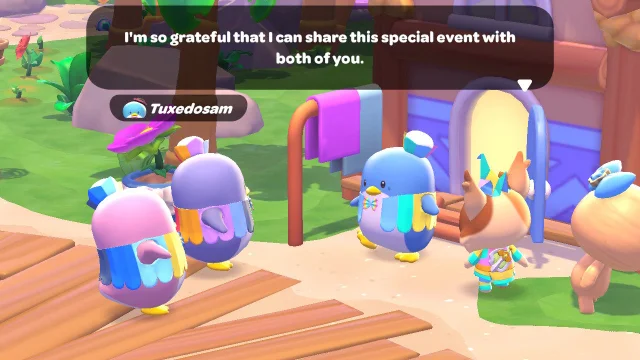
Character outfit unlocks are one of the most valuable parts of the Paper Parade Event because they combine cosmetic exclusivity with narrative significance. During the event, select characters receive exclusive outfits and upgraded interactions, including special themed appearances for Tuxedosam. Unlocking these variants requires completing character-specific questlines tied to Paper Craft submissions, which means players need to focus on more than general event farming if they want every character reward.
Progressing through these questlines usually involves fulfilling daily requests, delivering crafted items, and participating in cooperative activities. Each completed stage unlocks additional dialogue and cosmetic upgrades, making character progression feel connected to the festival story rather than separate from it. Because these outfits are typically unavailable outside the event window, completion is especially important for collectors who want permanent access to event-exclusive appearances.
The Daily Rewards Calendar gives players another structured path through the event. Each day offers incremental login-based rewards that increase in value over time. Early rewards usually include basic Paper Crafts and crafting materials, while later rewards escalate into rare items, exclusive furniture, and event currency bonuses. Missing a day can reduce total reward efficiency, although some systems may provide limited catch-up mechanics. The calendar is built to reward consistent engagement, giving daily players a significant advantage over those who participate only sporadically.
Maximizing progress before the July 1 deadline requires balancing daily tasks, exploration routes, crafting efficiency, friend interactions, and event shop priorities. Players who focus on high-yield activities early gain a major advantage in unlocking late-stage rewards. Missing the early days can create bottlenecks later because many systems depend on cumulative progression, especially reward tracks, daily logins, and sequential clothing unlocks.
The most efficient approach is to optimize travel routes between resource nodes while synchronizing NPC task completion with exploration loops. This reduces wasted movement and increases total Paper Craft yield per session. Players should also combine pinwheel collection, event flower farming, friend gifting, cooperative objectives, and event stand submissions whenever possible. By treating each daily session as part of one connected routine, players can complete more of the Paper Parade Event before the deadline and reduce the risk of missing exclusive items.
Frequently Asked Questions (FAQs)
- What is the Paper Parade Event in Hello Kitty Island Adventure
The Paper Parade Event is a limited-time seasonal festival focused on collecting Paper Crafts, completing quests, crafting decorations, and unlocking themed rewards. It includes clothing, furniture, story content, character interactions, event stand rewards, and festival progression tied to daily participation. The 2026 edition also expands the event with deeper crafting loops and more cooperative elements. - How do I start the Paper Parade Event
The Paper Parade Event starts automatically when players log in during the active event period. After the event begins, NPCs introduce the core mechanics through initial quests, which guide players toward collecting Paper Crafts, crafting parade decorations, and using the event stand. Starting early is recommended because many rewards depend on cumulative daily progress. - What are Paper Crafts used for
Paper Crafts are used as both crafting materials and event currency. Players use them to make parade decorations such as banners, lanterns, and float accessories, submit items at the event stand, complete NPC requests, and unlock rewards. Higher-rarity Paper Crafts are especially important because they contribute to advanced recipes and higher-tier event progression. - Can I play the event without friends
Yes, the Paper Parade Event can be played without friends, and solo players can still collect resources, complete NPC tasks, craft items, and unlock rewards. However, interacting with friends improves efficiency because gifting systems, cooperative tasks, and daily interaction bonuses can provide extra Paper Crafts and unique bonus items. Players aiming for faster completion benefit from using the social systems when possible. - Are Paper Parade rewards permanent
Yes, unlocked Paper Parade rewards remain permanently in the player’s inventory after the event ends. This includes clothing, furniture, character outfits, and other earned items. Because many rewards are event-exclusive and may not be available outside the event window, players who want full collections should prioritize earning them before the event concludes. - How do I get rare Paper Crafts
Rare Paper Crafts are obtained through advanced quests, exploration of hidden areas, higher-tier crafting conversions, and some event progression systems. Players can improve their chances by completing all daily NPC tasks, revisiting resource-rich zones, using event stations to convert lower-tier materials, and unlocking areas or quests that reveal rarer craft components. - What happens if I miss days in the event
Missing days can reduce total reward efficiency because the event uses cumulative daily progression, login rewards, and repeated resource farming. Some catch-up mechanics may exist, but late participation makes it harder to complete the full reward track, especially if rare clothing, final-stage rewards, or daily calendar bonuses are involved. Players who miss days should focus on high-yield tasks and cooperative rewards to recover as much progress as possible. - Do Pinwheels respawn
Some Pinwheels respawn on cycles, while others are one-time collectibles tied to quests, exploration milestones, or area unlocks. Players should treat newly discovered pinwheel routes as part of their daily resource path, especially when they are also farming event flowers. Quest-related pinwheels may require specific NPC progression before they appear. - Can I still finish the event late
It is possible to finish parts of the event late, but it becomes much more difficult because many rewards depend on consistent participation. Late players may still unlock basic rewards, complete some quests, and collect event currency, but full reward track completion is harder if daily login rewards, sequential clothing unlocks, or cumulative contribution thresholds were missed. The best late strategy is to prioritize rare rewards and high-yield activities first. - Is the Tuxedosam outfit permanent ?
Yes, once the Tuxedosam outfit is unlocked, it remains permanently available after the Paper Parade Event ends. Unlocking it requires completing the relevant character-specific event progression, which may involve Paper Craft submissions, daily requests, and cooperative activities. Because character outfits are among the event’s most exclusive rewards, players should prioritize them before the event window closes.
Conclusion
The Paper Parade Event represents one of the most content-rich seasonal experiences in Hello Kitty Island Adventure, combining exploration, crafting systems, social interaction, and narrative progression into a unified event structure. Its design emphasizes consistent daily engagement while rewarding both solo efficiency and cooperative play. Players who optimize farming routes, maintain daily participation, and strategically manage Paper Craft resources are able to unlock the full spectrum of rewards, including exclusive clothing, furniture sets, and character-specific content. The event ultimately serves as a showcase of how seasonal content can expand gameplay depth while maintaining accessibility for both casual and dedicated players.
Sources and Citations
- Hello Kitty Island Adventure seasonal event structure and update-cycle patterns
The official Hello Kitty Island Adventure Wiki documents the game’s recurring event framework. Seasonal events generally return annually, mix new and returning rewards, and use several formats including primary events, secondary events, daily-calendar events, and shorter flash events. Primary events commonly run for several weeks and use event currency earned through exploration or daily quests, while event stands and daily reward calendars distribute clothing, furniture, and other limited-time items. This is strong support for discussing repeatable event-design patterns across the game’s update cycles. Hello Kitty Island Adventure
Citation: Hello Kitty Island Adventure Official Wiki – Events - Sunblink’s 2026 events demonstrate the collect-currency-and-exchange-rewards loop
Sunblink’s official Steam announcements show the same structure operating across multiple events. Jam Jamboree has players complete minigames for Jam Jars and exchange them for limited-time items, Sunshine Celebration uses collectible Fireflies for rewards, Scholastic Celebration involves gathering Sheet Music, Paper Parade uses Papercrafts gathered from characters, and Under the Sea Celebration awards Barnacles through fishing. These examples support the idea that seasonal updates repeatedly adapt familiar collection and exchange systems to different festival themes. Steam Community
Citation: Hello Kitty Island Adventure – Official Steam News and Events - Limited-time rewards, event shops, currencies, and progression requirements
The official event documentation explains that event currencies are normally collected around the island or obtained through daily quests and generally expire when their associated event ends. Event stands then function as temporary shops for event furniture and returning rewards, while daily calendars frequently distribute seasonal clothing. Longer events are deliberately structured around repeated participation rather than requiring players to be present every single day. Hello Kitty Island Adventure
Citation: Official HKIA Wiki – Event Mechanics, Currency and Item Distribution - Crafting is integrated into Hello Kitty Island Adventure’s seasonal reward ecosystem
Event content can include crafting plans, recipes, flowers, clothing, and furniture alongside normal event rewards. The game’s broader crafting system requires players to obtain crafting plans and then supply the necessary materials, allowing seasonal events to connect temporary content to persistent gathering and crafting mechanics rather than functioning as completely separate minigames. Hello Kitty Island Adventure
Citation: Hello Kitty Island Adventure – Content Availability
Citation: Hello Kitty Island Adventure – Game Mechanics and Crafting - Season-specific crafting plans provide a concrete example of limited-time crafting
Lotus Silk demonstrates how crafting itself can become seasonal content. Its crafting plans were originally introduced through the Springtime Celebration and return during the recurring event, with the plan purchased from the event stand using seasonal and regular resources. This directly supports discussion of crafting recipes or plans being tied to festival availability. Hello Kitty Island Adventure
Citation: Hello Kitty Island Adventure Official Wiki – Lotus Silk - Palia provides a strong comparison for community-wide seasonal progression in modern life-sim games
Palia’s Great Palian Potluck was structured around the entire player community collectively cooking toward a goal of 20 million dishes. Cooking used ingredients gathered through ordinary systems such as gardening, foraging, ranching, fishing, and hunting, while reaching shared milestones unlocked seasonal rewards. This is a clear example of developers building limited-time community progression on top of existing life-simulation mechanics. Palia
Citation: Palia – Fall Fantasy: Home for the Harvest Patch Notes - Palia also demonstrates flexible community objectives and milestone rewards
Open Season used a limited-time shared community goal based on fishing, hunting, and ranching, with different activities contributing toward collective progress. Maws and Paws similarly counted community-wide catches toward milestone targets that unlocked rewards for participants. Together, these events illustrate a common social-simulation design pattern: temporary themed objectives leverage normal gameplay systems while aggregating player activity into community progression. Palia
Citation: Palia – Open Season Community Event
Citation: Palia – Maws and Paws Community Event - Recurring festivals often combine returning content with new rewards
Palia’s Winterlights documentation describes a returning seasonal celebration in which established quests and collectible chests returned while receiving new rewards. Hello Kitty Island Adventure follows a similar philosophy by bringing annual events back with both previous and newly introduced event content. This supports describing recurring seasonal updates as iterative rather than entirely replaced each year. Palia
Citation: Palia – Winter’s Wonder: Home for Winterlights
Citation: Hello Kitty Island Adventure – Content Availability
Recommendations
- Echoes of Aincrad Crafting Guide: Recipes, Materials and Unlock Requirements
- Did Christopher Nolan’s Depiction of the Gods Pay Off in The Odyssey?
- Castlevania: Belmont’s Curse Runs at Only 30 FPS on Nintendo Switch
- EA Sports College Football 27 Preview: Defense Wins Championships
- Jurassic World Evolution 2 Complete Edition Comes to Nintendo Switch 2 on July 30, 2026
- Unity-Based Tool for JRPG Game Development: RetroGig’s Retro JRPG Template for SNES/PSX-Style RPG Systems
- Keanu Reeves & China Miéville BRZRKR: Light Draws Breath — Release Date, Story, Creative Team & Variant Covers
- CD Projekt Raises Profit Goals with Witcher 4, 5, and 6 Coming: 5 Billion PLN Target Explained
- Creepshow Official Announcement Trailer Reveals a New Anthology Horror Game Experience
- GTA 6 Leans Into Vice City’s Influencer Hustle Where Looks Matter



































































































