



In This Article (8 sections)
Planeswalker Netflix 2027 Release Date, MagicCon Atlanta Reveal, and Official Teaser
Wizards of the Coast’s animated series Planeswalker, based on the Magic: The Gathering franchise, is officially scheduled to premiere on Netflix in 2027. The announcement took place on November 13, 2026, during MagicCon Atlanta, where the adaptation received its official title, a confirmed release window, and its first substantial public preview.
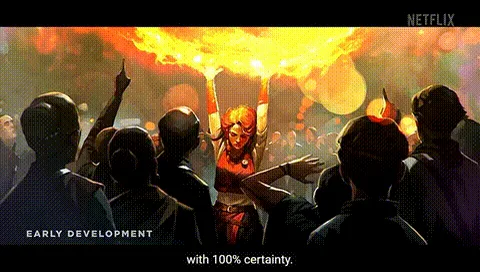
The presentation introduced Chandra Nalaar as the central character and featured early action footage showing the leonin warrior Ajani Goldmane alongside her. Viewers also received a behind-the-scenes look at the production, including concept art, character models, animation samples, and commentary from the creative team at DIGIC Pictures. The reveal established the identity of the current adaptation while offering fans their first meaningful glimpse of how Magic’s extensive fantasy universe is being translated into an animated television series.
Netflix and Wizards of the Coast have confirmed 2027 as the premiere year, but an exact release date has not been announced. As of November 17, 2026, the official information does not establish a premiere month, episode count, runtime, or release schedule. Netflix refers to the upcoming installment as Season 1 in its Tudum coverage, confirming the format of the announced series without specifying how many episodes viewers should expect.
The November 13 announcement occurred during the opening day of MagicCon Atlanta, which ran from November 13 through November 15, 2026. The convention’s Preview Panel introduced the Netflix adaptation alongside other Magic projects, including the tabletop set Nauctis: The Sunken Realm, making the event an important reference point for the series’ latest production developments.
The Atlanta presentation included a roughly two-minute development diary titled PLANESWALKER, Based on Magic: The Gathering, Behind-the-Scenes Sneak Peek. Netflix Tudum hosts the official video and includes it in its coverage of the upcoming 2027 premiere, providing a direct source for viewers interested in the animation and production process. The footage combines interviews with the creative team, concept illustrations, character designs, early combat sequences, and animation work at different stages of completion.
Wizards of the Coast’s head of story, Roy Graham, and vice president of creative, Jackie Jones, appear alongside members of the production team to discuss the process of adapting Magic’s characters and worlds. Viewers seeking the broader convention presentation can look for the November 13 MagicCon Preview Panel recording, while those primarily interested in the animated series can watch the dedicated behind-the-scenes preview.
The first-look material provides several perspectives on the adaptation, ranging from character-focused imagery to early action choreography. One promotional image shows Chandra holding a small flame beneath a dark sky, emphasizing her connection to fire while presenting a quieter interpretation of the character. Other footage features Chandra and Ajani in combat, demonstrating how the production approaches character movement, camera positioning, and magical effects. Some sequences appear in grayscale or unfinished animation, reflecting the development process rather than the final appearance of completed episodes. These materials establish the production’s visual ambitions, but the finished animation, complete story sequences, and final presentation will become clearer when Netflix releases additional footage.
The 2027 premiere window is particularly significant because the Magic: The Gathering adaptation has undergone several creative changes since its initial announcement. Netflix first announced an animated Magic project in June 2019, with Joe and Anthony Russo involved alongside Wizards of the Coast and Hasbro’s Allspark Animation.
The production subsequently experienced changes in leadership and direction before Netflix introduced Terry Matalas as its new creative lead during Geeked Week 2024. DIGIC Pictures’ involvement was announced at the Annecy Animation Film Festival in 2025, establishing another major milestone before the Atlanta reveal. The November 2026 announcement is therefore the clearest reference for the current version, connecting its official title, Chandra-led premise, creative team, animation studio, public footage, and planned Netflix release in 2027.
Netflix’s official series coverage also provides a way for viewers to follow future announcements. Tudum offers a Remind Me option connected to the upcoming Planeswalker series, allowing interested audiences to keep track of its arrival. This is particularly useful because the premiere month, exact date, and episode release schedule remain unconfirmed. Although the behind-the-scenes video establishes the project’s current direction, additional announcements will be needed to clarify the final voice cast, episode details, and full narrative scope. Until those details are released, the confirmed information remains that Planeswalker is a Chandra-led Magic: The Gathering animated adaptation scheduled to premiere on Netflix in 2027.

Planeswalker Story, Chandra Nalaar, Ajani Goldmane, and Magic: the Gathering Lore
Planeswalker follows Chandra Nalaar, a powerful and impulsive fire mage whose extraordinary abilities have made her a target. Netflix’s official synopsis describes a character carrying a painful past while facing threats that extend beyond her immediate surroundings. As the possibility of a devastating war grows, Chandra must work with other Planeswalkers, powerful mages capable of traveling between different worlds. The resulting story combines personal survival with a larger conflict involving uncertain alliances, dangerous opponents, and the consequences of decisions made across multiple planes. Although the central premise has been established, Netflix has not identified the primary threatening force or explained the complete relationships between the characters involved.
Chandra’s central role provides the adaptation with a recognizable character through whom audiences can explore Magic’s extensive universe. Her abilities revolve around conjuring and controlling fire, making her powers both visually distinctive and closely connected to her personality. Wizards of the Coast’s established character biography describes Chandra as someone who values personal freedom, resists oppression, and frequently acts before fully considering the consequences. Those characteristics can make her willing to protect people in danger while also creating situations in which impulsive decisions intensify an existing conflict. The Netflix premise draws on that recognizable identity by placing her in a situation where survival, trust, and cooperation become increasingly important as the threat of war expands.
Chandra’s history in Magic: The Gathering also provides context for the themes surrounding her character. Her home plane was historically called Kaladesh, although current Wizards of the Coast material identifies it as Avishkar. The setting is associated with aether-powered inventions, technological development, political authority, and efforts to regulate or control innate magical abilities. These elements help explain why questions concerning freedom, power, and resistance have played important roles in stories involving Chandra. However, Netflix has not confirmed how much of her home plane’s history will appear in the adaptation, and the announced synopsis deliberately leaves the details of her past relatively broad.
Ajani Goldmane is another recognizable Magic character confirmed through the development diary’s early action footage. The preview shows the lionlike leonin warrior participating in a combat sequence alongside Chandra, with the scene presented through black-and-white previsualization rather than finished animation. In established Magic lore, Ajani possesses healing and protective abilities and is associated with the Gatewatch, a group of Planeswalkers whose members have worked together against major threats.
His official character profile also emphasizes his role as a mentor, reflecting a personality and fighting approach that contrast with Chandra’s impulsiveness. Their different abilities offer the production opportunities to stage combat around both offensive fire magic and protective actions, although the teaser does not establish the complete nature of their relationship within the series.
Ajani’s appearance confirms that the production is developing scenes involving him and Chandra, but several details about his participation remain undisclosed. Netflix has not announced how prominently Ajani will feature throughout Season 1, whether his established Gatewatch connections will be explored, or who will provide his voice. His published Magic biography offers useful background for understanding his personality and abilities, but it does not confirm that every element of his existing history will appear in the adaptation.
The same distinction applies to other familiar characters, settings, and references that may appear in concept illustrations or production discussions. A card shown as visual inspiration does not necessarily establish a character’s presence in the finished story, whereas Chandra’s inclusion in the official synopsis and Ajani’s appearance in animated footage provide more direct evidence of their involvement.
Understanding the series also requires a basic explanation of Planeswalkers and the Magic: The Gathering Multiverse. In traditional Magic lore, a Planeswalker is an individual capable of traveling between separate worlds known as planes through a rare ability associated with a spark. Once awakened, that spark allows its bearer to cross the space between worlds, commonly called the Blind Eternities. Each plane can possess distinct civilizations, histories, environments, political systems, and forms of magic, making travel between them fundamentally different from moving between locations within a single world. This ability provides the foundation for the Netflix series’ central conflict, allowing Chandra and other powerful mages to encounter unfamiliar societies while carrying their personal motivations and disputes across different settings.
Individual Planeswalkers also possess different magical specialties and motivations, which can influence their relationships when traveling between worlds. Chandra relies on fire magic, Ajani is associated with healing and protection, and Narset’s established lore involves the pursuit of knowledge connected to her home plane of Tarkir and other locations. These differences allow characters to approach the same conflict from contrasting perspectives, potentially creating alliances or disagreements based on their priorities.
Magic’s wider lore has also expanded the rules of interplanar travel following the Phyrexian invasion, when many Planeswalkers lost their sparks and routes known as Omenpaths opened between certain worlds. Omenpaths can permit travel by individuals without Planeswalker sparks, although their destinations and stability can vary, and Netflix has not confirmed how extensively these later developments will influence its adaptation.
The Multiverse gives Planeswalker considerable storytelling flexibility because every new plane can introduce different dangers, relationships, and cultural expectations. Avishkar, for example, is associated with aether-powered technology and political struggles involving access to invention and magical abilities, while Tarkir provides a different historical and cultural background for characters such as Narset. These established settings demonstrate the range of material available to the adaptation without confirming which locations will appear during Season 1. Moving between worlds can also change the consequences of a character’s decisions, particularly when a conflict originating in one location threatens people living elsewhere. Chandra’s personal struggle provides continuity across those possibilities, allowing the audience to follow a recognizable protagonist while encountering unfamiliar environments and characters.
Although Magic: The Gathering has accumulated decades of stories, the Netflix adaptation’s announced premise provides an accessible starting point for newcomers. Viewers primarily need to understand that Chandra can wield fire magic, that powerful enemies are pursuing her, and that a wider threat forces her to cooperate with other mages. The concepts of planes and
Planeswalkers explain how the story can move between separate worlds without requiring familiarity with the tabletop game’s mechanics. Longtime fans may recognize references to established characters, costumes, creatures, or settings, while newcomers can learn their significance through the events presented on screen. The series’ success in adapting the lore will depend on how effectively it introduces necessary information while allowing both audiences to follow Chandra’s decisions and the larger conflict.
DIGIC Pictures’ Animation, Multiverse Visual Styles, and Magic: the Gathering Adaptation
DIGIC Pictures is the animation studio responsible for bringing Planeswalker to the screen, with its involvement having been publicly announced during the Annecy Animation Film Festival in 2025. Netflix and Wizards of the Coast reaffirmed the studio’s participation during the November 2026 MagicCon Atlanta reveal, when the development diary provided an early look at its work. The footage demonstrates how concept art, character models, movement studies, and preliminary action sequences contribute to the finished animation process.
Rather than presenting only completed scenes, the preview allows viewers to examine how the production translates illustrations and established character designs into environments where characters must move, interact, and perform complex actions. This approach is particularly relevant for a franchise whose visual identity has developed through thousands of individual card illustrations.
Magic: The Gathering provides the production with an extensive collection of artwork representing characters, creatures, costumes, architecture, magical effects, and entire civilizations. Co-showrunner Cindy Appel highlighted the scale of the franchise’s card library as an important creative resource, while the development diary shows members of the team working with existing visual material. However, adapting a card illustration into animation involves more than reproducing its composition because a static image does not explain how every surrounding environment functions or how its subjects move.
Artists must determine how clothing behaves during action, how characters remain recognizable from different camera angles, and how locations extend beyond the boundaries of their original illustrations. These decisions allow the series to preserve recognizable elements of Magic’s visual history while creating scenes that remain understandable to audiences encountering them for the first time.
The animation challenges become particularly apparent when considering Chandra and Ajani, whose different physical characteristics and magical abilities require distinct approaches to movement. Chandra must remain recognizable during close-ups, rapid action, and scenes illuminated by the fire she conjures, while Ajani’s leonin appearance creates different requirements for facial expression, body movement, and combat staging.
When both characters participate in the same sequence, the animators must balance their actions with camera movement and visual effects so viewers can follow the encounter. The black-and-white previsualization footage provides an example of this process, showing how timing, positioning, and scene composition can be established before final lighting and effects are completed. The finished animation must maintain clear character silhouettes and understandable action even when the screen contains overlapping magical effects or rapid movements.
A particularly distinctive aspect of the production is its planned use of different visual approaches for the worlds visited by the characters. Supervising director Patrick Osborne explained that each plane can possess its own architecture, objects, culture, and surrounding environment, creating opportunities for the filmmakers to vary how those settings are presented. These differences can help viewers recognize that the characters have entered another world before dialogue explicitly identifies the location.
Architectural materials, clothing, tools, lighting, composition, and camera movement can all contribute to the identity of a plane while communicating information about its inhabitants. The approach reflects the central importance of interplanar travel within Magic’s storytelling, where movement between worlds introduces different societies and conflicts rather than merely changing the background scenery.
The distinction between production design and filmmaking style is important when evaluating how these worlds may appear. Architecture, environmental materials, and everyday objects can establish how a society functions, while lighting and camera placement influence the emotional experience of moving through that environment.
A wide shot can emphasize the scale of an unfamiliar landscape, whereas closer framing in a crowded city can create a very different impression of the same character’s surroundings. Changes in these visual techniques can make travel between planes feel more consequential while allowing recognizable characters to provide continuity across contrasting settings. However, the teaser includes artwork and footage at different production stages, so not every visible difference should be interpreted as a deliberate stylistic choice intended for the completed series.
The creative team’s comments establish an intention to give different planes recognizable visual identities, but the full extent of those variations remains unclear. Netflix has not published a complete list of the worlds featured in Season 1 or explained exactly which animation techniques will distinguish individual locations. The first-look footage therefore offers evidence of the production’s artistic direction without establishing how every setting will appear in the finished episodes.
Maintaining consistency in character designs and magical effects will also be important when the surrounding environments change, particularly for characters such as Chandra whose abilities provide an immediately recognizable visual signature. The final series will reveal how effectively DIGIC Pictures balances these elements while adapting the breadth of Magic’s established visual material into a coherent animated experience.
The adaptation also benefits from the franchise’s extensive published fiction and world-building resources, which provide context beyond individual card illustrations. Wizards of the Coast has developed biographies, historical accounts, and world guides describing the people, cultures, and conflicts associated with different planes. These materials give the production a foundation for understanding how familiar characters behave and how the environments surrounding them should function. Nevertheless, the current adaptation is described as a fresh interpretation of Magic: The Gathering rather than a confirmed recreation of one specific tabletop storyline. Viewers should therefore distinguish recognizable references and established lore from story elements that Netflix and Wizards have explicitly confirmed for the series.

Terry Matalas, Netflix Production Team, Voice Cast, and What Viewers Can Expect
Terry Matalas serves as the showrunner and an executive producer of Planeswalker, leading the current version of Netflix’s Magic: The Gathering adaptation. Netflix announced his involvement during Geeked Week 2024, identifying a new creative direction following earlier development stages associated with the project. Matalas previously worked on Star Trek: Picard and 12 Monkeys, while Cindy Appel, whose credits include Picard and VisionQuest, serves as co-showrunner and executive producer. Their involvement establishes the principal creative leadership responsible for shaping the adaptation’s narrative and overall direction. The November 2026 development diary provides additional insight into their approach, particularly Appel’s discussion of the extensive source material available through Magic’s cards and established worlds.
The production team also includes Patrick Osborne as supervising director and executive producer, bringing experience that includes his Academy Award-winning animated short Feast. Daisy May West serves as a producer, with Netflix citing previous work on The Twits and Kung Fu Panda: The Dragon Knight. Gabriel Marano is credited as an executive producer, while Lauren Chavez-Myers serves as a co-executive producer representing Hasbro Entertainment. DIGIC Pictures handles the animation, while Wizards of the Coast contributes its established characters, settings, and franchise knowledge to the adaptation. These credits identify the principal creative and production participants, although individual episode writers, directors, and other detailed credits have not yet been fully announced.
Netflix is developing Planeswalker in partnership with Hasbro Entertainment and Wizards of the Coast, reflecting the involvement of the companies responsible for the Magic: The Gathering franchise. Wizards provides the source material and established fictional universe, while its representatives also appear in the behind-the-scenes preview to discuss bringing Magic into animation.
Hasbro Entertainment’s participation is reflected in the production credits, and Netflix serves as the announced streaming home for the finished series. The collaboration follows several years of development, beginning with the 2019 announcement involving the Russo brothers and continuing through the later changes that brought Matalas and DIGIC Pictures into the project. The MagicCon Atlanta reveal connected those developments to a publicly identified series with a central protagonist, production footage, and an announced release year.
Despite the information released about the creative team, Netflix and Wizards of the Coast have not confirmed the current voice cast or the number of episodes planned for Season 1. The November 2026 announcements identify Chandra as the central character and show Ajani participating in early animation, but they do not name the actors performing either role.
The available materials also omit episode runtimes and the planned release schedule, leaving open whether episodes will arrive together or through another distribution arrangement. These omissions are important because a character appearing in concept art or previsualization does not automatically reveal who will provide that character’s voice in the finished production. Official casting confirmation requires information specifically identifying the performers attached to the current version of the series.
Earlier reports about the adaptation’s casting should also be distinguished from the current production. Brandon Routh was previously attached to voice Gideon Jura during an earlier iteration of Netflix’s Magic: The Gathering project, and development coverage indicated that he had recorded material for that version. However, Netflix subsequently announced the adaptation under Matalas’s new creative direction, and the November 2026 reveal did not identify Routh as a cast member or confirm Gideon’s participation. The earlier casting information remains relevant to the project’s development history but should not be presented as evidence of the current voice cast. Until Netflix publishes updated casting details, the performers behind Chandra, Ajani, and the rest of the ensemble remain officially unannounced.
For audiences unfamiliar with Magic: The Gathering, Planeswalker offers a recognizable fantasy premise without requiring extensive knowledge of the tabletop game. Chandra is a powerful fire mage being pursued because of her abilities, and a larger threat forces her to cooperate with other characters capable of traveling between worlds. Understanding that individual planes represent separate worlds provides enough context to follow the basic premise, while additional information about characters and their histories can emerge through the story.
Viewers seeking background before the premiere can explore Wizards of the Coast’s official character profiles for Chandra and Ajani, along with its published fiction and world guides. These resources provide useful context about established personalities, magical abilities, and settings without making familiarity with the entire Magic chronology necessary for understanding the adaptation.
Longtime Magic players may experience the series differently because they can recognize details drawn from familiar artwork, characters, locations, and historical storylines. A costume element might recall an established card illustration, while a particular environment could connect to fiction published years before the animated adaptation. For newcomers, those same details can function as visual storytelling devices that introduce unfamiliar societies and explain how different characters fit into the wider setting.
The decision to give individual planes distinct visual identities could therefore benefit both audiences by rewarding existing knowledge while helping first-time viewers recognize changes in location and atmosphere. Ultimately, the adaptation’s accessibility will depend on how effectively it communicates the information necessary to follow Chandra’s journey without requiring viewers to understand decades of Magic lore beforehand.
With its official title, Chandra-led premise, 2027 release window, and first substantial animation preview now confirmed, Planeswalker has entered a clearer stage of public development. The MagicCon Atlanta announcement established what the series intends to explore while demonstrating how DIGIC Pictures and the creative team are approaching the franchise’s extensive visual material. Important details remain outstanding, including the exact Netflix premiere date, episode count, voice cast, complete selection of featured planes, and the larger conflict driving the season.
Future announcements will also clarify how familiar characters such as Ajani contribute to Chandra’s story and how closely the adaptation follows established Magic narratives. For now, the confirmed production presents an animated fantasy adventure built around a recognizable Planeswalker, a growing threat of war, and the possibilities offered by Magic: The Gathering’s interconnected worlds.

Frequently Asked Questions (FAQs)
- When does Planeswalker come out on Netflix?
Planeswalker, the upcoming animated adaptation of Magic: The Gathering, is officially scheduled to premiere on Netflix in 2027. The release window was confirmed on November 13, 2026, during MagicCon Atlanta, where Netflix and Wizards of the Coast revealed the series’ official title and first substantial preview. However, neither company has announced a specific premiere month or date. Details about the episode release schedule, including whether the entire season will arrive simultaneously or follow another distribution format, also remain unconfirmed. Viewers interested in following the release can check Netflix Tudum and the series’ official Netflix listing for future announcements, including updates about the premiere date and availability. - Where did Netflix reveal the first Planeswalker footage?
Netflix and Wizards of the Coast unveiled the first substantial Planeswalker footage during the Preview Panel at MagicCon Atlanta on November 13, 2026. The presentation included a roughly two-minute behind-the-scenes video featuring concept art, character models, early animation, and interviews with members of the creative team. Viewers also received their first look at Chandra Nalaar and Ajani Goldmane participating in an early combat sequence. Following the convention announcement, Netflix published the official preview on Tudum under the title PLANESWALKER, Based on Magic: The Gathering, Behind-the-Scenes Sneak Peek. The video focuses on the production process and artistic direction rather than presenting a complete story trailer, making it an introduction to the series’ development and visual approach. - Is Planeswalker an animated series or a movie?
Planeswalker is an animated television series based on Wizards of the Coast’s Magic: The Gathering franchise, not a standalone animated movie. Netflix identifies the upcoming installment as Season 1, confirming that the project is being developed in an episodic format. DIGIC Pictures is responsible for the animation, with the production drawing inspiration from the franchise’s extensive collection of card illustrations, established characters, and fictional worlds. The series follows Chandra Nalaar and other powerful mages whose ability to travel between worlds places them within a larger conflict. Although Netflix has confirmed the series format and its planned 2027 premiere, the number of episodes, individual runtimes, and release schedule have not yet been announced. - Who is the main character in Netflix’s Planeswalker?
Chandra Nalaar is the main protagonist of Netflix’s Planeswalker animated series. She is a powerful pyromancer capable of conjuring and controlling fire, an ability that has made her a target and placed her in dangerous situations. According to the official premise, Chandra carries a painful past and must cooperate with other Planeswalkers when a larger threat raises the possibility of a devastating war across multiple worlds. In established Magic: The Gathering lore, she is known for her impulsive personality, strong desire for freedom, and willingness to confront oppression, sometimes acting before considering the consequences. These characteristics provide background for understanding her role, although Netflix has not revealed the full extent of her personal history or explained exactly how the adaptation will incorporate events from the original franchise. - Is Ajani Goldmane in the Netflix series?
Yes, Ajani Goldmane appears in the official Planeswalker behind-the-scenes preview alongside Chandra Nalaar. The footage shows the leonin warrior participating in an early combat sequence presented through black-and-white previsualization, which filmmakers use to plan character movement, camera placement, and action before completing the final animation. In Magic: The Gathering lore, Ajani is a powerful Planeswalker associated with healing, protection, and mentoring other characters. He is also known for his connection to the Gatewatch, although Netflix has not confirmed whether that organization will feature in the adaptation. While the preview establishes Ajani’s presence in the production, the extent of his involvement in Season 1, his relationships within the story, and the identity of his voice actor remain unannounced. - Who is making Planeswalker?
Planeswalker is being developed for Netflix in partnership with Hasbro Entertainment and Wizards of the Coast, the company responsible for Magic: The Gathering. Terry Matalas, known for his work on Star Trek: Picard and 12 Monkeys, serves as showrunner and executive producer, while Cindy Appel is the co-showrunner and an executive producer. Patrick Osborne, who won an Academy Award for directing the animated short Feast, serves as supervising director and executive producer. DIGIC Pictures is the animation studio responsible for bringing the characters, magical effects, and different worlds of the franchise to life. The production team also includes producer Daisy May West, executive producer Gabriel Marano, and Hasbro Entertainment co-executive producer Lauren Chavez-Myers, with additional contributions from Wizards of the Coast’s creative and story teams. - Has Netflix announced the Planeswalker voice actors?
No, Netflix has not officially announced the voice cast for the current version of Planeswalker. The November 2026 reveal confirmed Chandra Nalaar as the main character and showed Ajani Goldmane in early animation footage, but it did not identify the actors who will voice either character. The announcement also provided no complete cast list for the other characters expected to appear during Season 1. Earlier development reports identified Brandon Routh as the voice of Gideon Jura in a previous version of the Magic: The Gathering adaptation, but that casting information predates the project’s revised creative direction under Terry Matalas. Because Netflix has not reconfirmed Routh’s involvement or announced Gideon as part of the current series, the earlier casting news should not be treated as confirmation of his participation in the 2027 production. - How many episodes will Planeswalker Season 1 have?
Netflix has not yet announced the number of episodes planned for Planeswalker Season 1. The official November 2026 first-look coverage identifies the project as an animated series and confirms that its premiere is scheduled for 2027. However, the announcement does not specify how many episodes the first season will contain or provide information about their individual runtimes. Netflix has also not clarified whether the episodes will be released together or distributed according to another schedule. Until the company publishes additional production or release details, any specific episode count should be considered unconfirmed rather than an established part of the series’ announcement. - Will every plane look different in the Planeswalker series?
The creative team behind Planeswalker intends to give the different worlds visited in the series distinct visual identities. Supervising director Patrick Osborne explained that the filmmakers are adjusting aspects of production design and visual storytelling to reflect the architecture, objects, cultures, and environments associated with individual planes. These differences could involve environmental details, lighting, composition, and camera techniques that help viewers recognize when the characters have traveled to another world. The approach reflects the structure of Magic: The Gathering’s Multiverse, where separate planes possess their own histories, civilizations, landscapes, and magical traditions. However, Netflix has not revealed the complete list of locations featured in Season 1 or demonstrated every finished visual style, so the extent of the differences between individual planes remains to be seen. - Do you have to play Magic: The Gathering before watching Planeswalker?
No, viewers do not need to play Magic: The Gathering or understand its tabletop rules before watching Planeswalker. The announced story follows Chandra Nalaar, a powerful fire mage who is being pursued because of her abilities and must work with other Planeswalkers to confront a threat involving multiple worlds. The central concept is straightforward: planes are separate worlds, and Planeswalkers are powerful individuals capable of traveling between them. This provides a foundation for understanding the story without requiring extensive knowledge of the franchise’s characters, historical events, or card mechanics. Longtime Magic fans may recognize familiar characters, visual references, and established lore, while newcomers can explore Wizards of the Coast’s official character profiles and published stories if they want additional background before the series premieres.

Conclusion
Planeswalker is set to bring the expansive world of Magic: The Gathering to Netflix in 2027, introducing an animated fantasy adventure centered on Chandra Nalaar and a growing conflict that threatens multiple worlds. The official reveal at MagicCon Atlanta established the series’ title and premiere window while offering the first substantial look at its animation, characters, and creative direction. The behind-the-scenes preview introduced Ajani Goldmane alongside Chandra in early combat footage and highlighted DIGIC Pictures’ work in transforming the franchise’s extensive visual material into an animated experience.
With Terry Matalas leading the production and a creative team focused on capturing the distinct identities of Magic’s interconnected worlds, the adaptation has established an ambitious foundation for its upcoming debut. However, important details, including the exact premiere date, voice cast, episode count, and complete storyline, remain unconfirmed and will require further announcements from Netflix and Wizards of the Coast.
One of the series’ most promising elements is its approach to representing the Magic: The Gathering Multiverse, where each plane possesses its own history, culture, environment, and visual identity. By adapting its artistic and filmmaking techniques to reflect these differences, the production aims to make traveling between worlds feel like a meaningful part of Chandra’s journey rather than a simple change of scenery. Her abilities, troubled past, and developing relationships with other Planeswalkers provide a central narrative through which audiences can explore these unfamiliar locations and understand the larger conflict.
This approach also creates an opportunity to balance the franchise’s extensive established lore with an accessible story that newcomers can follow without prior knowledge of the tabletop game. Ultimately, Planeswalker’s success will depend on how effectively it combines compelling characters, coherent storytelling, and distinctive animation to capture the scale of Magic’s universe while delivering an engaging experience for both longtime fans and first-time viewers.
Sources and Citations
- Netflix Tudum, November 13, 2026: Netflix officially announced that PLANESWALKER, based on Magic: The Gathering, will debut in 2027. Tudum identifies Chandra Nalaar as the central character, confirms Terry Matalas as showrunner, and presents the first-look material and production credits for the current version of the series. Netflix
Netflix Tudum — PLANESWALKER Release Date, Plot and First Look - Netflix Tudum — Planeswalker Behind-the-Scenes Sneak Peek: Netflix’s official development diary provides the first substantial production preview, combining interviews, concept art, early-development animation, character work, and footage from the series. The page also confirms the 2027 premiere. Netflix
Netflix Tudum — PLANESWALKER Behind-the-Scenes Sneak Peek - Wizards of the Coast, November 13, 2026: Wizards published its own official announcement for PLANESWALKER, confirming the Netflix adaptation’s title, 2027 release window, story premise, and creative direction. MAGIC: THE GATHERING
Wizards of the Coast — Netflix Reveals Magic: The Gathering Animated Series PLANESWALKER - MagicCon Atlanta 2026, Official Event Page: The official convention site identifies MagicCon: Atlanta with its opening date of November 13, 2026, and provides the event’s panel, guest, play, and convention information. Secondary coverage confirms the event ran November 13–15. mcatlanta.mtgfestivals.com
MagicCon Atlanta Official Website - MMORPG.com, November 13, 2026: Coverage of the MagicCon Atlanta Preview Panel discusses the Netflix first look alongside the convention’s tabletop announcements, providing contemporary reporting on how the Planeswalker reveal was presented at the event. MMORPG.com
MMORPG.com — MagicCon Atlanta Preview Panel Coverage - What’s on Netflix, November 13, 2026: Kasey Moore’s report confirms the official Planeswalker title, 2027 release window, MagicCon Atlanta reveal, Chandra-focused first look, and DIGIC Pictures’ involvement. The article also examines the production diary and Ajani’s appearance in the early footage. What’s on Netflix
What’s on Netflix — Magic: The Gathering Planeswalker First Look - The Verge, November 14, 2026: The Verge reports on Netflix’s Magic: The Gathering animated series reveal and discusses the production’s effort to give the different planes distinct visual identities rather than treating them as interchangeable fantasy backgrounds. The Verge
The Verge — Magic: The Gathering Is Getting a Netflix Animated Series - Netflix Tudum, September 20, 2024: Netflix announced that the animated adaptation had entered production under a new creative direction led by Terry Matalas, who serves as showrunner and executive producer. This source establishes the creative reset that preceded the 2026 Planeswalker reveal. Netflix
Netflix Tudum — Magic: The Gathering Animated Series Is Headed to Netflix - About Netflix, June 3, 2019: Netflix’s original announcement documented the earliest iteration of the adaptation, with Joe and Anthony Russo attached as executive producers and a storyline centered on Planeswalkers. This source is useful for documenting the project’s development history rather than the current 2027 version. About Netflix
About Netflix — Original Magic: The Gathering Animated Series Announcement - Kidscreen, September 20, 2024: Kidscreen covered the project’s move into production under Terry Matalas and discussed Brandon Routh’s involvement with an earlier version of the adaptation. The page itself currently blocks direct retrieval, so it is best used as historical secondary reporting rather than a primary source for the current cast.
Kidscreen — Netflix and Hasbro Start Production on Magic’s Animated Series - DIGIC Pictures, June 12, 2025: DIGIC officially confirmed that Netflix selected the studio to animate the Magic: The Gathering series, with the announcement made during the 2025 Annecy Animation Film Festival. DIGIC also confirms Terry Matalas’ creative leadership and collaboration with Hasbro Entertainment and Wizards of the Coast. digicgroup.com
DIGIC Pictures — Magic: The Gathering Animated Series Announcement - Wizards of the Coast — Chandra Nalaar: Official character material for Chandra, the central protagonist of Netflix’s Planeswalker. The profile provides first-party background on her identity, pyromancy, personality, and place within the wider Magic story. MAGIC: THE GATHERING
Wizards of the Coast — Chandra Nalaar - Wizards of the Coast — Ajani Goldmane: Official character profile for Ajani, whose appearance alongside Chandra in the development footage confirms his involvement in the production. The profile provides lore background on Ajani and his established role as a Planeswalker. MAGIC: THE GATHERING
Wizards of the Coast — Ajani Goldmane - Wizards of the Coast — Avishkar: Official plane guide for the world formerly known as Kaladesh. It provides first-party background for Chandra’s home plane and its aether-powered technology, society, political history, and visual identity. MAGIC: THE GATHERING
Wizards of the Coast — Avishkar Plane Guide - Wizards of the Coast — You Are a Planeswalker: This official lore feature explains the traditional concept of Planeswalkers, including the spark and the ability to travel between worlds through the Multiverse. It is a useful primary reference for the basic lore behind the Netflix series’ title and premise. MAGIC: THE GATHERING
Wizards of the Coast — You Are a Planeswalker - Wizards of the Coast — Doing the Aftermath: Mark Rosewater’s official article discusses the post-March of the Machine changes to the Multiverse, including the loss of many Planeswalker sparks and the emergence of Omenpaths. This is useful for explaining modern tabletop lore, although Netflix has not confirmed how extensively these developments will appear in Planeswalker. MAGIC: THE GATHERING
Wizards of the Coast — Doing the Aftermath
Recommendations
- Paramount Closes $111B to Warner Bros. Deal: WB Games Uncertain
- Final Fantasy X/X-2 HD Remaster Switch 2 Release Guide and New Features
- Blender DLSS (2026 Guide): Enable DLSS Ray Reconstruction for Faster Cycles Viewport Denoising
- Steam Controller Hidden Easter Egg Explained: Why It Screams When Dropped and What It Means
- ANBERNIC RG DDS: 3DS-Inspired Handheld Starts at $299.99
- Anthropic’s $660M Charity Match Bill Could Reach Billions After IPO
- Ghostly Whiskers Faces Haunted Paws Copycat Allegations on Nintendo eShop
- Chaos releases V-Ray 7.4 for Houdini
- Marvel Rivals “Daredevil’s Shadowed Start” Costume Trailer Explained: Release Date, Event Details, Skin Rewards, and Everything We Know
- Horror Romance Visual Novel This Game Is Not Real Gets Rejected By Steam For “Not Meeting Platform Criteria”



































































































