










In This Article (19 sections)
Quantic Dream Restructuring Confirmed After Spellcasters Chronicles Failure
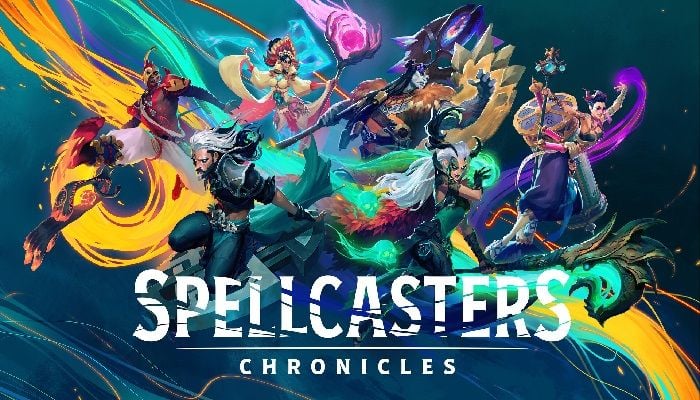
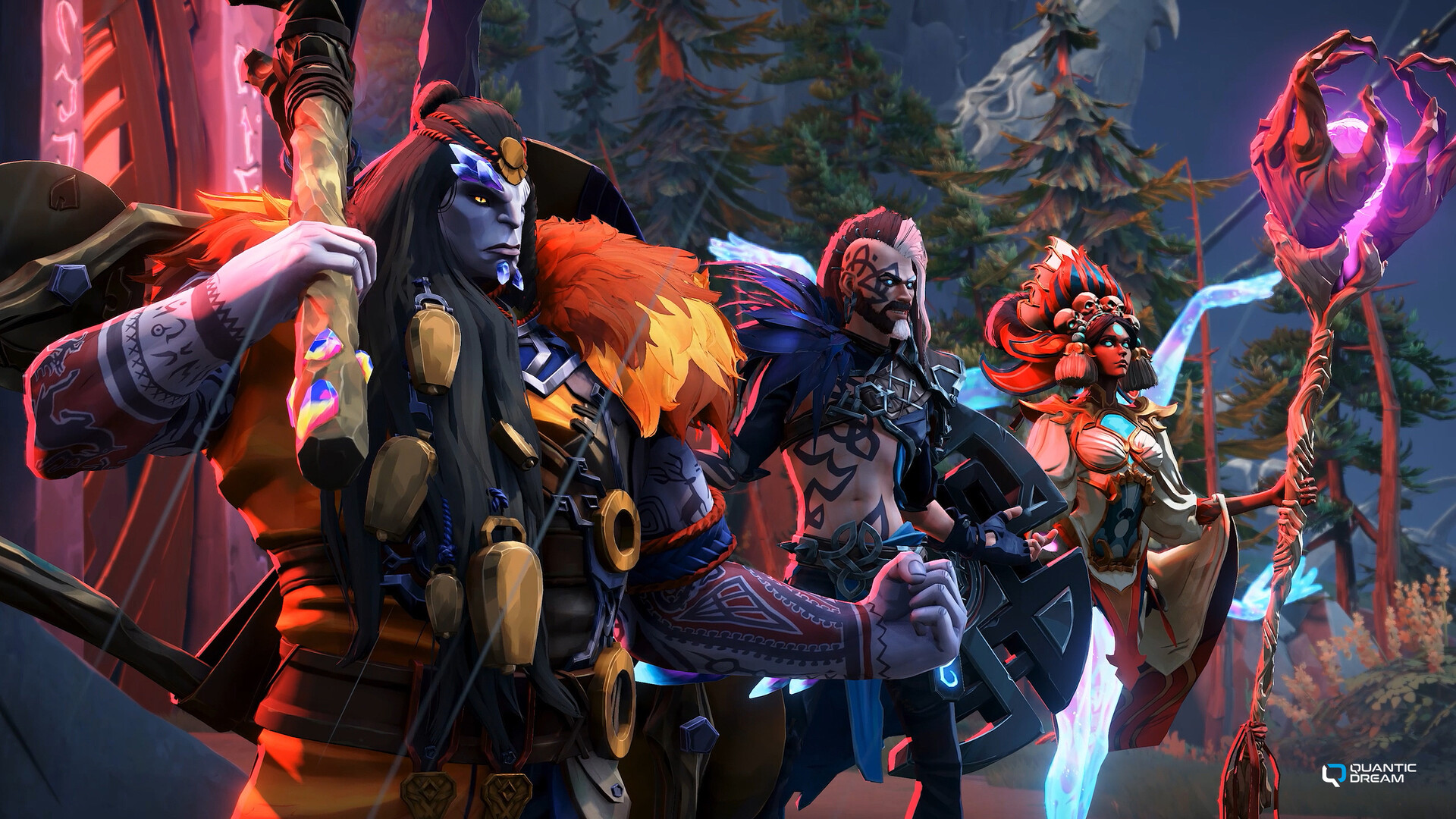
Quantic Dream restructuring has been confirmed following the commercial and engagement failure of Spellcasters Chronicles, a live-service title that struggled to maintain a stable audience after launch. The studio, long known for narrative-driven single-player experiences such as Detroit: Become Human, had attempted a strategic shift into persistent online multiplayer gaming with this project.
Internal reports indicate that the underperformance of Spellcasters Chronicles has triggered a comprehensive operational review. This restructuring effort is focused on cost reduction, project prioritization, and refocusing the studio’s long-term development roadmap. The decision reflects broader industry pressures affecting mid-to-large studios attempting to transition into live-service models without established multiplayer ecosystems.
The failure of Spellcasters Chronicles is now positioned as a key inflection point in Quantic Dream’s evolution, marking a potential rollback of experimental multiplayer initiatives in favor of more traditional narrative experiences.
Why Spellcasters Chronicles Failed to Attract a Sustainable Player Base
Spellcasters Chronicles struggled primarily due to weak long-term player retention, a critical factor for live-service success. While initial interest was generated through marketing and studio reputation, engagement dropped sharply after the first weeks.
Several contributing factors are widely discussed in industry analysis:
The game’s progression loop was criticized for lacking depth, with repetitive mission structures that failed to sustain long-term engagement. In addition, its monetization model created friction for players expecting either a premium experience or a more balanced free-to-play structure.
Competition also played a major role. The live-service market in 2026 remains saturated with established titles offering stronger content pipelines, seasonal updates, and competitive ecosystems. As a result, Spellcasters Chronicles struggled to carve out a unique identity.
Finally, technical performance issues during early access phases reduced player confidence, leading to accelerated churn rates and reduced community growth.
Up to 25% of Quantic Dream Staff at Risk of Layoffs Amid Restructuring
The most significant consequence of the restructuring is the potential reduction of up to 25% of Quantic Dream’s workforce. This figure reflects internal cost-cutting measures aimed at stabilizing the studio’s financial position following the underperformance of its live-service pivot.
Departments most affected are expected to include live-service operations, support teams tied to Spellcasters Chronicles, and select production units not currently assigned to active projects.
Although no final numbers have been publicly confirmed by the studio, internal restructuring frameworks suggest that layoffs are being evaluated as part of a broader efficiency strategy. This aligns with similar industry-wide adjustments where studios recalibrate after unsuccessful live-service investments.
What Caused the Cancellation of Spellcasters Chronicles Early Access
The early access phase of Spellcasters Chronicles was effectively discontinued due to declining player activity and insufficient revenue generation to support ongoing server and development costs.
Key causes include:
- Rapid drop in concurrent users within the first release cycle
- Negative player feedback regarding progression systems
- Insufficient content updates during critical launch window
- High operational costs outweighing incoming revenue
The combination of these factors made continued early access support economically unsustainable. As a result, development priorities shifted away from expansion toward stabilization and eventual shutdown planning.
Quantic Dream Layoffs 2026: Latest Updates on Internal Restructuring
As of 2026, Quantic Dream layoffs are closely tied to the restructuring plan triggered by Spellcasters Chronicles. The studio is reportedly reassessing multiple departments, including publishing support, QA, and live operations.
The restructuring is not limited to workforce reduction alone. It also includes reallocation of resources toward core narrative-driven projects, potentially signaling a return to the studio’s traditional strengths.
Industry observers note that this restructuring reflects a broader correction phase in the gaming sector, where studios that expanded rapidly into live-service models are now scaling back after uneven results.

How Low Player Counts Led to Spellcasters Chronicles Shutdown
Low player counts were the central metric driving the shutdown decision. Live-service titles depend heavily on consistent engagement to sustain matchmaking systems, content development, and monetization cycles.
In the case of Spellcasters Chronicles, concurrent user numbers reportedly fell below viable operational thresholds shortly after launch. This created a cascading effect:
Reduced player population led to longer matchmaking times, which further discouraged engagement. At the same time, content updates failed to reverse the downward trend, accelerating overall decline.
Ultimately, the inability to maintain a stable active user base made continued investment impractical.
Server Shutdown Date for Spellcasters Chronicles Explained
The server shutdown timeline for Spellcasters Chronicles has been structured around a phased wind-down approach. Rather than an abrupt termination, the process includes staged deactivation of matchmaking services, in-game purchases, and community features.
This approach is designed to minimize disruption for remaining players while reducing operational overhead. Typically, such shutdowns follow a three-stage process:
- Disabling new account creation and monetization
- Reducing live support and patch frequency
- Full server termination after final notice period
The exact final shutdown date depends on internal evaluation of remaining active users and contractual obligations with service providers.
Impact of Spellcasters Chronicles Failure on Quantic Dream’s Future Projects
The failure of Spellcasters Chronicles has significant implications for Quantic Dream’s future development strategy. The studio is expected to reassess its commitment to live-service gaming and may pivot back toward narrative-focused, single-player experiences.
Upcoming projects are likely to undergo stricter evaluation criteria, with increased emphasis on market viability, production scalability, and risk assessment. This shift may also affect experimental gameplay initiatives that rely heavily on ongoing content delivery systems.
In addition, resources previously allocated to live-service infrastructure may be redirected toward cinematic storytelling pipelines and proprietary engine development.
Is Star Wars Eclipse Affected by Quantic Dream Restructuring?
One of the most frequently discussed concerns is whether Star Wars Eclipse will be affected by the restructuring. While no official cancellation has been announced, industry analysts suggest potential delays or scope adjustments are possible.
Given the scale and licensing requirements of the project, it is unlikely to be fully impacted in terms of cancellation. However, internal restructuring could influence development timelines, team composition, or production milestones.
The project remains strategically important due to its association with a major entertainment franchise, making it a priority asset even during periods of organizational change.

NetEase Investment Concerns Following Spellcasters Chronicles Failure
NetEase, a major stakeholder in Quantic Dream, may reassess its investment strategy following the underperformance of Spellcasters Chronicles. The failure raises concerns about return on investment for experimental live-service initiatives.
While NetEase continues to maintain a strong presence in global gaming investments, projects that do not demonstrate sustainable engagement metrics often trigger strategic review processes.
This situation may lead to more conservative funding allocations, tighter oversight of development milestones, and increased emphasis on proven genres rather than experimental multiplayer models.
Industry Reaction to Quantic Dream Live-Service Game Collapse
The broader gaming industry has reacted to the collapse of Spellcasters Chronicles as part of a larger pattern of live-service failures in recent years. Analysts highlight that even well-established studios struggle when transitioning from narrative-driven design to persistent online ecosystems.
Critics argue that Quantic Dream’s core expertise lies in cinematic storytelling, and that the shift toward live-service mechanics may have stretched internal capabilities.
At the same time, some industry voices view the restructuring as a necessary correction, allowing the studio to realign with its foundational strengths.
Comparison of Spellcasters Chronicles to Other Failed Live-Service Games
Spellcasters Chronicles is frequently compared to other underperforming live-service titles that failed to maintain post-launch momentum. Common patterns across these comparisons include:
- Overestimated player retention projections
- Insufficient post-launch content cadence
- Weak differentiation in a saturated market
- High operational costs with low monetization efficiency
These similarities place the game within a broader category of live-service experiments that struggled to compete against established franchises with long-term ecosystem advantages.
Development History of Spellcasters Chronicles and Its Eight-Year Cycle
The development cycle of Spellcasters Chronicles reportedly spanned approximately eight years, including concept development, prototyping, production scaling, and live-service integration planning.
Originally envisioned as a bold expansion of Quantic Dream’s gameplay philosophy, the project aimed to merge narrative depth with multiplayer progression systems. Over time, however, shifting market conditions and evolving player expectations complicated development priorities.
Extended production timelines contributed to increased costs and design iteration challenges, which ultimately impacted final release quality and post-launch performance.

Employee Union Response to Quantic Dream Layoffs and Restructuring Plan
Employee responses to the restructuring have included calls for greater transparency and improved communication regarding layoff decisions. In many large-scale restructurings, unions and employee representatives typically focus on severance conditions, transition support, and job placement assistance.
Concerns have also been raised about workload redistribution for remaining staff and the long-term stability of ongoing projects.
While official union statements vary by region, the general response emphasizes worker protections and structured negotiation processes during downsizing phases.
Pixelhair and the View Keeper Insights on Quantic Dream’s Restructuring Impact
Industry commentary platforms such as Pixelhair and The View Keeper have analyzed the restructuring as a turning point for Quantic Dream’s operational identity. According to their assessments, the failure of Spellcasters Chronicles highlights the risks associated with transitioning from narrative-first development into live-service ecosystems without established infrastructure.
Pixelhair commentary emphasizes the production inefficiencies that can emerge when studios diversify too quickly into unfamiliar genres, while The View Keeper focuses on long-term brand positioning and audience expectations.
Together, these perspectives suggest that Quantic Dream’s restructuring may ultimately reinforce its identity as a narrative-driven studio rather than a live-service competitor.
Frequently Asked Questions (FAQs)
- Why is Quantic Dream restructuring?
Due to the failure of Spellcasters Chronicles and financial underperformance. - How many employees may be laid off?
Up to 25% of staff may be affected. - What is Spellcasters Chronicles?
A live-service multiplayer title developed by Quantic Dream. - Why did Spellcasters Chronicles fail?
Low retention, weak engagement, and strong competition. - Is Spellcasters Chronicles shutting down?
Yes, servers are being phased out. - Will Star Wars Eclipse be canceled?
No official cancellation, but potential delays exist. - Is NetEase still involved?
Yes, but investment strategy may be reviewed. - Did the game have early access?
Yes, but it was discontinued due to low player counts. - What is the impact on future Quantic Dream games?
Likely shift back toward narrative-focused projects. - Is this restructuring permanent?
It is an ongoing strategic adjustment.
Conclusion
The restructuring of Quantic Dream following the failure of Spellcasters Chronicles represents a pivotal moment in the studio’s evolution. With potential layoffs affecting up to a quarter of its workforce, the company is undergoing one of its most significant transformations to date. The collapse of its live-service ambitions underscores the challenges faced by narrative-focused studios attempting to compete in the highly competitive multiplayer market.
Moving forward, Quantic Dream is expected to recalibrate its strategy, prioritize core strengths in storytelling, and reassess its role within the broader games industry landscape.
Sources and Citations
- Quantic Dream Official Website
https://www.quanticdream.com - NetEase Official Website
https://www.netease.com - GamesIndustry.biz
https://www.gamesindustry.biz - IGN
https://www.ign.com - Game Developer
https://www.gamedeveloper.com
Recommendations
- Fortnite’s Solo Leveling Skins Reveal It’s Not the Crossover Many Expected — It’s Solo Leveling: ARISE
- AAA Game Budgets in the US and Canada Now Exceed $300 Million: Why Development Costs Are Skyrocketing in 2026
- 3D Interactive Caustics in Blender for Unreal Engine and Unity: Real‑Time and Baked Techniques
- Will Ever Get a Cyberpunk-Style Renaissance? What the Latest Updates, DLC, and Modding Scene Say
- The NEW IRON FIST SKIN Is AMAZING | Marvel Rivals — Lin Shao: The Knockout (Release Date, Price, How to Get It)
- Smooth Obstacle Avoidance System Set Up in Unreal Engine: RVO vs Detour Crowd, NavMesh Settings, and Best Practices
- Saving Render Settings for Multiple Cameras in Blender with The View Keeper
- Forza Horizon 6 Teams up with Crunchyroll to Give Subscribers a Free Car Voucher: How to Claim the Ani-May Reward
- Sparseal Launched New 3D Texturing App For iPad: Wafer Brings Stylized PBR Texture Painting to iPad
- Should Video Game Publishers Be Allowed to Disable Games You Bought? What the European Parliament Hearing on “Stop Destroying Videogames” Means



































































































