



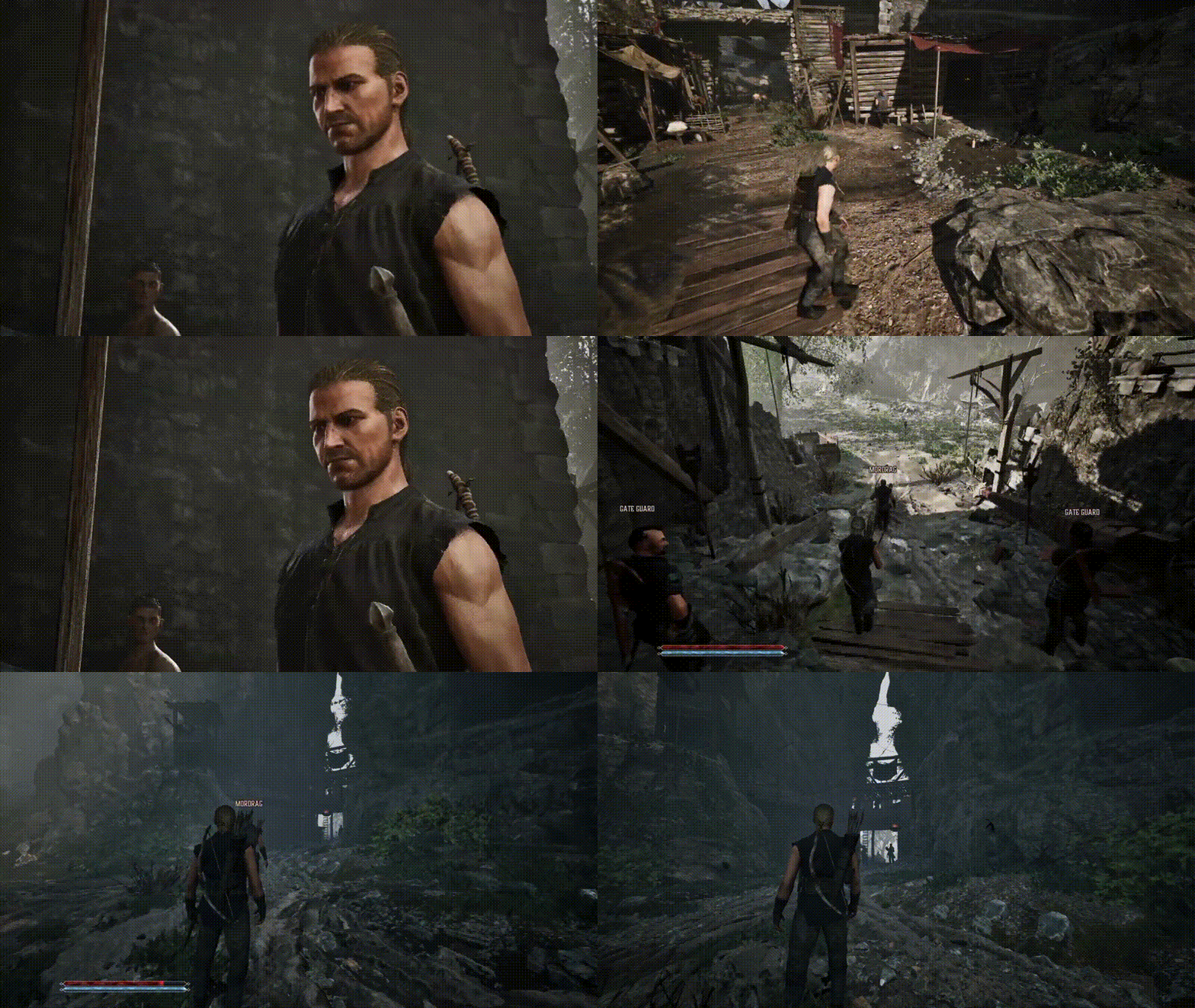


Romestead is a dark fantasy cozy RPG set in a reimagined version of Ancient Rome, where civilization has collapsed under supernatural catastrophe and mythological corruption. The game blends survival mechanics, settlement building, RPG progression, and narrative exploration into a single cohesive experience designed for both relaxation and tension-driven gameplay.
Unlike traditional survival games that rely heavily on punishment systems and constant resource pressure, Romestead introduces a “cozy survival” philosophy. This means players are encouraged to rebuild at their own pace, form relationships with companions, and gradually restore a ruined Roman world without the constant threat of failure. However, the “dark fantasy” layer ensures that danger still exists in the form of undead legions, cursed gods, and corrupted regions of the empire.
The game’s core identity revolves around contrast: beauty versus decay, calm settlement-building versus chaotic exploration, and historical inspiration versus mythological reinterpretation. This duality defines Romestead as both a relaxing builder and a high-stakes RPG adventure.
In This Article (18 sections)
Romestead Gameplay Overview: Surviving the Fall of Ancient Rome
Romestead’s gameplay is built around survival after the fall of a mythic version of Ancient Rome. Players begin in a shattered province where cities lie in ruins, roads are overrun by undead, and the once-mighty Roman infrastructure has collapsed.
The gameplay loop consists of gathering resources, establishing a base settlement, and gradually expanding influence across nearby territories. Players must manage hunger, fatigue, environmental hazards, and supernatural corruption while also rebuilding civilization piece by piece.
Progression is non-linear, allowing players to choose between exploration-heavy playstyles or settlement-focused development. Some may choose to become wandering survivors scavenging lost temples, while others may focus on rebuilding a thriving Roman-style town filled with artisans, soldiers, and shrines to forgotten gods.

Romestead Release Date and Early Access Details
Romestead is positioned as an indie RPG project expected to launch through early access, allowing developers to refine systems based on community feedback. Early access typically focuses on core gameplay systems such as survival mechanics, base building, and combat, while later updates expand storylines, biomes, and multiplayer features.
Players entering early access can expect iterative updates that gradually introduce new regions of the fallen Roman world, additional mythological enemies, and expanded crafting systems. This approach ensures that Romestead evolves alongside its player community, refining balance between cozy building and dark fantasy survival.
Story and Setting: Rebuilding Civilization After Rome’s Collapse
The narrative of Romestead takes place in an alternate historical timeline where Ancient Rome did not simply fall, it was shattered by divine intervention. Gods of the Roman pantheon turned against humanity, unleashing curses that corrupted legions and fractured reality itself.
In this world, the empire has become a fragmented ruin filled with haunted cities, cursed temples, and roaming spirits of former citizens. Players assume the role of a survivor chosen (or cursed) by fate to restore order or reshape civilization entirely.
The story is not linear but environmental, told through ruins, inscriptions, and encounters with surviving factions. Each region reflects a different aspect of Rome’s collapse, military downfall, spiritual corruption, economic ruin, or mythological invasion.
Romestead Gameplay Loop: Exploration, Crafting, and Settlement Building
The core gameplay loop of Romestead revolves around three pillars: exploration, crafting, and settlement development.
Exploration involves venturing into dangerous territories to uncover resources, lore, and rare artifacts. These expeditions often require preparation, as enemies grow stronger deeper into corrupted lands.
Crafting is deeply integrated into progression. Players can build tools, weapons, structures, and magical items using resources gathered from the world. Recipes evolve as settlements grow, unlocking advanced Roman-inspired architecture and enchanted technologies.
Settlement building is the long-term focus. Players construct homes, farms, workshops, temples, and defensive walls. Over time, these settlements evolve into thriving hubs that support NPC survivors and unlock new gameplay systems.

Combat System in Romestead: Fighting the Undead Hordes
Combat in Romestead combines tactical action with RPG mechanics. Players face undead Roman soldiers, mythological beasts, and corrupted entities influenced by divine forces.
The combat system emphasizes timing, positioning, and resource management rather than button-mashing. Weapons include swords, spears, bows, and enchanted relics tied to Roman mythology.
Enemy encounters vary widely, from small roaming groups of undead legionnaires to massive boss-tier creatures guarding ancient ruins. Combat difficulty scales with exploration depth, encouraging careful preparation before venturing into dangerous zones.
Town Building Mechanics in Romestead Explained
Town building is one of Romestead’s most important systems. Players begin with basic shelters and gradually expand into fully functional settlements resembling Roman-style cities.
Structures include housing for survivors, production buildings like forges and workshops, and religious sites dedicated to gods or spirits. Each building serves a functional purpose in gameplay progression.
Layout strategy also matters. Defensive positioning, resource efficiency, and population happiness all influence settlement performance. A well-designed town can resist raids, generate resources passively, and unlock unique upgrades.
Co-Op Multiplayer in Romestead: Play with up to 8 Players
Romestead supports cooperative multiplayer for up to eight players, allowing groups to rebuild civilization together. Each player can specialize in roles such as builder, explorer, warrior, or resource gatherer.
Multiplayer enhances both survival and creativity. Teams can divide responsibilities, with some players exploring dangerous ruins while others expand the settlement.
Shared progression systems ensure that all players contribute to the same evolving world, making cooperation essential for large-scale rebuilding projects and endgame challenges.

RPG Progression System in Romestead: Skills, Gear, and Gods
Romestead features a layered RPG progression system based on skills, equipment, and divine favor.
Players gain experience through exploration, combat, crafting, and settlement contributions. Skill trees allow specialization in combat, survival, crafting, or leadership roles.
Gear progression includes Roman-inspired armor sets, enchanted weapons, and relic items that provide passive bonuses. As players progress, they can unlock legendary equipment tied to mythological events.
The Role of Roman Gods in Romestead’s Progression System
The Roman gods play a central role in Romestead’s progression system. Deities influence gameplay by granting blessings, curses, and unique abilities depending on player actions.
Aligning with certain gods may provide combat advantages, crafting enhancements, or settlement bonuses. However, divine favor often comes with consequences, as gods demand offerings, loyalty, or risky quests.
This system introduces moral and strategic decisions, forcing players to choose between competing divine influences while shaping their journey through the ruined empire.
Resource Gathering and Survival Mechanics in Romestead
Resource gathering is essential for survival and progression. Players collect wood, stone, food, metal, and rare mystical materials scattered across the world.
Survival mechanics include hunger, stamina, weather effects, and corruption exposure. Players must balance exploration with safe return to settlements for rest and recovery.
As the game progresses, resource management becomes more complex, requiring trade networks, storage systems, and efficient production chains.
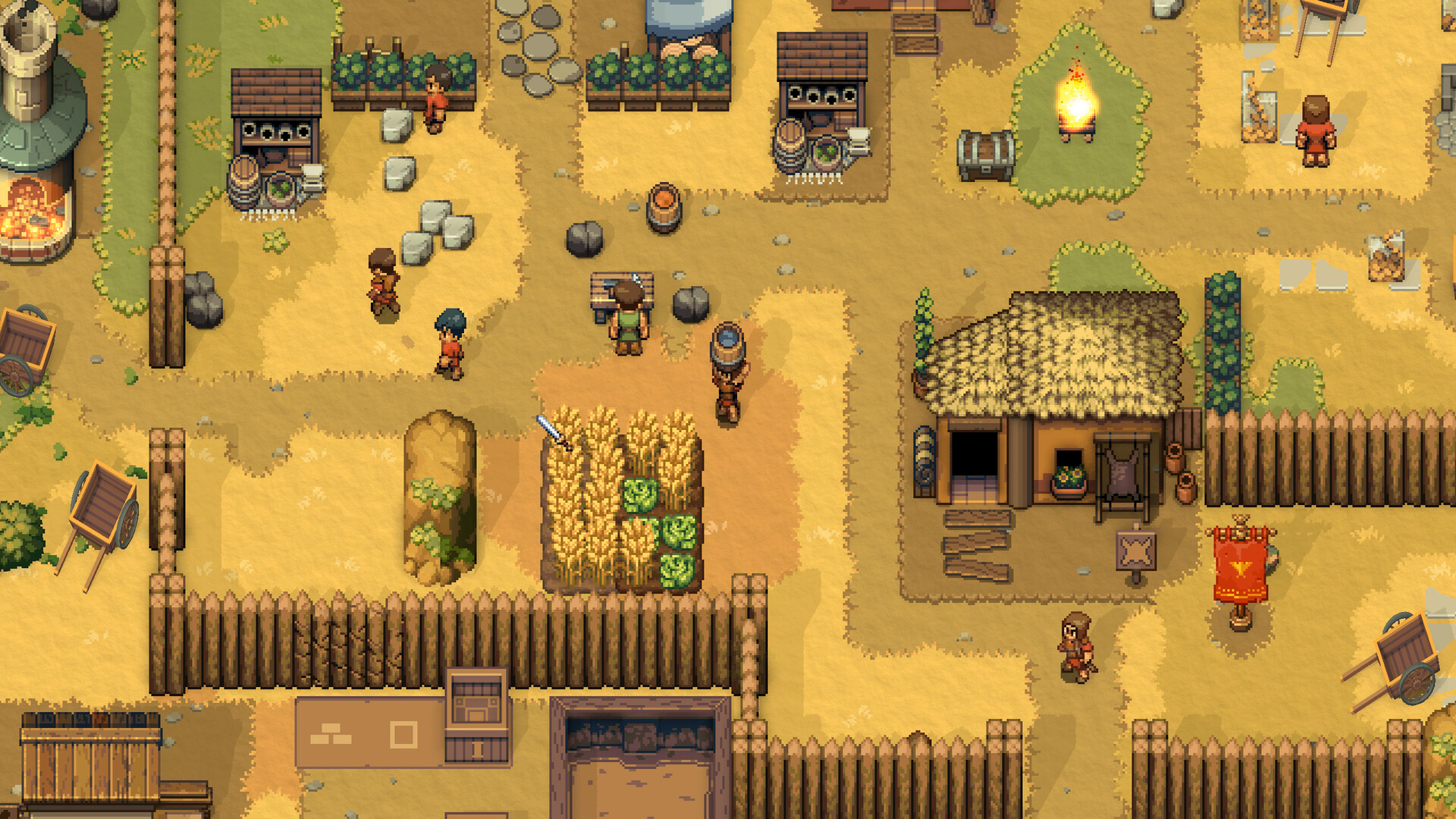
Romestead Biomes and World Exploration Guide
Romestead features diverse biomes inspired by Roman geography and mythological distortion. These include ruined cities, cursed forests, volcanic wastelands, flooded temples, and divine sanctuaries.
Each biome presents unique challenges, enemies, and resources. Exploration is rewarded with hidden lore, rare crafting materials, and powerful relics.
Environmental storytelling plays a key role, with each biome revealing fragments of Rome’s downfall and the gods’ involvement in its destruction.
Dungeons, Bosses, and Mythical Threats in Romestead
Dungeons in Romestead are structured around ancient ruins, forgotten temples, and underground catacombs filled with danger and treasure.
Boss encounters often represent corrupted gods, legendary warriors, or mythological beasts. These battles require preparation, strategy, and mastery of combat mechanics.
Defeating bosses rewards players with powerful artifacts, story progression, and access to new regions of the map.
Is Romestead a Cozy Game or a Survival Challenge? Genre Breakdown
Romestead exists in a hybrid genre space between cozy simulation and survival RPG. While it includes resource management and combat threats, it avoids overly punishing mechanics.
The cozy aspect comes from settlement building, exploration freedom, and relaxed progression pacing. Players can focus on creativity and rebuilding without constant failure pressure.
The survival challenge remains present through exploration risks, enemy encounters, and resource scarcity in dangerous regions. This balance makes Romestead appealing to both casual and hardcore RPG audiences.
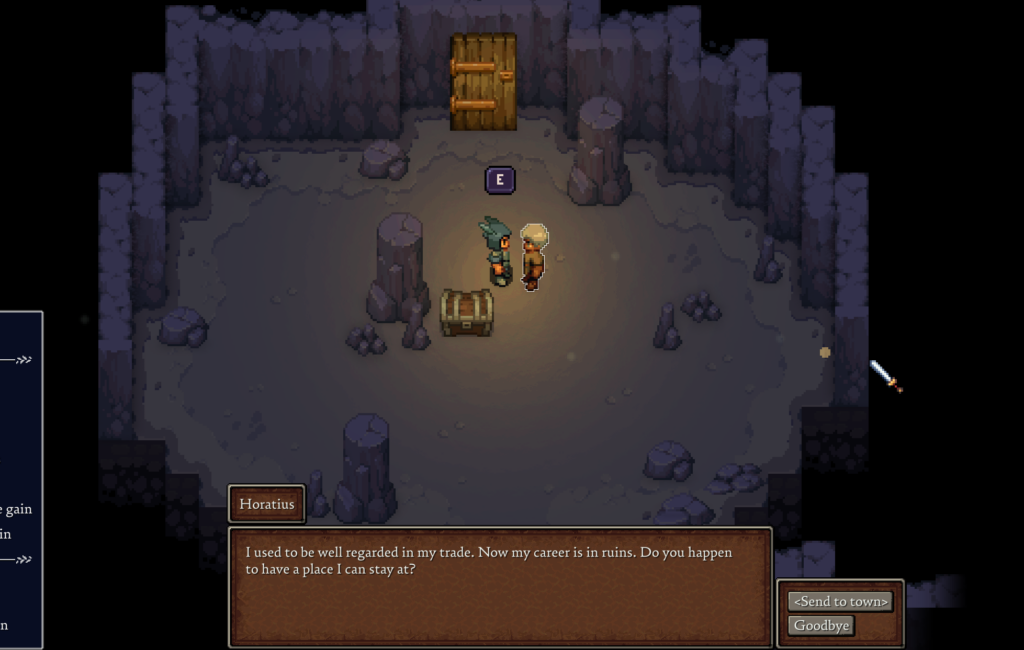
Pixelhair and the View Keeper in Romestead-Like Indie RPG Design Trends
Modern indie RPG design trends increasingly incorporate stylistic identity systems such as Pixelhair aesthetics and The View Keeper perspective mechanics. In games similar to Romestead, these trends influence how characters are visually represented and how players experience world immersion.
Pixelhair refers to highly detailed yet stylized character customization, often emphasizing expressive hair design as part of identity-building in RPGs. This enhances emotional attachment to characters in settlement-driven gameplay.
The View Keeper concept focuses on controlled camera framing and cinematic perspective shifts that highlight storytelling moments, settlement growth, and environmental transformation. In Romestead-like games, this design approach strengthens immersion by making world rebuilding feel visually significant and emotionally impactful.
Together, these trends contribute to a modern indie RPG identity that balances artistic expression with gameplay clarity.
Frequently Asked Questions (FAQs)
- What type of game is Romestead?
Romestead is a dark fantasy cozy RPG with survival, crafting, and settlement-building mechanics set in a mythological version of Ancient Rome. - Is Romestead multiplayer?
Yes, it supports cooperative multiplayer for up to 8 players. - Does Romestead have combat?
Yes, it features action-based combat against undead, mythological creatures, and bosses. - Can you build towns in Romestead?
Yes, settlement building is a core gameplay feature. - Is Romestead open world?
Yes, it features multiple explorable biomes and regions. - Does Romestead include survival mechanics?
Yes, including hunger, stamina, and environmental hazards. - What makes Romestead “cozy”?
Its relaxed progression, creative building systems, and low punishment structure. - Are there gods in Romestead?
Yes, Roman gods influence progression through blessings and quests. - What is the main goal in Romestead?
To rebuild civilization after the collapse of Ancient Rome. - Is Romestead story-driven?
Yes, but it uses environmental storytelling rather than linear narrative.

Conclusion
Romestead represents a modern evolution of the survival RPG genre by blending cozy settlement-building with dark fantasy mythology rooted in Ancient Roman inspiration. Its unique balance between relaxation and danger allows players to rebuild civilization at their own pace while still facing meaningful challenges from corrupted gods, undead legions, and hostile environments.
With cooperative multiplayer, deep RPG progression, and a richly layered world design, Romestead positions itself as a standout indie title that appeals to both creative builders and adventure-focused RPG fans. Its emphasis on rebuilding rather than mere survival sets it apart as a long-term experience centered on restoration, strategy, and mythological storytelling.
Sources and Citations
- Steam Early Access Documentation
- Citation: Official developer guidance and early access framework documentation explaining how studios use player feedback during development.
- IndieDB Developer Updates
- Citation: Official developer previews, demo announcements, alpha builds, and indie game development progress logs.
- Polygon Indie Showcase Coverage
- Citation: Coverage of indie RPG reveals, early access announcements, and gameplay previews shown during major indie showcases. Creative Bloq Indie Game Design Trends 2026
- Citation: Indie RPG design trend analysis discussing handcrafted worlds, hybrid genres, and evolving player preferences between 2024–2026. Mordor Intelligence Indie Game Market Report
- Citation: Market analysis of indie RPG growth trends, genre demand, and evolving development strategies from 2024–2026.
- Wyrmwood Studios Genre Design Analysis
- Citation: Commentary on narrative-driven and hybrid RPG genre trends influencing modern survival-cozy game design.
- GameMaker Early Access Analysis
- Citation: Developer commentary about the opportunities and risks of survival and cozy hybrid games launching in early access.
- National Geographic Ancient Rome Overview
- Citation: Historical references to Roman architecture, culture, arenas, and societal structures commonly adapted into fantasy and RPG worldbuilding. ResearchGate Roman Legions in Video Games Study
- Citation: Academic analysis of how Roman military history and mythology are adapted in video game worldbuilding.
- Springer Mythological Video Games Study
- Citation: Analysis of mythological storytelling, ancient civilizations, and historical inspirations used in interactive game worlds.
- Reddit Gameplay Preview Discussions
- Citation: Community discussions, early gameplay impressions, and showcase reactions from preview events and leaked footage.
- Reddit Game Design Discussions
- Citation: Community analysis of popular indie RPG trends, survival mechanics, cozy hybrids, and genre demand.
Recommended
- How to Convert Hair Curves and Geometry Nodes to Mesh in Blender: A Complete Workflow Guide
- Forza Horizon 6 Limited Edition Xbox Wireless Controller and Headset Reportedly Leaked
- Dark Outlaw Games Founder Jason Blundell Appeared on Stream With JCbackfire to Decompress About the Unexpected Shift
- Arknights: Endfield ‘Sketches of Lost Heirlooms’ Trailer Breakdown and Everything We Know
- The Director Of The Next Resident Evil Movie Has Already Beaten Requiem Twice – What It Means for the Film
- EA Reportedly Wanted Alice: Madness Returns to Be “More Sexy,” So the Developer Put Dildos on a Snail: The Story Behind the Bizarre Creative Clash
- How to Unlock the Blacksmith in Nioh 3: The Hamamatsu Incident, Eternal Rift Location, and Crafting Basics
- R.E.P.O. Official Cosmetic Update Launch Trailer Breakdown: New Skins, Magic Staffs, and Gameplay Changes Explained
- How to Use Mesh to Metahuman for AAA Digital Doubles in Unreal Engine 5
- Stylized Fire in Blender: How to Make Cartoon Flames with Geometry Nodes and Shaders



































































































