







In This Article (7 sections)
Peter Jackson’s Latest Shadow of the Past Update, Scriptwriting Progress and Cancellation Rumors
Shadow of the Past remains in the scriptwriting stage, according to Peter Jackson’s latest update on the upcoming Lord of the Rings film. His comments clarify the project’s development following reports of difficulties, although they do not establish a completed screenplay, filming schedule or release date. As of October 20, 2026, Stephen Colbert, Peter McGee and Philippa Boyens continue developing the story. Warner Bros. has also clarified that the film has not been canceled. Screenplay work remains active, but the studio has not publicly confirmed when the project will enter production or which filmmaker will direct it.
The project has attracted attention because of its unusual creative team and proposed storyline, with Stephen Colbert developing the screenplay alongside Peter McGee and Philippa Boyens. Their approach draws on early material from The Fellowship of the Ring that was substantially changed or omitted from Jackson’s original film adaptation. Understanding the latest developments requires distinguishing the creative work that has been confirmed from production decisions that remain unresolved.
Speaking during his appearance at Spain’s Sitges Film Festival, Jackson described the project’s current position directly: “We have The Shadow of the Past, which is in the scriptwriting stage.” His remarks circulated widely in English language reporting on October 19, bringing renewed attention to the movie after speculation about its future.
The wording is significant because Jackson identified screenplay development as the current activity rather than suggesting that a finished script was awaiting production. His statement provides evidence that creative work continues without promising when the project will reach another milestone. A screenplay can change considerably during development, with revisions affecting its structure, character emphasis, dialogue and production requirements. Jackson did not specify which draft the writers were preparing, how much work remained or when the studio might evaluate the next version. His update therefore confirms continuing development while leaving questions about production approval, financing and scheduling unanswered.
The available reporting does not support describing Shadow of the Past as canceled. Knight Edge Media’s October report raised concerns about development difficulties, but the article subsequently included Warner Bros.’ clarification that the project had not been canceled and remained in development. This clarification is important because a film can continue undergoing screenplay revisions even when its production schedule has not been established.
Remaining in development does not guarantee that filming will begin soon, but it does establish that the project has not been publicly abandoned. Reports of a slowdown and evidence of continued writing can therefore coexist without necessarily contradicting each other. A delay in production planning does not mean screenplay work has stopped, just as continued writing does not prove that every previously reported concern has been resolved.
The cancellation discussion developed from reporting about an alleged slowdown connected to wider studio circumstances. Knight Edge Media suggested that studio changes had affected the project and reported that further production commitments might depend on the commercial performance of The Hunt for Gollum. These claims concerned internal decisions and should remain attributed to the outlet rather than treated as confirmed explanations from Warner Bros.
The report subsequently attracted wider attention, with ComicBook.com presenting the news as a concerning development while identifying Knight Edge Media as its source. World of Reel also reported Warner Bros.’ clarification that the film remained in development. Reading these accounts together provides a more accurate understanding than relying on headlines suggesting that the movie had been abandoned.
Part of the confusion comes from the way development terminology is interpreted during online discussions. A film described as delayed, slowed or awaiting further approval can quickly become the subject of cancellation rumors, even when writing continues. These terms describe different circumstances and should not be treated as interchangeable. A development slowdown may affect when a film begins production without necessarily ending the project, while a formal cancellation would establish a more definitive change in its status. Jackson’s comments clarify that screenplay work remains active, but they do not reveal whether the studio has resolved every concern associated with production planning.
The scriptwriting stage is particularly important because it is where the proposed story becomes a workable screenplay. For Shadow of the Past, the process involves more than selecting memorable passages from Tolkien’s writing. The creative team must establish a central dramatic question, determine how the story moves between different periods and decide which characters guide the audience through those events.
These choices influence the eventual production because a scene inside a familiar hobbit home creates different requirements from an extended journey through a supernatural landscape. Character decisions affect casting, while the scale of the screenplay influences locations, sets, costumes, visual effects and the production budget. These are general filmmaking considerations rather than confirmed details about the current draft, since Jackson has not revealed which specific issues the writers are addressing.
Script development also provides an opportunity to determine whether the proposed concept can sustain an entire feature film. Material that functions effectively as a chapter within a much larger novel may require substantial restructuring when adapted into a separate movie. The writers must create momentum, meaningful character decisions and an emotional resolution while preserving the qualities that made the original material worth revisiting. This challenge becomes more complicated when the story must also fit within the continuity of an established film series. The project therefore requires both a compelling independent narrative and careful consideration of how its events relate to the original trilogy.
Several important distinctions help explain the movie’s current position:
- Confirmed development: Peter Jackson has stated that the film remains in the scriptwriting stage.
- Cancellation status: Warner Bros. has clarified that the project has not been canceled.
- Screenplay completion: No announcement confirms that the final screenplay has been completed or approved.
- Production schedule: A filming start date has not been publicly established.
- Studio commitments: Reports of development difficulties do not independently establish that all production arrangements have been finalized.
- Release planning: The movie currently has no confirmed theatrical release date.
- Future updates: A director announcement, confirmed cast or formal production schedule would provide stronger evidence that the project is advancing toward filming.
The most significant unanswered question is what must happen before Shadow of the Past can enter production. Beyond completing the screenplay, a film generally requires an approved production plan, financing arrangements, a director, principal casting and a workable filming schedule. Production departments must also prepare locations, sets, costumes, props and any specialized requirements connected to the script. These are standard filmmaking considerations rather than a disclosed list of problems facing this particular movie. Public reporting does not reveal which arrangements may already have been discussed privately or how advanced individual preparations might be.
The screenplay remains central to these decisions because changes to the story can affect nearly every production requirement. Revising a location may alter the filming plan, expanding a sequence may increase visual effects demands, and changing the balance between earlier and later events may influence casting and scheduling. A credible filming announcement would therefore represent a substantial development because it would demonstrate that creative work had been matched by concrete production commitments. Until that happens, describing filming as imminent would go beyond what Jackson’s update establishes.
For now, the clearest conclusion is that The Lord of the Rings: Shadow of the Past remains an active development project with a confirmed writing team and an announced premise. Reports of difficulties have created uncertainty about its eventual production schedule, but the available evidence does not establish a cancellation. Jackson’s latest comments provide reassurance that screenplay work continues while making clear that the project has not yet reached a publicly confirmed filming stage.

Stephen Colbert, Philippa Boyens and Peter McGee’s Story, Tolkien Source Material and Fellowship Connections
Stephen Colbert’s involvement in The Lord of the Rings: Shadow of the Past is one of the project’s most unusual and widely discussed elements. His announced role is as a writer and developer of the screenplay alongside Peter McGee and Philippa Boyens. Reuters’ announcement coverage identified the three as members of the creative team, while the Associated Press confirmed their participation when Warner Bros. introduced the project in March 2026. Colbert’s involvement should not automatically be interpreted as a directing appointment or an acting commitment. His contribution centers on developing a story inspired by portions of Tolkien’s original novel that did not receive complete treatment in Peter Jackson’s film adaptation.
Colbert’s interest in the project developed from a specific adaptation idea involving the early journey of the hobbits in The Fellowship of the Ring. During the announcement, he discussed revisiting sections of Tolkien’s story and considering how they might fit within the cinematic continuity established by Jackson’s trilogy. The Motion Picture Association’s coverage reproduced his explanation of that approach, establishing that the project was conceived as more than a straightforward recreation of omitted scenes.
Colbert wanted to explore material from the novel while finding a structure that could connect naturally with the existing movies. That ambition creates a demanding balance because familiarity with Tolkien’s writing can help identify overlooked stories, but the finished screenplay must also communicate their importance to viewers who may not know the original chapters.
Philippa Boyens brings extensive experience from adapting Tolkien’s work for Jackson’s films, making her involvement especially relevant to a project concerned with maintaining cinematic continuity. Decisions about dialogue, character knowledge, chronology and the arrangement of events can create inconsistencies even when individual scenes closely follow the novel.
Her experience provides a connection to the established adaptation process, although it does not reveal how responsibilities are divided among the writers. Peter McGee’s involvement also predates the public announcement, with Colbert explaining that he had discussed the concept with his son and worked through a possible framing structure before developing the idea further with Boyens. Public information does not establish which writer handles particular scenes, dialogue or structural elements, so assigning specific responsibilities would be speculative.
The collaboration between Colbert, McGee and Boyens is significant because the proposed story must function both as a new cinematic experience and as an exploration of familiar material. A strong adaptation would need to create meaningful choices for its characters, establish a compelling reason to revisit earlier events and provide an ending that justifies the journey. The writers must also account for the expectations of different audiences. Readers familiar with Tolkien’s original work may recognize the significance of omitted encounters immediately, while viewers whose knowledge comes primarily from Jackson’s films will need those moments presented with sufficient context. The screenplay must therefore make the story accessible without sacrificing the qualities that distinguish its source material.
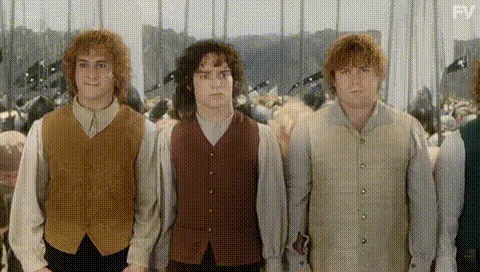
The announced premise follows Sam, Merry and Pippin as they revisit the opening stages of their original adventure, while Sam’s daughter Elanor investigates a concealed piece of history connected to how the War of the Ring nearly failed before its major events unfolded. Entertainment Weekly’s announcement coverage reproduced the studio’s synopsis, providing the clearest description of the proposed storyline. This framing suggests a story concerned with memory, discovery and the significance of events that may initially have appeared minor. The older hobbits would return to familiar places with knowledge they lacked during their first journey, while Elanor would approach their experiences from a different generational perspective.
The relationship between these narrative strands has not been fully explained. It remains unclear how frequently the screenplay will move between different periods, which characters will drive particular sections or how Elanor’s investigation will uncover the central mystery. However, the premise creates opportunities to examine familiar events through the knowledge gained after the War of the Ring. An encounter that seemed like one danger among many during the original journey could take on greater importance when revisited with an understanding of what followed. A seemingly minor escape might be revealed as an event that made later victories possible. Whether the screenplay develops these possibilities remains unknown, but the announced structure provides a foundation for exploring them.
The Tolkien material identified for the adaptation consists of six chapters from Book One of The Fellowship of the Ring, beginning with “Three Is Company” and ending with “Fog on the Barrow-downs.” These chapters contain experiences that were substantially changed or omitted from Jackson’s original film.
The six chapters are:
- Three Is Company: Introduces the early stages of Frodo’s departure from the Shire and the growing dangers surrounding the hobbits’ journey.
- A Short Cut to Mushrooms: Expands the hobbits’ experiences beyond familiar surroundings and develops their relationships during the early journey.
- A Conspiracy Unmasked: Reveals important aspects of the companions’ loyalty and their understanding of Frodo’s situation.
- The Old Forest: Takes the hobbits into an ancient and unsettling landscape containing dangers beyond the pursuit of the Black Riders.
- In the House of Tom Bombadil: Introduces Tom Bombadil’s unusual presence and expands the mysterious qualities of the world outside the Shire.
- Fog on the Barrow-downs: Presents another supernatural danger and develops the role of Tom Bombadil in helping the hobbits survive.
These chapters cover a broader and stranger early journey than the route presented in Jackson’s first film. They expand the hobbits’ experiences near the Shire, develop their relationships and introduce dangers that are not simply extensions of the pursuit by the Black Riders. The Old Forest and Barrow Downs episodes include Tom Bombadil’s interventions when the hobbits encounter threats they cannot overcome alone. In the novel, these events contribute to the gradual movement from familiar countryside into a world filled with ancient histories, unfamiliar powers and supernatural dangers.
The inclusion of this source material creates opportunities to explore aspects of Tolkien’s world that were not fully represented in the original trilogy. Tom Bombadil is particularly relevant because his encounters with the hobbits form an important part of the identified chapters. However, the decision to draw from those chapters does not confirm that every event or character will appear unchanged in the finished movie. Adaptation requires selection and restructuring, especially when the announced premise introduces a later framing narrative involving Sam, Merry, Pippin and Elanor. The final screenplay may need to balance familiar passages with newly developed scenes that connect the different periods.
It is also important to distinguish the movie’s title from the source chapters Colbert identified. Although Tolkien wrote a chapter titled “The Shadow of the Past,” that chapter is separate from the six chapter sequence discussed in connection with the film. The announced project is therefore not simply an adaptation of the book chapter sharing its name. Its stated concept concerns a different selection of early Fellowship material and a new narrative framework involving characters reflecting on the events of the past.
The movie’s connection to The Fellowship of the Ring operates through both source material and cinematic continuity. The proposed story revisits experiences that lead into the main events of the original adventure, while its later storyline examines those experiences after the War of the Ring. Colbert’s stated intention was to develop something compatible with Tolkien’s book and Jackson’s films, making continuity a central part of the project rather than an assumption based on its title.
That ambition presents challenges because the novel and film do not arrange every event in exactly the same way. Restoring an omitted encounter can affect where characters were, what they knew and how they acquired certain objects or experiences. Introducing new material into an established cinematic timeline requires attention to those consequences. The screenplay must determine how the additional events fit between moments already shown in the original trilogy without creating unnecessary contradictions or weakening familiar character developments.
The strongest connection would also need to be emotional rather than purely chronological. Returning to an omitted location may immediately interest readers, but the film must explain why that encounter matters within its own dramatic structure. New scenes should deepen the audience’s understanding of the hobbits’ vulnerability, loyalty or courage while supporting the wider narrative. Revisiting their earliest experiences could provide a different perspective on how seemingly small decisions influenced the journey that followed.
Elanor’s role is especially important because it introduces a character who approaches the original adventure through inherited knowledge rather than direct participation. Her investigation into a concealed part of the past could connect the experiences of the older hobbits with the consequences of events they survived. However, the exact nature of the mystery and its eventual resolution remain undisclosed. The premise confirms her importance to the story without establishing every narrative development associated with her discoveries.
The proposed structure also distinguishes Shadow of the Past from a complete remake of The Fellowship of the Ring. Rather than replacing the earlier adaptation, the announced concept revisits selected material through a separate story. Its later framing narrative introduces a different perspective, while its connection to omitted chapters provides opportunities to expand the audience’s understanding of the original journey. The extent to which the finished screenplay will reproduce individual scenes from the novel or reinterpret them for the established films remains unknown.
Ultimately, the screenplay’s success will depend on whether Colbert, McGee and Boyens can transform the selected Tolkien material into a cohesive cinematic story. Familiar locations and characters provide an immediate connection to Middle Earth, but the film will need its own dramatic purpose. The central challenge is to make the return to earlier events meaningful rather than relying entirely on recognition, allowing the new story to deepen the existing trilogy while remaining understandable as a separate production.
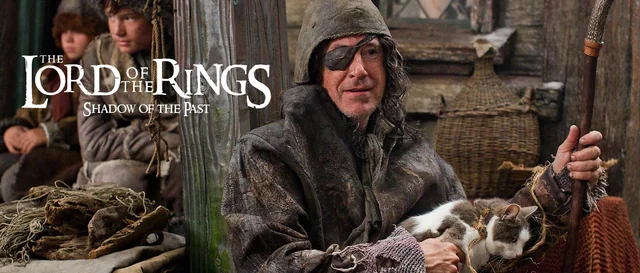
Shadow of the Past vs The Hunt for Gollum, Peter Jackson’s Role, Casting and Release Date
The Lord of the Rings: Shadow of the Past and The Hunt for Gollum are separate projects with different premises, creative arrangements and production schedules. Both belong to the developing slate of live action Middle Earth films, but progress on one should not automatically be interpreted as progress on the other.
Jackson’s comments at the Sitges Film Festival made this distinction particularly clear. While describing Shadow of the Past as being in the scriptwriting stage, he said The Hunt for Gollum was approaching the end of filming, estimating that approximately two weeks of shooting remained at the time of his appearance. That estimate describes the production’s position when Jackson spoke and should not be treated as a continuously updated countdown.
The Hunt for Gollum is directed by Andy Serkis and focuses on the search for Gollum before the Fellowship’s central quest. Its announced theatrical release date is December 17, 2027, placing it on a more clearly defined production schedule than Shadow of the Past. The Colbert project has no equivalent release announcement, and its screenplay remains under development. This distinction matters when interpreting reports about the franchise because casting announcements, filming milestones and release commitments associated with The Hunt for Gollum do not automatically apply to Shadow of the Past. The productions may share creative connections and operate within the same fictional world, but their development schedules remain separate.
The Motion Picture Association’s announcement coverage placed Colbert’s project after The Hunt for Gollum within the developing slate. That establishes the intended order described when the projects were introduced, but it does not provide a complete theatrical calendar or guarantee a particular release interval between them. A film can be announced as part of a wider plan without having a completed screenplay, approved budget or confirmed production start. For Shadow of the Past, the available evidence establishes an announced premise and writing team, while several major production decisions remain publicly unresolved.
Peter Jackson continues to play an important role in the development of these new Middle Earth films, although his involvement should not be interpreted as confirmation that he will direct every project. His participation in the announcement of Shadow of the Past established a creative connection to the original trilogy, while Reuters reported that the movie’s director had not been announced. Jackson also described helping connect Colbert’s proposal with Philippa Boyens, providing context for how the concept developed within the established filmmaking team.
Producing and directing involve different responsibilities. A producer can contribute to screenplay development, help assemble collaborators and support the film’s creative direction without personally supervising every scene during production. Jackson’s continued involvement may therefore provide continuity with the earlier adaptations while leaving room for another filmmaker to direct. His association with the franchise does not replace the need for a formal directing announcement, just as participation in development does not establish that production approval or scheduling has been completed.
The reporting reviewed as of October 20, 2026, does not establish a confirmed director or complete cast for Shadow of the Past. Initial announcement coverage left the directing position unidentified, and Jackson’s latest scriptwriting update did not introduce a director. The announced storyline includes familiar characters, naturally encouraging speculation about whether performers from the original trilogy might return. However, a character appearing in the synopsis does not establish that a particular actor has signed a contract or agreed to participate.
Casting will also depend on how the screenplay handles its different periods. A story involving recollection and earlier events could require decisions about portraying characters at different ages. Performance, makeup, visual effects and casting choices might all become relevant, but no particular approach has been publicly confirmed. The same distinction applies to Elanor. Her importance to the premise establishes a narrative role, not the identity of the performer who will eventually portray her. An actor expressing interest in returning would be noteworthy, but it would still differ from an official casting announcement.
The currently confirmed information about the movie’s production can be summarized as follows:
- Project status: The Lord of the Rings: Shadow of the Past remains in development.
- Current stage: Peter Jackson has confirmed that screenplay writing is ongoing.
- Writing team: Stephen Colbert, Peter McGee and Philippa Boyens are developing the script.
- Story premise: Sam, Merry and Pippin revisit their early adventure while Elanor investigates a concealed part of the past.
- Source material: The concept draws from six early chapters of The Fellowship of the Ring.
- Peter Jackson’s involvement: Jackson remains creatively connected to the project, but he has not been confirmed as its director.
- Director: No formal directing appointment has been established in the reviewed reporting.
- Casting: The complete cast and potential returning performers have not been confirmed.
- Filming: No official start date for principal photography has been announced.
- Release date: No theatrical release date has been established for Shadow of the Past.
- Separate production: The Hunt for Gollum is directed by Andy Serkis and has an announced December 17, 2027, release date.
The absence of a release date for Shadow of the Past is consistent with its current development status. Studios generally need a realistic understanding of preparation, filming and postproduction before committing to a theatrical window. A fantasy film may require substantial work after principal photography, including editing, music, sound and visual effects, although the specific requirements of this project have not been disclosed. It would therefore be premature to calculate a release year simply by placing the movie a fixed interval after The Hunt for Gollum. Separate productions can move through development at different speeds, particularly when one has already reached filming while another remains in screenplay development.
Unofficial calendars and speculative release listings should also be treated carefully. A projected date may reflect an assumption about the studio’s broader franchise strategy rather than a confirmed commitment. Until Warner Bros. announces a theatrical window or reliable reporting establishes an official schedule, the release remains undated. The confirmed December 2027 date for The Hunt for Gollum belongs exclusively to that production and should not be transferred to Colbert’s project.
The most meaningful future developments will involve decisions that demonstrate movement beyond screenplay preparation. A named director would clarify who is responsible for translating the script into a finished film, while formal casting announcements would establish which performers are attached to the project. A confirmed production start would provide stronger evidence that practical arrangements have been made, and an official release date would establish the studio’s intended theatrical schedule. Each of these milestones would materially change the current picture.
General enthusiasm about returning to Middle Earth is not enough to determine when a movie will reach theaters. The clearest indicators are specific commitments involving creative leadership, principal performers, filming and distribution. These details would provide a firmer basis for evaluating the project’s progress than speculation based on its association with the original trilogy or another upcoming release.
The contrast between the two announced films demonstrates the importance of treating development news precisely. The Hunt for Gollum has an identified director, has progressed into filming and carries a scheduled theatrical date. Shadow of the Past has an announced writing team, a proposed storyline and confirmation that screenplay work continues, but it has not reached the same publicly documented production stage. Their connection to the same franchise does not eliminate those differences.
Jackson’s latest comments provide a useful clarification after the earlier cancellation concerns. They establish that the project remains active while avoiding promises about when filming or release will occur. The announced premise offers an opportunity to explore overlooked parts of Tolkien’s story through familiar characters and a new generational perspective, but its eventual execution will depend on the completed screenplay and the production decisions that follow.
For now, The Lord of the Rings: Shadow of the Past remains a developing Middle Earth movie rather than a canceled production or a film with a confirmed theatrical timetable. Its creative team and proposed story are established, while its director, cast, filming schedule and release date remain unannounced. The next substantial update will need to move beyond confirmation of continued writing and establish how the project intends to progress toward production.

Frequently Asked Questions (FAQs)
- Is The Lord of the Rings: Shadow of the Past still happening?
The movie remains in development according to the latest available reporting. Peter Jackson confirmed that screenplay work is ongoing during his appearance at the Sitges Film Festival, while Warner Bros. clarified that the project had not been canceled following reports of development difficulties. However, continued development does not guarantee an immediate production start, and the studio has not announced a confirmed filming schedule. - What did Peter Jackson say about the script?
Peter Jackson stated that Shadow of the Past is currently in the scriptwriting stage. His comments confirm that the creative team continues working on the screenplay, but he did not announce that a final draft had been completed or approved. He also provided no deadline for finishing the script, meaning the update should be understood as confirmation of ongoing development rather than evidence that filming is about to begin. - Is Stephen Colbert directing Shadow of the Past?
Stephen Colbert has been announced as a writer and developer of the movie, not its director. He is collaborating with Peter McGee and Philippa Boyens on the screenplay, drawing from early Tolkien material that was omitted or substantially changed in the original film adaptation. No official directing appointment has been established in the reviewed reporting, so Colbert’s writing involvement should not be mistaken for confirmation that he will direct or appear in the movie. - Who is writing the movie?
The announced writing team consists of Stephen Colbert, Peter McGee and Philippa Boyens. Colbert developed the initial concept through discussions with McGee before bringing the idea into collaboration with Boyens, who has extensive experience adapting Tolkien’s work for Peter Jackson’s films. Their involvement is confirmed, but public information does not establish how individual scenes, dialogue or other screenplay responsibilities are divided among them. - What is Elanor’s role in the story?
Elanor, Sam’s daughter, plays an important role in the announced premise by investigating a concealed part of the past connected to how the War of the Ring nearly failed before its major events unfolded. Her investigation provides a different generational perspective alongside the journey involving Sam, Merry and Pippin. However, the precise secret she investigates, how she uncovers it and its eventual resolution have not been publicly revealed. - Will the movie include Tom Bombadil?
Tom Bombadil is an important character in the Tolkien chapters identified as inspiration for Shadow of the Past. Those chapters include the hobbits’ encounters with him during their journey through the Old Forest and Barrow Downs. His connection to the source material makes his appearance a possibility, but the final screenplay has not been revealed. His inclusion, amount of screen time and potential casting therefore remain unconfirmed. - Is the film a remake of The Fellowship of the Ring?
The announced concept describes a separate story that revisits selected early material from The Fellowship of the Ring rather than a complete remake of the novel or Jackson’s original movie. It combines earlier events with a later narrative involving Sam, Merry, Pippin and Elanor. The intention is to explore material that received limited attention in the original adaptation while maintaining a connection to the established cinematic continuity. - Are the original hobbit actors confirmed to return?
No complete returning cast has been confirmed in the reporting reviewed as of October 20, 2026. Although Sam, Merry and Pippin appear in the announced premise, their inclusion does not automatically establish that the original actors have signed contracts. The screenplay’s treatment of different periods may also influence casting and production decisions. Official announcements will be necessary to confirm returning performers or newly selected actors. - Does Shadow of the Past have a release date?
No official theatrical release date has been announced for The Lord of the Rings: Shadow of the Past. The project remains in screenplay development, and its filming schedule has not been confirmed. The December 17, 2027, release date belongs to The Hunt for Gollum, which is a separate production directed by Andy Serkis. That date should not be interpreted as the release schedule for Colbert’s movie. - What would show that the film is moving closer to production?
A confirmed director, officially announced principal cast, approved filming schedule or formal production announcement would provide stronger evidence that Shadow of the Past is advancing beyond script development. These milestones would indicate that creative preparation is being supported by practical production commitments. Jackson’s confirmation of continued writing is meaningful progress, but further announcements are needed to establish when the movie might begin filming and eventually reach theaters.

Conclusion
The latest Lord of the Rings: Shadow of the Past update confirms that the film remains in development, with screenplay writing still underway. Despite reports of production difficulties, Warner Bros. has clarified that the project has not been canceled. The story aims to revisit overlooked parts of Tolkien’s early hobbit journey through a new perspective, but its success will depend on the completed screenplay. A director, cast, filming schedule and release date remain unconfirmed, making future production announcements essential.
Sources and Citations
- SYFY WIRE, October 19, 2026 : Reports Peter Jackson’s October 10 comments confirming that Shadow of the Past remains in the scriptwriting stage and The Hunt for Gollum is nearing completion of filming. Citation: Peter Jackson Reveals Where The Hunt for Gollum and Shadow of the Past Stand. (SYFY WIRE) syfy.com
- Knight Edge Media, October 4, 2026, updated October 14 : Reports alleged development difficulties and includes Warner Bros.’ subsequent clarification that the project has not been cancelled and remains in development. Citation: Stephen Colbert’s Lord of the Rings: Shadow of the Past Hits Development Speed Bump. (Knight Edge Media) knightedgemedia.com
- World of Reel, October 4, 2026 : Covers the reported pause and adds an update stating that Warner Bros. contacted the publication to confirm the film remains in development. Citation: Stephen Colbert’s Lord of the Rings Movie: Report and Studio Clarification. (World of Reel) World of Reel
- Reuters, March 25, 2026 : Confirms the working title, development announcement and writing team of Stephen Colbert, Peter McGee and Philippa Boyens. The report also distinguishes this project from The Hunt for Gollum. Citation: Colbert to Co-write New Lord of the Rings Film After Late-night Show Ends. (Reuters) Reuters
- Associated Press, March 25, 2026 : Reports Warner Bros.’ announcement, identifies the three screenwriters and explains how Colbert developed the concept around material from the early chapters of The Fellowship of the Ring. Citation: Stephen Colbert and Son Will Co-write a Lord of the Rings Movie. (Associated Press) apnews.com
- Motion Picture Association, The Credits, March 25, 2026 : Reproduces Colbert’s explanation of the film’s concept, including his intention to respect both Tolkien’s books and the existing films. It also provides the announced synopsis involving the returning hobbits and Elanor. Citation: Stephen Colbert’s Wizardly Next Act: Co-Writing a New Lord of the Rings Movie. (The Credits) The Credits
- Entertainment Weekly, March 25, 2026 : Details the official storyline involving Sam, Merry, Pippin and Elanor. It identifies the source material as chapters three through eight, from “Three Is Company” to “Fog on the Barrow-downs.” Citation: Stephen Colbert Reveals Surprising New Project Months Before Late Show Exit. (Entertainment Weekly) ew.com
- Empire, March 25, 2026 : Covers the film’s announcement and its premise connecting events after the original adventure with earlier material from Tolkien’s story. Citation: Lord of the Rings: Shadow of the Past Movie in Development, Stephen Colbert to Co-write. (Empire) empireonline.com
- TheOneRing.net, March 25, 2026 : Discusses Elanor’s literary background, her relationship with Sam and the unpublished epilogue preserved in Sauron Defeated. This provides context for her inclusion in the announced film. Citation: Shadow of the Past Reaction: New Movie Provides Long-missed Eucatastrophe. (TheOneRing.net) theonering.net
- ComicBook.com, March 25, 2026 : Explains the six selected chapters and the hobbits’ early journey, including encounters involving the Old Forest, Tom Bombadil and the Barrow-downs. Citation: Shadow of the Past Story Explained: Every Book Chapter It’s Adapting. (ComicBook.com) ComicBook.com
- Tolkien Gateway, literary reference material : Provides chapter summaries and references for The Fellowship of the Ring, supporting background on the hobbits’ departure from the Shire and their adventures before reaching Bree. Citation: The Fellowship of the Ring: Book I Chapters and Synopsis. (Tolkien Gateway) Tolkien Gateway
Recommended
- Firefighting Simulator: Ignite Motor Vehicle Accident Expansion Announcement Trailer Explained, New Crash Rescue Missions, Vehicles, and Gameplay Features
- Don’t Fret Hits All the Right Notes for a Frightening Survival-Horror Experience
- Creating Parallax Effect with Godot: Parallax2D Setup, Infinite Backgrounds, and Common Fixes
- Mortal Kombat 2 Box Office Forecast: How Much It’s Expected to Make in Theaters (Opening Weekend, Domestic vs Worldwide)
- Cyberpunk 2077 Standalone VR Experience: Everything to Know About the New Night City VR Project
- Callipeg 2D Animation App Update: Guide Layers, Clipping Masks, and More
- Best Cameras for Faceware Studio, Live, Analyzer & Retargeter – Budget to Pro Guide
- Rayman Legends Original Will Stay on Sale After Remake Release: Ubisoft Confirms No Delisting for Retold Launch
- Maxon Announces Cinema 4D Coming to iPad: Beta, Release Date, Supported iPads, and What to Expect



































































































