






In This Article (11 sections)
Slay the Spire 2 Review Bomb Didn’t Actually Affect Sales that Much, Steam Expert Says
The debate surrounding the claim that the Slay the Spire 2 review bomb didn’t actually affect sales that much, Steam expert says has become one of the most discussed topics in the early access gaming community. Despite a visible spike in negative reviews on Steam following a controversial update, industry analysts suggest that the commercial performance of the game remained relatively stable.
Steam data tracking specialists have pointed out that while user sentiment shifted sharply in review scores, player retention and purchasing activity did not show a proportional decline. This disconnect between sentiment and revenue has fueled discussions about how much influence review bombing actually has on modern game sales.
In the case of Slay the Spire 2, the situation highlights a broader industry trend: games with strong brand recognition and established player bases may withstand short-term backlash without significant financial damage.
What Happened to Slay the Spire 2 Steam Review Bomb
The Slay the Spire 2 Steam review bomb began shortly after a major early access update introduced significant gameplay and balance changes. Within hours, the game’s review score dropped from “Mostly Positive” to a much lower rating tier as a surge of negative reviews appeared.
Many of these reviews focused on perceived difficulty spikes, changes to core mechanics, and adjustments that long-time players felt altered the identity of the game. The review activity was concentrated over a short period, which is a typical pattern in coordinated or emotionally driven review bombing events.
However, Steam analytics indicate that the volume of purchases and active users did not collapse during this period. Instead, engagement levels remained relatively steady, suggesting that while sentiment was impacted, player interest persisted.
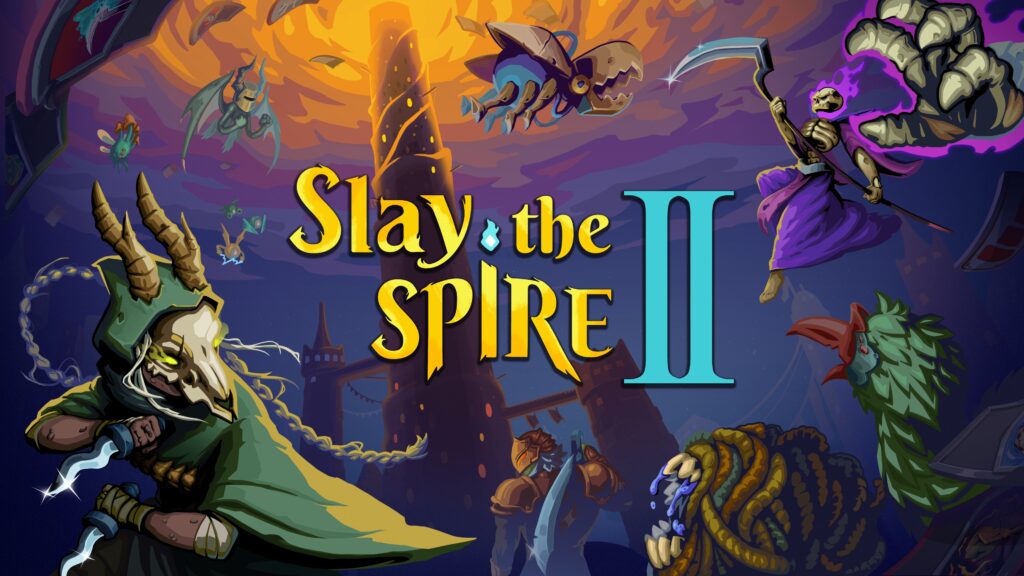
Why Slay the Spire 2 Reviews Dropped After the Major Update and Why Sales Stayed Resilient
The drop in Slay the Spire 2 reviews after the major update can be attributed primarily to balance changes that affected core gameplay loops. Players reported that certain character builds became less viable, while new systems introduced a steeper learning curve. In many early access titles, updates that significantly change gameplay often trigger immediate backlash. This is especially true for roguelike deck-builders like Slay the Spire 2, where players develop strong preferences for specific strategies and mechanics.
The update also introduced adjustments that reduced the effectiveness of previously popular playstyles. As a result, players who had invested significant time in mastering those strategies expressed frustration through negative reviews. One of the most important questions is whether the Slay the Spire 2 review bomb affected sales. According to Steam tracking experts, the impact on sales appears to have been minimal.
While review scores influence first-time buyers, Slay the Spire 2 benefits from strong brand recognition and an established fan base from the original Slay the Spire. This existing audience tends to purchase updates and sequels regardless of temporary rating fluctuations.
Additionally, sales data patterns suggest that curiosity spikes during controversy periods often offset any losses caused by negative sentiment. In some cases, visibility generated by controversy can even increase short-term traffic to the Steam store page.
Steam analytics experts explain Slay the Spire 2’s sales resilience as a combination of brand loyalty, genre strength, and algorithmic visibility. Games in the roguelike deck-building genre tend to have highly engaged communities. These communities are often more willing to experiment with updates, even when initial reactions are negative.
Experts also note that Steam’s recommendation algorithm prioritizes engagement metrics such as playtime and return sessions. Because Slay the Spire 2 maintained strong engagement, it continued to be recommended to potential buyers despite lower review scores.
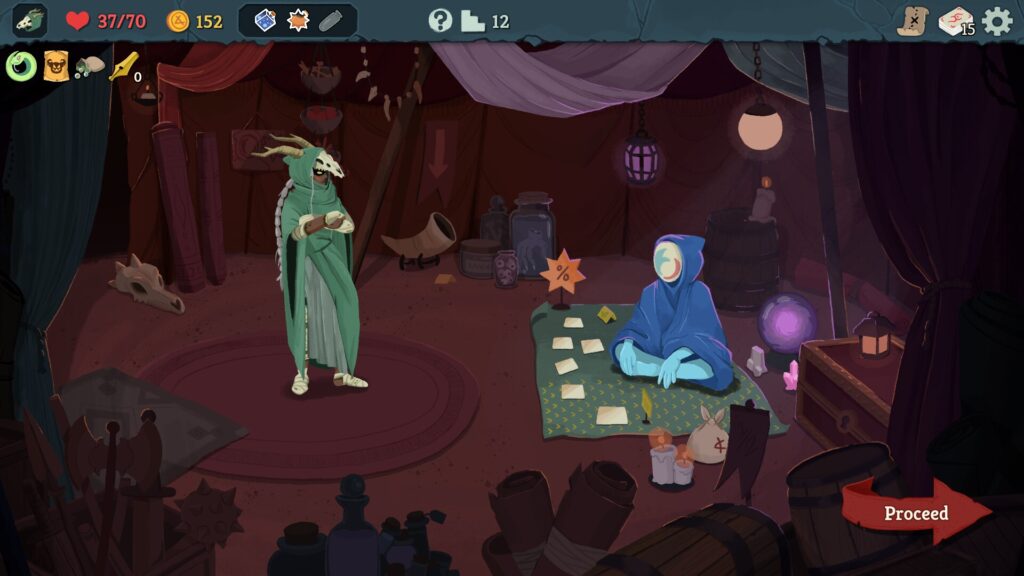
How Slay the Spire 2 Reached Mixed and Mostly Negative Ratings After Balance Changes and the Doormaker Boss Controversy
The shift of Slay the Spire 2 into Mixed and Mostly Negative ratings occurred rapidly due to the concentration of negative reviews in a short time window.
Steam’s rating system weighs recent reviews heavily, meaning that sudden spikes in negative feedback can temporarily distort overall perception. Even a small but highly active group of dissatisfied players can significantly impact the visible rating. Over time, if positive reviews resume at a normal pace, ratings tend to stabilize. However, during the initial backlash phase, Slay the Spire 2’s rating drop created widespread discussion across gaming forums and social media.
The player backlash over Slay the Spire 2 balance changes stems from the emotional investment players have in optimized strategies. When a game evolves in ways that disrupt established tactics, players often feel that their prior progress has been invalidated.
In Slay the Spire 2, certain card interactions and enemy scaling systems were reworked. These changes were intended to improve long-term balance but were perceived by some players as unnecessary nerfs. This type of backlash is common in evolving live-service and early access games, where developers continuously refine mechanics based on data and feedback.
One of the most discussed elements of the update was the Doormaker Boss controversy in Slay the Spire 2. Players reported that the boss introduced unpredictable mechanics that heavily influenced run outcomes. Critics argued that the Doormaker encounter relied too much on randomness, reducing strategic control. Supporters of the design countered that it added variety and forced adaptive decision-making.
The disagreement contributed significantly to the negative review wave, as many players cited the boss as a symbol of broader design concerns within the update.

Why Chinese Players Drove Slay the Spire 2 Negative Reviews While Player Counts Stayed Stable
A notable portion of the negative review surge came from Chinese players, according to community analysis reports. This trend has been observed in other global titles as well, where regional player bases react strongly to balance shifts or localization issues. In the case of Slay the Spire 2, discussions suggest that communication gaps regarding patch notes and balance intentions may have contributed to frustration.
It is also common for large regional communities to coordinate feedback more visibly on Steam, amplifying the appearance of a concentrated review movement. Despite the drop in Slay the Spire 2’s Steam rating, player count data tells a different story. Active users and concurrent player numbers remained relatively stable during the controversy period.
This divergence highlights an important distinction between perception and behavior. While ratings reflect sentiment, player count reflects actual engagement. Many players continued playing the game despite leaving negative reviews, indicating dissatisfaction with specific changes rather than rejection of the game as a whole.
Mega Crit, the developer behind Slay the Spire 2, responded to the review bombing by acknowledging player feedback and emphasizing its commitment to iterative balance adjustments. The studio indicated that early access is designed specifically for this type of feedback loop, where community input shapes future development. Rather than reversing changes immediately, the developers focused on monitoring data and planning additional patches to address concerns raised by players.

Is Slay the Spire 2 Being Review Bombed or Criticized, and Why Sales Remained Strong Despite the Controversy
A key debate in the community is whether Slay the Spire 2 is being genuinely review bombed or simply receiving concentrated criticism. Review bombing typically implies coordinated negative review activity aimed at damaging a game’s reputation beyond normal feedback levels. In contrast, organic criticism arises naturally from player dissatisfaction. In this case, evidence suggests a mix of both: a rapid cluster of negative reviews amplified the perception of a review bomb, while underlying design disagreements provided genuine motivation for feedback.
Early access updates are inherently disruptive, and Slay the Spire 2 is no exception. Each major patch introduces significant changes that can alter the game’s meta. This structure encourages active experimentation but also increases the likelihood of backlash when familiar systems are modified. Players often expect incremental improvements rather than sweeping redesigns, making large updates particularly controversial.
Despite the controversy, Slay the Spire 2 sales performance remained strong. Industry observers note that the game continued to attract new buyers during and after the review spike. This suggests that visibility generated by discussion, both positive and negative, helped maintain commercial momentum.
In many cases, controversy acts as a form of marketing exposure, increasing awareness among potential players who may not have otherwise encountered the game.

Why Steam Reviews Don’t Always Reflect Slay the Spire 2 Sales Performance or Long-Term Recovery
Steam reviews do not always accurately reflect game sales performance because they measure sentiment rather than purchasing behavior. A game can receive negative reviews while still selling well if it has strong brand loyalty, effective marketing, or high visibility on the platform. Additionally, many players purchase games based on external recommendations, streamers, or franchise reputation rather than review scores alone.
The long-term recovery of Slay the Spire 2’s review score depends on future updates and community response. If upcoming patches address balance concerns and improve player satisfaction, positive reviews are likely to gradually offset the negative surge.
Historically, early access games often experience fluctuating review scores before stabilizing closer to full release. Given the franchise’s strong reputation, Slay the Spire 2 is well-positioned to recover over time if development continues responsively.
Frequently Asked Questions (FAQs)
- What caused the Slay the Spire 2 review bomb?
A major update changed core gameplay balance and mechanics, making some familiar strategies feel weaker or less reliable, which triggered widespread player backlash. - Did the review bomb reduce Slay the Spire 2 sales?
Experts suggest the impact on sales was minimal despite negative reviews, as existing hype and player interest remained strong. - Why did players leave negative reviews?
Players reacted to balance changes, difficulty spikes, and altered strategies that made the game feel less fair or enjoyable. - Was the Slay the Spire 2 actually review bombed?
It appears to be a mix of organic criticism and concentrated negative review activity from frustrated players. - Did player count drop after the controversy?
No significant drop in active players was observed during the period, showing that many still continued playing. - What is the Doormaker boss issue?
Players criticized it for randomness and lack of strategic control, especially when outcomes felt too dependent on luck. - Why are Steam ratings important?
They influence first impressions and buyer confidence, but do not always reflect actual sales or long-term player engagement. - How did Mega Crit respond?
The developer acknowledged feedback and planned further balancing updates to address player concerns. - Are early access games more prone to backlash?
Yes, frequent updates often lead to fluctuating player sentiment because mechanics can change quickly. - Will Slay the Spire 2 recover its rating?
It is likely to improve over time with continued updates, balancing patches, and community adjustments.
Conclusion
The case of Slay the Spire 2 demonstrates the complex relationship between player sentiment, review scores, and actual commercial performance. While the Slay the Spire 2 review bomb didn’t actually affect sales that much, Steam expert says analysis shows that strong engagement, franchise loyalty, and sustained player activity can offset short-term reputational damage.
Ultimately, the situation highlights how Steam reviews represent only one dimension of a game’s success, and how early access development naturally creates volatility in community feedback.
Sources and Citations
- Steam Community Review Analytics Reports
- Steam Store Reviews: Steam – Slay the Spire 2 Reviews
- Steam Review API Data: Steam App Reviews API – Slay the Spire 2
- Steam Community Hub: Steam Community – Slay the Spire 2
- Steam Community Discussions: Steam Discussions – Slay the Spire 2
- SteamDB Player Count Tracking Data
- SteamDB App Page: SteamDB – Slay the Spire 2
- SteamDB Charts: SteamDB – Slay the Spire 2 Charts
- SteamDB Graphs: SteamDB – Slay the Spire 2 Graphs
- SteamDB Most Played Games: SteamDB – Most Played Games
- Early Access Game Development Studies
- Steamworks Early Access Documentation: Steamworks – Early Access
- Steam Early Access Hub: Steam – Early Access Games
- GameDiscoverCo Early Access Commentary: GameDiscoverCo – Early Access Search
- How To Market A Game Early Access Analysis: How To Market A Game – Early Access Search
- GDC Game Development Talks: GDC Vault
- Roguelike Genre Market Performance Analyses
- Steam Roguelike Tag Page: Steam – Roguelike Games
- SteamDB Roguelike Tag Analytics: SteamDB – Roguelike Tag
- VG Insights Market Analysis: VG Insights – PC Games Market Insights
- GameDiscoverCo Market Analysis: GameDiscoverCo Newsletter
- How To Market A Game Genre Analysis: How To Market A Game Blog
- Industry Commentary from Steam Analytics Experts
- GameDiscoverCo by Simon Carless: GameDiscoverCo
- GameDiscoverCo Search – Slay the Spire 2: GameDiscoverCo – Slay the Spire 2 Search
- SteamDB Blog: SteamDB Blog
- VG Insights Blog: VG Insights
- How To Market A Game by Chris Zukowski: How To Market A Game
- Mega Crit Developer Update Statements
- Mega Crit Official Website: Mega Crit
- Slay the Spire 2 Steam Page: Steam – Slay the Spire 2
- Slay the Spire 2 Steam News Hub: Steam News – Slay the Spire 2
- Mega Crit YouTube Channel: Mega Crit on YouTube
- Mega Crit X / Twitter: Mega Crit on X
- Community Discussion Aggregation from Gaming Forums
- Steam Discussions: Steam Community – Slay the Spire 2 Discussions
- Slay the Spire Subreddit: r/slaythespire
- Reddit Search – Slay the Spire 2 Reviews: Reddit – Slay the Spire 2 Review Discussion
- ResetEra Search: ResetEra – Slay the Spire 2 Search
- NeoGAF Search: NeoGAF – Slay the Spire 2 Search
Recommendations
- James Gunn Heading Back to Marvel Studios After Paramount Deal? Latest Rumors, Timeline, and What’s Confirmed
- Pixar Canceled a Female-Led Movie Similar to KPop Demon Hunters – What Happened to BeFri? | Pixelhair & The View Keeper
- First Look at Diablo IV: Lord of Hatred Prequel “The Lost Horadrim” – Story, Characters, Skovos Isles & Expansion Setup
- How to Use Film Grain: A Complete Guide to Achieving a Cinematic Look
- TouchDesigner and Unreal Engine Integrations: TouchEngine Plugin Workflows for Real-Time Data + Video
- Invincible VS Official Rex Splode Towel Skin Trailer: Fan Reaction, Price, and How to Get It
- The Best Laptops for Gaming and Schoolwork in 2026 (student-Friendly Buying Guide)
- Top Gun Back in Theaters for 40th Anniversary: Release Date, IMAX Return, and What Fans Can Expect
- Blender Shrinkwrap Hair Curves Geometry Nodes Preset: Complete Guide
- Crimson Desert Surprises Players with an Important Feature: Patch 1.05 Re-Blockade Changes How War Works



































































































