





In This Article (8 sections)
Duskfade Release Date Platforms Story and Clockpunk World
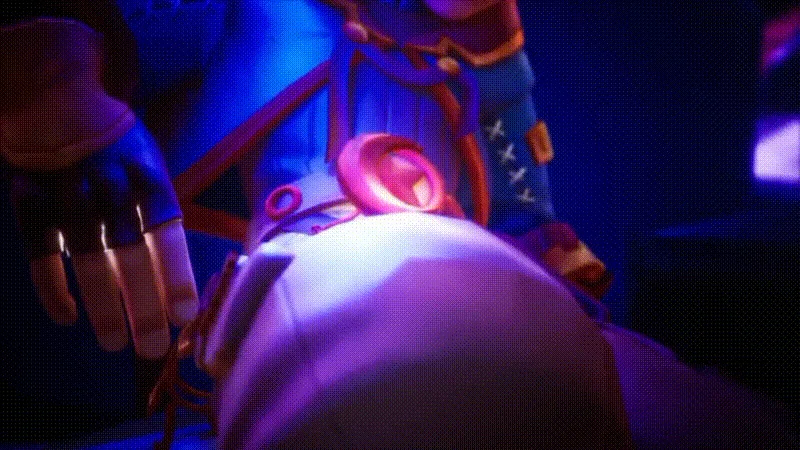
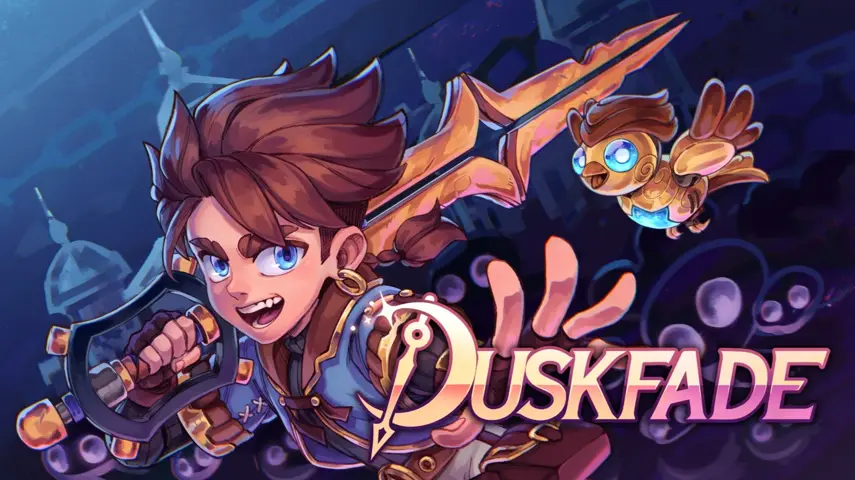
Duskfade is a single player 3D action platformer developed by Weird Beluga and published by Fireshine Games. It combines fast traversal, action combat, fantasy exploration and an emotional coming of age story inside a clockpunk world where time has been disrupted. Players control Zirian, a young workshop apprentice who travels with a mechanical bird named Cuckoo while trying to rescue his sister, Allira, restore the fabric of time and uncover secrets connected to the Master Clockmakers. A mysterious Clock Tower has plunged the world into eternal night, connecting Zirian’s personal journey directly to the larger crisis affecting the land.
Duskfade is scheduled for release on August 13, 2026 for PC through Steam, PlayStation 5, Xbox Series X|S and Nintendo Switch 2. Nintendo Switch 2 was added after the other platforms had already been announced, with Fireshine later confirming that all four versions were planned for the same August launch. No PlayStation 4, Xbox One or original Nintendo Switch editions are currently announced. The Steam page also confirms that Duskfade is designed as a single player experience rather than a cooperative or online platformer.
The Clock Tower and broken flow of time are fundamental to both the setting and story. Fireshine describes a world trapped in eternal night, while the game’s clockpunk identity fills environments, weapons and architecture with gears, mechanisms and time related imagery. Even Zirian’s sword, Minutero, resembles the hand of a clock. The pre release demo introduces these ideas around the outskirts of Tick Town, a magical forest and ruined Clock Tower structures where time itself appears to have become unstable.
Time should not, however, be interpreted as evidence that Duskfade is built around unrestricted rewinding or free form timeline manipulation. Its publicly documented core abilities are jumping, dashing, grappling, gliding and related traversal mechanics. Time functions more broadly as part of the plot, visual identity, world design and optional challenge structure. Each major setting contains a Time Rift where players can test their combat and platforming mastery, creating a direct gameplay connection to the central theme without turning the entire adventure into a rewind based puzzle game.
The story gives this time motif an emotional purpose. Zirian is not simply trying to repair a mechanical catastrophe. Weird Beluga has said the narrative explores memory, grief, love, family and the difficulty of continuing after loss, with parts of the emotional foundation drawing on real experiences within the development team. The idea of restoring a broken world therefore parallels Zirian’s personal struggle with accepting change and moving forward.
Allira is at the center of that journey. Official descriptions say Zirian must rescue his sister from the “claws of Despair,” while enemies themselves can embody emotional struggles. Fireshine identifies Wrath as a manifestation of Zirian’s deepest fears, and Steam describes forgotten enemies as representations of emotional hurdles. The bright fantasy environments therefore sit alongside considerably heavier narrative themes, allowing younger players to enjoy the adventure and characters while older audiences may interpret its ideas about family, grief and loss more deeply.
Cuckoo, Zirian’s mechanical bird companion, is another established part of the adventure. The character naturally fits the clockpunk world by combining the image of a cuckoo clock with that of a travelling companion. Official material consistently presents Cuckoo alongside Zirian, although the developers have not fully detailed every gameplay function the bird may perform. It would therefore be premature to describe Cuckoo as a specific weapon, puzzle mechanic or independently playable character without clearer confirmation.
Duskfade’s PC requirements are relatively moderate compared with many contemporary releases. The minimum specification requires Windows 10 64 bit, an Intel Core i5 8400 or AMD Ryzen 5 1500X or faster processor, 8 GB of RAM, an Nvidia GeForce GTX 1050 Ti with 4 GB of VRAM or AMD Radeon RX 580 with 4 GB or better, DirectX 12 and 20 GB of storage.
The recommended specification raises the CPU to an Intel Core i7 9700 or AMD Ryzen 5 2600X or better, memory to 16 GB and graphics to an Nvidia RTX 2060 8 GB or AMD Radeon 5700 8 GB or better. Windows 10 or Windows 11 is supported at the recommended level, with the same 20 GB storage requirement.
Duskfade Platforming Movement Combat and Boss Battles Explained
Duskfade is fundamentally built around combining traversal and combat rather than treating them as separate systems. Zirian can jump, dash, grapple and glide, while rail grinding provides another way to maintain speed across certain environments. Weird Beluga repeatedly describes “flow” as a central movement goal, meaning experienced players should be able to chain actions together, preserve momentum and cross large sections of a level without repeatedly stopping to line up each individual jump.
The movement system is intended to accommodate both newcomers and more experienced platforming players. A straightforward route can be completed using the core abilities, while advanced players can identify faster paths and make more efficient use of Zirian’s toolkit. The combination of jumping, dashing, grappling, gliding and rail grinding gives level designers several ways to create continuous movement sequences rather than relying only on conventional platform to platform jumping.
Combat follows the same philosophy. Steam describes Duskfade as a seamless mixture of dynamic platforming and combat, while Weird Beluga cites Ratchet & Clank and Kingdom Hearts among its action influences. Zirian fights primarily with Minutero, his clock hand shaped sword, and can use a responsive dodge roll inspired by more recent action games. Avoiding attacks, repositioning and combining abilities efficiently are intended to matter alongside direct offense.
The developers have also mentioned the Souls series as an action reference, but this does not mean Duskfade is structured as a Soulslike. The goal remains an experience accessible to a broad audience rather than one built primarily around extreme difficulty or punishing progression. Alice: Madness Returns has also been cited as an example of combining platforming, combat and narrative in the same adventure.
Boss battles emphasize the connection between movement and fighting. Weird Beluga says bosses and minibosses can alternate between frantic combat phases and platforming sections that require speed and precision. This means mastering traversal remains useful even during major encounters rather than becoming irrelevant once the player enters a boss arena. Wrath is one confirmed boss from the pre release demo and is presented as a manifestation of Zirian’s deepest fears.
Enemy design also changes across the different regions. The developers have referenced corrupted automatons and living chess pieces, while Steam describes foes with thematic links to Zirian’s emotional journey. Different biomes introduce their own mechanical threats, including lava waves, mirage like platforms and other hazards designed to prevent the same movement and combat patterns from repeating throughout the campaign.
The game’s challenge therefore comes from learning how its systems interact. Skilled players should be able to dispatch enemies more quickly by combining attacks, movement and defensive tools rather than treating every ability independently. Boss encounters build on that same principle by requiring players to understand both action combat and precision traversal.
Duskfade Exploration Biomes Secrets Collectibles and Time Rifts
Duskfade takes place across a colourful fantasy world created by the mysterious Master Clockmakers. Steam identifies environments including ethereal forests, underwater realms, sunlit dunes and cloudy high altitude areas. These regions are intended to introduce different visual identities, enemies, hazards and gameplay ideas rather than functioning as simple background changes.
The campaign follows a broadly linear progression, but individual areas contain secrets and routes that encourage exploration. Narrative designer Ricardo Chorques Mesa has explained that some hidden locations cannot be reached during the first visit because they require abilities unlocked later. This means completing a level’s main path does not necessarily mean finishing everything available within that environment.
Revisiting earlier areas can reveal upgrades, cosmetics and previously inaccessible secrets. That structure gives new movement abilities value beyond simply allowing progress into the next stage. A grapple, glide or other traversal improvement can change how players understand places they have already explored, creating reasons to return rather than treating completed stages as disposable.
Every major setting also contains a Time Rift. These optional challenges are designed to test mastery of both platforming and combat and provide more demanding activities outside the straightforward story route. Time Rifts fit naturally into the game’s wider theme of disrupted time while giving experienced players dedicated places to demonstrate more advanced movement and combat skills.
The different biomes are also expected to alter how exploration works. Weird Beluga has mentioned lava waves, corrupted automatons, living chess pieces and mirage like platforms as examples of region specific challenges. Underwater environments, deserts, forests and high altitude locations therefore do more than change scenery. They can modify movement expectations, hazards and the type of enemies players encounter.
This mixture of linear progression and optional exploration reflects the structure of classic action platformers. The main journey remains easy to understand, while curious players can leave the obvious route in search of additional rewards. Because later abilities open previously unreachable areas, backtracking can become part of progression rather than simple repetition.
The amount of optional content also affects playtime. Weird Beluga estimates Duskfade at approximately 15 to 20 hours based on internal testing, with the total depending on how many secrets, upgrades and optional challenges players pursue. Someone following the central story should therefore finish more quickly than a player attempting to uncover hidden areas and complete every Time Rift.

Duskfade PS2 Inspirations and Whether It Is Worth Playing
Duskfade is explicitly designed as a love letter to the 3D action platformers associated with the PlayStation 2 era. Weird Beluga and Fireshine have repeatedly named Jak and Daxter and Ratchet & Clank among the strongest gameplay inspirations, while Kingdom Hearts has influenced aspects of art direction, atmosphere and combat. More recent platformers such as Super Mario Odyssey and Astro Bot are also part of the broader creative reference point.
The developers are not attempting to reproduce one particular game or simply copy an old control scheme. Jak and Daxter influences movement and adventure design, Ratchet & Clank contributes to both platforming and action, and Kingdom Hearts informs parts of the game’s visual identity and combat tone. Contemporary action games contribute ideas such as the responsive dodge roll, while modern platformers provide examples of how movement can remain approachable while still rewarding mastery.
That combination is why describing Duskfade only as another PS2 style platformer would miss much of its design. Its nostalgic foundation is intentional, but movement is designed around faster chaining, momentum and advanced routes. Combat and platforming are integrated, boss battles require both skills, and exploration includes later unlocked abilities, revisitable secrets and optional Time Rifts.
For players who miss movement focused 3D action platformers, the confirmed design gives Duskfade a compelling premise. Jumping, dashing, grappling, gliding and rail grinding create a broad movement toolkit, while hidden routes and ability gated areas give exploration more depth. Combat aims to provide more than simple enemy clearing through dodging, ability combinations and bosses that alternate between fighting and precision movement.
The emotional narrative also helps distinguish the game from a purely nostalgic project. Zirian’s attempt to rescue Allira, the Clock Tower’s eternal night and the themes of memory, grief, love and moving forward provide a more serious foundation beneath the colourful fantasy presentation. The relationship between broken time and emotional recovery gives the story a clear thematic identity alongside the mechanical influences.
A final judgment still requires caution because comprehensive evidence about the complete release was not available immediately before launch. Technical stability, full game pacing and the quality of later content can only be properly assessed once the finished version has been played extensively. However, based on the confirmed design, Duskfade is directly aimed at fans of classic 3D platforming who want that style updated with smoother chained movement, modern combat, secret hunting and an adventure estimated at 15 to 20 hours.
Frequently Asked Questions (FAQs)
- When does Duskfade release?
Duskfade is scheduled to release on August 13, 2026. Fireshine Games has confirmed that this date applies across all currently announced launch platforms, so PC and console players are expected to receive the game at the same general launch period rather than through a staggered release. - What platforms is Duskfade coming to?
Duskfade is confirmed for Steam on PC, PlayStation 5, Xbox Series X|S and Nintendo Switch 2. Fireshine Games has not announced versions for PlayStation 4, Xbox One or the original Nintendo Switch, so the current release plan is focused on PC and current generation consoles. - Is Duskfade multiplayer?
No. Duskfade is presented as a single player experience, with Steam officially categorising it that way and Fireshine describing it as a single player action adventure. The focus is on Zirian’s personal journey, platforming, combat, exploration and story progression rather than cooperative or competitive multiplayer. - Who is the main character in Duskfade?
The protagonist is Zirian, a young workshop apprentice who begins a journey to rescue his sister and repair a world where time has been disrupted. His adventure takes him through a clockpunk fantasy setting filled with dangerous enemies, unusual environments and secrets connected to the Master Clockmakers. - What is Zirian’s sister called in Duskfade?
Zirian’s sister is called Allira. Their relationship is central to the story rather than simply serving as the reason the adventure begins. Weird Beluga has said the narrative explores themes including family, grief, memory, loss, love and the challenge of continuing forward after difficult experiences. - Who is Cuckoo in Duskfade?
Cuckoo is the mechanical bird that accompanies Zirian throughout his journey. The character fits the game’s clockpunk setting and appears prominently alongside Zirian in official material. However, the developers have not fully explained every gameplay function Cuckoo may perform, so specific claims about combat, puzzles or other abilities remain unconfirmed. - What games inspired Duskfade?
Weird Beluga cites Jak and Daxter and Ratchet & Clank as major gameplay influences, particularly for movement, action and adventure structure. Kingdom Hearts influenced aspects of the art direction, atmosphere and combat, while Super Mario Odyssey and Astro Bot are among its broader platforming references. The studio has also looked at action games such as the Souls series and Alice: Madness Returns for additional combat and design ideas. - How long is Duskfade?
The developer estimates that Duskfade takes approximately 15 to 20 hours based on internal playtesting. The exact length depends on how directly players follow the main story and how much time they spend exploring for hidden areas, upgrades, cosmetics and optional challenges. Players attempting more complete exploration should therefore expect a longer playthrough. - Does Duskfade have collectibles and optional challenges?
Yes. Levels contain hidden secrets, upgrades and cosmetics, and some areas cannot be reached until Zirian gains abilities later in the adventure. Each major setting also contains a Time Rift, which acts as an optional challenge designed to test the player’s mastery of both combat and platforming. - Can you play a Duskfade demo?
Yes. Fireshine Games released an updated pre release demo that gives players an early sample of the game’s movement, combat and world. It includes the outskirts of Tick Town, a magical forest, Clock Tower ruins, unlockable abilities and an encounter with Wrath, providing a useful preview of the full adventure before release.

Conclusion
Duskfade is an unusually direct attempt to revive the spirit of the classic 3D action platformer while avoiding the limitations of simply copying an older game. Weird Beluga has constructed its core movement around jumping, dashing, grappling, gliding and momentum, then paired that mobility with fast combat, dodge mechanics, secrets, upgrades, boss battles and optional Time Rifts.
Its inspiration is transparent. Jak and Daxter and Ratchet & Clank are major gameplay references, Kingdom Hearts influences art, mood and combat, and the team also draws from newer platformers such as Super Mario Odyssey and Astro Bot. This combination suggests Duskfade is aimed not only at players nostalgic for the PS2 era but also at audiences accustomed to modern movement responsiveness and action mechanics.
The narrative gives the game another layer. Zirian’s attempt to rescue Allira and restore time takes place in a world trapped in eternal night, but the fantasy premise is connected to themes of memory, family, grief, love and acceptance. Enemies such as Wrath can embody emotional conflicts, while the Clock Tower, Master Clockmakers, Time Rifts and Zirian’s clock hand shaped sword Minutero reinforce the relationship between gameplay imagery and the story’s fixation on time.
Exploration should provide meaningful reasons to replay areas. Although the campaign is structured linearly, the developer confirms that later abilities unlock access to previously unreachable secrets, with upgrades and cosmetics available for thorough players. Time Rifts provide additional tests of movement and combat, and Weird Beluga estimates a complete journey at roughly 15 to 20 hours depending on how much optional content is pursued.
Duskfade launches on August 13, 2026 for PC via Steam, PlayStation 5, Xbox Series X|S and Nintendo Switch 2. For fans searching for a modern 3D platformer built consciously around the qualities of the genre’s early 2000s era, its confirmed mechanics and influences make it a notable release. Because comprehensive public reviews and long term technical data were not available before launch, its ultimate quality still needs to be judged from the finished public version rather than promotional material alone.
Sources and Citations
- Fireshine Games — “Duskfade Launches August 13th on PC and Consoles!” — Official June 6, 2026 announcement confirming the August 13 release date, PS5, Xbox Series X|S, Steam and Nintendo Switch 2, plus Zirian, Cuckoo, the Clock Tower, eternal night and the updated demo.
- Steam — Duskfade — Official product page with developer/publisher information, single-player classification, release date, story, traversal mechanics, world/biome details and complete PC system requirements.
- PlayStation Blog — “Duskfade’s nostalgic take on action platforming is coming to PS5” — Official developer feature covering Zirian and Allira, the game’s emotional themes, movement philosophy, and influences from Jak and Daxter, Ratchet & Clank and Kingdom Hearts.
- Gamereactor — “Duskfade Interview: Chatting inspiration, difficulty, runtime, AI, and more with Weird Beluga” — June 6, 2026 interview with narrative designer Ricardo Chorques Mesa covering inspirations, biome-specific challenges, difficulty, advanced movement, level structure, secrets, upgrades, cosmetics and Time Rifts.
- Gamereactor — “Kingdom Hearts-inspired 3D platformer Duskfade will take 15-20 hours to complete” — Follow-up June 8, 2026 article confirming the estimated 15–20-hour runtime.
- Gamereactor — “Duskfade is designed to be enjoyed by younger fans but understood by older audiences” — June 13, 2026 follow-up featuring additional comments from Ricardo Chorques Mesa about the game’s audience, narrative themes and advanced movement.
Recommendations
- Jurassic World Evolution 2 Complete Edition Brings Every DLC to Nintendo Switch 2
- MASTERS OF THE UNIVERSE Official Trailer Breakdown and Everything We Know So Far About the 2026 He-Man Movie
- Company of Heroes 3 Final Stand Adds Relentless Solo and Co-Op War Survival
- The Last Ronin Noir Novel Explained: How TMNT’s Darkest Story Gets Even Deeper
- Substance 3D Painter’s Role in Modern Pipelines: Why It Still Matters
- Summer Game Fest 2026 Schedule: All Conference Dates, Times, and Full Event Lineup Revealed
- Super Meat Boy 3D Release Date Trailer: Everything Revealed at Xbox Partner Preview Showcase 2026
- Silent Hill: Townfall Brings Atmospheric Horror to 1990S Scotland with Uncanny Detail, First-Person Survival Gameplay, and CRTV Mysteries
- Capturing Every Angle: Blender Camera Management with The View Keeper
- BAFTA Film Awards 2026 Predictions: Marty Supreme, Timothée Chalamet, Leonardo DiCaprio, Sinners, Frankenstein and Hamnet



































































































