





In This Article (9 sections)
The Last Ronin Novel, Release Details, and Its Place in TMNT Lore
The Teenage Mutant Ninja Turtles universe has rarely moved into such mature storytelling as fully as it does in The Last Ronin. Originally released as a comic saga under IDW Publishing, the story has now been reimagined as a noir-style prose adaptation titled The Last Ronin: A Teenage Mutant Ninja Turtles Novel. The novel builds on the foundation of the original limited comic series while offering expanded prose, deeper internal monologues, and richer world-building, turning the story into a more literary experience without losing its emotional weight or canon significance.
The novel adaptation leans heavily into noir storytelling traditions, including grim atmosphere, moral ambiguity, psychological depth, and a damaged protagonist moving through a broken city. While exact release timelines have varied across regions and editions, the novel version arrives as part of the broader expansion of The Last Ronin franchise, which also includes The Lost Years and Re-Evolution storylines. This places the book within a wider future-era TMNT narrative rather than treating it as a disconnected retelling.
Within the broader lore of Teenage Mutant Ninja Turtles, The Last Ronin represents a dystopian future where nearly all members of the original turtle team have fallen. Only one survivor remains: Michelangelo, who carries the burden of loss, vengeance, and legacy. This version of Michelangelo is far removed from the carefree, humorous turtle most fans know. He is older, scarred, disciplined, and haunted by the memories of his brothers and Splinter.
In this timeline, New York City has fallen under the control of the Foot Clan, led by the ruthless Oroku Hiroto. The city is no longer the vibrant urban landscape once protected by the turtles, but a militarized dystopia ruled through fear and surveillance. Michelangelo’s journey is not only a physical mission of revenge. It is an emotional reckoning with his past, his family, his brothers, and the teachings of Splinter. This darker interpretation transforms what was once a largely lighthearted franchise into a tragic epic about survival, grief, honor, and legacy.

How the Novel Expands the Comic Through Noir Storytelling and New Material
The novel adaptation of The Last Ronin significantly expands the original comic narrative by introducing new internal perspectives, extended flashbacks, and deeper psychological exploration. While the comic relies heavily on visual storytelling, panel composition, action sequences, and restrained dialogue, the novel format allows readers to enter Michelangelo’s internal world in more detail. His grief, hesitation, discipline, and determination are explored with greater nuance, giving readers a closer connection to the emotional state that defines him as the last surviving turtle.
The noir framing strengthens that psychological focus. Noir is defined by moral complexity, bleak environments, and protagonists who operate in shades of gray rather than simple heroism, and The Last Ronin fits that structure almost naturally. Michelangelo, once the most carefree of the Teenage Mutant Ninja Turtles, becomes a world-weary survivor driven by loss. His voice reflects the traits of a classic noir protagonist: scarred by the past, uncertain about justice, and forced to continue through a world where survival carries a cost.
New York City also becomes a noir setting in its purest form. Under Foot Clan control, it is marked by oppressive authority, hidden resistance movements, decay, silence, and tension. The prose format allows the novel to emphasize these details more fully than the comic could, making the city feel like a moral labyrinth rather than only a battleground. Every street, shadow, and ruined space reinforces Michelangelo’s isolation and the inevitability surrounding his journey.
The novel also adds narrative material not fully explored in the original comic series. Additional scenes expand Michelangelo’s training and emotional transformation between past and present timelines, offering a clearer understanding of how he changed from an impulsive, humorous turtle into the disciplined warrior he becomes. The Foot Clan’s internal structure is explored in greater detail as well, revealing political tension and power struggles beneath Oroku Hiroto’s authoritarian rule. These additions make the antagonist forces more complex and less like a single monolithic evil. The novel further deepens failed alliances, underground resistance networks, and the psychological toll of long-term warfare on survivors within New York City.

The Creative Foundation, Key Differences from the Comic, and Black-and-White Illustrations
The Last Ronin narrative originates from the original creative team behind the comic series, with contributions from veteran Teenage Mutant Ninja Turtles writers associated with IDW Publishing. The novel adaptation builds on that foundation by translating the collaborative comic storytelling into a unified prose voice. This allows the book to maintain continuity with the original canon while giving its themes a more literary interpretation.
The writing emphasizes emotional weight, character introspection, and atmospheric storytelling, which distinguishes it from more traditional superhero adaptations. The Last Ronin novel is not simply the comic converted into prose. It uses the format to slow down certain moments, expand character thought processes, and make the world feel heavier and more psychologically grounded. That makes the adaptation feel closer to mature graphic novel literature than a standard franchise tie-in.
Both the novel and comic share the same core storyline, but they differ sharply in how they deliver emotion, pacing, and context. The comic relies on visual pacing, action sequences, and minimal dialogue, allowing artwork to communicate tone and emotional weight. The novel expands dialogue, internal thought, environmental description, and character motivation. It also reorders certain narrative moments to improve thematic flow, integrating flashbacks more smoothly into present-day sequences so Michelangelo’s emotional progression feels more continuous.
Supporting characters also receive more space in the novel. Members of the resistance, Foot Clan operatives, fallen allies, and morally complicated survivors are given greater narrative weight than they could receive in a panel-based format. Michelangelo’s decisions feel more psychologically grounded, while supporting characters are given clearer reasons for their actions and beliefs. This expanded development supports the noir theme of blurred ethical boundaries.
One of the defining artistic features associated with The Last Ronin universe is its striking black-and-white visual identity. Although the novel is primarily prose-based, select editions incorporate original black-and-white illustrations inspired by the comic series. These visuals reinforce the noir tone and maintain continuity with the graphic origins of the story. The monochromatic style also reflects the moral duality at the heart of the narrative: light versus darkness, past versus present, hope versus despair. It strengthens the bleakness of a dystopian New York ruled by the Foot Clan.

Michelangelo, Future New York, Oroku Hiroto, and the Foot Clan’s Dystopian Rule
Michelangelo’s transformation is the emotional core of The Last Ronin. Once known for humor, warmth, and carefree energy, he is now the last surviving member of his family. His journey is defined by grief, responsibility, vengeance, and the impossible weight of legacy. Every action he takes is shaped by the memory of Leonardo, Raphael, Donatello, and Splinter, making the story as much about remembrance as it is about revenge.
As the last Ronin, Michelangelo carries both physical weapons and emotional burdens. He must reconcile his desire for violent justice with the teachings of Splinter and the legacy of his brothers. This internal conflict gives the story its deepest tension. He is not simply fighting the Foot Clan because they are enemies. He is fighting through the unresolved pain of losing his family, while trying to decide whether revenge can truly honor them.
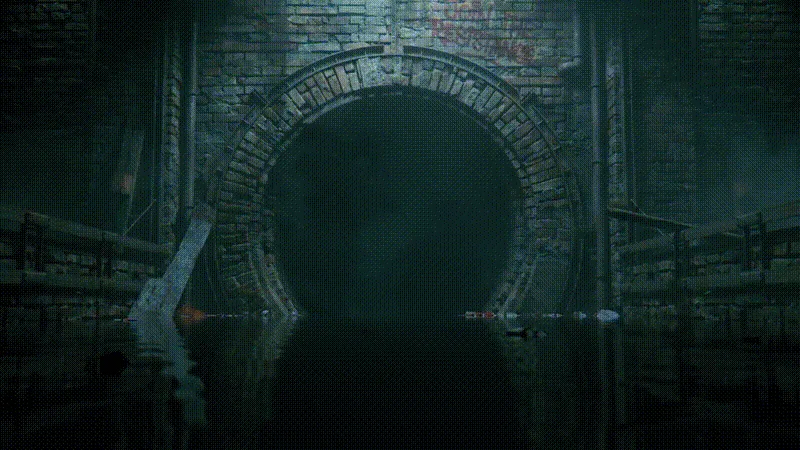
The future New York setting is central to the novel’s tone. The city has become a controlled dystopia under Foot Clan rule, stripped of the vitality that once made it worth protecting. Surveillance systems dominate public spaces, while resistance groups survive in hidden enclaves beneath the surface. This version of New York feels both familiar and alien, reflecting the collapse of its former identity.
Oroku Hiroto, the tyrannical leader of the Foot Clan, serves as the primary antagonist of The Last Ronin narrative. As the descendant of Oroku Saki, also known as Shredder, Hiroto represents the continuation of an ideological war that spans generations. Under his rule, the Foot Clan has evolved beyond a ninja organization into a militarized regime controlling New York through fear, technological dominance, and political force. Their influence extends into law enforcement, infrastructure, and the daily structure of society, making them a central pillar of the dystopian world Michelangelo must navigate.

Character Development, Reading Order, and Why the Last Ronin Stands Out in Modern TMNT
The novel format allows for a more detailed exploration of character psychology within the Teenage Mutant Ninja Turtles universe. Michelangelo’s internal struggle receives the most attention, but the legacies of Leonardo, Raphael, Donatello, and Splinter also shape the emotional landscape of the narrative. Even when they are no longer alive in the main timeline, their presence is felt through memory, guilt, discipline, and the values Michelangelo continues to carry.
Supporting characters also benefit from the expanded prose format. Allies within the resistance, survivors of the Foot Clan’s rule, and remnants of old enemies are portrayed with greater moral complexity. This reinforces the noir tone by avoiding a simple division between heroes and villains. The world of The Last Ronin is one where survival has compromised many people, and the novel uses that complexity to deepen the emotional and ethical stakes of the story.
For readers approaching The Last Ronin storyline, the recommended reading order is:
- The original The Last Ronin comic series
- The Last Ronin: The Lost Years
- Re-Evolution
- The Last Ronin: A Teenage Mutant Ninja Turtles Novel
This order begins with the original comic foundation, then moves into additional backstory through The Lost Years. Re-Evolution expands the future timeline and introduces new generational themes within the Teenage Mutant Ninja Turtles universe. The novel adaptation then works best as a complementary experience that deepens and reinterprets the established narrative rather than replacing it.
The Last Ronin is widely regarded as one of the most impactful modern entries in the Teenage Mutant Ninja Turtles franchise because of its mature tone, emotional depth, and bold narrative direction. Unlike more traditional TMNT stories, it embraces tragedy, consequence, grief, and philosophical weight on a large scale. Its power does not come from nostalgia alone. It redefines what the franchise can represent by combining action, emotion, and darker literary themes in a way that elevates the story beyond typical superhero storytelling.

Frequently Asked Questions (FAQs)
- Why is The Last Ronin so popular?
The Last Ronin is popular because it offers a mature, emotional, and unusual take on the Teenage Mutant Ninja Turtles mythos. It transforms a franchise often associated with adventure and humor into a tragic epic about legacy, grief, revenge, and survival. Its darker tone, Michelangelo’s transformation, dystopian setting, and noir atmosphere make it one of the most distinctive modern TMNT stories. - What is The Last Ronin novel about?
The Last Ronin novel is a noir-style adaptation of the Teenage Mutant Ninja Turtles story focused on Michelangelo as the last surviving turtle. Set in a dystopian future, it follows his journey through a Foot Clan-controlled New York City as he carries the weight of loss, vengeance, and family legacy. The novel expands the emotional and psychological side of the story through prose, giving more space to Michelangelo’s grief, memories, and internal conflict. - Is The Last Ronin connected to the original TMNT comics?
Yes, The Last Ronin is connected to the broader Teenage Mutant Ninja Turtles universe as a future continuity story. It builds on familiar characters, family history, and the long conflict between the turtles and the Foot Clan while presenting a much darker future timeline. The novel adaptation keeps that canon significance while making the story accessible to readers who may not have read the original comic first. - Who is the main character in The Last Ronin?
Michelangelo is the main character and sole surviving turtle in the primary timeline of The Last Ronin. His role is especially powerful because he was once known as the most carefree and humorous member of the team, but in this future he has become a hardened survivor. His journey is shaped by the deaths of his brothers, the teachings of Splinter, and the burden of being the last bearer of his family’s legacy. - Who controls New York City in The Last Ronin?
New York City is controlled by the Foot Clan under Oroku Hiroto. In this future, the Foot Clan is no longer only a ninja organization. It has become a militarized regime that rules the city through fear, surveillance, and technological dominance. Its control extends into public life, infrastructure, and law enforcement, turning New York into a dystopian environment. - Is The Last Ronin darker than other TMNT stories?
Yes, The Last Ronin is significantly darker and more mature than most Teenage Mutant Ninja Turtles stories. It focuses on grief, death, vengeance, trauma, survival, and the collapse of the old team. The story replaces the franchise’s usual lighter adventure tone with a tragic future shaped by loss and moral ambiguity. - Does the novel add new content?
Yes, the novel adds expanded scenes, deeper character development, and more internal perspective than the original comic. It gives more attention to Michelangelo’s thoughts, his emotional transformation, the resistance, the Foot Clan’s internal structure, and the psychological toll of long-term warfare. These additions deepen the story without replacing the core narrative of the comic. - What genre is The Last Ronin novel?
The Last Ronin novel blends action, tragedy, and noir storytelling. Its dystopian New York setting, morally complex atmosphere, emotionally scarred protagonist, and themes of justice and survival all connect strongly to noir traditions. At the same time, it remains rooted in the Teenage Mutant Ninja Turtles universe through its characters, legacy, and conflict with the Foot Clan. - Do I need to read the comic first?
Reading the comic first is recommended, but it is not required. The novel is designed to be accessible to readers who may not have encountered the original comic, while still preserving the emotional weight and canon significance of the story. Readers who start with the comic may appreciate the novel more because they can compare how the prose expands the original material. - Are all four turtles in The Last Ronin?
All four turtles remain important to the story, but only Michelangelo survives in the main timeline. Leonardo, Raphael, Donatello, and Splinter are present through memory, legacy, and the emotional impact they leave on Michelangelo. Their absence shapes the entire narrative, making the story as much about what has been lost as what Michelangelo must still do.

Conclusion
The Last Ronin novel redefines the Teenage Mutant Ninja Turtles mythos by transforming it into a noir-driven literary experience. Through expanded storytelling, deeper psychological insight, and a more atmospheric depiction of a dystopian New York City, it elevates an already powerful narrative into something even more profound and emotionally resonant.
Sources and Citations
- IDW Publishing: Teenage Mutant Ninja Turtles: The Last Ronin series information
https://idwpublishing.com/products/tmnt-the-last-ronin - Teenage Mutant Ninja Turtles franchise background materials
https://www.teenagemutantninjaturtles.com/ - Official TMNT universe continuity references
https://turtlepedia.fandom.com/wiki/Teenage_Mutant_Ninja_Turtles:_The_Last_Ronin - Comic book adaptation analysis and published graphic novel editions
https://idwpublishing.com/products/tmnt-the-last-ronin
Recommended
- Persona 6 Releasing in 2027 Can’t Be Ruled Out Yet: What the Teaser and Insiders Suggest
- Windrose Dev Talks Black Flag Inspiration and Why Dropping Free-To-Play Was Best
- Marvel Tōkon: Fighting Souls Release Date Revealed at Sony State of Play, New X-Men Characters Announced, and Community Reaction
- In 2025, Vietnam Residents Spent $825 Million on Mobile Games: Key Market Trends and 2026 Outlook
- Assassin’s Creed Valhalla Headlines April’s Humble Choice Collection: Full Game List, Value Breakdown & Is It Worth It?
- Scientific Study Concludes Finishing RPGs Evokes The Strongest “Post-Game Depression” (Post-Game Depression Scale Explained)
- Paralives Artifact Location Guide: Buried Chests, Museum Donations, and Collectible Rewards
- Dead by Daylight Devs Celebrate 10 Years of Eldritch Evil and Hope for Many, Many More
- How to Make Hair in Blender



































































































