







In This Article (8 sections)
Final Fantasy 6 on Game Pass: Its Legacy, Gameplay, and Story
The arrival of Final Fantasy 6 on Xbox Game Pass gives longtime role-playing game fans and newcomers another way to experience one of the series’ most celebrated entries. Originally released in 1994, it became a defining RPG of its era through its memorable characters, emotional storytelling, and iconic soundtrack. As the franchise’s final mainline pixel-art entry, it represents the culmination of Square’s approach to 16-bit role-playing games. Xbox players historically had more limited access to these classic titles than audiences on other platforms. Its addition to the subscription service helps complete the availability of the Pixel Remaster collection while introducing the adventure to a wider audience.
One of Final Fantasy 6’s defining strengths is its large ensemble cast, whose personal stories give players several perspectives on the unfolding conflict. Those individual journeys intertwine with themes of war, loss, identity, redemption, oppression, and hope, giving the narrative emotional depth beyond its central struggle. Strategic turn-based combat and extensive character customization complement the storytelling by allowing players to make meaningful decisions throughout the adventure. Its pacing continually introduces new mechanics, plot developments, and character moments that sustain interest as the world expands. Together, these qualities have helped the game remain highly regarded and influence RPGs released over the following three decades.
The story takes place in a world where magic has nearly disappeared following the devastating War of the Magi. Over the centuries, technology advanced while magical power faded into legend. The narrative begins with Terra Branford, a mysterious young woman whose magical abilities challenge the belief that such powers no longer exist. When imperial forces seek to exploit those abilities, she becomes involved with a resistance movement fighting to stop their expansion.
That struggle against tyranny develops into a larger conflict involving ancient powers, forgotten civilizations, and the notorious villain Kefka Palazzo. The journey takes players through industrial cities, remote villages, deserts, forests, mountains, floating continents, and hidden magical locations. This variety, combined with the setting’s mixture of fantasy and steampunk elements, gives Final Fantasy 6 a distinctive world that supports both its sweeping conflict and its more personal stories.
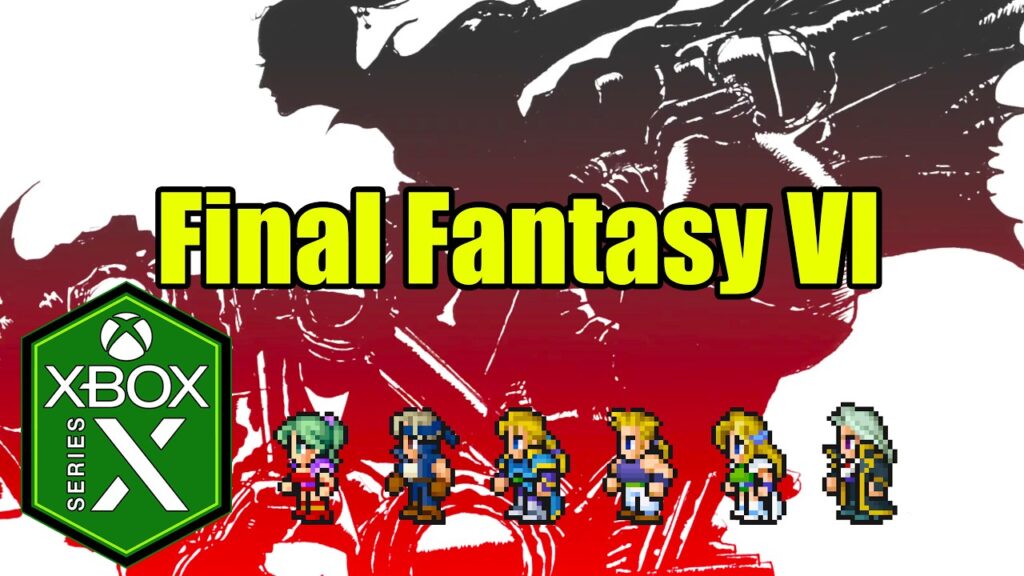
Final Fantasy 6 Pixel Remaster: Its Appeal, Features, Cast, and Beginner Tips
Many fans consider Final Fantasy 6 the franchise’s greatest pixel-art entry because of its visual craftsmanship, ambitious storytelling, and memorable music. Its expressive sprite animations communicate emotion through movement despite the original hardware’s technical limitations. Detailed environments give the world a strong sense of place and support its varied narrative. Nobuo Uematsu’s soundtrack is frequently regarded as one of the finest in video games, with compositions such as Terra’s Theme, Dancing Mad, and Aria di Mezzo Carattere continuing to attract admiration from fans and musicians. The narrative also takes risks with its structure, helping it exceed the expectations associated with RPGs of its era. These qualities explain why its artistic achievements remain central to its reputation decades later.
The version available through Game Pass incorporates the Pixel Remaster edition’s improvements while preserving the original gameplay and artistic direction. Refined pixel art brings sharper character sprites, more detailed environments, and improved visual effects without abandoning the retro aesthetic. The soundtrack has been rearranged under Uematsu’s supervision, adding enhanced orchestration while retaining the emotional character of the compositions. Quality-of-life additions include improved interfaces, auto-battle, customizable experience and gil gains, modern save systems, and accessibility improvements. These changes make the adventure more approachable for newcomers while maintaining the experience longtime fans remember.
New players should approach Final Fantasy 6 as an adventure built around turn-based combat, exploration, and storytelling. Its systems and world expand gradually, rewarding patience as character development becomes increasingly flexible. Experimenting with every party member helps reveal how their unique abilities can contribute to different strategies. Taking time to explore towns, speak with non-player characters, and investigate optional locations can uncover hidden treasures, character interactions, and side stories that are easy to miss when rushing. Regular equipment updates are also valuable because weapons, armor, and relics can substantially affect battle performance. Saving frequently, particularly before major encounters, remains important even with the remaster’s modern conveniences. Learning enemy weaknesses and combining abilities strategically can make difficult battles more manageable.
The ensemble cast provides much of the game’s emotional depth and enduring appeal. Terra Branford remains especially memorable for her journey toward self-discovery and acceptance. Celes Chere is similarly celebrated for her emotional storyline and development, with her importance increasing as the narrative progresses. Locke Cole brings the perspective of a treasure hunter whose personal motivations and relationships give his role greater depth.
Edgar Roni Figaro combines leadership with powerful combat abilities, while Sabin Rene Figaro offers distinctive martial arts techniques that make him enjoyable to use in battle. Shadow, Cyan, Setzer, Relm, Strago, Gau, Mog, and the remaining cast contribute their own personalities and story arcs, giving players further reasons to experiment with the party and explore beyond the main objectives.
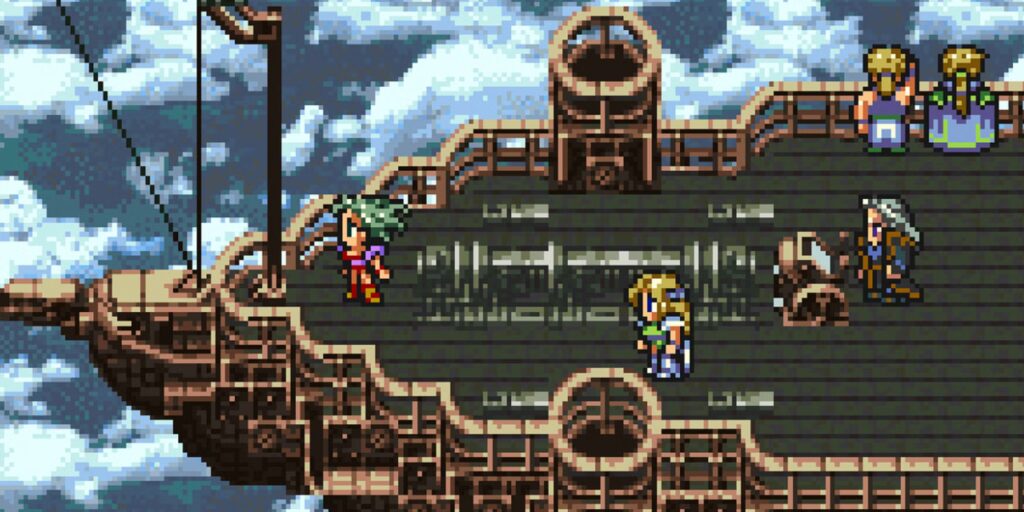
Final Fantasy 6, Chrono Trigger, and the Super Nintendo’s RPG Legacy
Final Fantasy 6 and Chrono Trigger are frequently compared because both rank among the most celebrated RPGs of the Super Nintendo era. Chrono Trigger is praised for its streamlined pacing, time-travel mechanics, and multiple endings, delivering a concise adventure with little filler. Final Fantasy 6 offers a larger cast, a broader narrative scope, and more extensive exploration of darker themes. Their combat systems also reflect different priorities, with Chrono Trigger emphasizing combination attacks and visible enemies while Final Fantasy 6 focuses on party customization and turn-based strategy. Choosing between them often comes down to preferences in pacing, storytelling, and combat, since both helped define expectations for the genre.
Final Fantasy 6’s influence extends beyond its original release through its approach to character development and narrative structure. Its ensemble cast demonstrated how several interconnected personal stories could receive meaningful growth and resolution within a larger conflict. Emotionally powerful scenes and ambitious plot developments helped broaden perceptions of games as a storytelling medium capable of engaging audiences in ways comparable to film and literature. Its exploration of mature emotional and philosophical subjects also encouraged later RPGs to pursue more complex themes.
Interconnected character arcs and large-scale events that transform the world became part of the narrative expectations associated with the genre. Contemporary developers continue to cite the game as an influence, while numerous indie RPGs draw from its visual style, combat systems, and storytelling techniques.
The Super Nintendo era is often described as a golden age for RPGs because it produced many influential titles within a relatively short period. Developers had learned to use the hardware effectively while working within limitations that encouraged creative solutions and focused design. Final Fantasy 6 frequently appears near the top of rankings of the platform’s JRPGs, alongside Chrono Trigger and a varied collection of other notable releases. EarthBound developed a cult following through its distinctive setting and humor. Secret of Mana stood out for cooperative multiplayer mechanics that were uncommon among RPGs of the period.
Breath of Fire II, Lufia II, Super Mario RPG, and Ogre Battle also contributed to the genre’s evolution. Together, these games combined memorable music, strong storytelling, inventive mechanics, and artistic creativity, establishing the Super Nintendo as an important platform in RPG history and leaving an influence that continues in modern development.
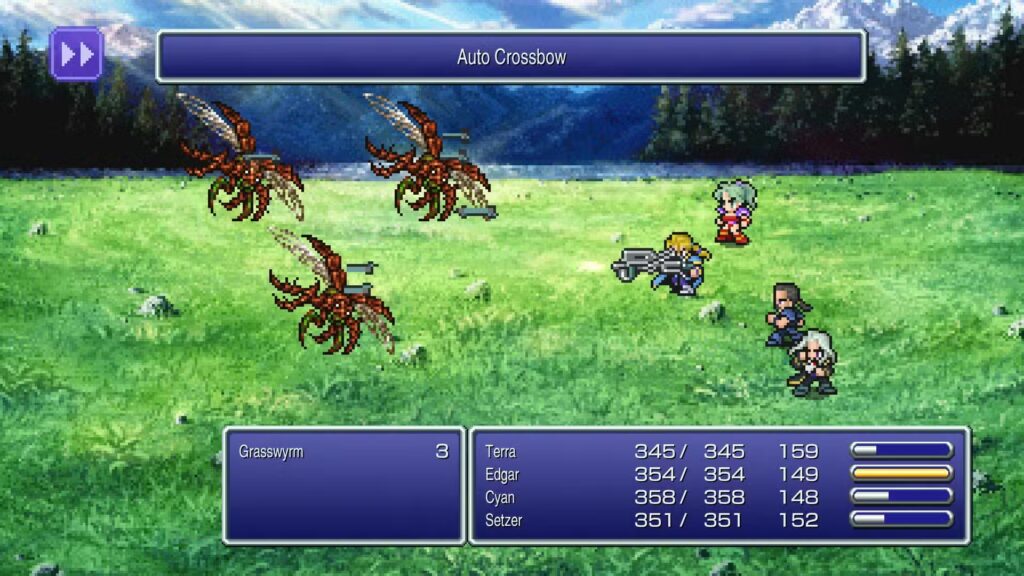
Why Final Fantasy 6 on Game Pass Appeals to Newcomers and Longtime Fans
Game Pass gives players who have never experienced Final Fantasy 6 an accessible opportunity to discover one of the RPG genre’s most influential titles. The Pixel Remaster edition supports that introduction with enhanced visuals, updated audio, and quality-of-life improvements. These conveniences preserve the original game’s character while making the experience more approachable. Renewed interest in classic RPGs and retro-inspired games also provides a fitting context for its arrival on the service. Playing it offers a chance to explore ideas that helped shape modern RPG design while experiencing the adventure that established its reputation.
Community response to the Game Pass release has been overwhelmingly positive, with longtime fans welcoming the opportunity for a broader audience to discover the game. Many see its availability as a chance for younger players to experience a foundational RPG that helped influence the industry. Social media discussions frequently celebrate its story, soundtrack, characters, and emotional moments. Its arrival on Xbox also highlights the importance of accessibility in keeping influential games available to future generations. Veteran players often encourage newcomers to approach it with an open mind, pointing to storytelling and design that remain effective despite the game’s age.
Newcomers should expect a slower pace than many modern RPGs, with time devoted to developing its world, characters, and interconnected stories. Its enduring reputation comes from the combination of those elements with strategic gameplay and emotional depth. Curiosity, experimentation, and exploration are central to getting the most from the adventure. Taking time to understand its systems and engage with its characters can reveal why it continues to resonate with players decades after its original release. For Game Pass subscribers, Final Fantasy 6 offers both an introduction to an important part of gaming history and the possibility of discovering a new favorite RPG.
Frequently Asked Questions (FAQs)
- Is Final Fantasy 6 available on Xbox Game Pass?
Yes, Final Fantasy 6 has joined Xbox Game Pass in its Pixel Remaster form. Subscribers can experience the classic adventure with updated presentation and modern conveniences. This edition retains the original story, characters, and core gameplay while refining the visuals and rearranging the soundtrack. Improvements to the interface, saving options, and progression settings also make the experience more approachable. It gives newcomers and returning players another way to explore the game’s ensemble cast, strategic battles, and expansive world. - Why is Final Fantasy 6 considered one of the greatest RPGs ever made?
Final Fantasy 6 is celebrated for bringing emotional storytelling, strategic gameplay, and a memorable ensemble cast together in one adventure. Several characters receive meaningful personal journeys that connect to the wider conflict, giving the story depth beyond a single protagonist. Themes such as war, identity, loss, oppression, and hope add weight to their experiences. Party customization and varied character abilities complement the narrative by encouraging experimentation in combat. Nobuo Uematsu’s soundtrack and the game’s ambitious storytelling further strengthen its reputation and lasting influence on later RPGs. - Is Final Fantasy 6 connected to other Final Fantasy games?
Final Fantasy 6 has its own standalone story, world, and central cast. You do not need to finish earlier Final Fantasy games to understand its events or characters. The adventure introduces its setting and conflicts through the experiences of Terra and the other party members. Its numbered title identifies its place in the mainline series, rather than the sixth chapter of one continuous storyline. This makes it a suitable starting point for players who are new to the franchise. - How long does it take to finish Final Fantasy 6?
The main story generally takes approximately 35 to 45 hours to complete. Your pace will depend on how much time you spend exploring, reading dialogue, experimenting with party combinations, and overcoming difficult battles. Optional events and character-focused side stories can extend the adventure beyond that estimate. Completionists may spend significantly longer seeking hidden locations, items, and additional character interactions. The Pixel Remaster’s auto-battle functionality and adjustable experience gains can also affect how quickly individual players progress. - Who is the main villain in Final Fantasy 6?
Kefka Palazzo is the primary antagonist of Final Fantasy 6. He becomes central to a conflict that expands from resistance against imperial power into a much larger struggle involving the world and its ancient forces. His actions help drive the story’s darker themes and major developments. This gives the cast a shared opponent whose influence connects their personal struggles to the broader narrative. His lasting impact on the adventure helps explain why fans frequently regard him as one of gaming’s most memorable villains. - Is the Pixel Remaster version different from the original release?
Yes, the Pixel Remaster updates the game’s presentation and convenience features while preserving its core adventure. Refined pixel art improves character sprites, environments, and visual effects without abandoning the original aesthetic. The soundtrack has been rearranged under Nobuo Uematsu’s supervision, giving familiar compositions an updated musical presentation. Gameplay conveniences include improved interfaces, auto-battle, and customizable experience and gil gains. Modern saving options and accessibility improvements also make it easier to approach the game without changing the central story or cast. - Can beginners enjoy Final Fantasy 6 today?
Yes, Final Fantasy 6 remains approachable for newcomers, particularly through the Pixel Remaster’s modern enhancements. Its systems develop gradually, giving players time to learn how different abilities and party combinations work. Experimenting with characters, keeping equipment updated, and paying attention to enemy weaknesses can make battles more manageable. Saving regularly is still useful because some encounters remain challenging despite the added conveniences. Players who take time to explore towns, speak with characters, and follow optional stories are also more likely to appreciate the adventure’s emotional depth. - Which character is the most popular in Final Fantasy 6?
Terra and Celes are often named among the game’s most popular characters, although preferences vary between players. Terra’s journey of self-discovery and acceptance makes her especially memorable. Celes is similarly admired for her emotional storyline and increasingly important role as the narrative develops. Other characters, including Locke, Edgar, and Sabin, also attract fans through their personalities, personal motivations, and distinctive abilities. The ensemble structure gives players several characters to connect with, so there is no single favorite shared by everyone. - How does Final Fantasy 6 compare to Chrono Trigger?
Both games are regarded as landmarks of the Super Nintendo RPG era, but they emphasize different strengths. Chrono Trigger offers a tightly paced adventure built around time travel and multiple endings. Final Fantasy 6 provides a larger ensemble cast, a broader narrative scope, and more extensive exploration of darker themes. Their combat also differs, with Chrono Trigger emphasizing combination attacks and visible enemies while Final Fantasy 6 focuses on party customization and turn-based strategy. The preferred experience often depends on whether a player values a more concise journey or a larger collection of interconnected character stories. - Is Final Fantasy 6 worth playing in 2026?
Yes, Final Fantasy 6 remains rewarding for players interested in strategic RPGs and character-driven storytelling. Its exploration of identity, loss, oppression, and hope continues to give its personal stories emotional relevance. Distinctive party abilities and flexible customization provide opportunities to experiment throughout the adventure. The Pixel Remaster’s visual, musical, and convenience improvements make the game more approachable while preserving its original identity. Players willing to embrace its slower pace can still discover a compelling world and understand why its reputation has endured for decades.

Conclusion
The arrival of Final Fantasy 6 on Game Pass represents more than the addition of another classic game to a subscription library. It provides Xbox players access to one of the most influential role-playing games ever created and completes the journey of bringing the franchise’s legendary pixel-art era to modern platforms. With its unforgettable cast, groundbreaking narrative, exceptional music, and enduring gameplay design, Final Fantasy 6 remains a benchmark for RPG excellence. Whether experienced for the first time or revisited by longtime fans, the game continues to demonstrate why it is widely regarded as one of the greatest achievements in video game history.
Sources and Citations
- Square Enix: Final Fantasy VI Pixel Remaster Official Information: Official product information covering the remaster, its story, graphics, music, platforms, and gameplay improvements. SQUARE ENIX+1
- Source: Square Enix: Final Fantasy VI Pixel Remaster
- Citation: Square Enix, “FINAL FANTASY VI,” official Pixel Remaster product page. SQUARE ENIX
- Xbox Wire: Game Pass Announcements and Catalog Updates: Official Xbox announcements and catalog information. The Xbox product listing currently identifies Final Fantasy VI as cloud-playable with Game Pass Premium and Ultimate; this should not be confused with confirmation that it is included in every Game Pass tier. SQUARE ENIX+1
- Source: Xbox Wire, Official News
- Additional source: Xbox: Final Fantasy VI Store Listing
- Citation: Xbox, “FINAL FANTASY VI,” official Microsoft Store product listing. XBOX
- Final Fantasy Series: Official Website: Official franchise portal for game announcements, releases, character information, music, and historical series coverage. SQUARE ENIX BRIDGE+1
- Source: Final Fantasy Portal Site
- Additional source: Final Fantasy Pixel Remaster Official Website
- Citation: Square Enix, “FINAL FANTASY Portal Site,” official franchise website. SQUARE ENIX
- Square Enix: Press Releases and Product Information: Official announcements covering the Pixel Remaster launch, release platforms, story details, and product availability. Square Enix Press Hub+1
- Source: Square Enix Press Hub
- Additional source: Square Enix: Final Fantasy Pixel Remaster Xbox Announcement
- Citation: Square Enix, “FINAL FANTASY Pixel Remaster Series, Legend of Mana, and Trials of Mana Now Available on Xbox,” September 26, 2024. SQUARE ENIX
- Nobuo Uematsu: Interviews and Commentary: The official Pixel Remaster FAQ explains that the new soundtrack arrangements were overseen by original composer Nobuo Uematsu. This is a useful primary source for discussing the musical direction of the remaster. FINAL FANTASY pixel remaster
- Source: Final Fantasy Pixel Remaster, Official FAQ
- Citation: Square Enix, “FINAL FANTASY Pixel Remaster Series FAQ,” official developer information on the remastered music and visual direction. FINAL FANTASY pixel remaster
- Game Informer: Historical Coverage: Game Informer’s editorial archive is useful for historical reviews, previews, and retrospective coverage of Final Fantasy VI and the wider franchise.
- Source: Game Informer: Final Fantasy VI Search
- Citation: Game Informer, Final Fantasy VI editorial archive and historical game coverage.
- IGN: Historical Coverage: IGN’s reviews, original release coverage, retrospective articles, and franchise features provide historical context for Final Fantasy VI’s reception and influence.
- Source: IGN: Final Fantasy VI Coverage
- Citation: IGN, “Final Fantasy VI,” editorial reviews, features, and franchise coverage.
- GameSpot: Historical Coverage: GameSpot’s review archive and retrospective coverage provide another perspective on the game’s original reception, later ports, and place in RPG history.
- Source: GameSpot: Final Fantasy VI Coverage
- Citation: GameSpot, “Final Fantasy VI,” historical reviews and editorial coverage.
- Reviews, technical analysis and historical records
- Nobuo Uematsu: Interviews and Commentary: Square Enix’s official FAQ confirms that Uematsu supervised the new arrangements for the Pixel Remaster soundtracks. It is a reliable primary source for the remaster’s musical direction, although it is not a direct interview with him. FINAL FANTASY pixel remaster
- Source: Final Fantasy Pixel Remaster, Official FAQ
- Citation: Square Enix, “FINAL FANTASY Pixel Remaster Series FAQ,” official information on soundtrack arrangements and Nobuo Uematsu’s involvement. FINAL FANTASY pixel remaster
- Game Informer: Historical Coverage: Searchable editorial archive for reviews, previews, interviews, and retrospective coverage of Final Fantasy VI and the wider series.
- Source: Game Informer: Final Fantasy VI Search
- Citation: Game Informer, Final Fantasy VI editorial archive. Individual articles should be cited by their own author, title, and publication date.
- IGN: Historical Coverage: Reviews, retrospective features, and franchise coverage that can help establish the game’s critical reception and influence.
- Source: IGN: Final Fantasy VI Search
- Citation: IGN, Final Fantasy VI reviews and editorial coverage. Cite the individual article used for a specific historical claim.
- GameSpot: Historical Coverage: Reviews and retrospective articles covering the original game, later releases, and its place in the history of console RPGs.
- Source: GameSpot: Final Fantasy VI Search
- Citation: GameSpot, Final Fantasy VI editorial and review archive. Cite individual articles for specific claims.
- Digital Foundry: Technical Analysis of Pixel Remaster Releases: Digital Foundry is a useful source for technical comparisons of game versions, graphics, frame rates, resolution, and platform performance. I could not confirm a dedicated Digital Foundry analysis of Final Fantasy VI Pixel Remaster, so this is a general technical-analysis resource rather than a verified FFVI-specific article.
- Source: Digital Foundry, Eurogamer
- Citation: Digital Foundry, technical analysis and platform-performance coverage, Eurogamer.
- RPGFan: Reviews and Retrospectives: Two dedicated reviews of Final Fantasy VI Pixel Remaster provide useful perspectives on its storytelling, soundtrack, presentation, gameplay, and differences from earlier versions. RPGFan+1
- Source: RPGFan: Final Fantasy VI Pixel Remaster Review (2022)
- Citation: Audra Bowling, “Final Fantasy VI (Pixel Remaster),” RPGFan, March 1, 2022. RPGFan
- Additional source: RPGFan: Final Fantasy VI Pixel Remaster Review (2023)
- Citation: Jerry Williams, “Final Fantasy VI (Pixel Remaster),” RPGFan, June 24, 2023. RPGFan
- Historical magazines, academic research and preservation
- Nintendo Power: Historical Archives: Historical Nintendo magazine issues are useful for examining how Final Fantasy VI, originally released in North America as Final Fantasy III, was marketed, reviewed, and discussed during the SNES era. The Internet Archive provides digitized magazine collections and catalog records.
- Source: Internet Archive: Nintendo Power Magazine Collection
- Citation: Nintendo of America, Nintendo Power, historical magazine issues and editorial coverage. Internet Archive digitized collection.
- Famitsu: Historical Coverage of Final Fantasy VI: Famitsu is a major Japanese gaming publication with historical reviews, release coverage, interviews, and industry reporting. Its archives can help establish the original Japanese reception of Final Fantasy VI.
- Source: Famitsu, Official Website
- Additional source: Famitsu: Final Fantasy VI Search
- Citation: Famitsu, historical Final Fantasy VI reviews and Japanese gaming coverage. Individual articles should be cited by publication date and author where available.
- Academic Research: RPG Storytelling and Game Design: These scholarly publications examine narrative structure, character development, storytelling conventions, and the evolution of Japanese RPG design. Particularly useful when analyzing Final Fantasy VI’s ensemble cast and narrative structure.
- Source: J-STAGE: Plot Analysis for Role Playing Game Scenario Based on the Structures of the Quests
- Citation: Keiji Hirata et al., “Plot Analysis for Role Playing Game Scenario Based on the Structures of the Quests,” Journal of the Japan Society for Information and Knowledge, 2020. J-STAGE
- Additional source: ORBi: Tutorial Characters and Rhetorical Strategies: Comparing Mother and Final Fantasy
- Citation: Fanny Barnabé, Rachael Hutchinson, and Jérémie Pelletier-Gagnon, “Tutorial Characters and Rhetorical Strategies: Comparing Mother and Final Fantasy,” 2022. 2022
- Industry Retrospectives: Evolution of Japanese Role-Playing Games: Academic and historical research examining how Japanese RPGs developed distinct storytelling, character progression, and gameplay conventions.
- Source: J-STAGE: History of Japanese Role-Playing Games
- Citation: Takeaki Wada, “History of Japanese Role-Playing Games,” Annals of Business Administrative Science, Volume 16, Issue 3, June 15, 2017. J-STAGE
- Additional source: Seton Hall University: More Than Just Video Games: Analyzing Japanese Game Design 1985 to 1995
- Citation: Gerald DeMattia, “More Than Just Video Games: Analyzing Japanese Game Design 1985 to 1995,” Seton Hall University, 2020. 1995″ by Gerald DeMattia
- Community Discussions and Preservation Resources: Classic RPG History: Community-maintained game databases, historical documentation, player discussions, and preservation projects provide additional context about original releases, regional differences, ports, and fan reception.
- Source: The Cutting Room Floor: Final Fantasy VI: Documents unused content, regional differences, development leftovers, and technical discoveries.
- Citation: The Cutting Room Floor, “Final Fantasy VI,” community-maintained video game research and preservation documentation.
- Additional source: MobyGames: Final Fantasy III (SNES): Historical release information, screenshots, credits, and platform documentation for the North American SNES version.
- Citation: MobyGames, “Final Fantasy III,” video game historical database.
- Additional source: Internet Archive: Final Fantasy VI Search: Historical manuals, magazines, promotional materials, and other archival records where available.
- Citation: Internet Archive, Final Fantasy VI historical and preservation materials.
Recommendations
- Gerry Conway, Punisher Co-Creator and Spider-Man Writer, Dies at 73: Legacy, Cause of Death, and Iconic Stories Explained
- Optimizing Blender Camera Settings with The View Keeper Add-on
- After Toy Story 5, Disney and Atari Are Bringing Back Classic Toy Story Games for a New Generation
- First Trailer for Apothecary Diaries Anime Movie Reveals Maomao’s New Hidden Treasure Mystery
- Ghostless Official Announcement Trailer: Story, Gameplay, and Everything We Know
- Hasbro CEO Promises No Generative AI in Its Video Games as Chris Cocks Draws a Line on AI
- Star Wars: Galactic Racer Shows What People Do for Fun After Return of the Jedi
- Pokémon GO Fall Marathon Buddy Trek Guide: How to Get Bramblin
- Shadow of the Colossus director says “clunky” elements “are what actually end up being memorable”
- Solidigm Seeks US Approval for Dalian NAND Chip Tools



































































































