



Who is Daikichi_EMP and what is WIRED TOKYO 2007
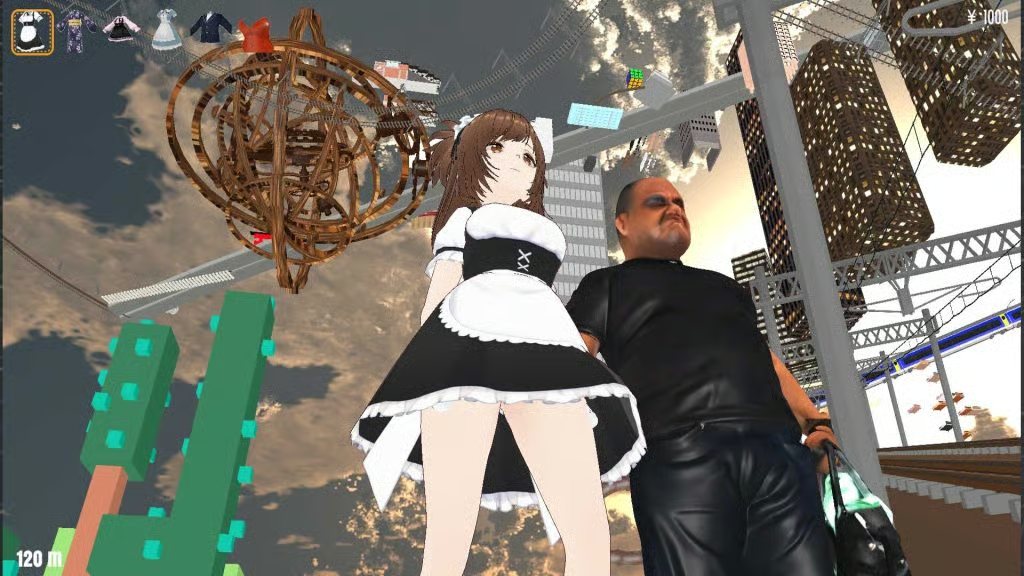
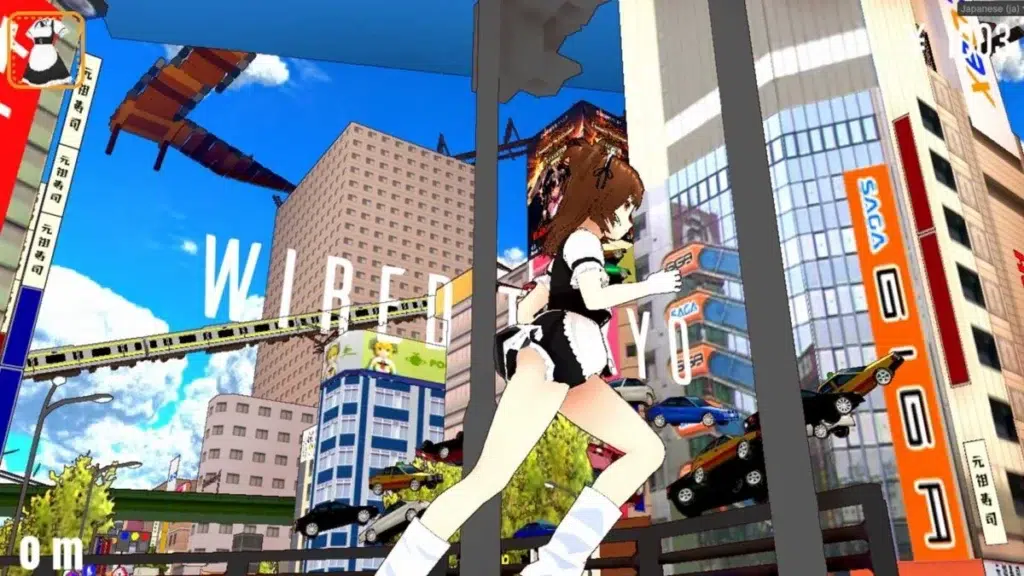
Japanese indie developer Daikichi_EMP (running Digital Ramen Studio) is creating WIRED TOKYO 2007, a “vertical 3D action game” set in a climbing adventure above Tokyo. In the game, players climb a giant structure while occasionally diving back down to progress. The game’s free demo was scheduled for release in late April 2026 but never went live on Steam. Daikichi published earlier indie projects (board games like Second Best and Dinostone) under the same pseudonym. He has no publisher backing or large studio resources – WIRED TOKYO 2007 is a one-person project.
Daikichi_EMP first revealed the issue on social media (X/Twitter) when Steam refused the demo upload. The message from Steam cited “third-party intellectual property” concerns, despite the flagged IP belonging to Daikichi himself. This left the developer bewildered, as he had not used any outside assets: the contentious objects were references to his own past creations. Gamers and media immediately noted the absurdity: an indie game blocked for allegedly copying itself. The next sections explain exactly what Steam saw and why.
Steam denied the WIRED TOKYO 2007 demo submission — what happened
Steam’s submission process initially accepted the demo for review, but after internal checks, Valve declined to ship the demo on technical grounds. In the response to the developer, Valve stated that the demo “appears to include third-party intellectual property”. The exact Steam email (shared by Daikichi on X) cited concerns over “dinosaur themed card games shown in the environment within your app in gameplay”. In other words, Steam’s review system flagged certain in-game posters or models – specifically the board games Dinostone and Second Best – as possibly infringing existing IP.
The catch, as Daikichi explained, is that Dinostone and Second Best are his own earlier creations, not someone else’s property. Both games were self-published under the Daikichi_EMP handle in 2023-2024. Steam’s filters (automated image/text match and manual check) simply saw familiar game logos or artwork and assumed a license issue. Steam’s message warned: without clarifying these rights, the app could not be released. Valve explicitly told Daikichi to prove that no infringement occurred, putting the release on indefinite hold until satisfactory documentation was provided.
Why Steam said the demo violated “third-party intellectual property”
Steam’s rejection notice used the term “third-party intellectual property”, meaning Valve believed the demo contained content owned by someone else. In this case, the content in question was the depiction of Dinostone (a dinosaur-themed card game) and Second Best within WIRED TOKYO 2007. Specifically, the email cited “dinosaur themed card games shown in the environment” as the offending IP. Since Dinostone is a dinosaur card game, it fit that description. Steam’s system likely cross-checked the image assets or text and found a match in existing IP, marking it as third-party.
The developer pointed out that Steam was mistaken: “It’s not a third party — it’s just me wanting to use my own intellectual property rights myself,” Daikichi wrote on X. Both the board games were indeed his original work. Steam’s tools don’t automatically know a game developer’s entire portfolio, so anything resembling known IP gets flagged. In automated or manual review, the Dinostone board (with its dinosaur motif) likely triggered a match against Valve’s reference data. In short, Steam said WIRED TOKYO 2007 violated IP rules because it believed those game assets belonged to someone else, even though they were Daikichi’s own creations.

Dinostone board game reference in WIRED TOKYO 2007 explained
Dinostone is a trading-card game that Daikichi_EMP created and released in 2023. It features dinosaur-themed artwork on its cards. In WIRED TOKYO 2007, Daikichi placed Dinostone boxes or posters within the game environment as a playful nod to his earlier work. Essentially, these are Easter eggs: a miniature model or graphic of Dinostone appears in a corner of the game world. Similarly, another past game called Second Best appears in-game. Both were personal projects fully developed by Daikichi.
Normally, referencing one’s own past work is harmless. But here, Steam’s review treated Dinostone like any third-party brand. As Kotaku explains, Valve’s message explicitly mentioned “dinosaur themed card-games” and pointed to Dinostone, created by Daikichi. (A fan translation of the developer’s Tweet confirms this confusion.) In other words, Steam thought Dinostone might belong to an unrelated company. The gamer media reports repeatedly note that Dinostone and Second Best were self-made, so claiming they infringe someone else’s copyright makes no sense. The issue arose purely because Steam’s filters lacked context about the asset’s true origin.
How Steam’s review process handles potential copyright infringement
When you submit a game (or demo) to Steam, Valve’s review process checks for compliance with store guidelines and legal rules. This includes verifying that all content in the game is properly licensed or original. Under the Steam Distribution Agreement, developers must promise that “your game will not include illegal or infringing content”. In practice, Valve uses a combination of automated scans and manual QA. Any flag – such as a matching image or code snippet – can halt the review.
If suspected infringement is detected, Steam will notify the developer and request proof or clearance. In WIRED TOKYO 2007’s case, the review “identified the board game visuals and raised a copyright concern”. Steam then asked for documentation like a license or legal clearance. This is standard: as one developer forum post notes, Steam may ask for “reasonable assurances” such as licenses or a lawyer’s opinion when third-party IP is detected. The platform explicitly warns it can “decline to ship your game” if IP worries aren’t resolved.
While many demos sail through review, those that contain potentially copyrighted imagery or text often trigger these IP checks. Steam’s content survey and store presence guidelines also require disclosing intellectual property use. However, actual guidance on how to clear such flags is sparse. In effect, Valve places the burden on developers: submit all evidence of rightful ownership or permission, or remove the disputed content. As Games.gg notes, large publishers can meet this easily with in-house lawyers, but solo indies face a steeper climb. The review process itself simply enforces the contractual promise against infringing content, and when doubts arise, support staff step in and ask questions (as happened here with Daikichi).
What “reasonable assurances” means in Steam’s IP compliance emails
Steam’s email to Daikichi used the phrase “reasonable assurances”, meaning documentation confirming no copyright infringement occurred. Specifically, Steam wrote that such assurances “could take the form of license agreements, or a legal opinion from your attorney analyzing the intellectual property issues and explaining why you don’t need licenses”. In plain terms, Valve wanted proof that Daikichi had the rights to use Dinostone and Second Best. This could be an official license (if the IP were owned by someone else) or a lawyer’s letter saying “these assets are fine to use”. Without this paperwork, Steam “doesn’t plan to ship” the app.
Essentially, Steam’s review team asked Daikichi to legally justify the inclusion of those assets. The request for “assurances” is Valve’s way of saying “show us contracts or legal proof that you own or are allowed to use this content.” It is unusually strict, but consistent with Steam’s policy wording. Steam’s system flagged the content, and now support is following protocol by demanding documentation. This includes not only the board game images, but any work that might raise IP questions. For an indie developer, “reasonable assurances” often means jumping through complex legal hoops: proving ownership, tracing copyright, or obtaining formal licenses.
Steam asking for a legal opinion letter — what indie developers can do
Valve effectively demanded that Daikichi present a lawyer’s opinion on why no infringement occurred. This is a tall order for a one-person indie studio. As Daikichi wrote, hiring an attorney “is not a realistic option” on a shoestring budget. Steam’s suggestion (not explicit but implied) was to have an attorney certify the assets are original. The developer was forced to ask publicly: “So basically, all I have to do is hire a lawyer and submit a legal opinion letter? Where’s that kind of money supposed to come from with an indie game budget?”. The quotes highlight a real-world problem: indie costs are far below a legal retainer.
When Steam’s support asks for an attorney’s letter or licenses, indies have a few options:
- Attempt alternative evidence: Daikichi’s chosen approach was to create a self-signed document granting himself permission to use his own IP. This unconventional “self-license” may or may not satisfy Valve, but it shows initiative.
- Provide existing records: Submitting links to the earlier game releases or community pages can help. Daikichi initially supplied evidence (e.g. BoardGameGeek pages listing him as author) to show the IP lineage.
- Explain the situation: Clearly communicating with Steam, and even escalating through Steamworks support, may help clarify misunderstandings. Polite appeals to a higher review team can sometimes be made if initial support is unhelpful.
- Legal aid and community help: In rare cases, indie devs share their plight online to seek advice from other devs or organizations. Some indie coalitions may offer pro bono guidance for such platform disputes.
- Rework or remove content: The simplest technical fix is to remove or alter the suspect assets. This may violate the dev’s creative intent, but it can clear the way for a demo release. (Daikichi chose to push back on principle instead.)
In practice, without a law firm in the budget, many indies either concede (replace the content) or press on with their own documentation. Some might consider fundraising or legal clinics. Steam’s process does not formally teach a workaround, so creativity and persistence are key. Daikichi’s approach of writing his own permission note is an example of “what an indie might try”.
How to prove you own your IP on Steam when you publish under a pseudonym
Proving IP ownership can be tricky if you’ve only used a pseudonym. Legally, copyright vests in the creator at the moment of creation, regardless of name. However, documentation usually lists a real name. If you publish a game or book under an alias, you should still keep records linking that alias to you. For Steam, having official paperwork (like a company registration or copyright registration) can help.
One step is copyright registration. Registering Dinostone or Second Best with a government office creates a public record tying the work to you, with a date stamp. In the U.S., this costs $45–$125 and provides prima facie evidence of ownership. A registered copyright (or a trademark) can be submitted to Steam to confirm you own the work. Another approach is to form a legal entity (LLC or sole proprietor) in your name and use that for business. While paying taxes, you also get a company registration certificate that names the owner. You can then say “this company owns all game assets” in official docs.
When citing older projects, include their official listings. For example, Daikichi provided links to the BoardGameGeek pages and press about his board games, which showed his pseudonym as the creator. Steam accepts digital evidence: store pages, press articles, or app download pages that credit you. Contracts with collaborators (if any) or receipts from distribution platforms also count. If your old game is on a platform (like a paid app store), show that your account was the publisher. Essentially, any notarized or time-stamped record linking the work to your name/pseudonym can help. In extreme cases, a developer even mails themselves a copy (a “poor man’s copyright”) – though legal experts warn this is weak.
If all else fails, creative solutions include drafting a self-licensing agreement: a written, signed statement by which you “license” the IP from your pseudonym (or company) to your real identity or new project. That’s effectively what Daikichi did by granting himself permission. It may seem odd, but it formalizes in writing the ownership claim. The key is clear, dated evidence. To avoid such woes, future projects might be published under a company name from the start, so the company’s existence itself vouches for ownership.
Steam demo rejected for copyrighted content — step-by-step appeal checklist
If Steam flags your demo as infringing, here is a practical checklist to respond:
- Review Steam’s email carefully. Identify the specific content mentioned (“third-party intellectual property: dinosaur card game” etc.). Take notes on exactly what assets or references triggered the block.
- Gather evidence of ownership or license. Compile any records: trademark or copyright registrations, business filings, press coverage, store listings, or original files. For example, list the URLs or PDFs showing you created Dinostone. Screenshot relevant credits or metatags that name you as creator.
- Check license status of all assets. If you used any third-party music, art, or code, ensure you have the rights documented. If not already sent, attach those license agreements or permissions to your response.
- Respond via Steamworks or support. Use the Steam partner site or email support quoting the case number. Provide a clear, calm explanation: state that the flagged IP is your own and attach your evidence. Reference any past communication. For instance, Daikichi repeatedly told Steam “this is my own IP” with proof links.
- Consider a formal appeal. If initial support isn’t helping, escalate through Steamworks support ticket or developer forums. Some devs also try the Steamworks Discord or official channels for attention. Detail what you’ve submitted and ask for a senior review.
- Use Steam’s DMCA process (if needed). If another rights holder (or Valve) has effectively blocked you, you might file a counter-notice as the IP holder. Valve’s FAQ directs copyright holders to a DMCA form. As an original author, you could theoretically counter-claim your own DMCA notice to force review (though this is usually for third-party takedowns, not Valve-delays).
- Document all communications. Save every email, ticket reply, or chat log. These records can show you attempted compliance in good faith. They also help if you later need to threaten formal legal steps (though that’s a last resort).
- Prepare backup plans. If Steam insists, consider alternative distribution (Itch.io, etc.) for your demo. At the same time, continue dialogue. Having another platform live can give some leverage, but Steam indie devs often worry about burning bridges.
Throughout this process, keep your tone professional. Many news reports note that Daikichi remained polite: he “pushed back on principle” rather than just changing his game. He chose not to simply remove his content, but rather to prove his case. That’s a developer’s prerogative. If a resolution is possible, Valve will look for documentation; if not, they may drop the demo or require edits. The key is to be thorough and timely in your response.

What to include in documentation to show you own game assets and designs
When proving ownership to Steam, assemble any formal documentation and contextual evidence:
- Copyright or trademark certificates: If you have registered the game title, logo, characters or any creative work with the proper authorities, include those certificates. A U.S. copyright registration, for instance, creates prima facie evidence of ownership.
- Business or company registration: If your studio is a legal entity, a certificate of incorporation or DBA (doing business as) can link the company’s legal name to you. This is especially useful if your developer name (Daikichi_EMP) differs from your real name on tax forms.
- Publishing records: Provide URLs or screenshots of official store listings, press articles or community pages crediting you as creator. In Daikichi’s case, he pointed Steam to the BoardGameGeek entries and Steam store page of Dinostone, which listed “Daikichi” as the designer.
- Contracts or invoices: If you commissioned art or worked with contractors, a signed contract delineating who owns the finished asset is relevant.
- Versioned source files or art: Showing project files with timestamps or source control logs can prove you made a game asset from scratch.
- License agreements (if applicable): If you licensed even your own content (say, from one of your companies to another), include that agreement. It makes clear you had permission. Some indies literally “license” their IP by signing a contract between their entities.
- Signed statements: A notarized or signed letter from you (as creator) stating you own all materials and have rights to use them can strengthen your case. This can be the “reasonable assurance” Valve asked for, besides an attorney’s letter.
In the WIRED TOKYO 2007 case, Steam specifically requested license agreements or legal opinions. Since Daikichi owned the IP, he eventually created a self-authorization document (“I grant myself permission to use my own works”). Other developers might seek a free or low-cost consultation to draft a simple IP assignment or permission contract. The aim is to leave no doubt: your documents should tie your identity (or business entity) explicitly to the disputed assets.
Finally, ensure all documentation is up-to-date and clearly legible (PDF scans are usually accepted). When submitting, reference each piece of evidence to the relevant point in Steam’s concerns: e.g. label a scanned copyright registration “Dinostone Copyright Certificate” so reviewers know it matches the issue.
Can you license your own work to yourself for Steam approval
It may sound odd, but yes: you can create a formal license from yourself (or your own company) back to yourself as developer. In Daikichi’s situation, he effectively did this by writing a signed license. As Kotaku reported, he “created a signed document stating that I grant myself permission to use all of my original works, including the board games I’ve created”. Dexerto similarly noted he “wrote a document granting himself permission to use his own work, signed it, and sent it back to Steam”.
This approach works if you have two distinct legal entities (e.g. you as an individual vs. you as a company). Even if not, drafting a license agreement (you as “Licensor” and you as “Licensee”) provides a contractual assurance to Valve. Technically, a license is a permission from rights-holder to use the content. When both roles are you, it’s just formalizing what’s true anyway: that you own the content.
For Steam’s purposes, the license should be on official letterhead or notarized paper if possible, with clear language. It should describe the IP (names of games/assets) and explicitly grant the rights. For example: “Digital Ramen Studio (the Licensor) hereby grants Daikichi_EMP (the Licensee) all rights to reproduce and use the assets from Dinostone and Second Best in WIRED TOKYO 2007.” Include the date and signatures. This self-license essentially satisfies Steam’s request for documentation.
Keep in mind: licensing your own work is more an administrative fix than a legal necessity, since you inherently have the rights. But because Steam demanded “licenses, or a legal opinion”, providing something under the category of a license agreement can fulfill their checklist. It shows Valve an official-looking contract related to the assets. In summary, yes you can license yourself your own IP — it may feel redundant, but it’s a way to check the boxes on Steam’s form.
Common reasons Steam blocks game demos for IP concerns
Steam often flags game demos for several common IP issues:
- Unlicensed content: Inclusion of copyrighted characters, music, images, or text without permission. For example, demo images showing famous logos, movie clips, or someone else’s artwork are immediate red flags.
- Trademarked names or references: Using a protected game or franchise name in your title, description, or in-game assets can trigger a block. Even a casual nod (like “PokeDon’t” referencing Pokémon) could be seen as infringement.
- User-generated or mod content: If your build includes mods or user-uploaded content (like Steam Workshop items) that infringe IP, the demo can be blocked. The developer is responsible for any third-party material bundled in the build.
- DMCA complaints: Sometimes an external rights-holder can file a DMCA takedown on the Steam page or demo. For instance, the voxel game Allumeria had its Steam demo pulled after Microsoft filed a DMCA claim for “infringement” related to Minecraft. Even without actual asset copying, a company can claim their style or design was used without permission. A DMCA strike can automatically suspend the Steam page pending resolution.
- AI-generated content: Valve’s policies now require disclosing AI content. If AI-generated art in your demo too closely resembles copyrighted material, or if you didn’t properly credit/disclose it, that can lead to rejection.
- Assets flagged by automated filters: Steam uses automated tools that scan images and audio. Anything that matches their database of copyrighted material (songs, sound effects, etc.) will be flagged. This can catch developers by surprise with false positives.
- Unregistered trademarks: Even if something isn’t officially registered, if it’s well-known and protected by common law trademark, Steam might act cautiously. For example, an unofficial name that’s clearly derived from an existing IP might be considered in violation.
- Cloned game elements: If your game’s core concept or assets are extremely similar to another title (even if you have rights), Steam may err on the side of caution.
In short, Steam blocks demos whenever it suspects any element could be someone else’s protected property. The Allumeria case shows how even broad stylistic similarities (voxel world like Minecraft) can provoke action. A key takeaway is that Steam’s policy is conservative: if in doubt, it declines the release until everything is cleared.
Best practices to avoid Steam copyright flags when referencing older projects
To steer clear of IP flags, follow these best practices:
- Keep clear records of source: Maintain documentation linking any reused assets to you. If referencing older works, note it in your submission. For example, in the press or on store pages mention “Includes content from our game Dinostone (2023)”.
- Use generic or placeholder assets for demos: If possible, replace risky content (logos, music, trademarks) with neutral placeholders during review. If those assets are just Easter eggs, consider removing them before submission.
- Disclose third-party content in submission: During upload, clearly disclose any third-party IP (even if you have permission). Be explicit about what’s original and what’s licensed. This transparency can speed review.
- Pre-register copyrights or trademarks: Before launch, register your major works. Even if not required by law, it gives official paperwork. Then mention in your Steam docs “trademarks/rights held by [your name]”.
- Trademark your game title: If your game’s name is also the name of an older project, consider trademarking it in your jurisdiction or noting your common law usage.
- Have a legal review before submission: If you’ve previously published content, consult even an online legal clinic about potential conflicts when reusing it.
- Be prepared to explain references: If you include an image from an older project (as Daikichi did), have a caption or in-game credit. For instance, “Dinostone (2023) – Board game by Daikichi_EMP” could have been added to avoid confusion.
- Ask Valve in advance: If unsure, reach out to Steamworks support before submission to ask if an asset might cause issues. They may not always answer, but a quick query can be worth a try.
- Update content survey accurately: In your Steamworks content survey, explicitly state that content is original or owned by you. Don’t leave blanks on IP questions.
- Follow platform guidelines: Steam’s Content Rules require no infringement and consistency with marketing. Stick strictly to those promises.
By being proactive – documenting your own IP, keeping third-party content clearly identified, and replacing doubtful assets – you minimize the chance of automated or manual review mislabeling your work. In WIRED TOKYO 2007’s case, the solution ended up being a self-licensing doc. But better is to avoid needing such workarounds: if those board game images had been omitted or flagged during development, the demo would have passed review. In general, err on the side of caution and always assume Steam’s system may misinterpret any reused element as third-party.
How much a lawyer costs for a Steam IP dispute (and cheaper alternatives)
Legal fees can quickly eclipse an indie budget. A single “legal opinion letter” can easily cost hundreds or thousands of dollars. Specialty IP attorneys often bill $200–$500 per hour, and a full analysis of your case might take multiple hours. Daikichi’s own comments highlight the impracticality: he pointedly asked, “Where’s that kind of money supposed to come from with an indie game budget?”. For perspective, even filing a copyright or trademark with an attorney can run into four figures.
Given this, many indies seek low-cost workarounds:
- Pro bono clinics: Some law schools or nonprofits offer free advice on copyright issues.
- Online legal templates: Pre-drafted license or assignment forms (while not a substitute for counsel) can help format your documents at little cost.
- DIY assignments: As Daikichi did, writing your own signed license might be cheaper than formal attorney work.
- Community knowledge: Indie forums sometimes share relevant document templates or tips on self-help legal steps.
For immediate Steam issues, though, time is of the essence. Thus, costly lawyers are often ruled out. As a rough ballpark, Daikichi’s plea suggests that even a $500 fee was out of reach. A small law firm might charge $1,000–$2,000 for a simple opinion letter; mid-size or IP-specialized firms more. Many indies simply cannot afford that.
An alternative is to negotiate with Valve. Emphasizing your inability to hire counsel might lead to more flexible demands (e.g. accepting a signed personal statement instead of an attorney’s letter). Sadly, Steam’s IP compliance email was not sympathetic, as it stated “we don’t plan to ship without assurances”. Developers in similar situations often resort to crowd-funding or consulting legal aid organizations if the dispute is critical. However, most indies have to rely on the next cheapest route: documentation and dialogue, rather than attorneys.
In summary, preparing for these possibilities upfront (through copyright registration, clear business paperwork, or generic design) is far cheaper than hiring lawyers after the fact. The WIRED TOKYO 2007 saga underscores that lesson: prevent costly blocks by planning IP ownership proof early, rather than scrambling for a pricey legal fix late.
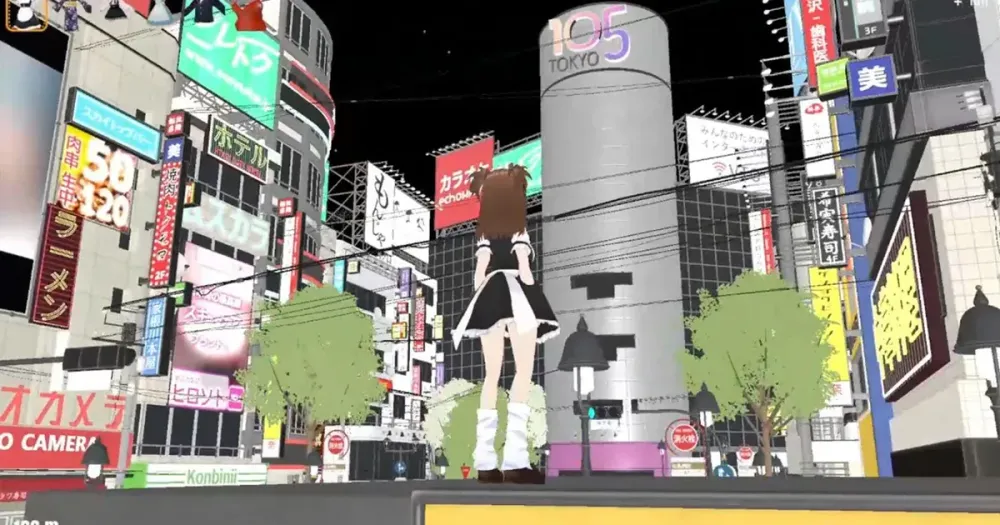
WIRED TOKYO 2007 Steam demo status updates and what to watch next
As of early May 2026, the WIRED TOKYO 2007 demo remains listed as “Coming Soon” on Steam with no new release date. Developer Daikichi_EMP resubmitted the demo on May 1, 2026 with the self-signed permission document in hopes of satisfying Valve. In that update he wrote (translated): “I created a signed document granting myself permission to use all my original works, including the board games, and resubmitted it. Well, I hope this works.”.
Steam has not publicly commented on the situation. Games.gg notes that Valve did not respond to media inquiries, and the community “is watching closely” to see if Valve will approve the demo or demand more proof. The reason is that WIRED TOKYO 2007’s demo was fully prepared and even advertised for Next Fest – meaning it’s nearly ready to launch. The issue now hinges on Valve’s internal review of the new documents.
Going forward, the demo’s status may change if Steam accepts the letter. The developer is reportedly waiting for feedback. It’s also possible Steam might request further clarification or documentation if any doubts remain. Indie forums and social media are tracking any updates from Daikichi or Valve. If you are an observer or supporter, watch Daikichi’s Twitter/X account or Steam news for any announcements. For now, Steam holds the cards: the app cannot go live without Valve’s sign-off. The community hopes for a swift resolution, since the delay is solely over paperwork for content the dev created himself.
Until Steam provides a final answer, WIRED TOKYO 2007’s demo sits in limbo. Meanwhile, this incident has sparked wider discussion about how Steam handles IP issues for small creators. The next update is likely when Valve either unlocks the demo or issues further demands. Indie developers should watch this case as it may set informal precedent: will Steam accept a self-authorization or stubbornly require a lawyer’s statement?
Frequently Asked Questions (FAQs)
- Why was WIRED TOKYO 2007’s demo blocked on Steam?
Valve’s review detected what it thought was “third-party intellectual property” in the demo. Specifically, Steam flagged in-game posters for a “dinosaur themed card game” (Dinostone) as possibly copyrighted. However, those assets actually came from the developer’s own earlier board games. Since Steam’s automated checks can’t tell it’s the same author, the demo was blocked pending proof of rights. - What does “third-party intellectual property” mean in Steam’s message?
It refers to content not owned by you. In this case, Valve believed the board games appearing in WIRED TOKYO 2007 belonged to someone else’s IP portfolio. The term is boilerplate in Steam’s contracts: you must certify no assets are infringing. Here “third-party IP” was Dinostone and Second Best – but since they were Daikichi’s own, it was a mistaken label. - Why did Steam ask for license agreements or a legal opinion letter?
Steam’s support requested “reasonable assurances” via license copies or an attorney’s legal opinion that no infringement occurred. This is how Valve normally confirms IP issues are resolved. A license would be a formal permission slip (though odd if it’s your own IP). A legal opinion letter is a lawyer’s sworn analysis that you have the rights. Steam demands one of these to be sure you legally own or have permission for the content. - How can I prove I own game assets when I published under a pseudonym?
Record-keeping is key. Copyright vests automatically, but proof comes from documentation. You can register copyrights for your games (providing legal evidence). If you have a company, its registration can link your name to the IP. Publish old game pages or press credits showing you (pseudonym) as author. Supply source files, dated project logs, or official app store pages listing your handle. In Daikichi’s case, he sent links to his board games’ official listings under “Daikichi_EMP” to show common ownership. - Can I license my own work to myself for Steam’s approval?
Yes. Legally, you can draft a license agreement from your IP-owning entity (even if that’s you or your studio) to your development business. This formalizes the permission. Daikichi effectively did this: he wrote a self-signed document granting himself permission to use his board game assets in the new game. It’s unusual but accepted, since it fulfills Steam’s requirement for a license-like document. - What steps should I take if my Steam demo is rejected for IP reasons?
First, read the rejection notice closely and identify the disputed content. Next, collect all proof of ownership or license for those assets (copyright regs, store pages, contracts, etc.). Then respond via Steamworks/Support with an explanation and your evidence. If needed, escalate through formal support channels. During the appeal, stay professional: explain why you own the content. If Steam insists, consider reworking the content or seeking a free DMCA counter-notice (as the original rights-holder). Throughout, keep records of all communications and evidence submitted. - What should I include in documentation to show I own game assets and designs?
Provide formal and informal evidence: copyright/trademark certificates, business registration documents, and any contracts regarding the asset. Include URLs or screenshots of public listings (Steam store, press) crediting you. Add signed statements if necessary. For example, Daikichi included links to the BoardGameGeek pages and Steam page of his board games, and ultimately a signed permission letter for Valve. The goal is a clear paper trail tying you to each asset. - What are common reasons Steam flags game demos for IP concerns?
Frequent triggers include: using unlicensed copyrighted media (music, art, code); referencing known franchises or trademarks; bundling third-party mods or assets without clearance; or having a design very similar to another game (often leading to DMCA claims). For instance, the game Allumeria was pulled after Microsoft filed a DMCA strike claiming it copied Minecraft’s style. Steam’s scanners also flag AI-generated content that might be derivative. In short, any content that matches another’s IP can raise a red flag. - How much does it cost to hire a lawyer for a Steam IP dispute?
Hiring an attorney can be expensive. A simple opinion letter may cost several hundred to a few thousand dollars. IP lawyers often bill in the hundreds per hour. Daikichi’s comments imply even hundreds were unaffordable for his budget. Most indies turn to cheaper solutions: self-written documents, legal aid clinics, or community advice. In general, expect a legal letter to be well beyond small indie means unless you have significant revenue or funding. - How can I avoid Steam copyright flags when referencing older projects?
To prevent issues, plan ahead: document ownership of all assets, and be transparent in submissions. Omit or alter any in-game nods to past projects if unsure. Always use licensed content (or your own assets) and list any third-party materials in your Steam content survey. Consider disclosing references openly (“X game cameos in environment”). If possible, keep questionable content out of early builds. In WIRED TOKYO’s case, having a note in the demo info explaining Dinostone is a self-owned IP might have helped. Keeping all your IP well-registered and easily verifiable (copyrights, trademarks) is the best practice to sidestep these flags.

Conclusion
The WIRED TOKYO 2007 Steam demo dispute has become one of the clearest examples of how automated copyright enforcement and platform review systems can create serious problems for indie developers. In this case, Valve’s Steam review process flagged Daikichi_EMP’s own creations as possible third-party intellectual property violations, forcing the developer to prove ownership of work he already made himself. The controversy highlights the growing tension between platform-scale moderation systems and the realities of independent game development, especially for creators working under pseudonyms or without formal legal infrastructure.
The situation also demonstrates how difficult it can be for solo developers to respond to legal-style compliance requests. Steam’s demand for “reasonable assurances,” including license agreements or attorney opinions, may be manageable for large publishers but can become financially overwhelming for small teams and one-person studios. Daikichi_EMP’s decision to draft and sign a self-authorization document illustrates the creative workarounds indie developers sometimes use when formal legal resources are out of reach.
Beyond WIRED TOKYO 2007 itself, the incident serves as a warning for developers publishing on Steam or other digital storefronts. Proper documentation, copyright registration, business records, clear attribution, and organized proof of ownership are increasingly important even when creators are only referencing their own past projects. As automated review systems become stricter across the games industry, developers may need to treat internal asset reuse and self-references with the same level of legal preparation as licensed third-party content.
For now, the WIRED TOKYO 2007 demo remains in limbo while the indie community watches to see whether Valve accepts the submitted documentation. Whatever the final outcome, the case has already sparked wider discussion about Steam’s IP enforcement standards, false-positive copyright flags, and the burdens placed on small developers trying to release games on the world’s largest PC platform.
Sources:
Latest news reports, Steam documentation, and statements from developer Daikichi_EMP. These include direct excerpts from Steam’s emails and developer tweets, Steamworks guidelines, and media coverage of the Wired Tokyo 2007 case.