











In This Article (28 sections)
The Last of Us Season 3 Emotional Struggles, Craig Mazin’s Story Direction, and the Blurred Line Between Heroes and Villains
The Last of Us Season 3 is expected to explore increasingly complex emotional struggles as HBO’s post-apocalyptic adaptation continues examining the consequences of survival, trauma, loss, and morally difficult decisions. Discussions surrounding the upcoming season have highlighted a storytelling approach that places emotional suffering at the center of the narrative rather than treating it merely as a consequence of violent encounters. The series, based on Naughty Dog’s acclaimed video game franchise, has consistently emphasized the psychological effects of living in a world where survival often requires painful sacrifices.
With Craig Mazin continuing to shape the adaptation’s creative direction, the next chapter is expected to build upon those established themes while challenging how audiences understand the characters. Rather than relying exclusively on action and spectacle, the story is anticipated to explore how personal experiences influence identity, relationships, and moral judgment. This approach could make Season 3 particularly demanding for viewers who have developed strong emotional attachments to the series’ central characters.
Emotional realism has remained an important element of the adaptation’s storytelling philosophy. Craig Mazin has emphasized the importance of consequences, particularly the idea that characters should continue carrying the psychological weight of their decisions beyond individual episodes. In this approach, violence, betrayal, grief, and personal sacrifice are not isolated events that disappear once the immediate conflict ends.
Instead, they influence how characters understand themselves and interact with others as the story progresses. Season 3 is expected to continue this examination by placing individuals in situations where their emotional resilience is repeatedly challenged. Characters may struggle to reconcile their past decisions with the people they have become, while relationships could be affected by unresolved trauma and conflicting priorities. The resulting tension places personal consequences alongside the physical dangers of the post-apocalyptic environment.
Game-Inspired Moral Complexity and Blurred Hero-Villain Lines
The creative direction also reflects the emotionally layered storytelling associated with the original games. Naughty Dog’s franchise has consistently explored how love, fear, grief, and the instinct to survive can influence decisions that appear morally contradictory. Characters are rarely defined exclusively by traditional heroic or villainous qualities because their actions often emerge from deeply personal experiences. Someone acting out of loyalty or love may still cause considerable harm, while an individual initially presented as an antagonist may possess understandable motivations shaped by suffering.
This approach encourages audiences to examine the circumstances surrounding a decision rather than judging a character solely through its immediate consequences. Season 3 is expected to develop these tensions further as the adaptation continues exploring the relationship between survival and personal identity. The emphasis remains on emotional complexity rather than presenting a straightforward conflict between unquestionably good and evil individuals.
One of the most significant themes associated with the upcoming season is the continued dismantling of the traditional distinction between heroes and villains. In conventional storytelling, audiences are often encouraged to identify with protagonists whose actions are presented as morally justified while opposing antagonists whose motivations appear clearly unacceptable. The Last of Us approaches this relationship differently by examining how personal experiences can make conflicting perspectives understandable.
A character regarded as sympathetic in one situation may make decisions that challenge the audience’s loyalty, while someone previously considered threatening may reveal vulnerabilities that complicate that judgment. Season 3 is expected to continue questioning these assumptions by placing characters in circumstances where survival instincts and emotional attachments influence their behavior. Such situations can make it difficult to identify a single morally correct response. The series therefore encourages viewers to consider how their interpretation of a character changes when additional emotional context becomes available.
Trauma, Love, Revenge, and Moral Judgment
The relationship between trauma and moral judgment is particularly important to this approach. Characters living through prolonged violence, loss, and uncertainty may develop beliefs and behaviors shaped by experiences that audiences have not fully witnessed. Their decisions can become understandable without necessarily becoming morally acceptable.
This distinction allows the narrative to explore compassion and accountability simultaneously rather than requiring viewers to excuse harmful actions simply because a character has suffered. Season 3 could continue presenting situations where characters believe they are acting out of necessity, protection, or loyalty while causing consequences that affect others. These conflicts reinforce the idea that personal motivations and the effects of an action are not always aligned. By examining both sides, the series can deepen its emotional realism without reducing difficult choices to simple moral judgments.
Love and revenge also remain central to the emotional structure established by the franchise. Both can motivate characters to take extraordinary risks, but they can also distort judgment when personal attachments become more important than the consequences faced by others. A decision intended to protect someone may expose another person to danger, while an attempt to seek justice may prolong suffering rather than resolve it.
The Last of Us has consistently explored these contradictions through characters whose emotional experiences influence their understanding of right and wrong. Season 3 is expected to continue challenging viewers by presenting conflicts in which different individuals believe their actions are justified. This creates opportunities for audiences to understand competing motivations without necessarily agreeing with the decisions made. The emotional impact comes from recognizing that characters can act from familiar human feelings while producing devastating consequences.
Lasting Consequences and Shifting Audience Perspectives
Another important aspect of the upcoming season’s anticipated direction is the lasting effect of personal choices. In many action-oriented stories, characters experience danger before returning to a relatively stable emotional state once a conflict has been resolved. The Last of Us places greater emphasis on how those experiences continue affecting relationships, identity, and future decisions.
A traumatic event can alter how someone interprets another person’s intentions, while a past betrayal may influence later choices even when circumstances have changed. This continuity gives emotional consequences a structural role within the narrative. Season 3 is expected to develop these patterns by showing how unresolved suffering shapes the characters’ responses to new challenges. The resulting conflicts may therefore emerge as much from emotional history as from external threats.
The series’ emphasis on morally ambiguous decisions also creates a particular challenge for audiences. Viewers often form attachments to characters based on their early experiences, relationships, and perceived intentions. As the story develops, new information can complicate those attachments and challenge previous assumptions.
A character’s actions may become harder to defend, while another person’s motivations may appear more understandable after their experiences are revealed. The Last of Us uses these shifts to encourage audiences to reconsider familiar narrative categories. Season 3 is expected to continue that approach by exploring how the same conflict can carry different emotional meanings for different people. This does not necessarily require viewers to abandon their earlier interpretations, but it creates opportunities to recognize perspectives that were previously less visible.
Craig Mazin’s Consequence-Driven Approach and Resilience
Craig Mazin’s storytelling approach is especially relevant because it places consequences above spectacle. Dramatic confrontations and violent encounters can create immediate tension, but their lasting significance depends on how they affect the people involved. Emotional reactions, damaged relationships, and difficult choices can therefore become as important as the physical outcome of a conflict.
The adaptation’s established direction suggests that Season 3 will continue examining those effects rather than treating survival as an uncomplicated victory. Characters may endure an encounter physically while experiencing psychological consequences that influence the remainder of their journeys. This approach allows the series to connect action with character development rather than presenting the two as unrelated elements. The result is a narrative in which emotional suffering remains closely connected to the larger story.
The anticipated intensity of Season 3 also reflects the franchise’s broader interest in emotional resilience. Surviving in a collapsed world requires more than avoiding physical danger because characters must continually respond to grief, uncertainty, and changing personal relationships. Their capacity to endure emotional pressure can influence decisions as strongly as their practical survival skills.
Some may attempt to protect themselves through emotional distance, while others become increasingly attached to people or causes that provide meaning. These responses can create conflict when different individuals interpret survival and loyalty in incompatible ways. The series’ narrative approach allows such disagreements to develop without establishing that one character’s emotional response is universally correct. Season 3 is expected to examine these tensions as part of its continuing exploration of human behavior under extreme circumstances.
Deepening Complexity and Emotional Consequences Ahead
Ultimately, The Last of Us Season 3 is expected to deepen the emotional and moral complexities that have defined both HBO’s adaptation and Naughty Dog’s original franchise. The anticipated story direction emphasizes the lasting consequences of trauma, loss, violence, and personal decisions rather than relying solely on the spectacle of survival in a post-apocalyptic world. Craig Mazin’s approach places particular importance on how characters change through their experiences and how those changes influence their relationships with others. The continued rejection of a simple hero-versus-villain structure also encourages viewers to reconsider their loyalties as new perspectives emerge.
Characters may remain sympathetic while making harmful decisions, and apparent antagonists may reveal motivations shaped by understandable suffering. These contradictions are central to the series’ emotional identity because they make survival a question of personal consequence as well as physical endurance. If Season 3 continues this established approach, its greatest challenges may come not from the dangers characters face, but from the emotional decisions they must live with afterward.
The Last of Us Season 3 Moral Complexity, Emotional Trauma, Abby’s Perspective, and Psychological Conflict
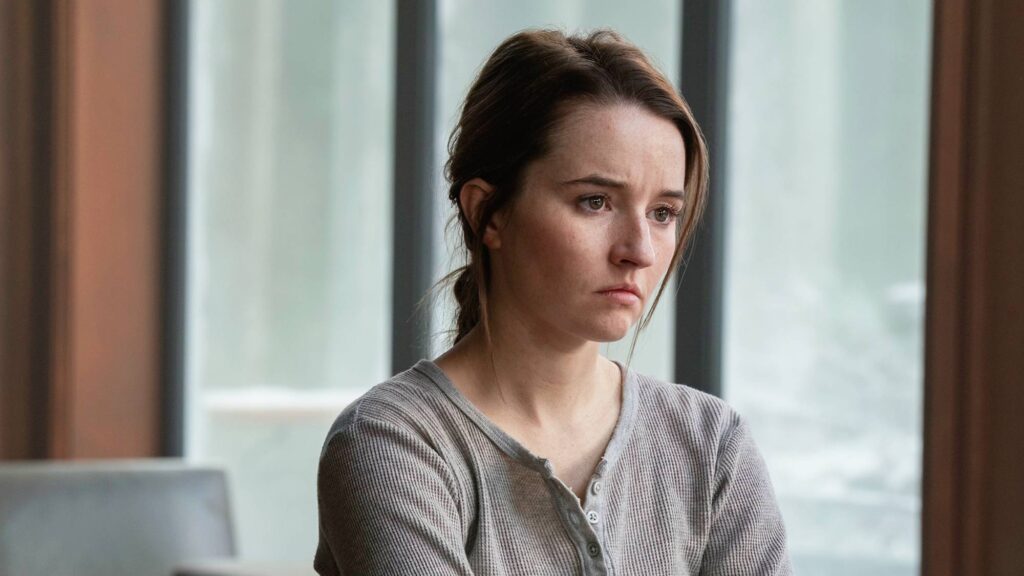
The Last of Us Season 3 is expected to deepen the moral complexity and emotional struggles that have become defining elements of HBO’s post-apocalyptic adaptation. Rather than presenting characters as clearly heroic or villainous, the upcoming season is anticipated to explore how prolonged survival, personal loss, and psychological trauma influence individual behavior. The creative team has consistently emphasized that compelling storytelling often emerges from contradictions within human relationships and motivations.
Characters may act out of love while causing significant harm, or pursue justice while contributing to the same cycles of violence they hope to end. These conflicting motivations challenge the idea that morality remains fixed regardless of circumstances. Instead, the series examines how decisions are shaped by emotional experiences, changing priorities, and the pressures of living in a hostile world. Season 3 is expected to continue this approach by placing characters in situations where their intentions and actions may be difficult to reconcile.
One of the central ideas associated with the upcoming storyline is that people cannot always be classified as completely good or completely evil. The phrase “not completely good people” reflects the series’ rejection of absolute moral categories and its interest in the contradictions that shape human behavior. Characters who appear sympathetic may make decisions that damage others, while individuals initially presented as antagonists may reveal motivations rooted in grief, fear, or loyalty.
This does not necessarily justify harmful behavior, but it encourages viewers to examine the emotional circumstances behind it. In extreme survival conditions, personal attachments and immediate needs can influence choices that would otherwise appear unacceptable. The resulting conflicts make empathy more complicated because understanding someone’s motivations does not require agreeing with their actions. This tension allows the narrative to explore accountability and compassion simultaneously rather than presenting them as mutually exclusive responses.
Psychological Consequences of Long-Term Survival
The psychological consequences of long-term survival are expected to remain central to the season’s character development. Living through repeated violence, uncertainty, and loss can affect how individuals interpret danger, trust others, and respond to emotional challenges. A character who once acted primarily out of compassion may become more guarded after experiencing betrayal or personal tragedy.
Another individual may continue pursuing revenge because grief has become closely connected to their sense of identity. These changes demonstrate how emotional priorities can evolve as circumstances become more difficult. The series’ approach suggests that survival is not simply a matter of remaining physically alive, but also involves confronting the psychological effects of previous experiences. Season 3 is anticipated to examine these struggles through characters whose internal conflicts become increasingly difficult to separate from their external circumstances.
Several emotional themes are expected to shape the upcoming storyline, including grief, unresolved trauma, revenge, parental relationships, forgiveness, identity, and leadership. Although these subjects have appeared throughout the franchise, Season 3 is expected to explore them with greater psychological intensity. Grief may influence how characters remember those they have lost and how they approach relationships that remain important.
Revenge can create an additional burden when the desire for retaliation prevents individuals from processing their suffering. Parental bonds may become especially complicated when protecting loved ones requires difficult sacrifices or morally questionable decisions. Forgiveness presents another challenge because understanding the reasons behind harmful actions does not necessarily make their consequences easier to accept. Together, these themes establish an emotional framework in which characters must confront both immediate dangers and unresolved personal experiences.
Identity Reconstruction and Emotional Repression
Identity reconstruction after loss is another important aspect of the anticipated narrative. Characters who have experienced major personal tragedies may struggle to understand who they are without the relationships, beliefs, or responsibilities that previously defined them. Their attempts to rebuild a sense of purpose can lead to new attachments, changing loyalties, or decisions that conflict with their earlier values.
Memory and guilt may further complicate that process because past actions continue influencing how individuals interpret the present. Emotional repression can also prevent characters from confronting their experiences directly, allowing unresolved conflicts to shape their behavior over time. The series’ psychological approach suggests that these changes will not necessarily occur through simple moments of realization or recovery. Instead, character development may involve difficult choices, setbacks, and attempts to reconcile personal memories with the consequences of survival.
The emotional burden of leadership adds another dimension to these struggles. Individuals responsible for protecting or guiding others may face decisions that place personal values in conflict with the needs of a larger group. A leader may believe that a harsh action is necessary to ensure survival, even when the decision causes suffering or damages important relationships. Such circumstances can create guilt, isolation, and uncertainty about whether the intended outcome justified the consequences.
The series has consistently explored how people respond differently when their responsibilities extend beyond themselves. Season 3 is expected to continue examining these tensions as characters confront difficult choices involving loyalty, protection, and sacrifice. This approach reinforces the idea that authority does not automatically provide moral certainty or emotional resilience. Instead, leadership can intensify existing psychological conflicts by making personal decisions consequential for others.
Emotional Aftermath and Internal Conflict
Although complete plot details remain limited, the upcoming season is expected to continue exploring the aftermath of emotionally significant events from earlier installments. Rather than concentrating exclusively on encounters with external threats, the narrative is anticipated to examine how previous experiences influence the characters’ present relationships and decisions. This could involve shifting alliances, emotional breakdowns, and conflicts arising from actions that cannot be reversed.
Characters may struggle to reconcile their personal understanding of events with the suffering their choices have caused. These tensions can become especially difficult when different individuals remember the same circumstances in conflicting ways. Memory, guilt, and emotional repression are therefore important to the psychological realism associated with the series. The available story direction suggests that internal conflict will remain closely connected to the broader struggle for survival.
The relationship between revenge and emotional suffering is particularly significant because retaliation can create consequences that extend beyond its original motivation. A character seeking justice may believe that confronting an enemy will resolve a traumatic experience or restore a sense of control. However, pursuing that objective can cause additional harm and create new grievances among those affected.
This produces a cycle in which different characters understand their own actions as justified responses to previous suffering. The Last of Us uses such contradictions to challenge straightforward interpretations of responsibility and morality. Season 3 is expected to continue exploring how the desire for revenge can reshape identity and relationships. The psychological cost may become as important as the immediate outcome of any confrontation. By emphasizing these consequences, the narrative can examine why ending a conflict does not necessarily resolve the emotional damage that created it.
Abby’s Role and Moral Ambiguity
Abby’s role is particularly important to discussions about perspective and moral ambiguity within the franchise. Her storyline in the original game narrative challenges audiences to reconsider events by presenting experiences through different emotional viewpoints. A character initially regarded as an opposing force can become more complicated when viewers understand the losses, relationships, and personal motivations influencing their decisions.
This structure demonstrates how the same conflict can carry different meanings depending on whose experiences are being considered. Abby’s perspective is therefore relevant to the series’ broader rejection of simple hero-versus-villain storytelling. Rather than asking audiences to abandon their earlier attachments, the narrative encourages them to recognize that competing characters may each understand their actions through their own emotional experiences. Season 3 is expected to continue drawing upon this approach to complicate audience judgments and deepen the emotional consequences of the story.
The use of shifting perspectives also changes how viewers interpret familiar events. An action that appears cruel or unjustifiable from one character’s position may be understood differently after the story reveals the experiences of another person involved. However, additional context does not automatically erase responsibility or make every decision equally acceptable. Instead, it demonstrates that motivations and consequences must be examined separately.
This distinction is central to the emotional complexity associated with Abby’s narrative. Her perspective encourages audiences to consider how grief, love, and personal loyalty can produce conflicting interpretations of the same events. The resulting tension challenges viewers to recognize the humanity of characters they may initially oppose. It also reinforces the series’ interest in presenting moral uncertainty without requiring a single interpretation to dominate every conflict.
Audience Loyalties and Moral Judgment
Season 3’s anticipated emphasis on psychological realism could make these changes in perspective particularly demanding for audiences. Viewers often develop strong attachments to characters based on the experiences they have already witnessed. Introducing additional emotional context can challenge those loyalties, especially when previously sympathetic characters make harmful choices or apparent antagonists reveal understandable motivations.
The series’ approach does not necessarily seek to eliminate moral judgment. Instead, it encourages a more careful examination of the relationship between intention, action, and consequence. A character can remain responsible for causing suffering even when their motivations emerge from recognizable human emotions. Likewise, an individual can become more understandable without being transformed into an uncomplicated hero. This layered approach creates emotional conflict that extends beyond the immediate dangers of the post-apocalyptic setting.
The anticipated storyline also suggests that emotional resilience will be tested through the relationship between external survival and internal fragmentation. Characters may successfully overcome physical threats while remaining deeply affected by guilt, grief, or unresolved memories. Others may experience changing relationships as their priorities shift in response to loss or fear. These struggles can influence whether individuals seek reconciliation, continue pursuing revenge, or become increasingly isolated. The psychological consequences of previous decisions may therefore shape the direction of future conflicts. Rather than allowing emotional suffering to disappear after a dramatic confrontation, the series is expected to treat it as a continuing influence on character behavior. This approach gives personal history an important role in determining how the narrative develops.
Season 3’s Emotional Themes and Moral Complexity
Ultimately, The Last of Us Season 3 is expected to build upon the franchise’s exploration of moral ambiguity, emotional trauma, and conflicting human motivations. Its anticipated themes include grief, revenge, forgiveness, parental responsibility, identity reconstruction, and the psychological burden of leadership. These subjects are connected by the idea that survival can change how people understand themselves and justify their actions. Abby’s perspective provides an important example of how shifting viewpoints can complicate familiar judgments and encourage audiences to reconsider the distinction between heroes and villains.
Although full plot details remain undisclosed, the established narrative approach suggests that characters will continue confronting the lasting consequences of their decisions. The season’s emotional impact is therefore expected to emerge not only from external dangers, but also from the difficulty of living with past actions and understanding the experiences of others. By exploring these contradictions, the series can continue presenting a world where humanity is defined less by moral certainty than by the complicated relationship between suffering, empathy, and personal responsibility.

The Last of Us Season 3 Story Changes, Narrative Structure, Craig Mazin’s Writing Approach, and Release Expectations
The Last of Us Season 3 is expected to continue HBO’s emotionally complex storytelling approach, emphasizing character psychology, shifting perspectives, and the lasting consequences of decisions made throughout the series. Rather than following a straightforward progression of events, the upcoming season may incorporate different timelines, viewpoints, and emotional experiences to deepen the narrative. This approach reflects the franchise’s established interest in how memory, trauma, and personal perception influence the way characters understand their circumstances.
Events can carry different meanings depending on whose perspective is presented, making the distinction between objective events and personal interpretation particularly important. The narrative is therefore expected to explore not only what characters experience but also how those experiences shape their relationships, beliefs, and future decisions. By maintaining this emphasis on psychological realism, Season 3 can develop the emotional complexity established in earlier installments without relying exclusively on conventional action-driven storytelling.
The anticipated use of non-linear storytelling could play an important role in revealing different aspects of the characters’ experiences. Moving between timelines or perspectives allows the writers to revisit significant events while providing emotional context that may not have been apparent when those events were first introduced. A decision initially presented through one character’s viewpoint may become more complicated when audiences understand how another person experienced its consequences.
This technique encourages viewers to reconsider earlier judgments without necessarily changing the events themselves. Memory and perception become important storytelling elements because characters may interpret the same circumstances through different emotional experiences. The resulting contrasts reinforce the series’ focus on subjective understanding and moral uncertainty. However, the exact structure and sequence of Season 3 have not been fully detailed, so specific timeline changes should be treated as expectations rather than confirmed episode arrangements.
Perspective Shapes Emotional Meaning
This approach also creates opportunities to explore how personal experiences influence the meaning characters assign to past events. Trauma, grief, guilt, and emotional attachment can shape what individuals remember and how they explain their decisions. A character may view an action as necessary for survival while another remembers it as an act of betrayal or cruelty. Presenting these conflicting interpretations allows the narrative to examine the emotional consequences of an event without reducing it to one uncomplicated explanation.
Such storytelling does not require every perspective to be equally justified, but it encourages audiences to understand why characters develop different beliefs. The Last of Us has consistently used these contradictions to challenge straightforward assumptions about heroes, villains, and personal responsibility. Season 3 is expected to continue that thematic approach as the characters confront the effects of their earlier experiences.
One anticipated consequence of this storytelling direction is that viewers may struggle with decisions made by characters they previously supported. The series frequently presents situations in which personal loyalty, fear, love, and revenge influence behavior in ways that challenge conventional moral expectations. A sympathetic character may commit an action that causes considerable suffering, while someone initially regarded as an antagonist may reveal understandable emotional motivations.
These contradictions can create discomfort because audiences are asked to reconsider their attachments rather than maintain fixed judgments throughout the story. Supporting a character in one moment does not necessarily mean agreeing with every decision that person makes later. Likewise, understanding an opposing character’s motivations does not automatically require approving of their actions. This emotional uncertainty is an important part of the narrative approach expected to continue in Season 3.
Moral Discomfort Serves a Larger Purpose
The discomfort associated with morally ambiguous choices also serves a larger storytelling purpose. Rather than providing viewers with simple answers about which characters deserve sympathy, the series encourages reflection on the relationship between intention and consequence. A decision motivated by love may still cause harm, while an attempt to pursue justice may contribute to further violence.
These situations challenge audiences to consider how much personal suffering should influence their judgment of another person’s behavior. The emotional difficulty comes from recognizing that characters can have understandable motivations while remaining responsible for damaging actions. This complexity prevents the story from treating survival as a straightforward struggle between morally superior protagonists and clearly defined enemies. Season 3 is anticipated to preserve that uncertainty by continuing to present decisions whose consequences extend beyond the immediate circumstances.
Craig Mazin’s storytelling philosophy provides an important foundation for this direction. In discussions about the adaptation, Mazin has emphasized the importance of emotional consequences and the difficulty of reducing human behavior to simple moral categories. His approach treats trauma as an experience that complicates decision-making rather than automatically producing clarity or personal growth.
Characters may become more guarded, conflicted, or emotionally vulnerable as they attempt to understand what they have endured. These changes can influence future choices even when the characters believe they are acting rationally. The writing therefore places significant weight on internal conflict and the relationship between personal history and present behavior. Season 3 is expected to continue exploring how individuals justify their actions when survival and emotional attachment create competing priorities.
Character Psychology and Accumulated Story Arcs
The emphasis on character psychology also affects how individual story arcs develop. Rather than introducing major decisions solely to create immediate dramatic moments, the narrative aims to show how those choices emerge from a character’s accumulated experiences. Actions taken in earlier seasons can continue influencing relationships, loyalties, and personal beliefs long after the original events have concluded.
A character dealing with unresolved grief may respond differently to a new conflict than someone motivated by fear or a desire for reconciliation. Similarly, guilt over past decisions can create tension between the person someone believes they are and the consequences of what they have done. These emotional pressures allow character development to unfold gradually rather than through sudden changes designed only to advance the plot. The intended result is a sense of continuity in which personal transformation reflects an extended psychological journey.
Long-term emotional development is particularly important in a post-apocalyptic setting where characters face repeated threats and difficult compromises. Survival may require actions that conflict with previously established values, creating consequences that cannot be resolved through one conversation or confrontation. Relationships may change as individuals become more protective, distrustful, or determined to pursue personal objectives.
These shifts can appear contradictory when considered in isolation, but they may become understandable when viewed through the character’s full history. The Last of Us uses this relationship between past experiences and present decisions to reinforce its emotional realism. Season 3 is expected to continue developing personalities through accumulated consequences rather than treating every episode as an independent emotional experience. This approach allows difficult or unexpected decisions to remain connected to established characterization.
Memory, Repression, and Emotional Conflict
The series’ interest in psychological realism also influences how it presents memory and emotional repression. Characters may struggle to confront painful experiences directly, allowing unresolved feelings to shape their behavior without fully acknowledging their influence. Others may construct personal explanations that help them justify choices they would otherwise find difficult to accept.
Such responses can create conflicts between a character’s understanding of their intentions and the reality of the harm caused by their actions. The narrative can explore these differences through dialogue, changing relationships, and shifts in perspective. This creates opportunities for audiences to understand emotional contradictions without requiring every conflict to receive a definitive resolution. Season 3 is expected to continue examining these pressures as part of its broader exploration of trauma and survival.
The writing approach also places importance on the consequences of earlier seasons. Rather than allowing emotionally significant events to disappear once their immediate storyline ends, the narrative is expected to examine how those experiences continue affecting the characters. A loss may influence later relationships, while a previous confrontation can change how someone interprets trust, loyalty, or danger.
These developments can create new conflicts even when the original threat is no longer present. The resulting story becomes layered because characters respond not only to current circumstances but also to unresolved emotional histories. This structure supports the franchise’s emphasis on long-term consequences and personal transformation. It also helps explain why Season 3 may challenge audiences who expect characters to move beyond traumatic experiences quickly.
Conflicting Perspectives on Consequences
The anticipated changes in perspective could further complicate how viewers interpret those consequences. A character’s account of an event may emphasize personal suffering, while another person’s perspective reveals different motivations or losses. Revisiting a conflict through multiple viewpoints can expose information that changes its emotional meaning without altering the underlying outcome.
This technique allows the series to examine how people construct personal narratives around experiences that have profoundly affected them. It also reinforces the idea that understanding a character requires more than observing a single decision. Audiences may need to consider the sequence of experiences that contributed to that choice and the emotional consequences that followed. Season 3 is expected to continue using this approach to create tension between established loyalties and newly revealed perspectives.
Mazin’s emphasis on human contradiction also helps explain why the series does not necessarily seek to provide definitive moral answers. Characters may believe they are making the correct decision while acting in ways that cause suffering or undermine their relationships. Their motivations can be understandable without establishing that their actions are justified. Similarly, an individual who has caused harm may remain capable of compassion, grief, or personal change. These contradictions reflect the psychological complexity the adaptation has consistently explored. Season 3 is anticipated to continue presenting emotionally realistic situations in which competing motivations prevent simple judgments. The storytelling objective is therefore less about identifying unquestionably good or bad people and more about examining how individuals respond to difficult circumstances.
The relationship between emotional realism and television adaptation is another important consideration. HBO’s version of The Last of Us draws upon the original Naughty Dog games while adapting their narrative structure to the demands of serialized television. Video games communicate story through a combination of player-controlled activity, exploration, cinematics, and interactive progression.
Television must establish similar emotional connections through scripted scenes, performances, pacing, and the arrangement of episodes. This difference creates opportunities to restructure events or expand character development without necessarily abandoning the central themes of the source material. The adaptation can spend additional time examining relationships, motivations, and emotional reactions that may have been presented differently in the games. Season 3 is expected to continue balancing fidelity to the original narrative with changes intended to support television storytelling.
Restructuring narrative pacing can also influence how viewers experience major emotional developments. A video game may place important revelations between extended periods of exploration or combat, while a television adaptation can organize those events around individual episodes and character-focused sequences. This allows writers to control when particular information becomes available and how long audiences remain with a character’s emotional perspective.
Balancing Adaptation Choices and Release Uncertainty
Expanding certain scenes can provide additional context for motivations that might otherwise appear abrupt. Conversely, reorganizing events may create suspense or encourage viewers to reconsider earlier assumptions. However, such structural changes must remain connected to the emotional purpose of the story to avoid weakening the relationships established in the source material. The adaptation’s existing approach suggests that Season 3 will continue using these possibilities to deepen characterization while maintaining continuity with the franchise.
The balance between fidelity and adaptation is particularly important because The Last of Us is recognized for its emotionally demanding storytelling. Preserving the original narrative does not necessarily require reproducing every event in the same order or using an identical structure. Television storytelling may benefit from expanding supporting characters, reorganizing scenes, or emphasizing emotional details that were communicated through gameplay in the source material.
However, changes are most meaningful when they reinforce the established themes rather than introducing unrelated developments. Craig Mazin’s narrative approach emphasizes character motivation and consequence, providing a framework for evaluating such decisions. Season 3 is expected to continue applying that approach as the story moves forward. The objective remains to preserve the emotional identity of the franchise while allowing the adaptation to function effectively as a serialized television drama.
Release expectations should also be distinguished from confirmed production information. Although Season 3 is anticipated to continue the adaptation’s established storytelling strategy, the supplied material does not establish a specific premiere date or complete release schedule. Production planning, writing, filming, post-production, and HBO’s programming decisions can all influence when a season becomes available.
The expected narrative direction should therefore not be treated as evidence that the episodes are already completed or scheduled for a particular release window. Likewise, discussion of potential timeline changes or expanded character arcs does not establish the final structure of the season. Those details require confirmation through official announcements or completed episodes. The current expectations are most useful for understanding the creative approach rather than predicting an exact launch date.
Emotional Expectations and Moral Complexity
The anticipation surrounding Season 3 reflects the emotional expectations established by the adaptation and its source material. Viewers familiar with the franchise may expect difficult character decisions, conflicting motivations, and developments that challenge their previous interpretations. Those expectations are supported by the series’ established thematic direction, but they do not determine the precise events that will appear in the upcoming season.
The writers still have opportunities to adjust pacing, expand emotional context, and structure the television narrative in ways that differ from the games. Such changes can influence how audiences respond to characters they already know. The success of the approach will depend on whether the narrative connects psychological development with the consequences of earlier events. Emotional intensity alone will not replace the need for coherent motivations and carefully developed relationships.
Ultimately, The Last of Us Season 3 is expected to continue exploring moral uncertainty, trauma, memory, and the lasting consequences of personal choices through a psychologically focused narrative. Its anticipated use of shifting perspectives and potentially non-linear storytelling could challenge viewers to reconsider events they previously understood through a single character’s experiences. Craig Mazin’s emphasis on human contradiction supports a writing approach in which characters develop through accumulated emotional consequences rather than convenient short-term transformations.
This allows the series to present difficult decisions without reducing its characters to straightforward heroes or villains. The adaptation is also expected to maintain its connection with Naughty Dog’s original material while making structural adjustments suited to serialized television. However, complete plot details, exact episode arrangements, and a confirmed release schedule are not established by the supplied information. The clearest expectation is that Season 3 will continue prioritizing emotional realism and character development as it examines how individuals live with the consequences of survival, loss, and morally complicated decisions.
How the Last of Us Season 3 Continues the Games’ Dark Emotional Storytelling and Audience Reactions
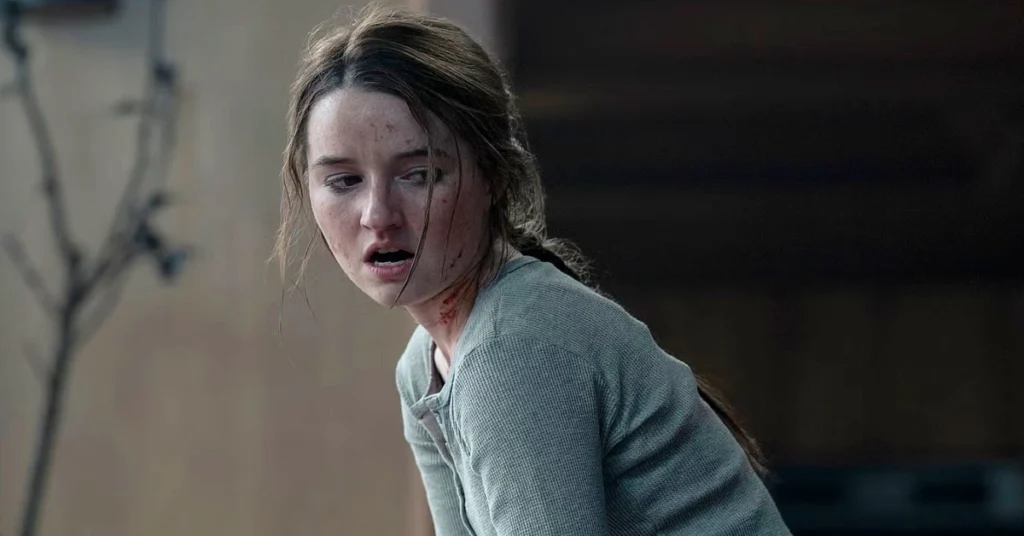
The Last of Us Season 3 is expected to continue the dark emotional storytelling that has defined Naughty Dog’s original video games and HBO’s television adaptation. Throughout the franchise, grief, trauma, violence, and survival have served as central elements of character development rather than simply providing circumstances for action. The original games established a narrative foundation in which personal relationships and difficult decisions carry lasting psychological consequences.
HBO’s adaptation has expanded upon that approach by emphasizing emotional realism, morally complicated characters, and the human cost of surviving in a hostile world. Season 3 is anticipated to develop these themes further, examining how past experiences continue influencing characters long after the immediate danger has passed. This approach maintains continuity between the games and television series while allowing the adaptation to explore emotional conflicts through its own storytelling methods.
One of the franchise’s defining characteristics is its refusal to present violence as an experience without consequences. Characters may survive dangerous encounters or achieve their immediate objectives, but those outcomes do not necessarily provide emotional relief. Instead, their actions can create guilt, deepen grief, damage relationships, or contribute to further conflict.
The Last of Us consistently examines how people attempt to justify difficult decisions when faced with fear, loyalty, loss, and the instinct to survive. Season 3 is expected to continue emphasizing these psychological consequences rather than presenting action primarily as spectacle. The narrative’s emotional intensity emerges from the relationship between what characters do and how those decisions affect their understanding of themselves and others. This ensures that survival remains a complicated personal experience rather than a straightforward measure of success.
Lasting Influence of Past Decisions and Moral Contradictions
The lasting influence of earlier decisions is particularly important to the series’ emotional structure. A character’s response to danger may be shaped by traumatic experiences, unresolved grief, or the memory of someone they have lost. These emotional pressures can create contradictions between personal intentions and the consequences of an action. Someone motivated by love may still cause suffering, while an attempt to seek justice can contribute to further violence. Such situations challenge audiences to consider different motivations without automatically excusing harmful behavior. Season 3 is expected to preserve this moral complexity by continuing to explore how emotional experiences influence relationships and decision-making.
The resulting storytelling remains consistent with the franchise’s established emphasis on psychological realism and human contradiction.The adaptation’s approach also reinforces the connection between character psychology and narrative progression. Rather than allowing emotional suffering to disappear after a dramatic event, the series treats trauma as an ongoing influence on future behavior. Guilt may affect how characters approach new relationships, while past losses can reshape their understanding of trust and responsibility.
These experiences can influence decisions even when the characters are not consciously confronting the events that caused them. The emotional consequences therefore become part of the story’s structure rather than temporary reactions confined to individual scenes. Season 3 is anticipated to continue developing these patterns through characters facing difficult circumstances and conflicting personal priorities. This allows the adaptation to maintain the emotional identity established by Naughty Dog’s games while expanding the exploration of psychological conflict through television storytelling.
Audience Empathy, Moral Judgment, and Adaptation Expectations
One reason the series generates these discussions is its treatment of audience empathy. Viewers may develop strong attachments to particular characters before encountering decisions that challenge those relationships. A person previously regarded as sympathetic may act in ways that cause serious harm, while an opposing character may reveal experiences that complicate an earlier judgment. This approach encourages audiences to reconsider how personal perspective influences their understanding of morality. It also creates emotional discomfort because recognizing someone’s motivations does not necessarily make their actions acceptable. Season 3 is expected to continue using these contradictions to challenge familiar distinctions between heroes and villains. The psychological complexity of the characters therefore becomes an important part of how viewers interpret the story.
The continuation of the franchise’s dark emotional storytelling also creates expectations for how HBO will approach the upcoming season. The adaptation is anticipated to preserve the psychological consequences and moral ambiguity associated with the original games while developing those elements through television performances and narrative pacing. This does not necessarily mean every emotional development will be presented exactly as it appeared in the source material.
Television storytelling can emphasize dialogue, visual symbolism, and character interactions in ways that differ from player-controlled experiences. However, maintaining thematic consistency remains important because grief-driven storytelling is central to the franchise’s identity. Season 3 is therefore expected to build upon established emotional conflicts rather than abandon them in favor of a more conventional action-focused narrative. Its anticipated intensity comes from the consequences characters must confront as much as the dangers they encounter.
Frequently Asked Questions (FAQs)
- What is The Last of Us Season 3 about?
The Last of Us Season 3 is expected to continue HBO’s post-apocalyptic storyline while placing greater emphasis on emotional struggles, moral ambiguity, and the psychological consequences of survival. The narrative will explore how characters respond to grief, trauma, and difficult decisions that continue affecting their relationships and personal identities. Rather than focusing exclusively on physical threats, the season is anticipated to examine the emotional damage caused by previous conflicts. Characters may find themselves confronting situations where love, loyalty, revenge, and survival create competing priorities. The story is also expected to challenge traditional distinctions between heroes and villains by presenting different perspectives on morally complicated events. However, complete plot details remain undisclosed, so specific developments should not be treated as confirmed. - Will Season 3 be darker than previous seasons?
The Last of Us Season 3 is expected to maintain and potentially intensify the emotionally demanding storytelling established in earlier seasons. Its anticipated direction emphasizes psychological trauma, unresolved grief, difficult relationships, and the lasting consequences of violence. Rather than making the story darker solely through more dangerous encounters or graphic action, the narrative may increase its emotional intensity by examining how characters cope with their past experiences. Viewers could encounter situations where sympathetic characters make troubling decisions or previously opposing figures reveal understandable motivations. These developments can create discomfort because the series rarely provides simple moral answers. However, the exact degree of emotional intensity cannot be established until the season’s complete storyline is revealed. - Who is involved in writing Season 3?
Craig Mazin remains a central creative figure associated with HBO’s adaptation of The Last of Us, which he developed alongside Neil Druckmann. Mazin’s storytelling approach emphasizes emotional realism, complex character motivations, and the long-term consequences of personal decisions. Druckmann, who helped create Naughty Dog’s original video game franchise, has also been an important influence on the adaptation’s established narrative identity. Their previous creative work helped shape the series’ focus on survival, grief, loyalty, and moral uncertainty. However, the supplied information does not establish a complete Season 3 writing staff or confirm every writer’s specific responsibilities for the upcoming episodes. Those details should be distinguished from the broader creative involvement associated with the series. - Does Season 3 follow the video game storyline?
The Last of Us Season 3 is expected to continue adapting the narrative established in Naughty Dog’s original video games while making adjustments suited to television storytelling. The HBO adaptation has maintained the franchise’s central themes, including survival, trauma, difficult relationships, and morally complicated choices. However, adapting a video game into a television series does not require reproducing every scene or event in exactly the same order. Writers can restructure pacing, expand character development, and explore emotional details that were communicated differently through gameplay. Shifting perspectives and potentially non-linear storytelling may also help audiences understand conflicting motivations. The precise changes planned for Season 3 remain unconfirmed, so expectations based on the games should not be treated as guarantees of particular television scenes. - Why are characters morally complex in the series?
Characters in The Last of Us are morally complex because the story examines how extreme circumstances can influence human behavior and personal judgment. In its post-apocalyptic world, survival often requires difficult decisions involving loyalty, fear, grief, and the protection of loved ones. A character may act from understandable motivations while still causing significant harm to others. Similarly, someone initially presented as an antagonist may have experiences that explain their actions without necessarily justifying them. This approach challenges the idea that every major character can be classified as completely good or evil. By exploring the relationship between intentions and consequences, the series creates a more psychologically layered portrayal of people struggling to survive. - Will fans sympathize with all characters?
Not necessarily, because The Last of Us deliberately presents characters whose decisions can challenge viewers’ emotional attachments and moral judgments. Someone audiences initially support may take actions that appear cruel, selfish, or difficult to justify. Conversely, a character previously viewed as an enemy may become more understandable when their experiences and motivations are revealed. The series uses these changes in perspective to encourage empathy without requiring viewers to approve of every decision. Different audiences may also respond differently depending on which characters they identify with and how they interpret the consequences of particular actions. Season 3 is expected to continue this approach, making emotional disagreement part of the viewing experience rather than providing universally sympathetic characters. - What themes are central in Season 3?
The Last of Us Season 3 is expected to explore grief, revenge, forgiveness, identity, unresolved trauma, and the psychological consequences of survival. Grief can influence how characters remember their losses and how they respond to new relationships. Revenge introduces another emotional conflict because attempts to seek justice may create additional suffering and prolong cycles of violence. Forgiveness raises questions about whether understanding someone’s motivations is enough to overcome the harm they have caused. Identity is also important because traumatic experiences can change how individuals understand themselves and their responsibilities toward others. Together, these themes support the series’ emphasis on emotional realism and the lasting consequences of difficult decisions. - Is Abby still important in Season 3?
Abby remains important to discussions about the anticipated narrative direction of The Last of Us Season 3 because her storyline is closely associated with the franchise’s use of shifting perspectives. In the original game narrative, her experiences challenge audiences to reconsider events they initially understand through another character’s viewpoint. This approach reveals how grief, loyalty, and personal loss can shape conflicting interpretations of the same situation. Abby’s perspective also reinforces the series’ rejection of simple distinctions between heroes and villains. Understanding her motivations does not automatically require viewers to agree with her actions, but it adds emotional context to the broader conflict. Her precise role and the extent of her involvement in Season 3 remain dependent on the television adaptation’s final storyline. - When will Season 3 be released?
The Last of Us Season 3 does not have a confirmed release date in the information provided. Although the upcoming season is expected to continue HBO’s adaptation of Naughty Dog’s narrative, no specific premiere day or complete broadcast schedule has been established here. The timing will depend on production requirements, including writing, filming, post-production, and HBO’s programming arrangements. Expectations about the season’s emotional direction or narrative structure do not establish how close the episodes are to completion. Any release year or specific premiere date circulating without official confirmation should therefore be treated cautiously. Viewers will need an announcement from HBO before the season’s launch timing can be stated definitively. - Why is the series considered emotionally intense?
The Last of Us is considered emotionally intense because it explores the lasting psychological effects of violence, grief, trauma, and difficult survival decisions. Rather than treating dangerous encounters as isolated action sequences, the story examines how those experiences affect characters long after the immediate conflict ends. Relationships can become strained by guilt, betrayal, revenge, and conflicting personal responsibilities. The series also challenges viewers by presenting characters whose motivations may be understandable even when their actions cause serious harm. Its use of shifting perspectives encourages audiences to reconsider earlier judgments and recognize the emotional experiences of opposing characters. This combination of psychological realism, moral uncertainty, and irreversible consequences gives the narrative much of its emotional weight.
Conclusion
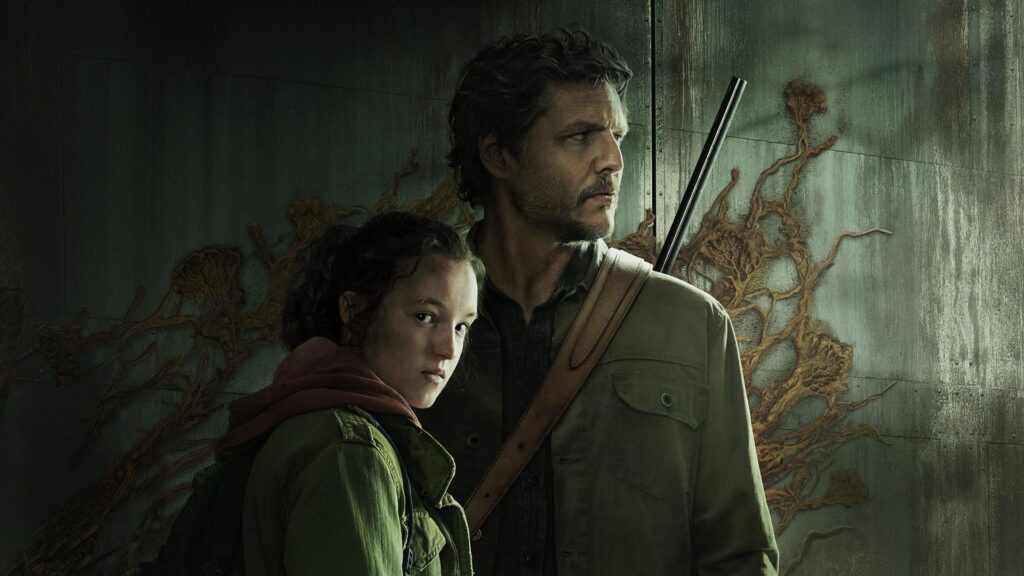
The Last of Us Season 3 is positioned to deepen the franchise’s reputation for emotionally charged storytelling. By focusing on moral ambiguity, psychological conflict, and character-driven consequences, the series continues to challenge conventional ideas of heroism and villainy. The creative vision behind the season emphasizes that survival in a broken world comes at a profound emotional cost, shaping every character into a complex reflection of human contradiction. This approach ensures that Season 3 will remain one of the most psychologically engaging entries in modern television storytelling.
Sources and Citations
- HBO, The Last of Us Official Series Page: HBO’s official page is the strongest source for the television adaptation itself, including the series premise, episodes, cast, videos, and official program information. HBO’s current series directory continues to list The Last of Us as one of its drama series. HBO
The Last of Us on HBO - HBO Official Site: Useful as the primary network source for HBO programming, schedules, official announcements, and series information. HBO
HBO Official Site - Naughty Dog Official Website: The developer’s official site provides authoritative information on The Last of Us franchise and Neil Druckmann’s involvement. Naughty Dog describes the franchise as character driven and confirms its long standing relationship with HBO’s adaptation. naughtydog.com
Naughty Dog Official Website - Naughty Dog, Neil Druckmann Closes The Last of Us Day, September 28, 2026: A current first party source from Druckmann discussing the continuing future of The Last of Us universe and Naughty Dog’s plans for additional stories. naughtydog.com
Neil Druckmann Closes The Last of Us Day - PlayStation Blog, The Last of Us Developers and HBO Creators: This is a much stronger citation than the general PlayStation homepage for claims about Neil Druckmann and Craig Mazin’s adaptation philosophy. Druckmann explains how television lets the creators shift away from Joel and Ellie to explore other characters and their perspectives, while discussing how the adaptation expands the emotional world of the games. PlayStation.Blog
The Last of Us Developers and HBO Creators - PlayStation Blog, Sony Creator to Creator: Inside The Last of Us: Features Craig Mazin and Neil Druckmann discussing the creative process behind adapting the games for HBO, making it useful for claims about storytelling decisions, characterization, and the relationship between the games and television series. PlayStation.Blog
Sony Creator to Creator: Inside The Last of Us - PlayStation Blog, The Last of Us Premieres on HBO: Contains direct comments from Neil Druckmann about collaborating with Craig Mazin and explains that HBO’s adaptation follows the games’ broad story while introducing new characters, themes, locations, and structural changes where appropriate for television. PlayStation.Blog
The Last of Us Premieres on HBO - PlayStation Blog, Neil Druckmann on Creating The Last of Us: Useful background for the franchise’s emphasis on characters, relationships, and emotionally driven storytelling. Druckmann explained that the original game’s central focus was Joel and Ellie’s journey rather than simply its pandemic setting. PlayStation.Blog
Neil Druckmann on Creating The Last of Us
Recommendations
- Paramount Closes $111B to Warner Bros. Deal: WB Games Uncertain
- Final Fantasy X/X-2 HD Remaster Switch 2 Release Guide and New Features
- Blender DLSS (2026 Guide): Enable DLSS Ray Reconstruction for Faster Cycles Viewport Denoising
- Steam Controller Hidden Easter Egg Explained: Why It Screams When Dropped and What It Means
- ANBERNIC RG DDS: 3DS-Inspired Handheld Starts at $299.99
- Anthropic’s $660M Charity Match Bill Could Reach Billions After IPO
- Ghostly Whiskers Faces Haunted Paws Copycat Allegations on Nintendo eShop
- Chaos releases V-Ray 7.4 for Houdini
- Marvel Rivals “Daredevil’s Shadowed Start” Costume Trailer Explained: Release Date, Event Details, Skin Rewards, and Everything We Know
- Horror Romance Visual Novel This Game Is Not Real Gets Rejected By Steam For “Not Meeting Platform Criteria”



































































































