









In This Article (19 sections)
What is the Punisher: One Last Kill About and Why It’s Getting Attention
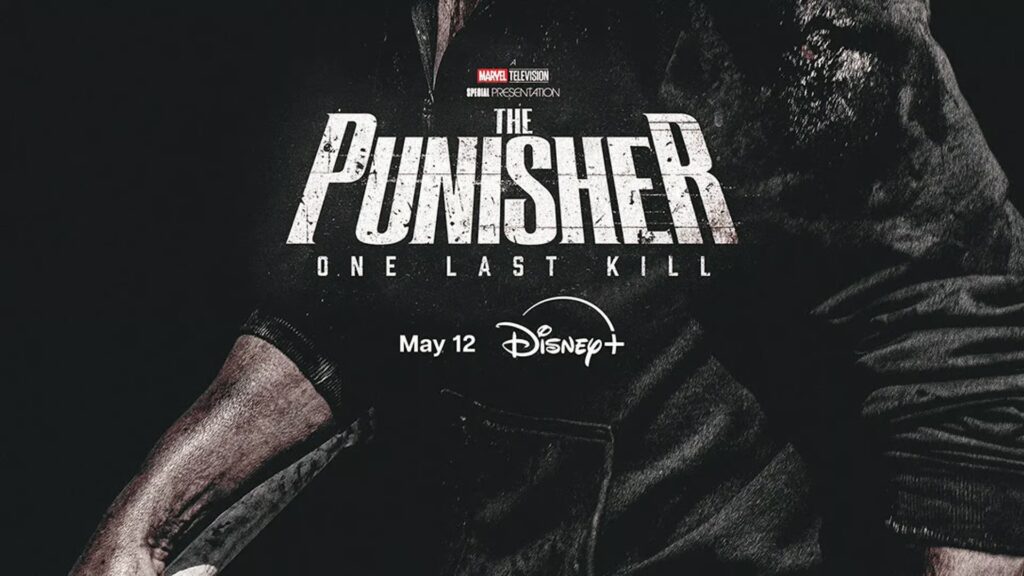
The Punisher: One Last Kill is a dark, psychologically driven Marvel narrative centered on Frank Castle, presenting one of the most extreme explorations of violence and trauma in modern comic storytelling. The story focuses on Frank Castle at a point where his identity as The Punisher is no longer just a role he plays but a psychological condition that defines every aspect of his existence.
Unlike traditional superhero arcs that rely on external conflict or world-ending threats, this storyline is deeply internal. The primary tension is not between heroes and villains in the conventional sense, but between Frank Castle and his own deteriorating moral framework. The narrative uses violence not as spectacle, but as a psychological language that reflects grief, obsession, and emotional collapse.
The attention surrounding the story is largely driven by online discourse, where readers and viewers have described one sequence in particular as potentially the most disturbing moment ever associated with Marvel storytelling. This reputation has turned One Last Kill into a focal point of debate around how far mainstream superhero franchises can or should go in depicting psychological violence.
The story also stands out because it rejects the traditional redemption arc. Instead of healing or transformation, it leans into deterioration, showing a protagonist who becomes more entrenched in his identity as The Punisher with each decision he makes.
Is the Punisher: One Last Kill Canon in the Marvel Universe Timeline
The question of canonicity surrounding One Last Kill is complex due to Marvel’s layered multiverse structure. The character of Frank Castle exists across multiple continuities, ranging from mainline Marvel Universe stories to alternate reality interpretations and “What If” scenarios.
In the main Marvel continuity, Frank Castle is typically portrayed as a grounded vigilante operating within street-level narratives involving organized crime, corruption, and urban decay. However, One Last Kill appears to function more as a thematic or psychological extension rather than a strict continuation of established canon.
This means the story is best classified as semi-canonical or alternate-canon. It reflects what the character represents at his most extreme rather than anchoring itself firmly within the primary timeline. Marvel has historically used this storytelling approach to explore darker or more experimental versions of established characters without altering the core continuity.
As a result, readers are encouraged to interpret the narrative as an exploration of possibility rather than a fixed event in Frank Castle’s official timeline.
Frank Castle’s Return: What this Story Reveals About the Punisher
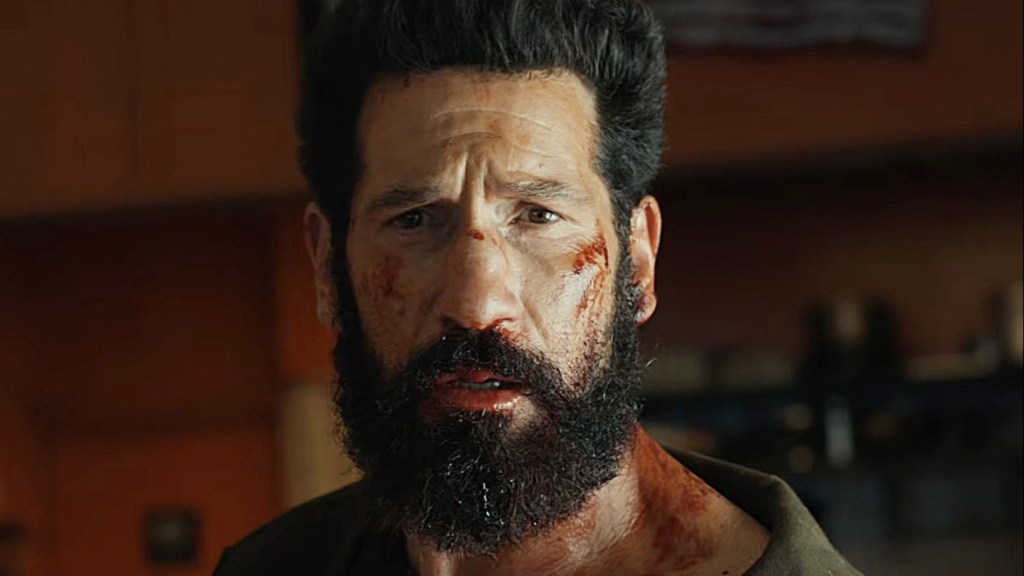
The return of Frank Castle in One Last Kill is less of a triumphant comeback and more of a psychological re-entry into a state of unresolved trauma. The story suggests that Frank Castle never truly “leaves” his identity as The Punisher because that identity is built from irreversible emotional damage.
The narrative reveals several key aspects of his character:
- First, it reinforces the idea that Frank Castle is unable to separate himself from violence. Even in moments of calm or reflection, his mindset gravitates back toward conflict. Violence becomes not just a tool but a form of emotional processing.
- Second, the story emphasizes emotional stagnation. While other characters in Marvel often evolve through relationships or moral lessons, Frank remains trapped in a cycle where every loss reinforces his worldview rather than challenging it.
- Finally, the story highlights the absence of closure. There is no indication that Frank Castle can ever achieve peace, suggesting that his return is not an event but a continuation of an endless internal war.
Why Fans Are Calling it the Most Disturbing Marvel Scene Ever
The most controversial sequence in One Last Kill has gained notoriety for its psychological intensity rather than its visual violence. Fans describe it as disturbing because it removes the emotional distance typically present in superhero action scenes.
Instead of fast-paced combat or stylized confrontation, the scene unfolds slowly, forcing the audience to remain within the emotional consequences of the moment. The discomfort arises from several factors:
- The intimate scale of the violence
- The emotional vulnerability of the characters involved
- The prolonged focus on aftermath rather than action
- The absence of clear moral framing
Because Frank Castle is already a morally complex character, the escalation of his behavior in this scene feels like a breakdown rather than a narrative event. This distinction is what makes it particularly unsettling for audiences.
Breakdown of the Most Shocking Moment in One Last Kill
The most discussed moment in One Last Kill is structured as a psychological rupture rather than a traditional action climax. It is not defined by who wins or loses a fight, but by the internal collapse of Frank Castle’s emotional stability.
The sequence typically unfolds in three phases:
- The first phase involves emotional triggering. Frank is confronted with a situation that mirrors or reflects his original trauma, forcing suppressed memories to resurface. This is not presented through exposition but through visual and behavioral cues that emphasize emotional overload.
- The second phase is escalation. Instead of rational decision-making, Frank transitions into instinct-driven action. The narrative slows down, emphasizing sensory detail, hesitation, and emotional fragmentation.
- The third phase is aftermath. Unlike conventional superhero storytelling, there is no immediate resolution. The focus shifts to silence, stillness, and psychological weight. The absence of dialogue or explanation reinforces the idea that something irreversible has occurred.
This structure is what elevates the scene from shocking to disturbing, as it refuses to provide emotional relief.
How the Punisher’s Violence Has Evolved Across Marvel Stories
The portrayal of Frank Castle has undergone significant transformation over the decades. In early comic book appearances, violence was stylized and often presented with a clear distinction between hero and villain.
As storytelling matured, Marvel began exploring more grounded interpretations. Violence became less about spectacle and more about consequence. Frank Castle was no longer simply eliminating enemies; he was navigating moral ambiguity in environments shaped by crime, corruption, and systemic failure.
In modern interpretations, especially streaming-era adaptations, violence is often tied directly to psychological trauma. The focus shifts from what Frank does to why he cannot stop doing it.
One Last Kill represents the most extreme version of this evolution by removing nearly all external justification. Violence is no longer framed as strategy or justice but as compulsion.

Psychological Themes Behind Frank Castle’s Darkest Decisions
The psychological foundation of One Last Kill is built around trauma theory and behavioral repetition. The character of Frank Castle operates from a mindset shaped by unresolved grief, where emotional pain is continuously redirected into external aggression.
Key psychological themes include:
- Trauma repetition, where Frank unconsciously recreates situations that mirror his original loss. This creates a cycle where violence becomes both cause and effect.
- Emotional numbing, where repeated exposure to violence reduces emotional responsiveness, making increasingly extreme actions feel normal within his internal logic.
- Identity fusion, where Frank no longer distinguishes between his personal self and The Punisher persona. The mask is no longer symbolic; it is totalizing.
These themes combine to create a portrait of a character who is not simply violent, but psychologically locked into violence as identity.
Comparing One Last Kill to Netflix’s the Punisher Series
The Netflix adaptation of Frank Castle presents a grounded interpretation focused on military trauma, conspiracy narratives, and personal relationships. The violence, while intense, is framed within a structured storyline that often emphasizes procedural or tactical elements.
In contrast, One Last Kill removes much of this structural grounding. Instead of external missions or organized threats, the story focuses almost entirely on internal collapse.
Where Netflix’s version allows moments of emotional grounding through allies and reflection, One Last Kill isolates Frank emotionally, removing stabilizing influences and amplifying psychological descent.
This makes the tone significantly more oppressive, as there are fewer narrative breaks from tension or moral ambiguity.
Is Marvel Pushing the Limits of Violence with this Storyline
Marvel’s recent storytelling trends indicate a gradual shift toward more mature thematic content, particularly in street-level narratives. One Last Kill represents a potential endpoint of this trajectory, where psychological violence becomes the central storytelling mechanism.
The concern among audiences is not simply the presence of violence but its emotional framing. By emphasizing consequences and internal breakdown rather than resolution, the story pushes readers into prolonged discomfort.
This approach raises questions about the boundaries of mainstream superhero storytelling and whether characters like Frank Castle can be used to explore horror-adjacent psychological narratives.

Character Analysis: Frank Castle’s Moral Collapse Explained
Frank Castle’s moral framework is traditionally defined by absolute retribution. However, One Last Kill depicts a collapse of even this rigid structure.
Initially, Frank operates under a strict internal code: criminals are guilty, and punishment is absolute. Over time, however, the clarity of this code erodes. Situations become less clear, emotional responses become more dominant, and decision-making becomes increasingly reactive.
The collapse occurs in stages:
- Loss of moral clarity, where distinctions between levels of guilt fade.
- Loss of emotional control, where grief overrides structured thinking.
- Loss of identity boundaries, where Frank Castle and The Punisher become indistinguishable.
This progression transforms him from a vigilante into a symbol of unchecked psychological escalation.
How One Last Kill Reflects Modern Anti-Hero Storytelling in Marvel
Modern Marvel storytelling increasingly embraces anti-heroes who lack clear moral direction. One Last Kill reflects this shift by presenting a protagonist who does not move toward redemption or villainy, but deeper into psychological contradiction.
This aligns with broader narrative trends where:
- Trauma defines character motivation
- Moral ambiguity replaces heroism
- Resolution is symbolic rather than literal
Frank Castle becomes a case study in what happens when an anti-hero narrative removes external grounding entirely.
Fan Reactions to the Darkest Punisher Scene so Far
Fan responses to One Last Kill are highly polarized. Some readers view it as a bold psychological exploration of trauma and violence, while others see it as excessive in its emotional intensity.
Common reactions include shock at the narrative’s refusal to provide relief, appreciation for its psychological depth, and debate over whether the story crosses a line in its depiction of suffering.
The intensity of discussion itself reflects how deeply the storyline resonates, particularly among audiences familiar with previous interpretations of The Punisher.

Hidden Details and Symbolism in the Punisher: One Last Kill
Symbolism plays a major role throughout the narrative. The story uses visual and thematic cues to reinforce psychological breakdown.
Fractured reflections often appear during moments of decision, symbolizing identity fragmentation. Silence following violent acts emphasizes emotional emptiness rather than triumph. Repeated visual motifs tied to Frank Castle’s past reinforce the cyclical nature of trauma.
These symbolic layers deepen the narrative beyond surface-level violence, positioning it as a psychological study rather than action-driven storytelling.
Could this Story Impact Future Marvel Street-Level Projects
If Marvel continues exploring themes introduced in One Last Kill, future street-level projects could adopt more psychologically focused storytelling approaches.
This may include:
- Greater emphasis on trauma-driven narratives
- Reduced reliance on traditional hero-villain structures
- More experimental depictions of moral ambiguity
Characters like Frank Castle could serve as templates for exploring darker psychological storytelling within the Marvel framework.
Why the Punisher Remains Marvel’s Most Controversial Character
Frank Castle remains one of Marvel’s most controversial figures because his ideology directly challenges conventional superhero morality. Unlike heroes who avoid lethal force, The Punisher operates on the belief that extreme violence is justified in the pursuit of justice.
This raises ongoing ethical debates about vigilantism, justice systems, and media representation of trauma. His character exists in a space where readers are forced to confront uncomfortable questions about morality and consequence.
Frequently Asked Questions (FAQs)
- What is The Punisher: One Last Kill about?
It explores Frank Castle’s psychological breakdown during an extreme escalation of violence. - Is it canon in Marvel continuity?
It is generally considered alternate or semi-canonical. - Why is it considered disturbing?
Because it emphasizes emotional trauma and psychological collapse rather than action. - Who is Frank Castle?
A Marvel vigilante known as The Punisher. - Does it change his origin story?
No, it expands on his psychological state. - Is it more violent than Netflix’s Punisher?
It is more psychologically intense and emotionally focused. - What themes does it explore?
Trauma, identity, violence, and moral decay. - Why is fan reaction divided?
Due to its extreme tone and emotional heaviness. - Is it Marvel’s darkest story?
It is widely regarded as one of the darkest interpretations. - Could it affect future Marvel stories?
It may influence future street-level storytelling tone.

Conclusion
The Punisher: One Last Kill represents one of the most psychologically intense portrayals of Frank Castle ever explored in Marvel storytelling. By focusing on trauma, identity collapse, and moral erosion, it transforms violence from spectacle into psychological experience. Whether interpreted as canon or alternate narrative, its impact lies in its refusal to separate action from consequence, leaving audiences with a stark examination of what happens when vengeance becomes identity.
Sources and Citations
- Marvel Official Website
https://www.marvel.com - Marvel Comics – The Punisher character overview
https://www.marvel.com/characters/punisher-frank-castle - Marvel Database (Fandom) – Frank Castle / Punisher lore compilation
https://marvel.fandom.com/wiki/Frank_Castle_(Earth-616) - Netflix – The Punisher series page
https://www.netflix.com/title/80117498 - Encyclopedia Britannica – Vigilantism (contextual background)
https://www.britannica.com/topic/vigilantism - IGN – The Punisher TV series reviews and analysis
https://www.ign.com/articles/the-punisher-season-1-review
Recommendations
- New Marvel Rivals Skin is Free for Disney+ Subscribers: How to Claim the Loki “Twilight Aurora” Costume, Eligibility, and Fan Reaction
- Everwind Early Access Launch Explained: Why This Minecraft-Like Voxel Sandbox RPG With Flying Islands Is Getting Attention
- Daredevil: Born Again Season 2 Review – A Darker, Grittier Marvel Comeback That Surpasses Season 1
- Koshmar: The Last Reverie Preview – Fast-Paced Action-Adventure With a Mass Effect-Like Morality System
- Marvel Heroes and their Evil Version: The Best Dark Counterparts, Alternate Universes, and Corrupted Variants
- How do I lock a camera to an object in Blender?
- Devil May Cry Netflix Series: Release Date, Plot, Cast, and Everything We Know So Far
- 3D Hair Assets for Visual Storytelling and Virtual Identities: Best Practices for Interactive Media, Customization, Fashion, and Digital Twins
- The Sims 4 is Getting a Massive (and Desperately Needed) Overhaul: How EA is Making it Smoother, More Intuitive, and More Consistent
- Saros “Carcosan Cartographer” Trophy Guide: How to Survive 33 Expeditions (Clair Obscur: Expedition 33 Easter Egg)



































































































