









In This Article (7 sections)
Xbox Elite Series 3 Controller Leak Reveals Potential 2026 Release Date, New Design, and Major Upgrades
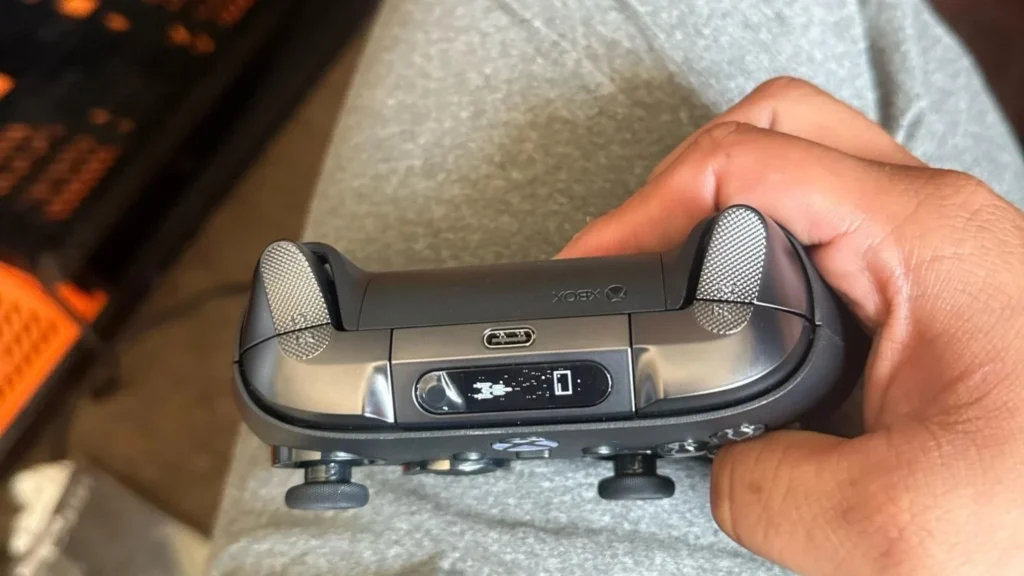
The Xbox Elite Series 3 controller appears to have leaked ahead of Microsoft’s official announcement, revealing several potential upgrades that could make it the company’s most advanced premium gaming controller. Reports published on October 6, 2026, describe information allegedly discovered within Xbox Design Lab, alongside earlier regulatory images and prototype photographs. The rumored improvements include magnetic thumbsticks, advanced haptic feedback, expanded customization, new audio controls, direct Wi-Fi connectivity, and a replaceable rechargeable battery.
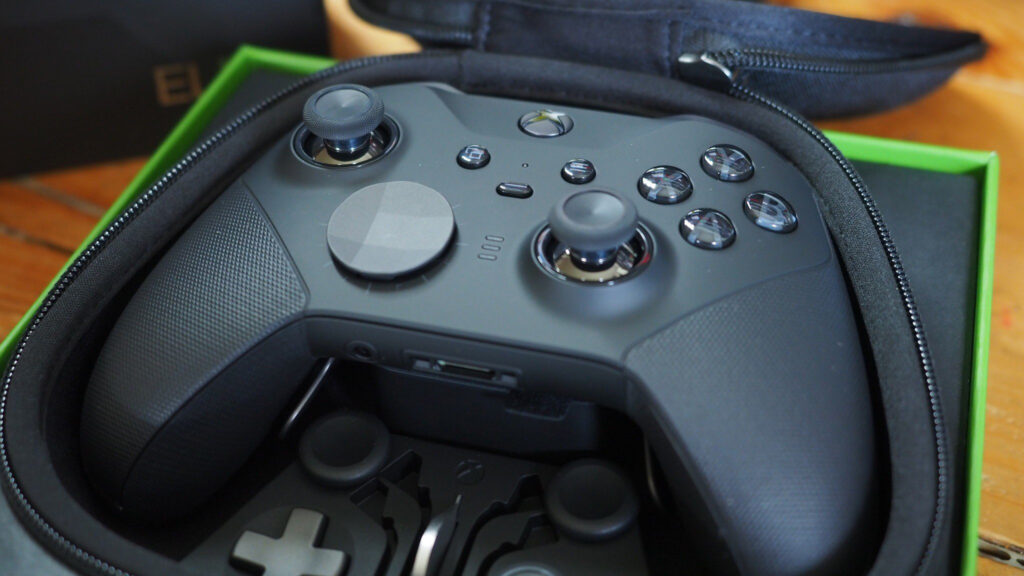
The reported features have attracted attention because they address several longstanding concerns surrounding the Xbox Elite Wireless Controller Series 2. Although the existing controller offers adjustable thumbstick tension, interchangeable components, rear paddles, and extensive customization, users have reported problems involving stick drift, bumper reliability, deteriorating grips, and limited repairability. With the Series 2 originally launching in 2019, a substantial redesign could help Microsoft compete with newer premium controllers offering technologies that were less common when its previous model arrived.
Windows Central reported on October 6, 2026, that Reddit users had allegedly discovered upcoming controller configuration details within Xbox Design Lab’s online infrastructure. The information reportedly described multiple thumbstick modules, advanced vibration systems, alternative paddle arrangements, customizable faceplates, and several hardware configurations. However, the outlet acknowledged that it could not independently verify the removed source material.
This distinction is important because the existence of detailed product descriptions does not establish that every reported feature will appear in the finished controller. Microsoft may test several configurations before deciding which components to include in a retail product.
The major rumored improvements include:
- Hall Effect and TMR thumbsticks: Magnetic sensing technologies that could reduce certain causes of stick drift.
- Advanced haptic feedback: Potential voice coil actuator motors offering more detailed vibration effects.
- Dedicated audio controls: Scrollable wheels that may provide quicker access to headset settings.
- Expanded Xbox Design Lab customization: Additional colors, faceplates, thumbstick configurations, and accessories.
- New rear paddles and D-pad designs: Alternative layouts intended to improve comfort and control.
- Direct Wi-Fi connectivity: A possible connection method designed to support cloud gaming.
- Replaceable rechargeable battery: A potential improvement in maintenance and long term usability.
Microsoft has not confirmed an official Xbox Elite Series 3 release date as of October 8, 2026. Nevertheless, reports surrounding the alleged controller suggest that an announcement could be approaching. Windows Central journalist Jez Corden indicated that the controller might arrive before Christmas 2026, based on information he had heard and the timing of the reported Design Lab discovery.
A holiday release would align with the popularity of premium gaming accessories during the end of year shopping season. Microsoft could also use the controller to reinforce its investment in dedicated Xbox hardware while introducing improvements that appeal to competitive players and gaming enthusiasts.
However, a release before Christmas remains speculative. Earlier reports connected Microsoft’s next generation controller plans with its June 7, 2026 gaming showcase, but those expectations did not establish a confirmed announcement. Hardware development schedules can change because of manufacturing requirements, component availability, certification procedures, and software readiness.
Even if the reported controller has reached an advanced development stage, Microsoft could announce it in 2026 and begin shipping in 2027. It could also introduce selected configurations before expanding the complete lineup.
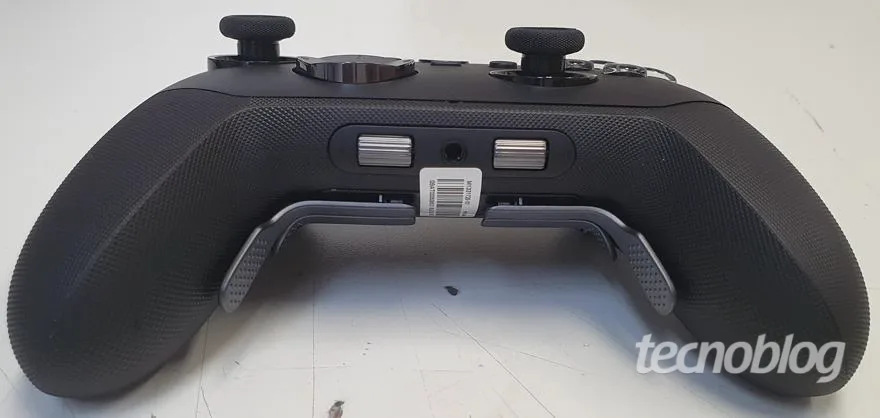
The leaked controller design has reportedly appeared in more than one source. In May 2026, Windows Central covered images associated with Brazil’s telecommunications regulator, Anatel, following reporting from Brazilian technology publication Tecnoblog. The photographs appeared to show a controller retaining the familiar Xbox layout while introducing additional controls near the bottom edge.
Two scrollable wheels were reportedly visible near the headset connector, suggesting that Microsoft may be experimenting with new physical input methods. The images also indicated changes to the battery compartment, raising the possibility of a user replaceable rechargeable battery.
Another alleged prototype emerged in August 2026 when photographs appeared in the Reddit r/Controller community. Windows Central reported on the images on August 12, although the original post was subsequently removed, limiting independent verification.
The photographs contributed to speculation that Microsoft’s next premium controller had progressed beyond early design concepts. However, prototype hardware does not necessarily represent the final retail version. Manufacturers frequently experiment with alternative components, layouts, and internal construction before selecting a production design.
The reported appearance suggests that Microsoft may preserve the familiar Xbox controller shape while concentrating its most significant upgrades on internal hardware. Maintaining the asymmetrical thumbstick layout and established face button positions would allow existing Xbox players to adapt quickly, while improved sensors, haptic motors, and connectivity systems could provide more substantial technical differences.
Pricing remains another major unanswered question. Microsoft has not announced an official Xbox Elite Series 3 price, and the alleged Design Lab information reportedly did not contain confirmed retail figures.
For comparison, the Xbox Elite Wireless Controller Series 2 has been listed through Xbox Design Lab starting at $169.99 in the United States. The Series 2 Core also provides a less expensive option by excluding some accessories included with the complete package.
Based on Microsoft’s established premium controller positioning, a possible Series 3 configuration could cost approximately $150 to $200, while a more advanced version might reach $200 to $250 or more. These figures are estimates rather than leaked or confirmed prices.
The reported Design Lab information also describes four potential product configurations. Two allegedly include advanced haptic hardware, while the other two use a simpler vibration arrangement. Additional differences could involve accessory bundles or internal hardware choices, although the exact structure remains uncertain.
A lower priced version might appeal to competitive players who prioritize responsive inputs, while a more expensive configuration could emphasize advanced haptics, additional accessories, and premium construction.
Until Microsoft confirms the product, its final design, number of editions, release date, and retail pricing remain unverified.
Xbox Elite Series 3 Hall Effect Thumbsticks, Haptic Feedback, Design Lab Customization, and New Controls
Magnetic thumbstick technology could become the most important improvement in the Xbox Elite Series 3 controller. The October 2026 leak reportedly describes configurations using Hall effect and tunneling magnetoresistance sensors, commonly known as TMR. Both technologies offer alternatives to the conventional potentiometers used to measure analog stick movement in many gaming controllers.
Traditional potentiometer systems rely on electrical contacts that can experience wear during repeated use. Over time, deterioration or inaccurate readings may cause the controller to register movement when the stick is supposed to remain centered. This behavior is commonly known as stick drift.
Hall Effect sensors measure changes in magnetic fields rather than depending on the same sliding contacts used by conventional potentiometers. A magnet moves with the thumbstick mechanism, and the sensor interprets changes in its magnetic field to determine directional input.
Because the position sensing process avoids a common source of physical contact wear, Hall Effect technology can reduce certain causes of drift. However, it does not make a controller permanently immune to inaccurate movement. Mechanical components, springs, calibration systems, and electronic parts can still develop faults.
TMR thumbsticks also use magnetic sensing but rely on a different measurement principle. Their operation involves changes in electrical resistance associated with magnetic tunnel junctions. Depending on their implementation, TMR sensors can provide sensitive magnetic field measurements and efficient power consumption.
However, neither technology automatically guarantees superior responsiveness. Gaming performance also depends on firmware processing, polling behavior, mechanical design, calibration, and dead zone settings.
For competitive players, magnetic thumbsticks could offer more consistent aiming and directional control over extended periods. Precision shooters benefit from accurate small movements, while racing games require smooth steering input. A controller that maintains stable analog measurements could therefore provide practical advantages across several genres.
Adjustable thumbstick tension may also return with additional customization options. The Elite Series 2 allows users to select three mechanical tension settings, changing the resistance experienced when moving the sticks. The latest leak describes standard, loose, and tight thumbstick variants, alongside possible low friction and quieter options.
It remains unclear whether these represent interchangeable modules, mechanically adjustable assemblies, or separate preconfigured components. The distinction matters because choosing between different thumbstick modules is not the same as adjusting tension within a single mechanism.
Players may prefer different levels of resistance depending on the game. Lighter tension can support rapid movement, while stronger resistance may help some users make controlled aiming adjustments. Neither configuration is universally better, making customization an important part of the Elite controller experience.
Advanced haptic feedback is another major rumored addition. According to the alleged Design Lab information, Microsoft may introduce configurations featuring voice coil actuator motors. These components use electromagnetic forces to generate controlled physical movement and could provide more detailed tactile sensations than conventional rotating mass vibration motors.
Traditional controller rumble communicates events such as explosions, collisions, weapon recoil, and vehicle movement. More sophisticated haptic actuators may produce a wider range of sensations, potentially allowing subtle environmental interactions to feel different from heavy impacts.
However, advanced haptics should not be confused with adaptive triggers. Haptic systems primarily generate tactile sensations, while adaptive triggers can alter the resistance encountered when a player presses a trigger.
Sony’s DualSense controller demonstrates how these technologies can complement one another, but the available Xbox Elite Series 3 leaks do not establish that Microsoft is introducing equivalent adjustable trigger resistance.
The reported information references conventional Impulse Trigger functionality alongside more advanced vibration motors. Microsoft’s Elite Series 2 already supports Impulse Triggers and adjustable vibration settings, so a newer controller could focus on improving tactile detail rather than introducing an entirely different trigger mechanism.
The alleged existence of multiple haptic configurations could also provide consumers with different options. Competitive players who prioritize input response and simpler hardware may prefer a less elaborate configuration, while players interested in immersive single player experiences could choose advanced haptics.
Xbox Design Lab customization could extend beyond cosmetic changes. Microsoft’s existing service allows users to select colors, metallic accents, engraving, and interchangeable accessories for supported controllers. The rumored Series 3 information suggests additional hardware options that could make the customization process more extensive.
Potential options include:
- Custom faceplates: Metallic finishes, decorative designs, and additional colors.
- Thumbstick modules: Different tension, surface, and movement characteristics.
- Rear paddles: Shorter, longer, wider, and alternative shapes.
- Butterfly paddle arrangements: A possible alternative rear control layout.
- D-pad designs: Conventional cross layouts and faceted or textured configurations.
- Haptic configurations: Potential choices between advanced and conventional vibration systems.
- Personalized engraving: A possible continuation of Microsoft’s existing customization feature.
Windows Central reported that the alleged configuration data referenced 27 mapped topper and paddle combinations. However, this figure should not be interpreted as confirmation of 27 separate retail accessories. The information remains unverified and could refer to different combinations within a customization system.
Rear paddles remain especially important for competitive gaming. The Elite Series 2 supports four removable paddles that allow players to activate assigned controls without removing their thumbs from the analog sticks. This can make simultaneous aiming, movement, and action inputs more convenient.
Alternative paddle shapes could improve comfort for players with different hand sizes and grip styles. Shorter paddles may require less reach, while wider designs might provide easier activation. However, poorly positioned controls can increase accidental presses, making ergonomics just as important as the number of available options.
The D-pad is another component where individual preferences matter. Fighting game players often value precise directional registration, while platforming enthusiasts may prefer a clearly defined cross layout. Faceted designs can provide a different experience when performing diagonal movements.
The rumored options could allow buyers to select configurations suited to their preferred genres, although the leaks do not establish whether every design differs mechanically or primarily in appearance.
New audio scroll wheels could provide another practical improvement. Earlier regulatory reports described two scrollable controls near the headset connection, while the October Design Lab information mentioned an audio control wheel.
These accounts suggest related features, but the difference between one wheel and two has not been officially resolved.
A physical audio wheel could allow players to adjust headset volume without navigating console menus. Depending on its final implementation, it might also support game and chat audio balance, which could be useful during multiplayer sessions.
Some speculation has suggested that scrollable controls could be assigned to gameplay functions. In simulation games such as Microsoft Flight Simulator, rotary inputs might be useful for adjusting selected systems. Similar controls could potentially support camera functions, inventory selection, or accessibility features.
However, these possibilities require appropriate software support. Microsoft could ultimately restrict the new wheels to audio controls, and existing games would not necessarily recognize them as additional inputs.
Together, the rumored magnetic thumbsticks, advanced haptics, expanded customization, and new physical controls suggest a substantial technical update to the Elite controller formula. Their practical value will depend on Microsoft’s implementation, compatibility, durability, and whether the features operate consistently during extended gameplay.
Xbox Elite Series 3 vs Elite Series 2: Wi-Fi Gaming, Battery Life, Compatibility, and Whether to Wait
The Xbox Elite Series 3 could introduce meaningful differences from the Elite Series 2, particularly in thumbstick technology, wireless connectivity, battery accessibility, and internal construction. However, the existing controller remains a capable premium accessory, making the decision to upgrade dependent on verified improvements rather than speculation alone.
The Elite Series 2 already offers interchangeable thumbsticks, adjustable tension, rear paddles, trigger locks, customizable profiles, and connectivity through Xbox Wireless, Bluetooth, and USB-C. Microsoft’s advertised battery life reaches up to 40 hours under its stated conditions.
The rumored successor could retain these features while expanding its technical capabilities.
The most important potential differences include:
- Thumbstick sensing: Conventional analog sensors on Series 2 versus rumored Hall Effect or TMR technology on Series 3.
- Haptic feedback: Existing rumble and Impulse Triggers versus possible advanced voice coil actuators.
- Audio controls: Conventional headset and menu controls versus rumored integrated scroll wheels.
- Customization: Established Elite accessories and Design Lab colors versus additional internal configurations and paddle designs.
- Wireless connectivity: Xbox Wireless and Bluetooth versus potential direct Wi-Fi support.
- Battery maintenance: Integrated rechargeable battery versus a rumored user replaceable rechargeable battery.
- Repairability: Existing maintenance limitations versus reported efforts to improve accessibility and component durability.
Direct Wi-Fi connectivity could become one of the most distinctive Series 3 features. Earlier reporting associated the controller with a possible cloud gaming mode that allows inputs to communicate through a network connection rather than relying entirely on a separate device’s Bluetooth connection.
In a conventional cloud gaming setup, a controller sends commands to a phone, television, tablet, or computer, which then communicates with the cloud gaming service.
A controller featuring direct network connectivity could potentially reduce some local communication overhead. This might improve responsiveness under certain conditions, particularly where Bluetooth introduces additional processing delays.
However, overall cloud gaming latency involves several stages, including controller processing, internet transmission, server response, video encoding, network delivery, and display processing. Direct Wi-Fi would not eliminate delays caused by poor internet connectivity or distant servers.
Microsoft would therefore need to demonstrate measurable improvements before claims of lower latency could be considered established.
The reported controller may also support easier switching between consoles, PCs, and other devices. Such functionality would be attractive to players who regularly alternate between Xbox hardware, Windows gaming, and Xbox Cloud Gaming. However, the exact connection methods and switching controls remain unconfirmed.
Battery accessibility represents another possible improvement over the Series 2. Regulatory image reporting from May 2026 suggested that the next controller might feature a rechargeable battery that users can replace themselves.
The same report indicated that the battery could have approximately 500mAh less capacity than its predecessor. However, battery capacity alone does not determine runtime. Actual endurance depends on power consumption, connectivity, haptic motors, firmware efficiency, and other hardware components.
A smaller battery could still provide competitive endurance if Microsoft improves efficiency, while additional features might increase energy consumption. Without official specifications, there is no reliable basis for establishing the Series 3’s expected battery life.
A replaceable battery could nevertheless provide meaningful long term benefits. Rechargeable batteries gradually lose capacity, and easier replacement may allow owners to maintain an otherwise functional controller rather than replacing the entire device.
This could reduce maintenance costs and improve the overall ownership experience, provided replacement components remain available.
Durability will be one of the most important factors determining whether the new controller justifies its price. Windows Central’s October reporting indicated that repairability and quality control were priorities based on information attributed to sources familiar with the hardware.
These objectives would address longstanding concerns about the Elite Series 2, including bumper failures, stick drift, and deteriorating grips.
However, a reported focus on durability does not establish that Microsoft has solved those problems. Improved materials, redesigned components, and better manufacturing processes would need to demonstrate reliable performance through independent testing and extended use.
A controller may perform well during initial reviews while developing faults months later, making long term reliability particularly important for an expensive gaming accessory.
Compatibility with Xbox Series X, Xbox Series S, and Windows PCs is strongly expected, given Microsoft’s established controller ecosystem. The Elite Series 2 already supports those platforms alongside Xbox One consoles and selected mobile devices.
Maintaining support for current Xbox hardware would allow Microsoft to introduce a premium controller without requiring existing customers to purchase a new console.
However, Microsoft has not published an official Series 3 compatibility list. Support for older Xbox consoles and the availability of advanced features across different operating systems remain unanswered.
New functions such as scroll wheels, direct Wi-Fi, and advanced haptics may also require firmware updates, Xbox Accessories app improvements, or game specific support.
The controller has additionally been discussed alongside Microsoft’s wider hardware strategy, including next generation Xbox development under the Project Helix initiative. Nevertheless, there is no confirmed evidence that the rumored Series 3 requires Project Helix or will be exclusive to future Xbox hardware.
Whether players should buy the Elite Series 2 or wait for Series 3 depends on their immediate needs and priorities. The existing controller offers established customization features, documented compatibility, and a mature accessory ecosystem. Buyers who need a premium controller immediately may find it attractive, particularly when available at a reduced price.
However, players who already own a functional controller may benefit from waiting for an official Series 3 announcement. This would allow them to compare verified specifications, pricing, battery life, and independent performance reviews before making a decision.
Several factors could influence whether the new controller is worth purchasing:
- Competitive shooters: Accurate thumbsticks, consistent input response, comfortable paddles, and low latency.
- Racing games: Smooth analog steering, adjustable tension, and dependable controls.
- Fighting games: Precise D-pad operation and suitable directional layouts.
- Single player experiences: Comfortable ergonomics, battery endurance, and advanced haptics.
- Cloud gaming: Reliable wireless connectivity and responsive input transmission.
- Long term ownership: Replaceable components, repairability, and manufacturing quality.
- Customization enthusiasts: Interchangeable hardware, distinctive finishes, and personalized configurations.
For some players, the rumored magnetic thumbsticks may provide the strongest reason to upgrade. Others may place greater value on improved haptics, a replaceable battery, or additional rear paddle designs.
Nevertheless, a controller with more features is not automatically better than one offering reliable performance and comfortable operation. Microsoft must demonstrate that its new technologies provide practical advantages rather than simply increasing complexity and cost.
The reported holiday 2026 launch window also remains uncertain. Buyers should not assume that every rumored feature will be included or that a complete lineup will become available before Christmas.
Ultimately, the Xbox Elite Series 3 controller leaks suggest that Microsoft may be preparing one of its most substantial premium controller upgrades since the Elite Series 2 launched in 2019. Magnetic sensors, advanced vibration technology, improved repairability, and expanded connectivity could address several weaknesses of the existing hardware while providing new customization opportunities.
However, the complete specifications, retail price, compatibility, and release date remain unconfirmed as of October 8, 2026.
The Xbox Elite Series 3 is worth watching, but its true value will depend on Microsoft’s final hardware, manufacturing quality, and independent real world testing.
Frequently Asked Questions (FAQs)
- Has Microsoft officially announced the Xbox Elite Series 3 controller?
No. As of October 8, 2026, Microsoft has not officially announced a complete Xbox Elite Series 3 product with confirmed specifications, pricing, and a release date. Several reports have described possible hardware features based on alleged Xbox Design Lab information, regulatory photographs, and prototype images. These leaks suggest that Microsoft may be developing a new premium controller, but they have not been independently verified in full. Until Microsoft confirms the product, its reported features should be treated as preliminary information rather than established specifications. - When is the Xbox Elite Series 3 controller coming out?
Microsoft has not announced an official Xbox Elite Series 3 release date. Windows Central reported expectations that the controller could launch before Christmas 2026, based on information attributed to sources and the timing of the alleged Design Lab leak. However, this remains speculation rather than a confirmed schedule. Microsoft could announce the controller in late 2026 and begin shipping it later, depending on manufacturing readiness, certification, and distribution plans. Buyers should therefore wait for an official announcement before relying on a particular launch window. - Will Xbox Elite Series 3 have Hall Effect or TMR thumbsticks?
The October 2026 leak reportedly describes controller configurations featuring Hall Effect and TMR thumbstick technology. Both systems use magnetic sensing instead of conventional potentiometer based position measurement, potentially reducing wear associated with certain causes of stick drift. Hall Effect sensors measure magnetic fields, while TMR sensors use changes in electrical resistance associated with magnetic tunnel junctions. However, Microsoft has not confirmed either technology for the final controller. Actual accuracy and durability will depend on sensor implementation, mechanical components, calibration, and firmware quality. - How much will the Xbox Elite Series 3 cost?
Microsoft has not disclosed an official price for the Xbox Elite Series 3. Based on its existing premium controller lineup, estimated prices could range from approximately $150 to $250 or more, depending on the configuration and included accessories. Simpler models might cost less, while editions featuring advanced haptics and additional customization could command higher prices. However, these figures are estimates rather than leaked or confirmed retail prices. The final cost will depend on Microsoft’s hardware choices, production expenses, regional pricing, and product positioning. - Will Xbox Elite Series 3 have advanced haptic feedback?
The alleged Xbox Design Lab information suggests that selected Xbox Elite Series 3 configurations could feature advanced haptic feedback using voice coil actuator motors. These components may provide more detailed tactile sensations than conventional rumble motors, potentially improving immersion during gameplay. However, Microsoft has not confirmed the feature or explained how it will operate. Advanced haptics also should not be confused with adaptive triggers, which change trigger resistance. The available reports do not establish that Series 3 will include adaptive trigger functionality equivalent to Sony’s DualSense. - Does Xbox Elite Series 3 support direct Wi-Fi cloud gaming?
Earlier reports suggest that the Xbox Elite Series 3 may support direct Wi-Fi connectivity intended for cloud gaming. Such a feature could potentially allow controller inputs to communicate through a network connection without relying entirely on a separate device’s Bluetooth connection. This might reduce certain sources of local communication delay. However, total cloud gaming latency also depends on internet quality, server responsiveness, video processing, and display performance. Microsoft has not confirmed the final connectivity technology or demonstrated measurable improvements in cloud gaming responsiveness. - Will Xbox Elite Series 3 have replaceable batteries?
Regulatory image reporting from May 2026 suggested that the Xbox Elite Series 3 could feature a user replaceable rechargeable battery. This would represent an improvement over the Elite Series 2’s integrated battery design, potentially making maintenance easier when battery capacity declines. However, Microsoft has not confirmed the battery system, replacement procedures, or official runtime. Reports also suggest that battery capacity may differ from the previous model, but actual endurance will depend on hardware efficiency, wireless connectivity, vibration systems, and other factors. - Can Xbox Elite Series 3 work with Xbox Series X, Xbox Series S, and PC?
Compatibility with Xbox Series X, Xbox Series S, and Windows PCs is strongly expected because these platforms form a major part of Microsoft’s gaming ecosystem. The Elite Series 2 already supports current Xbox consoles and Windows gaming, making continued compatibility a logical priority. However, Microsoft has not released an official Series 3 compatibility list. Support for Xbox One consoles and specific advanced functions remains uncertain. Features such as enhanced haptics, direct Wi-Fi, or additional controls may require updated software, firmware, or game support. - What is the biggest upgrade from Xbox Elite Series 2 to Series 3?
The rumored introduction of Hall Effect or TMR magnetic thumbsticks could be the most significant improvement because it may reduce certain causes of stick drift, a longstanding concern among premium controller users. Other reported upgrades include advanced haptic feedback, additional paddle and D-pad configurations, integrated audio controls, direct Wi-Fi connectivity, and a replaceable battery. However, these features remain unconfirmed. Their actual importance will depend on how effectively Microsoft implements them and whether they provide meaningful improvements in performance, reliability, and comfort. - Should I buy Xbox Elite Series 2 now or wait for Series 3?
Players who need a premium Xbox controller immediately can still consider the Elite Series 2, which offers adjustable thumbstick tension, interchangeable components, rear paddles, and established compatibility. However, those who already own a functioning controller may benefit from waiting for Microsoft’s official Series 3 announcement. The rumored successor could introduce magnetic thumbsticks, advanced haptics, improved repairability, and additional customization options. Waiting would also allow buyers to compare verified prices, specifications, and independent reviews before deciding whether the newer controller justifies its cost.

Conclusion
The Xbox Elite Series 3 controller leak suggests Microsoft may be preparing a significant upgrade to its premium gaming controller lineup. Reported Xbox Design Lab information, regulatory images, and prototype photographs point to potential improvements involving magnetic thumbsticks, advanced haptics, expanded customization, and better repairability.
Hall Effect and TMR thumbsticks could address certain causes of stick drift, while advanced VCA haptics may deliver more detailed tactile feedback. Additional features, including audio scroll wheels, customizable rear paddles, direct Wi-Fi connectivity, and a replaceable battery, could further improve the gaming experience and long term usability.
However, Microsoft has not officially confirmed the controller’s specifications, pricing, compatibility, or release date as of October 8, 2026. The reported features remain unverified, and some could change before launch. Existing Elite Series 2 owners may therefore benefit from comparing official specifications and independent reviews before upgrading.
Ultimately, the Xbox Elite Series 3’s success will depend on more than new features. Reliable thumbsticks, improved durability, meaningful customization, and competitive pricing will determine whether it delivers a worthwhile upgrade for Xbox and PC players.
Sources and Citations
- Windows Central, October 6, 2026: Reports the alleged Xbox Design Lab leak, including Hall Effect and TMR thumbsticks, advanced haptic technology, expanded customization options, and possible controller configurations. Microsoft has not verified these rumored specifications.
The Xbox Elite Controller Series 3 Specs Might’ve Leaked. - Windows Central, May 14, 2026: Examines reported regulatory images associated with Brazil’s Anatel, highlighting possible scrollable controls, direct Wi-Fi connectivity for cloud gaming, and a user-replaceable rechargeable battery.
Xbox Elite Controller Series 3 Leaked in New Images. - Windows Central, August 12, 2026: Discusses photographs allegedly showing an Xbox Elite Series 3 prototype that appeared on Reddit before the original post was removed.
Images of an Apparent Prototype Xbox Elite Series 3 Controller. - Xbox, Official Product Specifications: Microsoft’s official specifications for the existing Elite Series 2 controller, including adjustable thumbstick tension, interchangeable components, rear paddles, battery life, vibration features, and supported platforms.
Xbox Elite Wireless Controller Series 2. - Xbox Design Lab, Official Customization Information: Official details about Elite Series 2 personalization, including colors, finishes, engraving, interchangeable accessories, and pricing.
Xbox Elite Wireless Controller Series 2 Customization. - Xbox, Official Core Controller Specifications: Microsoft’s specifications for the Elite Series 2 Core controller, covering hardware, connectivity, customization, and differences from the full Elite controller package.
Xbox Elite Wireless Controller Series 2 Core.
Recommendations
- PS5 Pro Upgraded PSSR Update Rolls Out Today: First Supported Games, Patch Notes, and How to Enable It
- Tailor Simulator by Zoady: Complete Guide to Gameplay, Workshop Upgrades, Fabrics, and Making Money
- Final Fantasy VII Rebirth May Not Get an Xbox Physical Release: What We Know
- Pokémon Go Free Perfect Mewtwo and Master Ball: How to Claim the Huge One-Off Reward
- GTA 6’s Ultimate Edition Could Make You a Target in GTA Online
- The Odyssey Trailer: Odysseus’ Dog Argos, Charlize Theron’s First Look, Tom Holland vs Robert Pattinson, and Everything We Know
- Capcom Gamescom 2026 Lineup Revealed: Mega Man, Dragon’s Dogma 2 and More Games to Watch
- Castlevania: Belmont’s Curse Bridges the Animated Series and Games
- ONTOS Has Been Delayed Until 2027: Release Window, Platforms, and Why Frictional Games Needs More Time
- How to Simulate Water-Drenched 3D Hair in Blender



































































































