








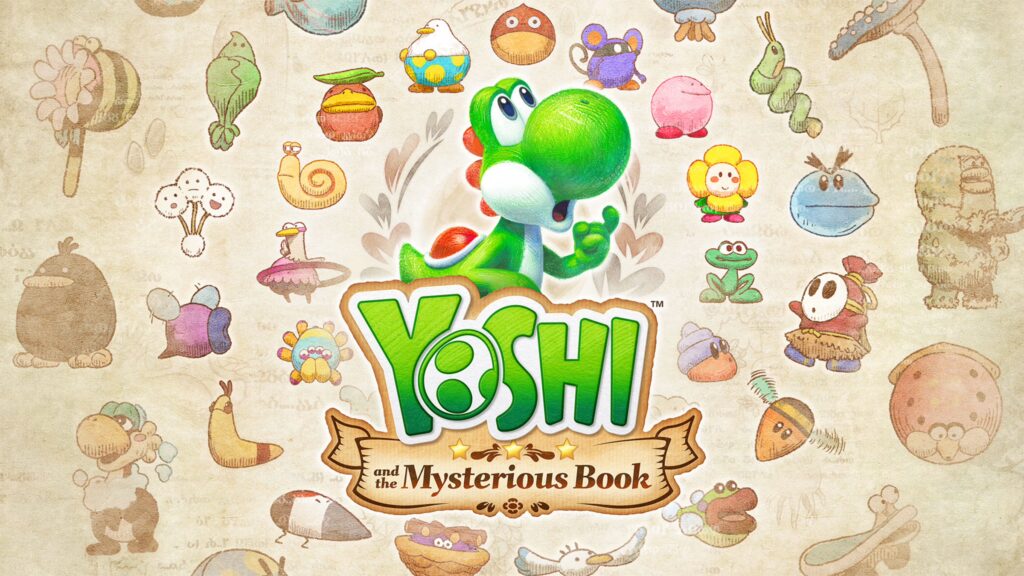
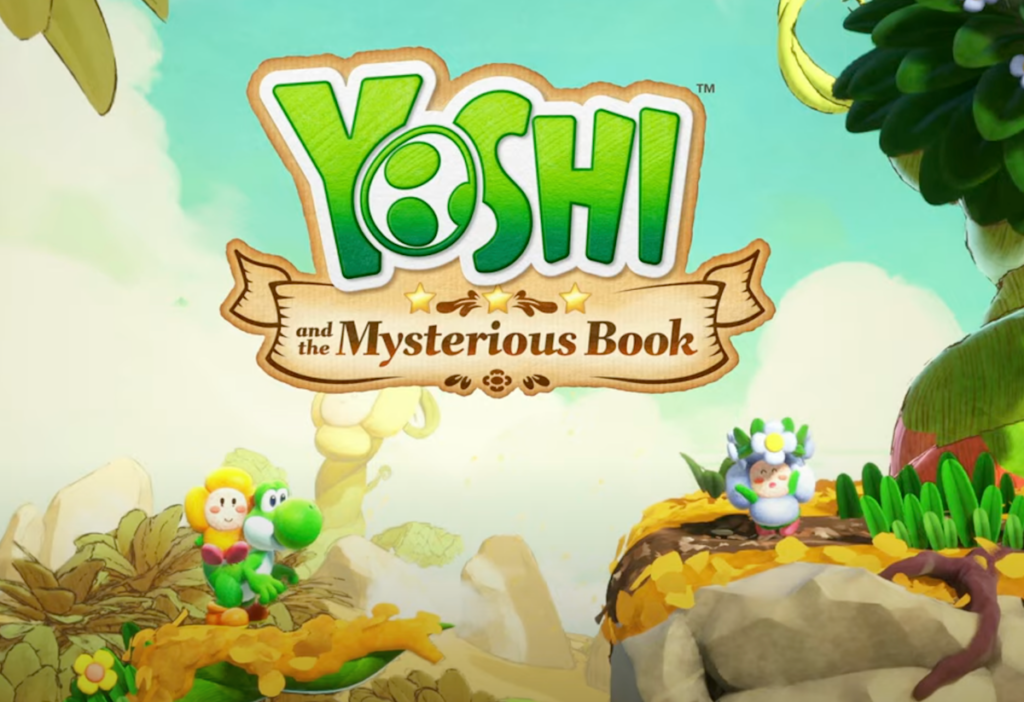
A new Yoshi-themed adventure built around discovery, creativity, and playful platforming, Yoshi And The Mysterious Book positions itself as a charming entry in the long-running Yoshi franchise. With its pastel visuals, whimsical world design, and puzzle-driven progression, the game attempts to blend traditional platforming with storybook-inspired exploration mechanics. However, despite its strong artistic identity and abundance of content, many players and critics note that something intangible is missing, an emotional depth or mechanical spark that earlier entries managed to capture more effectively.
This article provides a comprehensive breakdown of the game, its mechanics, storytelling, design philosophy, and overall player reception while remaining fully optimized for search visibility around the keyword: “Yoshi And The Mysterious Book, Even with cute creatures, some extremely creative ideas, and loads to do, there’s something missing at the heart of Yoshi’s latest adventure.”
In This Article (19 sections)
What is Yoshi and the Mysterious Book About? Full Game Overview
Yoshi And The Mysterious Book centers on Yoshi discovering an ancient enchanted book that contains fragmented worlds, each representing a different story chapter. As Yoshi travels through these pages, he must restore missing words, characters, and illustrations that have been erased by an unknown force.
The core premise blends platforming with narrative reconstruction. Each “page world” functions like a self-contained biome, ranging from candy-colored forests to sketch-like pencil-drawn deserts and watercolor oceans. The mysterious book acts as both a hub and a progression system, guiding players through increasingly complex story fragments.
The main objective is simple but engaging:
- Restore missing pages
- Collect narrative fragments
- Defeat ink-like corruption enemies
- Rebuild the story of the book itself
Despite the appealing setup, the execution prioritizes charm and exploration over deep challenge, which becomes a recurring theme throughout the experience.
Yoshi and the Mysterious Book Gameplay Explained for New Players
The gameplay in Yoshi And The Mysterious Book follows the familiar Yoshi formula: jumping, fluttering, eating enemies, and transforming them into eggs used as projectiles or puzzle tools. However, the game introduces new mechanics tied to the book system.
Key gameplay elements include:
- Page traversal mechanics (moving between illustrated layers of each level)
- Ink restoration puzzles
- Word-based environmental changes (restoring objects by “filling in” missing words)
- Light combat using egg-based attacks
- Collectible-driven progression
New players will find the controls highly accessible. The difficulty curve is intentionally gentle, making it suitable for younger audiences and casual gamers. However, seasoned platforming fans may find the lack of mechanical complexity somewhat limiting over time.
Why Yoshi and the Mysterious Book Feels Visually Charming but Emotionally Flat
One of the most discussed aspects of Yoshi And The Mysterious Book is its strong visual identity paired with a surprisingly muted emotional impact.
The game excels in:
- Soft pastel color palettes
- Hand-drawn storybook aesthetics
- Fluid animation of Yoshi and companions
- Dynamic page transitions
However, despite these strengths, the emotional narrative rarely escalates beyond surface-level storytelling. The stakes remain abstract, and character interactions are minimal. The mysterious book itself, while conceptually intriguing, never fully develops into a deeply symbolic or emotionally resonant element.
This creates a disconnect where players appreciate the beauty of the world but do not always feel emotionally anchored to it.
Core Story of Yoshi and the Mysterious Book and Its Main Themes
The story revolves around restoration, memory, and fragmented imagination. The mysterious book symbolizes lost creativity, and Yoshi’s journey becomes a metaphor for rebuilding forgotten stories.
Core themes include:
- The fragility of storytelling
- The power of imagination
- Restoration of broken worlds
- Curiosity and exploration
Despite these strong thematic foundations, the narrative delivery remains minimalistic. Cutscenes are short, dialogue is sparse, and much of the storytelling is environmental rather than explicit. This design choice contributes to immersion but also reduces emotional engagement for players expecting a stronger narrative arc.

Yoshi and the Mysterious Book Level Design and Exploration Features
Level design is one of the strongest aspects of the game. Each page-world is carefully structured with layered exploration paths and hidden secrets.
Key design features:
- Multi-layered environments (foreground, midground, background traversal)
- Secret ink passages hidden in illustrations
- Puzzle-based progression gates
- Non-linear collectible routes
Exploration is heavily rewarded. Players who deviate from the main path often discover hidden lore fragments and cosmetic upgrades. However, repetition in environmental structure across worlds can reduce novelty over longer play sessions.
What Makes Yoshi and the Mysterious Book Creative but Underwhelming
Creativity is undeniably present in nearly every system of the game. The idea of interacting with a living book that reshapes itself based on player input is innovative within the platforming genre.
Creative highlights include:
- Word restoration mechanics that change level geometry
- Ink corruption enemies that alter terrain behavior
- Dynamic page folding transitions
- Interactive illustrations that respond to movement
Despite this, the underwhelming feeling comes from limited systemic depth. Mechanics are introduced frequently but rarely expanded upon in meaningful ways. This leads to a sense of unrealized potential where ideas are strong but not fully evolved.
Yoshi and the Mysterious Book Characters List and Their Roles
The character roster is relatively small but functionally significant.
- Yoshi: The main protagonist and explorer of the book worlds
- The Mysterious Book: A semi-sentient guide and narrative structure
- Ink Spirits: Antagonistic forces corrupting the pages
- Page Guardians: NPC-like entities protecting specific chapters
- Baby Yoshi variants: Assistive collectibles providing gameplay bonuses
Character interaction is limited, focusing more on function than personality. This design keeps the focus on gameplay but reduces narrative richness.
Is Yoshi and the Mysterious Book Fun for Casual Nintendo Fans?
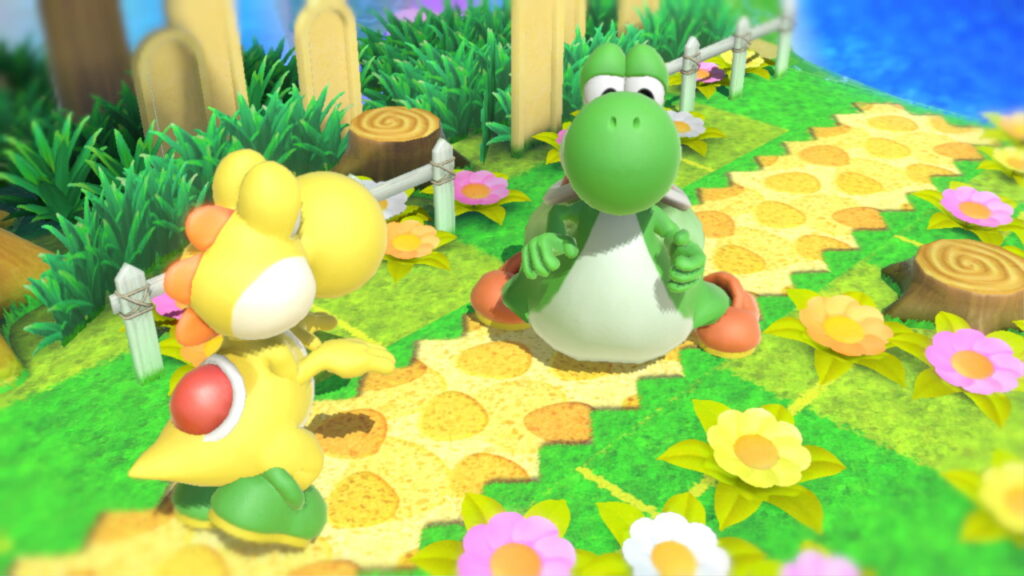
For casual Nintendo fans, the game offers a highly accessible and relaxing experience. The low difficulty, forgiving mechanics, and colorful presentation make it ideal for short play sessions.
Strengths for casual players:
- Easy controls
- Low punishment for mistakes
- Relaxing exploration
- Visual charm and consistency
However, those seeking challenge or deep progression systems may find it too simplistic. The game leans heavily toward comfort gameplay rather than mastery.
Problems with Pacing in Yoshi and the Mysterious Book Gameplay
Pacing is one of the most frequently mentioned weaknesses. While the game introduces new mechanics regularly, it often slows down progression with repetitive tasks.
Common pacing issues:
- Overuse of collectible gating
- Repetitive puzzle cycles
- Long traversal sections with limited challenge
- Predictable level structure progression
As a result, the game can feel uneven, alternating between moments of creativity and stretches of minimal engagement.
How Yoshi and the Mysterious Book Compares to Past Yoshi Games
Compared to earlier entries like Yoshi’s Crafted World and Yoshi’s Woolly World, this installment pushes more heavily into narrative experimentation and abstract world design.
Comparative points:
- More experimental storytelling than previous games
- Less mechanical challenge than earlier entries
- Stronger visual innovation
- Weaker character development
While it advances the series artistically, some fans may prefer the tighter gameplay loops of older titles.
Yoshi and the Mysterious Book Graphics and Art Style Review
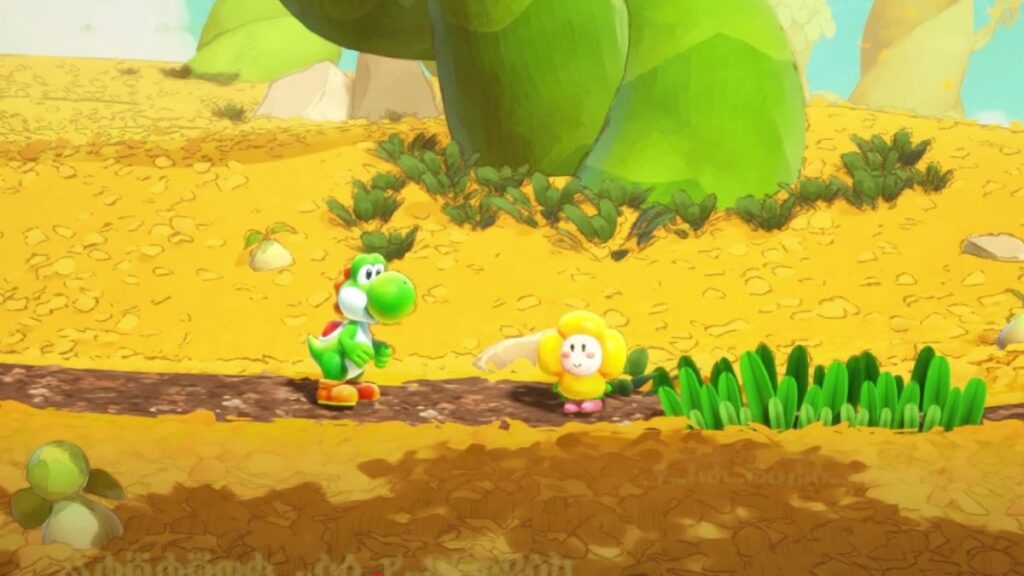
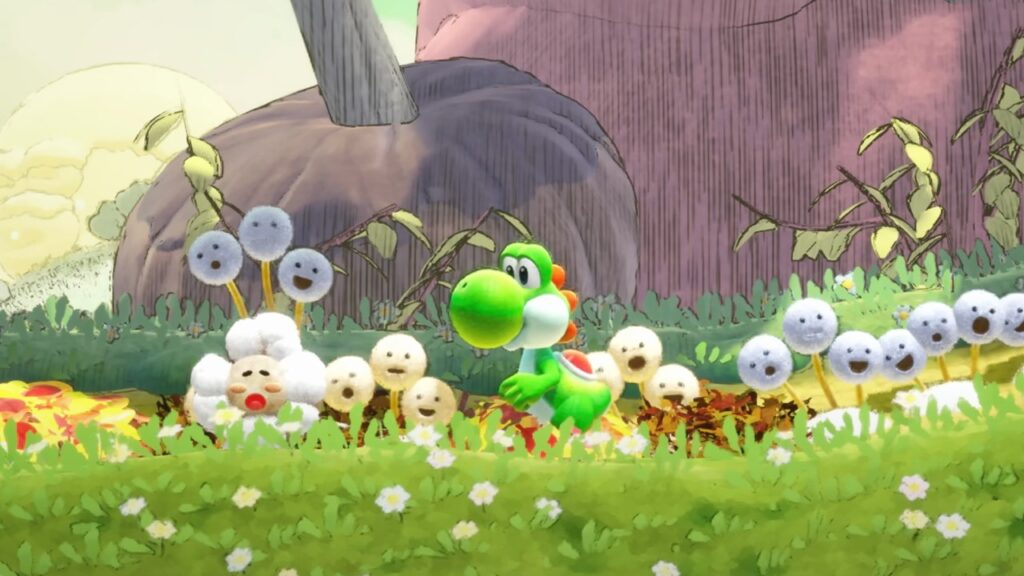
The visual presentation is one of the game’s strongest assets. The storybook aesthetic is consistently executed across all levels.
Visual strengths:
- Hand-drawn illustration style
- Layered paper-like environments
- Smooth animation transitions
- Strong thematic consistency
The game successfully creates the illusion of playing inside a living illustrated book. However, occasional reuse of visual assets across levels slightly reduces impact in later stages.
Soundtrack and Audio Design in Yoshi and the Mysterious Book Explained
The soundtrack complements the visual tone with soft orchestral and whimsical melodies. Each page-world has a distinct musical identity, often using light piano, marimba, and ambient soundscapes.
Audio highlights:
- Gentle, calming background themes
- Adaptive music based on exploration depth
- Subtle sound effects for ink restoration mechanics
- Light orchestration during puzzle resolution
While pleasant, the soundtrack rarely reaches memorable peaks, instead prioritizing atmosphere over standout compositions.
Why Some Players Feel Something is Missing in Yoshi and the Mysterious Book
Despite its strengths, many players feel an undefined gap in the experience. This feeling stems from several interconnected factors:
- Limited emotional storytelling
- Repetitive gameplay loops
- Lack of mechanical depth evolution
- Underdeveloped character interactions
- Predictable progression structure
The phrase “something missing” often refers to the absence of emotional payoff or gameplay escalation that matches the game’s strong visual promise.
Yoshi and the Mysterious Book Secrets, Collectibles, and Hidden Content
The game features a robust collectible system tied to exploration and replayability.
Collectibles include:
- Ink fragments
- Restored words
- Hidden illustrations
- Baby Yoshi companions
- Secret page entries
Secrets are often hidden behind environmental puzzles or off-path exploration routes. Completionists will find significant content depth, even if the core gameplay loop remains simple.
Final Verdict on Yoshi and the Mysterious Book Gameplay Experience
Yoshi And The Mysterious Book is a visually rich and creatively ambitious platformer that prioritizes charm and accessibility over complexity. It succeeds in building a unique storybook world filled with imaginative mechanics and relaxing exploration.
However, its lack of emotional depth, mechanical evolution, and narrative intensity prevents it from reaching the heights of the franchise’s most memorable entries. It remains a beautifully crafted experience that feels consistently pleasant but occasionally emotionally distant.
Frequently Asked Questions (FAQs)
- What is Yoshi And The Mysterious Book about?
It follows Yoshi exploring a magical book that contains broken story worlds needing restoration. - Is Yoshi And The Mysterious Book a hard game?
No, it is designed to be accessible and beginner-friendly. - What type of gameplay does it have?
It is a platformer with puzzle-solving and exploration mechanics. - Is the game open world?
No, it uses structured page-based levels. - How long does it take to finish?
Completion time varies but typically falls within a moderate playthrough length depending on collectibles. - Does it have multiplayer?
No, it is primarily a single-player experience. - What makes the game unique?
Its storybook world design and word-restoration mechanics. - Is it suitable for kids?
Yes, it is very family-friendly. - Are there secrets in the game?
Yes, many hidden collectibles and optional paths exist. - Is it worth playing for long-time Yoshi fans?
Yes, but expectations should be adjusted toward a lighter, more experimental experience.
Conclusion
Yoshi And The Mysterious Book delivers a visually enchanting platforming experience built on creativity, exploration, and simplicity. While it excels in artistic direction and accessible gameplay, it struggles to fully realize its emotional and mechanical potential, leaving players with a polished yet somewhat hollow journey through its magical pages.
Sources and Citations
- Nintendo franchise design patterns and prior Yoshi series entries
- Nintendo Life – The Brightly Coloured History of the Yoshi Series
- Source Gaming – Representation of Yoshi Games via Stages in Smash
- The Boar – Crafting Yoshi’s Worlds: Their Aesthetics Through The Years
- General platformer game design analysis literature
- AAAI – Procedural Level Design for Platform Games
- ACM – A Framework for Analysis of 2D Platformer Levels
- UC Santa Cruz – A Framework for Analysis of 2D Platformer Levels (PDF)
- SAGE Journals – Level Design Processes and Challenges: A Cross Section of Game Development Practice
- arXiv – Designing Game Feel: A Survey
- arXiv – An Integrated Framework for AI Assisted Level Design in 2D Platformers
- Player reception trends from platforming community discussions
- Reddit r/gaming – Do People Still Enjoy Platformers?
- Reddit r/nintendo – What Is It About the Yoshi Series That Makes People So Divided?
- Reddit r/gamedev – Is It Really That Bad to Make Another 2D Platformer?
- Reddit r/platformer Community Discussions
- Comparative analysis of storybook-style video game aesthetics
- The Boar – Crafting Yoshi’s Worlds: Their Aesthetics Through The Years
- Creative Bloq – Why Big Hops Avoids Classic 3D Platformer Clichés to Feel Genuinely New
- arXiv – Learning to Blend Computer Game Levels
- arXiv – Exploring Level Blending Across Platformers via Paths and Affordances
- Industry commentary on casual-oriented platformer design principles
- PC Gamer – The Best Platformers on PC
- The Guardian – Platformers Are the Most Diabolical Gaming Genre. I Should Know
- Creative Bloq – Why Big Hops Avoids Classic 3D Platformer Clichés to Feel Genuinely New
- iD Tech – The Art of Platformer Level Design: Crafting Engaging, Fun Gameplay
- Medium – Beginning Game Development: Level Design — Platformers
Recommended
- Christofer Sundberg Confirmed for Nordic Game 2026: Liquid Swords CEO Joins the Speaker Lineup
- The 100 Greatest Video Game Quotes of All Time: Iconic Lines, Memes, and Legendary One Liners
- The Legend of Vox Machina Season 4 Release Date Announced: June 3, 2026 Premiere on Prime Video
- Fortnite X Overwatch Act 3 Cinematic Trailer Explained
- Stranger than Heaven: Yakuza Prequel Game Release Date, Star-Studded Cast, Story Details, and Everything We Know About the 2026 Winter Launch
- Why The View Keeper Is the Best Blender Add-on for Scene Management
- Optimizing Blender Camera Settings with The View Keeper Add-on
- How to Export MetaHuman to Blender: Comprehensive Step-by-Step Guide
- Marvel Rivals Devil Dinosaur Move Set Breakdown and Tips: Abilities, Combos, and Pro Gameplay Guide



































































































