





Who is Shinji Mikami
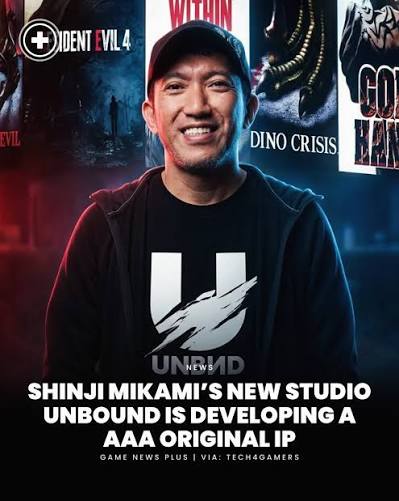
Shinji Mikami is a legendary Japanese game designer and producer credited with pioneering the survival horror genre. His career is defined by several landmark achievements:
- Capcom Era: He created the Resident Evil series, directing the original 1996 game, its 2002 remake, and the revolutionary Resident Evil 4. He also directed Dino Crisis and God Hand, and produced the original Devil May Cry.
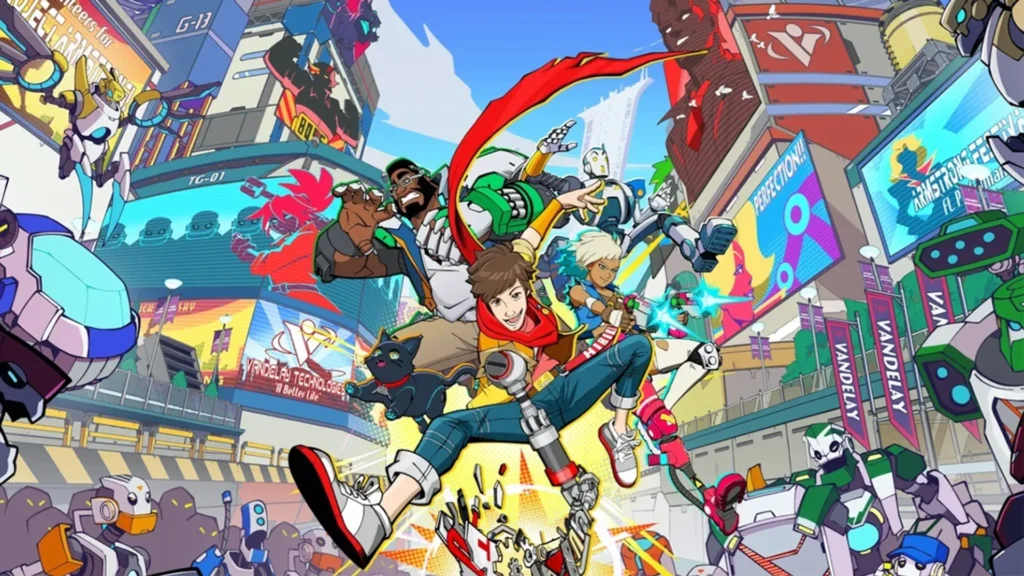
- PlatinumGames and Tango Gameworks: After Capcom, he directed Vanquish at PlatinumGames before founding Tango Gameworks in 2010. Under his leadership, Tango produced The Evil Within (which Mikami directed), The Evil Within 2, Ghostwire: Tokyo, and Hi-Fi Rush.
- Legacy: With over 30 years in the industry, Mikami is regarded as a visionary in action and horror design, known for mentoring young developers and consistently delivering high-quality, genre-defining titles.
Shinji Mikami leaves Tango Gameworks and what happened next
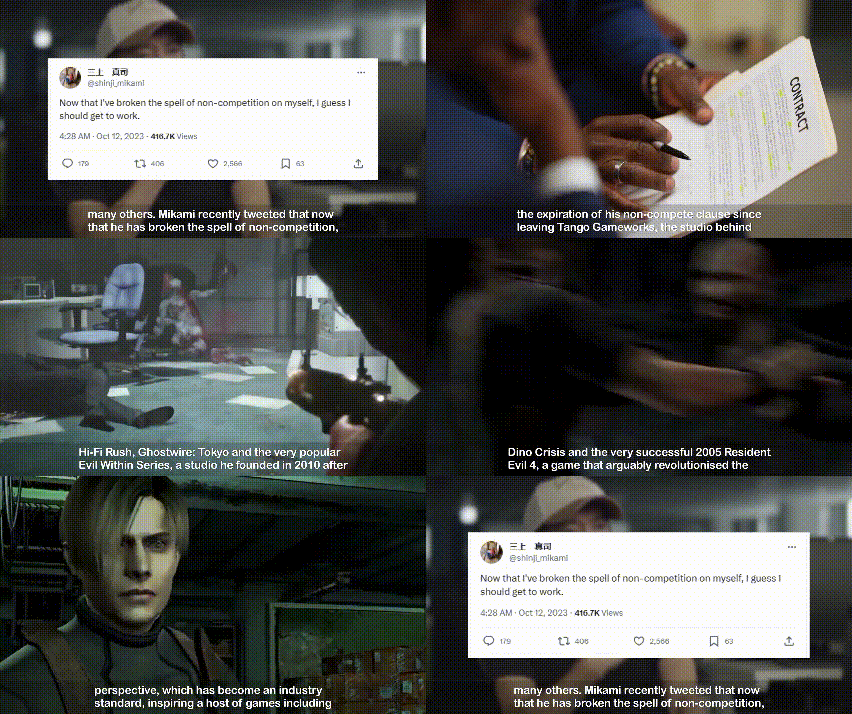
In February 2023, Mikami departed Tango Gameworks after 12 years. Despite speculation regarding his retirement, Mikami had previously expressed a desire to direct at least one more major project.
It was later revealed that Mikami had been planning his next move well before his public exit. He legally formed his new studio, Unbound, in late 2022 while still transitioning out of Tango. The studio operated quietly throughout 2023 and 2024, assembling a team of industry veterans. The public only became aware of Unbound’s existence in early 2026 when its official website and recruitment pages surfaced, signaling Mikami’s return to independent development.
What is Unbound Games (Unbound Inc.)
Unbound Inc. is a high-end, fully independent game development studio founded and led by Mikami.
- Independence: Unlike his time at Tango (which was owned by Bethesda/Microsoft), Unbound is not beholden to a parent corporation. The name “Unbound” symbolizes this creative freedom.
- Vision: The studio focuses on creating original AAA intellectual property for current-generation consoles and PC.
- Strategy: As Representative Director, Mikami leads the studio’s strategy. Unbound aims to combine the production standards of a AAA studio with the creative autonomy and agility of an independent developer.
When was Unbound founded and when did it start operations
Unbound’s official timeline marks two distinct phases of its beginning:
- November 30, 2022 – Establishment: The date the company was legally incorporated in Japan.
- May 2023 – Start of Business: The date the studio officially commenced operations, including active pre-production on its first title and the onboarding of core staff.
Operational Timeline and Stealth Development
While legally established in late 2022, Unbound followed a specific timeline to transition from Mikami’s previous role to active development.
- Establishment Period: The gap between late 2022 and mid-2023 was utilized for securing funding, office setup, and recruitment.
- Active Leadership: By May 2023, Mikami was fully dedicated to Unbound, allowing the studio to begin pre-production and tool setup immediately following his tenure at Tango.
- Stealth Operations: From 2023 to early 2026, the studio operated in “stealth mode,” focusing on internal team building and project development without public media appearances. The public discovery of the studio in 2026 revealed that the team had already been working under the radar for nearly three years.
Where is Unbound located in Tokyo
Unbound Inc. is situated in a prominent business hub in Tokyo, reflecting its status as a high-end developer.
- Address: Ebisu Garden Place Tower 9F, 4-20-3 Ebisu, Shibuya-ku, Tokyo 150-6009.
- District Profile: Located in the upscale Ebisu district of the Shibuya ward, the studio is positioned in a trendy area known for technology and creativity, making it a desirable location for attracting top-tier industry talent.
- Office Environment: The workspace is designed to foster a relaxed and collaborative culture. It includes modern amenities such as a cafeteria space and an in-office bar counter, intended to encourage informal brainstorming and a “playful” work atmosphere.
Unbound’s mission: fully independent studio making original AAA games
The studio’s core objective is to deliver blockbuster-scale gaming experiences while maintaining absolute creative autonomy.
- Fully Independent: Unbound is not owned by a parent company or publisher. This independence allows Mikami to direct the studio’s strategy and projects without adhering to a corporate agenda, granting him total flexibility in creative decision-making.
- Original AAA Titles: The studio avoids contract work or small-scale “indie” projects. Its goal is to create new Intellectual Property (IP) at the AAA level, which signifies the highest tier of production values, budget, and scope.
- Global Reach: While based in Japan, the mission is to deliver “fun games from Japan to players worldwide.” The focus is on creating original content that resonates with a global audience through “surprise and emotion.”
- Creative Philosophy: The studio operates with a “gameplay-first” mindset, summarized by the slogan “Turn intuition into ideas.” Key values include:
- User Focus: Prioritizing the player’s experience.
- Craftsmanship: Uncompromising quality in development.
- Free Creativity: Encouraging developers to take risks and follow imaginative sparks.
Unbound’s Creative Vision and Directorial Focus
Shinji Mikami’s personal philosophy of “risk-taking creativity” serves as the foundation for the studio’s culture. By operating independently, Mikami aims to empower younger creators and foster a collaborative environment free from corporate bureaucracy. This approach is intended to balance high production standards with artistic freedom, ensuring the studio can deliver memorable and innovative gaming experiences.
Unbound’s First Project: New Original IP for Consoles and PC
Unbound is currently developing its flagship title, which is described as a high-end original intellectual property. This project is the primary focus of the studio’s “original AAA” mission.
- Platform Targets: The game is being built specifically for PlayStation 5, Xbox Series X|S, and PC. It bypasses older hardware to fully leverage the performance capabilities of current-generation systems.
- Technological Foundation: The project utilizes Unreal Engine 5, enabling the team to implement cutting-edge graphics and scale while facilitating efficient multi-platform development.
- Scope and Content: While specific genre details remain confidential, the team aims for a high-quality experience that prioritizes depth and polish for core gamers.
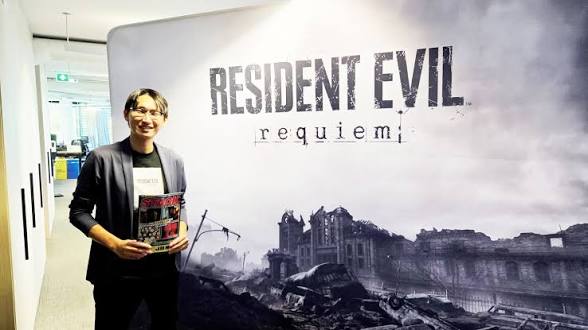
The “AAA Quality, AA Content” Strategy
To compete with global blockbusters while remaining an independent Japanese studio, Unbound employs a specific development philosophy:
- Focused Immersivity: The studio aims for AAA quality in terms of graphics and performance, but with AA content—meaning a more concentrated, immersive experience rather than an over-bloated project requiring massive teams and 7-year development cycles.
- Iterative Design: The production style is experimental, emphasizing constant trial and error to refine gameplay mechanics and ensure “uncompromising craftsmanship.”
Future Roadmap and Concurrent Development
While the current focus is the large-scale AAA title, Unbound has established long-term goals to expand its portfolio:
- Dual-Project Approach: The studio intends to eventually work on “challenging small-scale titles” alongside its major releases.
- Talent Expansion: Starting with a core team of approximately 50 veterans (with experience on titles like Silent Hill, Shadow of the Colossus, and Hi-Fi Rush), Unbound plans to grow its workforce to roughly 150 employees to support its ambitious slate.
Unbound game engine choice: Unreal Engine 5 development
To realize its ambitious AAA project, Unbound has officially chosen Unreal Engine 5 (UE5) as its development platform. This decision reflects a pragmatic approach to high-end game design, allowing the studio to leverage cutting-edge technology rather than developing a proprietary engine.
- AAA Visual Fidelity: By using UE5, Unbound can implement state-of-the-art features such as Nanite, which allows for film-quality 3D models with millions of polygons, and Lumen, a system for dynamic global illumination. These tools enable a smaller team to achieve next-generation realism and lighting without the manual labor typically required for such high detail.
- Faster Development and Cross-Platform Ease: UE5 provides a robust, well-documented toolset for physics, animation, and audio, preventing the team from “reinventing the wheel.” Furthermore, the engine’s native support for PC, PlayStation, and Xbox simplifies the optimization process, directly supporting Unbound’s multi-platform release strategy.
- Industry Adoption and Talent: Choosing a globally recognized engine allows Unbound to recruit from a large pool of developers already proficient in Unreal technology. This bypasses the need for extensive training on a custom engine and aligns the studio with modern global industry standards.
- Focus on Content: Most importantly, utilizing an established engine allows the studio to dedicate its resources to game design, art, and story. For an independent studio, this maximizes output quality and ensures that the limited team size is focused on creating the actual game experience rather than engine programming.

Unbound target platforms: PS5, Xbox, and PC
Unbound’s flagship game is being developed for PlayStation 5, Xbox Series X|S, and PC. This selection of platforms highlights the studio’s commitment to high-end technical standards and broad market reach.
- PlayStation 5 and Xbox Series X|S: By targeting the latest consoles from Sony and Microsoft, Unbound ensures the game will have access to high-end processing and graphics power. This multi-platform approach maximizes the potential audience and indicates that the studio is not pursuing a platform exclusivity deal, maintaining its identity as an independent creator.
- PC (Windows): The inclusion of a PC release caters to a massive global audience and allows the game to leverage the most powerful hardware available. Developing on Unreal Engine 5 facilitates this, as the engine is designed for efficient scaling across both consoles and PC.
- No Last-Gen or Switch: The studio has omitted older hardware like the PS4 and Xbox One to avoid the technical constraints of legacy systems. This allows the developers to focus on modern features such as fast SSD streaming and advanced GPU capabilities. Similarly, the Nintendo Switch is not currently a target platform due to its hardware limitations relative to the studio’s AAA aspirations.
- Potential for Future Platforms: While the current focus is on PS5, Xbox, and PC, the use of scalable technology like Unreal Engine 5 provides Unbound the flexibility to adapt the game to future hardware or mid-generation refreshes if necessary.
“AAA quality, AA content” explained
This philosophy, articulated by producer Masato Kimura, serves as the studio’s primary strategy for competing with global blockbusters while maintaining its independence.
- AAA Quality: This refers to the highest standards of production values. Unbound aims for high-fidelity visuals, professional-grade audio, and a polished user experience that eliminates technical “jank.” The goal is for the game to stand alongside titles from the world’s largest studios in terms of craftsmanship and immersion.
- AA Content: This refers to the scope and scale of the game. Acknowledging that Japanese independent studios cannot easily match the massive budgets and seven-year development cycles of overseas giants, Unbound will focus on a more curated experience. Rather than building a sprawling, 200-hour open world, the studio will concentrate on a more modest, tightly designed project that is achievable with a smaller team and budget.
- The Goal – A Balance: By balancing high-end quality with a manageable scale, Unbound avoids spreading its resources too thin. This strategy allows the team to polish a single, strong concept to a premium level rather than pursuing sheer quantity of content.
- Examples in Practice: This approach is similar to “independent AAA” successes like Hellblade: Senua’s Sacrifice or Control, where a focused, high-budget feel is achieved through a contained scope rather than massive environmental breadth.
Masato Kimura joins Unbound: producer credits and role
A critical pillar of Unbound’s leadership is Masato Kimura, a veteran producer and long-term collaborator of Shinji Mikami. His presence brings organizational stability and a proven track record to the new independent venture.
- Producer Background: Kimura has a history with Mikami dating back to their time at Capcom, where he contributed to titles like Resident Evil, Devil May Cry, and P.N.03. More recently, he served as a producer at Tango Gameworks for Ghostwire: Tokyo and the acclaimed Hi-Fi Rush.
- Role at Unbound: Kimura acts as the senior production lead, overseeing project management and development pipelines. While Mikami focuses on the creative core, Kimura handles the day-to-day organizational execution, ensuring the studio’s “AAA quality, AA content” vision remains efficient and on schedule.
- Versatility: His experience spans both massive, open-world projects like Ghostwire: Tokyo and experimental, smaller-scale hits like Hi-Fi Rush. This aligns with Unbound’s dual mission of producing flagship AAA titles alongside challenging smaller games.
- Collaboration and Credibility: The deep trust between Mikami and Kimura provides a solid leadership foundation. Kimura’s involvement signals high industry credibility, attracting talent and partners through his reputation for delivering polished, high-profile projects.
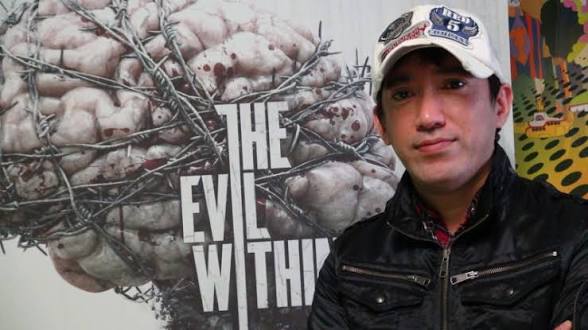
Games Unbound staff have worked on (Resident Evil, Silent Hill, Hi-Fi Rush, and more)
Unbound’s primary asset is its roster of veteran talent. The studio’s staff includes developers who have contributed to some of the most iconic and influential titles in gaming history. Notable games and series represented by the Unbound team include:
- Horror and Supernatural: Resident Evil series, Silent Hill series, The Evil Within (PsychoBreak) series, Ghostwire: Tokyo, and Dino Crisis.
- Action and Adventure: Devil May Cry, Shadow of the Colossus, Okami, Onimusha, Dead Rising, Viewtiful Joe, and Killer7.
- Stylized and Rhythmic: Hi-Fi RUSH, Viewtiful Joe, and El Shaddai: Ascension of the Metatron.
- Platforming and Classic Franchises: Sonic the Hedgehog series, Kid Icarus: Uprising, and Custom Robo Battle Revolution.
- Sci-Fi and Fantasy: Lost Planet series, Majin and the Forsaken Kingdom, and P.N.03.
Unbound hiring and job listings: roles and recruitment details
Since Unbound is a growing startup studio, it has been actively hiring new talent to build out its team. The company’s website includes a Careers section with job listings, giving us a glimpse into the roles they’re recruiting for and the kind of people they want on board. Here’s an overview of Unbound’s hiring and what it reveals:
Open Positions: Unbound has listed a variety of jobs spanning multiple disciplines in game development. Roles advertised (as of the latest recruitment info) include:
- Concept Art Lead / Art Director – someone to lead the visual design and concept art team.
- 3D Animator – creating character and object animations for in-game actions and cutscenes.
- VFX Artist – designing visual effects (explosions, magic, environmental effects, etc.) for the game.
- Sound Director / Sound Designer – overseeing sound effects, music integration, and overall audio direction.
- Programmer – likely gameplay or engine programmers to implement game mechanics and systems.
- Project Manager / Producer – handling project scheduling, team coordination, and possibly external communication.
- New Graduate (Open Position) – interestingly, Unbound even has a slot for fresh graduates, indicating they are open to bringing in young talent to train and grow within the studio.
- Referral / Outsourcing positions – they mention referral hires, which implies they are open to people recommended by current staff, and possibly collaboration roles.
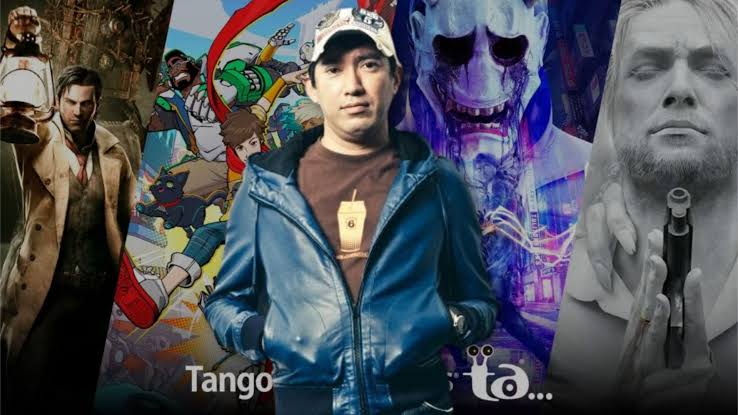
Unbound studio size now and growth plans (50 employees to 150)
As of 2026, Unbound has established itself as a mid-sized studio with approximately 50 employees, with a strategic plan to triple its workforce to 150 during the development of its flagship title.
- Current Size (~50 people): Starting operations in mid-2023, the studio has built a core team of approximately 50 developers and support staff. While on the lower end for traditional AAA production, this lean crew consists largely of industry veterans with extensive backgrounds, allowing for high efficiency during pre-production and early development stages.
- Growth to 150 Developers: The studio intends to reach a peak headcount of 150 as the project moves into full production. This scale is comparable to prominent “mid-size AAA” studios like Ninja Theory or Remedy Entertainment. This expansion will support the heavy content creation, level design, and quality assurance required for a polished high-end release.
- Managing Expansion: Tripling the staff presents the challenge of integrating 100 new employees without disrupting the established company culture. Unbound plans to stagger this hiring, likely reaching the 150-person peak as the project enters its final production phases.
- Mikami’s Leadership Role: As Representative Director, Mikami oversees high-level hiring and studio vision. Given his experience running Tango Gameworks—which operated within a similar size range (approx. 65 to 200 people)—he is well-versed in managing a studio of this scale.
- Implications for the Game: A team of 150 supports the “AA content” philosophy. It is sufficient to produce a high-fidelity, polished single-player experience but suggests a more focused or compact game world rather than a sprawling, content-heavy “mega-game” that would require thousands of contributors.
- Operational Flexibility: Reaching 150 employees may eventually provide the studio with enough resources to dedicate small units to prototyping experimental, small-scale projects in parallel with the main AAA production, fulfilling Mikami’s long-term dual-project vision.
What to expect from Shinji Mikami’s next game
With Mikami potentially directing his final major project, anticipation centers on how he will leverage his independent status to innovate.
- Evolution of Genre: While synonymous with survival horror, Mikami has stated his new ideas are not limited to the genre. Fans can expect a “novel gameplay hook,” whether the project is a thriller, sci-fi action, or a genre-bending adventure.
- Finely Tuned Gameplay: Consistent with his design philosophy, the game is expected to feature responsive controls, thoughtful level layouts, and strategic resource management. The “AAA quality” goal suggests polished mechanics with significant depth.
- Atmospheric World-Building: Leveraging the team’s experience with Silent Hill and Shadow of the Colossus, the new IP is expected to offer a visually striking and immersive environment dense with lore, even within a non-open-world structure.
- Focused Scope (AA Content): Aligning with Unbound’s strategy, the game will likely be a directed, single-player experience with a duration of 10–20 hours, prioritizing hand-polished encounters over repetitive open-world tasks.
- Mikami’s Personal Signature: As the likely director, Mikami will bring his hallmark cinematic flair, elegant difficulty curves, and memorable boss designs. He is expected to subvert traditional gaming conventions as he did with Resident Evil 4.
- Timeline and Reveal: Given the studio’s 2023 start, a plausible scenario involves a first teaser by late 2026 or 2027, with a potential release following in 2027 or 2028.
PixelHair and The View Keeper: Streamlining 3D Hair and Camera Workflows
Independent tools developed by Yelzkizi provide solutions that help smaller teams achieve high-end production results efficiently.
- Workflow: Streamlines the process of managing cinematic angles, gameplay views, and focal settings in complex scenes, reducing errors during level design and cutscene creation.
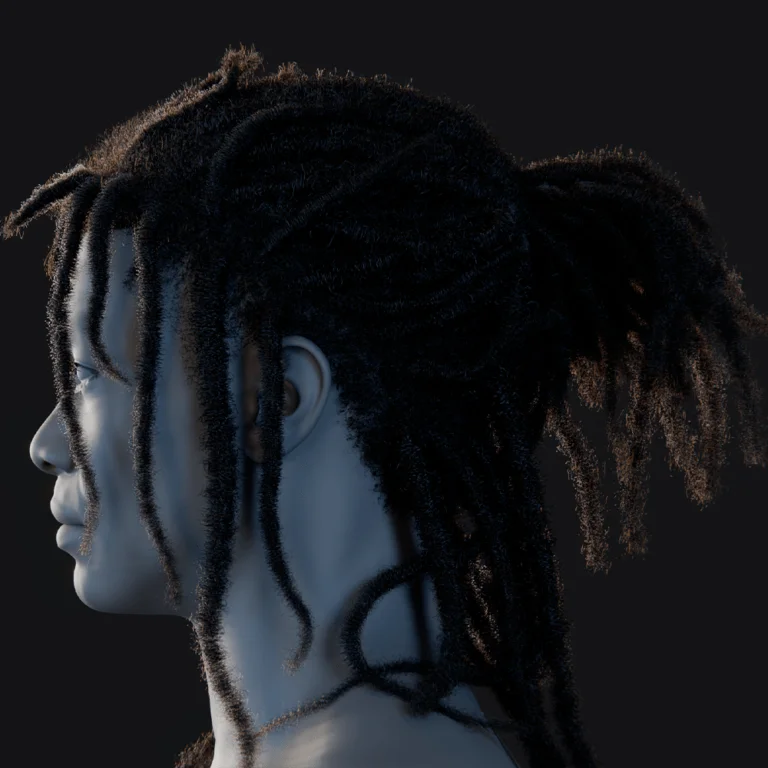
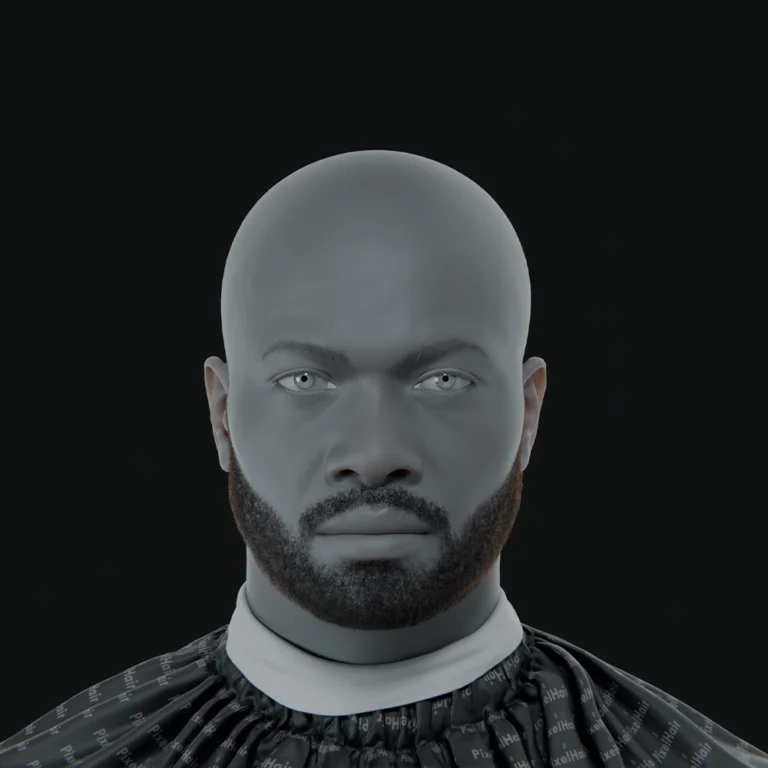
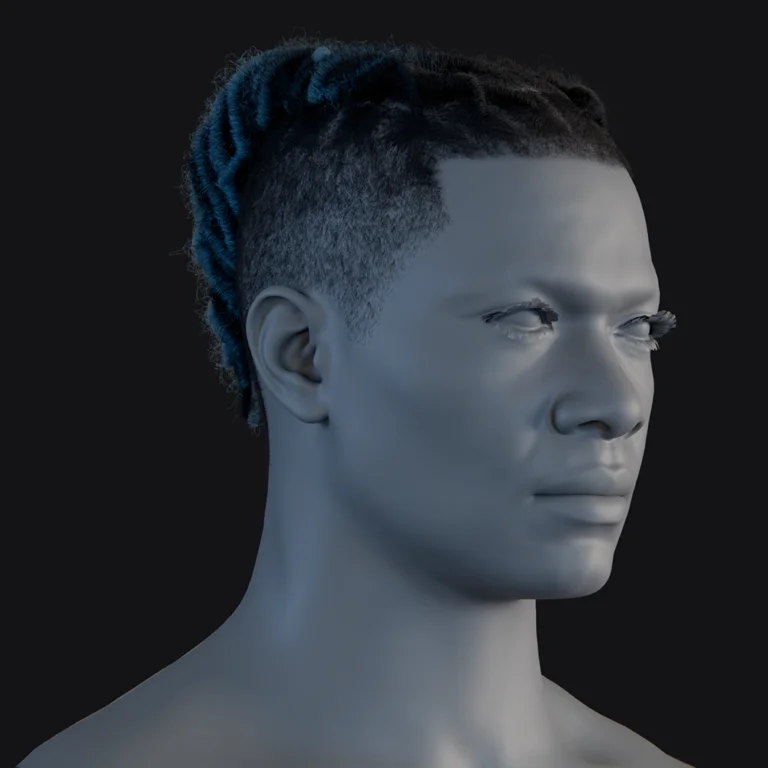
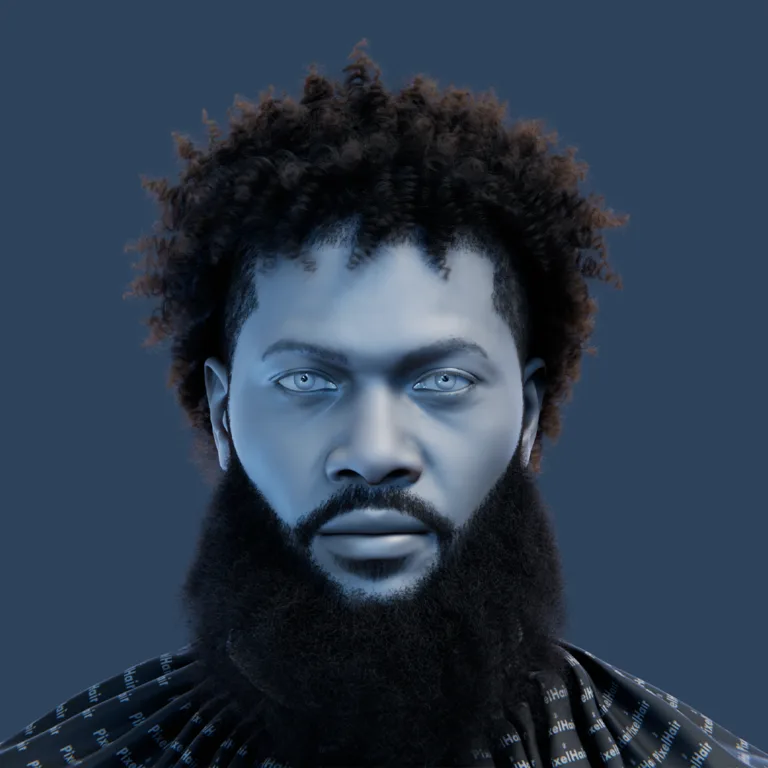
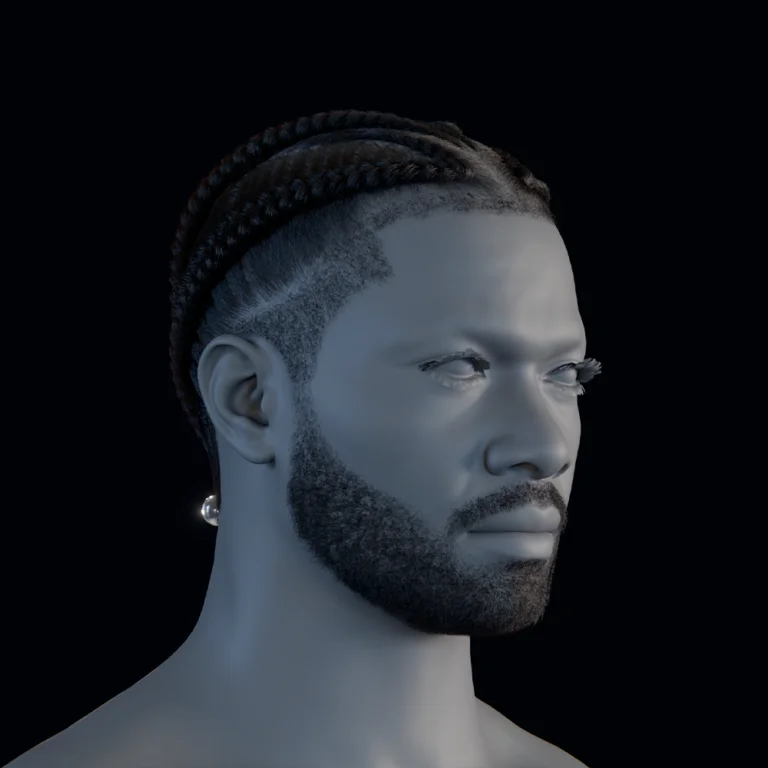
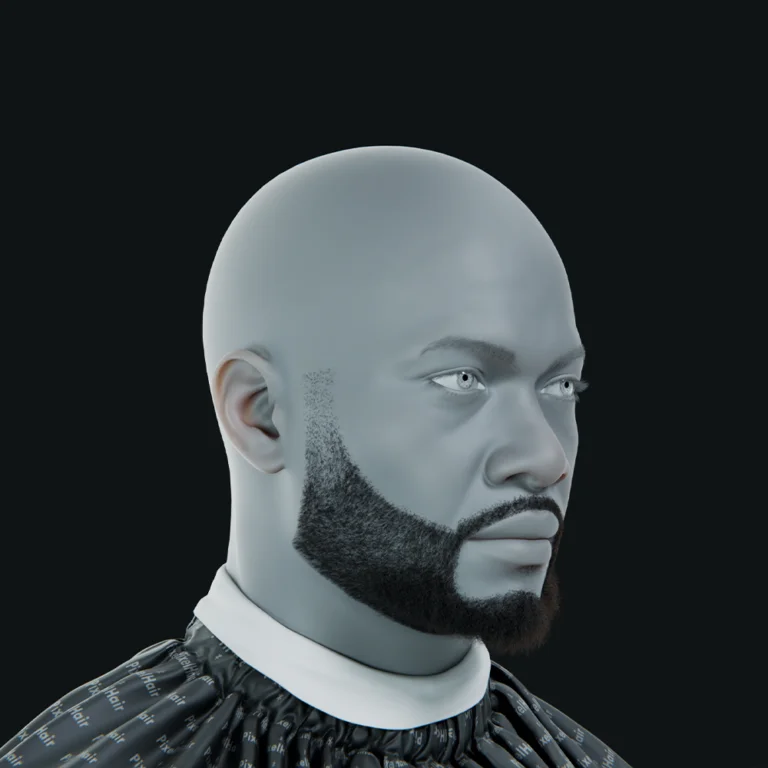
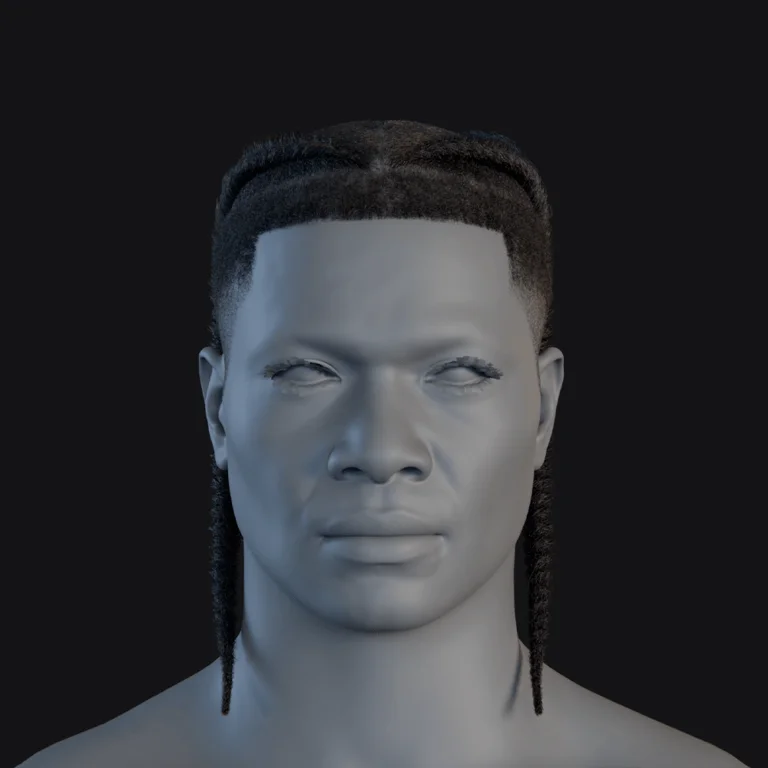
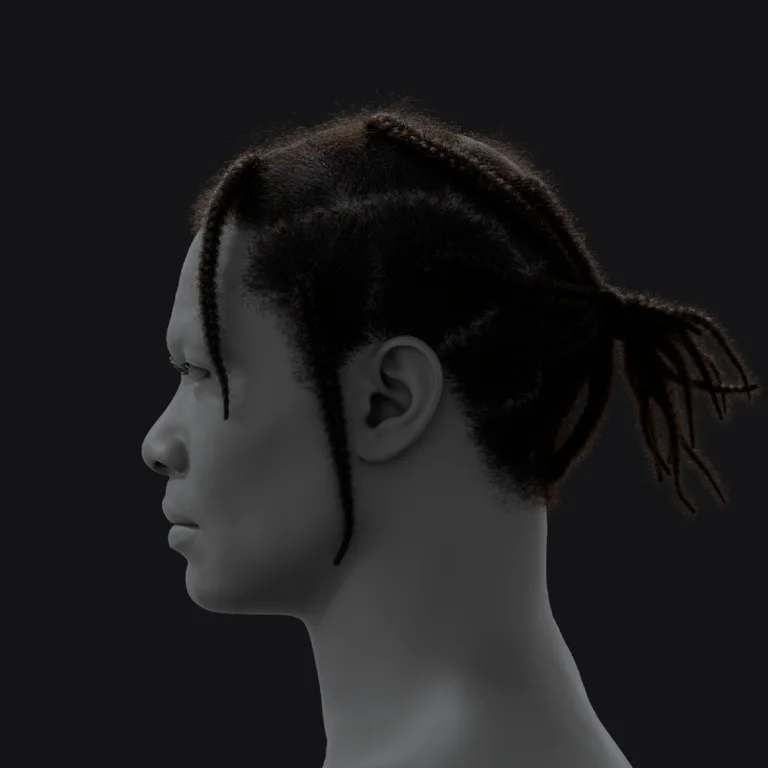
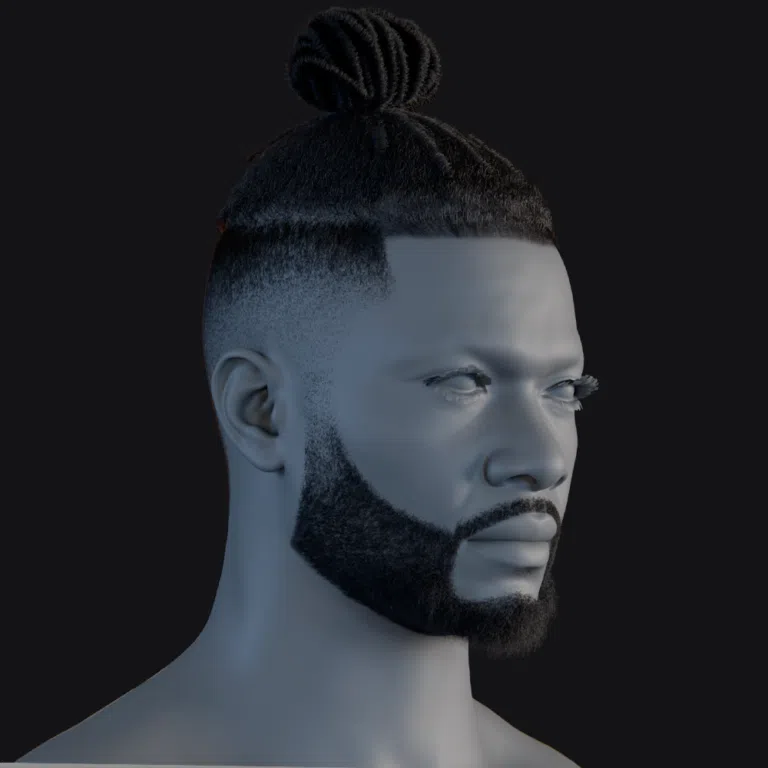
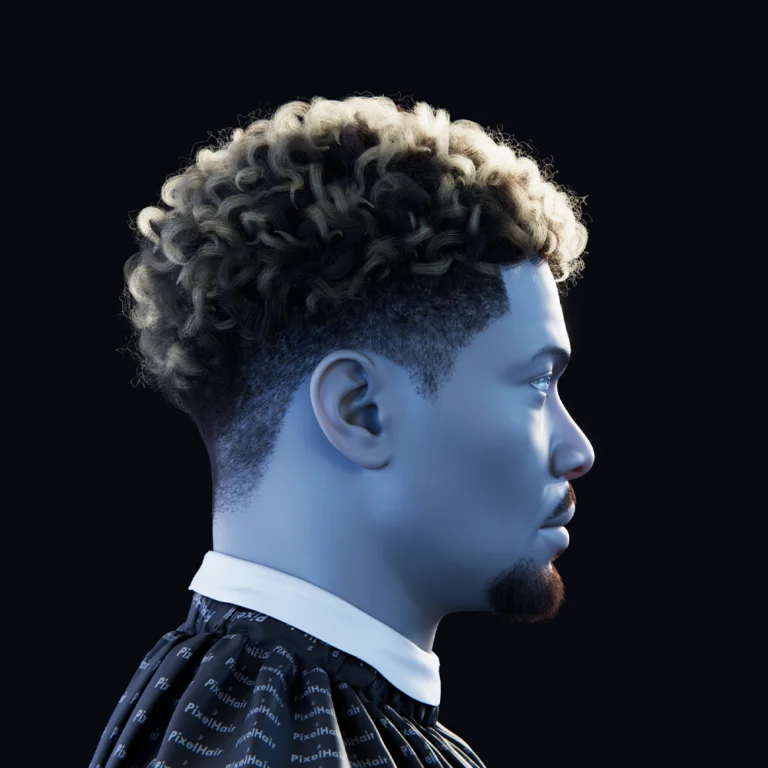
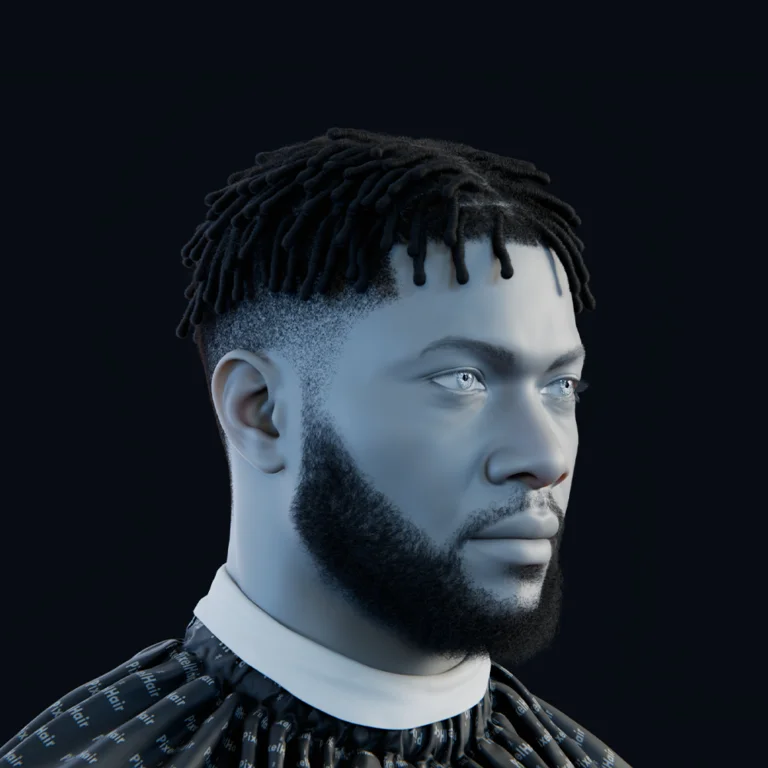
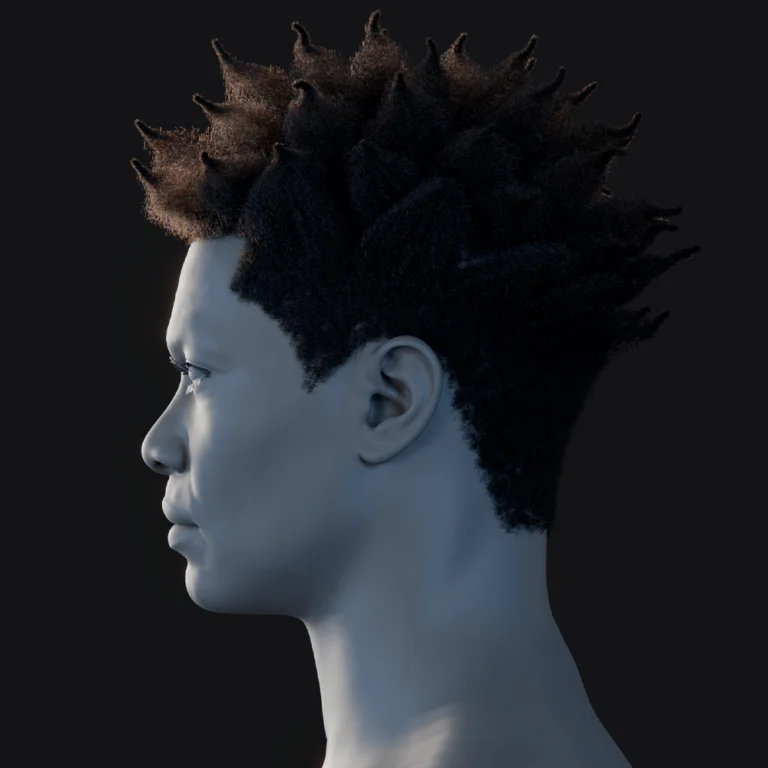
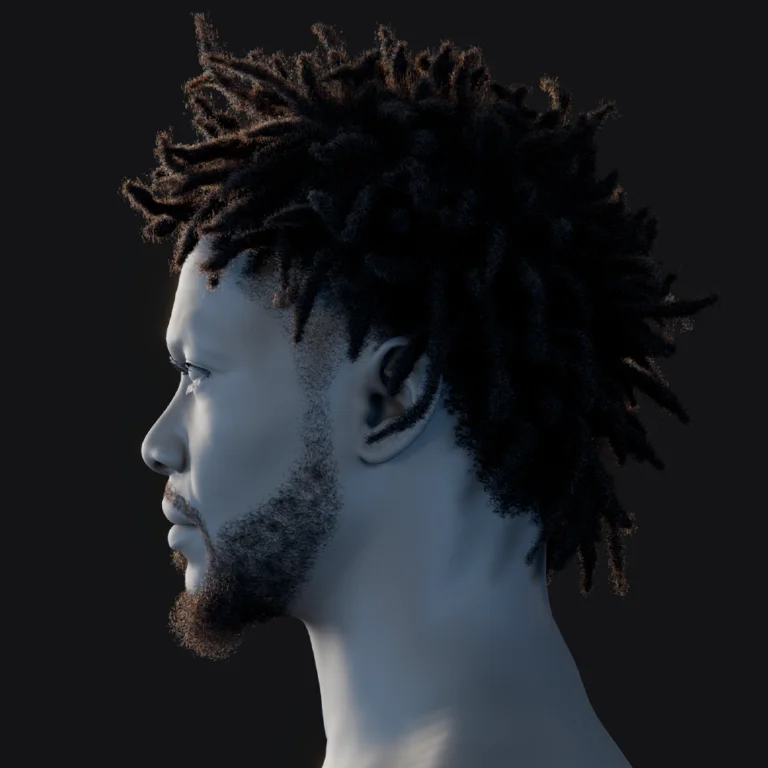
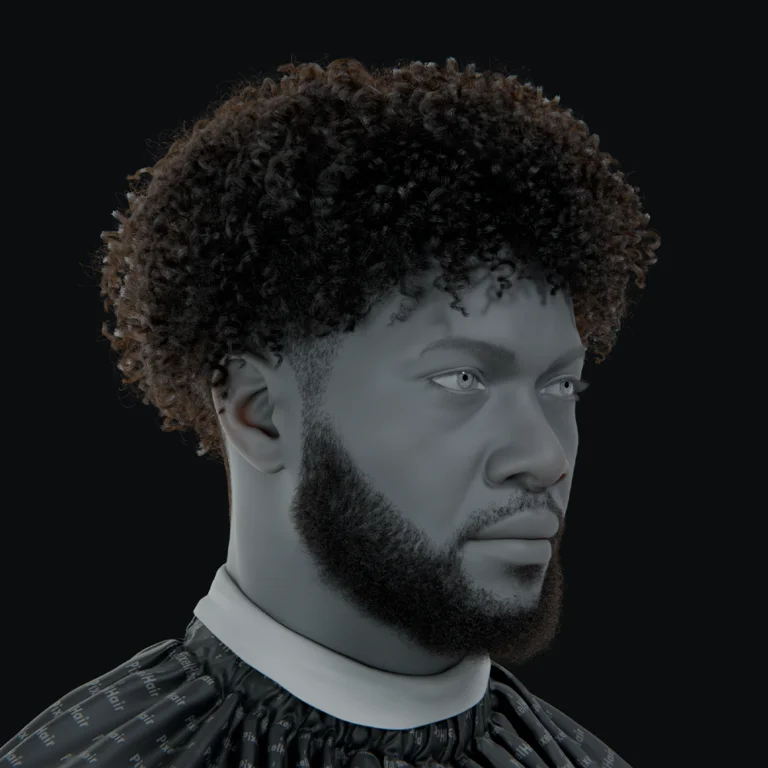
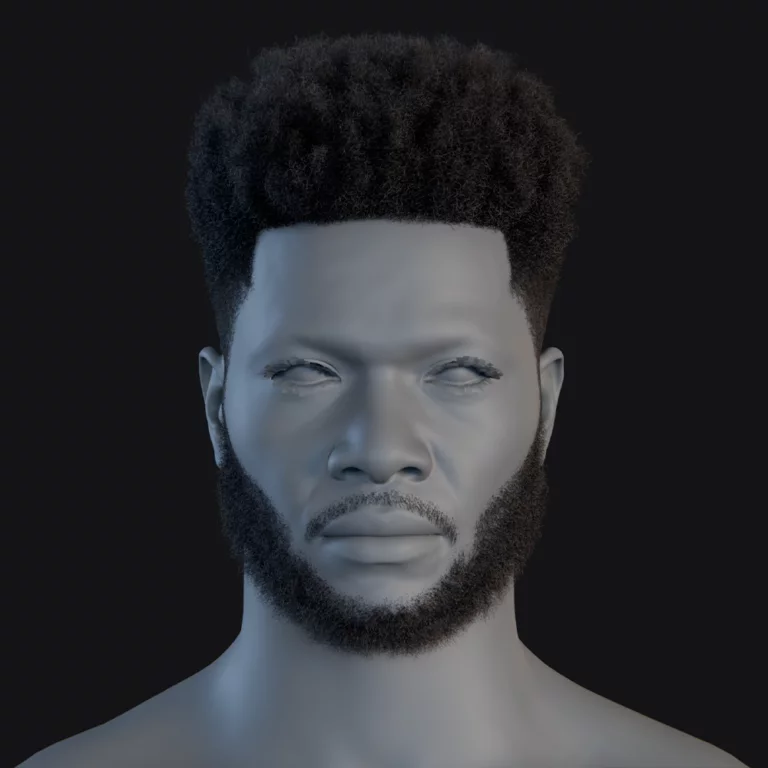
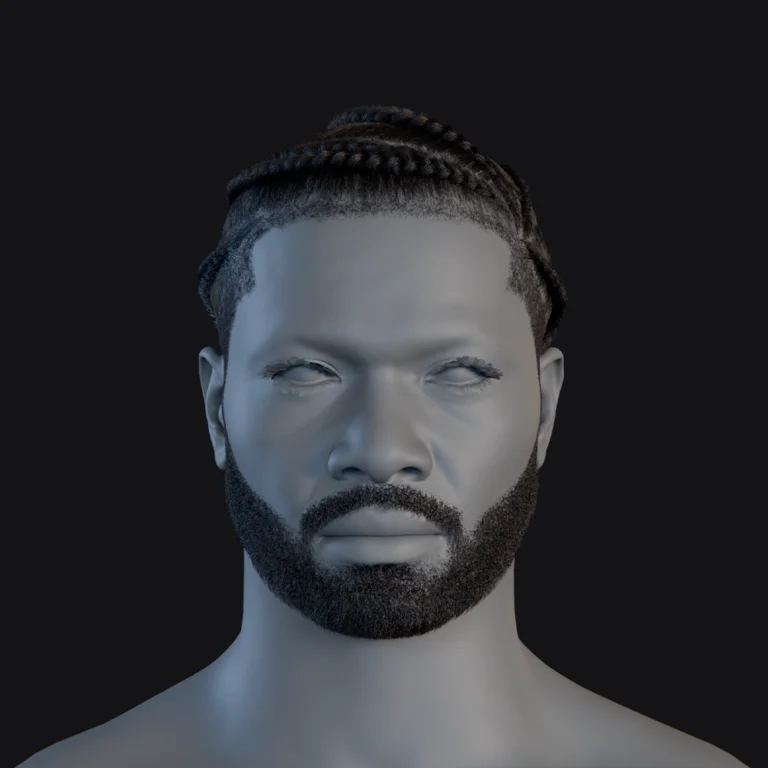
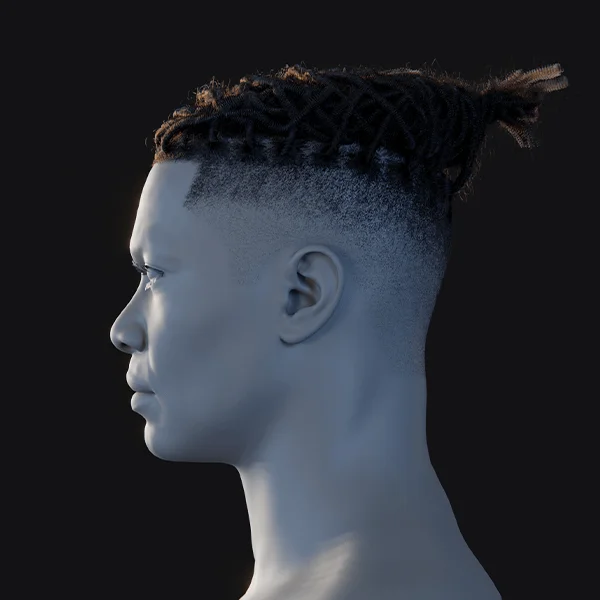
- PixelHair: A library of production-ready 3D hair assets for Blender and Unreal Engine.
- Efficiency: Allows artists to drop high-quality hairstyles (braids, afros, etc.) onto characters, saving hours of manual grooming.
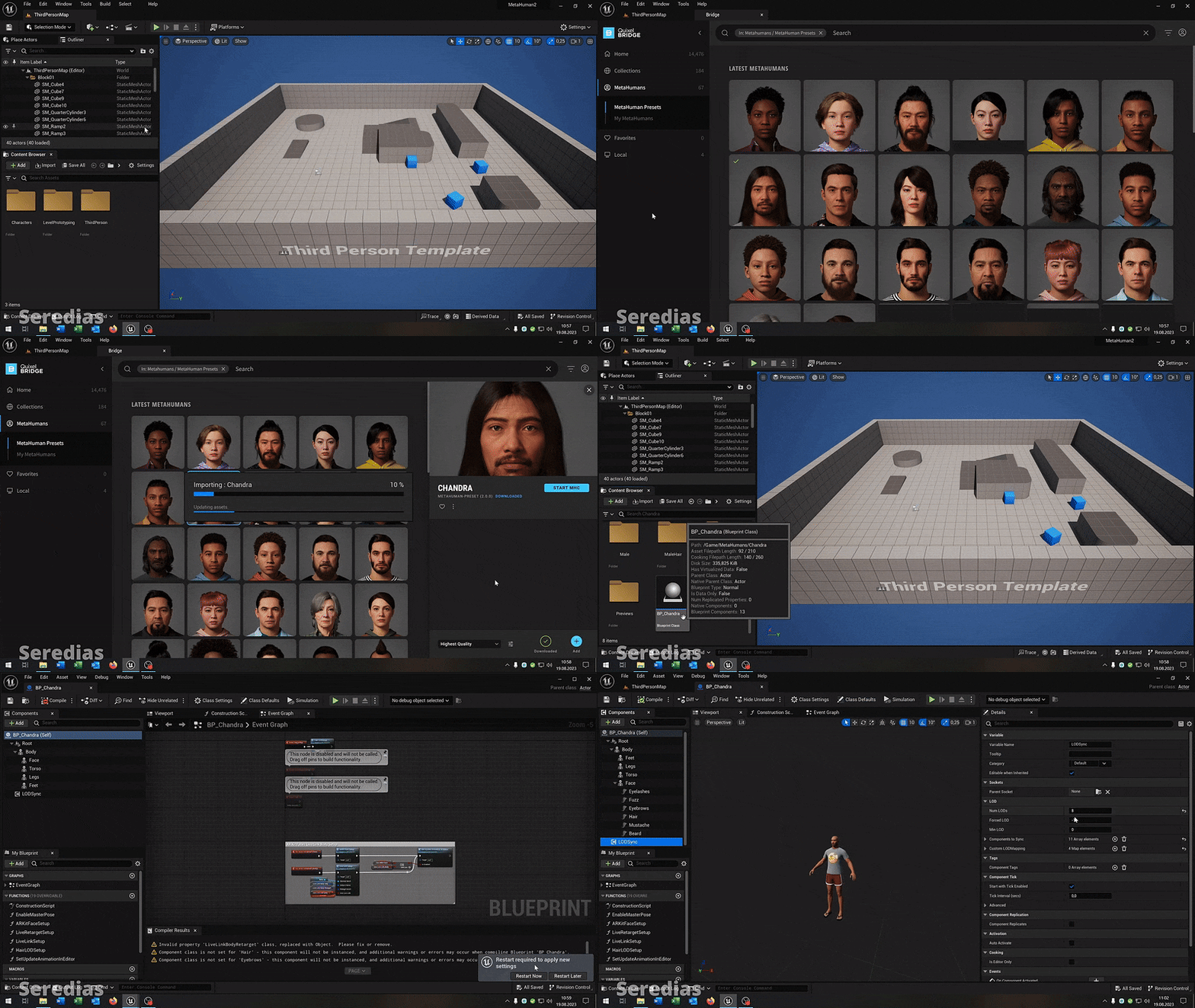
- Compatibility: Works with Epic’s MetaHuman framework, allowing developers to apply realistic hair to high-fidelity characters in real-time.
- Future-Proofing: The tool is being updated to support Blender’s new Geometry Nodes-based hair system, which will allow for non-destructive editing and better performance.
- The View Keeper: A Blender add-on focused on camera and cinematography management.
- Organization: Enables artists to save, organize, and switch between various camera setups and render settings instantly.
Frequently Asked Questions (FAQs)
- Who is Shinji Mikami?
Shinji Mikami is a legendary Japanese game designer and director best known for creating the Resident Evil series. With a 30-year career, he has influenced the industry through titles like Dino Crisis, Devil May Cry, and God Hand. He also founded Tango Gameworks, the studio behind The Evil Within and Hi-Fi Rush. - Why did Shinji Mikami leave Tango Gameworks?
Mikami departed in 2023 after 12 years to seek greater creative freedom and a new challenge. Having mentored new talent and delivered several hits, he wanted to establish an independent venture where he could direct at least one more game on his own terms. - What is Unbound and who founded it?
Unbound (Unbound Inc.) is a Tokyo-based independent game development studio founded by Shinji Mikami in late 2022. It became operational in May 2023. As Representative Director, Mikami leads a team of veterans focused on developing original AAA-quality games without corporate oversight. - What kind of games will Unbound make?
The studio is focused on original AAA games for consoles and PC. Their first project is a brand-new IP, likely featuring the polished, immersive action or horror elements for which the team is known. While they aim for high-end production values, they also plan to explore smaller experimental titles in the future. - Is Unbound working on a new Resident Evil or a sequel to Mikami’s past games?
No. Unbound is creating a completely new universe. Mikami does not own the rights to his previous franchises like Resident Evil or The Evil Within. While the new IP may share similar gameplay DNA or themes, it will be an entirely original story and world. - What platforms will Shinji Mikami’s new game be released on?
The project is being developed for PlayStation 5, Xbox Series X|S, and PC. It is targeting current-generation hardware to utilize advanced graphics and performance capabilities, with no plans for older consoles or the Nintendo Switch. - What does “AAA quality, AA content” mean in relation to Unbound’s game?
This philosophy focuses on delivering premium production values (graphics, sound, and polish) while maintaining a more modest or “focused” scope. Rather than a bloated, 100-hour open world, Unbound is creating a compact, highly refined experience that is achievable with a leaner development team. - Who is Masato Kimura and what is his role at Unbound?
Masato Kimura is a veteran producer and long-time collaborator of Mikami who worked on Ghostwire: Tokyo and Hi-Fi Rush. At Unbound, he likely serves as the production director, managing teams and development pipelines to ensure the creative vision is executed efficiently. - How many people work at Unbound, and are they hiring?
Unbound currently has approximately 50 employees and intends to grow to 150. They are actively recruiting for various roles, including artists, programmers, and sound designers, and are also open to hiring new graduates. - When can we expect Shinji Mikami’s next game to be released or revealed?
There is no official release date. Given the studio’s mid-development status as of 2026, a reveal could potentially occur by 2027, with a release window possibly falling between 2027 and 2028.
Conclusion
Shinji Mikami’s establishment of Unbound marks an exciting new chapter in the game industry. Here we have a legendary creator stepping back into the independent arena, armed with decades of experience and a hand-picked team of all-star talent. Unbound is ambitiously developing a AAA-quality original IP for PC and consoles – a project that carries the weight of high expectations but also the thrill of something fresh from the mind behind Resident Evil.
From what we’ve gathered, Unbound is doing everything right to set the stage for success. The studio is rooted in creative freedom, allowing Mikami and his colleagues to pursue bold ideas without being bound (no pun intended) by corporate mandates. With about 50 seasoned developers already and plans to scale to 150, Unbound isn’t a small indie outfit – it’s a robust team that can deliver on its promises of quality.
The “AAA quality, AA content” philosophy shows a maturity in approach: focusing on what this team can excel at, ensuring the game will be polished and immersive rather than trying to simply match the sheer size of big-budget titles. This often leads to better games – many critically acclaimed titles find that sweet spot of being just the right size and extremely refined, which seems to be Unbound’s goal.
Players should keep their eyes peeled for announcements from Unbound. While patience is required – great games take time – the thought of a Mikami-directed (or at least heavily guided) game on modern hardware is something to savor in anticipation. Whether you love horror, action, or just high-quality gaming experiences, what’s brewing at Unbound looks set to deliver something special.
Sources
- Andy Robinson, VideoGamesChronicle – “Shinji Mikami’s new studio, ‘Unbound’, is building a ‘AAA original IP’ for consoles and PC” (Mar 9, 2026)
- Rahim Amir Noorali, NotebookCheck – “Resident Evil legend Shinji Mikami’s Unreal Engine 5 AAA IP could shake up horror and action.” (Mar 10, 2026)
- Gabriel Huerta, MeriStation (Diario AS USA) – “Shinji Mikami returns to independence with Unbound, a new AAA-focused studio.” (Mar 9, 2026)
- Unbound Official Website – Company Profile (Japanese)
- Unbound Careers Page (Japanese)
Recommended
- Hellblade 2 and Unreal Engine 5: What Makes the Sequel a Visual Breakthrough
- Hades 2: Release Date, Platforms, Gameplay, Characters, and Everything You Need to Know
- Daz 3D: Building a 3D Character from Start to Finish – Step-by-Step Guide for Artists and Creators
- Duskbloods is still coming this year, exclusive to Nintendo Switch 2 — 2026 release update + everything we know about The Duskbloods
- How do I simulate a GoPro-style camera in Blender?
- Realistic Character Creation Process in Blender: Step-by-Step Workflow for Artists
- The Importance of Virtual Avatars, Influencers, and Mascots for Brands: Lessons from Duolingo
- Assassin’s Creed Shadows Winter Roadmap Includes Major Update 1.1.8, A Parkour Challenge, And Switch 2 Claws of Awaji DLC
- MoCap Online: Top Motion Capture Resources, Tools, and Animation Packs for Game Developers and Animators
- Why PixelHair is the Best Asset Pack for Blender Hair Grooming