


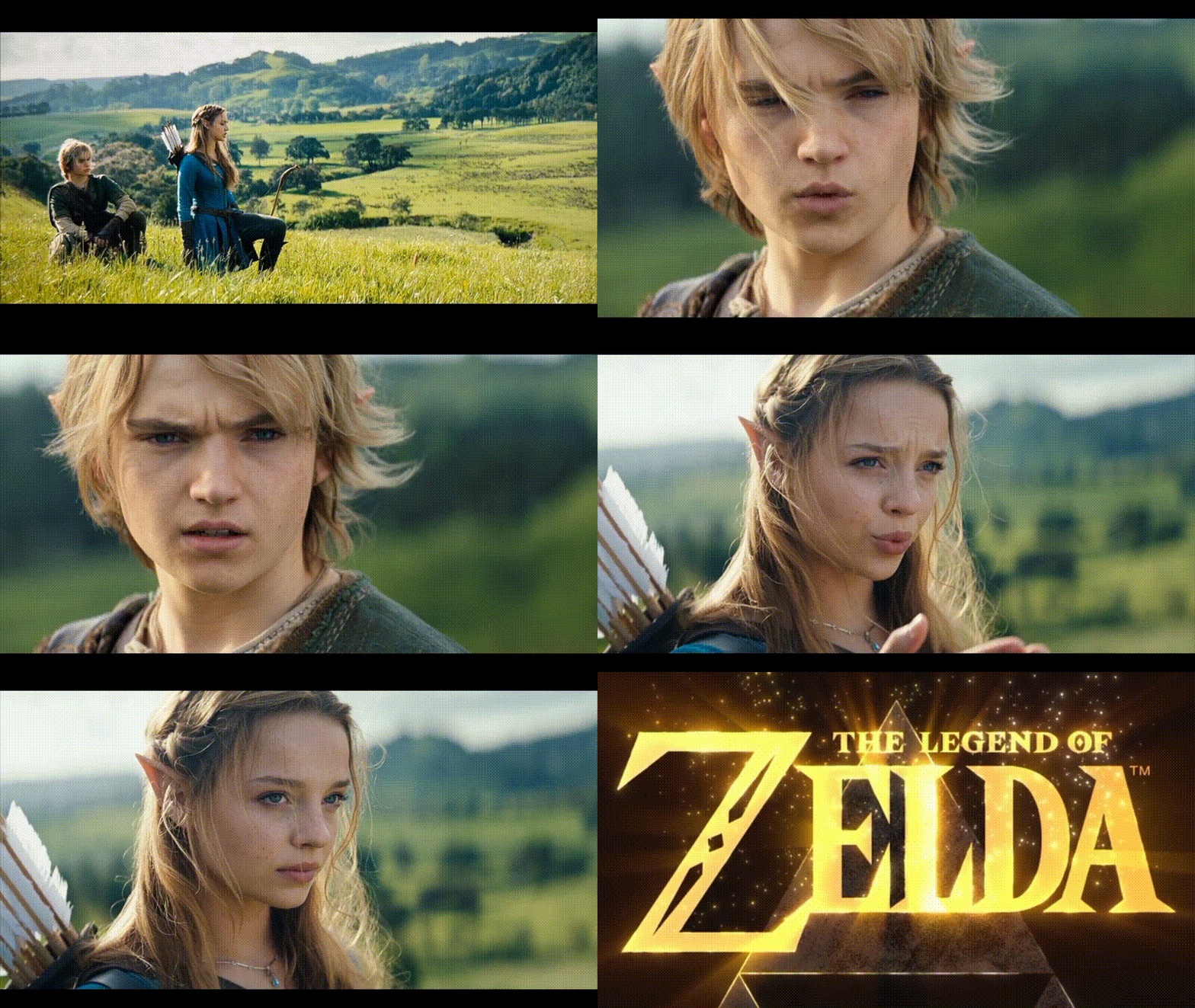
Former Nintendo Veteran Says Link Speaking Could Hurt The Legend of Zelda Movie
Takaya Imamura – a former Nintendo designer (Majora’s Mask art director) – recently warned that giving Link a voice could damage Zelda’s mystique. In an April 2026 social media post, Imamura said he’s “a little worried that the moment Link speaks, the ‘magic of Zelda’… might suddenly fade away”. This sentiment has been widely reported; for example, GamesRadar noted Imamura is “worried the magic of the series will be lost when Link speaks in the upcoming movie”. (Imamura later clarified he doesn’t oppose all dialogue – he just hopes Link remains largely “taciturn” on screen.)
Why Fans Think Link Talking Could Ruin Zelda’s Magic
Many fans echo Imamura’s concern. Link’s traditional silence is intentional: it lets players project themselves onto him. Den of Geek explains that Zelda designers have long avoided giving Link a voice so “the player is Link,” turning him into an avatar. If Link starts speaking, critics argue he becomes a defined character rather than a stand-in for the player, breaking the franchise’s “show, don’t tell” storytelling. For example, in the 1989 Zelda cartoon Link spoke freely – even delivering the infamous line “Excuuuuuse me, Princess” – and that portrayal was widely criticized as out-of-character. Fans worry the live-action film could repeat such missteps, losing the immersive charm that silent Link provides.
Who Is Takaya Imamura and Why His Zelda Movie Opinion Matters
Takaya Imamura is a veteran Nintendo artist (active 1989–2021) who co-created many beloved Nintendo characters. He served as art director on The Legend of Zelda: Majora’s Mask and helped design series staples like Tingle. His decades of experience on key Nintendo franchises make his views highly respected. Fans trust that Imamura understands Zelda’s identity deeply, so his caution about Link’s voice carries weight: it suggests that someone who helped shape Zelda’s look and feel is concerned about preserving the series’ unique tone.
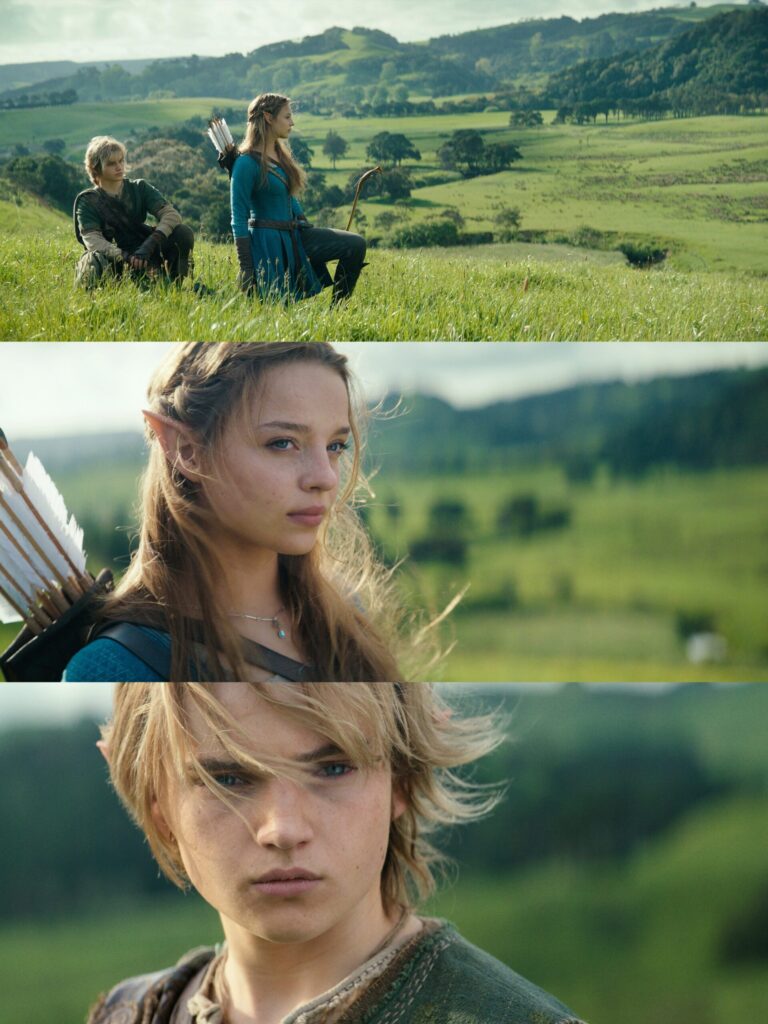
Will Link Speak in The Legend of Zelda Movie
It appears likely that Link will have at least some spoken lines. Director Wes Ball has hinted that Link won’t be completely silent. In interviews, Ball pointed out that in the games Link “does speak with many villagers and creatures” even though players don’t hear it. Ball even joked that in the movie he might “just have it like the game – you just have a little dialogue box pop up” for Link. Similarly, commentary outlets predict Link will talk: Kotaku’s Ethan Gach writes that he “suspects [Nintendo] won’t” keep Link mute in a movie format. Officially, Nintendo and the filmmakers haven’t confirmed the details, but the director’s remarks strongly imply Link will speak at least minimally in the film.
Why Link Is Usually Silent in The Legend of Zelda Games
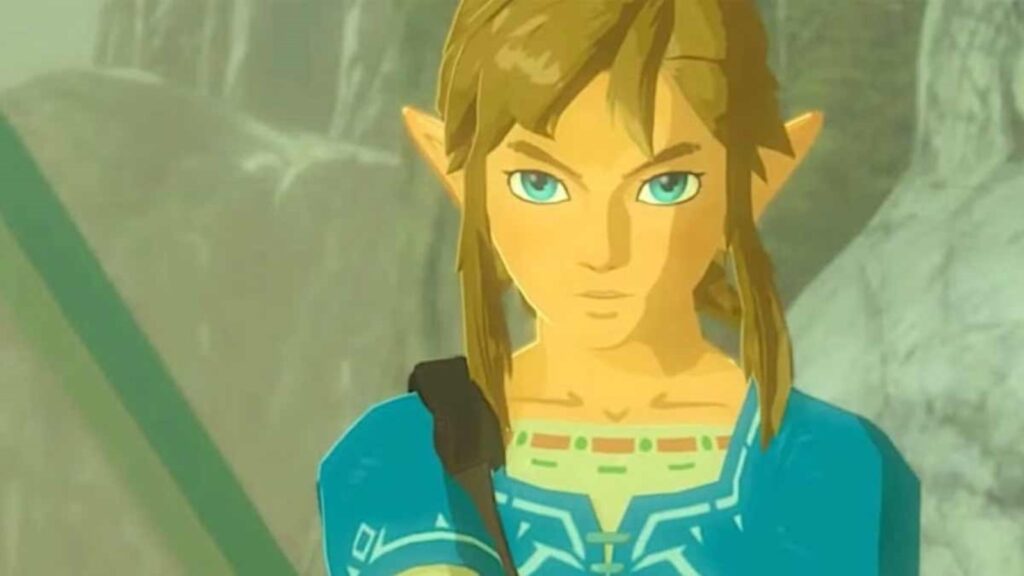
Link’s silence is an established design choice. Shigeru Miyamoto and producer Eiji Aonuma have explained that not giving Link a voice makes him an empty vessel for players’ personalities. Den of Geek notes that “games that want audiences to see themselves in the protagonist… generally don’t give said character a voice,” and Link was deliberately made that way.
In practice, even when Link interacts (e.g. choosing dialogue options in Breath of the Wild), the games present it as if the player is speaking. In-game lore sometimes justifies Link’s silence: for example, Breath of the Wild hints that Link stays silent “to stay strong and silently bear any burden,” implying he does speak but players just don’t hear him. This design lets players feel like they are the hero, keeping Zelda’s world more immersive.
How a Talking Link Could Change The Legend of Zelda Movie
Allowing Link to speak could dramatically alter the movie’s tone and storytelling. A speaking Link would shift scenes from silent adventure to dialogue-driven exchanges. Critics warn that this could break the fantasy feel: Kotaku argues that if Link starts cracking jokes or arguing with Zelda, it “brings the whole fantasy back down to earth”. Instead of an enigmatic hero, Link might become a more conventional action protagonist. This raises challenges: writers must give him convincing, well-written lines.
If done poorly, his dialogue could feel generic or cheesy – something fans fear (“remember that cartoon?”). Even a talking Link might still speak minimally, but each word he says will have much more impact. In short, giving Link a voice could make him more relatable, but it also risks reducing his mystery and the series’ signature ambience.
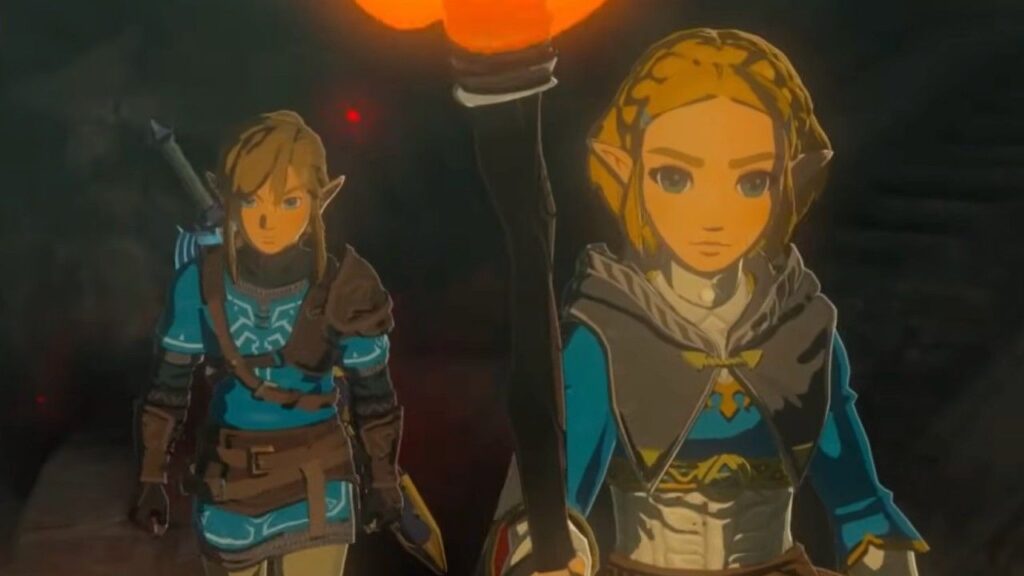
The Legend of Zelda Movie Fan Reactions to Link Possibly Speaking
Fan reaction has been mixed and fervent. Many took to social media to debate the issue. MyNintendoNews noted Imamura’s quote “echoes concerns that were rife on social media” about Link’s voice. On forums and Reddit, comments ranged from disappointment (“Mic drop cringe lines”) to reassurance (“Mario spoke in its movie, so maybe it’s fine”). Some fans trust that Nintendo will get the balance right, recalling how the Super Mario Bros. movies gave Mario a voice without losing his essence.
Others insist Link should remain largely silent, pointing out that Link has “spoken” only through text in games and shouldn’t break that tradition. The debate is lively, but most agree on one thing: they will be watching closely. (As Kotaku observes, the conversation has “rattled across the internet” as fans and press digest every clue.)
What Wes Ball Has Said About Link in The Legend of Zelda Movie
Director Wes Ball has repeatedly emphasized his commitment to Zelda fans. He told ComicBook.com he has an “awesome idea” for the movie and wants to “fulfill people’s greatest desires” by making something worthy of the franchise. Ball said the film will feel “serious and cool, but fun and whimsical,” aiming for the wonder of a Miyazaki-like adventure. Regarding Link, Ball indicated he plans to stay true to the games’ spirit: as he put it, “I’ll just have it like the game – you just have a little dialogue box pop up” when Link speaks.
In a 2024 Reddit AMA, Ball also noted that Link does communicate in the games (“When I play Zelda as Link I speak with many villagers… asking and answering many questions”), hinting that he expects to hear Link’s voice in the film. Overall, Ball’s comments suggest he intends to give Link some dialogue (as fans expect) but treat it carefully so as not to betray the games’ feel.
Why Keeping Link Quiet May Be the Best Choice for the Zelda Movie
Many insiders argue that minimal dialogue would best preserve Zelda’s magic. Kotaku’s Gach explicitly suggests keeping Link mostly silent: he’d like the movie to treat Link as an “avatar for the audience,” rather than having him talk too much. Imamura made the same point: he later clarified that “it’s not that I don’t want you to talk at all; rather, I hope you can keep that Link-like taciturnity instead of chattering on too much”.
A quiet Link allows the visuals and score to convey emotion, as in the games. It also avoids running into awkward dialogue that might undermine Link’s heroic image. In essence, sticking close to Link’s silent-protagonist roots would likely keep fans happy and maintain the series’ sense of wonder.
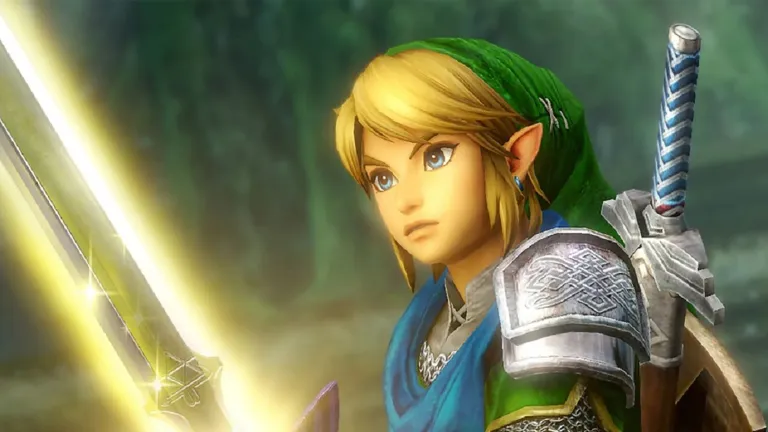
The Biggest Risks of Adapting Link for Live-Action
The main risk is mishandling Link’s character and tone. If he speaks poorly, it could break immersion; if he stays silent, the audience might not engage with him emotionally. Commentators note that Hollywood often opts for broad appeal: Nintendo’s recent films have leaned on big-audience comedy and visual gags.
For Zelda, over-emphasizing jokes or pop-culture references could clash with the game’s epic fantasy vibe. Other dangers include over-explaining the story (Zelda’s strength is subtlety) or changing characters too much. In short, giving a voice to such an iconic silent hero is a delicate balancing act. The filmmakers must avoid the common video-game movie pitfalls of sacrificing depth for cheap laughs or alienating core fans with a tone that doesn’t fit the series.
How Nintendo Could Preserve The Legend of Zelda Series Magic on Film
Nintendo has taken steps to protect the franchise’s integrity. Shigeru Miyamoto himself is producing and says Nintendo is “heavily involved” in the film’s development. Director Ball emphasizes making something “really special” that fans will love. By focusing on Zelda’s iconic elements – sweeping Hyrule vistas, Koji Kondo’s music, courageous themes – the movie can feel authentic. Ball even compares his goal to a live-action Hayao Miyazaki film, aiming for “wonder and whimsy”. Importantly, keeping Link as a mostly silent hero is one clear way to preserve the series’ feel. With Nintendo veterans guiding the project and a team of devoted fans (like Ball) steering the storytelling, the film has the best chance of capturing Zelda’s magic on screen.
The Legend of Zelda Movie Casting and Story Questions Fans Still Have
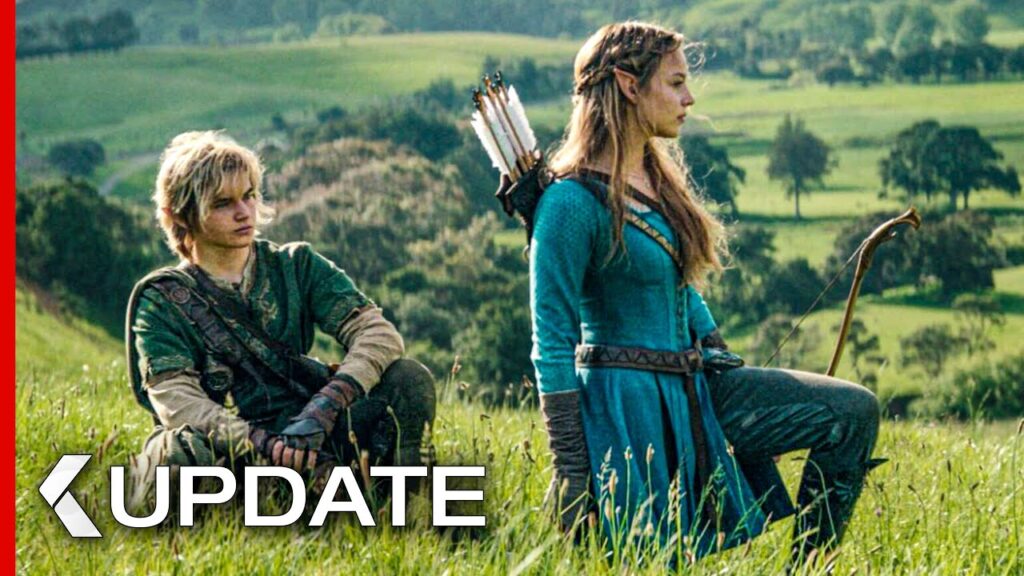
To date, only Link and Zelda have been cast: Benjamin Evan Ainsworth will play Link and Bo Bragason will play Princess Zelda. Fans are curious about other roles (who will be Ganondorf or other characters) and how the story will unfold. Nintendo has released very few plot details. A leaked production synopsis (via IGN) suggests a classic Zelda narrative: “The Legend of Zelda follows Link, a young warrior destined to protect… Hyrule from the forces of darkness. … Ganon… seeks the Triforce… Link must embark on a perilous journey, battling monsters, exploring dungeons, and solving puzzles…”. \
This implies a faithful approach, but key questions remain. Will the film draw from Breath of the Wild (as hints like Zelda’s blue outfit suggest) or hew to Ocarina of Time-era storylines? We simply don’t know yet. Fans are eagerly watching for more casting and story clues as production continues.
Could The Legend of Zelda Movie Repeat Past Video Game Adaptation Mistakes
Critics hope the Zelda movie will learn from other game films. Common missteps – overwriting lore, adding needless humor, or changing characters too much – could also plague Zelda if not avoided. For example, Kotaku warns that Nintendo’s recent adaptations have prioritized broad, mass-market gags, something Zelda fans would not welcome. To avoid this, the filmmakers should stay true to Zelda’s core themes (courage, adventure, mystery) rather than inserting generic movie tropes. Past games-turned-movies often failed by drifting too far from the original tone; Nintendo and Ball will need to steer clear of those pitfalls if the Zelda film is to succeed.
Why Link’s Voice Is One of the Most Important Zelda Movie Decisions
Ultimately, deciding if and when Link speaks is one of the film’s most critical choices. Link’s silence is a defining aspect of Zelda, so changing it even slightly could have a big impact. As Imamura put it, even a single spoken line “might suddenly fade away” the franchise’s magic. That underscores how high-stakes this decision is. Filmmakers must balance making Link relatable on film without losing his mystique.
This choice affects everything from casting (they’ve chosen a young, expressive actor) to script (the writers must craft very careful lines for him). In short, Link’s voice – or lack thereof – will shape fan reception of the movie. Get it wrong, and Zelda’s celebrated atmosphere could be diminished; get it right, and the movie will honor what made the games special.
Frequently Asked Questions
- Who is Takaya Imamura and why is his opinion about Link in the Zelda movie important?
Imamura is a longtime Nintendo artist (Majora’s Mask art director, creator of characters like Tingle). His decades of work on Zelda give him deep insight into the franchise’s style. Fans respect his view that changing Link’s silence could alter the series’ core magic. - Why do fans worry Link speaking could ruin Zelda’s magic?
Link’s silence lets players immerse themselves in the game. When Link talks, he becomes a defined character instead of an empty hero. Many fans feel that vocal Link would lose that immersive quality. The cautionary example often cited is the 1989 Zelda cartoon, where a chatty Link felt out-of-character. - Will Link speak in the live-action Zelda movie?
The filmmakers haven’t officially announced it, but hints point to “yes, but minimally.” Director Wes Ball has noted that Link does speak (offscreen) in the games, and he joked about using game-style dialogue prompts in the movie. Commentary writers also believe Link “definitely will” speak at least some lines. So while Link probably won’t be chatting nonstop, he is likely to have a voice. - Why is Link traditionally silent in the games?
Designers made Link mute so players could feel like the hero themselves. Without voiced dialogue, players supply Link’s words and emotions. This design philosophy is intentional – as Den of Geek explains, not giving the character a voice helps gamers “become more in tune with Link,” effectively making the player the protagonist. - How would having Link talk affect the Zelda movie?
A talking Link would change the film’s tone. It would mean shifting from silent-pantomime storytelling to dialogue scenes. Critics caution that Link speaking too much could break the fantasy mood; as one writer puts it, it might bring the adventure “back down to earth” if Link starts cracking jokes. The movie would then need to handle his dialogue carefully – good lines could add depth, but bad ones could feel cheesy. Even limited dialogue might help character relationships, but it risks making Link seem less mysterious. - What have fans said about Link possibly talking?
Fans are divided. Some agree with Imamura and want Link to stay as silent as possible, while others accept that film needs dialogue. Discussions on social media have ranged from humorous memes to serious debate. News outlets note that Imamura’s tweet “echoes concerns” found among fans online. Conversely, some point out that Mario spoke in his movies and it worked out, so maybe Zelda can too. The consensus is that fans will judge carefully: they want Link’s character handled respectfully, whether he speaks or not. - What has Wes Ball said about Link speaking in the movie?
Ball has emphasized that he’s a lifelong Zelda fan and wants the movie to reflect the games. He told ComicBook.com he hopes to “fulfill people’s greatest desires” and make a film “worthy of the property”. Specifically, he said he plans to honor the game mechanics – joking, “you just have a little dialogue box pop up” for Link’s lines. In a Reddit AMA, Ball even remarked that Link does speak to other characters in the games, suggesting we’ll hear Link’s voice in the film. Overall, Ball says the movie will be serious and whimsical like the games, implying Link will speak only as needed. - Why might it be better to keep Link mostly quiet in the movie?
Keeping Link silent preserves the series’ immersive feel. As noted, a mute Link lets players imagine themselves as the hero, a quality many fans cherish. A quiet Link also avoids the trap of bad dialogue. Director Ball himself and others have likened Link to a “taciturn” character. By limiting his dialogue, the movie can maintain Zelda’s classic mood and avoid turning Link into a talking hero who feels out of place. - What are the major risks in adapting a silent video game hero for film?
One risk is alienating the audience by making the protagonist uncommunicative. Movies usually require dialogue to engage viewers, so leaving Link silent could make him seem passive. Conversely, giving him a lot of dialogue risks cheapening the character if the writing is weak. Additionally, the film could fall into common video-game-movie pitfalls: overloading the plot with fan-service or humor. Commentators warn that if the studio follows the same broad, gag-heavy strategy as some Nintendo films, it could clash with Zelda’s tone. Balancing cinematic storytelling with Zelda’s subtle style is the key challenge. - What mistakes should the Zelda movie avoid that past video game films made?
Critics advise Zelda’s creators to avoid past errors like ignoring core lore or inserting irrelevant jokes. For example, emphasizing quick “for-the-audience” gags (as seen in some recent Nintendo movies) might undermine Zelda’s more epic storytelling. Other adaptations suffered by over-explaining or drastically altering beloved characters; Zelda should stay true to its themes of heroism and discovery. In summary, the film should respect the original’s spirit and avoid the shallow traps (cheap humor, plot changes, character mockery) that have marred some video game adaptations.
Conclusion
The question of Link’s voice in the upcoming Zelda film cuts to the heart of what makes the series special. As Majora’s Mask designer Takaya Imamura warned, even a single spoken line from Link could risk losing the franchise’s cherished magic. Fans and critics alike have emphasized caution. Director Wes Ball has acknowledged this balance: he aims for a “serious and cool, but fun and whimsical” movie and has hinted that Link will speak only as necessary.
Ultimately, this decision could make or break the adaptation. If the filmmakers keep Link largely silent and focus on Zelda’s iconic world (as many suggest), they have a better chance of capturing the games’ essence. With Nintendo veterans like Miyamoto directly involved and Ball’s fandom at the helm, there is reason for optimism. But until the movie arrives in 2027, Link’s quiet mystery remains one of the film’s most important secrets.
Sources and Citation
- MyNintendo News report on Takaya Imamura expressing concern about Link speaking in the Zelda movie.
https://mynintendonews.com/2026/04/zelda-movie-takaya-imamura-link-speaking-concern - GamesRadar coverage of Imamura’s tweet and Wes Ball AMA discussion.
https://www.gamesradar.com/zelda-movie-imamura-tweet-wes-ball-ama - GameFragger interview featuring quotes from Takaya Imamura about the Zelda film.
https://www.gamefragger.com/interview/takaya-imamura-zelda-movie-comments - Kotaku analysis discussing the implications of Link speaking and overall tone of the adaptation.
https://kotaku.com/zelda-movie-link-speaking-tone-analysis - ComicBook Gaming interview with Wes Ball discussing the Zelda movie adaptation.
https://comicbook.com/gaming/news/zelda-movie-wes-ball-interview - ComicBook report covering Wes Ball’s vision for the film and Shigeru Miyamoto’s statements.
https://comicbook.com/gaming/news/zelda-movie-tone-miyamoto-comments - Den of Geek article explaining why Link is traditionally silent, citing Miyamoto and Aonuma.
https://www.denofgeek.com/games/why-link-doesnt-talk-zelda - Wikipedia page for Takaya Imamura covering career highlights and background.
https://en.wikipedia.org/wiki/Takaya_Imamura - GamesRadar report covering Zelda movie release details and cast information.
https://www.gamesradar.com/zelda-movie-release-date-cast - GamesRadar article discussing leaked synopsis details and costume clues.
https://www.gamesradar.com/zelda-movie-leak-synopsis-costume-details
Recommended
- Mortal Kombat 1 Has Sold Over 8 Million Copies: Latest Sales Milestone, Timeline, and What’s Next
- How to Use Physics-Based Hair in Blender
- God of War TV Series Adds Lost Star Sonya Walger as Freya in Prime Video Adaptation
- Hair20K vs PixelHair: Comparing High-Fidelity 3D Hair Datasets for Machine Learning, Simulation, and Production Use
- Embodiment of Style Received Very Positive Reviews on Steam: Why REPLACED Is Winning Gamers Over
- The Seven Deadly Sins: Origin Review (2026): Netmarble’s Open-World Anime RPG Worth Playing?
- Mush3D for Maya & Standalone: Shot Sculpting on Alembic/FBX Animation Caches
- Devil May Cry’s Dante – Complete Character Guide and Breakdown
- According to YouTube, “Independant Animators Are Changing the Industry” What the 2026 Animation Trends Report Reveals
- How to Convert a Real Human to Metahuman Using Photogrammetry: Complete Workflow Guide for Unreal Engine 5