









If you are searching for “Dreadmoor Preview: If You Enjoyed Dredge, This Is a Similarly Lovecraftian Horror-Fishing Game,” that description is directionally right, but it undersells what makes Dreadmoor distinct. Based on currently available public information, Dreadmoor looks less like a simple imitation and more like a first-person, survival-heavy horror-fishing game with crafting, real-time combat, and a bleaker post-apocalyptic setting. As of April 16, 2026, developer Dream Dock and publisher Digital Vortex Entertainment are targeting a Q4 2026 release for PC via Steam.
What Is Dreadmoor? Everything We Know About the Lovecraftian Fishing Horror Game
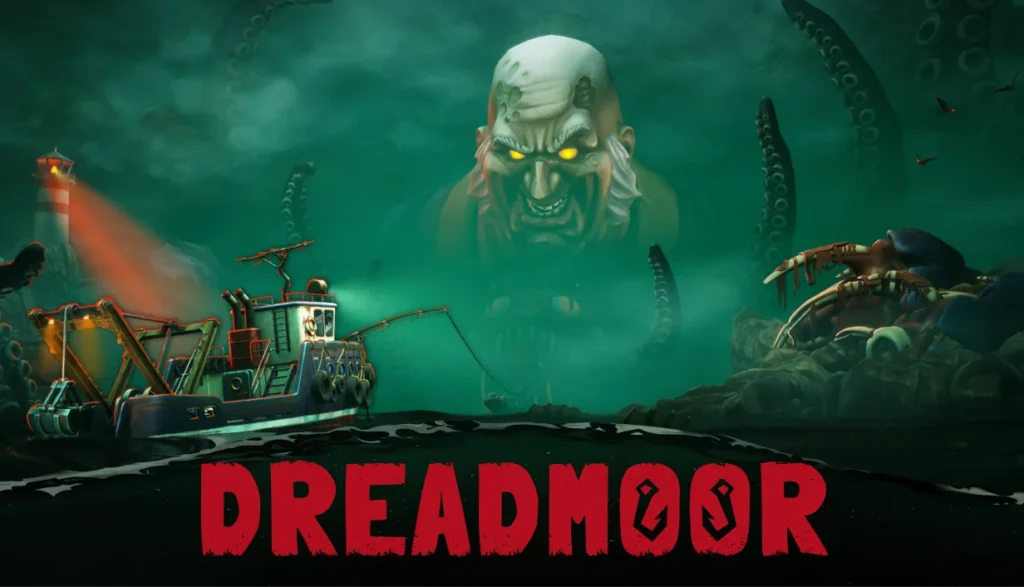
Dreadmoor is an upcoming single-player, first-person fishing adventure set in a flooded world ruined by a past catastrophe. Official materials describe a game built around skill-based fishing, survival crafting, real-time combat, and exploration through wetlands, wrecks, caves, and abandoned structures. Fishing is not presented as a side activity; it is tied directly to survival, trade, progression, and equipment upgrades.
Dreadmoor vs Dredge: Key Differences Between the Two Horror Fishing Games
The easiest point of comparison is Dredge, the 2023 fishing-horror hit developed by Black Salt Games and published by Team17. Both games share a catch-sell-upgrade loop, ominous waters, strange sea life, and a horror atmosphere built around what lies beneath the surface. The difference is that Dreadmoor adds first-person immersion, explicit survival systems, real-time combat on water and on land, and a more overtly post-apocalyptic setting. Dredge is already a finished, commercially released game with a mysterious archipelago structure and broad platform availability, while Dreadmoor is still unreleased and currently announced only for PC.
Is Dreadmoor a First-Person Version of Dredge? Perspective and Immersion Breakdown
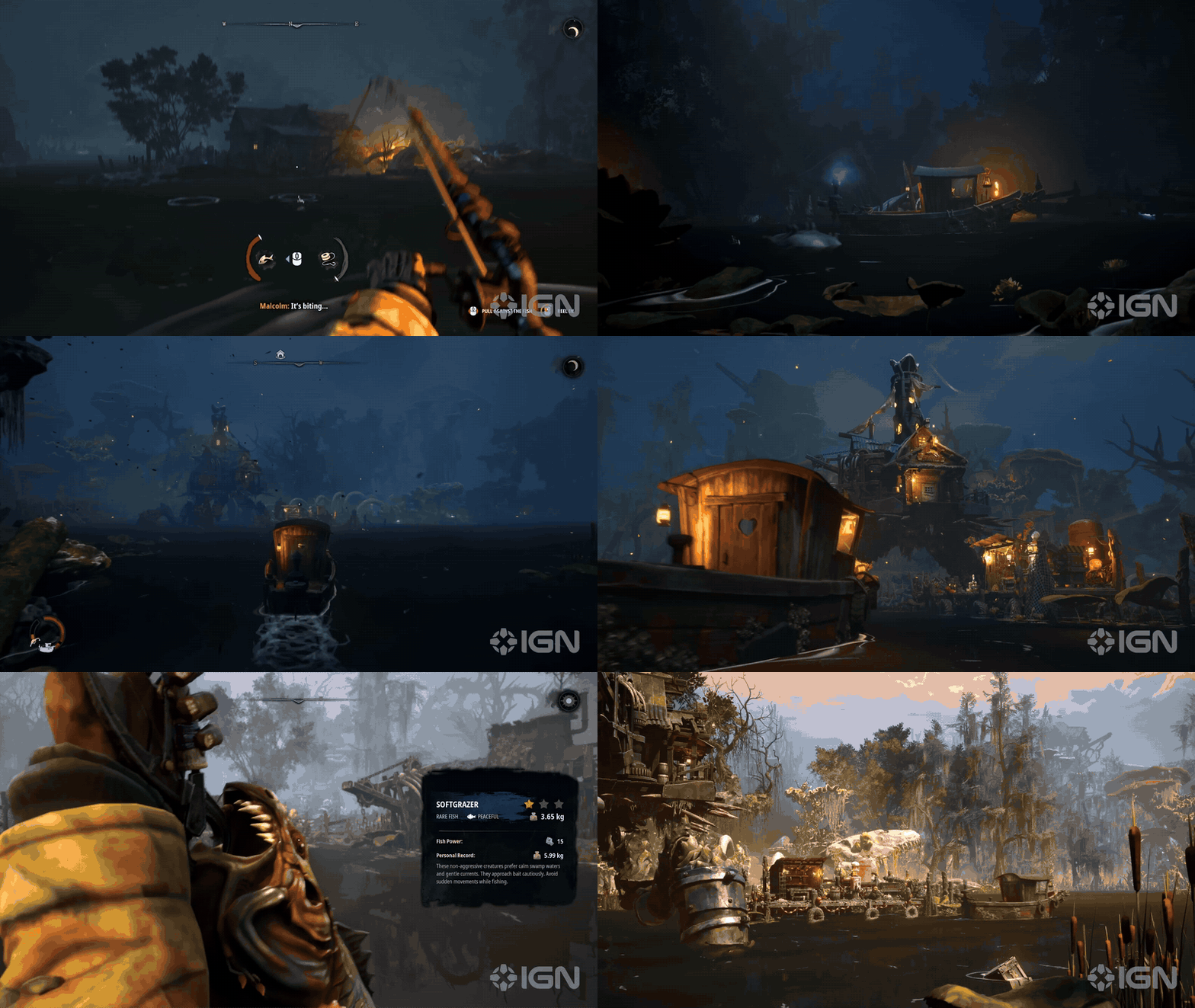
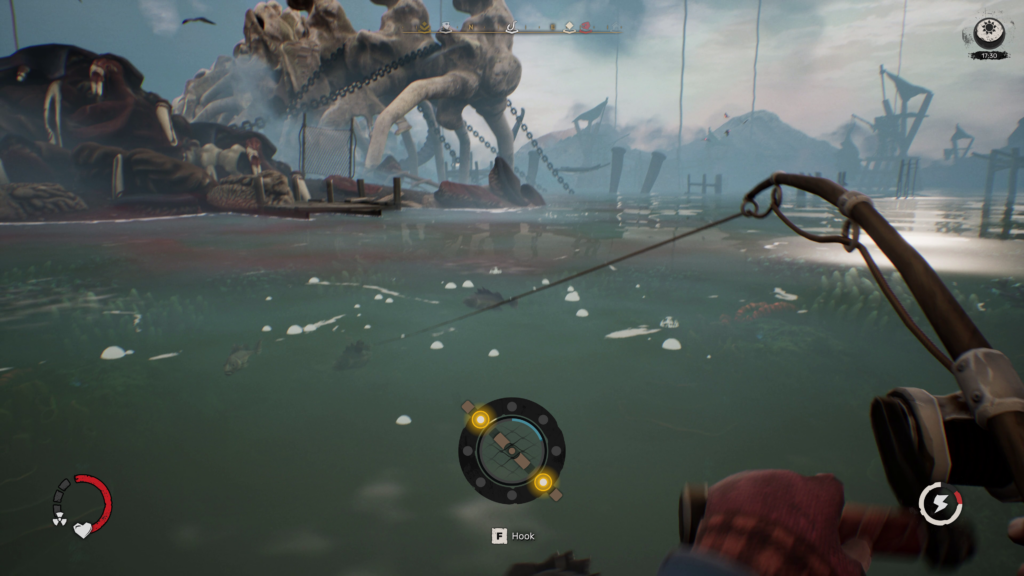
Not exactly. The first-person camera is the most obvious difference, but it matters because it changes how interaction feels. According to the official FAQ, Dreadmoor’s fishing system is first-person and skill-based, built around fish stamina, line tension, and key moments that can trigger QTE-like inputs. Hands-on coverage also shows that everyday actions such as refueling the boat, tuning the radio, solving harpoon-based environmental puzzles, and choosing bait are handled in a tactile, manual way. That makes Dreadmoor feel less like a distant management-adventure game and more like a boots-on-deck survival experience.
Why Dreadmoor Feels Like a Darker, More Complex Dredge Experience
Early evidence points to a game that is darker in tone and more layered in systems than Dredge, though that conclusion is still provisional because Dreadmoor has not shipped yet. The studio has said it took early criticism seriously and that the game has become more atmospheric, immersive, and deeper over time. Officially described elements include crafting, modular trawler upgrades, real-time monster battles, health and environmental pressure, safe zones, changing weather, and story-driven quests. The Steam listing also warns of frequent violence or gore. In other words, Dreadmoor appears to pursue a denser survival-horror loop than Dredge rather than merely copying its premise.
Dreadmoor Gameplay Explained: Fishing, Survival, and Monster Combat Mechanics
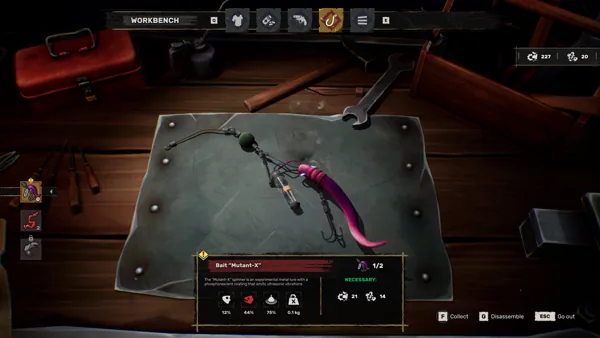
The core loop currently looks like this: travel by boat, locate promising waters, choose bait, catch fish through a tension-based first-person system, process or sell the catch, scavenge materials and blueprints, craft tools and survival items, then push farther into more dangerous territory. Official sources confirm that fish can be turned into materials and components, that catches can affect progression, and that some species are rare or dangerous enough to alter how you prepare for an expedition. The store page also notes a standout wrinkle: creatures stored in your hold may devour one another if you are careless.
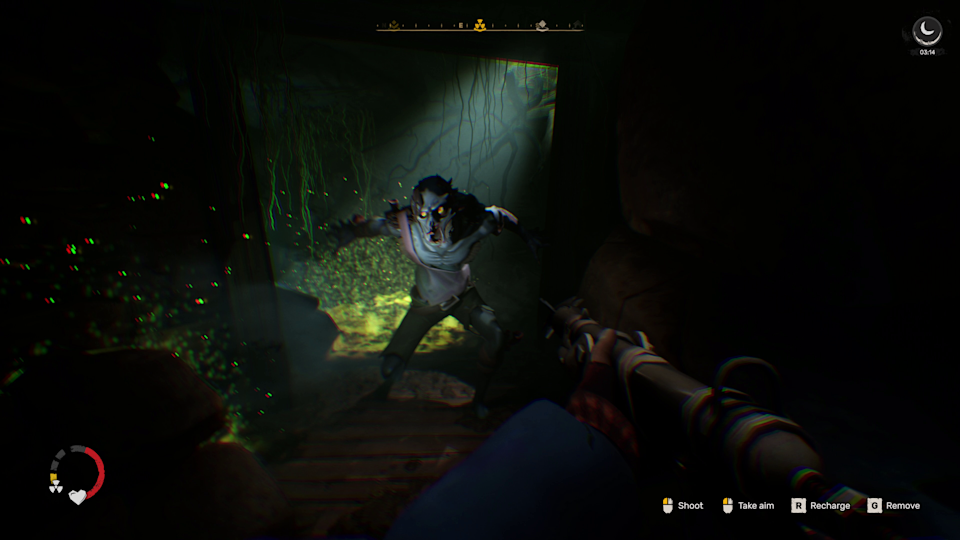
Combat is not just a backup system. The official FAQ says monster battles happen in real time both on sea and on land. On land, the player can use melee weapons; on water, the boat itself gains defensive modules and ranged tools. Preview writers also report a harpoon gun used for both utility and combat-adjacent interactions, including pulling supply crates from the water and solving environmental obstacles. That means Dreadmoor’s fishing loop is constantly connected to traversal, danger, and resource management rather than sitting in a separate minigame silo.
Fishing Meets Survival Horror: How Dreadmoor Reinvents the Genre
The clearest design thesis comes from the official second dev diary: in Dreadmoor, fishing is not meant to be relaxing. The team says it should sit between calm and tension, curiosity and danger, reward and risk. Rare species appear only under certain conditions or at specific times of day; dangerous fish can feel like predators rather than prey; and nighttime makes waters more hostile while reducing visibility. The result is a survival-horror interpretation of fishing, where each cast can become a calculated risk instead of a cozy routine.
Boat Upgrades, Crafting, and Progression Systems in Dreadmoor Explained
Boat growth and crafting are central to Dreadmoor’s progression pitch. Official descriptions mention vessel upgrades, specialized bait, reinforced harpoons, rare medicines, survival tools, and scavenged blueprints. The developer FAQ adds that the trawler is planned to have a modular upgrade system, while crafting is described as essential rather than optional. In one PAX East demo, progression also included a skill tree powered by collectible torn pages, which unlocked bait recipes and expanded what the player could craft. That specific skill-tree implementation comes from preview footage rather than a final feature list, so it should be treated as current demo evidence, not an immutable launch guarantee.
Lovecraftian Horror Elements in Dreadmoor: Cosmic Terror Beneath the Water
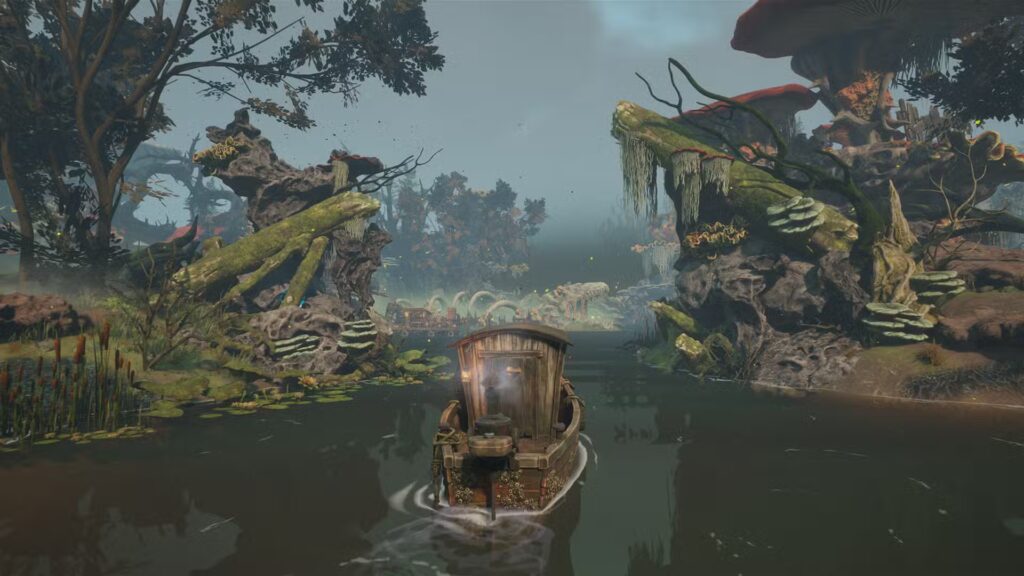
The Lovecraftian label is not just fan shorthand. In publisher materials, Digital Vortex explicitly described Dreadmoor as a fusion inspired by Lovecraftian horror and post-nuclear survival. What publicly available footage and descriptions show, however, is a specific kind of Lovecraftian mood: mutation, psychological tension, dangerous night waters, grotesque fish life, eerie settlements, and the sense that some discoveries were never meant to be found. So far, that makes Dreadmoor feel Lovecraftian in atmosphere and design language more than in direct literary adaptation.
Dreadmoor Story and Setting: Exploring a Flooded Post-Apocalyptic World
Official descriptions say the game takes place in a world flooded by a catastrophic human mistake, with coastal regions sunk and remaining settlements scattered across a drowned landscape. The setting mixes rotting wetlands, ruined islands, shipwrecks, abandoned buildings, caves, and the remnants of a lost civilization. The official FAQ describes the world as post-apocalyptic, shaped by radiation, collapse, and lingering mystery, while also promising a full storyline, hand-crafted quests, and memorable characters. One Steam update further frames the aesthetics as a flooded world set in an early-twentieth-century milieu.
Preview coverage adds a little more texture, but not a fully official plot synopsis. One hands-on report identifies the player character as Malcolm and describes an opening that hints at a child discovering something disastrous before Malcolm wakes in a small shanty area and begins working his way into the wider world. That detail is useful for tone-setting, but because it comes from a demo rather than a formal story overview, it is best read as an early narrative glimpse rather than complete lore.
Open World Exploration in Dreadmoor: Submerged Cities and Forgotten Lands
This is one place where precision matters. Some public-facing descriptions and Steam tags make Dreadmoor sound like a full open-world game, but the developer FAQ is more exact: it calls the structure a semi-open world made up of large locations where players can explore freely, trade, and uncover secrets. Official store text supports that framing by emphasizing shipwrecks, caves, abandoned structures, and travel between settlements rather than one uninterrupted ocean map. Previewers similarly describe swamps, bays, gates, docks, and enclosed explorable regions.
The “submerged cities” part of the header captures the game’s imagery, but it is worth noting that current official materials more concretely confirm drowned coasts, ruins, islands, and forgotten civilization remnants than a checklist of explorable sunken cities. That nuance matters if accuracy is the priority: the world is clearly expansive and ruin-filled, but its exact map scale and landmark mix are still being defined in public.
Dreadmoor Monsters and Enemies: What Lurks in the Deep?
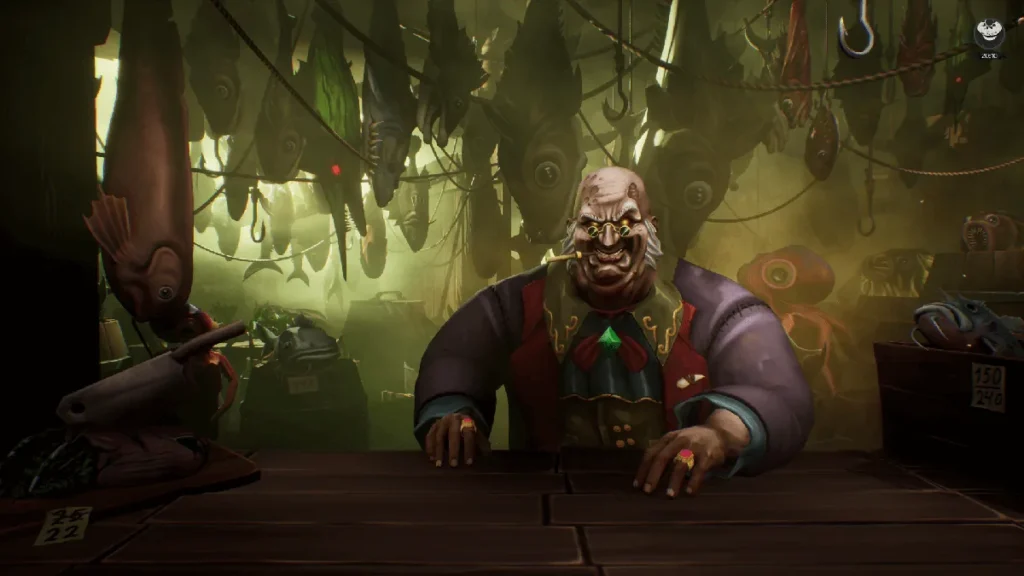
Officially, Dreadmoor’s enemies include violent fish, mutated creatures on sea and land, and boss-level monsters. The FAQ says powerful bosses live in the depths and can be extremely valuable if defeated, while the store page emphasizes constant danger from creatures “twisted by catastrophe.” Preview reports reinforce that broad picture with images of massive aquatic threats, corrupted humanoid designs, and unsettling NPCs that make even non-hostile encounters feel uncanny. In other words, the monster roster appears to be doing double duty as both gameplay threat and worldbuilding device.
Dreadmoor Release Date, Platforms, and Development Updates (2026 Launch Details)
As of April 16, 2026, Dreadmoor’s official release window is Q4 2026, and the only formally announced platform is PC via Steam. No exact day has been confirmed. The current Steam listing shows single-player support, achievements, Steam Cloud, and Family Sharing, but not a broader platform slate. Until Dream Dock or Digital Vortex say otherwise, console versions remain unannounced rather than delayed or implied.
Development-wise, the game is much more concrete than it was at reveal. Dream Dock partnered with Digital Vortex in October 2025; the teams later ran an early pre-alpha playtest, said player data had already reshaped systems, reported 100,000 wishlists by March 5, 2026, and pointed audiences toward ongoing focus tests and playtesting through the official Discord. They also used a gameplay deep-dive trailer during a major February 2026 showcase to signal new features and show more of the game in motion.
Dreadmoor Preview Impressions: What Players Are Saying So Far
The current public mood is cautiously enthusiastic. There are still no Steam user reviews, so the most meaningful signals come from hands-on previews and from what the studio says it learned during testing. Multiple previewers praised the atmosphere, tactile interactions, art direction, and the way first-person perspective raises tension. One outlet said the demo felt polished and cohesive; another highlighted the atmosphere and simple but compelling quest-fishing loop; another stressed the stronger survival-horror tension created by the first-person viewpoint. The developer, for its part, has said the “vast majority” of playtest participants liked what they played.
At the same time, a fully sober preview has to preserve some caution. Earlier coverage questioned the project’s originality and even its legitimacy when public materials were thin, and at least one later preview noted that the alpha build still had visible rough edges even while praising the overall vibe. That does not mean the game is in trouble; it means Dreadmoor is exactly what it looks like right now: a promising unreleased indie horror game whose reputation is improving as more hands-on evidence appears.
Best Games Like Dredge: Why Dreadmoor Should Be on Your Radar
If your search intent is simply “best games like Dredge,” Dreadmoor belongs on the radar because it shares the core appeal that made Dredge work so well: sinister fishing, curious catches, boat upgrades, mystery, and creeping dread. Where it separates itself is in scope and feel. Dreadmoor adds first-person interaction, more explicit survival mechanics, combat across multiple contexts, and a more grounded post-apocalyptic horror tone. That makes it less a replacement for Dredge and more a more severe cousin for players who want the same basic fantasy pushed into rougher territory.
Is Dreadmoor Worth Watching? Early Verdict on This Horror Fishing Indie Game
Yes, Dreadmoor is worth watching, especially for players who liked Dredge but wanted more tactile immersion, more danger, and more systems wrapped around the act of fishing. The upside case is clear: strong art direction, a compelling first-person hook, a better-developed survival layer than many genre peers, and a setting that previewers consistently found memorable. The caveat is equally clear: it remains unreleased, final balance and content density are still unknown, and there is no body of user reviews yet to confirm that the strong early pitch sustains itself over a full game.
Frequently Asked Questions (FAQs)
- When is Dreadmoor coming out?
The current official window is Q4 2026, but no exact release date has been announced yet. - What platforms is Dreadmoor confirmed for?
Right now, the only officially announced platform is PC via Steam. - Is Dreadmoor single-player or multiplayer?
The official FAQ says Dreadmoor is single-player only. - Is Dreadmoor fully open world?
Not exactly. The current developer FAQ describes it as a semi-open world built from large explorable areas rather than one seamless map. - Is Dreadmoor a fishing simulator?
No. The official FAQ says fishing is important, but the game is first and foremost an adventure and survival experience with atmosphere, story, and danger. - Does Dreadmoor have combat?
Yes. Official materials say combat happens in real time on both land and sea, with melee options on land and boat-based or ranged tools on the water. - Can you upgrade your boat in Dreadmoor?
Yes. The game’s store page and FAQ both say the trawler can be upgraded, and the FAQ specifically mentions a modular upgrade system that is still being developed. - Are there settlements or safe zones?
Yes. According to the FAQ, players will find safe areas where survivors trade, rest, share stories, and hand out quests. - Do weather and the day-night cycle matter?
Yes. The FAQ confirms both weather effects and a full day-night cycle, and the dev diary says night makes creatures more active, waters more hostile, and visibility worse. - Is Dreadmoor just Dredge in first person?
No. Dream Dock openly acknowledges Dredge as an inspiration, but the studio says Dreadmoor has evolved into its own identity, and current public materials show meaningful differences in camera perspective, combat, crafting, survival structure, and tactile interaction.
Conclusion
The strongest accurate takeaway is that Dreadmoor currently looks like one of the most credible games for people who want something in the Dredge lane without simply replaying Dredge again. Its pitch is sharper, harsher, and more survival-focused: first-person fishing, real-time combat, modular boat growth, dangerous night waters, and a drowned world that has made a strong impression in early previews. The remaining uncertainty is the normal pre-release uncertainty of any unreleased indie game, not the absence of a game-shaped idea. As of now, Dreadmoor has moved from intriguing concept to genuinely watchable project.
Sources and Citations
- DREADMOOR official Steam store page
https://store.steampowered.com/app/3629430/DREADMOOR/ - Dream Dock official website
https://dream-dock.com/ - Official Steam FAQ thread for DREADMOOR
https://steamcommunity.com/app/3629430/discussions/0/632318982806920280/ - Official DREADMOOR Steam discussions hub
https://steamcommunity.com/app/3629430/discussions/ - Official Dev Diary #1: Welcome to the Submerged Land
https://steamcommunity.com/app/3629430/allnews/ - Official Dev Diary #2: Fishing
https://store.steampowered.com/news/app/3629430/view/519742398769661151 - Gematsu publisher announcement
https://www.gematsu.com/2025/10/dreadmoor-to-be-published-by-digital-vortex - GamingTrend hands-on preview
https://gamingtrend.com/previews/dreadmoor-hands-on-preview/ - Operation Rainfall hands-on preview
https://operationrainfall.com/2026/03/23/gdc-festival-of-gaming-impressions-2026-dreadmoor/ - InBetweenDrafts PAX East preview
https://inbetweendrafts.com/dreadmoor-pax-east-2026/ - Eneba interview with Dream Dock
https://www.eneba.com/hub/news/we-took-the-early-feedback-seriously-an-interview-with-dreadmoor-devs-dream-dock/ - Eneba report on the project’s skepticism and publisher-backed resurgence
https://www.eneba.com/hub/news/dreadmoor-resurfaces-with-new-publisher/
Recommended
- How to Create a 3D Environment Like Arcane: A Step-by-Step Guide
- How to Export Metahuman to Maya and Back: Complete Workflow for Unreal Engine and Autodesk Maya
- Bossfight Returns After Netflix Closure: Boss Fight Founders Relaunch Studio
- Honkai Star Rail Next Update And Banners (4.1 & 4.2): Release Date, Characters, Schedule, And Leaks
- Blender Set Hair Curve Profile Geometry Nodes Preset
- How to Make Anything a LEGO in Blender with Geometry Nodes: A Step-by-Step Guide
- GDC Festival of Gaming 2026 Launches: Registration Opens, Pass Prices, Dates & What’s New
- Achieving a Painterly Look in Blender: Techniques to Make 3D Animations Appear Hand-Painted
- Can I use real-world camera settings in Blender?
- “Our Goal Is to Not Have a Huge Gap”: Boss Confirms Harry Potter Series Won’t Be Annual as Season 2 Scripts Remain Unfinished