







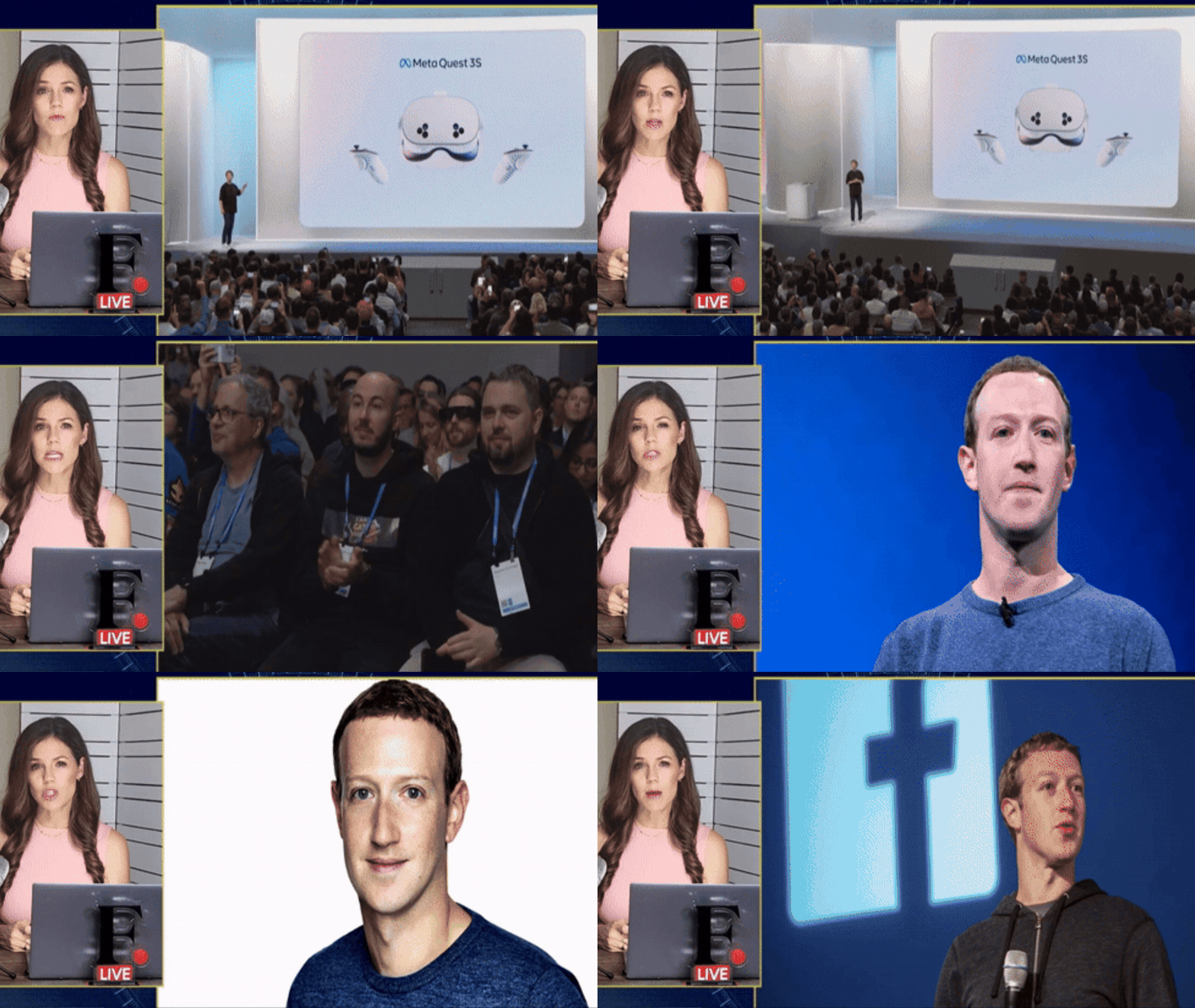
Meta is reportedly working on an AI model of Mark Zuckerberg
Recent reports suggest that Meta is developing an advanced artificial intelligence system designed to replicate the communication style, decision-making patterns, and conversational behavior of its CEO, Mark Zuckerberg. This initiative reflects a broader push by Meta to integrate generative AI into its internal operations and long-term product ecosystem.
The concept revolves around creating a “digital twin” or AI-powered representation of Zuckerberg that can assist employees, participate in meetings, and streamline communication across teams. While still in development, the idea has sparked widespread interest and debate across the tech industry.
Mark Zuckerberg AI clone: what the reports claim
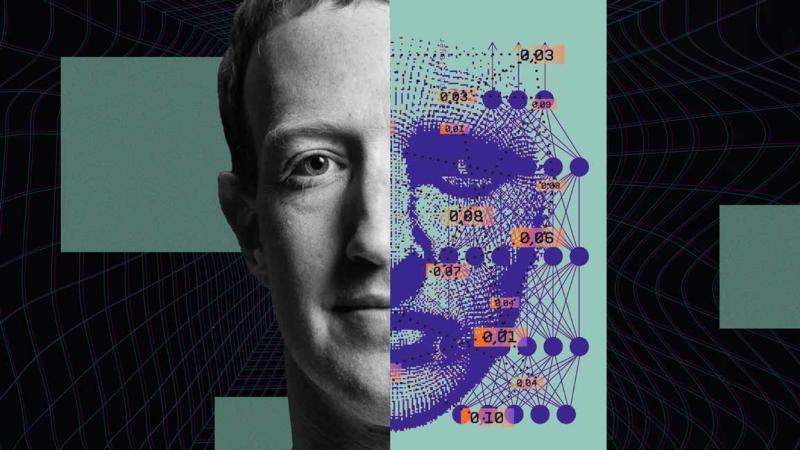
According to early coverage, Meta’s project involves building a highly personalized AI model trained on Zuckerberg’s public appearances, internal communications, and historical decision-making patterns. The goal is not just to mimic his voice, but to simulate how he thinks and responds in business contexts.
Reports indicate that this AI could answer employee questions, provide strategic guidance, and even act as a proxy in certain internal discussions. However, it is important to note that such a system would likely operate within defined constraints rather than having full autonomy.
Why Meta wants an AI version of Mark Zuckerberg for employees
Meta’s motivation appears rooted in efficiency and scalability. As a global company with tens of thousands of employees, direct access to the CEO is limited. An AI version of Zuckerberg could:
- Provide consistent answers to common questions
- Reinforce company vision and strategy
- Reduce communication bottlenecks
- Improve onboarding for new employees
By offering a centralized “voice of leadership,” Meta could ensure that employees receive aligned messaging regardless of location or department.
How an AI avatar learns Zuckerberg’s voice, tone, and mannerisms
Creating a convincing AI avatar requires extensive training data and advanced machine learning techniques. The system would likely rely on:
- Natural language processing (NLP) models trained on speeches, interviews, and internal memos
- Voice synthesis technology for realistic speech generation
- Behavioral modeling to capture decision-making patterns
- Reinforcement learning to refine responses over time
These components work together to produce an AI that not only sounds like Zuckerberg but also reflects his communication style and priorities.
What the Financial Times report said about Meta’s Zuckerberg AI
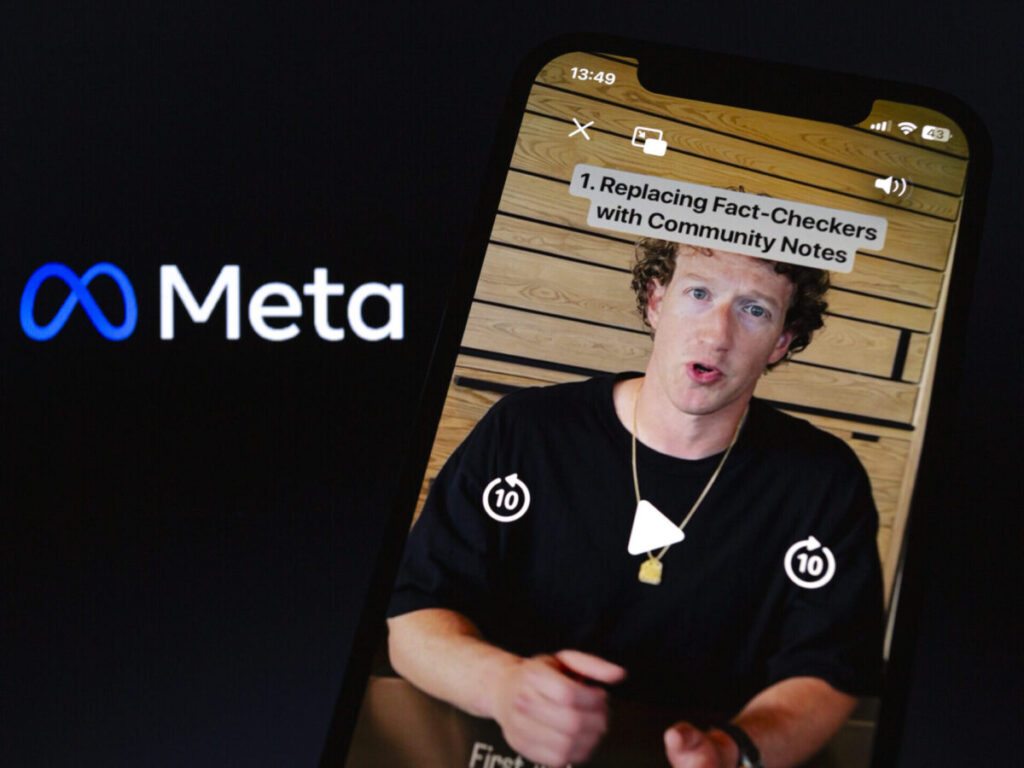
The initial report from Financial Times highlighted Meta’s experimentation with AI-driven leadership tools. According to the publication, the company is exploring ways to deploy AI avatars internally to improve efficiency and collaboration.
The report emphasized that the Zuckerberg model is part of a broader initiative rather than a standalone project, suggesting that Meta sees AI personas as a key component of its future workplace infrastructure.
Meta AI “CEO clone” for meetings: how it could work
In practical terms, a “CEO clone” could function as a meeting assistant or participant. For example:
- Employees could ask the AI for guidance during planning sessions
- The AI could summarize Zuckerberg’s stance on strategic issues
- Teams could simulate executive feedback before presenting ideas
This would allow faster decision-making and reduce the need for direct executive involvement in routine discussions.
ZuckBot explained: is Meta building a chatbot version of Zuckerberg?
The term “ZuckBot” has emerged informally to describe the concept of a chatbot modeled after Zuckerberg. While not an official product name, it captures the essence of the project: a conversational AI capable of representing the CEO’s perspective.
Unlike traditional chatbots, ZuckBot would be highly personalized, leveraging proprietary data to deliver context-aware and leadership-aligned responses.
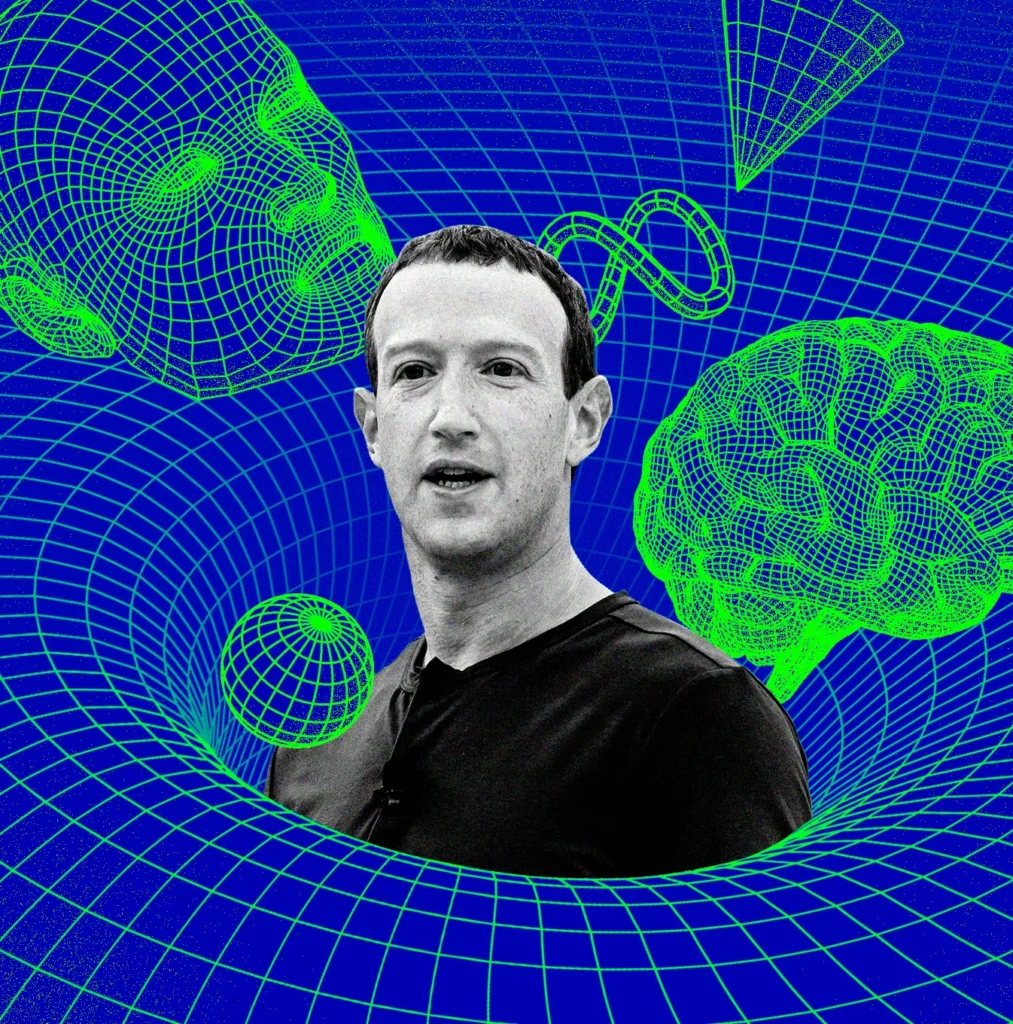
AI digital twins in the workplace: benefits and risks
The idea of AI digital twins extends beyond Meta and is gaining traction across industries. Potential benefits include:
- Improved knowledge sharing
- Enhanced productivity
- Faster decision-making
- Scalable leadership presence
However, risks also exist:
- Over-reliance on AI for critical decisions
- Loss of human nuance in communication
- Potential misuse or misinterpretation of AI outputs
Balancing these factors will be crucial for successful adoption.
Privacy concerns with an AI model of a real person
Building an AI model based on a real individual raises significant privacy questions. Even if the subject is a public figure like Zuckerberg, concerns include:
- How training data is collected and used
- Whether private communications are included
- How the AI’s outputs are controlled and monitored
Ensuring transparency and strict data governance will be essential to address these issues.
Deepfake and impersonation risks with CEO AI avatars
AI avatars capable of mimicking real individuals introduce the risk of deepfakes and impersonation. If misused, such technology could:
- Spread misinformation
- Manipulate employees or stakeholders
- Undermine trust in digital communications
Meta and other companies must implement safeguards to prevent unauthorized use and clearly distinguish AI-generated content from human communication.
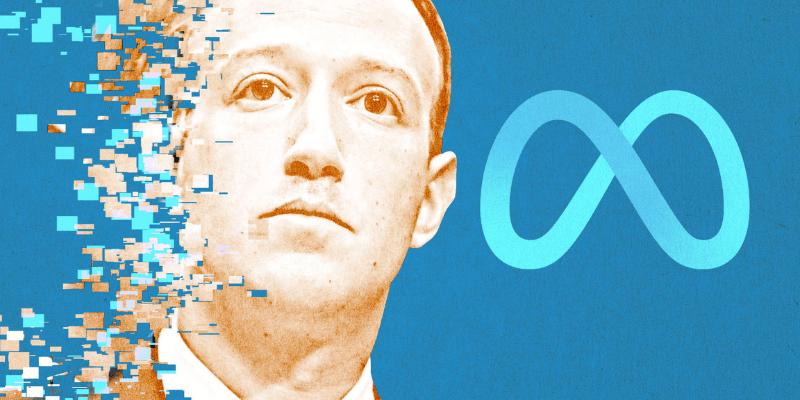
Meta’s AI characters and creator avatars on Instagram and Facebook
Meta has already experimented with AI-driven characters and avatars across its platforms, including Instagram and Facebook. These tools allow users and creators to build AI personas that interact with audiences in real time.
The Zuckerberg AI model can be seen as an extension of this strategy, applying similar technology to internal operations and leadership communication.
How to build custom AI chatbots on Meta platforms
Meta has been expanding tools that enable developers and creators to build custom AI chatbots. These typically involve:
- Using Meta’s AI frameworks and APIs
- Training models on specific datasets
- Defining personality traits and response styles
- Integrating bots into messaging platforms like Messenger and WhatsApp
This ecosystem supports both consumer-facing and enterprise use cases, including potential internal tools like the Zuckerberg AI.
Employee communication tools powered by generative AI at Meta
Generative AI is becoming a core component of workplace communication at Meta. Tools under development or deployment include:
- AI-powered assistants for internal messaging
- Automated meeting summaries
- Knowledge retrieval systems
- Personalized onboarding experiences
The Zuckerberg AI model fits into this broader effort to modernize how employees interact with information and leadership.

Ethics of training AI on public statements and personal likeness
Training AI on an individual’s likeness raises ethical considerations, even when using public data. Key questions include:
- Who owns the digital representation of a person?
- How should consent be managed?
- What limits should be placed on replication?
These issues are particularly important when the AI is used to represent authority figures within an organization.
What the Zuckerberg AI project means for Meta’s broader AI strategy
The development of a Zuckerberg AI model highlights Meta’s ambition to lead in generative AI and digital identity technologies. It signals a shift toward:
- AI-driven workplace transformation
- Personalized digital assistants
- Integration of AI across all products and services
This project aligns with Meta’s long-term vision of immersive digital experiences, including the metaverse, where AI avatars could play a central role.
Frequently Asked Questions (FAQs)
- Is Meta officially building an AI clone of Mark Zuckerberg?
Reports suggest Meta is exploring the idea, but the project is still in development and not officially confirmed in full detail. - What would a Zuckerberg AI be used for?
It could assist employees, participate in meetings, and provide guidance aligned with Zuckerberg’s leadership style. - How accurate would the AI model be?
Accuracy depends on training data and model design, but it would aim to closely mimic Zuckerberg’s communication patterns. - Is this similar to a chatbot?
Yes, but far more advanced and personalized than typical chatbots. - Could this technology be used outside Meta?
Potentially, as AI digital twins become more common across industries. - Are there privacy concerns?
Yes, especially regarding data usage and representation of real individuals. - What are the risks of CEO AI avatars?
Risks include deepfakes, misinformation, and over-reliance on AI decision-making. - Has Meta used similar AI before?
Yes, Meta has developed AI avatars and chatbot tools for its social platforms. - Could employees rely on this instead of real leadership?
It may supplement communication but is unlikely to replace real leadership entirely. - What does this mean for the future of AI?
It suggests a growing role for personalized AI in both workplaces and digital ecosystems.
Conclusion
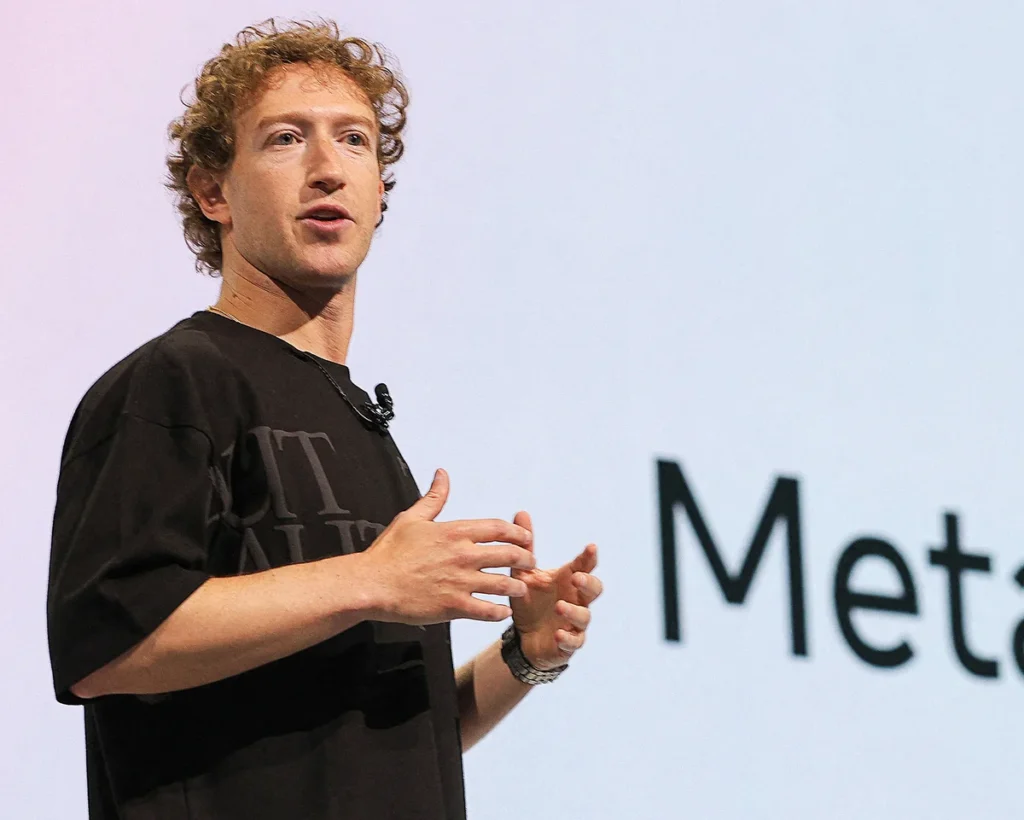
Meta’s reported development of an AI model of Mark Zuckerberg represents a significant step in the evolution of generative AI and workplace technology. By creating a digital twin of its CEO, Meta aims to enhance communication, improve efficiency, and scale leadership presence across its organization.
However, the initiative also raises important questions about privacy, ethics, and the potential risks of AI-driven impersonation. As the technology develops, its success will depend on how effectively these challenges are addressed while delivering real value to employees and the broader ecosystem.
Sources and Citations
- Financial Times – Meta explores AI leadership tools
https://www.ft.com - Meta official announcements and AI platform updates
https://about.meta.com - Industry analysis on AI avatars and digital twins
https://www.technologyreview.com
Recommended
- What Is the Purpose of the Camera View in Blender?
- Is Blender CPU or GPU Intensive? A Complete Guide to Performance in Blender
- Counter-Strike 2 Ammo Reloads Are Fundamentally Changing: Valve Just Pulled the Rug Out From Under 25 Years of Muscle Memory
- Hoppers Review (2026): Pixar’s Wild Beaver-Bot Comedy, Explained — Story, Voice Cast, Ending, and Where to Watch
- Minecraft Movie Cast, Review, Fan Insights, and Box Office Performance: Full Breakdown After Release
- Bloodmoored Announced for PC: First-Person Psychological Horror Game Set in an Abandoned Factory
- Can I use real-world camera settings in Blender?
- Unigine 2.21 Is Out: What’s New in the Real-Time 3D Engine — Animation Graph, AI Workflow, Performance
- How to Make a Sci-Fi Movie with Metahuman in Unreal Engine 5: A Cinematic Workflow Guide
- Slay the Spire 2 Record Metrics: Steam Player Peaks, China Popularity, and the Deck-Building Roguelike Genre in 2026