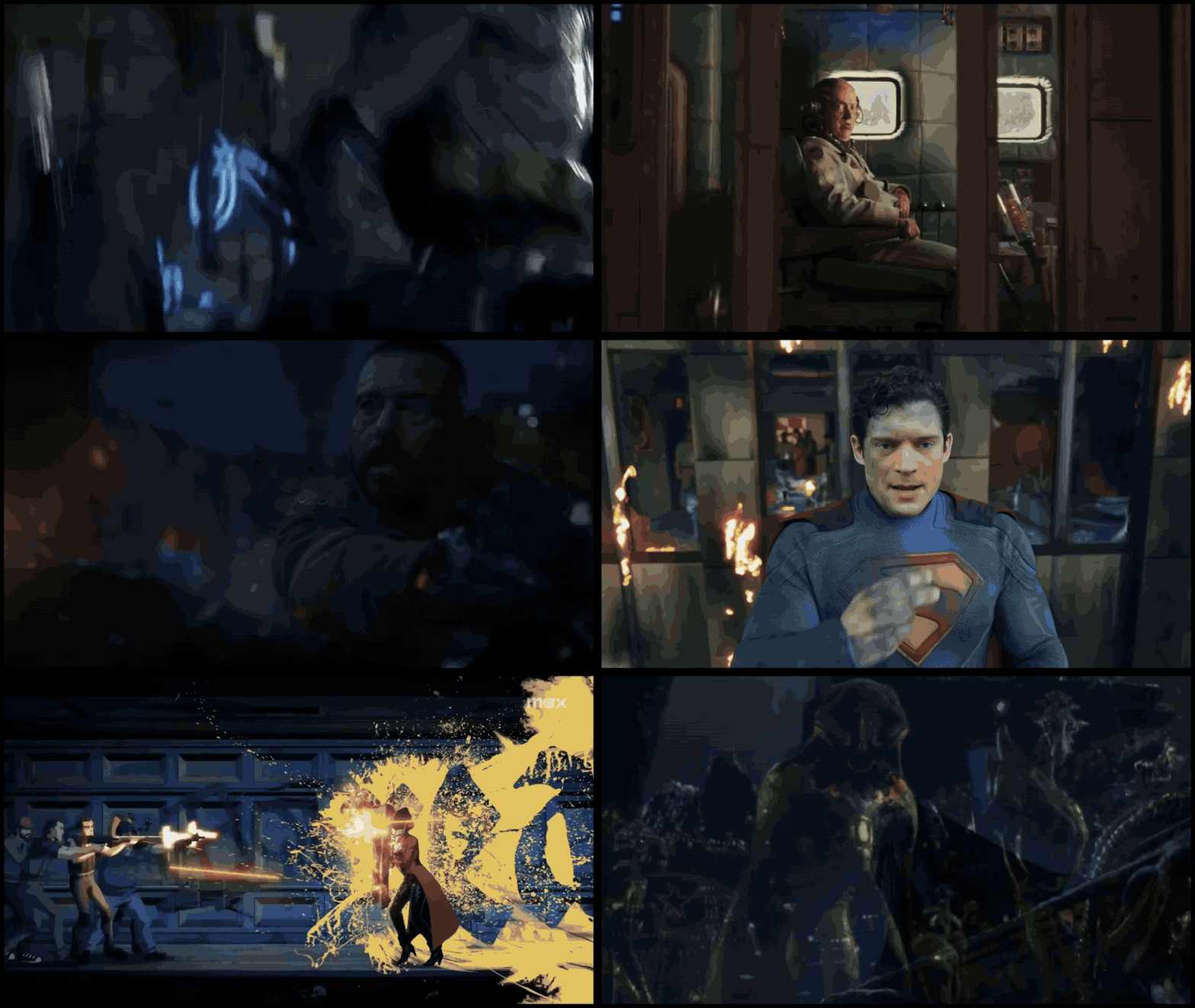




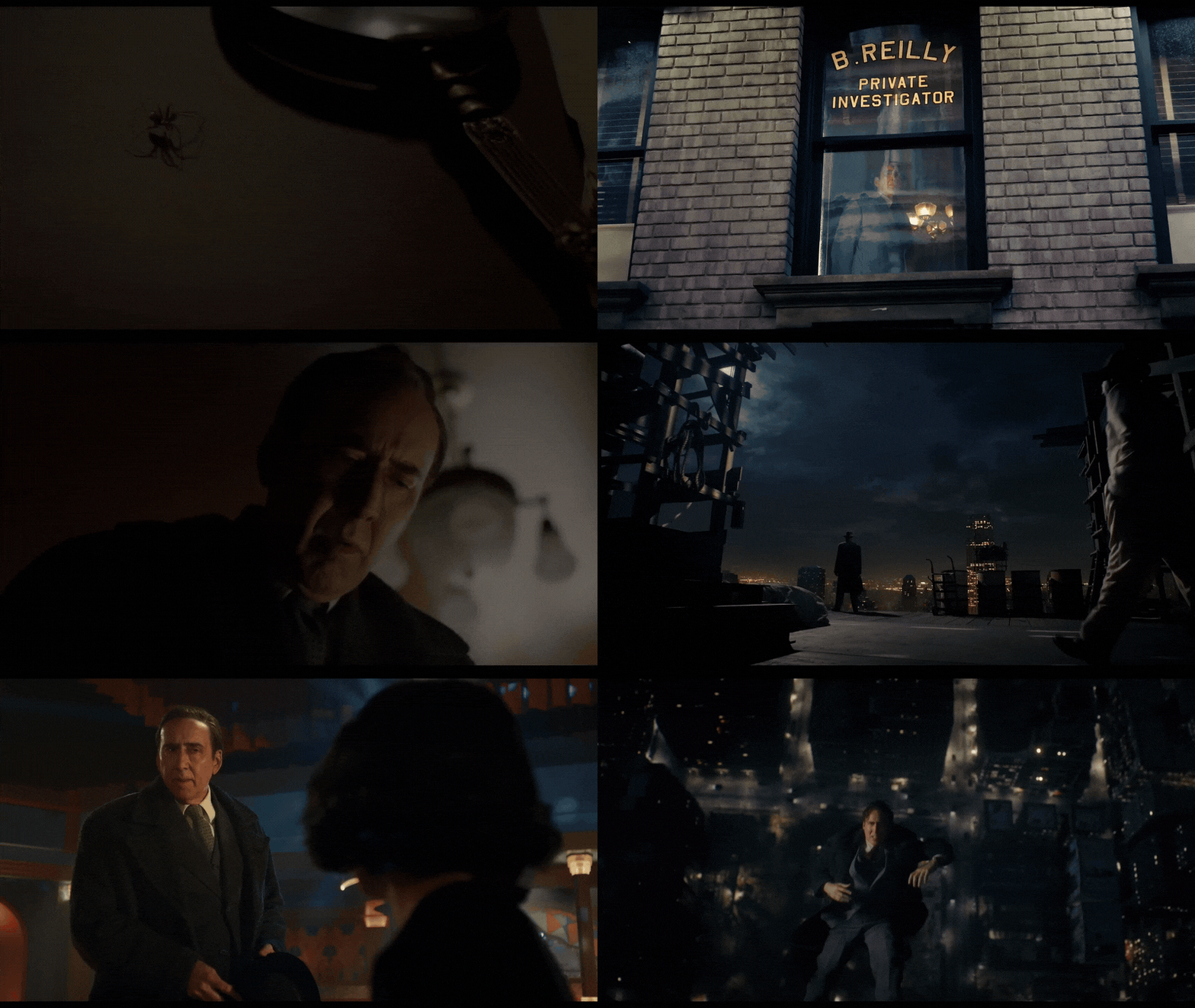
Built by Amazon MGM Studios from characters rooted in Marvel Comics, Spider-Noir stars Nicolas Cage as Ben Reilly, an aging private investigator in New York City whose enemies are now much clearer than they were when the first teaser dropped. Current first-look coverage and official release materials identify Silvermane as the central antagonist, with Sandman, Tombstone, and Megawatt forming the confirmed villain core; the show premieres on MGM+ on May 25, 2026, and globally on Prime Video on May 27, with all eight episodes available in both black-and-white and color formats.
Spider-Noir villains revealed: full breakdown of Sandman, Tombstone and more
The April 23, 2026 villain reveal makes the show’s hierarchy much easier to read. Silvermane is being sold as the “big bad,” while Sandman, Tombstone, and Megawatt are the most prominently showcased adversaries orbiting him. The same wave of coverage also confirms that a fire-wielding original character, Jimmy Addison, appears in the footage, which means the villain ecosystem is already broader than just the three names in the headline.
What is striking is not only who appears, but how they are framed. The featurette language emphasizes criminal networks, damaged psyches, and social desperation rather than bright-costumed supervillain spectacle. That tonal choice fits the series’ Depression-era detective premise and makes the villain reveal feel less like a roster dump and more like a thesis statement for the entire show.
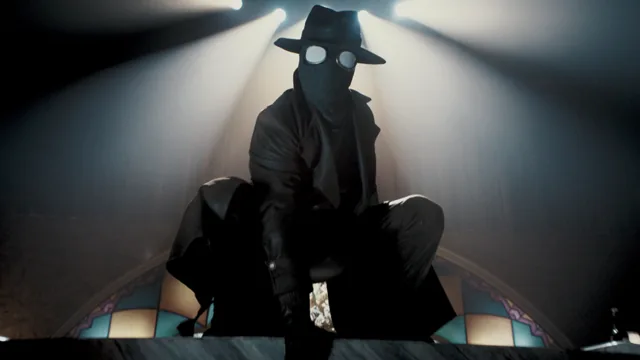
Who are the villains in Spider-Noir? Complete character guide
Silvermane is the mob boss at the center of the conflict and the series’ primary antagonist. Sandman is Flint Marko, depicted as both dangerous muscle and a more tragic figure. Tombstone is a powerhouse enforcer reimagined as a veteran with a grounded but still super-strong physical presence. Megawatt is no longer a mistaken “Electro” placeholder but Dirk Leydon, an obscure Marvel foe reworked into an electrically charged striver with theatrical ambitions. Jimmy Addison, meanwhile, appears as an original fire-based threat created for the series.
The show also complicates the word “villain.” Cat Hardy, the show’s take on Black Cat, is tied to Silvermane’s world and seems central to how the major players intersect, but recent cast and creator comments stop short of treating her as straightforwardly evil. That ambiguity matters, because Spider-Noir is clearly building a morally unstable underworld rather than a simple hero-vs-monsters setup.
Spider-Noir Sandman first look explained and character changes
Sandman’s new-screen identity is Flint Marko, and the current reporting presents him as one of the series’ most layered antagonists. He is connected to Cat Hardy, works under Silvermane, and is described in the featurette as “the ultimate anti-hero,” with powers that are also killing him. That combination instantly separates this version from a standard brute-force villain and points toward a character driven by pain as much as menace.
In broader Marvel continuity, Flint Marko is the classic shape-shifting Sandman, one of Spider-Man’s longest-running enemies. In Spider-Noir, the footage and commentary suggest that the adaptation keeps the recognizable sand-based body horror and transformation spectacle, but drops it into a far bleaker emotional and historical frame. The result appears to be a hybrid: familiar powers, but noir-era psychology and relationships.
Spider-Noir Tombstone live-action debut details and powers
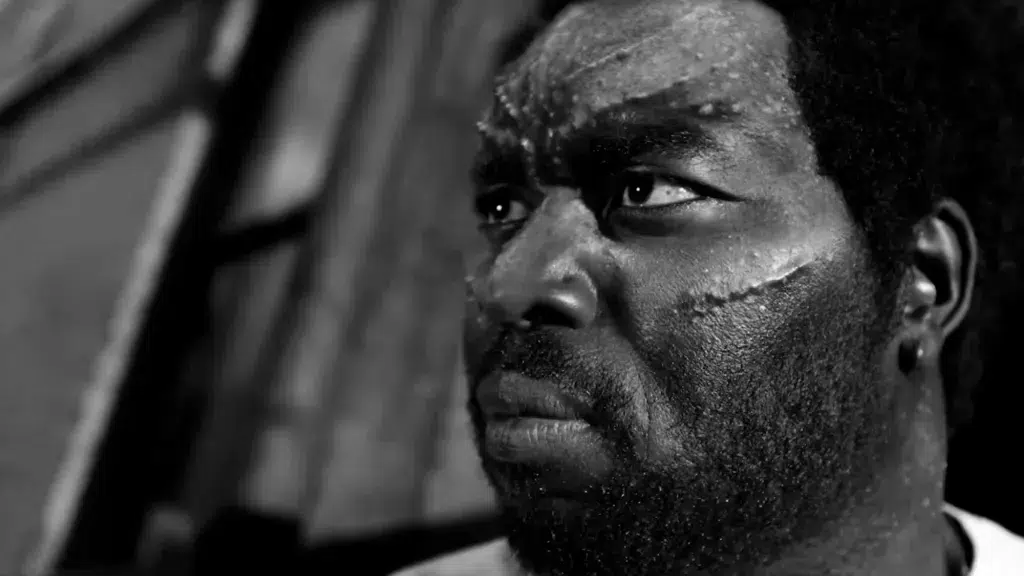
Tombstone’s version in Spider-Noir is one of the boldest redesigns in the current reveal. Reporting tied to the featurette describes him as a war veteran, and the footage shows him ripping a prison door off its hinges, signaling that the series still wants him to feel physically overwhelming even while grounding him in a period-crime setting. That lines up with the character’s traditional comic-book toolkit, which includes super-strength, bulletproof skin, speed, stamina, and brutal close-quarters combat.
The biggest visual change is that he is not being presented with the classic albino look associated with Lonnie Lincoln in the comics. Co-showrunner Oren Uziel explained that the black-and-white aesthetic made that less workable, so the design pivots to facial markings and a more grounded visual identity instead. If the release schedule holds, Spider-Noir will also deliver Tombstone’s first live-action screen adaptation before any other announced Spider-Man project gets there.

Silvermane revealed as Spider-Noir’s main villain explained
The clearest single villain takeaway is that Silvermane is not a side threat. Entertainment Weekly reports that Silvermane is the “big bad,” and Uziel adds that whatever is happening with him connects back to Ben’s past and drives the hero deeper into his own origins. That means Silvermane is not merely a crime boss obstacle; he appears to be the narrative hinge between the show’s underworld plot and Ben Reilly’s buried trauma.
The adaptation is also changing him in major ways. In the comics, Silvermane is Silvio Manfredi, an Italian Maggia figure obsessed with immortality, de-aging, and eventually cyborg enhancement. In Spider-Noir, he is reportedly Irish, operates the Alcove club where Cat performs, and is framed as a grounded gangster rather than a sci-fi monstrosity. That is a substantial tonal recalibration, but it preserves the most important constant: Silvermane still represents control, criminal power, and the refusal to relinquish influence.
Who is Megawatt in Spider-Noir? Obscure villain origin explained
Megawatt is the deepest-cut villain in the lineup, and that obscurity is part of why the reveal has gotten attention. The character is Dirk Leydon, who first appeared in Spider-Man Unlimited #2, published by Marvel in August 1993. Marvel later summarized Leydon as a criminal who went on to become an international film star, which already made him a strange outlier in Spider-Man villain lore long before Spider-Noir adopted him.
The series takes that weirdness and pushes it toward noir satire. Current featurette-based reporting says this version of Megawatt is a failed Broadway actor who quotes famous plays and is obsessed with “getting his moment at all costs.” Just as importantly, the new reveal clarifies that the electric villain many viewers initially assumed was Electro is actually Megawatt, meaning the show is deliberately swapping a famous name for a cult-level obscurity.
Spider-Noir villain cast: actors playing Sandman, Tombstone and Silvermane
The villain cast now maps cleanly onto the characters. Jack Huston plays Flint Marko/Sandman, Abraham Popoola plays Tombstone, Brendan Gleeson plays Silvermane, and Andrew Lewis Caldwell plays Dirk Leydon/Megawatt. Recent reporting also confirms Li Jun Li as Cat Hardy, Lamorne Morris as Robbie Robertson, and Karen Rodriguez as Janet, Ben’s secretary.
That casting also tells you what kind of show this is trying to be. Gleeson gives Silvermane prestige-crime gravitas, Huston naturally fits tragic noir, and Popoola’s version of Tombstone is being sold as grounded but imposing. In other words, the series is not casting for camp first; it is casting for atmosphere, character damage, and lived-in menace.
How Spider-Noir reimagines classic Spider-Man villains in a noir setting
Esquire’s first-look reporting is especially useful here because it explains the series as a deliberate attempt to refurbish Spider-Man’s world into a “1930s detective tale.” That framing matters. In a noir structure, villains cannot just be colorful boss fights. They have to look like racketeers, damaged veterans, corrupt elites, performers, and seductive intermediaries who belong to a city built on desperation and compromise.
Uziel’s comments about adaptation flexibility push that idea further. He argues that modern multiverse storytelling allows creators to take the best-known character traits and then make them their own, which is exactly what appears to be happening with Tombstone, Silvermane, Sandman, and Megawatt. Their comic identities are recognizable, but their functions are being translated into noir archetypes: the don, the enforcer, the doomed heavy, and the fame-starved live wire.
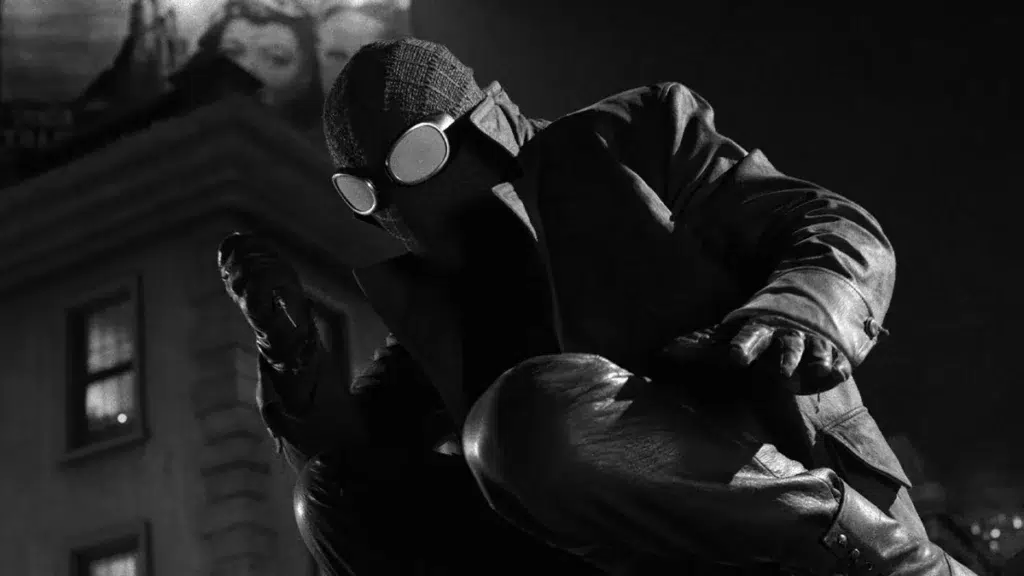
Spider-Noir villains vs comics: what’s different in the Amazon series
Sandman seems to preserve his familiar visual power-set but is being framed through a much sadder anti-hero lens. Tombstone keeps the physical intimidation and super-strength, but loses the exact comic-book visual template tied to albinism. Silvermane shifts from Italian Maggia immortality obsessive to an Irish noir mob boss. Megawatt moves from a criminal-turned-film-star oddball to a failed Broadway actor with theatrical self-importance. In each case, the adaptation is less interested in strict fidelity than in tonal fidelity to noir.
The series is also narrowing the gap between “classic Spider-Man villain” and “period-crime character.” That is why the changes do not look random. They all move in the same direction: away from late-20th-century comic excess and toward Depression-era corruption, class anxiety, trauma, and doomed ambition. That coherence is a positive sign for the show’s worldbuilding, even if some longtime readers will naturally debate specific redesign choices.
Is Spider-Noir connected to Spider-Verse or MCU villains?
The most reliable answer right now is that Spider-Noir is connected to the broader Spider-Verse idea, but not as a direct continuation of the animated Nicolas Cage version. Uziel’s explanation to Empire, repeated in multiple reputable reports, is concise: “Same character, different universe.” He specifically says the live-action series is not a continuation of Spider-Man: Into the Spider-Verse, even though it draws on the same multiversal flexibility and again involves Phil Lord and Christopher Miller.
There is, however, no official evidence that its villains are part of Marvel Studios’ MCU continuity, and no current studio statement links Tombstone, Sandman, Silvermane, or Megawatt to the MCU’s ongoing villain track. The safest conclusion, based on available official and creator-backed reporting, is that Spider-Noir stands in its own multiversal lane rather than sharing villain continuity with MCU projects.
Spider-Noir 1930s setting explained and how it changes the villains
Marvel’s own Spider-Man Noir character page roots the comic version in New York City, 1933, and GamesRadar’s recent reporting says the TV series is likewise set in 1933, amid mobsters, rising crime, and financial depression. Uziel describes that moment as fertile ground for a “city in crisis,” which is exactly why the villains feel less like science-experiment accidents and more like products of systemic decay.
The 1930s setting changes villainy in three specific ways. It turns bosses into political and criminal institutions, it makes muscle men feel war-scarred and economically trapped, and it makes ambition look hungry rather than glamorous. That is why Silvermane reads as an underworld patriarch, Tombstone as a dangerous survivor, Sandman as a suffering anti-hero, and Megawatt as a failed performer weaponizing spectacle. The historical backdrop is not decoration; it is the engine of their reinvention.
Why Spider-Noir villains are morally complex and not purely evil
The creators and cast are openly signaling ambiguity. Li Jun Li says, “no one is a villain,” emphasizing that every character is after something specific and understandable. Jack Huston calls Sandman “the ultimate anti-hero,” and Uziel describes both Sandman and Tombstone as tortured souls in different ways. That language is important because it reframes villainy as motive-driven rather than cartoonishly malignant.
In practical terms, that means the series seems interested in people who are damaged, compromised, ambitious, bitter, or cornered. Silvermane may still be the principal antagonist, but even he is described by Gleeson as psychopathic in a way that suggests personality and pathology, not generic evil. For a noir drama, that is exactly the right approach: the villains should feel like people who made terrible choices in a broken city, not just names pulled from a rogues list.
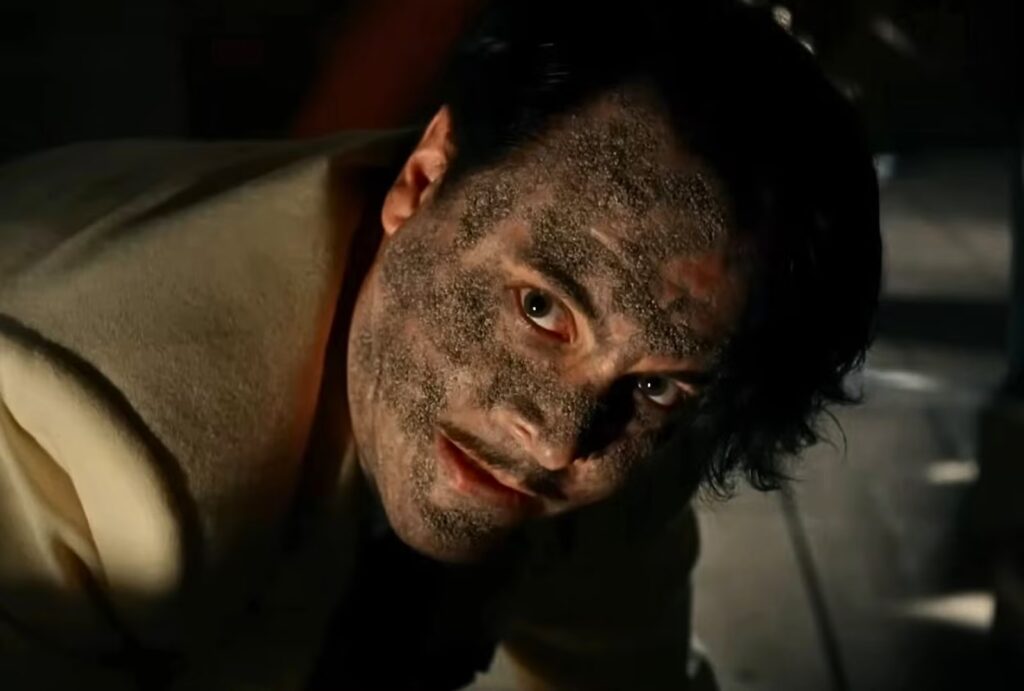
Spider-Noir teaser breakdown: every villain scene explained
Based on the footage descriptions currently available in open reporting, Silvermane appears in a distorted but commanding presentation tied to the Alcove club and Cat Hardy’s storyline. Tombstone gets the most obviously physical showcase by tearing a prison door off its hinges. Sandman is framed through deforming, destructive power and through dialogue emphasizing that his abilities are killing him. Megawatt appears as the electrically charged wildcard whose entire personality centers on seizing a starring moment. Jimmy Addison flashes through as a fire-wielding original danger.
What the teaser breakdown does not yet support is a full scene-by-scene plot map. The currently accessible material confirms identifiable villain beats, but not complete context for every shot. So the safest reading is this: the featurette establishes role, tone, and power signature for each antagonist, while still withholding the deeper twist of how these people connect to Ben Reilly’s past.
Will more villains appear in Spider-Noir beyond Sandman and Tombstone?
Yes, and that is already more than rumor. Silvermane and Megawatt are now plainly confirmed alongside Sandman and Tombstone, and Jimmy Addison is visible as a newly created fire-wielding villain. That means the roster already extends beyond the names that dominated the earliest fan conversation.
The more complicated question is whether other previously speculated threats are still in play. Earlier teaser chatter and some reporting referenced Electro-like imagery, but the newer villain reveal clarifies that the electric foe in the current materials is Megawatt. As of April 24, 2026, publicly accessible official and creator-backed coverage does not provide a complete final-season villain slate beyond the names already confirmed, so any larger rogues-gallery claims should still be treated cautiously.
Spider-Noir release date, plot, and villain storyline explained
The release schedule is fixed. Spider-Noir premieres in the U.S. on MGM+ on Monday, May 25, 2026, and then arrives globally on Prime Video on May 27, where all eight episodes will be available. Official and major trade coverage also agree on the core premise: Ben Reilly is an aging, down-on-his-luck private investigator in 1930s New York who is forced to grapple with his past life as the city’s one-time superhero. The show is being offered in both “Authentic Black and White” and “True-Hue Full Color.”
On the villain side, the storyline now looks centered on Silvermane’s criminal web and its emotional link to Ben’s past. Cat Hardy’s proximity to Silvermane, Flint Marko’s placement within that orbit, Tombstone’s role as imposing force, and Megawatt’s theatrical chaos all suggest a season that ties noir investigation to one layered criminal network rather than a random succession of weekly bad guys. In other words, the villain storyline appears serialized, personal, and intentionally intertwined with Ben’s origin wounds.

Frequently Asked Questions (FAQs)
- When does Spider-Noir premiere?
The series premieres on May 25, 2026, on MGM+ in the United States and then streams globally on Prime Video on May 27, 2026, with all eight episodes available on that second date. - Is Nicolas Cage playing Peter Parker in Spider-Noir?
No. The live-action series identifies the lead as Ben Reilly rather than Peter Parker, and creator interviews say that choice was made because Peter reads as too youthful and optimistic for the hard-boiled, world-weary noir version they wanted. - Is Silvermane really the main villain?
Yes. Current coverage explicitly calls Silvermane the show’s “big bad,” and Uziel says Silvermane’s story pulls Ben deeper into his own past and origins. - What powers does Tombstone seem to have in the show?
The footage shows Tombstone ripping a prison door from its hinges, which strongly signals super-strength. That aligns with the comics version, whose official Marvel profile lists super-strength, bulletproof skin, superhuman speed, stamina, and combat ability. - Is Megawatt replacing Electro?
In the currently available reveal materials, the electric villain is identified as Dirk Leydon/Megawatt, not Electro. Earlier Electro assumptions were overtaken by the clearer April 23 villain featurette reporting. - Will Spider-Noir be available in black-and-white?
Yes. Official studio materials and interviews confirm two versions of the series: black-and-white and color. Neither is being treated as a throwaway gimmick; both are part of the intended release strategy. - Is this Spider-Noir the same version from Into the Spider-Verse?
No. Creator-backed reporting says it is the “same character, different universe,” which means the live-action version is related in concept but not a direct continuation of the animated one. - Does Spider-Noir connect to the MCU?
No official MCU connection has been announced for the series or its villain roster. Based on available reporting, it is safest to treat Spider-Noir as its own multiversal interpretation rather than part of Marvel Studios continuity. - Could more villains still be hiding in season one?
Probably yes, but only some of them are confirmed in open reporting. Silvermane, Sandman, Tombstone, Megawatt, and Jimmy Addison are now materially supported by current coverage, while any broader late-season roster remains unconfirmed publicly. - Has season two been confirmed?
No renewal has been officially announced as of April 24, 2026. What has happened is that Uziel has already discussed World War II and the late-1930s onward as an appealing canvas for a possible future season, which suggests creative ambition but not a formal greenlight.
Conclusion
The strongest high-confidence conclusion is that Spider-Noir is not treating its villains as nostalgic cameos. Silvermane, Sandman, Tombstone, and Megawatt are being rebuilt to serve a detective-noir drama about corruption, trauma, class pressure, and fading power in 1933 New York. Silvermane appears to anchor the season’s main conspiracy, Tombstone and Sandman provide brute force with emotional depth, and Megawatt introduces a stranger, more theatrical energy that helps the series separate itself from standard Spider-Man adaptation habits. If the finished episodes deliver on the tone advertised in the current featurette and creator interviews, the show’s villain strategy may become one of its defining strengths rather than a side attraction.
Sources and Citations
- About Amazon — Spider-Noir release information
https://www.aboutamazon.com/news/entertainment/spider-noir-nicolas-cage-prime-video - Marvel — Spider-Man Noir official character page
https://www.marvel.com/characters/spider-man-noir - Marvel — Spider-Man Noir (2025) #1 comic page
https://www.marvel.com/comics/issue/128927/spider-man_noir_2025_1 - Esquire — Nicolas Cage Spider-Noir first-look interview
https://www.esquire.com/entertainment/tv/a70288143/nicolas-cage-spider-noir-spider-verse-interview-2026/ - Reuters — Sony’s Spider-Noir TV series gets premiere date
https://www.reuters.com/lifestyle/sonys-spider-noir-tv-series-with-nicolas-cage-gets-premiere-date-2026-02-13/ - Entertainment Weekly — Spider-Noir release date, trailer, cast, and more
https://ew.com/spider-noir-release-date-trailer-cast-and-more-11905633 - IGN — Spider-Noir villains revealed first look
https://www.ign.com/articles/spider-noir-villains-revealed-exclusive-first-look-at-the-shows-sandman-tombstone-and-more - Prime Video — Spider-Noir official trailer
https://www.youtube.com/watch?v=l7wnqbg5tOo - Prime Video — Spider-Noir Authentic Black & White trailer
https://www.youtube.com/watch?v=DfowFyDxUXo - Prime Video — Spider-Noir True-Hue Full Color trailer
https://www.youtube.com/watch?v=LpN2RavI5C8
Recommended
- Clayface Teaser Breakdown: DC’s Body Horror Take on the Shapeshifting Villain Explained + Fan Reactions
- Assassin’s Creed Shadows Winter Roadmap Includes Major Update 1.1.8, A Parkour Challenge, And Switch 2 Claws of Awaji DLC
- Blender 3D vs Cinema 4D: The Ultimate 2025 Comparison Guide for 3D Artists
- Duet Night Abyss Apologizes After Malware-Infected Launcher Update, Offers Free Loot Boxes (10 Pulls)
- How VFX Shaped the World of The Witcher Season 4: VFX Breakdown, Studios, Creatures, and Magic
- All katsu curry recipes in Romeo Is a Dead Man: complete list, ingredients, buffs, and how to unlock them
- GDC Festival of Gaming 2026 Launches: Registration Opens, Pass Prices, Dates & What’s New
- Custom Skyboxes with Blender: Create Equirectangular HDRIs, Fix Seams, and Export to Unity & Unreal
- Mastering Customization of PixelHair Assets for Any 3D Character in Blender
- King of Meat Is Shutting Down And Refunding Players: Shutdown Date, Refund Steps, and What Happens Next