










Papaya Gaming $420 Million Verdict Explained: What Happened in the Lawsuit
The court has ordered Papaya Gaming to pay nearly half a billion dollars for false advertising of games. In April 2026, a U.S. federal jury in the Southern District of New York found Papaya Gaming liable for deceiving consumers.
Skillz, a competing skill-based gaming platform, had accused Papaya of marketing its cash-prize games as fair contests between real players, when in fact Papaya secretly used computer “bots” to influence outcomes. The jury awarded Skillz $420 million in damages and suggested an additional $719 million in disgorgement (essentially Papaya’s profits from the fraud). A judge will set the final disgorgement amount, and the plaintiffs will choose which award to collect. This verdict is now the largest Lanham Act (false advertising) award ever recorded in any industry.
Why Skillz Sued Papaya Gaming Over False Advertising
Skillz filed its lawsuit in March 2024, alleging Papaya misled players about the nature of its games. Skillz claimed Papaya advertised its apps as purely skill-based competitions with fair outcomes, but secretly inserted bots to guarantee certain results. These deceptive practices supposedly allowed Papaya to inflate user engagement, control win rates, and lure players into spending more on entry fees. Skillz argued that this unfairly damaged its brand and business by tricking customers and tainting the overall trust in skill-gaming apps. In response, Papaya initially denied ever promising real-human opponents, but the jury sided with Skillz, agreeing that Papaya’s advertising was false and violated the Lanham Act.

How Papaya Gaming Allegedly Used Bots in Skill-Based Games
According to the evidence at trial, Papaya’s apps secretly used computer-controlled bots to simulate human opponents in cash tournaments. For example, the complaint and King & Spalding press release detail that Papaya had bots post pre-set high scores as if by real players, creating the illusion of populated contests. This manipulation allowed Papaya to predetermine who would win cash prizes, effectively rigging games against paying users. Skillz argued that by adding bots, Papaya could keep players engaged (thinking there were real competitors) while also ensuring enough opponents were available in each match. The jury found these undisclosed bot practices constituted systematic deception of gamers.
What the Court Said About False Advertising in Mobile Gaming Apps
In the verdict, the jury explicitly found that Papaya “engaged in false advertising in violation of the Lanham Act”.
In other words, Papaya’s marketing statements about its games were deemed misleading. The court was persuaded that Papaya’s claims of “fair,” “skill-based” play without any “vested interest” in outcomes were false because Papaya was secretly using bots to influence results. This violated federal trademark law’s prohibitions on deceptive marketing. Papaya was also found to have broken New York’s General Business Law (which bars consumer fraud). In practice, the court held that just referring to “players” in its ads implied human opponents; with undisclosed bots, those claims were actionable. Based on these findings, the jury awarded Skillz the full $420 million in damages.
Breakdown of the $420 Million Damages Award Against Papaya Gaming
The $420 million figure represents the jury’s assessment of Skillz’s actual losses and Brand harm from Papaya’s false advertising. Though the detailed calculation was not fully disclosed, it likely covers revenue and market share lost by Skillz plus other harms. Importantly, this $420 million is separate from the advisory disgorgement figure; ultimately Skillz will collect whichever is higher. Papaya’s legal team has indicated they will appeal the verdict, so the amount and timing of any payment could change. Nevertheless, the jury’s decision makes it clear that Skillz’s claims were taken seriously: Papaya will have to compensate for its unfair practices as determined by the award.

What Is the Lanham Act and How It Applies to This Case
The Lanham Act is the federal law that, among other things, protects against false or misleading commercial statements. It is best known for trademark protection, but it also covers false advertising that can confuse or deceive consumers. Under the Lanham Act, a plaintiff can sue a competitor for deceptive marketing claims. In this case, Skillz argued that Papaya’s advertisements violated the Act by falsely implying players would compete against human opponents. The court agreed, finding that Papaya’s misrepresentations harmed Skillz’s brand and customer base. In short, the Lanham Act provided the legal basis for treating Papaya’s deceptive “pure skill” claims as unlawful.
Why This Is the Largest False Advertising Verdict in Gaming History
The $420 million damages award (plus the potential $719 million disgorgement) makes this the largest false advertising verdict ever in gaming, and indeed the largest Lanham Act award in history. To put this in context, previous related cases were much smaller (for example, a prior skill-games suit yielded only ~$43 million). Here the sheer scale of the judgment reflects both the length of Papaya’s alleged fraud and its impact on the industry. The verdict set a new record for Lanham Act claims, underscoring how serious the court viewed Papaya’s misconduct.
How Papaya Gaming’s Solitaire Cash and Other Apps Were Involved
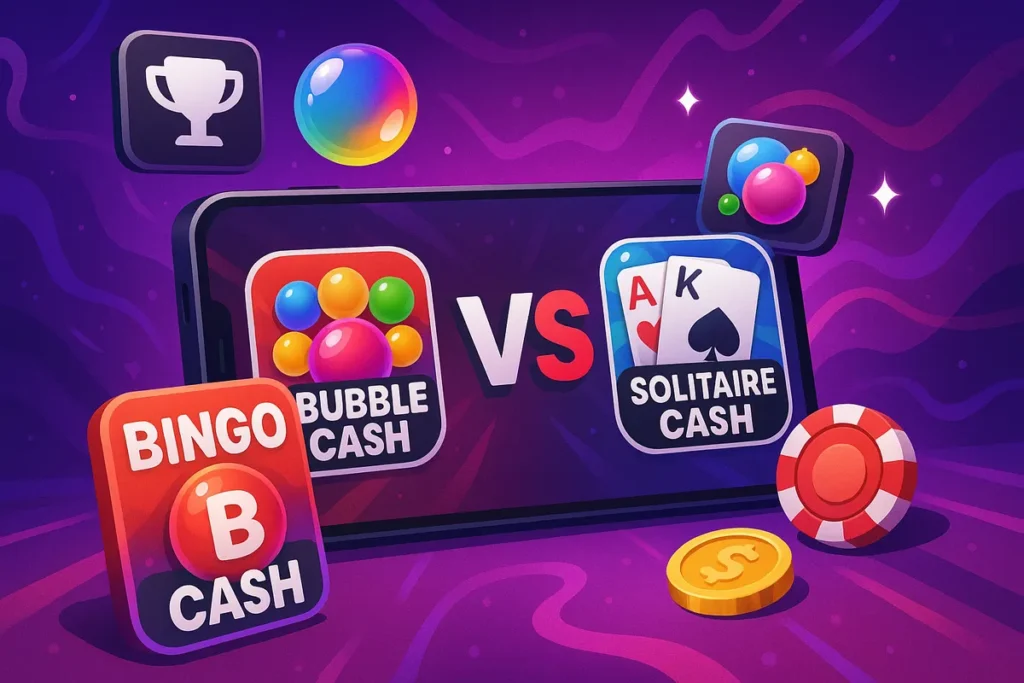
Papaya Gaming’s flagship titles included Solitaire Cash, Bubble Cash, Bingo Cash, 21 Cash, and Triple Match Cash. These were mobile games where players could wager real money in tournaments. In particular, Solitaire Cash promoted by ESPN personalities like Stephen A. Smith was central to the lawsuit. Both the Skillz lawsuit and a class-action suit focused on these apps. Skillz argued that in each of these games, Papaya misrepresented the contests as pure skill competitions. The class-action settlement makes clear that any player who deposited money in a Papaya app (including Solitaire Cash, Bingo Cash, etc.) between Jan. 1, 2019 and Sept. 5, 2024 is eligible for relief.
In other words, multiple Papaya games were marketed using the allegedly false “fair play” claims that led to this verdict.
The Role of Bots in Online Cash Games: What Players Need to Know
Bots are automated computer programs that can mimic human players in online games. In the mobile cash-gaming context, bots (also called bots or AI opponents) can be used to fill spots in tournaments or to influence match outcomes.
Security experts note that bots make up a huge portion of internet activity estimates say nearly half of all traffic is now automated. In games, bots can cheat (for example, “aimbots” in shooters or farming bots in MMOs) or simply provide extra players. According to Skillz’s evidence, Papaya’s bots played as if they were real people but were actually pre-programmed to achieve certain results. For players, this means that in some apps you might not actually face another human player. When undisclosed bots are used, contests can feel rigged a concern the Papaya case has now brought to light. Going forward, players should be aware of any disclaimers about bots and demand transparency about how opponents are matched.
Additional $600M+ Disgorgement: Could Papaya Gaming Pay Even More?
In addition to the $420 million in damages, the jury’s advisory ruling included a $719 million disgorgement award. “Disgorgement” means forcing Papaya to surrender its profits from the wrongdoing, rather than compensating Skillz. After trial, a judge will calculate the exact disgorgement amount and then Skillz will choose whether to take that or the $420 million. Some reports say the jury actually suggested two disgorgement figures ($652M and $720M) that the court will reconcile. In practical terms, this means Papaya could potentially owe well over a billion dollars if the large disgorgement is confirmed. Papaya’s ability to pay is uncertain, but legally it now faces an unprecedented financial hit.

Impact of the Verdict on the Mobile Gaming Industry in 2026
This landmark verdict sends a strong signal to the broader mobile gaming industry. It highlights that regulators and courts are watching skill-based cash games closely. For example, the U.S. Federal Trade Commission has recently penalized misleading mobile game advertising, and this case may encourage even stricter enforcement. Game developers will likely revise marketing claims to avoid any implication that bots or the house influence outcomes unless clearly disclosed. Platforms and regulators might also update guidelines for “skill” gaming apps. In short, companies across mobile gaming will take notice: any promise of purely human competition can now lead to massive legal risk if it turns out to be false.
Papaya Gaming Class Action Settlement: What Players Can Claim
Papaya also faces a separate class-action settlement stemming from similar allegations. Papaya agreed to pay $15 million to settle claims that its games (Solitaire Cash, Bubble Cash, Bingo Cash, etc.) misled players into thinking all matches were skill-based.
This settlement covers any individual who created a Papaya account and made a deposit in one of these apps between January 1, 2019 and September 5, 2024. Eligible class members can submit a claim (by Jan. 30, 2026) to receive a portion of the fund, either as cash or in-game currency. Notably, players who still have an active Papaya account will automatically receive an in-game credit without needing to file. The settlement does not require Papaya to admit any wrongdoing, but it provides compensation to users affected by the misleading bot controversy.

How This Case Could Change Advertising Rules for Mobile Games
Going forward, this case is likely to reshape how mobile games advertise their features. Developers will be more careful in wording ads about competition and fairness. We may see explicit disclaimers when non-human players are involved, or changes in platform rules. Consumer protection agencies may also tighten rules for in-app marketing. Indeed, the FTC has already targeted deceptive game ads (for example, banning apps from promising rewards they didn’t deliver). This judgment adds legal pressure: any “skill-based” claim must be backed by reality. Industry watchers expect new standards of transparency and possibly new regulations to ensure that gaming ads are truthful and not misleading.
Market Reaction: What Happened to Skillz After the Court Decision
After the verdict, Skillz Inc. (NASDAQ: SKLZ) saw a volatile market reaction. When news broke, SKLZ stock surged sharply reflecting investor excitement that the $420M award (plus possible disgorgement) dwarfed Skillz’s cash on hand. In fact, analysts noted that $420M was larger than Skillz’s entire cash reserves, so the legal win seemed to bolster the balance sheet. However, the stock later fell back as profit-taking kicked in and concerns arose. Traders pointed out that big jury awards are often appealed and can take years to collect.
If Papaya appeals or cannot pay the judgment, the award could remain theoretical (“paper” gains rather than cash). In summary, Skillz got a headlines-winning verdict, but the actual financial impact (and its effect on the stock) will depend on post-trial developments.

What This Lawsuit Means for Gamers and Developers Going Forward
For gamers, this ruling is a reminder to stay informed about how apps operate. It shows that if a game isn’t truly matching you against real opponents, that can now be challenged legally. Users may become more skeptical of aggressive advertising and seek out fair-match guarantees. For developers and publishers, the case underscores the importance of honest marketing and compliance.
Advertisers will likely avoid any implication of guaranteed wins or “no house take,” and may implement stricter match-making systems. The mobile gaming industry as a whole may move toward greater transparency, such as publishing odds or disclosing automated players. Overall, this lawsuit has set a new precedent: false claims in game ads can carry huge penalties, so all players (both consumers and companies) should expect the playing field to become more level and honest.
Frequently Asked Questions (FAQs)
- What was the Papaya Gaming vs. Skillz lawsuit about?
Skillz sued Papaya Gaming in 2024 under the Lanham Act and New York law, alleging that Papaya falsely advertised its cash-prize mobile games. Specifically, Skillz claimed Papaya portrayed games as skill-only contests against real players, while secretly using “bots” to fix outcomes. The jury agreed and found Papaya liable for false advertising. - Why was Papaya ordered to pay $420 million?
The jury awarded Skillz $420 million in damages to compensate for losses and harm caused by Papaya’s deception. This large figure reflects the scale of Skillz’s claimed market impact and lost business due to Papaya’s misleading ads. - What is the Lanham Act?
The Lanham Act is a U.S. federal law covering trademarks and false advertising. It allows companies to sue competitors for misleading or deceptive marketing. In this case, Skillz used the Lanham Act to argue that Papaya’s ads misled consumers and diluted the trust in Skillz’s brand. - What are “bots” and how did they factor in this case?
“Bots” are automated programs that can act like players in online games. Skillz showed that Papaya secretly used bots to fill matches and control game outcomes, without telling users. The jury found this practice deceptive because players thought they were facing real people. - What games did this involve?
Papaya’s games such as Solitaire Cash, Bubble Cash, Bingo Cash, 21 Cash, and Triple Match Cash were at issue. Solitaire Cash was particularly noted (it had celebrity endorsements). All of these games were advertised as skill-based contests, which was a key part of Skillz’s claim. - Can players get compensation from this case?
Yes, a related class-action settlement allows eligible players to claim. Papaya agreed to a $15 million class settlement covering players who deposited money in its games between Jan 1, 2019 and Sept 5, 2024. If you qualify, you can file a claim by Jan. 30, 2026 to receive cash or in-game credits. Active users will get credits automatically. - What is disgorgement?
Disgorgement is a legal remedy where a defendant must give up profits from wrongful conduct. In the Papaya case, the jury recommended that Papaya forfeit roughly $719 million of its profits to Skillz. After the judge sets the final figure, Skillz can choose to take either the $420M damages or the disgorgement sum (whichever is larger). - Will Papaya appeal the verdict?
It is common for large judgments to be appealed. Papaya’s statements after trial indicate they are disappointed and may pursue post-trial motions or appeals. Appeals could reduce or delay the final payment. - How did Skillz react and what happened to its stock?
Skillz hailed the verdict as a win for fairness in gaming. Initially, SKLZ stock jumped on the news (since $420M was much bigger than Skillz’s cash reserves). Later, the stock pulled back as investors took profits and worried about appeals. Analysts noted that until the money is collected, the award is mostly a positive outlook rather than immediate cash. - Could this case change how mobile games are advertised?
Very likely, yes. Developers will need to be much clearer if bots or house odds are involved. Regulators and app stores may impose stricter rules on claims like “fair play” or “real opponents.” Already, consumer agencies have cracked down on misleading game ads. In future, gamers can expect ads to explicitly state if automated players are used, and developers will avoid implying every win depends purely on human skill.
Conclusion
In summary, the Papaya Gaming case has set a historic precedent in mobile gaming. A jury concluded that Papaya’s undisclosed bots and misleading ads violated consumer protection laws, ordering nearly $420 million in damages (and highlighting up to $719M in profit disgorgement). This outcome underscores that in the competitive world of skill games, advertising promises must be truthful. Players and developers alike have taken notice: gamers should be cautious of any game that guarantees “pure skill” without explanation, and developers must now ensure their marketing and matchmaking are transparently fair. The case will likely reshape industry practices and signal to regulators that mobile “cash games” deserve careful oversight.
Sources and Citations
- Casino.org
https://www.casino.org/news/skillz-wins-420m-judgement-against-papaya-solitaire-cash-espn/ - PocketGamer.biz
https://www.pocketgamer.biz/papaya-gaming-ordered-to-pay-420m-in-landmark-false-advertising-verdict/ - TopClassActions.com
https://topclassactions.com/lawsuit-settlements/open-lawsuit-settlements/15m-solitaire-cash-bot-players-class-action-settlement/ - King & Spalding LLP
https://www.kslaw.com/news-and-insights/king-spalding-secures-largest-lanham-act-award-for-skillz-in-false-advertising-dispute-with-papaya-being-found-liable-by-jury - JD Supra
https://www.jdsupra.com/legalnews/game-company-hit-with-420-million-false-3971569/ - Irdeto Insights
https://irdeto.com/blog/bots-are-invading-your-mobile-games-get-ready-to-take-them-on - Federal Trade Commission
https://www.ftc.gov/news-events/news/press-releases/2021/01/ftc-requires-mobile-advertising-company-stop-misleading-users-about-game-rewards - AlphaStreet
https://news.alphastreet.com/skillz-sklz-soars-on-a-420-million-verdict-but-the-real-question-is-what-it-changes/ - TradingView / Invezz
https://www.tradingview.com/news/invezz%3Aafe222973094b%3A0-why-is-skillz-stock-crashing-despite-major-legal-victory/
Recommended
- High On Life 2 Delayed for Switch 2: New Release Date, Why It Missed 4/20, and What Nintendo Players Need to Know
- Former Nintendo Veteran Says Link Speaking in The Legend of Zelda Movie Could Ruin the Series’ Magic
- All characters and color variations in Mario Tennis Fever: Full roster, unlocks, and alternate colors
- Sega’s Stranger Than Heaven Will Headline Xbox Partner Event This Week – Date, Time, Games, and What to Expect
- Overwatch 2 Season 2 Post Match Voice Chat: How Lobby Comms Work, Why It’s Controversial, and Blizzard’s Toxicity Warning
- Meta Reportedly Cuts About 700 Jobs as Reality Labs Is Hit in Wider Restructuring
- How to Get the Perfect Hair Roughness for a Realistic Look
- Stylized Water Shader in UE5: Complete Guide to Creating Real-Time Cartoon Water Effects
- Conquest Character Breakdown: Origin, Age, Comics, Invincible Animated Series and More
- What is the “Follow Path” constraint for cameras in Blender?