








In This Article (9 sections)
Finding the Perfect Toph Beifong for Netflix’s Avatar: the Last Airbender
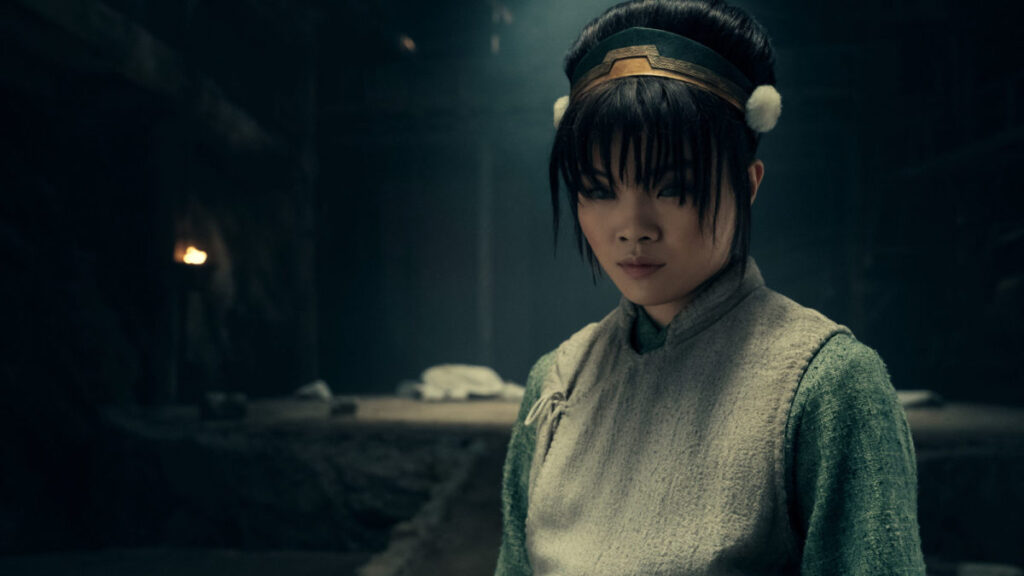
Casting Toph Beifong for Netflix’s live-action adaptation of Avatar: The Last Airbender was widely recognized by the production team and cast as one of the most delicate character decisions in the entire series. As a fan-favorite and one of the franchise’s most complex personalities, Toph required a performer who could balance toughness, humor, vulnerability, and unmatched confidence while bringing authenticity to her blindness, earthbending mastery, and rebellious spirit.
The cast has repeatedly emphasized that the search went beyond traditional casting calls. According to behind-the-scenes discussions, the production team prioritized authenticity in both personality and physicality, looking for someone who could embody Toph’s lived-in confidence without exaggeration or stereotype. Chemistry reads were also especially important because Toph becomes deeply integrated into Team Avatar’s dynamic. The role needed someone who could naturally disrupt, challenge, and complement the established relationships, and cast members described the final selection as “instantly fitting,” with one actor noting that the energy of Team Avatar shifted the moment the chosen performer entered the room.
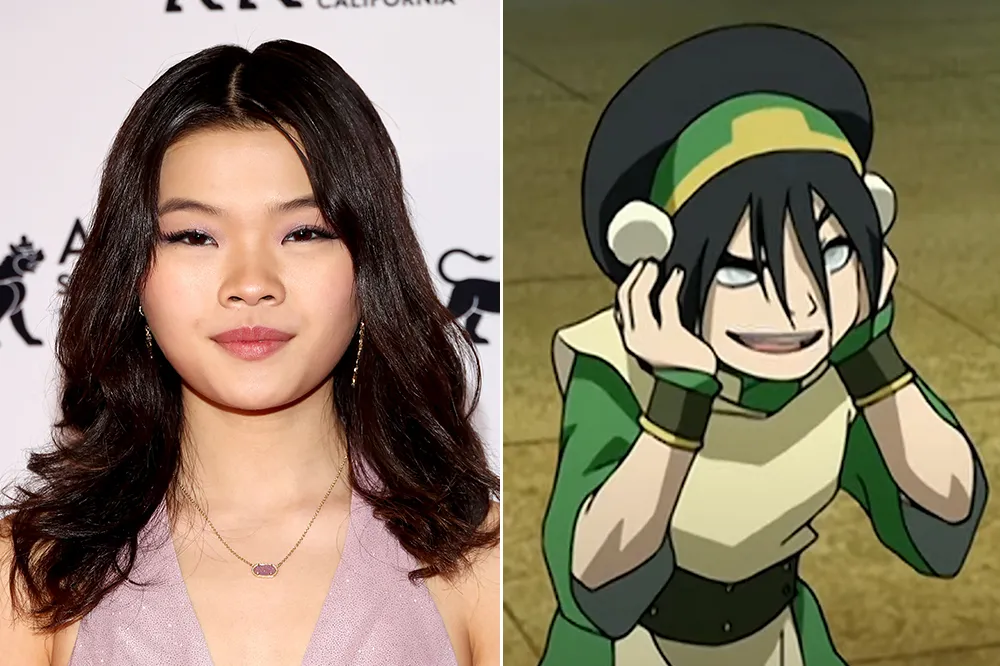
Miya Cech’s casting as Toph Beifong has been described by insiders and cast members as the result of a highly competitive and emotionally charged audition process. The production team reportedly reviewed hundreds of candidates before narrowing the search to performers who could bring both physical precision and emotional depth to the role. Cech’s audition stood out because she captured Toph’s signature confidence without over-explaining or dramatizing the character’s blindness, instead leaning into grounded movement, spatial awareness, and subtle comedic timing.
Cast interviews also highlight the preparation Cech took on after landing the role. She underwent specialized training in earthbending choreography and movement-based acting, working with stunt coordinators to simulate seismic sensing techniques so she could portray Toph’s unique ability to “see” through vibrations. The cast praised her dedication, noting that she quickly adapted to the physical demands of the role and integrated seamlessly into action sequences.
Beyond the physical preparation, Cech reportedly studied the original animated portrayal of Toph to understand the character’s emotional contradictions: arrogance paired with insecurity and fierce independence paired with deep loyalty. That duality became a central focus of her interpretation in Season 2, helping shape a live-action version of Toph that felt true to the spirit of the original series.

Why Toph Was the Most Challenging Character to Cast and Bring to Life in Season 2
The search for Toph Beifong was one of the most extensive casting efforts in Netflix’s live-action adaptation of Avatar: The Last Airbender. Production insiders described the process as “global in scope,” with casting calls extending across multiple continents to find performers who could authentically represent the Earth Kingdom character’s cultural grounding, physical intensity, and emotional complexity. Several cast members noted that Toph was treated as a “linchpin” for Season 2 storytelling, since without the right performer, the emotional and narrative balance of Team Avatar would not function properly.
Casting directors emphasized that Toph required a rare combination of qualities, including:
- Strong comedic timing
- Physical agility for earthbending choreography
- Emotional restraint with occasional explosive expression
- The ability to portray blindness respectfully and accurately
Multiple cast members and production staff have acknowledged that Toph was the hardest character to cast in Season 2 because the role demanded several competing requirements at once. Toph is defined by contradiction: she is fiercely independent yet deeply connected to her friends, visually impaired yet more perceptive than anyone else in the group. Capturing those qualities required a performer with exceptional emotional range while also avoiding clichés or exaggerated mannerisms in the portrayal of blindness. To support that effort, the production team consulted accessibility advisors, sensitivity readers, experts, and movement specialists, influencing not only casting decisions but also how audition scenes were structured.
Toph’s combat style added another layer of difficulty. Unlike characters whose bending styles rely on fluid movement or elemental spectacle, Toph’s earthbending is grounded, raw, and physically intense. Bringing that style to live action required significant innovation in stunt choreography and visual effects, with the cast describing it as one of the most physically demanding aspects of Season 2 production. Stunt coordinators developed a hybrid system combining practical martial arts with motion-capture enhancements, aiming to preserve the heavy impact of earthbending while maintaining the fluidity of the animated series.
Actors involved in fight scenes explained that Toph’s movements were designed to feel “anchored.” Earthbending choreography emphasized weight transfer, stability, explosive force, horse stance variations, grounded footwork, and rhythmic striking patterns. Sound design also played a role in reinforcing her abilities, with subtle vibrations and impact-heavy audio cues used to reflect Toph’s seismic perception and make her presence feel physically connected to the environment.
Cast interviews consistently reinforce that the final casting decision came down to instinct. When the chosen actor performed, the team reportedly recognized immediately that Toph’s presence had been “found.”
How Ba Sing Se Became One of Season 2’S Most Ambitious Live-Action Settings
Ba Sing Se, the capital of the Earth Kingdom, represents one of the most ambitious production challenges in the live-action adaptation of Avatar: The Last Airbender. The cast described filming within the Ba Sing Se sets as an immersive experience that significantly shaped their performances, with the city’s scale, structure, and atmosphere helping define the emotional tone of Season 2.
Netflix’s recreation of Ba Sing Se involved one of the largest set constructions in the series, combining massive practical builds, digital extensions, and advanced LED volume technology to create a seamless and expansive city environment. The city’s layered structure, from the Lower Ring to the Upper Ring and Royal Palace, was designed to reflect the socio-political divisions embedded in the story. Actors frequently noted that walking through these environments helped them better understand the hierarchy, control, and tension within the Earth Kingdom capital.
The Lower Ring was built with dense, crowded marketplaces, narrow alleyways, and earthy tones to reflect economic disparity. In contrast, the Upper Ring featured symmetrical architecture, clean stonework, and expansive courtyards representing political control and privilege. Visual effects teams extended these sets digitally, adding towering walls, distant districts, and the iconic outer wall of Ba Sing Se. This approach allowed actors to perform within tangible spaces while still achieving the scale of the animated city.
Behind-the-scenes discussions reveal that Ba Sing Se was treated almost like a character itself. The cast emphasized that its imposing architecture and controlled order influenced their emotional performances, particularly in scenes involving secrecy, oppression, and resistance. The feeling of enclosure within the Lower Ring was cited as a key factor in shaping scenes of tension and urgency, while palace interactions and underground sequences required different performance styles.
Filming in Ba Sing Se also required actors to adapt to highly structured environments that mirrored the city’s strict social order. Scenes set in the Earth Kingdom capital often involved large ensemble casts, complex blocking, and multi-layered storytelling. Several actors described the Ba Sing Se sequences as “theatrical” because of the scale and choreography involved, noting that the city’s design forced them to remain aware of hierarchy, movement, and spatial dynamics at all times.
The production design team worked closely with cultural consultants and historians to ensure Ba Sing Se’s aesthetic reflected East Asian architectural influences while maintaining the fantastical tone of the original series. For the cast, the introduction of the Earth Kingdom capital marked a major shift in the story, moving the series from travel-based adventure into political intrigue and internal conflict.

Ba Sing Se and the Expanded Earth Kingdom Arc in Live Action
Ba Sing Se holds deep narrative significance in Avatar: The Last Airbender, functioning as both a symbol of stability and deception. The cast has described it as the “heart of contradiction” within the series: on the surface, the city represents order, safety, and tradition, but beneath that structure lie political manipulation, restricted freedom, and hidden truths. This duality becomes central to the emotional arc of Season 2, as the story shifts away from travel-based episodes and into slower-paced scenes built around layered dialogue, subtle emotional cues, and political tension.
The expansion of the Earth Kingdom storyline in the live-action adaptation allowed the cast to explore deeper political and cultural themes. Actors have noted that the format provides more space to develop secondary characters and regional conflicts, making issues such as governance, class disparity, and information control more pronounced through extended scene durations and grounded performances. Ba Sing Se also serves as an introduction point for key character developments, including Toph’s integration into Team Avatar and the broader expansion of Earth Kingdom politics.
The construction of the Ba Sing Se sets required months of planning and execution. Production designers focused on scalability, ensuring that each district could be expanded digitally while still maintaining physical authenticity. Materials used in the set construction included stone composites, timber frameworks, and hand-painted textures to replicate the Earth Kingdom’s aesthetic. The cast highlighted that the tactile nature of the sets contributed significantly to performance quality, giving actors a grounded environment for both emotional scenes and action sequences instead of relying entirely on green screen work.
Adapting iconic animated scenes set around Toph and Ba Sing Se also presented challenges for the cast and production team. Many sequences required reinterpretation rather than direct replication, since animation allows for exaggerated movement and expression while live-action demands realism and physical plausibility. Fight scenes and emotional beats had to be carefully re-choreographed, with certain iconic moments restructured through extended dialogue, additional environmental context, and more grounded physical interactions. Even with those changes, cast members expressed confidence that the adaptation preserves the emotional essence of the original material while introducing new layers of realism.
Toph’s Arrival, Team Avatar’s Shift, and the Demands of Live-Action Earthbending
Toph’s introduction in Ba Sing Se marks a pivotal moment in Team Avatar’s journey, with cast members describing her arrival as a “structural shift” in the group’s dynamics. Her personality immediately challenges existing leadership patterns, particularly Aang’s role as Avatar, while her blunt honesty and fierce independence force the group to reconsider their strategies and emotional connections. Her presence also intensifies the Earth Kingdom arc by adding new perspectives on freedom, authority, and identity, disrupting established emotional patterns within the team and forcing character growth.
From a performance standpoint, Toph’s introduction required a careful balance between humor and emotional grounding. The cast worked extensively to ensure that her arrival felt disruptive but organic, connecting her personal impact on Team Avatar with the broader political tension within Ba Sing Se and the Earth Kingdom. Her role deepens the city’s importance by tying personal character development to the larger conflicts surrounding control, secrecy, and power.
Bringing Toph’s earthbending to live action required close collaboration between martial arts experts, stunt coordinators, and visual effects teams. The goal was to preserve the grounded intensity of earthbending while making it believable in a physical production environment. Actors involved in choreography training learned techniques inspired by kung fu styles that emphasize stability and power generation, with movements designed to reflect seismic energy transfer rather than aerial agility.
Toph’s choreography specifically emphasized foot placement and vibration sensitivity. Performers trained to react to subtle environmental cues, simulating her ability to “see” through the earth. The cast described these sequences as some of the most physically demanding in the series, requiring precise timing, endurance, and a physical style rooted in stability, force, and connection to the ground.
Frequently Asked Questions (FAQs)
- What did IGN Live 2026 reveal about Season 2?
IGN Live 2026 highlighted that Season 2 would expand the world-building, character complexity, and storytelling around Toph and Ba Sing Se. The reveals emphasized a deeper Earth Kingdom arc, more developed group dynamics, and a stronger focus on the political and emotional layers of the live-action adaptation. - What makes Toph Beifong difficult to cast in live action?
Toph is difficult to cast because the role requires several qualities at once. The actor needs to capture her confidence, sarcasm, emotional complexity, and toughness while also portraying blindness respectfully. On top of that, Toph’s earthbending style is very physical, so the role also demands strong movement skills, stunt preparation, and comedic timing. - Who plays Toph in Netflix’s Avatar: The Last Airbender?
Miya Cech was selected to portray Toph Beifong in Netflix’s live-action adaptation. Her casting was highlighted as an important choice for Season 2 because Toph is a major addition to Team Avatar and one of the most beloved characters from the original animated series. - Why is Ba Sing Se important in Avatar: The Last Airbender?
Ba Sing Se is important because it represents both safety and control within the Earth Kingdom. While the city appears stable and protected, it also hides political manipulation, class divisions, and restricted truth. Its introduction marks a major shift in the story, moving the series into deeper political conflict and character development. - How was Ba Sing Se built for the live-action series?
Ba Sing Se was created using a combination of large practical sets, digital extensions, and LED volume technology. The physical sets helped actors interact naturally with the environment, while visual effects expanded the city’s scale, including its districts, walls, and wider Earth Kingdom atmosphere. - What is unique about Toph’s earthbending style?
Toph’s earthbending is unique because it is grounded, forceful, and closely tied to her seismic perception. Instead of relying on sight, she senses vibrations through the earth, which shapes the way she moves and fights. Her style emphasizes stability, foot placement, power, and direct connection to the ground. - How did the cast prepare for earthbending scenes?
The cast prepared through martial arts training, stunt choreography, and movement work focused on weight, balance, and impact. For Toph’s scenes in particular, performers trained to make the bending feel anchored and powerful, reflecting the heavy, grounded nature of earthbending rather than light or fluid motion. - Was Ba Sing Se filmed on location?
Ba Sing Se was primarily built on large studio sets rather than filmed entirely on location. These sets were then enhanced with visual effects and digital extensions to create the full scale of the Earth Kingdom capital, allowing the production to combine practical realism with the city’s massive animated scope. - Why is Toph’s introduction in Ba Sing Se significant?
Toph’s introduction in Ba Sing Se is significant because it changes the balance of Team Avatar. Her blunt personality, independence, and confidence challenge the group’s existing dynamics, especially Aang’s leadership. At the same time, her arrival connects personal character growth with the larger political tension of the Earth Kingdom storyline. - What challenges did the production face adapting animated scenes?
The production had to balance the expressive style of animation with the realism required for live action. Some movements, fight sequences, and emotional moments could not be copied exactly, so they had to be reworked with grounded choreography, adjusted pacing, and more realistic physical interaction while keeping the emotional meaning intact.

Conclusion
The live-action adaptation of Avatar: The Last Airbender Season 2 represents a major evolution in storytelling, particularly through the introduction of Toph Beifong and the expanded portrayal of Ba Sing Se. The casting process, production design, and choreography all reflect a deep commitment to honoring the original animated series while adapting it for a grounded cinematic format. From the complexity of Toph’s earthbending to the layered architecture of Ba Sing Se, every creative decision contributes to a richer and more immersive Earth Kingdom narrative. The cast’s insights reveal a production driven by precision, respect for source material, and a strong focus on character-driven storytelling.
Sources and Citations
- Netflix Production Notes: Avatar: The Last Airbender Live Action Series
Netflix Media Center — Avatar: The Last Airbender - IGN Live 2026 Cast Interview Panel, Avatar Season 2 Coverage
IGN Live 2026 — Avatar: The Last Airbender Cast on Finding Toph and Bringing Ba Sing Se to Life - Behind-the-Scenes Featurettes: Earth Kingdom and Ba Sing Se Set Design
Netflix Tudum — Avatar: The Last Airbender Season 2 Rocks the Earth Kingdom in June - Cast Commentary Interviews: Season 2 Production Discussions
Netflix Tudum — See a More Grown-up Aang in Avatar: The Last Airbender Season 2
Netflix Tudum — Watch Avatar: The Last Airbender Season 2 Introduce Miyako as Toph Beifong - Stunt Coordination and Choreography Reports, Earthbending Action Design Documentation
Netflix Tudum — What Is Bending in Avatar: The Last Airbender? The Cast & Producers Explain
Netflix Tudum — Aang vs. King Bumi Fight: Avatar: The Last Airbender Behind the Scenes - Official Avatar: The Last Airbender Franchise Materials and Production Archives
Avatar Studios Official Website
Nickelodeon Animation — Avatar: The Last Airbender - Additional Production Reporting Source
Entertainment Weekly — On Set of Avatar: The Last Airbender Season 2
Recommedations
- How to Save Blender Camera Settings: Complete Guide to Managing and Reusing Camera Views in Blender
- The Sinking City 2 Preview: Frogwares’ Lovecraft Horror Sequel Looks Bigger, Darker, and More Brutal
- Fatekeeper Official Early Access Release Date Trailer: June 2 Launch, Gameplay Details, Story, Platforms & Everything We Know
- Expedition 33 Actor Bet Someone 33 Baguettes That the Game Would Be a Huge Hit as Clair Obscur’s Success Keeps Growing
- The second-best year in CD PROJEKT’s history — key takeaways from the 2025 annual report
- Ex-Fortnite Player D4vd Arrested on Murder Charges: 15 Key Facts
- No Rest for the Wicked 1.0 Release Window Trailer Explained: October Launch Details, Features, and Platforms
- Donald Glover Is Playing Yoshi in The Super Mario Galaxy Movie: Cast, Trailer, Release Date, and Everything Confirmed
- How to Retopology in Blender: A Step-by-Step Guide for Clean 3D Meshes
- Scooby-Doo: Netflix Reveals Full Title Scooby-Doo: Origins and First Look at the Live-Action Cast



































































































