





In This Article (19 sections)
Fatekeeper Official Early Access Release Date Confirmed for June 2, 2026
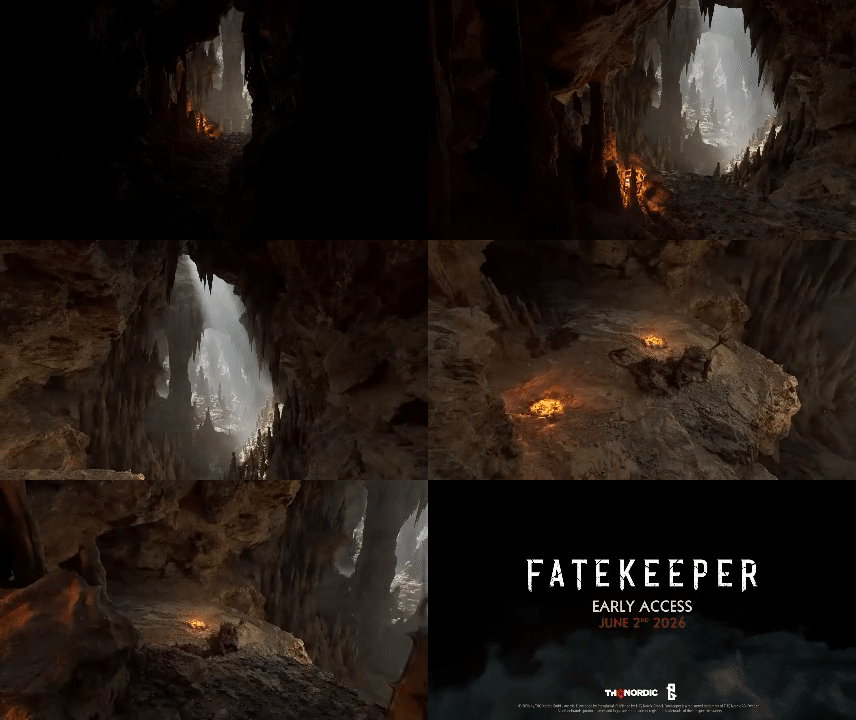
The highly anticipated first-person action RPG Fatekeeper has officially been confirmed for Early Access release on June 2, 2026. The announcement, revealed through the “Fatekeeper – Official Early Access Release Date Trailer and everything we know” showcase, positions the title as one of the most closely watched upcoming fantasy RPG launches in the current gaming cycle.
Developed by Paraglacial in collaboration with THQ Nordic, the game enters Early Access with a strong focus on atmospheric storytelling, immersive melee combat, and highly interactive magical systems. The release timing suggests a strategic summer launch window, often used for strong player engagement and visibility across PC gaming communities.
Early Access means that Fatekeeper will not launch as a fully complete product but rather as a continuously evolving experience. Players will gain access to core gameplay systems, select regions of the world, and foundational story content while the developers refine mechanics based on community feedback.
This release approach has become increasingly common in modern RPG development, allowing studios to balance ambition with iterative design improvements.
What is Fatekeeper? Full Overview of the New First-Person RPG
Fatekeeper is a dark fantasy first-person role-playing game that blends melee combat, magic systems, and environmental storytelling into a single cohesive experience. Built around immersive exploration and physics-driven interactions, the game aims to revive classic dungeon-crawling elements while modernizing them with contemporary design philosophies.
At its core, Fatekeeper focuses on player freedom. Instead of restricting players to rigid classes or linear progression paths, the game encourages experimentation. Players can combine weapons, spells, and abilities in flexible ways to create personalized combat styles.
The narrative framework revolves around a fractured fantasy world filled with ancient ruins, forgotten magic, and morally ambiguous factions. Unlike traditional high-fantasy RPGs that emphasize heroism, Fatekeeper leans into darker storytelling themes where choices often carry unpredictable consequences.
The game’s design philosophy emphasizes:
- Immersion through first-person perspective
- Tactical melee and magic hybrid combat
- Environmental storytelling over heavy exposition
- Non-linear exploration
- Build diversity and replayability
This combination places Fatekeeper within the lineage of classic immersive sims while maintaining modern RPG accessibility.

Fatekeeper Official Trailer Breakdown and Key Gameplay Reveals
The official reveal trailer provides the first substantial look at Fatekeeper’s world and systems. It opens with sweeping shots of decayed citadels, dense fog-covered forests, and underground ruins illuminated by unstable magical energy.
Key gameplay reveals include:
- First-person melee combat featuring directional strikes
- Spellcasting that interacts dynamically with the environment
- Enemy AI that adapts to player tactics over time
- Physics-based object manipulation during combat encounters
- A seamless transition between exploration and combat
One of the most striking aspects shown in the trailer is the fluid integration between magic and physical combat. For example, players can freeze enemies mid-attack and follow up with heavy melee strikes or use environmental destruction spells to alter battlefield conditions.
The trailer also highlights a companion-free design philosophy, suggesting that players will largely navigate the world independently, relying on their own skills and decisions rather than party-based mechanics.
Fatekeeper Gameplay Explained: Melee Combat, Magic, and Build System
Fatekeeper’s gameplay loop revolves around three interconnected pillars: melee combat, magic systems, and build customization.
Melee combat is weighty and timing-based, emphasizing precision rather than button-mashing. Weapons appear to have distinct momentum and impact, requiring players to carefully manage spacing and stamina.
Magic systems introduce a layered approach to combat. Spells are not simply damage tools but environmental modifiers. Fire can burn structures, ice can create temporary platforms, and arcane forces can manipulate physics objects.
The build system is highly flexible, allowing hybrid archetypes. Players are not locked into strict classes; instead, progression encourages mixing skill trees. A player could, for example, combine sword mastery with elemental magic or focus on stealth-enhanced spellcasting.
This design encourages experimentation and replayability, as no two builds are expected to feel identical.
Fatekeeper Story Setting: a Dark Handcrafted Fantasy World
The world of Fatekeeper is set in a decaying fantasy realm shaped by forgotten wars and unstable magic. The environment is described as “handcrafted,” suggesting that the developers have prioritized designed areas over procedurally generated landscapes.
The narrative tone is bleak and introspective. Civilizations have collapsed, leaving behind ruins that hint at past glory and catastrophic downfall. Magic is both a source of power and corruption, influencing both the environment and its inhabitants.
Players will uncover lore through exploration rather than direct exposition. Environmental storytelling plays a major role, with clues embedded in architecture, relics, and enemy design.
Themes explored in the world include:
- The cyclical nature of destruction and rebirth
- The corruption of unchecked magical power
- The moral ambiguity of survival in collapsing societies
This storytelling approach aligns Fatekeeper with narrative-driven RPGs that prioritize atmosphere and interpretation over linear storytelling.
Fatekeeper Platforms: is it Coming to PC, Steam Deck, or Consoles?
At Early Access launch, Fatekeeper is expected to release primarily on PC. Given the game’s technical ambition and emphasis on physics-driven systems, PC is the most likely initial platform.
While not officially confirmed for consoles at launch, future expansion to platforms such as PlayStation and Xbox is possible depending on Early Access performance and optimization progress.
Steam Deck compatibility is also a strong possibility due to the game’s PC-first development approach and growing demand for portable RPG experiences. However, performance optimization for handheld hardware will likely come after initial Early Access stabilization.
Fatekeeper Developer Paraglacial and THQ Nordic Collaboration Explained
The collaboration between Paraglacial and THQ Nordic plays a crucial role in Fatekeeper’s development and publishing structure.
Paraglacial is responsible for core game development, including design, programming, world-building, and combat systems. Their focus appears to be on crafting a deeply immersive RPG experience with strong mechanical depth.
THQ Nordic acts as the publishing partner, providing resources for marketing, distribution, and long-term support. Their involvement typically ensures wider visibility and stronger production backing for ambitious titles.
This partnership suggests a balance between creative independence and industrial-scale publishing support, which is often essential for large-scale RPG projects.
Fatekeeper Early Access Features: What Players Can Expect at Launch
At Early Access launch, players can expect a substantial but incomplete version of Fatekeeper. Core features will include:
- Fully playable first-person combat system
- Multiple weapon categories and spell types
- Initial regions of the game world
- Early narrative arcs and questlines
- Core progression and leveling systems
- Exploration-focused dungeon environments
However, certain features may still be under development, including:
- Full story completion
- Additional regions and biomes
- Expanded enemy variety
- Late-game skill trees and abilities
Early Access will serve as a foundation for iterative updates based on player feedback.
Fatekeeper Combat System Deep Dive: Weapons, Spells, and Mechanics
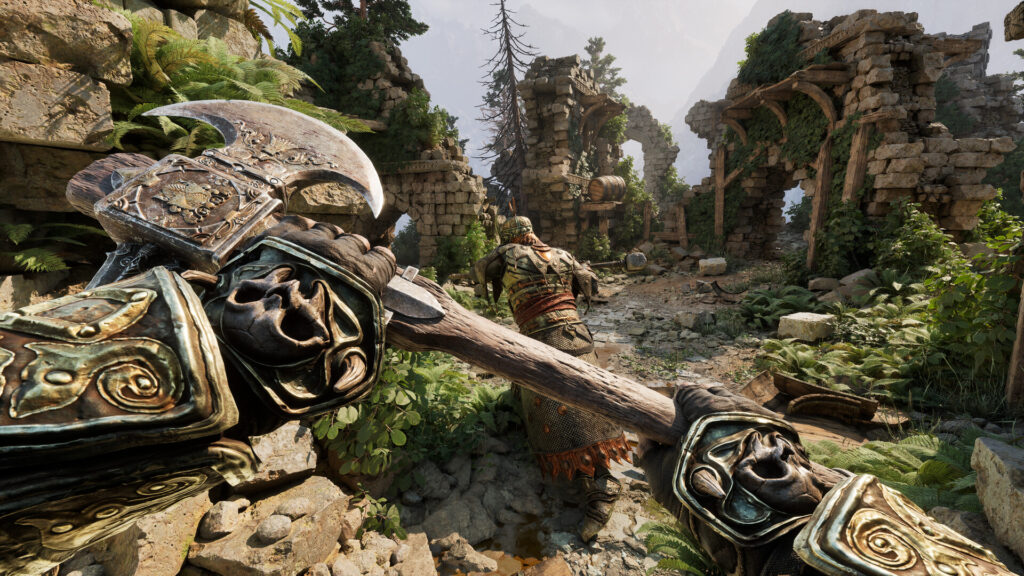
Combat in Fatekeeper is designed to be reactive, physics-driven, and highly tactical. Weapons include swords, axes, blunt instruments, and potentially hybrid magical artifacts.
Each weapon class has unique animations, timing windows, and damage behaviors. For example, heavy weapons may stagger enemies more effectively but require slower recovery times.
Spellcasting introduces additional complexity. Players can:
- Cast elemental spells (fire, ice, lightning)
- Manipulate environmental objects
- Combine spells for chained effects
- Interrupt enemy actions through timed casting
The system encourages situational awareness rather than repetitive attack patterns.
Enemy AI appears to respond dynamically to player strategies, forcing adaptation rather than reliance on fixed combat loops.
Fatekeeper Progression System: Character Builds, Skills, and Upgrades
Fatekeeper’s progression system is designed around freedom of customization. Instead of rigid class paths, players develop skills across multiple disciplines.
Progression includes:
- Skill trees for melee combat
- Magic specialization branches
- Passive enhancements (stamina, speed, resistance)
- Hybrid build modifiers
As players progress, they can reshape their playstyle entirely, transitioning from pure melee fighters to arcane warriors or stealth-based spellcasters.
This fluid system enhances replay value and encourages experimentation across multiple playthroughs.
Fatekeeper World Design: Ruins, Dungeons, and Exploration Zones
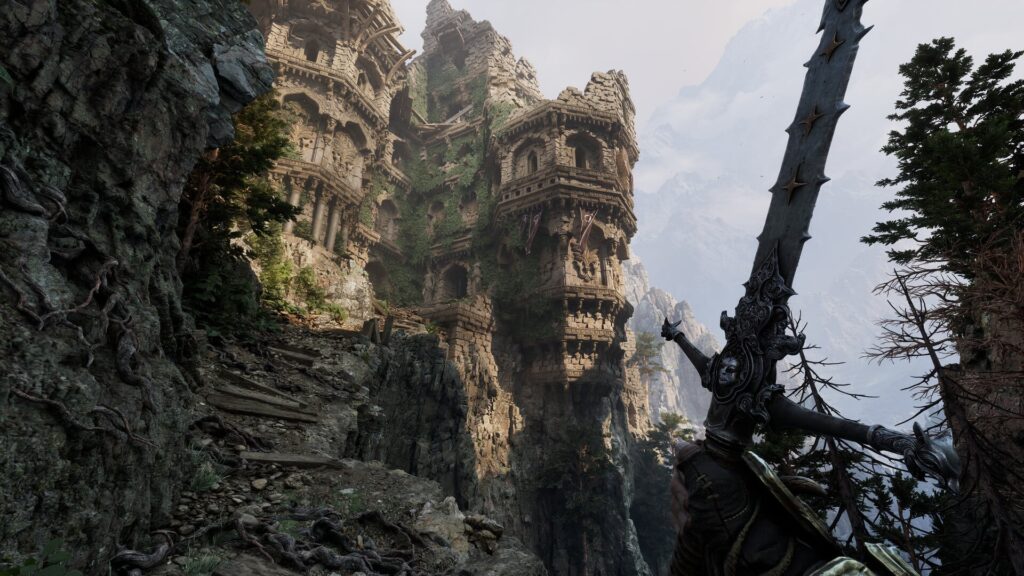
The world design in Fatekeeper emphasizes handcrafted environments filled with secrets, vertical exploration, and interconnected dungeon structures.
Key environmental features include:
- Ancient ruined cities overtaken by nature
- Underground labyrinths with shifting layouts
- Magical anomalies affecting terrain behavior
- Hidden pathways and environmental puzzles
Exploration is not purely visual but mechanical, as players may need specific abilities to access certain areas or manipulate environmental obstacles.
The game’s world encourages curiosity and rewards players who deviate from main paths.
Fatekeeper Release Date Timeline and Early Access Roadmap Plans
With Early Access launching on June 2, 2026, Fatekeeper is expected to follow a structured development roadmap.
Early roadmap expectations include:
- Post-launch bug fixes and stability patches
- Addition of new regions within months of release
- Expansion of enemy types and bosses
- Introduction of new magic systems
- Story expansion updates leading toward full release
This roadmap-based development model allows developers to refine systems gradually while maintaining player engagement over time.
Fatekeeper System Requirements and PC Performance Expectations
While official system requirements may vary closer to launch, Fatekeeper is expected to demand moderate-to-high PC specifications due to its physics-heavy combat and detailed environments.
Likely performance expectations include:
- Mid-range GPUs for stable 60 FPS at 1080p
- SSD storage for fast loading of interconnected environments
- Multi-core CPU optimization for AI and physics calculations
The game’s immersive systems suggest that performance scaling will be important, with adjustable settings for lighting, physics density, and shadow quality.
Fatekeeper Comparisons: Similar Games Like Dark Messiah and Hexen
Fatekeeper draws clear inspiration from classic immersive fantasy RPGs and first-person action titles.
Common comparisons include:
- Dark Messiah of Might and Magic for melee physics combat
- Hexen for dark fantasy dungeon exploration
- Modern immersive sims for environmental interaction systems
These comparisons help position Fatekeeper as a hybrid between retro-inspired design and modern RPG systems.
Its focus on physics-driven combat and environmental interaction distinguishes it from more traditional RPG experiences.

Fatekeeper Everything We Know so Far: Updates, Leaks, and Future Content
Based on official trailer information and early previews, Fatekeeper is shaping up to be a highly systems-driven RPG with a strong emphasis on player freedom.
What is known so far includes:
- First-person immersive combat focus
- Hybrid magic and melee systems
- Dark handcrafted fantasy world
- Early Access launch structure
- Long-term expansion plans
Future content is expected to include expanded story arcs, additional regions, and deeper customization systems.
Community speculation also suggests potential mod support and expanded replay systems, although these have not been officially confirmed.
Frequently Asked Questions (FAQs)
- What is Fatekeeper?
Fatekeeper is a first-person dark fantasy RPG focused on melee combat, magic systems, and exploration. - When is the Fatekeeper Early Access release date?
It launches on June 2, 2026. - Who is developing Fatekeeper?
The game is developed by Paraglacial and published in collaboration with THQ Nordic. - What platforms will Fatekeeper release on?
It is expected to launch on PC first, with possible future console releases. - Is Fatekeeper open world?
It features large interconnected handcrafted zones rather than a fully procedural world. - Does Fatekeeper have character classes?
No strict classes; it uses flexible skill-based progression. - What type of combat does Fatekeeper use?
First-person melee combat combined with elemental magic systems. - Is Fatekeeper story-driven?
Yes, it features a dark narrative revealed through exploration and environmental storytelling. - Will Fatekeeper support mods?
Mod support has not been confirmed but is possible in future updates. - Is Fatekeeper single-player or multiplayer?
It is primarily designed as a single-player experience.
Conclusion
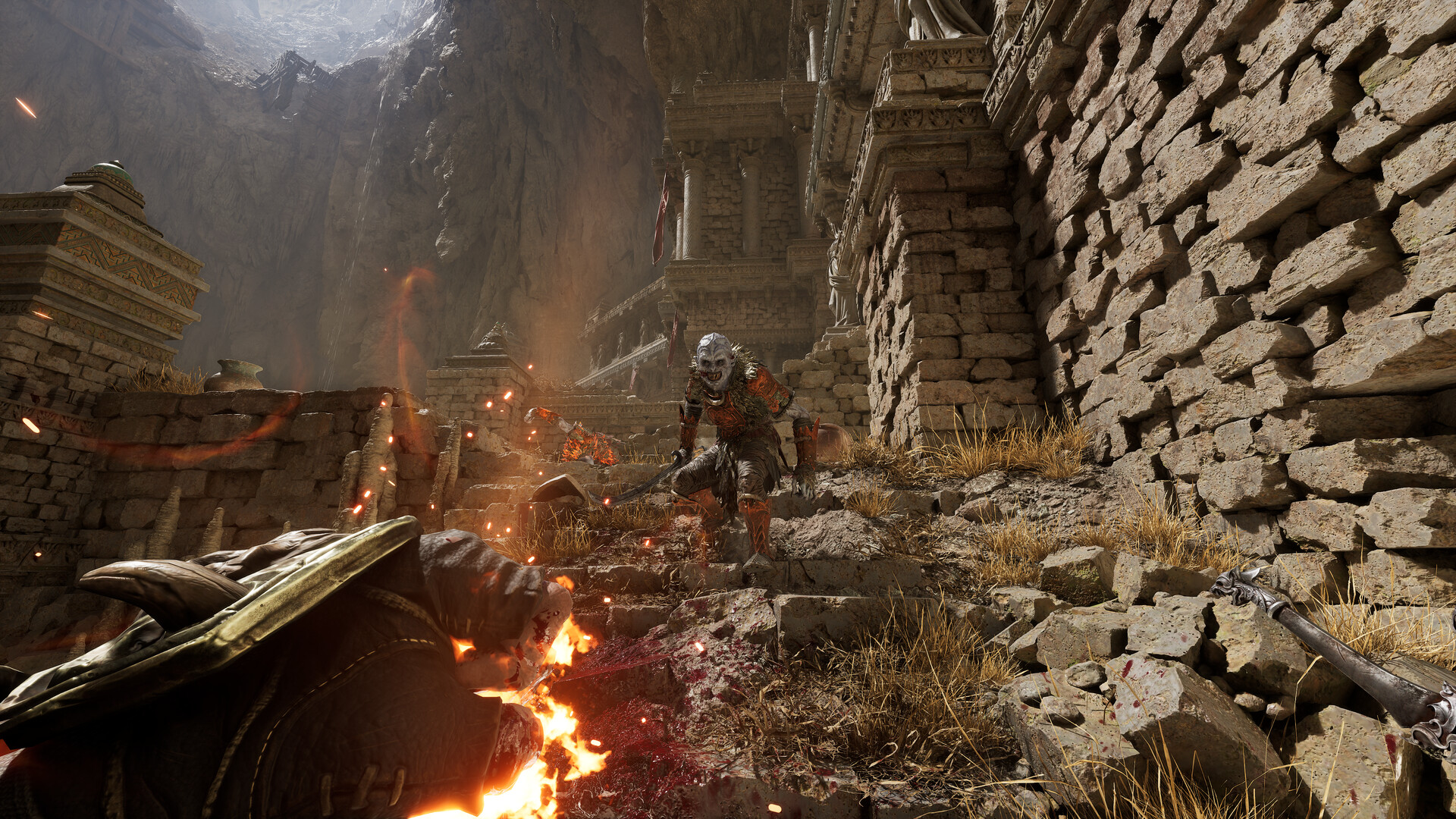
Fatekeeper represents a modern evolution of first-person fantasy RPG design, combining immersive combat, flexible character progression, and a dark handcrafted world. With its Early Access release scheduled for June 2, 2026, the game is positioned to grow significantly through community feedback and iterative development. Its blend of melee physics, magic systems, and exploration-driven storytelling places it firmly within the lineage of influential immersive RPGs while pushing toward a more dynamic and player-driven future.
Sources and Citations
- Official Fatekeeper Early Access Release Date Trailer Official reveal presentation and launch details.
https://www.youtube.com/watch?v=0nwan1c4i4A - Paraglacial Developer Announcements Official studio updates and development news.
https://x.com/paraglacial - THQ Nordic Publishing Communications Official publishing and partnership information.
https://thqnordic.com/ - Fatekeeper Gameplay Preview Coverage Early gameplay impressions and feature analysis.
https://www.ign.com/articles/fatekeeper-preview - Community Gameplay Breakdown Discussions Trailer analysis and gameplay speculation.
https://www.reddit.com/r/Games/
Recommended
- Darksiders: Warmastered Edition PS5 and Xbox Series X|S Release Date Explained
- Walton Goggins Shares Unexpected Inspiration Behind The Ghoul In Fallout 76 & Fallout Season 2: Behind the Voice, Character, and Gaming Legacy
- Activision Launches New Way To Talk With Call Of Duty Fans Through the Call of Duty CM Account
- The Pitt Fandom Has Reached a New Low: Heckling One of Its Stars on Broadway and What it Says About Fan Culture
- AI Memory Crisis: Phison CEO Reportedly Warns Electronics Manufacturers Will “Exit Product Lines” by End of 2026
- Agefield High Indie Back to School Game Set in the Early 2000s Receives Gameplay Trailer: Everything You Need to Know
- Pokémon Pokopia Update 1.0.4 Expands Ability to Move Pokémon Centers During In-Game Events
- Metro 2039 Release Date, Story, and How Russia’s War Fundamentally Changed the Game
- Super Mario Galaxy Movie Set for Massive First Weekend With $350 Million Worldwide as Global Box Office Soars Past Projections
- How do I create a POV shot with the Blender camera?



































































































