







In This Article (12 sections)
Ultimate Watchlist for Fans of Backrooms and Liminal Horror
The growing popularity of Backrooms videos, analog horror series, surreal films, and psychological mystery shows has created an entirely new audience seeking experiences that go beyond traditional horror. Rather than relying on jump scares or conventional monsters, these stories focus on atmosphere, uncertainty, isolation, and existential dread. Projects such as Backrooms-inspired horror, Eraserhead, Skinamarink, and Severance have become cultural touchstones because they tap into fears that are difficult to define. Empty hallways, endless office spaces, distorted memories, dream logic, forgotten places, and unexplained phenomena create discomfort that lingers long after the credits roll.
What makes these works so effective is their ability to transform ordinary environments into something deeply unsettling. They encourage viewers to question reality while creating a constant sense of unease. For fans searching for similar experiences, there is a surprisingly large collection of films and television series that explore comparable themes. Some focus on liminal spaces, others embrace surreal storytelling, and many blur the line between dreams and reality. The following recommendations represent some of the most fascinating examples of surreal, psychological, and liminal horror available.
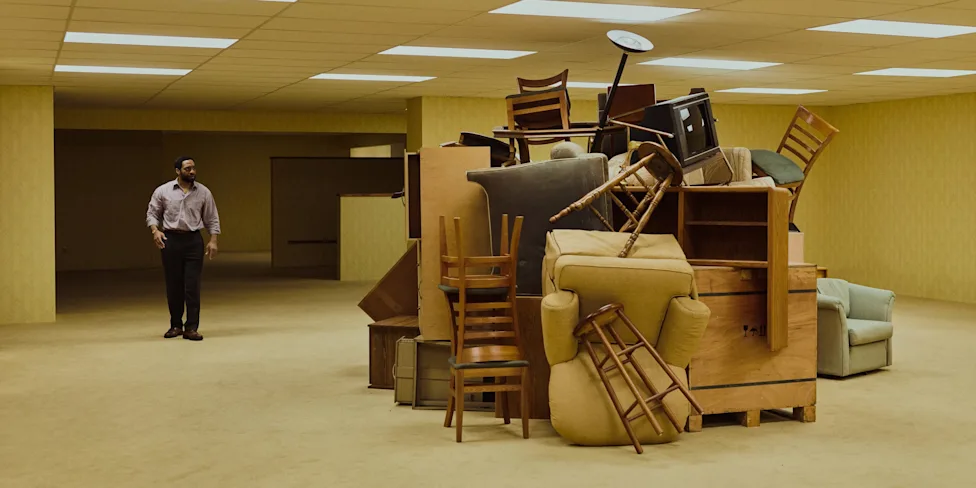
The Backrooms phenomenon introduced millions of people to liminal horror. These stories focus on transitional spaces that feel simultaneously familiar and wrong. One of the closest cinematic experiences is The Outwaters, whose fragmented presentation and growing sense of unreality create the same feeling of being trapped in a place that should not exist. Vivarium also captures similar themes, following a couple trapped within an endless suburban neighborhood where every house appears identical. In that film, the environment itself becomes the source of terror.
We’re All Going to the World’s Fair explores internet culture, loneliness, and distorted reality through an intentionally unsettling narrative style. The Night House transforms ordinary architecture into something deeply threatening, using empty spaces and hidden structures to create psychological horror. Together, these films demonstrate how environments can become characters in their own right.
Best Surreal Horror Films to Watch After Eraserhead and Skinamarink
David Lynch’s Eraserhead remains one of the most influential surreal horror films ever made. Its dreamlike logic, industrial imagery, and overwhelming atmosphere continue to inspire filmmakers decades later. For viewers seeking similar experiences, Inland Empire is perhaps the most direct recommendation. Another Lynch masterpiece, it embraces fragmented storytelling and psychological disorientation. Mulholland Drive also combines mystery, horror, and surrealism in ways that challenge audience expectations while rewarding repeated viewings.
Possession delivers emotional intensity, bizarre imagery, and unforgettable performances that rival Eraserhead’s unsettling power. Begotten pushes experimental filmmaking even further, creating a nearly wordless nightmare that feels unlike anything else in cinema history. Tetsuo: The Iron Man offers industrial body horror and surreal imagery that fans of Eraserhead often find captivating. These films prioritize mood and symbolism over straightforward narratives.
Skinamarink became famous for proving that horror does not require conventional storytelling to be effective. Its use of darkness, ambiguity, and childhood fears created an experience many viewers found genuinely disturbing. Heck, the short film that inspired Skinamarink, is an essential watch for anyone interested in the movie’s origins.
Skinamarink’s spiritual relatives include films such as The Blair Witch Project, which uses minimal visual information to amplify fear. Lake Mungo employs a similar approach through its documentary-style presentation and subtle psychological horror. Pulse creates overwhelming dread through loneliness, isolation, and empty spaces, while Cure slowly builds tension through atmosphere and uncertainty rather than traditional scares. These films understand that what viewers imagine can often be more frightening than what they see.

Best Liminal and Surreal Horror Movies for Backrooms Fans
Liminal space horror focuses on locations caught between states of existence. Airports at night, abandoned schools, empty shopping malls, office corridors, and endless hallways become sources of unease. The Shining remains one of the greatest examples of this concept, with the Overlook Hotel feeling disconnected from reality and creating an unforgettable atmosphere. Session 9 transforms an abandoned asylum into a labyrinth of psychological terror, while 1408 traps its protagonist within a hotel room that gradually loses all connection to normal reality.
The Empty Man uses vast landscapes, forgotten locations, and mysterious architecture to generate a profound sense of existential dread. Cube places characters inside an impossible structure where every room appears identical, creating one of the most effective liminal environments in horror history. These films show how a location can become more terrifying than any traditional monster.
Surreal horror thrives on uncertainty. These films often abandon traditional logic in favor of emotional and psychological experiences. Mandy combines dreamlike visuals, cosmic horror, and nightmarish imagery into a uniquely hypnotic experience. Beyond the Black Rainbow embraces surreal aesthetics while creating a persistent sense of dread and isolation. The Lighthouse transforms a simple premise into a descent into madness filled with symbolism and ambiguity.
Santa Sangre blends psychological horror with surreal storytelling and unforgettable visuals, while Enemy uses repetition, symbolism, and unexplained events to create a lingering sense of discomfort. For Backrooms fans, these films provide the same sensation of entering a reality governed by unfamiliar rules.

Psychological Mystery Shows and TV Series Similar to Severance
Television has increasingly embraced psychological storytelling that prioritizes atmosphere over action. Dark remains one of the finest examples, with its complex narrative, haunting soundtrack, and unsettling tone creating a constant sense of mystery. The Leftovers explores grief, uncertainty, and existential questions through deeply emotional storytelling, while Archive 81 blends found footage, cult horror, and psychological mystery into an absorbing experience.
The OA challenges viewers with surreal concepts, unconventional storytelling, and philosophical themes. Twin Peaks continues to influence virtually every modern psychological mystery series through its combination of surrealism, horror, and emotional depth. These shows reward patience and careful attention to detail.
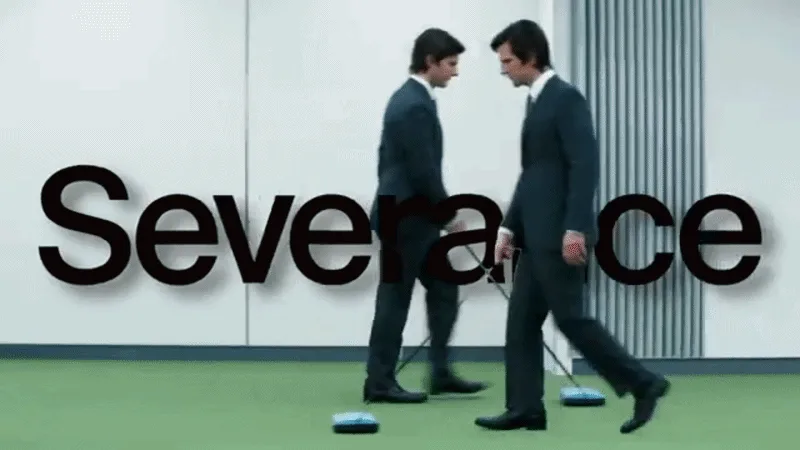
Severance captivated audiences through its exploration of identity, corporate culture, and psychological manipulation. Fans seeking similar experiences should consider Homecoming, which combines corporate conspiracies with memory manipulation. Mr. Robot explores identity, paranoia, and reality through a deeply psychological narrative, while Devs examines technology, determinism, and consciousness while maintaining a mysterious atmosphere.
Black Mirror frequently explores disturbing concepts involving memory, identity, and societal control. Counterpart uses science fiction concepts to explore personal identity and alternate realities. These shows share Severance’s ability to make familiar situations feel profoundly unsettling.

Experimental and Hidden Horror Films With Dreamlike Visuals
Some horror films intentionally mimic the logic and emotional structure of nightmares. The Reflecting Skin creates a surreal coming-of-age story filled with dreamlike imagery. Mother! abandons realism entirely, evolving into a symbolic nightmare that becomes increasingly overwhelming. A Field in England uses historical settings and hallucinatory visuals to create a uniquely disorienting experience.
Hausu combines absurdity, horror, and surreal imagery in ways that feel impossible to predict. Valerie and Her Week of Wonders presents a dreamlike fantasy world filled with unsettling transformations and symbolic storytelling. These films prioritize emotional responses over narrative clarity.
Many of the most fascinating horror films remain relatively unknown despite their artistic achievements. The Reflecting Skin continues to gain appreciation due to its haunting cinematography and surreal atmosphere. Paperhouse combines childhood imagination and psychological horror in a deeply affecting narrative. The Wolf House uses stop-motion animation to create one of the most unsettling visual experiences ever produced.
The Eyes of My Mother presents disturbing subject matter through beautiful black-and-white imagery. Messiah of Evil transforms ordinary locations into dreamlike spaces filled with creeping dread. These hidden gems offer experiences unlike mainstream horror productions.

Best Analog Horror and Reality-Bending Shows for Liminal Horror Fans
Analog horror has become one of the most influential internet horror movements of the modern era. Local 58 helped define the genre through distorted broadcasts and mysterious transmissions, while The Mandela Catalogue expanded analog horror into a widespread phenomenon through psychological terror and uncanny imagery. Gemini Home Entertainment uses nature documentaries and educational programming to create cosmic horror, and Broadcast Signal Intrusion explores mysterious video transmissions and conspiracy theories. Channel Zero also adapts internet horror concepts into atmospheric television storytelling. These projects share many thematic connections with Backrooms-style horror and liminal storytelling.
Reality itself becomes uncertain in some of television’s most memorable psychological series. Legion combines superhero concepts with surreal visuals and unreliable storytelling, while Undone uses rotoscope animation to explore memory, time, and perception. 1899 creates mystery through layered realities and shifting perspectives, and Russian Doll examines repetition, identity, and personal growth through increasingly strange circumstances. Twin Peaks: The Return remains one of television’s boldest explorations of surreal storytelling. These shows challenge viewers to actively interpret events rather than passively consume them.

Horror Movies About Isolation, Empty Spaces, and Uncomfortable Realities
Isolation remains one of horror’s most effective tools. The Lighthouse traps its characters within a remote environment where reality gradually deteriorates, while Moon explores loneliness and identity through a deeply personal science fiction narrative. The Wind uses isolation and environmental uncertainty to create psychological horror, and Pontypool confines its story largely to a single location while generating extraordinary tension. Silent House transforms an empty home into a source of overwhelming fear. These films demonstrate how emptiness itself can become terrifying.
Some films create discomfort through their refusal to provide easy answers. Possum uses surreal imagery and psychological trauma to create a uniquely disturbing experience. The Killing of a Sacred Deer presents an ordinary world governed by inexplicable rules, while Dogtooth creates unease through social isolation and distorted perceptions of reality. We’re All Going to the World’s Fair examines loneliness and online identity through an intentionally ambiguous narrative, and Skinamarink remains one of the most extreme examples of this approach, prioritizing atmosphere over conventional storytelling. These films leave audiences unsettled precisely because they resist straightforward interpretation. These shows challenge viewers to actively interpret events rather than passively consume them.

Best Slow-Burn, Surreal, and Liminal Horror Recommendations
Slow-burn horror requires patience but often delivers the most memorable experiences. The Witch gradually builds tension through isolation, superstition, and family conflict, while Saint Maud explores obsession, faith, and psychological instability with remarkable restraint. The Blackcoat’s Daughter creates a persistent feeling of unease that intensifies throughout its runtime, and Hereditary begins as a family drama before evolving into something far more disturbing. Cure demonstrates how subtle storytelling can produce extraordinary psychological impact. These films reward viewers willing to embrace atmosphere and gradual escalation.
Surreal and liminal horror continues to grow because it taps into fears that traditional horror often ignores. Rather than focusing on monsters or violence, these stories explore uncertainty, isolation, memory, identity, and the fear of existing within spaces that feel fundamentally wrong. Backrooms videos, Eraserhead, Skinamarink, and Severance have introduced many viewers to this style of storytelling, but they represent only the beginning.
Films such as The Lighthouse, Possession, Mandy, and Cube, alongside shows like Dark, Twin Peaks, and Archive 81, demonstrate the incredible variety within the genre. Whether viewers are fascinated by endless hallways, distorted realities, dream logic, or psychological mysteries, the world of surreal and liminal horror offers countless unforgettable experiences waiting to be discovered.

Frequently Asked Questions (FAQs)
- What is liminal horror?
Liminal horror is a type of horror built around transitional or in-between spaces, such as empty hallways, abandoned malls, stairwells, schools after hours, or endless office corridors. These places feel familiar, but because they are empty, distorted, or slightly “off,” they create a quiet sense of unease instead of relying only on obvious monsters or jump scares. - Why is Backrooms horror so popular?
Backrooms horror is popular because it turns ordinary spaces into something strange, endless, and threatening. It taps into feelings many people recognize, such as being lost, isolated, watched, or trapped somewhere that should be normal but no longer feels safe. Its simple concept also makes it easy for creators to expand through videos, games, stories, and online lore. - Is Skinnamarink considered liminal horror?
Yes. Skinnamarink is often considered a major modern example of liminal horror because it uses empty domestic spaces, darkness, strange framing, and childhood familiarity to create fear. Instead of explaining everything directly, the film makes a normal house feel disconnected from reality, which is a key part of liminal horror. - What is the closest movie to Backrooms?
There is no perfect one-to-one Backrooms movie, but films like Cube, Vivarium, and The Outwaters are often mentioned because they share similar feelings of entrapment, confusion, and reality breaking down. Cube focuses on an impossible maze, Vivarium uses an endless artificial suburb, and The Outwaters leans into disorientation and cosmic dread. - Which TV show is most similar to Severance?
Shows like Homecoming, Devs, Mr. Robot, and Dark are often recommended for fans of Severance. They share themes such as corporate control, identity, memory, surveillance, hidden systems, and characters uncovering disturbing truths beneath ordinary-looking environments. - What makes Eraserhead unique?
Eraserhead stands out because of its surreal black-and-white imagery, disturbing sound design, industrial setting, and dreamlike storytelling. Rather than giving viewers a clear explanation, it creates a nightmare atmosphere filled with anxiety, symbolism, and emotional discomfort, which is why it remains influential decades later. - What is analog horror?
Analog horror is a horror style that imitates older media formats, such as VHS tapes, emergency broadcasts, public access TV, training videos, or educational films. The outdated visuals, distorted audio, glitches, and low-quality recordings make the footage feel mysterious and unsafe, as if the viewer has discovered something they were not meant to see. - Are surreal horror films difficult to understand?
Surreal horror films can be difficult to understand if you expect a clear plot or direct answers. Many are designed to work through mood, symbolism, dream logic, and personal interpretation. Instead of explaining every detail, they often leave viewers with questions, making the experience feel more unsettling and memorable. - What is the best slow-burn horror movie?
There is no single best slow-burn horror movie, but The Witch, Hereditary, Saint Maud, and Cure are often considered some of the strongest examples. These films build tension gradually through atmosphere, character psychology, and dread, saving their most disturbing moments for when the viewer is fully immersed. - Why do liminal spaces feel unsettling?
Liminal spaces feel unsettling because they are familiar but incomplete. A school hallway, hotel corridor, or empty shopping center should be full of people and activity, so when it is silent and abandoned, the brain notices something is wrong. That mix of recognition and absence makes ordinary places feel disconnected from reality.

Conclusion
The rise of Backrooms content, Skinnamarink, Severance, and renewed interest in Eraserhead demonstrates a growing appetite for horror that prioritizes atmosphere over spectacle. These stories succeed because they explore psychological fears that cannot be easily explained or escaped. Through liminal spaces, surreal imagery, dreamlike narratives, and unsettling mysteries, they create experiences that linger in the mind long after viewing. For fans searching for similar films and series, the recommendations in this guide represent some of the most fascinating and disturbing examples ever created, offering countless hours of strange, beautiful, and unforgettable horror.
Sources and Citation
- David Lynch Foundation
https://www.davidlynchfoundation.org - Twin Peaks Archive
https://www.twinpeaksarchive.com - British Film Institute horror resources
https://www.bfi.org.uk - Senses of Cinema David Lynch archive
https://www.sensesofcinema.com - Film Comment interviews and criticism
https://www.filmcomment.com - RogerEbert.com film analysis
https://www.rogerebert.com - Sundance Film Festival program archive
https://www.sundance.org - JSTOR film and horror studies
https://www.jstor.org - Project MUSE film scholarship
https://muse.jhu.edu - Analog Horror Database
https://www.analoghorror.com - Shudder streaming horror collection
https://www.shudder.com - Fangoria horror journalism
https://www.fangoria.com - Bloody Disgusting horror coverage
https://bloody-disgusting.com - Dread Central horror analysis
https://www.dreadcentral.com - The Conversation film and media studies
https://theconversation.com/us/topics/film-1020
Recommended
- Dragon Ball Xenoverse 3 Finally Revealed: Akira Toriyama’s Last New Designs, Age 1000 Story, and 2027 Release
- I Am Frankelda Explained: How Guillermo Del Toro Helped Shape Netflix’s Stunning Stop-Motion Masterpiece
- The Steam Deck Is Out of Stock – What Does It Mean? (US, Canada & Asia Shortage Explained)
- Lucasfilm Used Sam Witwer’s Screams in Darth Maul’s Lightsaber for Shadow Lord — The Darkest Star Wars Sound Design Yet
- Bubsy 4D Blueprint Location Guide: All Blueprint Locations, Unlockable Moves, and Upgrade Paths Explained
- EVE Online Studio Goes Indie in “New Era” Rebrand: Fenris Creations, Google DeepMind AI Partnership, and What It Means for EVE Online
- Call of Duty: Black Ops 7 Earns $30,000 for Every Negative Review on Steam, Report Claims
- How to Create Metahuman Child Characters and Convert MakeHuman Models to Metahuman in Unreal Engine 5
- Civilization 7 Test of Time Update Release Date and Launch Details
- How to Automate Blender Camera Switching with The View Keeper



































































































