







In This Article (19 sections)
DREADMOOR 200,000 Wishlists Explained: How the Milestone Was Achieved
DREADMOOR reaching 200,000 wishlists on Steam represents a major milestone in modern indie game marketing, especially in an ecosystem where visibility is increasingly competitive. Wishlist growth on Steam is one of the strongest indicators of future launch performance, algorithmic favorability, and community anticipation.
In the case of DREADMOOR, the 200K benchmark was not the result of a single viral moment but rather a layered accumulation of strategic visibility, community engagement, influencer amplification, and sustained content release cycles. Each phase of the game’s marketing funnel contributed incremental gains that eventually compounded into exponential wishlist growth.
The achievement reflects a broader trend in indie game publishing: success is no longer defined solely by gameplay quality but by how effectively a title converts curiosity into long-term anticipation.
What is DREADMOOR? Overview of the Dark Fishing Survival Game
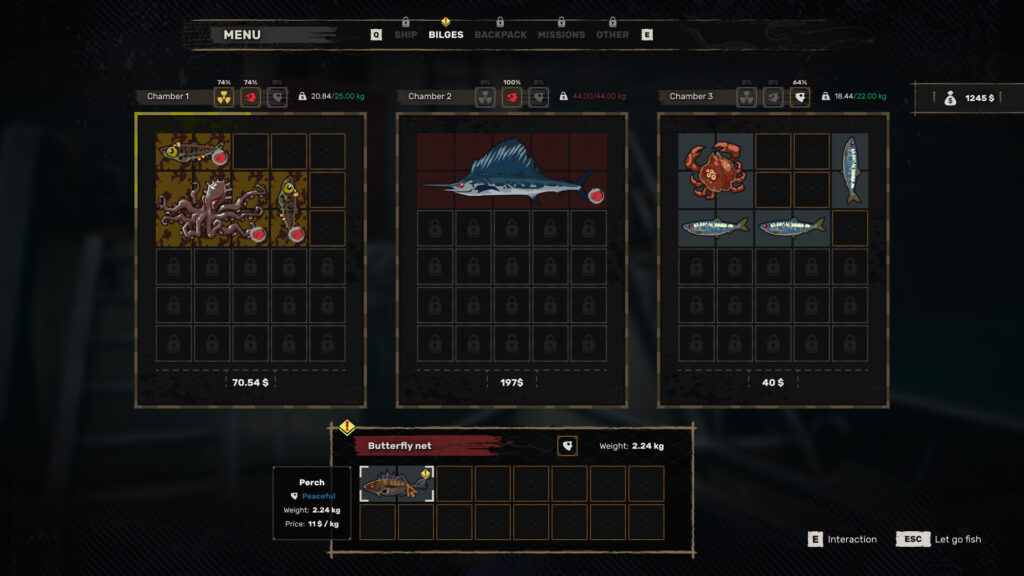
DREADMOOR is positioned as a dark survival fishing experience that blends atmospheric horror, exploration, and resource management. The game’s core concept revolves around navigating an eerie, open aquatic environment where players must fish, survive, and uncover environmental mysteries hidden beneath the surface.
The appeal of DREADMOOR lies in its tonal contrast, calm fishing mechanics juxtaposed with psychological tension and environmental dread. This hybrid design allows the game to attract both survival enthusiasts and horror fans, significantly widening its potential audience.
From a marketing standpoint, this genre blending is critical. Games that combine recognizable mechanics (like fishing) with unique thematic twists tend to perform well on Steam because they are easy to understand in seconds but intriguing enough to explore further.
How DREADMOOR Used Steam Wishlists to Build Massive Hype
Steam wishlists are not just passive bookmarks, they directly influence visibility algorithms, featuring potential, and launch-day ranking. DREADMOOR leveraged this system by optimizing every marketing touchpoint toward wishlist conversion.
Key strategies included:
- Clear and emotionally evocative capsule art
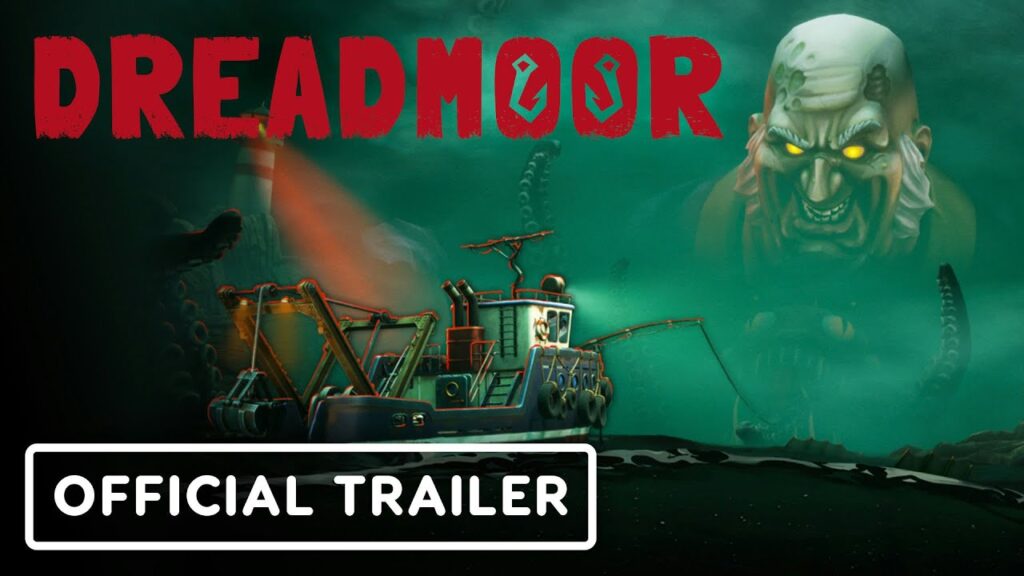
- A trailer designed specifically for instant hook retention in under 10 seconds
- Frequent updates to Steam page assets during early development
- Strong keyword alignment with horror, fishing, and survival tags
Each of these elements reduced friction between discovery and wishlist action. Instead of relying on external conversion funnels, DREADMOOR treated Steam itself as the primary marketing engine.
The result was a compounding loop: more wishlists improved visibility, which led to more impressions, which generated more wishlists.
The Marketing Strategy Behind DREADMOOR’s Viral Growth
The marketing strategy behind DREADMOOR’s viral growth was built on three core pillars: anticipation, scarcity, and emotional framing.
Rather than overexposing gameplay early, the developers carefully controlled information release. This created a sense of mystery, encouraging speculation and discussion across gaming communities.
The strategy also emphasized:
- Short, high-impact gameplay clips instead of long showcases
- Strong thematic branding centered around isolation and oceanic dread
- Strategic timing of announcements around major gaming events
By avoiding oversaturation, DREADMOOR maintained curiosity rather than fatigue. This approach is especially effective for indie titles competing in crowded digital marketplaces.
How Closed Playtests Helped DREADMOOR Gain Early Traction
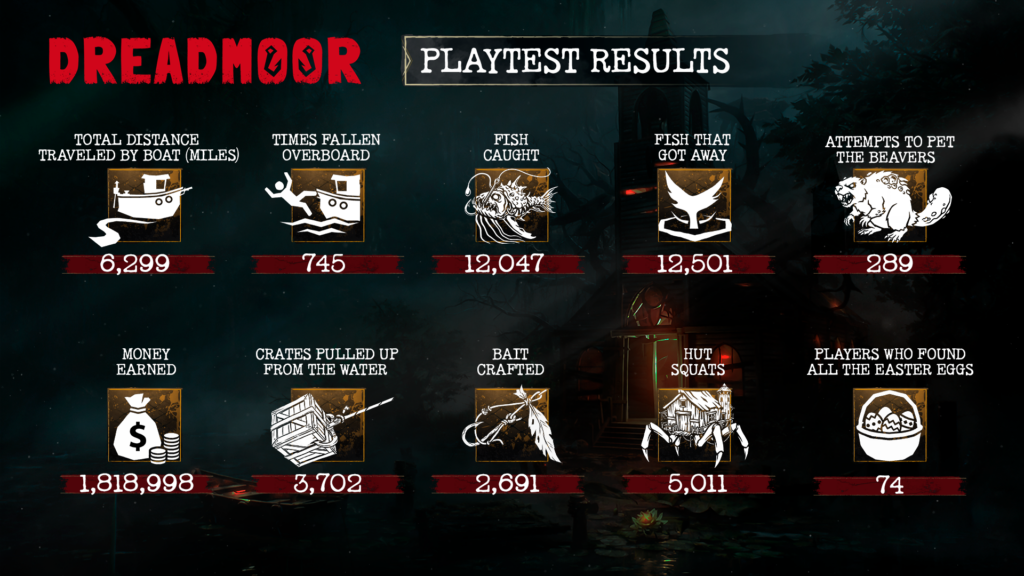
Closed playtests played a critical role in establishing DREADMOOR’s early momentum. By limiting access, the developers created perceived exclusivity, which significantly increased demand.
Participants in these playtests became organic ambassadors for the game, sharing impressions across Discord servers, Reddit threads, and niche gaming communities. These early testimonials often carry more weight than official marketing materials because they are perceived as authentic and unfiltered.
Additionally, feedback from playtests allowed developers to refine core gameplay loops before public exposure, ensuring that early trailers and demos reflected a polished experience rather than rough prototypes.
This combination of exclusivity and refinement created a strong foundation for later viral expansion.
IGN Fan Fest and Its Role in Boosting DREADMOOR Wishlists
Events like IGN Fan Fest provide critical exposure opportunities for indie titles competing alongside AAA announcements. DREADMOOR’s inclusion in IGN Fan Fest significantly amplified its visibility.
During the showcase, the game was presented alongside other upcoming titles, allowing it to benefit from audience spillover. Viewers who tuned in for major franchises were introduced to DREADMOOR through its atmospheric trailer, resulting in immediate spikes in Steam traffic.
The key advantage of IGN Fan Fest is credibility. Association with a major gaming media brand validates a project in the eyes of skeptical players, increasing conversion rates from viewer interest to wishlist action.
How TikTok and Reels Drove Millions of Impressions for DREADMOOR
Short-form video platforms such as TikTok, Instagram Reels, and YouTube Shorts played a defining role in DREADMOOR’s visibility surge.
The game’s aesthetic, dark water, subtle horror elements, and suspenseful pacing, translates exceptionally well into short video formats. Clips of unexpected underwater encounters or eerie environmental transitions performed particularly well.
The algorithmic nature of these platforms allowed DREADMOOR content to reach audiences far beyond traditional gaming communities. Even users not actively searching for games were exposed to snippets, increasing top-of-funnel awareness.
This type of organic virality is especially powerful because it does not rely on paid promotion, but rather emotional engagement and shareability.
IndieGameJoe Effect: the Influencer that Boosted DREADMOOR by 25,000 Wishlists
Influencers remain one of the most effective drivers of indie game discovery. In DREADMOOR’s case, coverage from a mid-tier gaming influencer (commonly referred to in community discussions as “IndieGameJoe”) contributed a significant spike in wishlists.
The “IndieGameJoe effect” refers to the rapid conversion that occurs when a trusted content creator highlights a lesser-known title. Unlike large-scale influencers, mid-tier creators often maintain stronger community trust and engagement rates.
This coverage likely resulted in:
- Increased Steam page visits within a short time window
- Higher wishlist conversion rates due to trusted recommendation framing
- Secondary amplification as other creators responded to the buzz
The estimated 25,000 wishlist increase highlights the measurable impact of influencer-driven discovery in indie ecosystems.
Why DREADMOOR’s Atmosphere Became Its Strongest Marketing Tool
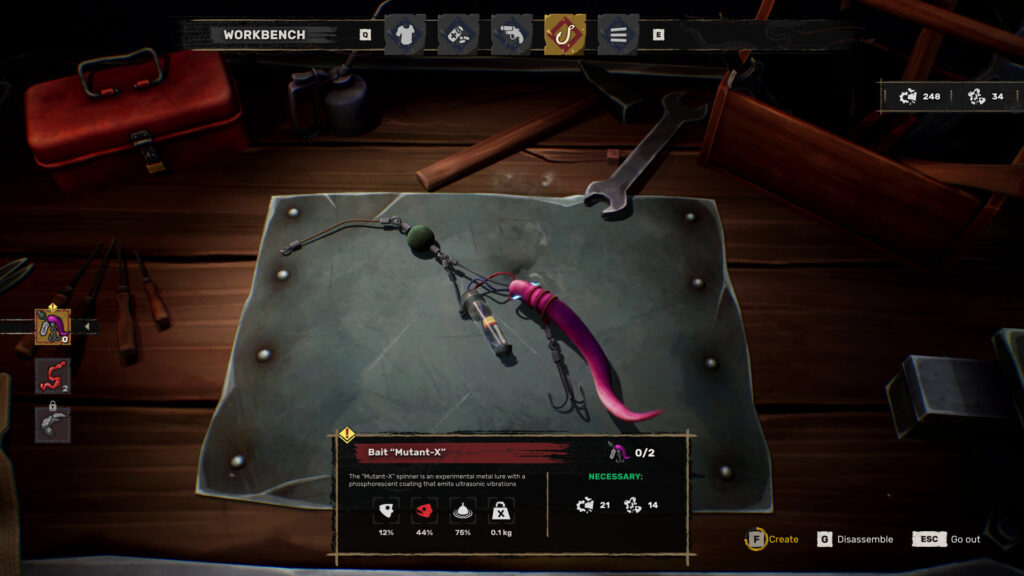
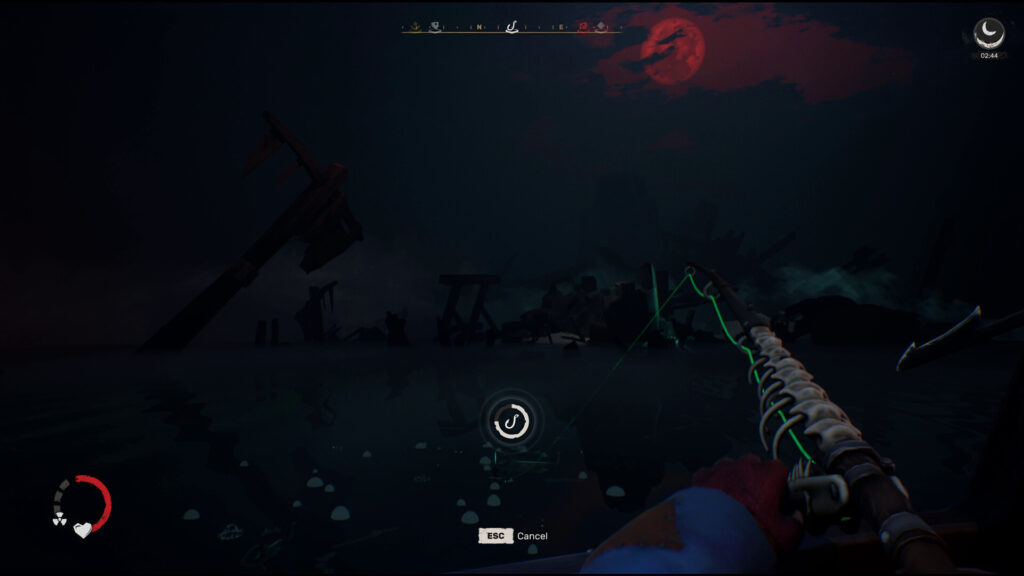
DREADMOOR’s atmosphere is arguably its most powerful marketing asset. The combination of sound design, environmental storytelling, and visual tone creates an immediate emotional reaction that traditional marketing struggles to replicate.
The ocean setting introduces natural psychological tension, depth, isolation, and uncertainty. These themes resonate strongly with horror audiences and curiosity-driven players.
Instead of relying on complex narratives, DREADMOOR uses mood as its primary hook. This allows trailers and clips to communicate value instantly without explanation, which is crucial for conversion in short attention spans environments.
How Viral Indie Game Trailers Reignited Old DREADMOOR Content
A key factor in sustained wishlist growth was the resurfacing of earlier DREADMOOR content after newer trailers went viral. This phenomenon is common in algorithm-driven ecosystems where engagement triggers retroactive visibility.
Once a new trailer gained traction, older clips were re-circulated by platforms and community accounts. This created a content “echo effect,” where multiple versions of the game simultaneously circulated online.
This recycling of attention significantly extended the lifespan of marketing assets, ensuring that even older materials continued contributing to wishlist growth over time.
Steam Ocean Fest and the Impact of the First Public Playtest
Steam-themed events such as genre-specific festivals often provide critical visibility boosts for niche titles. Participation in a fishing or ocean-themed event (commonly referred to as Steam Ocean Fest in community discourse) allowed DREADMOOR to reach highly targeted audiences.
The first public playtest during this period further amplified engagement. Unlike closed tests, public access removes friction and allows immediate mass participation.
This stage is often where wishlist conversion peaks, as players who experience the game firsthand are far more likely to commit to following its development.
Organic Growth Strategy Behind DREADMOOR’s Daily Wishlist Influx
Beyond viral spikes, DREADMOOR maintained consistent organic growth through steady visibility management. Daily wishlist accumulation is often more important than sudden spikes because it reflects sustainable interest.
Key organic strategies included:
- Regular Steam blog updates
- Continuous social media micro-content
- Community engagement through devlogs
- Iterative trailer edits optimized for performance
This consistency ensured that the game never disappeared from algorithmic relevance, maintaining steady exposure over long development cycles.

Why Consistency Matters in Indie Game Marketing Like DREADMOOR
Consistency is one of the most underestimated factors in indie success. Many projects experience initial hype but fail to sustain momentum due to irregular communication.
DREADMOOR avoided this by maintaining a predictable cadence of updates and content releases. This created audience habit formation, where followers expected regular insights into development progress.
Consistent communication also builds trust, signaling that the project is active, progressing, and worth investing attention into.
Pixelhair and the View Keeper: Lessons for Indie Game Visibility Strategy
In analyzing DREADMOOR’s growth model, two conceptual frameworks often referenced in indie marketing discussions, Pixelhair and The View Keeper, highlight important visibility principles.
Pixelhair represents micro-level visual identity consistency. Every frame of gameplay, trailer, and screenshot contributes to a unified aesthetic fingerprint. DREADMOOR’s dark ocean visuals maintain this cohesion, ensuring instant recognizability across platforms.
The View Keeper refers to retention-based content design. This is the ability of a trailer or clip to hold viewer attention beyond the first few seconds. DREADMOOR achieves this through slow tension buildup, environmental curiosity, and unpredictable underwater reveals.
Together, these principles demonstrate how visual identity and retention engineering directly influence wishlist conversion rates.
Key Lessons from DREADMOOR’s 200K Wishlist Success Story
DREADMOOR’s journey to 200,000 wishlists highlights several key lessons for indie developers:
- Steam wishlists function as both marketing and algorithmic leverage
- Controlled scarcity increases perceived value and curiosity
- Short-form video platforms are essential for modern discovery
- Influencer amplification can produce outsized returns
- Atmosphere-driven design can outperform narrative-heavy marketing
- Consistency is more valuable than isolated viral spikes
Ultimately, DREADMOOR demonstrates that successful indie marketing is less about scale and more about strategic alignment across platforms.
Frequently Asked Questions (FAQs)
- What is DREADMOOR?
DREADMOOR is a dark survival fishing game combining horror elements with exploration and resource management. - How did DREADMOOR reach 200,000 wishlists?
Through a combination of Steam optimization, viral short-form content, influencer coverage, and consistent marketing updates. - Why are Steam wishlists important?
They improve visibility, influence Steam algorithm ranking, and predict launch success. - Did social media help DREADMOOR grow?
Yes, TikTok, Reels, and Shorts significantly boosted awareness and impressions. - What role did influencers play?
Influencers helped drive large spikes in wishlists through trusted recommendations. - Was DREADMOOR successful because of gameplay or marketing?
Both, but marketing played a crucial role in amplifying visibility. - What is the biggest strength of DREADMOOR’s marketing?
Its atmospheric identity and strong emotional hook. - How important were playtests?
Very important, as they created early community engagement and feedback loops. - Can indie games replicate this success?
Yes, but it requires consistent strategy across multiple platforms. - What makes DREADMOOR different from other indie games?
Its unique blend of fishing mechanics and psychological horror atmosphere.
Conclusion
DREADMOOR’s rise to 200,000 Steam wishlists demonstrates how modern indie success is built through layered visibility systems rather than single viral moments. By combining controlled marketing releases, influencer amplification, short-form video virality, and strong atmospheric identity, the game achieved sustained and scalable audience growth.
Its success reflects a broader shift in game marketing: visibility is no longer accidental, it is engineered through consistent, multi-platform narrative and emotional design.
Sources and Citations
- Steam Official Website Steam wishlist systems, storefront discovery, and user engagement metrics.
https://store.steampowered.com/ - Steamworks Documentation Wishlist visibility systems, algorithm exposure, and store promotion guidelines.
https://partner.steamgames.com/doc/home - IGN Fan Fest Official Page Indie game showcase exposure and promotional event visibility.
https://www.ign.com/events/fan-fest - TikTok Creative Center Viral gaming trends and short form marketing analytics.
https://ads.tiktok.com/business/creativecenter/ - Instagram Reels Overview Short form video engagement and discovery systems for viral marketing.
https://about.instagram.com/features/reels - YouTube Shorts Information Short form creator tools and audience growth features.
https://www.youtube.com/shorts/
Recommended
- Blizzard Apologizes, Admits World of Warcraft Patch 12.0.5 “Not Up to Our Standards”: What Broke, What’s Fixed, and What’s Next
- Blizzard’s Overwatch (Previously Overwatch 2) Switch 2 Version Explained
- The Cut Content Of Ghost Of Yotei: Every Scrapped Feature Explained
- Devil May Cry Season 2 Review: Story, Action, Release Updates, and Everything You Need to Know
- Google Play will let you try a game before you buy it: Game Trials explained (release, supported games, and how it works)
- Los Angeles Chargers Halo Infinite Schedule Release Video: Every Week Revealed
- How to Replace the Mannequin with a Metahuman in Unreal Engine 5: Step-by-Step Guide
- tinyBuild on the Success of Hozy: How the Cozy Renovation Game Caught Attention Fast
- How to Add Realistic Dust, Hair, and Surface Imperfections in Blender to Increase Scene Realism
- Guerrilla Games Co-Founder Arjan Brussee is Building “The Immense Engine”: a European Alternative to Unreal Engine and Unity



































































































