







Superhero publishing history is full of intentional mirrors, shared archetypes, and occasionally very on-the-nose “we know what we’re doing” riffs. Many of the most famous Marvel/DC parallels are best understood as a blend of: (a) extremely durable genre templates (archer vigilante, speedster, “Atlantis” monarch), (b) creators borrowing the “feel” of what’s working in the market, and (c) editorial direction in a fiercely competitive industry.
The comparisons below focus on the most commonly cited “copycat” match-ups, and crucially pin down who appeared in print first using publisher issue records and comics bibliographic databases.— ×2
“Copycat” is a loaded word. In comics, two characters can look similar because they share a job description in the genre rather than because one was literally traced from the other: copyright law generally does not protect ideas or basic character types, but it can protect the particular expression of those ideas.
That said, comics history includes real disputes over characters that crossed the line from “general type” into closer imitation including early cases involving Superman-era lookalikes.— ×1
Deadpool vs Deathstroke Copycat Comparison (origins, Costumes, Creator Influence)
Who came first: Deathstroke debuted in The New Teen Titans #2 (1980), while Deadpool debuted later in New Mutants (1983) #98 (February 1991).
Why they’re compared: The surface-level parallels are obvious even to casual readers: masked mercenaries, heavy weaponry, acrobatic combat, and visually comparable suit layouts (notably the strong use of two-tone segmentation). The name parallel (Slade Wilson vs Wade Wilson) has been treated for decades as part of the “wink” that fuels the copycat label.
Creator influence (what can be responsibly said): A widely repeated account attributed to co-creator Fabian Nicieza describes the early design being recognised as closely resembling Deathstroke and the name choice functioning as an inside joke. That attribution is commonly reproduced in mainstream reference summaries of the character’s publication history.— ×2
The “copycat” conversation often collapses the two into the same silhouette, but the long-term positioning diverges: Deathstroke is generally framed as a cold professional operator and high-end tactician within DC’s mercenary/villain ecosystem, while Deadpool’s defining identity became tonal, comedy, self-awareness, and meta-commentary, on top of a mercenary base. Those differences are why the comparison is strongest at the level of early concept/costume, and weaker as an explanation for what each character
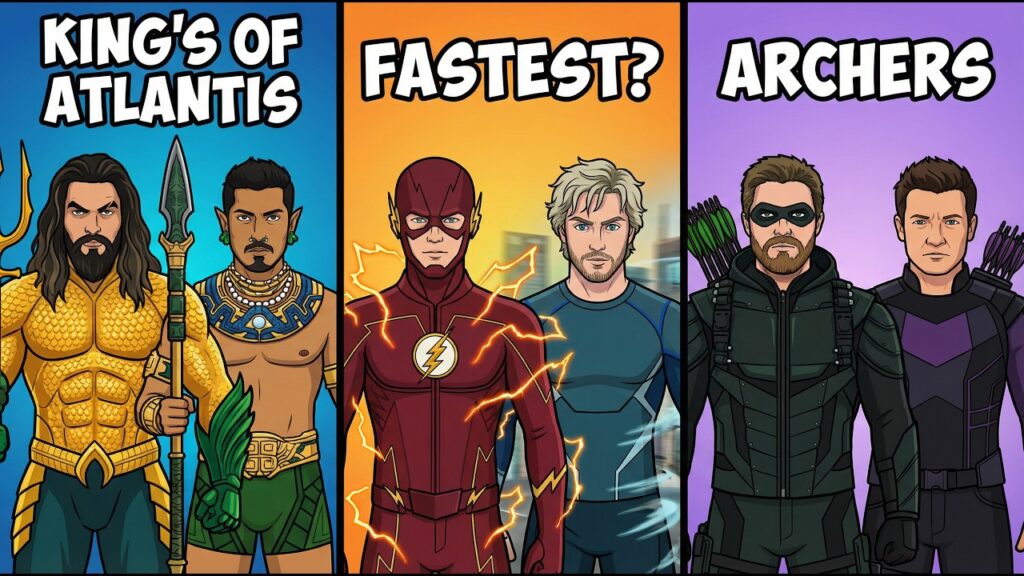
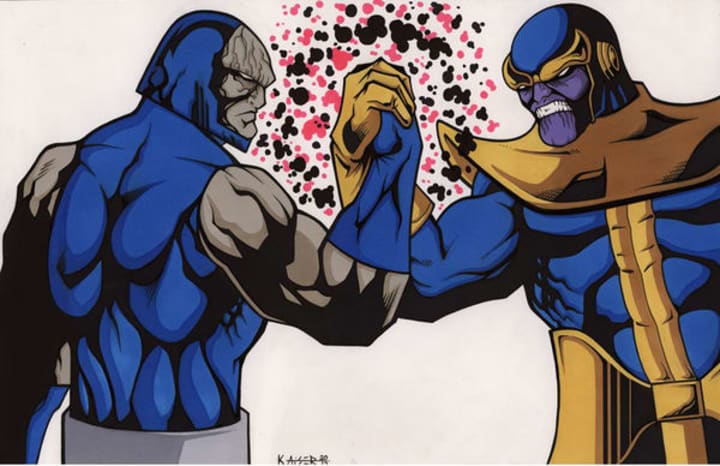
Thanos vs Darkseid Similarities Explained (Infinity Gauntlet vs Anti-Life Equation Vibes)
Who came first: Darkseid’s first appearance is listed by DC as Superman’s Pal Jimmy Olsen #134 (1970). Thanos’ first appearance is listed by Marvel as Iron Man (1968) #55 (February 1973).
The “vibes” comparison (the real reason this one sticks):
- Darkseid’s central mythic goal is the Anti-Life Equation, described by DC as a means to remove free will from all sentient life, cosmic tyranny as a philosophy and a weapon.
- Thanos’ pop-cultural signature in comics is tied to his association with the Infinity Gauntlet, era of storytelling: an artefact-level grab for reality-scale power that crystallised into the famous 1991 event cycle.
Both, in other words, are “cosmic despot” templates whose flagship MacGuffin is about total domination of existence (will vs reality). That parallel is structural, not just visual.
Creator influence (what the record supports): In a long-form interview, Jim Starlin explicitly describes being influenced by Jack Kirby’s Fourth World work, while also stressing that his early conceptual/design influence leaned more toward Metron than Darkseid.
The editorial “make him bigger” anecdote: Many secondary histories repeat an account in which Marvel editorial direction pushed the concept toward a more Darkseid-like physical intimidation factor; this story is often presented as part of the “why they look alike” explanation in popular commentary.
Bottom line: Darkseid predates Thanos in print, and Thanos’ creator acknowledges Fourth World-era influence while disputing the simplistic “direct Darkseid clone” framing. The strongest parallel is “cosmic authoritarian + universe-level control device,” not 1:1 backstory duplication.
Hawkeye vs Green Arrow: Who Came First and Why They’re Compared
Who came first: Green Arrow appears in More Fun Comics #73 (cover date November 1941). Hawkeye’s first appearance is anchored by Marvel at Tales of Suspense #57 (published September 10, 1964).
Why they’re compared: Both characters embody the “street-level archer” niche, non-superpowered (in the classic sense) heroes who compete in a universe of gods and monsters through training, marksmanship, trick arrows, and mission-focused tactics. This archetype is rare enough in superhero comics that two high-profile examples are almost guaranteed to be compared.— ×1
The deeper distinction: Green Arrow historically leans into the vigilante tradition and urban crime storytelling, while Hawkeye’s foundational conception places him closer to the super-team ecosystem (his early era is directly tied to Avengers-adjacent patterns of hero recruitment, reform, and team dynamics).
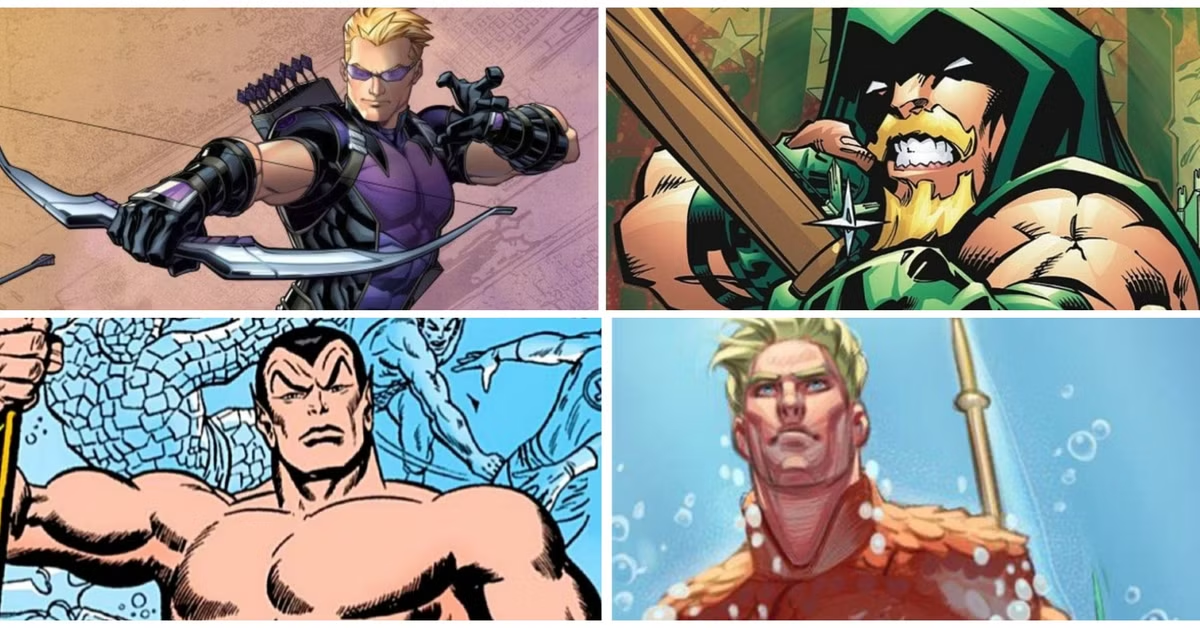
Aquaman vs Namor: “King of Atlantis” Rivalry and Comic History
Who came first: Aquaman’s debut is tied to More Fun Comics #73 (cover date November 1941).
Namor is described by Marvel’s own publishing history as first appearing in Marvel Comics #1 (1939).
Why the “King of Atlantis” framing exists: Both characters sit on the same mythic throne in genre terms: the “Atlantis monarch/warrior” who bridges surface and sea politics. Even when the details diverge (temperament, allegiance, and how “Atlantis” is culturally framed), the macro-role overlaps so strongly that the pairing is almost unavoidable.
What “who copied who” gets wrong: The cleaner historical point is simply chronology, Namor predates Aquaman in print by roughly two years, while the “copycat” claim is harder to prove in a strict causal sense because both are also drawing from older Atlantis/sea-king mythology and pulp-era adventure templates. In other words: same archetype, different company, different execution.— ×2
Quicksilver vs the Flash: Speedster Copycat Debate and Key Differences
Who came first: DC lists the Flash’s first appearance as Flash Comics #1 (1940). Marvel lists Quicksilver’s first appearance as X-Men #4, and Marvel editorial pages date that debut era to 1964.
Why speedsters trigger copycat claims: “Super-speed” is a power set that reads instantly on a page, and it creates a similar toolkit across universes (blur motion lines, lightning motifs, time-critical rescues). Because those visual languages are so codified, speedsters can look “copied” even when their narrative mechanics differ.
Key difference that matters for lore: DC’s Flash mythology is explicitly a legacy concept (multiple Flashes over time, with Silver Age reinvention documented by DC’s own historical framing around Showcase-era revival).
Quicksilver’s core identity is bound to Marvel’s mutant/superhuman politics and the sibling dynamic that Marvel itself foregrounds when summarising his early publication history.
Bottom line: The Flash came first by decades, but “speedster” is also a broad concept, and the similarity is strongest at the power-and-visual-language level, not at the level of origin structure or universe role.
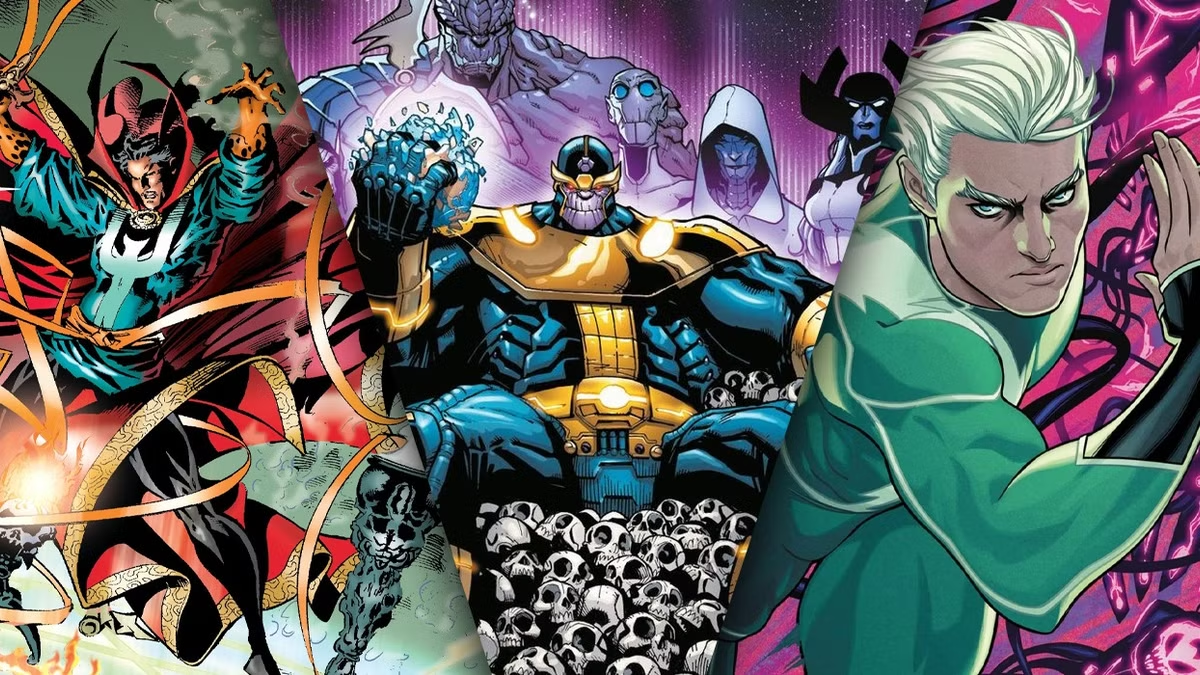
Black Cat vs Catwoman: Are They Actually Copycats or Just Similar Archetypes?
Who came first: Catwoman’s first appearance is listed by DC as Batman #1 (1940). Black Cat’s first appearance is listed by Marvel as The Amazing Spider-Man #194 (1979).
Why they’re compared: Both characters occupy the glamorous “cat burglar” space, an elegant thief whose relationship with the hero mixes romance, rivalry, and moral ambiguity. This is a classic noir-adjacent archetype that superhero comics absorbed early and never let go.— ×1
Copycat vs archetype: the more accurate framing: Catwoman predates Black Cat by nearly four decades, which makes the comparison tempting as a one-way lineage. But the “feline femme fatale” template is bigger than either character, and the more precise claim is that Black Cat is a later genre iteration that adapts the archetype to Spider-Man’s world and tone.
Sentry vs Superman: Marvel’s “superman-Type” Hero Explained
Who came first: Superman’s first appearance is listed by DC as Action Comics #1 (1938). Sentry’s first appearance is listed by Marvel as Sentry (2000) #1 (published September 1, 2000).
Sentry is built around an intentionally “mythic” power fantasy, flight, strength, and an iconic, emblem-forward presentation that evokes the general Superman template. Marvel’s own character history framing emphasises Sentry as a “golden guardian” with a deliberately big, iconic profile.
What makes Sentry distinct (and why it matters): Marvel’s editorial presentation of Sentry’s debut leaned into a meta-hook: a “forgotten” major hero returning, with the shadow of the Void baked into the concept as a built-in psychological and narrative drawback. That structural fragility, power paired with instability and a reality-threatening counterforce, separates him from the classic “stable icon” role Superman often plays in DC continuity.— ×2
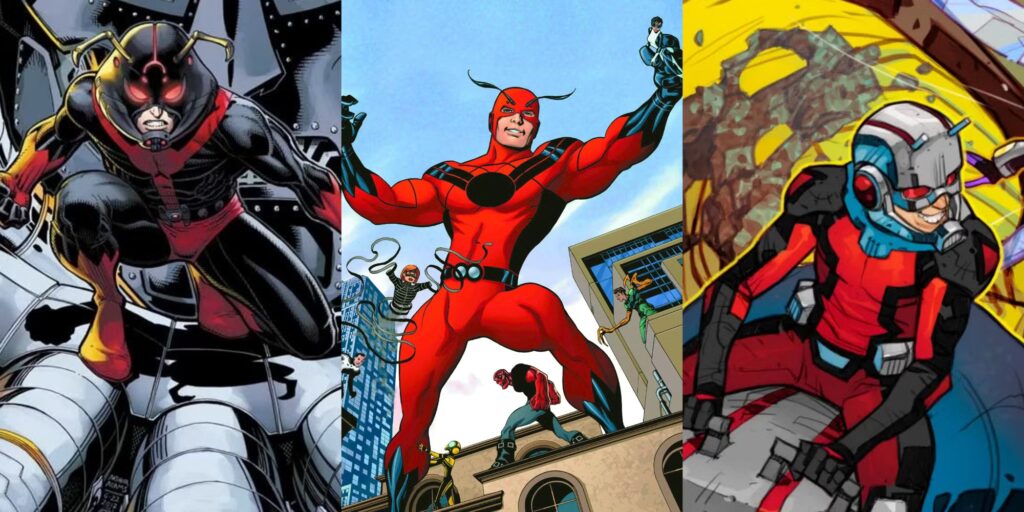
Ant-Man vs the Atom: Shrinking Superhero Parallels and First Appearances
Who came first (for the shrinking concept): DC’s Atom (Ray Palmer) is tied to Showcase #34 (1961). Marvel’s Ant-Man identity for Hank Pym is tied to Tales to Astonish #35 (1962), with Marvel explicitly noting the shift into the Ant-Man name/role that year.
Why they’re compared: Both occupy the “size-change scientist” fantasy: a hero whose superpower is essentially applied physics (or comic-book physics) and who uses shrinking as infiltration, escape, and surprise-attack methodology. The similarity is amplified by the near-consecutive Silver Age timing: 1961 vs 1962.
Key differences: DC’s Atom codifies the power through a belt/tech framework tied to “dwarf star” lens language in official character summaries, while Marvel’s Ant-Man identity is tethered to a broader identity-history (Hank Pym cycles through multiple size/identity phases, and Marvel explicitly distinguishes his first appearance from his first time shrinking and taking the Ant-Man name).
Reed Richards vs Elongated Man: Stretchy Genius Comparison and Differences
Who came first: Elongated Man debuted in The Flash #112 (1960). The Fantastic Four’s debut (with Reed Richards as the stretchy leader) is anchored by Marvel history to Fantastic Four (1961) #1, with issue bibliographies placing the series in 1961.
Why they’re compared: On a purely visual/power axis, “elastic body hero” is distinctive enough that two flagship examples will always be paired. Both characters also sit adjacent to “clever problem-solver” storytelling, one as a detective-leaning figure, the other as an inventor/scientist-leading-a-team figure.— ×1
Where the comparison breaks down: Elongated Man’s classic identity is rooted in detective stories and supporting cast interplay within Flash/JLA contexts (DC’s own character history emphasises that debut and later team membership), whereas Reed Richards is purpose-built as a foundational figure of Marvel’s modern superhero line explicitly framed by Marvel as central to the “First Family” concept and the launch of a new superhero era.
Squadron Supreme vs Justice League: Marvel’s Justice League Analogs Explained
Who came first: DC lists the Justice League’s first appearance as The Brave and the Bold #28 (1960). Marvel lists the first appearance of the Squadron Supreme as Avengers (1963) #85 (published February 1, 1971).
Why this is one of the clearest “parallel team” examples: Unlike many one-to-one comparisons that can be chalked up to archetypes, this match-up is repeatedly described in comics history commentary as a deliberate “other-company equivalent” concept. A mainstream comics-industry interview feature even summarises the Squadron Supreme as Marvel’s answer to the Justice League, directly signalling intentional mirroring as part of the team’s identity.
How the analog mapping works (at a high level): The core idea is a set of hero silhouettes that evoke DC’s flagship team roles, an ultra-strong flying icon analogue, a dark crimefighter analogue, a power-ring/energy analogue, a speed analogue, and a warrior-princess analogue, then reframed through Marvel’s alternate-world storytelling infrastructure. Marvel’s own issue record makes clear the “first appearance” framing for the group in Avengers #85, reinforcing that this was introduced as an event-level novelty inside an established universe.
Squadron Sinister Explained: Marvel’s “evil Justice League” Knockoff Team
Who came first (as the “mirror” concept): The villain-team version predates the hero-team version. Comics bibliographic records and Marvel editorial history place the introduction of the Squadron Sinister in the late 1960s, with Marvel’s own history piece anchoring the concept to the Avengers (1963) #69–70 era and naming the original villain lineup.
What the team is and why it matters: The Squadron Sinister functions as the “dark reflection” team created to be fought, to stage a clash of archetypes, and to let readers enjoy a “mirror match” that cross-company crossovers normally can’t provide. Marvel’s official write-up explicitly frames the Sinister team as being created in-story by the Grandmaster as opponents for the Avengers, listing the lineup and the debut context.— ×1
How it connects back to the hero analogs: Marvel issue records place the Squadron Supreme’s first appearance after the Sinister concept, meaning the “evil mirror” arrived first, then the “hero mirror” followed (with a different story function and a bigger alternate-world canvas).
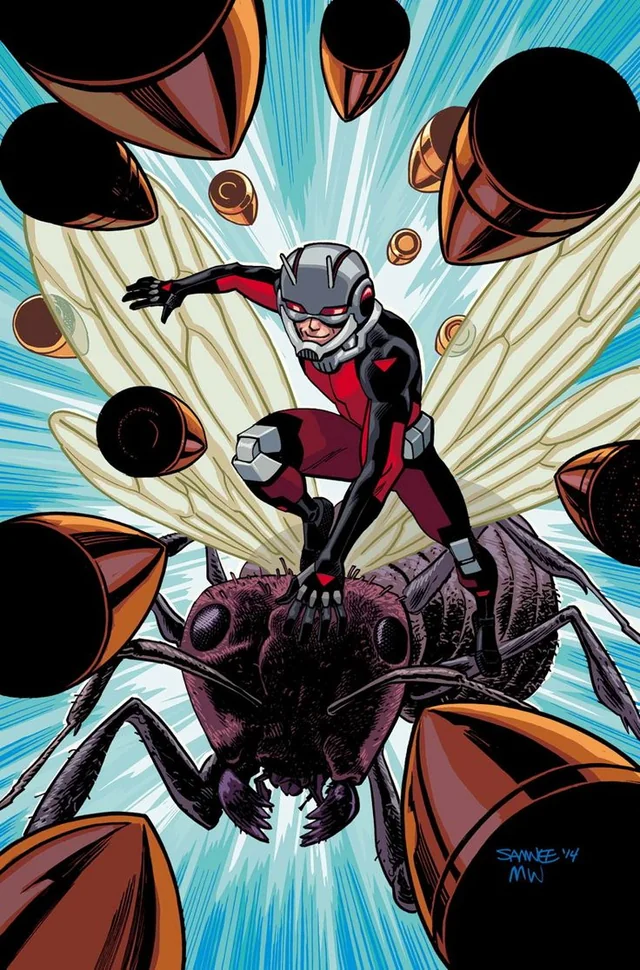
Marvel Characters Copied from DC (most Famous Examples and Timelines)
Below is a timeline-first way to talk about “Marvel copied DC” claims: it uses publication chronology (who appeared first) as the anchor, and then treats “copying” as a spectrum from archetype overlap to heavily winked-at mirroring.
- Deathstroke (1980) → Deadpool (1991): DC’s mercenary predates Marvel’s, with the Deadpool creation story frequently described in reference summaries as knowingly echoing the earlier design/name structure.
- Darkseid (1970) → Thanos (1973): DC’s cosmic tyrant predates Marvel’s; creator interviews support Kirby/Fourth World influence as part of the context, while cautioning against a simplistic “direct clone” claim.
- Catwoman (1940) → Black Cat (1979): DC’s cat burglar predates Marvel’s by decades; the safer reading is “shared archetype with a later Marvel iteration,” but chronology is unambiguous.
- The Atom (1961) → Ant-Man (1962) (for the shrinking-costumed-hero beat): near-consecutive Silver Age timing, with DC’s Ray Palmer version preceding Marvel’s Ant-Man identity year.
- Justice League (1960) → Squadron Supreme (1971) (team-level): a widely acknowledged intentional analogue pattern, with DC’s team predating Marvel’s mirror-team by a decade-plus.
This framing clarifies what “who came first” can prove: it proves chronology, not motive. Motive requires creator testimony or documentation, and when that isn’t available, the most accurate language is “often compared” rather than “definitely copied.”
DC Characters Copied from Marvel (biggest Parallels and Who Did it First)
The reverse direction, “DC copied Marvel”, also has major examples where Marvel’s analogous concept arrives earlier.— ×2
- Namor (1939) → Aquaman (1941): Marvel’s Atlantean archetype predates DC’s, and both occupy the “Atlantis monarch/warrior” niche.
- Elongated Man (1960) → Reed Richards (1961) (elastic hero in leading-man role): DC’s stretchy hero arrives first by about a year in publication chronology, even though Marvel’s Reed becomes the more globally defining elastic leader figure due to the Fantastic Four’s historical role.
- The Flash (1940) → Quicksilver (1964) (speedster category): DC’s speedster archetype arrives vastly earlier; this is less “DC copied Marvel” and more a reminder that some “copycat” accusations flip depending on which archetype is being discussed.
In practice, fans often treat “copying” as a two-way phenomenon because the genre is small, the templates are stable, and commercial incentives reward recognisable power sets and roles (speedster, archer, “sea king,” etc.).
Why Marvel and DC Keep Creating Similar Heroes (industry History and Creative Cycles)
Several forces create “parallel evolution” in superhero publishing:
Genre compression: Superhero comics, especially during major eras of growth (Golden Age → Silver Age), repeatedly return to a manageable set of easily legible power fantasies and heroic job roles. Encyclopaedic histories of comics explicitly describe these eras as cycles of invention, decline, and resurgence, rather than one straight line of novelty.
Regulation and market pressure: The Comics Code Authority (formed in 1954) shaped what mainstream publishers felt comfortable distributing, pushing companies toward safer, hero-forward material and away from certain horror/crime extremes, one reason superhero templates became comparatively dominant again in later cycles.— ×1
Creator and editorial cross-pollination: The American comics industry has long relied on freelancing, short lead times, and creator mobility, which naturally spreads techniques and “what works” storytelling between publishers. Even individual creator careers frequently span both universes, which helps explain why similar storytelling problems get solved with similar character tools.
The crossover-that-can’t-happen problem:When readers want “Publisher A’s team vs Publisher B’s team,” mirror-teams become a workaround especially in periods when official crossovers are rare or commercially complex. That’s why analogue teams (and their villain reflections) keep showing up as a structural solution, not just a gag.— ×1
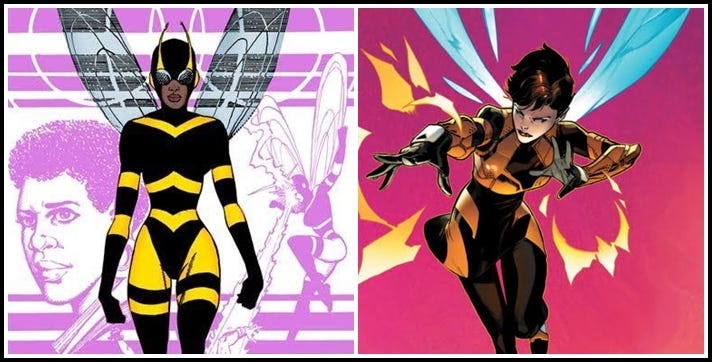
Are Marvel & DC “copycats” Actually Homages? Inspiration vs Rip-Off Explained
The cleanest way to separate “homage” from “rip-off” is to combine legal reality with creative intent:
Legally: Copyright generally does not protect ideas(like “a fast hero” or “a sea-king from Atlantis”), but it can protect the specific expression of a character distinctive combinations of traits, design, and story execution.— ×1
Historically: When a “copy” was close enough to function as a near-replacement, publishers did litigate. Early case history around Superman-era imitators shows courts weighing whether the work was merely “a general type” or a protectable expression.
Creatively: Homage is typically transformativeat the concept level borrowing a silhouette or role but changing tone, theme, and story function (for example, a mercenary archetype becoming a meta-comedy engine; or a Superman-like icon becoming a psychologically unstable “myth” with a built-in horror counterpart).— ×1
The practical rule: If the similarity is mostly “category-level” (archer, speedster, cat burglar), the most accurate label is shared archetype. If the similarity clusters in multiple specific dimensions at once (visual design, naming conventions, team role mapping, and documented editorial intent), “pastiche” or “deliberate analogue” becomes more defensible language than “accidental similarity.”
Frequently Asked Questions (FAQs)
- Which came first overall: Marvel or DC-style superhero publishing?
DC’s Superman-era explosion (1938 onward) is widely treated as the ignition point for the Golden Age superhero boom, while Marvel’s predecessor publishing identities emerge soon after, with both companies shaping the genre through successive eras. - Is “copycat” the same as “copyright infringement”?
No. Copyright does not protect ideas, systems, or methods, only the way those ideas are expressed. “Copycat” is often fandom shorthand for resemblance, not a legal conclusion. - Did Deadpool debut before Deathstroke?
No. Deathstroke’s first appearance is The New Teen Titans #2 (1980), while Deadpool’s first appearance is New Mutants (1983) #98 (1991). - Did Thanos debut before Darkseid?
No. DC lists Darkseid’s first appearance as Superman’s Pal Jimmy Olsen #134 (1970), while Marvel lists Thanos’ first appearance as Iron Man #55 (1973). - Who came first: Green Arrow or Hawkeye?
Green Arrow appears in More Fun Comics #73 (1941), while Hawkeye is anchored by Marvel to Tales of Suspense #57 (published September 10, 1964). - Who came first: Namor or Aquaman?
Namor is described by Marvel as first appearing in Marvel Comics #1 (1939), while Aquaman debuts in More Fun Comics #73 (1941). - Are Black Cat and Catwoman confirmed “copycats”?
Chronology supports Catwoman’s priority (Batman #1 in 1940 vs Black Cat’s Spider-Man-era debut in 1979), but the more accurate framing is that both also draw from the broader “cat burglar/femme fatale” archetype, not a single protected concept. - Is Sentry literally Marvel’s Superman?
Sentry is a later Marvel character (2000) that clearly evokes the “Superman-type” mythic icon template, but Marvel’s own editorial framing emphasises a distinct meta-origin and the Void as a built-in counterforce, making the character function differently in-story. - Which team came first: Justice League or Squadron Supreme?
The Justice League’s first appearance is The Brave and the Bold #28 (1960), while Marvel marks the Squadron Supreme’s first appearance as Avengers #85 (1971). - Do comics publishers intentionally create analogues?
Sometimes, yes: especially for team concepts designed to stage “mirror match” storytelling that official crossovers can’t always deliver. In industry commentary, the Squadron Supreme is repeatedly described as Marvel’s answer to the Justice League, which signals deliberate analogue intent rather than coincidence.
Conclusion
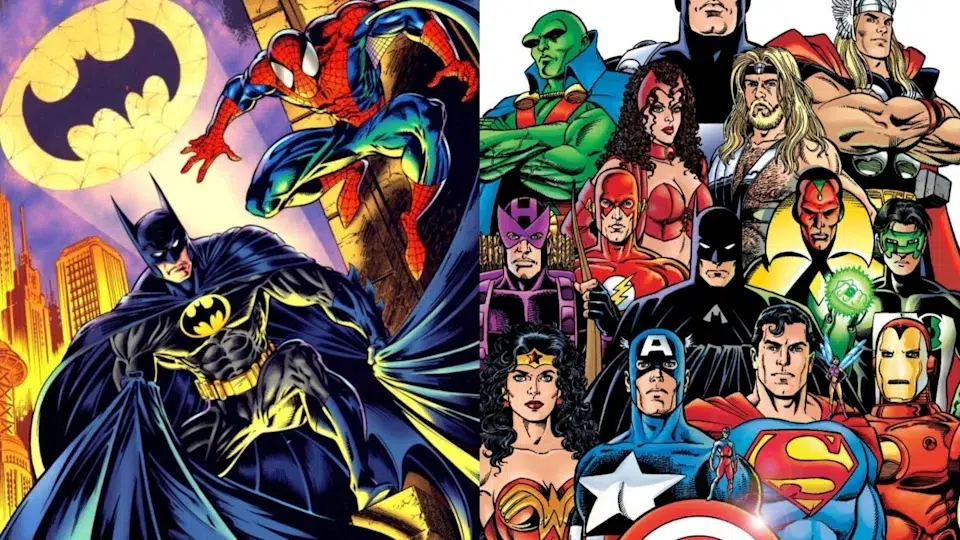
Marvel/DC “copycat” debates are most accurate when they separate chronology (who appeared first) from causality(why the later version exists). The strongest parallels cluster in cases with (a) close publication-era proximity, (b) multi-dimensional resemblance (visual + naming + role), and (c) documented creator/editor commentary while many other “copies” are simply durable archetypes repeating across a genre shaped by cycles, regulation history, and competitive markets.— ×1
Sources and Citations
- https://www.dc.com/characters/darkseid
- https://www.dc.com/characters/deathstroke
- https://www.marvel.com/comics/issue/9610/iron_man_1968_55
- https://www.marvel.com/comics/issue/10441/new_mutants_1983_98
- https://www.marvel.com/comics/issue/10639/sentry_2000_1
- https://www.marvel.com/comics/issue/7338/avengers_1963_85
- https://www.comics.org/issue/1751/
- https://www.comics.org/issue/34896/
- https://www.comics.org/issue/17159/
Recommended
- PUBG MOBILE Celebrates 8th Anniversary with Landmark Event Blending Gaming, Music and Culture Worldwide
- PixelHair vs. Manual Hair Grooming in Blender: Which is Better?
- The Steam Deck Is Out of Stock – What Does It Mean? (US, Canada & Asia Shortage Explained)
- Can I use real-world camera settings in Blender?
- How to Make Stylized Anime Hair Naturally in Blender
- Diverse and Attractive Video Game Characters: Exploring Stellar Blade, Hades, and More
- Kiln, the Next Game From Psychonauts Studio Double Fine, Has an April Launch Date and Steam Open Beta (April 23, 2026)