




In This Article (20 sections)
Why Fortis Games is Shutting Down and How Las Vegas Sands’ Funding Decision Affected Its Future
Fortis Games is closing its worldwide operations, with as many as 440 jobs potentially affected and November 30, 2026, designated as the date its remaining games become unavailable. The shutdown follows a decision by parent company Las Vegas Sands to end financial support for the mobile game publisher, according to employees who publicly discussed the closure. On November 10, game production specialist Gustavo Coronet said Sands had withdrawn its funding and was terminating contracts across the company’s international operations. Fortis was a wholly owned subsidiary whose development activities depended on financing provided by its parent company.
Once that support ended, teams working on existing games and projects still in development faced the loss of their financial backing. Chief executive Steven Chiang separately acknowledged that Fortis had failed to achieve the objectives its founders had established. However, neither the company’s public closure notice nor Chiang’s statement identified a specific financial loss, revenue target, or individual game responsible for the broader shutdown.
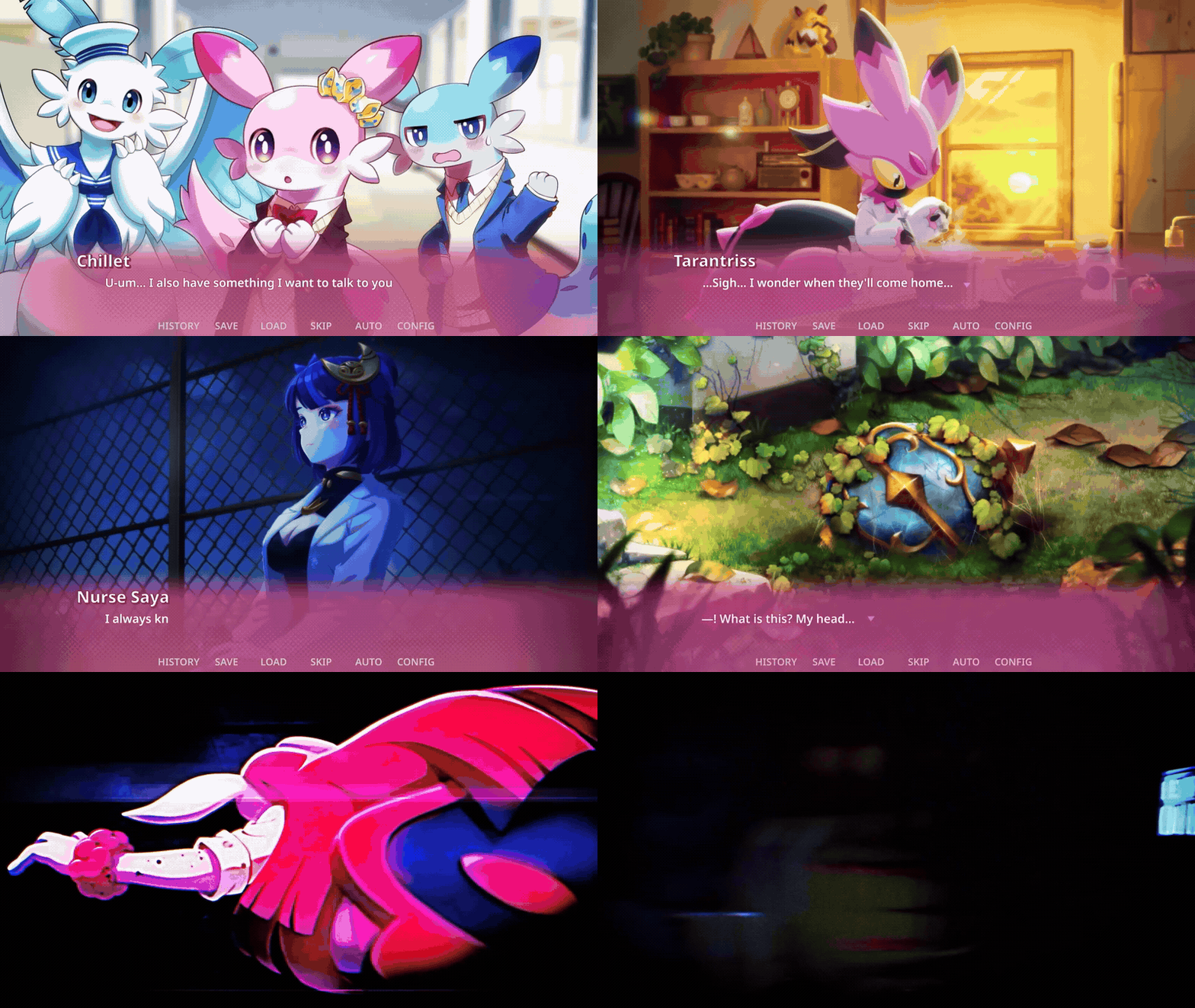
The distinction between the publisher’s closure and the cancellation of an individual game is important. Fortis had been developing several mobile titles at different stages of production, with Twilight Towers representing its most visible public release. Bloom & Breakfast had reached early access, allowing players to operate a village bed and breakfast, complete guest orders, and experiment with updated versions as development continued. Mergemon Wilds had entered technical testing, where developers were gathering feedback on its mechanics before a broader release.
These projects represented significant development efforts, but their progress did not guarantee continued financing once Las Vegas Sands decided to withdraw support. Twilight Towers had already received a separate shutdown decision because its developers could not retain enough players to sustain ongoing development. The wider corporate closure therefore combined an established retention problem affecting one game with a funding decision that reached projects still being tested.
Affected Jobs and Company Scale
The estimate of up to 440 affected jobs originated in Dean Takahashi’s November 10 report for GamesBeat. Former Fortis communications director Scott Butterworth separately estimated that more than 400 employees were losing their jobs, including himself. Mobilegamer.biz subsequently published Chiang’s statement but noted that he had not confirmed the number of people affected. The available evidence therefore supports describing the potential job losses as reaching as many as 440 rather than presenting that figure as a verified final count.
No complete breakdown by country, development studio, or employment arrangement appeared in the closure announcements. Although San Francisco was the publisher’s base, Fortis employed developers internationally, meaning the consequences extended well beyond the location identified in some early reports. Its teams often worked across national boundaries, making it difficult to divide the losses neatly among the studios originally acquired by the company.
Fortis had grown considerably during its relatively short history. When the company publicly launched in March 2022, it already employed more than 150 people. In an August 2023 interview, executive Jeferson Valadares described approximately 300 employees working across five teams. By May 2025, Fortis reported a workforce exceeding 350 people across at least a dozen countries. These figures describe different periods of the company’s expansion and demonstrate how quickly its international development organization grew. They also explain why a publisher without a major worldwide commercial hit could still employ hundreds of developers, artists, production specialists, and support personnel. The company invested in building several teams and developing multiple projects before establishing a long-term commercially successful portfolio.
Las Vegas Sands’ Diversification Strategy
Las Vegas Sands originally backed Fortis as part of an effort to expand beyond its established resort and gambling businesses. In 2022, Sands president and chief operating officer Patrick Dumont identified interactive entertainment as a potential component of the company’s diversification strategy. Games offered an opportunity to reach audiences around the world and create digital environments where people could spend time together. Chiang described the mandate as covering the wider games market, rather than limiting Fortis to casino games or gambling applications.
According to co-founder Shawn Foust, Sands approached the founding team with an interest in creating experiences that encouraged people to return because of the relationships and activities they developed there. For a resort operator, that recurring attraction might come from a physical destination, while a game developer could create a virtual world where the same players regularly gathered. Foust said the founders had other financing options but considered Sands particularly well suited to their long-term ambitions.
The financial relationship shaped how Fortis operated from the beginning. Rather than starting with a small development team and expanding only after completing an initial prototype, Fortis could acquire established studios, recruit internationally, and pursue multiple projects simultaneously. The publisher also aimed to provide production, analytics, and publishing support so individual development teams could focus on building games.
This model gave the company access to experienced collaborators and allowed it to test several approaches to player engagement. However, the same structure created a significant dependency on the continued commitment of one owner. When Sands withdrew funding, projects at different development stages were affected together. The company’s international reach and investment in multiple teams could not prevent the wider business from closing once its financial support ended.
Chiang’s Departure and Final Statements
Chiang described Fortis as “a labor of love” in his closing statement to GamesBeat. He expressed disappointment that the company had not achieved what its founders had set out to accomplish more than five years earlier, including work undertaken before the March 2022 public launch. His background included helping establish EA Tiburon, serving as president of studios at Zynga, and overseeing worldwide studios at Warner Bros. Games.
Throughout that career, he had experienced the transition from games distributed on physical media to connected products that developers could update and expand after release. Fortis gave him an opportunity to build a studio around the latter model, with the goal of creating worlds players would continue visiting for years. In his farewell, Chiang thanked the developers and supporters who had contributed to the company and identified helping affected employees find new opportunities as leadership’s immediate priority. His statement addressed the people involved in building Fortis, while the company’s separate player notice provided the practical details of its game shutdowns and support deadlines.

Fortis Games’ International Studios, Community-Driven Strategy, and Twilight Towers Development
Fortis Games built its international development organization through the acquisition of three established studios: Doppio Games in Portugal, Oktagon Games in Brazil, and Metagame in Romania. All three acquisitions had been completed by the time Fortis publicly announced its launch on March 2, 2022. The company also included personnel in the United States, the United Kingdom, and Canada. Its founders wanted to bring together teams whose members already had experience collaborating on game development. Acquiring established groups offered access to working relationships, technical expertise, and production experience without requiring every team to form from scratch. The approach supported Fortis’s ambition to develop multiple games while sharing resources across its international operations.
Valadares, who joined Fortis through Doppio Games, explained that developers were organized around individual projects rather than remaining confined to their original national studios. A game team could include employees in Portugal, Romania, Brazil, and the United Kingdom, depending on the skills required and practical scheduling arrangements. Time zones influenced how these groups were assembled because developers needed sufficient overlap to hold meetings and make decisions together. Coordinating colleagues in Eastern Europe with employees on the American West Coast presented greater scheduling difficulties than working with teams whose business hours overlapped more closely.
Fortis therefore balanced access to international expertise with the practical requirements of daily collaboration. Valadares also said the publisher preferred keeping established groups together where possible, preserving the relationships that had made the acquired studios valuable. Shared publishing, production, and analytics support allowed those teams to concentrate on their games without independently building every business function.
International Studio Acquisitions and Cross-Team Collaboration
The publisher’s creative strategy centered on the belief that social relationships could make mobile games more engaging over the long term. Foust argued that many mobile games allowed players to complete challenges, collect rewards, and advance through new content without developing a meaningful reason to cooperate with other people. Fortis wanted social interaction to become part of the gameplay itself rather than an optional feature surrounding individual progression.
Its founding vision emphasized measuring the friendships and communities formed within games alongside traditional commercial performance. The goal was to develop experiences that players returned to because they valued the people and activities associated with those worlds. This approach shaped how Fortis evaluated its prototypes and how it involved players in development before games reached their final versions.
The Fortis Community Outreach Program gave selected players opportunities to try early builds, discuss their experiences with developers, and provide feedback while substantial design changes were still possible. Developers could observe whether particular mechanics supported social interaction or created unnecessary obstacles. Players, meanwhile, could explain how a design decision affected the experience of building, competing, or cooperating inside the game. The feedback process allowed Fortis to revise systems before treating them as permanent features. This was especially important for a studio attempting to create long-term communities because seemingly small design choices could influence how players interacted with one another. Rather than relying exclusively on internal assumptions, Fortis wanted the people using its games to help shape their development.
Social Gameplay Vision and Community Outreach
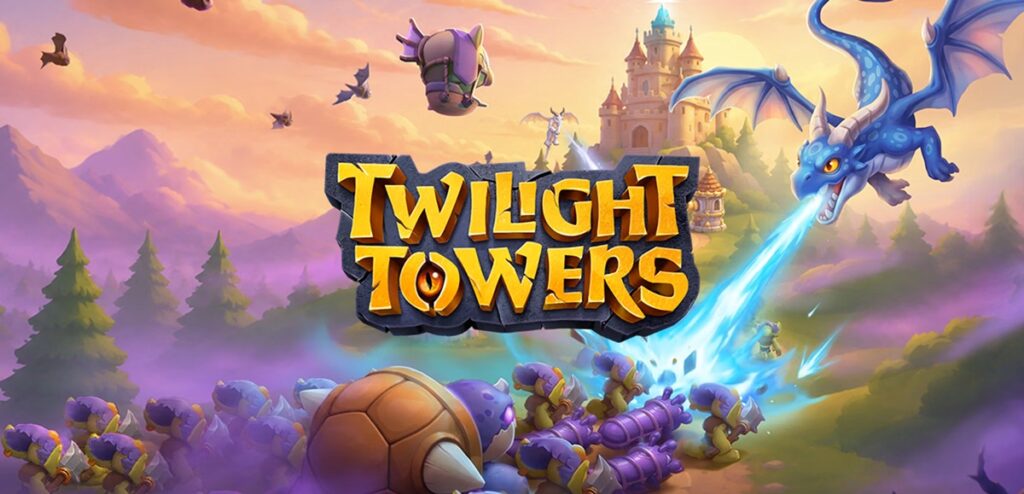
Twilight Towers offered a visible example of that philosophy. Fortis introduced the game in September 2025, initially launching it in the Philippines and Mexico as a soft-launch title. Players defended the kingdom of Fernhollow against waves of enemies by merging resources and defensive towers while collecting dragons with different attacks. Successful battles cleared mist and opened additional territory around the castle, giving players more space to expand their kingdoms. Although much of Fortis’s portfolio was developed internally, Foust explained that Twilight Towers had grown from an acquisition completed the preceding year. The game combined progression through tower defense and merging mechanics with social features intended to encourage players to remain active over time.
Player feedback led to significant changes throughout Twilight Towers’ development. Early versions divided the kingdom into themed areas using walls, but players complained that the layout restricted where they could arrange towers and limited opportunities to personalize their bases. The developers responded by opening the map and providing more usable space. They also introduced rankings for individual players and guilds, giving members a way to compare performance and compete for recognition. This addressed recurring debates among community members about which guild was strongest. These examples demonstrated how Fortis’s approach to player involvement could influence both environmental design and competitive systems. The changes were practical adjustments to the way people built and interacted within Fernhollow rather than simply cosmetic updates.
The soft launch continued long enough for returning players to experience several substantially different versions of the game. Developers restored villagers, introduced additional dragons, and changed how players expanded and defended their kingdoms. By the October 2026 update, tower generators had replaced an earlier system, the map offered greater flexibility, and three new dragons had joined the available roster. Some improvements also created inconvenience for established players because redesigned systems could require them to rearrange bases they had already spent time building. Nevertheless, the developers continued refining the experience in response to testing and community feedback. The changes reflected Fortis’s willingness to revise fundamental mechanics rather than preserve every feature from an earlier version.
Twilight Towers Soft Launch and Player-Driven Changes
Despite those improvements, Twilight Towers did not retain enough players to justify continued development. On November 4, Fortis announced that the game would close before reaching a complete global launch. The team acknowledged players who had continued returning after progress resets, experimented with revised layouts, and participated in the evolving community. Its explanation focused on retention, meaning whether enough people continued playing after their initial experiences to sustain the game. A dedicated guild or individual player could still enjoy Fernhollow even if the broader audience remained too small.
That distinction explains why the developers could recognize enthusiastic community participation while concluding that the service was not viable. The decision also shows the limits of Fortis’s central strategy: improving social features and incorporating player feedback did not ultimately create a sufficiently large returning audience for Twilight Towers.
Other Fortis projects remained at earlier stages when the company-wide closure followed. Bloom & Breakfast had reached early access, allowing players to operate a village bed and breakfast, complete guest requests, and test new versions as the developers refined the experience. Mergemon Wilds had undergone a technical test designed to gather feedback on gameplay mechanics. These projects represented different approaches within Fortis’s broader portfolio and had not reached the same stage of public availability as Twilight Towers.
Their development histories demonstrate that the closure affected both games already serving players and projects still collecting feedback. The available evidence does not identify a single performance result or project failure that caused Las Vegas Sands to terminate funding for the entire publisher. It instead shows that financing ended while teams were continuing work across several different products.
Fortis Games Shutdown Dates, In-App Purchases, Refunds, and Player Support
Fortis established several shutdown dates that apply to different games and services. Twilight Towers received an earlier deadline because its developers had already decided to discontinue the game before the publisher-wide closure became public. The November 4 announcement identified Monday, November 16, 2026, as the date its servers would go offline. The broader company shutdown was reported on November 10, followed by a notice setting November 30 as the deadline for remaining games to become unavailable.
Both dates came from Fortis, but they applied to different parts of the closure. Players should therefore not interpret the November 30 company-wide deadline as an extension of Twilight Towers’ server availability. The game’s separate November 16 cutoff remained the relevant date for anyone hoping to visit Fernhollow before its closure.
The Twilight Towers team introduced a final period intended to let existing players enjoy their remaining time in the game. It announced gifts of Gems, Automators, and energy so players could open saved chests, finish construction, and attempt additional battles. Players who already had the game installed could continue playing after it began disappearing from app stores, provided the servers remained operational. The in-game help center also remained available during that interval.
Once the November 16 server shutdown occurred, players could no longer rely on opening the game to resolve questions about their accounts or purchases. Fortis instead directed them toward email and web support through the end of November. The distinction matters because a game can remain installed on a device while the online service needed to play it is no longer available.
The company also established different dates for purchases, remaining game access, support, and data deletion:
- November 4, 2026: Twilight Towers disabled in-app purchases, began its removal from app stores, and announced its shutdown.
- November 12, 2026: Fortis disabled in-app purchases across its remaining games.
- November 16, 2026: Twilight Towers servers were scheduled to shut down.
- November 30, 2026: Fortis’s remaining games were scheduled to become unavailable.
- December 1, 2026: Fortis Player Support was scheduled to become unavailable.
- December 30, 2026: Fortis planned to delete all player data.
Shutdown Stages, Remaining Games, and Refund Eligibility
These dates describe different stages of the shutdown rather than one event occurring simultaneously across every service. The November 30 announcement did not specify an exact hour or time zone, so players should not assume that access would continue until midnight in their location. Anyone wishing to preserve screenshots, record progress, or locate an account identifier needed to do so while the relevant game remained accessible. The December 1 support deadline was especially important because it preceded the planned deletion of player data by almost a month. Waiting until December 30 to request assistance would therefore mean contacting the company after its announced support service had ended.
The remaining games covered by the November 30 deadline were not necessarily available in the same regions or at the same stage of development. Bloom & Breakfast had an early-access audience receiving updated versions, while Mergemon Wilds was undergoing technical testing. Neither project should automatically be treated as having reached a complete worldwide commercial launch simply because it appeared within Fortis’s portfolio. The company-wide notice concerned the availability of its remaining games rather than their individual release histories. This distinction is useful for players trying to understand why some titles had established communities and others were still collecting preliminary feedback. Regardless of those differences, the notice established November 30 as the final availability date for the remaining portfolio.
Refund requests require separate attention because disabling purchases does not automatically resolve previous transactions. Fortis directed players with recent purchases to Apple or Google Play, depending on the platform used for payment. The relevant information includes the game title, purchase date, transaction receipt, and account associated with the order. A player who purchased an item before the shutdown might have a different issue from someone whose payment was affected by an earlier development reset. The company’s purchase cutoff identifies when new transactions stopped, while refund eligibility and processing depend on the circumstances of the original charge. Players should therefore use the payment platform’s established refund process and retain evidence of the purchase when submitting a request.
Apple and Google Play Refund Process and Policies
For Apple purchases, players can visit reportaproblem.apple.com and sign in using the Apple Account associated with the transaction. The process involves opening the “I’d like to” menu, selecting “Request a refund,” choosing a reason, and identifying the relevant purchase. Apple generally asks customers to allow 24 to 48 hours for a status update. If the transaction is still pending, players should wait until the receipt becomes available before submitting the request.
Searching email for the purchase receipt may also help identify which Apple Account completed an order that does not immediately appear. Once a request has been submitted, players can use the “Check Status of Claims” option on the same website. Approval and repayment are separate stages, so the time required for funds to return depends on the original payment method.
For Google Play purchases, players should sign in using the Google Account that completed the payment and open the platform’s refund request form. If the purchase does not appear there, they can open the Google Play website, select their profile picture, and navigate through Payments & subscriptions to Budget & order history. After locating the transaction, they can select “Report a problem” and explain the reason for the request. Google says decisions usually arrive within one day but may take up to four days.
Submitting the same claim repeatedly does not accelerate processing. Google’s general policy also distinguishes purchases that may qualify for a refund within 48 hours from older transactions that may require contacting the developer. Fortis’s Twilight Towers help page specifically allowed Android users to contact Fortis Player Support, making the company’s support deadline important for anyone redirected there.
Early Access Refunds, Support, and Community Channels
Bloom & Breakfast had an additional refund consideration because of its early-access development process. Fortis previously said purchases made before an account reset during an update qualified for a full refund. Affected testers were instructed to contact support for manual processing. That guidance concerned purchases lost during a particular update reset rather than the separate company-wide closure policy. Players requesting assistance about an earlier reset should identify that event and provide any available purchase information. The support team could then distinguish an account-reset issue from a transaction affected by the eventual shutdown. Because Fortis announced that Player Support would end on December 1, resolving either type of issue required contacting the company before that deadline.
Fortis provided support@fortisgames.com for questions concerning the shutdown and asked players to contact the team before December 1. Twilight Towers players could also use the game’s web help center, which remained accessible independently of the application. This was particularly useful after the November 16 server cutoff because players no longer needed to reopen Fernhollow to locate the company’s support information. For purchase questions, the help center asked players to include their receipts. Identifying the game, payment platform, and circumstances of the problem would help the support team distinguish missing items, early-access resets, and shutdown-related concerns.
Players with an existing Apple or Google refund request should continue tracking that claim through the relevant platform rather than assuming Fortis controls the payment provider’s decision. The Twilight Towers team also planned to keep its Discord community available temporarily for players to share memories, although no final closure date for those channels was provided.

Worldwide Layoffs, Employee Reactions, and Fortis Games’ Efforts to Support Developers
Fortis’s shutdown affected far more than the availability of its games. The closure disrupted international teams that had spent years building products, refining gameplay systems, and supporting player communities. Public accounts from former employees described the loss of work across communications, production, art, and other development disciplines. Butterworth said more than 400 people were losing their jobs and included himself among those affected.
Coronet described the worldwide termination of contracts and the sudden end of financing from Las Vegas Sands. Concept artist Pedro Gomes also reflected on the end of five years of collaboration and the colleagues with whom he had developed his skills and built projects. Mobilegamer.biz reported seeing dozens of similar messages from departing employees on November 10.
The employees’ accounts provide a view of the shutdown that cannot be captured by the estimated headcount alone. Players may have known Fortis through a particular dragon, a revised castle layout, an early-access update, or a response from customer support. Behind those experiences were developers creating artwork, organizing production, analyzing player feedback, solving technical problems, and coordinating changes between teams in different countries. Some employees joined through acquisitions completed before Fortis had publicly released its own games. Others became part of the organization during the years when it expanded its workforce and tested new concepts. The closure therefore ended not only individual employment arrangements but also working relationships and development processes that had taken years to establish.
Coronet described the funding decision as abrupt and said it arrived while developers were still seeing results they believed justified continued work. He highlighted the Octopus team, describing encouraging early figures for two projects and expressing pride in a development process that incorporated AI agents. However, he did not identify the projects, disclose their performance figures, or explain the financial targets Las Vegas Sands expected them to achieve.
Assessing Optimism, Business Realities, and Leadership Support
His assessment consequently provides evidence of confidence within a production team rather than proof that the wider business had met its commercial objectives. It also should not be assigned to Twilight Towers, whose developers separately acknowledged that player retention had fallen short. Coronet ended his message by stating that he was available for remote employment, connecting his account of the business decision to its immediate personal consequences.
Butterworth described the situation from the communications side of the company. He remained supportive of Fortis’s belief in community-focused mobile games but said the business had run out of time to establish itself. His account and Coronet’s explain how a corporate shutdown could feel sudden even after several years of development and substantial investment. Teams still had improvements they wanted to make, projects they hoped to complete, and results they believed could develop further.
Nevertheless, the decision about continuing financial support had already been made by the parent company. That difference between the work developers were still undertaking and the funding available to sustain it contributed to the disappointment expressed in their public messages. The closure demonstrates how a studio can remain creatively active while losing the financial support needed to continue operating.
Chiang identified helping former employees secure new opportunities as Fortis leadership’s immediate priority. His farewell acknowledged that the company had fallen short of its goals while expressing appreciation for the people who had worked toward them. Foust offered more specific assistance in a public message, inviting former colleagues to contact him directly for references or other support. He also encouraged employers reviewing applications from former Fortis employees to give them serious consideration.
Foust said his own time at the company had ended, placing him among those directly affected by the closure. These statements established a willingness to provide professional support, although Fortis did not announce a company-wide placement arrangement, a hiring timetable, or a total number of employees who had found new positions.
The Value of Professional References for Laid-Off Employees
Professional references can be particularly valuable for employees whose projects spent years in development or testing without reaching a full commercial launch. A portfolio may show a finished character, a playable build, or artwork created for a game. It may not reveal who interpreted player feedback, organized an international team, resolved a production problem, or coordinated the testing that made a particular feature possible.
Former managers and colleagues can speak directly to those contributions and help prospective employers understand the work behind unfinished or discontinued projects. This matters for Fortis employees because many had participated in iterative development across several countries and changing teams. The company’s closure did not erase the experience gained through those projects, but affected developers still needed opportunities to demonstrate that experience to future employers.
Former colleagues also began offering one another support through public professional networks. Replies to Coronet’s message included endorsements of his work and encouragement from people familiar with his contributions. One respondent asked that he be considered for future opportunities at Brazilian developer Kokku. The exchange provided a concrete example of professional assistance emerging immediately after the layoffs became public. It also reflected the relationships Fortis had developed through its international staffing and cross-border collaboration. Employees who had previously worked together on game projects were now helping one another find new roles outside the company. These efforts did not resolve the broader job losses, but they demonstrated how former teammates could provide practical support after the publisher’s closure.
Shutdown’s Final Impact and Remaining Priorities
The shutdown ultimately marked the end of Fortis Games’ attempt to build a mobile publishing business around sustained player communities and long-term social engagement. The company had acquired established studios, expanded internationally, invested in multiple projects, and used player feedback to reshape games such as Twilight Towers. Its developers demonstrated a willingness to revise major systems, but the game did not retain enough players to support continued operation. Other projects remained in development when Las Vegas Sands withdrew financing, bringing the wider experiment to an end before the portfolio could establish a lasting commercial foundation.
For players, the closure meant losing access to games, communities, and progress accumulated during testing and soft launches. For employees, it meant the end of projects and working relationships built over several years. The remaining priorities were therefore practical ones: completing the shutdown, helping players resolve outstanding questions, and supporting developers as they pursued opportunities beyond Fortis.

Frequently Asked Questions (FAQs)
- Did Las Vegas Sands own Fortis Games?
Yes, Fortis Games was a wholly owned subsidiary of Las Vegas Sands when it publicly launched in March 2022. The company was founded by Steven Chiang, Shawn Foust, and Calvin Lau, with financial backing from Sands. The investment was part of the parent company’s effort to expand into interactive entertainment beyond its established resort and gambling businesses. Fortis operated as a game developer and publisher, acquiring international studios and developing mobile games focused on long-term player communities. According to employees who discussed the November 2026 closure, Las Vegas Sands subsequently withdrew the funding that had supported those operations. - Did Fortis Games confirm exactly 440 layoffs?
No, Fortis Games did not publicly confirm that exactly 440 employees were laid off. GamesBeat reported that the worldwide closure could affect as many as 440 jobs, making the figure an upper estimate rather than a verified final count. Former communications director Scott Butterworth separately said more than 400 employees were losing their jobs, including himself. CEO Steven Chiang acknowledged the closure and discussed helping affected developers find new employment, but his statement did not provide an exact number. The available reporting also lacked a complete breakdown of departures by country, studio, or employment arrangement. - Which countries were announced for the Twilight Towers soft launch?
Fortis Games initially launched Twilight Towers in the Philippines and Mexico in September 2025. These markets provided a limited audience for testing the game’s systems before a planned wider release. During the soft-launch period, developers gathered player feedback and made substantial changes to castle layouts, tower mechanics, dragons, and guild competition. The approach allowed the team to observe how players responded to different versions of the game and whether enough people continued playing over time. Despite those improvements, Fortis concluded that retention was insufficient to sustain development, and Twilight Towers closed before reaching a full global launch. - Could Twilight Towers owners keep playing after it left the app stores?
Yes, players who already had Twilight Towers installed could continue playing for a limited period after it began disappearing from app stores. Fortis announced the game’s closure on November 4, 2026, and disabled in-app purchases that day. However, the servers were scheduled to remain operational until November 16, allowing existing players to spend their remaining time in Fernhollow. The developers also provided Gems, Automators, and energy so players could finish activities and enjoy a final period of gameplay. Once the servers went offline, keeping the application installed did not restore access to the online game. - What happens to Bloom & Breakfast and Mergemon Wilds?
Bloom & Breakfast and Mergemon Wilds were included in Fortis Games’ wider shutdown of its remaining portfolio. Bloom & Breakfast had reached early access, allowing players to operate a village bed and breakfast, complete guest orders, and try updated versions during development. Mergemon Wilds was still described as a technical test intended to collect feedback on its gameplay mechanics. Although the projects were at different development stages, Fortis’s company-wide notice established November 30, 2026, as the date its remaining games would become unavailable. Neither title should therefore be assumed to have reached a complete global commercial release simply because it was included in the shutdown announcement. - What time on November 30 will Fortis games stop working?
Fortis Games announced Monday, November 30, 2026, as the final availability date for its remaining games, but did not specify an exact shutdown hour or time zone. Consequently, players should not assume that access would continue until midnight in their own country. Anyone wishing to preserve screenshots, record progress, or note account information should do so while the game remains accessible. The November 30 deadline applies to remaining game availability and is separate from the December 1 closure of Player Support. Twilight Towers also had an earlier server shutdown date of November 16, so the publisher-wide deadline did not extend that game’s availability. - Does the Fortis closure automatically refund in-app purchases?
No, Fortis’s closure announcement did not establish that every in-app purchase would be refunded automatically. The company directed players seeking refunds for recent purchases to the platform that processed their payments, either Apple or Google Play. Each platform evaluates requests according to its own policies and the circumstances of the transaction. Players should locate the relevant purchase in the correct store account and provide the information requested during the refund process. Those who made multiple purchases may need to identify individual transactions rather than submitting one general request for their entire account. Fortis also provided support for certain earlier purchase problems, including eligible Bloom & Breakfast transactions affected by an account reset. - Can an Android player ask Fortis about a purchase older than 48 hours?
Yes, Android players can contact Fortis about older purchases while its Player Support service remains available. Google’s general refund guidance indicates that some purchases may qualify for a refund through Google Play within 48 hours, while older transactions may require contacting the developer. The Twilight Towers help center specifically provided assistance for Google Play purchase questions. Players should include their purchase receipts, identify the affected game, and explain whether the issue concerns a missing item, an account reset, or the shutdown. Fortis asked anyone needing direct assistance to make contact before December 1, 2026. Contacting the company does not guarantee approval of a refund, but it provides a route for reviewing problems that Google directs back to the developer. - When will Fortis delete player data?
Fortis Games stated that all player data would be deleted on December 30, 2026. This date falls one month after the November 30 cutoff for remaining game access and nearly a month after Player Support becomes unavailable on December 1. The separation between those deadlines matters because players cannot assume they will still be able to retrieve information through the game or ask support for assistance before the deletion takes place. Anyone needing account identifiers, purchase details, or screenshots of their progress should preserve that information while access remains available. The announced December 30 date concerns player-data deletion and should not be confused with the earlier dates for server shutdowns, purchase restrictions, or support closure. - Can someone contact Fortis after losing access to Twilight Towers?
Yes, Fortis provided support options specifically for players who could no longer open Twilight Towers after its November 16 server shutdown. Players could contact the company through its web help center or email support@fortisgames.com without needing to launch the game. These channels were intended to handle shutdown questions, account issues, and purchase-related concerns through November 30, 2026. For payment problems, players were encouraged to provide receipts and explain the circumstances of the transaction. Fortis announced that Player Support would become unavailable on December 1, making the end of November the relevant deadline for contacting its team. Players with refund requests already submitted to Apple or Google Play could continue checking their status through those platforms.

Conclusion
The closure of Fortis Games marks the end of an ambitious effort to build mobile gaming experiences around lasting player communities and international collaboration. For the developers, the November 10, 2026 announcement brought an abrupt end to projects at different stages of production, with as many as 440 jobs reportedly affected worldwide. Employee accounts reveal the personal impact behind that estimate, including years of creative collaboration, unfinished projects, and development teams that still believed their work had potential. Although Fortis ultimately fell short of its commercial ambitions, the experience and relationships its employees built remain valuable as they pursue new opportunities.
CEO Steven Chiang and co-founder Shawn Foust have publicly expressed their commitment to helping former colleagues through references and professional support. For players, the immediate priority is understanding the shutdown deadlines and resolving outstanding account or purchase issues. Twilight Towers ended service on November 16, while Fortis’s remaining games are scheduled to become unavailable on November 30, 2026, with Player Support closing on December 1. Anyone seeking assistance should contact support@fortisgames.com before that deadline, while refund requests can be pursued through Apple or Google Play. Ultimately, Fortis Games leaves behind unfinished ambitions, communities built through its games, and developers whose contributions extend beyond the company’s closure.
Sources and Citations
- Fortis Games, Company Closure Notice: Fortis’ official website provides the closure details, including dates for purchases, remaining game access, player support, data deletion and the official contact address.
- Citation: Fortis Games Official Website
- GamesBeat, November 10, 2026: Reports the estimate of up to 440 affected jobs and includes statements from Steven Chiang, Scott Butterworth, Pedro Gomes and Gustavo Coronet.
- Mobilegamer.biz, November 10, 2026: Documents employee announcements, the status of projects in testing and Chiang’s response without a confirmed layoff count.
- Gustavo Coronet, Public Statement: Describes the withdrawal of funding, its effect on contracts worldwide and the work his production team had underway.
- Citation: Gustavo Coronet’s LinkedIn Statement
- Fortis Games, March 2, 2022, Company Launch Announcement: The launch announcement identifies the founders, Las Vegas Sands’ ownership and financing, and the three acquired studios.
- GamesBeat, March 2, 2022: Steven Chiang explains the publisher’s mandate to make games for a broad audience and how the acquired teams would work together.
- PocketGamer.biz, March 29, 2022: Shawn Foust discusses why the founders chose Sands and how they intended to make cooperation part of mobile game design.
- GamesBeat, August 10, 2023: Jeferson Valadares explains how Fortis organized developers by game and time zone and supported teams it acquired.
- Fortis Games, The Fortis Story: Records the scale of the workforce in May 2025 and the studio’s interest in measuring friendships and community development.
- Citation: The Fortis Story – Fortis Games
- Fortis Games, Community Outreach Program: Explains how players could test early builds and share feedback directly with developers.
- Fortis Games, Twilight Towers and Beyond: Identifies the initial soft-launch markets and explains how an acquisition contributed to the game’s development.
- Fortis Games, September 22, 2026, Twilight Towers Development Blog: Details the Fernhollow map redesign, changes to tower generation and rankings for players and guilds.
- Fortis Games, November 4, 2026, Twilight Towers Sunset Announcement: Explains the retention problem behind the Twilight Towers closure and gives the separate deadlines for purchases, server access and support.
- Citation: Sunset Announcement – Fortis Games
- Fortis Games, Twilight Towers Help Center: Gives platform-specific refund guidance, including the option to contact Fortis about Google Play purchases.
- Fortis Games, Bloom & Breakfast Help Center: Explains the earlier refund policy for purchases affected by an account reset during early access.
- Fortis Games, Mergemon Wilds Help Center: Identifies the available build as a technical test and describes its purpose.
- Apple Support, Requesting a Refund: Explains how to select a transaction, submit a request and locate a missing purchase.
- Apple Support, Checking a Refund: Explains how to track a claim and when approved funds may appear on the original payment method.
- Google Play Help, Requesting a Refund: Gives the refund form, order-history route and expected review time.
- Google Play Help, In-App Purchase Refund Policies: Explains how the age of a purchase affects the request process and when Google directs players to the developer.
Recommendations
- Playstack’s Balatro Publisher Claims an 85%+ “Hit Ratio”: What TruFin’s Report Reveals About Indie Publishing Returns
- Why A Switch 2 Price Increase May Be “Inevitable”
- The Witcher 3: Wild Hunt. Songs of the Past (2027) Release Date, Platforms, and What CD PROJEKT RED Confirmed
- Star Wars Zero Company Difficulty Options: Beskar, Expert, Extreme, Dangerous and Risky Explained
- Onimusha Way of the Sword Uses Multi-Actor Motion Capture
- Blindfire is Now Free to Play and Will Stick Around for ‘years’ so Players Can See What the Studio Created. Failed Online Shooter Won’t Shut Down Because ‘Games Are Art and Deserve to Be Preserved’
- Leafy Corner Lets Players Build and Manage a Cozy Custom Plant Shop
- Vampire Crawlers: All Relics and Where To Get Them (Complete Relic Locations Guide)
- Retro Rewind: Video Store Simulator: Gameplay, Features, Release Date & How to Build the Ultimate 90s Video Rental Store
- Ice Cream Man Official Red Band Trailer: Release Date, Cast, Story, and Everything We Know



































































































