








In This Article (7 sections)
Halo: Combat Evolved Sega Dreamcast Port Reveals 28 Minutes of Campaign and Multiplayer Gameplay
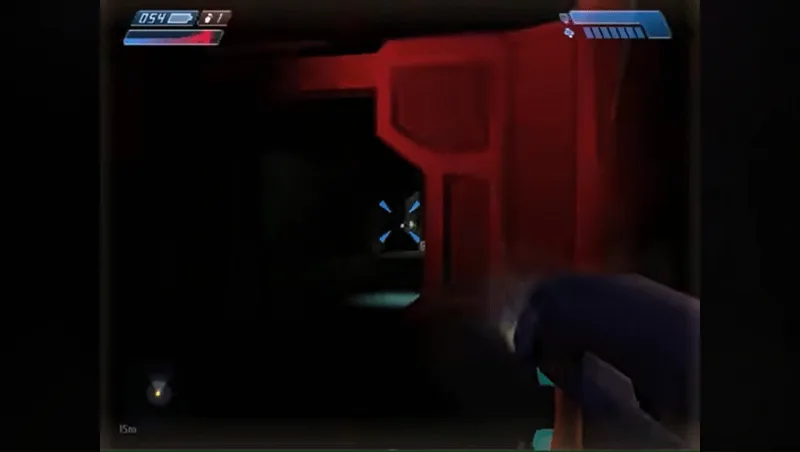
Halo: Combat Evolved has been demonstrated running on Sega Dreamcast hardware through an unofficial fan project called Halo: Dreamcast Evolved. Developed by a programmer known as Jilted Valkyrie, the ambitious conversion brings recognizable elements of Microsoft’s legendary first person shooter to Sega’s final home console. A gameplay demonstration lasting approximately 28 minutes, shared in November 2026, showcases campaign sequences, multiplayer environments, familiar weapons, and a modified title screen. According to the developer, approximately 77% of the campaign conversion is complete, although the project remains unfinished. The footage also reveals occasional performance limitations and hints at additional features, including an entirely new game mode.
The demonstration arrives shortly before the 25th anniversary of Halo: Combat Evolved and Microsoft’s original Xbox, both of which launched on November 15, 2001. Developed by Bungie, Halo introduced players to Master Chief, the alien Covenant, and the mysterious Halo ringworld, establishing gameplay conventions that influenced console shooters for decades. Sega’s Dreamcast, meanwhile, launched in Japan in November 1998 and reached North America in September 1999. Its earlier hardware architecture and smaller memory capacity made it considerably less powerful than Microsoft’s console. The possibility of running a recognizable version of Halo on Dreamcast therefore represents an unusual technical achievement, particularly because the game was originally associated with Xbox exclusivity.
Jilted Valkyrie publicly demonstrated Halo: Dreamcast Evolved through an extended gameplay recording shared on X in November 2026. IGN covered the project on November 10, drawing attention to the conversion and the contributions of Dreamcast programmer Falco Girgis. Public reporting identifies the developer primarily through the Jilted Valkyrie online identity, while detailed biographical information and the project’s complete development history remain unconfirmed. Nevertheless, the demonstration establishes that the conversion has progressed beyond a basic graphical experiment. It features actual combat, recognizable environments, and gameplay systems that resemble Bungie’s original experience. The developer has also acknowledged that the project is not intended to be a completely identical recreation of the Xbox release.
The 28 minute demonstration begins with a modified title screen displaying Halo: Dreamcast Evolved, accompanied by the familiar Halo theme. The presentation establishes a connection with the original game while giving the adaptation a separate identity. The recording subsequently moves into multiplayer gameplay, including recognizable Halo environments. One particularly notable appearance is Sidewinder, the expansive snowy multiplayer map known for its opposing bases, large combat spaces, and opportunities for encounters across considerable distances. Its inclusion demonstrates the developer’s ambition to reproduce more than small indoor arenas, although the available footage does not establish that every original multiplayer map or feature has been implemented.
The demonstration also includes gameplay from the opening campaign mission, The Pillar of Autumn, showing that the conversion extends into Halo’s single player experience. Recreating campaign gameplay involves substantially more than displaying environments or allowing basic weapon use. A functioning campaign requires scripted events, enemy behavior, progression systems, checkpoints, combat encounters, and interactions between numerous gameplay elements. The original Halo campaign contains ten missions, progressing from The Pillar of Autumn through locations and encounters associated with Halo, The Truth and Reconciliation, The Silent Cartographer, Assault on the Control Room, and later missions involving the Flood. Each section introduces different technical demands, making a complete campaign adaptation particularly challenging.
Jilted Valkyrie has stated that approximately 77% of the campaign conversion is complete, but the percentage should be understood as the developer’s own progress estimate rather than an independently verified measurement. It does not establish exactly which missions, gameplay systems, scripted events, or technical features remain unfinished. Some remaining work may involve relatively straightforward corrections, while other tasks could require substantial optimization or debugging. Large outdoor environments create demands involving geometry processing and visibility management, while indoor combat sequences require effective coordination of lighting, enemies, and visual effects. Vehicle sections introduce additional challenges involving movement, collisions, camera behavior, and interactions with the environment. Consequently, the reported completion percentage does not guarantee that the remaining development will proceed quickly.
Multiplayer forms another important part of Halo: Dreamcast Evolved, particularly because the original Halo became famous for local multiplayer and Xbox system link sessions. Sidewinder’s inclusion connects the project with that legacy, recreating a battlefield remembered for its scale and distinctive layout. However, visible multiplayer gameplay should not be interpreted as confirmation that every original competitive feature is operational. The demonstration does not establish the maximum supported player count, complete game mode selection, networking configurations, or compatibility between separate Dreamcast systems. There is also a distinction between multiplayer functionality operating in a development build and a finished implementation capable of supporting reliable public matches.
The developer has also suggested that Halo: Dreamcast Evolved will contain features unavailable in other versions of Halo: Combat Evolved, including an entirely new game mode. This makes the project more than a straightforward attempt to reproduce the original game on different hardware. Rather than maintaining complete equivalence with Bungie’s release, Jilted Valkyrie appears interested in introducing additional content and adapting the experience to the Dreamcast’s capabilities. However, the new mode’s mechanics, objectives, rules, and relationship to existing campaign or multiplayer systems have not been publicly explained. There is no confirmed evidence that it involves cooperative gameplay, survival encounters, alternative competitive rules, or another specific format.
Another possibility raised by the developer concerns online multiplayer on Sega Dreamcast. Jilted Valkyrie has expressed interest in allowing players to experience Halo through the console’s networking capabilities. The Dreamcast was an early home console to emphasize internet connectivity, with built in modem support and an optional broadband adapter. Games such as Phantasy Star Online established its reputation for connected gaming, while modern homebrew libraries provide developers with tools for implementing network communication. Nevertheless, the existence of networking hardware does not mean that Halo: Dreamcast Evolved currently supports internet multiplayer. A finished implementation would require player synchronization, session management, network communication, latency handling, and compatibility testing across different connection configurations.
The original Xbox version of Halo: Combat Evolved became associated with local multiplayer and system link rather than the later Xbox Live matchmaking service. An unofficial Dreamcast adaptation with functioning online multiplayer could therefore offer an interesting alternative interpretation of the original experience. However, internet multiplayer remains a developer expressed ambition rather than a confirmed feature. The same caution applies to the undisclosed new game mode and other potential additions. The footage confirms meaningful development progress, but it does not establish that every proposed feature will be available in a finished public release.
The November 2026 demonstration is significant because it provides an extended view of an ambitious conversion operating within the Dreamcast development ecosystem. Viewers can observe recognizable gameplay rather than relying exclusively on screenshots or brief technical demonstrations. The recording also reveals that the project remains subject to performance limitations and unfinished content. Halo: Dreamcast Evolved is an unofficial fan project, not an officially announced Microsoft, Xbox, Bungie, or Halo Studios release. Its achievement lies in reproducing important elements of Halo’s identity on hardware that was never intended to run the original Xbox game.

How Halo: Combat Evolved Runs on Dreamcast Hardware, Performance Limitations, and Homebrew Development Tools
Porting Halo: Combat Evolved from Xbox to Sega Dreamcast requires substantial technical adaptation because the consoles use fundamentally different hardware architectures. Microsoft’s original Xbox includes a 733 MHz Intel processor, an Nvidia graphics processor, and 64 MB of unified system memory. Sega’s Dreamcast uses a 200 MHz Hitachi SH-4 processor, PowerVR graphics technology, and 16 MB of main system memory, alongside separate graphics and audio memory resources. These differences affect rendering, memory management, processor workloads, and software compatibility. The Xbox version cannot simply be copied onto Dreamcast storage media and executed without extensive changes.
The most important hardware differences can be summarized as follows:
| Hardware Feature | Sega Dreamcast | Original Xbox |
|---|---|---|
| Original Launch | 1998 in Japan, 1999 in North America | November 15, 2001 |
| Main Processor | Hitachi SH-4 | Intel processor |
| Processor Clock Speed | 200 MHz | 733 MHz |
| Graphics Technology | PowerVR | Nvidia graphics processor |
| Main System Memory | 16 MB | 64 MB unified memory |
| Graphics Architecture | Tile based rendering | Xbox graphics architecture using DirectX era capabilities |
| Halo Support | Unofficial conversion under development | Original commercial release |
The difference in memory capacity is especially important because Halo contains textures, character models, environmental geometry, audio, gameplay information, and numerous interacting systems. The Xbox provides four times the Dreamcast’s main system memory, although the consoles organize their resources differently, meaning the comparison does not fully describe their respective capabilities. The Dreamcast’s PowerVR hardware uses a tile based rendering approach that can provide efficiency advantages for particular workloads, but it cannot eliminate the console’s processing and memory limitations. A successful conversion must work within those restrictions while preserving enough of Halo’s environments, combat mechanics, and presentation to remain recognizable.
Graphics rendering is one of the most demanding aspects of the conversion. Halo’s original engine was developed around the Xbox’s capabilities, including its approach to geometry processing, textures, lighting, transparency, and memory allocation. The Dreamcast uses a substantially different rendering pipeline, meaning those operations must be adapted to hardware with different strengths and limitations. Potential techniques include simplifying expensive visual effects, reorganizing assets, adjusting texture storage, or changing how scenes are rendered. However, Jilted Valkyrie has not published a complete technical breakdown establishing which modifications were made, so these should be understood as possible engineering approaches rather than confirmed implementation details.
Processor performance creates additional challenges because first person shooters must coordinate numerous systems simultaneously. Player movement, weapon firing, projectile behavior, enemy interactions, collisions, camera movement, and scripted events all require processing time. Large environments introduce further demands involving object visibility and scene management. The developer must also balance graphical presentation against gameplay responsiveness, particularly because Halo’s combat depends on accurate aiming, movement, and rapid reactions. The conversion’s technical achievement is not that Dreamcast matches the original Xbox hardware, but that carefully adapted software can reproduce recognizable gameplay despite these differences.
Performance remains one of the clearest limitations visible in the demonstration. IGN’s November 10 coverage indicated that the game appears to experience frame rate drops below 30 frames per second during some sequences. However, no comprehensive independent analysis has established its average frame rate, minimum performance, or consistency across every campaign mission and multiplayer environment. It would therefore be inaccurate to describe Halo: Dreamcast Evolved as maintaining a locked 30 FPS or to assign a verified minimum frame rate. The reported fluctuations demonstrate the challenges of adapting demanding Xbox era gameplay to Sega’s earlier hardware.
Several factors could contribute to these performance limitations, including geometry processing, texture transfers, rendering workloads, memory management, and CPU intensive gameplay systems. These are technically plausible explanations rather than confirmed diagnoses of the current build. Frame rate stability is especially important in a shooter because fluctuations can affect camera movement, aiming, visual feedback, and the perceived responsiveness of combat. Future optimization could potentially improve performance through more efficient calculations, resource management, asset organization, or rendering procedures. However, the developer has not established how much improvement will be achieved before release.
The project also illustrates the importance of modern Dreamcast development tools, particularly KallistiOS and SH4ZAM. Jilted Valkyrie publicly credited programmer Falco Girgis and acknowledged that these resources helped make the conversion possible. KallistiOS is an independently developed software development kit and operating environment for Dreamcast. It provides programmers with interfaces for accessing hardware, managing memory and other resources, processing controller input, rendering graphics, and creating applications. Continued development of KallistiOS has made Dreamcast programming more accessible long after Sega ended commercial support for the console.
SH4ZAM is a performance oriented mathematics and linear algebra library designed to take advantage of the Dreamcast’s SH-4 processor. Its optimized mathematical operations support calculations used in graphics rendering, transformations, vectors, and other demanding aspects of three dimensional games. The library emerged partly from optimization work associated with unofficial Dreamcast adaptations of Grand Theft Auto III and Grand Theft Auto: Vice City. Those projects generated technical knowledge that could benefit other developers attempting ambitious conversions. Jilted Valkyrie also identified technical articles about Grand Theft Auto III on Dreamcast as an important source of inspiration.
The relationship between these development efforts demonstrates how improvements within the homebrew community accumulate over time. A mathematical optimization developed for one game can potentially support an entirely different project, while improvements to programming libraries can reduce the amount of foundational work required for future conversions. Halo: Dreamcast Evolved benefits from this shared development knowledge, illustrating how independent programmers can collaborate indirectly through publicly available tools and technical research. However, crediting Falco Girgis for development resources does not establish that he personally programmed Halo’s campaign, multiplayer, or other game systems. Jilted Valkyrie remains the developer publicly associated with the conversion.
Halo: Dreamcast Evolved differs from the original Xbox version in both technical implementation and creative direction. The Xbox release was designed around its native hardware and remains the historical reference for Bungie’s original experience. The Dreamcast version attempts to preserve recognizable first person combat, environments, and multiplayer elements while operating under different technical constraints. Visual differences may involve textures, lighting, environmental complexity, or other presentation characteristics, but a complete comparison identifying every altered asset has not been published. Some changes may result from technical necessity, while others reflect the developer’s decision not to create an exact one to one port.
The undisclosed new game mode further distinguishes the adaptation from the original release. Although the basic appeal comes from experiencing recognizable Halo gameplay on Dreamcast, the developer is also exploring opportunities to create a version with its own identity. That approach may be important because the Dreamcast’s capabilities could require alternative solutions for demanding sequences or systems. However, until additional demonstrations or technical documentation become available, the precise balance between faithful recreation and new content remains unknown.
The project demonstrates that older hardware can remain capable of technically ambitious software when developers understand its architecture and limitations. The Dreamcast cannot reproduce every aspect of the Xbox’s computing resources, but mature programming tools, optimized mathematical operations, and carefully designed conversions can extend its practical capabilities. Halo: Dreamcast Evolved therefore represents more than an unusual platform experiment. It highlights the continuing relevance of low level programming, reusable software libraries, hardware research, and collaboration within the retro gaming development community.

Halo: Dreamcast Evolved Release Date, Download Availability, Real Hardware Compatibility, and Retro Gaming Significance
Halo: Dreamcast Evolved does not have a confirmed public release date as of November 13, 2026. Jilted Valkyrie has reportedly expressed an expectation that the project could become available before the end of 2026, but this remains a development target rather than a verified launch commitment. The campaign is approximately 77% complete according to the developer, and the November demonstration reveals occasional performance limitations. These details indicate that further development, testing, and optimization may be required before a completed version can be distributed. No independently verified public download for the finished conversion had been established in the reporting reviewed.
Fans searching for a Halo Dreamcast ISO, installation package, or playable download should distinguish between the existence of gameplay footage and an authentic public release. Developers frequently demonstrate unfinished projects to show progress, obtain feedback, or highlight technical achievements before making playable builds available. A functioning development version may still require substantial work involving crashes, compatibility, game progression, saving, audio, or performance. Consequently, a gameplay recording does not automatically establish that the software is ready for general distribution.
The project’s unofficial status also introduces intellectual property considerations. Halo is a commercial franchise associated with Microsoft and Xbox, and its original game assets remain protected by applicable intellectual property laws. Fan conversions can raise questions about distributing proprietary code, artwork, music, character models, and other protected materials. No verified announcement has established an official licensing agreement for Halo: Dreamcast Evolved, and its eventual distribution method remains uncertain. The developer could potentially explore arrangements that avoid directly distributing protected assets, but no particular method should be presented as confirmed without an announcement.
The available reporting describes Halo: Dreamcast Evolved as running on Dreamcast hardware, establishing that the project is intended for Sega’s console rather than existing exclusively as a visual recreation in another engine. However, the November demonstration does not provide comprehensive independent testing across different retail Dreamcast revisions, storage systems, or peripherals. A development build may function successfully in one hardware configuration without automatically supporting every consumer setup. A finished game must manage memory allocation, controller input, data loading, audio, saving, and potentially networking throughout extended gameplay sessions.
Storage compatibility is another consideration because the Dreamcast was originally designed around Sega’s GD-ROM format, while modern homebrew developers use several methods to load unofficial software. Different hardware configurations can influence loading behavior, available resources, and compatibility. The developer has not confirmed every supported method for running the eventual Halo conversion, meaning it would be premature to recommend a specific storage setup or claim universal compatibility across retail consoles.
Dreamcast emulators can also provide development and testing environments, but successful emulation does not establish identical behavior on original hardware. Emulators may differ in how accurately they reproduce timing characteristics, memory constraints, and hardware operations. Similarly, a build demonstrated on a physical console may encounter issues under particular emulator configurations. Comprehensive compatibility testing will become more practical if a public version is released and additional users can evaluate the software across different systems.
The most important confirmed features and unresolved questions can be summarized as follows:
| Feature or Development | Status as of November 13, 2026 |
|---|---|
| Project Name | Halo: Dreamcast Evolved |
| Developer | Jilted Valkyrie |
| Official Microsoft or Xbox Release | No |
| Gameplay Demonstration | Approximately 28 minutes |
| Campaign Progress | Approximately 77% complete, according to the developer |
| Campaign Gameplay | Demonstrated |
| Multiplayer Gameplay | Demonstrated |
| Sidewinder Multiplayer Map | Shown in footage |
| Frame Rate | Visible drops below 30 FPS reported in some sequences |
| New Game Mode | Mentioned by developer, details undisclosed |
| Online Multiplayer | Developer interest expressed, functionality unconfirmed |
| Public Release Date | Not confirmed |
| Expected Release Window | Developer reportedly targeting 2026 |
| Verified Completed Download | Not established |
| Comprehensive Retail Hardware Compatibility | Not yet independently verified |
The project has broader significance for retro gaming because it demonstrates how technically demanding games can inspire new development long after their original platforms have been discontinued. The Dreamcast has maintained an active homebrew community dedicated to creating original games, improving programming tools, and adapting software from other systems. Projects involving complex three dimensional environments are particularly valuable because they encourage developers to investigate processor behavior, graphics performance, memory management, and software design in greater detail. The resulting improvements can benefit future projects through reusable libraries and publicly shared technical knowledge.
Halo: Dreamcast Evolved also connects two important periods of console gaming history. Sega’s Dreamcast represented the company’s final attempt to compete in the home console market, while Microsoft’s Xbox entered the industry in 2001 with Halo as one of its most influential launch titles. Seeing Halo adapted to Dreamcast creates an alternative perspective on how games and platforms developed during that period. The project challenges assumptions about which experiences could have existed on Sega’s console while demonstrating the extent to which modern programming knowledge can influence the capabilities of older hardware.
The conversion also contributes to discussions about video game preservation and technical history. Preserving games involves more than maintaining copies of original software. It can also include documenting hardware behavior, retaining development knowledge, studying programming techniques, and understanding the engineering decisions behind important releases. Unofficial conversions can contribute to that broader understanding by showing how a game’s systems might operate under different constraints. However, they do not replace the preservation of authentic original versions or establish that an adaptation reproduces every technical detail of its source material.
There is also a creative element to adapting games to hardware they were never intended to support. Developers must decide which aspects of the original experience are essential and which can be changed without losing the game’s identity. Halo: Dreamcast Evolved appears to preserve recognizable combat, environments, and multiplayer elements while allowing for performance compromises and additional content. The proposed new game mode suggests that the developer sees the Dreamcast version as an opportunity for experimentation rather than merely a technical reproduction.
The project’s ultimate success will depend on completing the campaign, improving performance, validating hardware compatibility, and determining a suitable release method. Online multiplayer and the undisclosed new mode could become important attractions if successfully implemented, but neither should be treated as a finished public feature. The developer’s reported 2026 release target remains uncertain, particularly because the campaign is still incomplete. Further updates will be necessary to establish whether the project can deliver a stable and accessible experience to the wider Dreamcast community.
Even without a confirmed public release, the 28 minute demonstration represents a meaningful achievement for independent game development. It shows recognizable Halo gameplay operating within an environment associated with Sega’s older hardware, supported by years of technical research and shared programming tools. The project also demonstrates how collaboration across the homebrew community can enable increasingly ambitious experiments.
Halo: Dreamcast Evolved illustrates the continuing potential of retro console development, particularly when programmers combine modern tools with a detailed understanding of historical hardware. Its technical achievements are substantial, but its unfinished status, performance limitations, and uncertain release arrangements remain important. Whether the final project becomes widely playable or remains an influential demonstration, it already provides an example of how independent developers can reinterpret familiar games while extending the practical capabilities of classic gaming systems.

Frequently Asked Questions (FAQs)
- What is Halo: Dreamcast Evolved?
Halo: Dreamcast Evolved is an unofficial fan conversion of Halo: Combat Evolved for Sega Dreamcast, developed by a programmer known as Jilted Valkyrie. The project attempts to recreate recognizable elements of Bungie’s original Xbox shooter on Sega’s older hardware. A November 2026 demonstration lasting approximately 28 minutes showed campaign gameplay, multiplayer environments, and a modified title screen. However, the conversion remains unfinished and has not been announced as an official Microsoft, Xbox, Bungie, or Halo Studios product. - Who created the Halo: Combat Evolved Dreamcast port?
Jilted Valkyrie is the developer publicly associated with Halo: Dreamcast Evolved. The programmer shared the extended gameplay demonstration in November 2026 and discussed the project’s development through social media. Jilted Valkyrie also acknowledged Falco Girgis for technical resources associated with KallistiOS and SH4ZAM, which support Dreamcast programming and performance optimization. However, crediting Girgis for these tools does not establish that he directly developed the Halo conversion. Detailed information about Jilted Valkyrie’s identity and complete development history remains limited. - How much of the Halo Dreamcast campaign is complete?
According to Jilted Valkyrie’s November 2026 statements, approximately 77% of the campaign conversion is complete. This is the developer’s progress estimate rather than an independently verified measurement. The percentage does not identify every unfinished mission, gameplay system, or technical requirement. Some remaining work could involve difficult optimization, scripted events, or compatibility testing, meaning the final stages may require substantial development. The demonstration confirms progress on the campaign, but it does not establish that the complete experience is ready for release. - Does Halo: Dreamcast Evolved include multiplayer?
Yes. The November 2026 gameplay demonstration includes recognizable multiplayer action, including the classic Sidewinder map. This confirms that multiplayer forms part of the project’s development and that the developer has recreated environments associated with the original Halo experience. However, the footage does not establish a complete list of supported player counts, game modes, or networking configurations. The developer has also expressed interest in online multiplayer, but a finished and publicly tested internet implementation has not been confirmed. - Can the Sega Dreamcast really run Halo: Combat Evolved?
The November 2026 demonstration shows a recognizable adaptation of Halo operating within the Dreamcast development environment, with reporting describing gameplay on Sega’s hardware. The achievement is significant because Dreamcast uses a 200 MHz Hitachi SH-4 processor and considerably less memory than the original Xbox. However, the project is not an identical copy of Microsoft’s original release and shows visible performance compromises. A complete public release would be needed to establish broader compatibility across retail Dreamcast configurations. - What frame rate does Halo achieve on Dreamcast?
IGN’s November 2026 coverage indicated that Halo: Dreamcast Evolved appears to drop below 30 frames per second during some sequences. However, no complete independent performance analysis has established the average frame rate, minimum FPS, or consistency across every campaign mission and multiplayer map. The project remains under development, so further optimization could affect its performance. It would therefore be inaccurate to claim that the conversion runs at a consistently locked 30 FPS or another specific frame rate without verified measurements. - What is the difference between Halo on Dreamcast and Xbox?
The original Halo: Combat Evolved launched commercially for Xbox in November 2001, using Microsoft’s more powerful processor, graphics architecture, and larger memory capacity. Halo: Dreamcast Evolved is an unofficial adaptation designed to reproduce recognizable gameplay within Sega’s different technical limitations. The Dreamcast version may involve changes to graphics, assets, performance, and implementation. Jilted Valkyrie has also stated that the project is not intended to be an exact one to one conversion and has mentioned additional content, including an undisclosed new game mode. - When will Halo: Dreamcast Evolved be released?
Halo: Dreamcast Evolved does not have a confirmed public release date as of November 13, 2026. The developer has reportedly expressed an intention to release the project before the end of 2026, but that remains a development target rather than an established launch schedule. The campaign is approximately 77% complete according to the developer, and further testing and optimization may be required. No independently verified download for the completed conversion has been established, so fans should rely on authentic developer announcements for release information. - Will Halo: Dreamcast Evolved support online multiplayer?
Online multiplayer has been discussed as a potential feature, but it has not been confirmed as a finished part of the project. The Dreamcast includes networking capabilities, and its homebrew development tools support network communication. However, reliable internet multiplayer would require systems for player synchronization, session management, latency handling, and compatibility between different networking configurations. Jilted Valkyrie has expressed interest in online Halo gameplay, but this should be treated as an ambition until a functioning implementation is demonstrated and verified. - Why is the Halo Dreamcast port important for retro gaming?
Halo: Dreamcast Evolved demonstrates how independent developers can extend the capabilities of older gaming hardware through technical research and optimized programming. Recreating recognizable Halo gameplay on Sega Dreamcast requires adapting complex graphics, gameplay, and memory intensive systems to a console released before the original Xbox. The project also highlights the importance of KallistiOS, SH4ZAM, and knowledge shared within the Dreamcast homebrew community. Beyond its technical achievement, it contributes to discussions about game preservation, hardware experimentation, and creative reinterpretations of established titles.

Conclusion
The Halo: Combat Evolved Sega Dreamcast port, showcased in November 2026, represents an impressive achievement in retro gaming and independent development. Through approximately 28 minutes of gameplay footage, developer Jilted Valkyrie demonstrated a recognizable adaptation of Microsoft’s iconic shooter featuring campaign sequences, multiplayer action on the classic Sidewinder map, and a modified title screen identifying the project as Halo: Dreamcast Evolved. Despite visible performance limitations and the substantial hardware differences between Dreamcast and the original Xbox, the developer reports that 77% of the campaign is complete. Plans for additional features, including an undisclosed game mode, could also distinguish the adaptation from a conventional port.
The project highlights the importance of the Dreamcast homebrew community, particularly development tools such as KallistiOS and SH4ZAM and the technical contributions of programmers including Falco Girgis. However, questions remain about the final release date, online multiplayer, complete campaign functionality, and compatibility across different hardware configurations. These uncertainties do not diminish the technical progress already demonstrated. As Halo approaches its 25th anniversary on November 15, 2026, Halo: Dreamcast Evolved offers an unexpected perspective on the franchise’s origins while illustrating how collaborative programming, hardware experimentation, and modern development techniques can extend the capabilities of classic gaming consoles.
Sources and Citations
- IGN, Ryan McCaffrey, November 10, 2026, Someone Got Halo 1 Running on a Sega Dreamcast: Reports Jilted Valkyrie’s unofficial Halo: Combat Evolved conversion, including 28 minutes of campaign and multiplayer footage, the 77% campaign completion estimate, performance limitations, additional gameplay features and the use of modern Dreamcast development tools.
https://www.ign.com/articles/someone-got-halo-1-running-on-a-sega-dreamcast - IXBT Games, Dmitry Krivov, November 12, 2026, Halo on a Sega Console? An Enthusiast Pulled Off an Unexpected Technical Feat: Covers the unofficial Halo Dreamcast conversion, its campaign and multiplayer demonstrations, frame-rate drops below 30 FPS, development progress and planned additional modes.
https://ixbt.games/en/news/2026/11/12/halo-na-konsoli-sega-entuziast-soversil-neozidannyi-texniceskii-podvig.html - Sutato, November 10, 2026, Halo: Combat Evolved’s Fan-Made Dreamcast Port Shows Off 28 Minutes: Discusses the gameplay demonstration, differences between Dreamcast and Xbox hardware, reported frame rates, optimization techniques, unfinished campaign content and the absence of a confirmed public release date.
https://sutato.now/news/platform/xbox/halo-combat-evolved-fan-made-dreamcast-port-shows-off-28-minutes - GameSpot, Chris Johnston, April 28, 2000, Full Dreamcast Specs: Historical technical reference documenting Sega Dreamcast hardware, including its 200 MHz Hitachi SH-4 processor, PowerVR graphics architecture, 16 MB main memory, sound hardware, storage format and graphical capabilities.
https://www.gamespot.com/articles/full-dreamcast-specs/1100-2463828/ - Van’s Hardware, November 16, 2001, Xbox Dissected: Original hardware analysis examining the first Xbox’s Intel processor, NVIDIA graphics chipset, 64 MB DDR memory configuration, motherboard layout, storage architecture and technical differences from contemporary consoles.
https://www.vanshardware.com/articles/2001/november/011116_Xbox/011116_Xbox.htm - WIRED, Andy Patrizio, February 15, 2001, Xbox Is in the Chips: Contemporary reporting on the original Xbox’s 733 MHz Intel processor, 64 MB system memory, NVIDIA graphics hardware, custom chipset and development architecture, providing context for the performance gap between Xbox and Dreamcast.
https://www.wired.com/2001/02/xbox-is-in-the-chips/ - KallistiOS, Official GitHub Repository: Primary technical documentation for the open-source Dreamcast development SDK, including SH-4 programming, PowerVR rendering, hardware interfaces, threading, networking, memory management, development tools and support for homebrew games.
https://github.com/KallistiOS/KallistiOS - KallistiOS, Official Development Documentation: Detailed reference covering the Dreamcast operating environment, kernel architecture, compilation toolchains, hardware access, peripheral support, graphics programming and the development workflow used by modern homebrew projects.
https://github.com/KallistiOS/KallistiOS/blob/master/doc/README.md - DreamSDK, Official Development Project: Documents the Windows-based Dreamcast development environment, including integrated KallistiOS tools, GNU compilers, libraries, configuration utilities and support for building homebrew software and games.
https://github.com/dreamsdk - DreamSDK, Official Website: Provides information about the Dreamcast software development kit, Windows installation process, toolchain configuration and available development utilities.
https://dreamsdk.org/ - SH4ZAM, Falco Girgis, Official Technical Documentation: Explains the optimized mathematics and linear algebra library for the Dreamcast’s SH-4 processor, including floating-point operations, assembly optimization, performance improvements and integration with KallistiOS.
https://sh4zam.com/ - SH4ZAM, Official GitHub Repository: Provides the open-source library, installation instructions, supported C and C++ interfaces, SH-4-specific optimizations, build configuration and integration with Dreamcast homebrew development projects.
https://github.com/gyrovorbis/sh4zam - SH4ZAM, Official Getting Started Guide: Technical instructions for installing and linking the optimized mathematics library through KallistiOS or CMake, including its use in Dreamcast applications and supported development environments.
https://sh4zam.com/guides/getting-started/ - Falco Girgis, Official GitHub Profile: Primary reference for Girgis’s contributions to Dreamcast homebrew development, including KallistiOS, SH4ZAM, supporting libraries and projects focused on modernizing the console’s software ecosystem.
https://github.com/gyrovorbis - Falco Girgis, LinkedIn, SH4ZAM Added to KallistiOS SDK: Developer-authored announcement explaining the integration of SH4ZAM into KallistiOS, its optimized SH-4 mathematics routines and its origins in performance improvements for unofficial Grand Theft Auto III and Vice City Dreamcast ports.
https://www.linkedin.com/posts/falcogirgis_cplusplus-embeddedsystems-optimizations-activity-7406874214789455872-BHeQ
Recommendations
- Road To Empress 2 Complete Endings Guide
- Heroes of Might and Magic 3 Remake Keeps Classic Gameplay for 2027
- Tom Clancy’s Jack Ryan: Complete Guide & Everything You Need to Know
- Blackmagic Design Released DaVinci Resolve 21 In Public Beta: 15 Features, AI Tools, and Photo Workflow Changes
- New Dawn of War 4 Adeptus Mechanicus Trailer Breakdown, Reaction, and Hidden Details Explained
- Fans lined up at midnight launch events for the Ocarina of Time remake despite digital availability
- Cisco’s AI Code Rewrite: The 98% Target and 24 Month Plan Explained
- Dragon Ball Z Theme Park in France? Saudi Arabia’s $7 Billion Cergy-Pontoise Plan
- How The View Keeper Improves Blender Rendering Workflows
- Nintendo of America’s Nate Bihldorff Discusses Localizing the Ocarina of Time Remake’s Most Obscure Secrets



































































































